Ayodhya is one of the oldest cities mentioned in ancient Indian scriptures. According to Hindu tradition, it was founded by Manu, the first man in Hindu mythology. The city became the capital of the Kosala Kingdom and was ruled by the Ikshvaku dynasty.
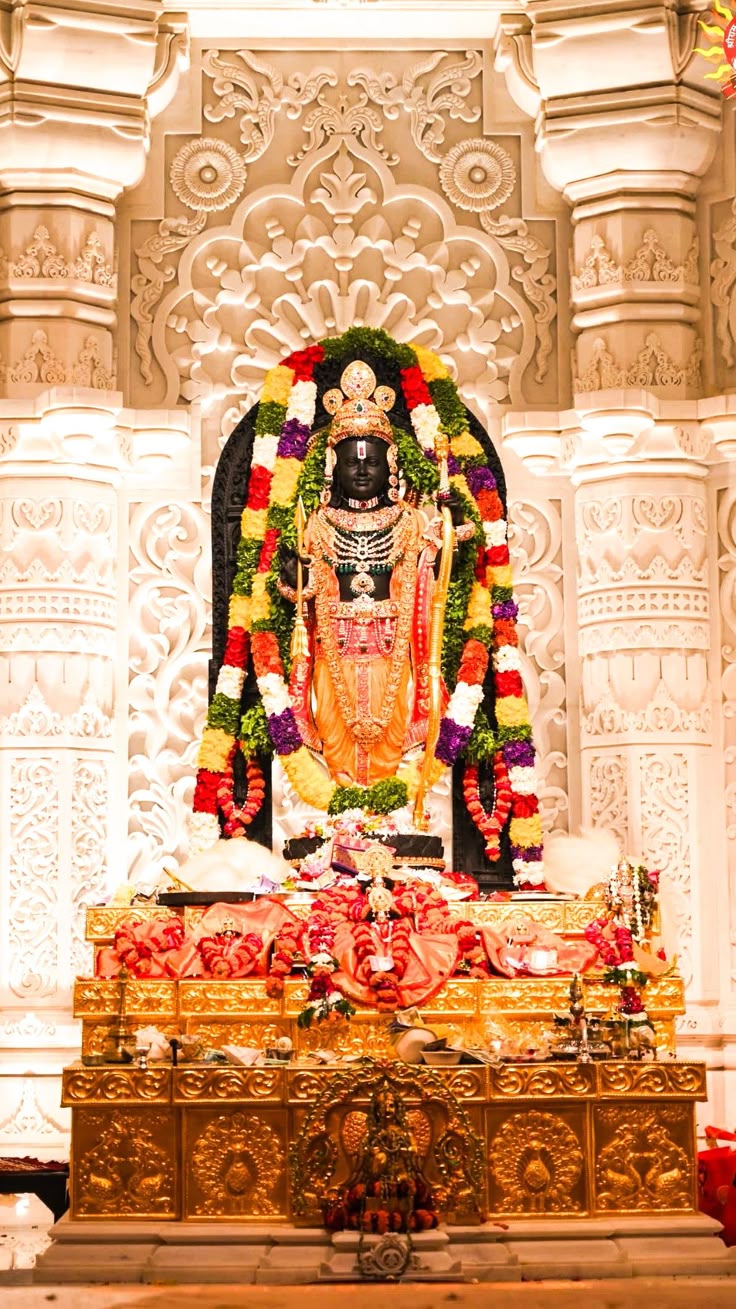
Ayodhya is most famous as the birthplace of Lord Ram, who is considered the seventh avatar of Lord Vishnu. The story of Lord Ram, described in the Ramayana written by Maharishi Valmiki, has influenced Indian culture, ethics, spirituality, and literature for thousands of years.
The name “Ayodhya” means “unconquerable.” Ancient texts describe the city as prosperous, peaceful, and spiritually advanced.
Ayodhya in the Ramayana
The Ramayana is one of the greatest epics in the world, and Ayodhya is at the center of its story. Lord Ram was born here to King Dasharatha and Queen Kaushalya. The city witnessed important events such as:
- Birth of Lord Ram
- Ram’s childhood
- His marriage to Sita
- Exile to the forest
- Return after defeating Ravana
- Coronation as king
The ideals of Lord Ram continue to inspire millions of people. He is respected as the symbol of truth, discipline, courage, and duty.
Medieval and Modern History
Ayodhya remained an important religious center through different historical periods. Various dynasties and rulers contributed to temples, architecture, and cultural traditions.
In modern India, Ayodhya gained global attention due to the Ram Janmabhoomi movement. The construction of the Ram Mandir became one of the most significant cultural and religious developments in India.
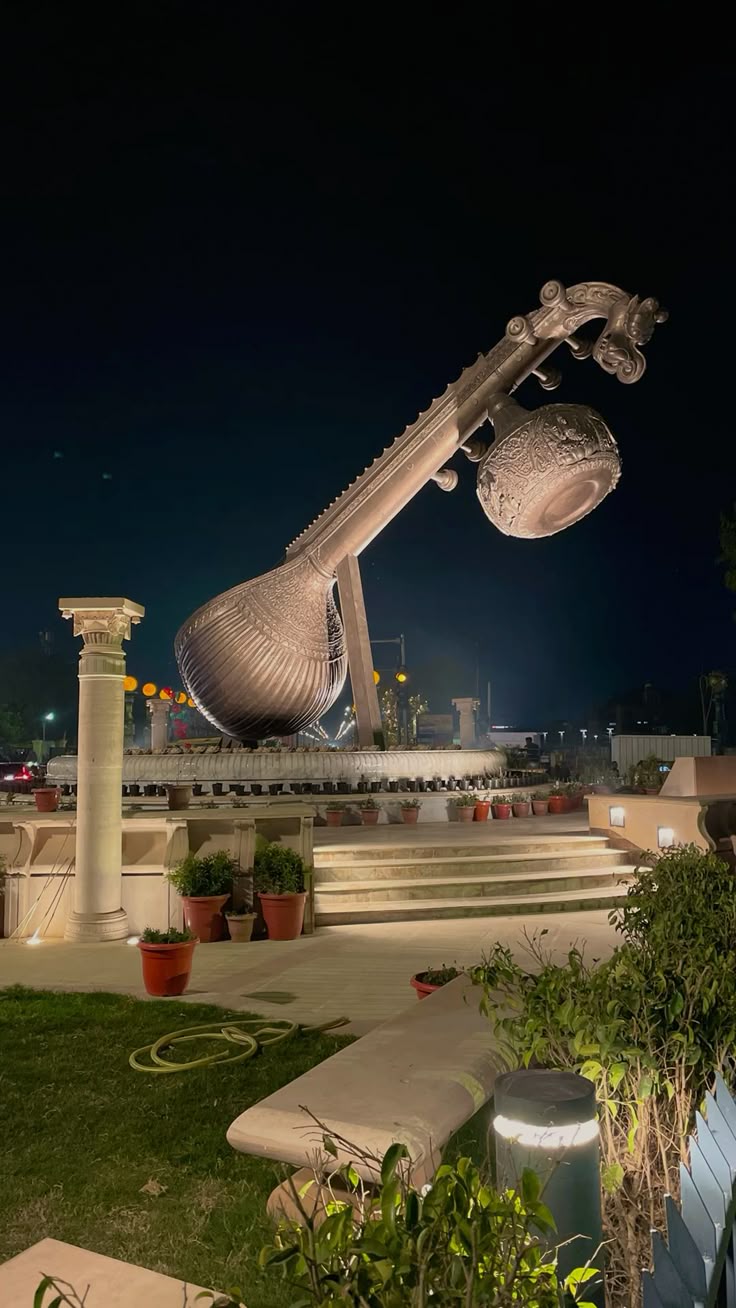
Today, Ayodhya is transforming into a major spiritual and tourism center with modern infrastructure, improved roads, airports, hotels, and cultural projects.
Chapter 2: Historical Importance of Varanasi
One of the Oldest Living Cities
Varanasi is believed to be more than 3000 years old and is often called the oldest living city in the world. The city has witnessed countless civilizations, kings, saints, philosophers, poets, and pilgrims.
According to Hindu belief, Varanasi was founded by Lord Shiva himself. It is said that dying in Varanasi brings liberation from the cycle of birth and death.
Center of Learning and Culture
Varanasi has been a major center of education, philosophy, music, Sanskrit studies, yoga, and spirituality for centuries.
Great scholars and saints associated with Varanasi include:
- Kabir
- Tulsidas
- Ravidas
- Adi Shankaracharya
- Buddha (nearby Sarnath)
The city became a meeting point for spirituality, literature, music, and art.
Influence of Buddhism and Jainism
Near Varanasi lies Sarnath, where Gautama Buddha gave his first sermon after attaining enlightenment. This makes the region highly important for Buddhists around the world.
Jainism also has deep roots in the region, adding to the spiritual diversity of Varanasi.
Mughal and Colonial Era
Despite invasions and political changes, Varanasi preserved its religious identity. Temples were rebuilt multiple times, and the city continued to thrive as a spiritual and cultural center.
During British rule, Banaras became an important educational and cultural city. Banaras Hindu University, founded by Madan Mohan Malaviya, became one of India’s leading institutions.
Chapter 3: Spiritual Importance of Ayodhya
Birthplace of Lord Ram
For Hindus, Ayodhya is not just a city but a sacred symbol of devotion. Millions of devotees visit Ayodhya to seek blessings from Lord Ram.
The teachings of Ram emphasize:
- Truth
- Duty
- Compassion
- Respect
- Justice
- Devotion
These values are deeply connected with Indian culture.
Ram Janmabhoomi Temple
This is the main attraction of Ayodhya and a symbol of devotion for millions.
Hanuman Garhi
A famous temple dedicated to Lord Hanuman. Devotees believe visiting Hanuman Garhi before Ram Mandir brings blessings.
Kanak Bhawan
Known for its beautiful idols of Ram and Sita.
Nageshwarnath Temple
Dedicated to Lord Shiva and believed to have ancient origins.
Treta Ke Thakur
Associated with the Ashwamedha Yajna performed by Lord Ram.
Chapter 6: Famous Temples in Varanasi
Kashi Vishwanath Temple
The spiritual center of Varanasi.
Sankat Mochan Hanuman Temple
One of the most famous Hanuman temples in India.
Durga Temple
Known for its red-colored structure and spiritual significance.
Tulsi Manas Temple
Associated with Goswami Tulsidas and the Ramcharitmanas.
New Vishwanath Temple
Located inside Banaras Hindu University.
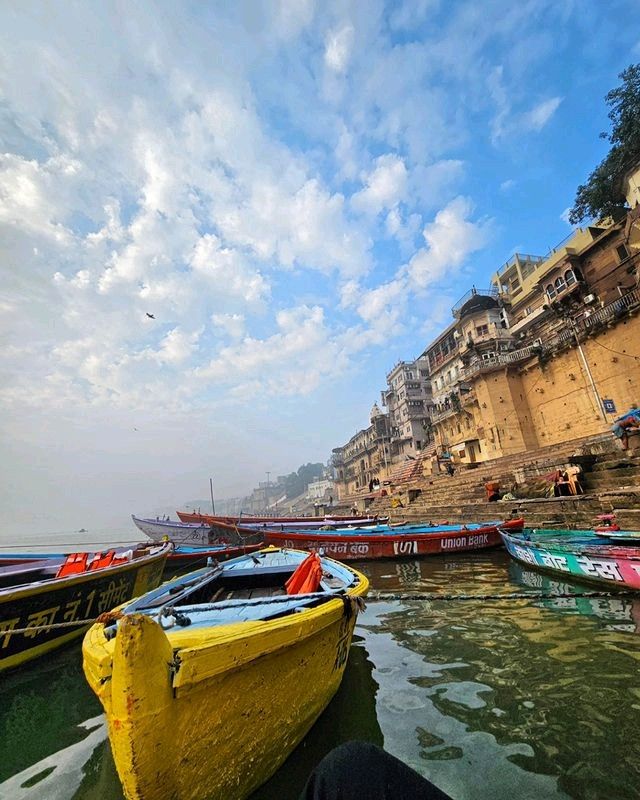
Chapter 7: The Ghats of Varanasi
Varanasi is famous for its ghats along the River Ganga.
Dashashwamedh Ghat
The busiest and most famous ghat.
Assi Ghat
Popular among students, tourists, and yoga enthusiasts.
Manikarnika Ghat
One of the main cremation ghats.
Harishchandra Ghat
Another sacred cremation site.
Rajendra Prasad Ghat
Known for peaceful views and photography.
Each ghat tells a story about life, spirituality, rituals, and human emotions.
Chapter 8: Architecture and Design
Ayodhya Architecture
The architecture of Ayodhya combines ancient temple traditions with modern development.
Features include:
- Sandstone carvings
- Large courtyards
- Traditional pillars
- Spiritual symbolism
Varanasi Architecture
Varanasi presents a blend of:
- Ancient temples
- Narrow lanes
- Historic houses
- Ghats
- Mughal influences
- Colonial structures
Walking through Varanasi feels like traveling through centuries of history.
Chapter 9: Culture and Traditions
Ayodhya Culture
Ayodhya’s culture revolves around devotion, Ramayana traditions, bhajans, and festivals.
Ram Leela performances are highly popular.
Varanasi Culture
Varanasi is famous for:
- Classical music
- Sanskrit learning
- Silk weaving
- Spiritual debates
- Traditional arts
The city has inspired poets, musicians, saints, and filmmakers.
Chapter 10: Food of Ayodhya and Varanasi
Famous Food in Ayodhya
- Kachori Sabzi
- Bedai
- Jalebi
- Rabri
- Lassi
- Chaat
Famous Food in Varanasi
Varanasi is a paradise for food lovers.
Popular dishes include:
- Banarasi Paan
- Tamatar Chaat
- Kachori Sabzi
- Malaiyyo
- Lassi
- Chena Dahi Vada
- Thandai
- Baati Chokha
Street food in Varanasi reflects the city’s energy and culture.
Chapter 11: Festivals and Celebrations
Festivals in Ayodhya
Deepotsav
Millions of diyas illuminate the city.
Ram Navami
Celebrates the birth of Lord Ram.
Diwali
Represents Ram’s return to Ayodhya.
Festivals in Varanasi
Dev Deepawali
The ghats shine with lamps and celebrations.
Maha Shivaratri
Dedicated to Lord Shiva.
Ganga Mahotsav
Celebrates culture, music, dance, and spirituality.
Chapter 12: Tourism Growth
Ayodhya Tourism Development
Ayodhya is rapidly developing with:
- Better roads
- Airports
- Hotels
- Riverfront projects
- Cultural centers
The city is becoming a major global pilgrimage destination.
Varanasi Tourism Development
Varanasi has improved infrastructure, river cruises, corridors, tourism facilities, and cultural events.
The Kashi Vishwanath Corridor transformed accessibility for pilgrims.
Chapter 13: Ayodhya and Varanasi in Indian Literature
These cities are deeply connected with Indian literature.
Ayodhya in Literature
- Ramayana
- Ramcharitmanas
- Bhakti poetry
Varanasi in Literature
- Kabir’s poetry
- Tulsidas writings
- Sanskrit scriptures
- Travel memoirs
Many authors describe Varanasi as a city where time stops.
Chapter 14: Music and Performing Arts
Varanasi and Classical Music
Varanasi is one of the biggest centers of Indian classical music.
Famous artists connected with Banaras include:
- Ravi Shankar
- Bismillah Khan
- Girija Devi
The Banaras Gharana is respected worldwide.
Ayodhya and Devotional Arts
Bhajans, Ram Leela, and devotional storytelling are major parts of Ayodhya’s cultural identity.
Chapter 15: Shopping Experiences
Shopping in Ayodhya
Visitors buy:
- Religious idols
- Ramayana books
- Handmade souvenirs
- Traditional clothes
Shopping in Varanasi
Varanasi is famous for:
- Banarasi silk sarees
- Wooden toys
- Brass items
- Rudraksha beads
- Handicrafts
Banarasi sarees are globally admired for craftsmanship and elegance.
Chapter 16: Local Life and Everyday Experiences
Daily Life in Ayodhya
The city begins with temple bells, prayers, and spiritual gatherings.
People often gather along the Sarayu River during mornings and evenings.
Daily Life in Varanasi
Varanasi never sleeps.
Morning boat rides, temple chants, crowded lanes, tea stalls, music, and spiritual discussions create a unique atmosphere.
Life and death coexist openly in Varanasi, making it one of the most philosophical cities in the world.
Chapter 17: Best Time to Visit
Ayodhya
Best months:
- October to March
Festivals make the city even more beautiful.
Varanasi
Best months:
- October to March
Winter mornings on the ghats are especially magical.
Chapter 18: Travel Guide
How to Reach Ayodhya
- By Air
- By Train
- By Road
How to Reach Varanasi
- Lal Bahadur Shastri Airport
- Major railway connectivity
- National highways
Suggested Travel Itinerary
Day 1
Explore Ram Mandir and Hanuman Garhi.
Day 2
Travel to Varanasi.
Day 3
Visit Kashi Vishwanath Temple and attend Ganga Aarti.
Day 4
Boat ride and explore Sarnath.