Since the Ram Mandir consecration in January 2024, demand for the Ayodhya to Varanasi tour has grown sharply, and 2026 looks busy for both cities. At Experience My India we plan this route every week for families and pilgrims across Delhi NCR, so this guide gives you the exact distance, travel options, a day-by-day plan, costs, and 2026 festival dates. Prefer it handled for you? Call +91-7302265809.
Why pair Ayodhya and Varanasi in 2026?
Both cities sit in the same belt of Uttar Pradesh, so visiting them together is efficient rather than two separate trips. Ayodhya centres on the new Ram Mandir and the Saryu riverfront; Varanasi centres on the Ganga ghats and Kashi Vishwanath. With post-consecration crowds still high, planning ahead matters, and our team keeps timing tight so you spend time in darshan, not in queues. The official Uttar Pradesh Tourism site is a useful reference for current advisories.
Distance and how to travel between the two cities
The distance is roughly 200 km, a 4–5 hour transfer. Most travellers finish Ayodhya in the morning and reach Varanasi for the evening Ganga Aarti. Here is how the options compare (2026 fares are indicative and vary by season):
| Mode | Travel time | Indicative fare | Best for |
|---|---|---|---|
| Private car / taxi | 4–5 hours | ₹3,000–6,000 (per car) | Families, flexibility, a Prayagraj stop |
| Train | 4–7 hours | ₹250–1,200 per person | Budget and solo pilgrims |
| Flight (connecting) | 2–3 hours + transfers | ₹3,500–8,000 per person | Tight schedules |
You can check live train options and fares on IRCTC. For most pilgrims a private car is smoothest and allows a Prayagraj (Triveni Sangam) halt — included on every trip we run.
The 3-day Ayodhya to Varanasi tour itinerary
Day 1 — Ayodhya, the city of Lord Ram
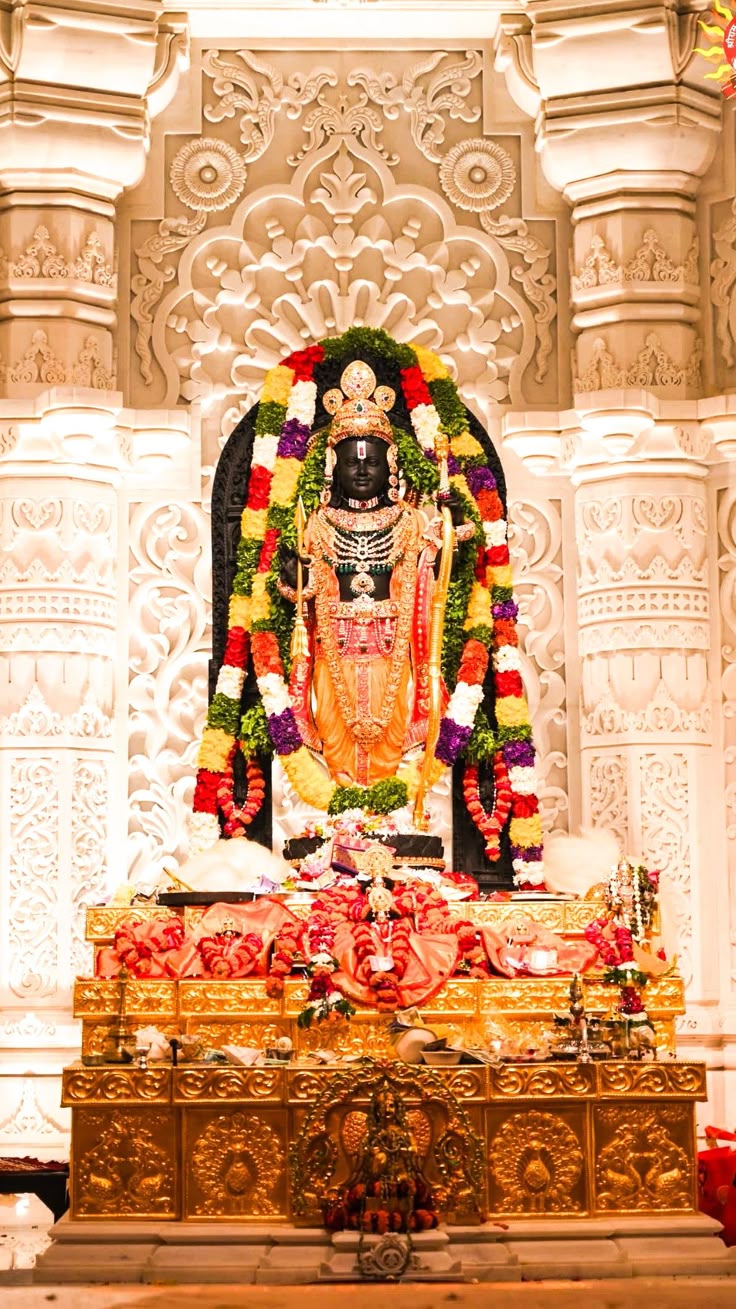
Begin with darshan at the Ram Mandir (typical windows are around 6:30 am–9:30 pm; confirm current timings), then Hanuman Garhi and Kanak Bhawan, and close with the Saryu Aarti. Experience My India schedules darshan early to avoid the heaviest crowds.
Day 2 — Transfer and the Ganga Aarti
After breakfast, travel the ~200 km to Varanasi with an optional Prayagraj stop. Arrive by late afternoon and reach Dashashwamedh Ghat for the evening Ganga Aarti. We pre-book ghat-side seating for guests.
Day 3 — Sunrise boat ride, Kashi Vishwanath and Sarnath
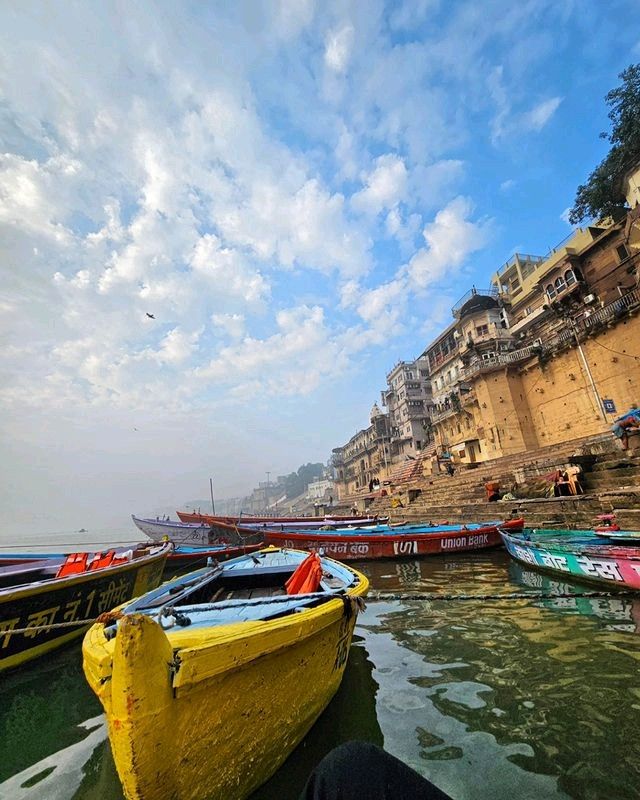
Take an early boat ride as the sun rises over the Ganga, then visit Kashi Vishwanath (roughly 3 am–11 pm; verify before darshan). In the afternoon, see Sarnath, where the Buddha gave his first sermon. For more breathing room, our 4-day Ayodhya–Varanasi tour package adds a relaxed extra day.
Where to stay in Ayodhya and Varanasi
Ayodhya has a fast-growing set of clean guesthouses and mid-range hotels near the temple complex, with rooms from about ₹1,500–4,000 a night. Varanasi ranges from riverside heritage hotels overlooking the ghats (₹4,000–12,000+) to budget stays in the old-city lanes (₹800–2,000). For a first visit, staying near the ghats makes the sunrise boat ride effortless. Experience My India books vetted, walkable-to-ghat properties so mornings are simple.
Add Prayagraj to the route
Because the drive passes near Prayagraj, many travellers add a half-day at the Triveni Sangam, the confluence of the Ganga, Yamuna, and the mythical Saraswati. It pairs naturally with this journey and adds a third sacred city without a separate trip — see our Prayagraj extension. With the next Maha Kumbh cycle drawing attention, Prayagraj interest is high in 2026.
How to reach Ayodhya and start the journey
Most travellers begin in Ayodhya, which is now well connected. The Maharishi Valmiki International Airport handles a growing number of domestic flights, while Ayodhya Dham Junction links the city by rail to Delhi, Lucknow, and other hubs. Lucknow, about 2.5 hours away by road, is a common entry point for those flying in, with frequent taxis onward. Once in the city, local autos and pre-booked cars cover the temple circuit easily. If you are coming from Delhi, an overnight train or a short flight to Lucknow or Ayodhya, followed by a private transfer, is the most comfortable start. Experience My India coordinates airport and station pickups so the first day begins on time, and we map the most efficient darshan order for the day you arrive, since crowd patterns differ on weekends and festival days. Tell us your arrival point and we plan the rest.
Best time to visit and 2026 festival dates
October to March is the comfortable window for temple visits and boat rides. A few 2026 dates to plan around (confirm locally, as festival dates shift):
- Maha Shivratri — around mid-February 2026, a major day at Kashi Vishwanath.
- Diwali in Ayodhya — around early November 2026; the Saryu Deepotsav is the city's biggest event.
- Dev Deepawali in Varanasi — about 15 days after Diwali (late November 2026), when the ghats glow with lamps.
These dates draw big crowds, so book transport and hotels early. Experience My India holds rooms ahead of festival demand.
What the trip costs
A guided 3-day trip typically runs ₹12,000–25,000 per person depending on hotel class, group size, and season, covering transport, stays, and darshan assistance. Festival-period trips cost more and sell out sooner. For an itemised quote for your dates, call Experience My India at +91-7302265809 — a fixed price with no hidden extras.
Travel tips for a smooth pilgrimage
- Dress modestly and carry slip-on footwear for temple entries.
- Keep cash for small vendors and boatmen, who rarely take cards.
- Start early to beat both heat and crowds at major temples.
- Respect photography rules during the aarti and inside temples.
- Build buffer time on festival dates — queues are long.
For more context on both cities, read our companion guides: Ayodhya and Varanasi: The Eternal Soul of India, From Ram Janmabhoomi to Kashi Vishwanath, and our complete 2026 travel notes. To lock dates, call +91-7302265809.
Frequently Asked Questions
How far is Ayodhya from Varanasi?
About 200 km, a 4–5 hour drive by car. Experience My India builds it as a half-day transfer between two full sightseeing days, so you do not lose a day to travel.
How many days do I need for this trip?
Three days is ideal — one for Ayodhya, a transfer day, and one for Varanasi. Experience My India also offers a relaxed 4-day version with extra time at the ghats and Sarnath.
What is the best way to travel between the cities?
A private car is the most comfortable at 4–5 hours and allows a Prayagraj stop; trains are cheaper. Experience My India arranges a vehicle and a driver who knows the route.
When is the best time to visit in 2026?
October to March is most comfortable. Diwali in Ayodhya and Dev Deepawali in Varanasi are striking but crowded. Experience My India recommends booking 6–8 weeks ahead for festival dates.
Can I see the Ganga Aarti and a sunrise boat ride on the same trip?
Yes — the evening Ganga Aarti on arrival and the boat ride at sunrise the next morning. Experience My India arranges both, including advance ghat seating.
What does the trip cost?
A guided 3-day trip is typically ₹12,000–25,000 per person depending on hotels, group size, and season. Experience My India gives a fixed, itemised quote at +91-7302265809.
Is Ayodhya very crowded in 2026?
Yes, demand stayed high after the 2024 Ram Mandir consecration, especially on weekends and festivals. Experience My India schedules early darshan and pre-books entries to keep things smooth.
Do you arrange hotels and darshan assistance?
Yes. Experience My India handles transport, vetted hotels, and darshan support across both cities, so you travel without logistics stress. Call +91-7302265809.
Jai Shri Krishna.