No trip to Varanasi is complete without darshan at the Kashi Vishwanath temple, the abode of Lord Shiva and one of the holiest shrines in India. For first-time pilgrims the lanes, timings, and aarti schedule can be confusing, so Experience My India has put together this practical guide covering darshan timings, the aartis, the new Dham corridor, how to reach it, dress code, and nearby shrines to combine. If you would rather have it all arranged for you, call Experience My India at +91-7302265809.
About the Kashi Vishwanath temple
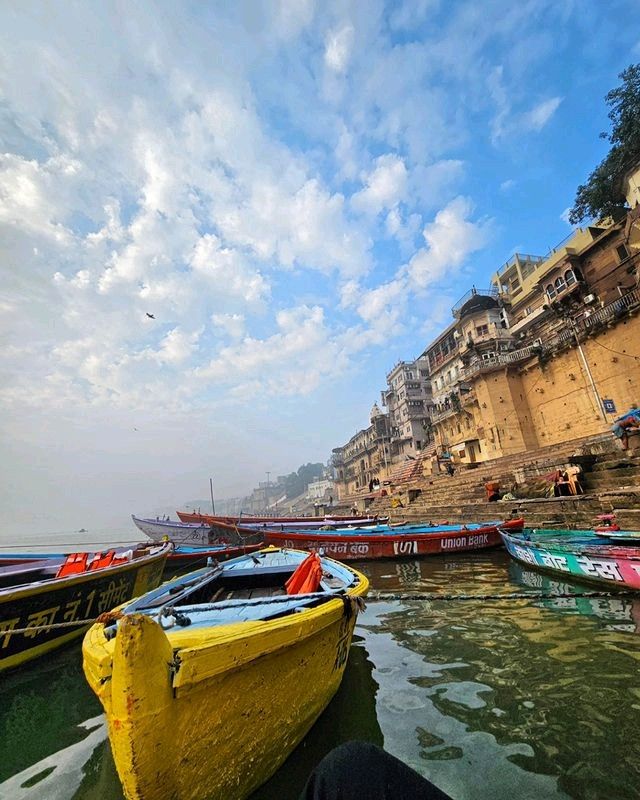
Located in Vishwanath Gali on the western bank of the Ganga, close to Dashashwamedh Ghat, the shrine is one of the twelve Jyotirlingas and has drawn devotees for centuries. Pilgrims believe a single darshan here, combined with a dip in the Ganga, is deeply auspicious. Experience My India guides note that pairing the temple with the morning boat ride and the evening Ganga Aarti makes for the most complete day in Varanasi.
Darshan timings and the daily aartis
The temple keeps long hours, opening around 3 am and closing near 11 pm, with several aartis through the day (timings can change on festivals, so confirm before you go). Here is the typical schedule:
| Aarti | Approx. time | Notes |
|---|---|---|
| Mangala Aarti | ~3:00–4:00 am | The first aarti; needs a ticket, very serene |
| Bhog Aarti | ~11:15 am | Midday offering |
| Sandhya (Saptarishi) Aarti | ~7:00 pm | Popular evening aarti |
| Shringar / Bhog Aarti | ~9:00 pm | The deity is adorned |
| Shayan Aarti | ~10:30 pm | The final aarti of the day |
For the Mangala Aarti, tickets are limited and sell out, so Experience My India recommends booking ahead. The official Shri Kashi Vishwanath Temple site lists current timings and ticket options.
The Dham corridor
The Kashi Vishwanath Dham corridor connects the shrine directly to the Ganga at Lalita and Manikarnika ghats, replacing the maze of narrow lanes with a wide, walkable pathway. It has made darshan far easier for elderly pilgrims and large families. Experience My India plans the route so you enter through the corridor and step out toward the ghats for the evening aarti without backtracking.
How to reach the temple
Varanasi is well connected. Lal Bahadur Shastri Airport is about 25 km from the city centre, and Varanasi Cantt is the main railway station, roughly 5 km from the ghats. From either point, taxis and e-rickshaws reach the edge of the old city, after which the final stretch to the temple is on foot through Vishwanath Gali or via the Dham corridor from the riverside. Because vehicles cannot enter the innermost lanes, Experience My India arranges a vehicle to the nearest drop point and a guide to walk you in, which saves time and confusion on a first visit. If you are travelling from Ayodhya, the road journey is about 200 km, an easy half-day transfer that our team handles end to end.
Temples and ghats to combine nearby
The area around the temple is dense with sacred sites, so it is worth planning a small circuit:
- Annapurna Devi temple — dedicated to the goddess of nourishment, right beside the main shrine.
- Kaal Bhairav temple — the guardian deity of Kashi, a short ride away.
- Sankat Mochan Hanuman temple — a beloved Hanuman shrine on the city's south side.
- Dashashwamedh Ghat — the venue for the grand evening Ganga Aarti, minutes from the corridor.
- Sarnath — where the Buddha gave his first sermon, an easy half-day add-on.
Experience My India sequences these so the timings line up — temple darshan by day, Ganga Aarti at dusk, and the boat ride at sunrise the next morning.
How to get faster darshan
On busy days the queue can be long. A few practical tips from the Experience My India team:
- Opt for an early-morning or late-evening slot when crowds thin out.
- Consider the Sugam Darshan ticket for a shorter queue where available.
- Travel light — phones and cameras are not allowed inside the sanctum, and cloakrooms hold your belongings.
- Visit on a weekday rather than a weekend or festival day if your dates are flexible.
Dress code and temple etiquette
Dress modestly, with shoulders and knees covered, and wear footwear you can remove easily. Photography is restricted inside, so respect the rules and the priests' instructions. The temple is an active place of worship before it is a sight, and a calm, respectful approach makes the darshan more meaningful. Experience My India briefs every guest on etiquette before the visit.
Best time to visit
October to March offers comfortable weather for the lanes and ghats. Maha Shivratri, around mid-February, is the temple's biggest day and draws enormous crowds, as does the month of Shravan. According to Uttar Pradesh Tourism, Varanasi sees peak footfall during these periods, so book early. Mondays are especially busy as Shiva's day, so plan midweek where you can. The monsoon months of July to September are humid, but the Shravan period within them is one of the most spiritually charged times to seek Lord Shiva's blessings if you can handle the crowds. For festival visits, Experience My India holds darshan slots and hotels well in advance.
Plan your Varanasi pilgrimage
The Kashi Vishwanath temple pairs naturally with Ayodhya for a complete pilgrimage. See our Ayodhya to Varanasi itinerary and the overview in Ayodhya and Varanasi: The Eternal Soul of India. Ready to book? Explore the 4-day Ayodhya–Varanasi package, the 2-day Ayodhya tour, or add Prayagraj — and call Experience My India at +91-7302265809 for a custom plan.
Frequently Asked Questions
What are the Kashi Vishwanath temple timings?
The temple opens around 3 am and closes near 11 pm, with aartis through the day. Timings shift on festivals, so Experience My India confirms the current schedule before every visit.
How can I get quick darshan?
Choose an early-morning or late-evening slot, consider a Sugam Darshan ticket, and avoid weekends and festival days. Experience My India arranges timed darshan to keep waiting short.
What is the Dham corridor?
It is a wide pathway connecting the shrine to the Ganga ghats, replacing the old narrow lanes. Experience My India routes guests through it for an easier, faster darshan.
Is there a dress code?
Yes — dress modestly with shoulders and knees covered, and wear easily removable footwear. Experience My India briefs every guest on temple etiquette beforehand.
Can I take my phone inside?
No, phones and cameras are not allowed in the sanctum; cloakrooms hold your belongings. Experience My India points you to the nearest secure cloakroom on arrival.
When is the best time to visit?
October to March is most comfortable; Maha Shivratri and Shravan are special but very crowded. Experience My India suggests booking 6–8 weeks ahead for these.
Can I combine the temple with Ayodhya?
Yes, Ayodhya and Varanasi pair into one trip of about 200 km. Experience My India plans the full Ayodhya–Varanasi route end to end.
Does Experience My India arrange darshan and aarti seating?
Yes. Experience My India handles darshan timing, aarti seating, hotels, and transport across Varanasi. Call +91-7302265809 for a tailored plan.
Jai Shri Krishna.