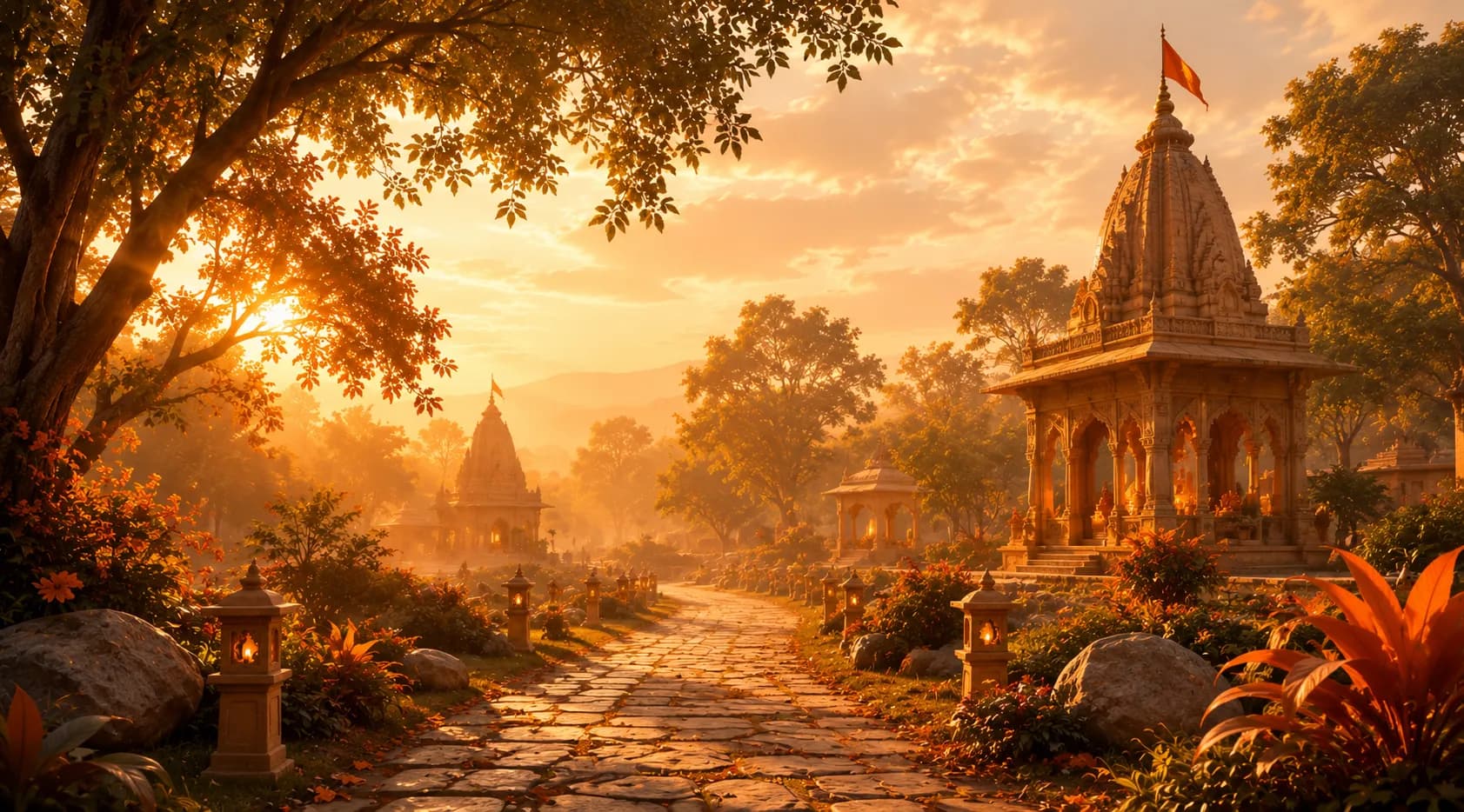
Experience the Divine Heritage of Ayodhya & Prayagraj
Explore Kashmir's most historic temples and mosques and explore the journey with us...
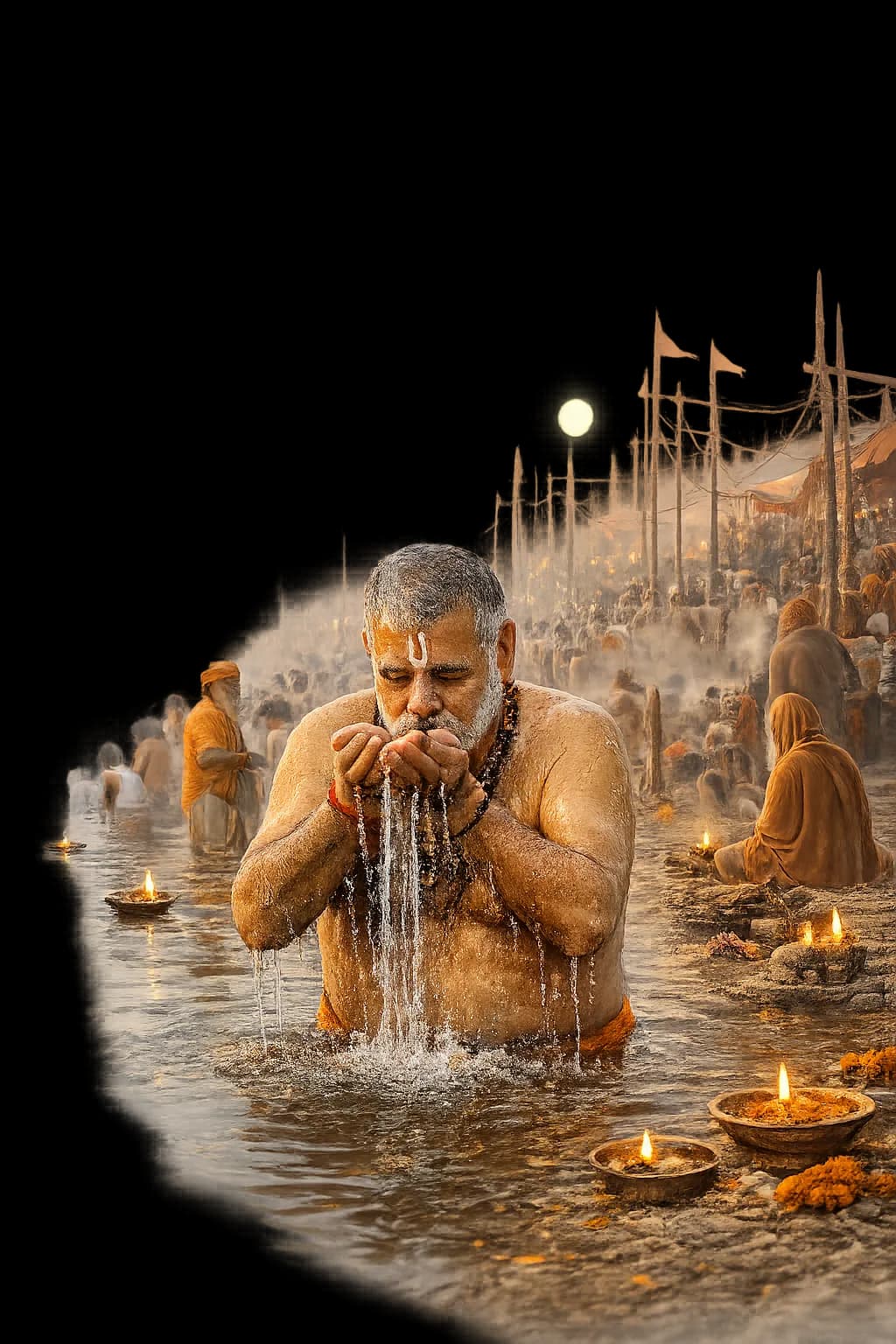
Festival Calendar
Almost every festival follows the lunar panchang (or the Hijri calendar for Muslim observances), so the Gregorian date shifts each year. Use the month as a planning anchor; confirm the exact date on each festival page before you book.
| Season / Month | Festival | City | Tradition |
|---|---|---|---|
January | Makar Sankranti snan | Prayagraj | Hindu |
Jan–Feb (Magh) | Magh Mela, Mauni Amavasya snan, Kalpavas | Prayagraj | Hindu |
February | Basant Panchami snan; Braj Holi opens | Prayagraj / Braj | Hindu |
Feb–Mar (Phalguna) | Maha Shivratri; Lathmar & Phoolon Wali Holi | Kashi / Braj | Hindu |
Mar–Apr (Chaitra) | Ram Navami; Hanuman Jayanti; Mahavir Jayanti | Ayodhya / Kashi | HinduJain |
Apr–May (Vaishakha) | Buddha Purnima | Sarnath & Bodh Gaya | Buddhist |
May–Jun (Jyeshtha) | Ghazi Miyan mela | Varanasi | Sufi |
Jun–Jul (Ashadha) | Dhammachakra Pravartana; Guru Purnima | Sarnath / Braj | BuddhistHindu |
Jul–Aug (Shravan) | Sawan Somwar; Jhula melas | Kashi / Ayodhya / Vrindavan | Hindu |
Aug–Sep (Bhadrapada) | Krishna Janmashtami; Radhashtami | Mathura & Vrindavan | Hindu |
Sep–Oct (Ashwin) | Pitru Paksha / Pind Daan; Navratri; Ramlila | Gaya / Kashi | Hindu |
Oct–Nov (Kartik) | Deepotsav; Dev Deepawali; Chhath; Govardhan | Ayodhya / Kashi / Braj | HinduSikh |
Nov–Dec (Margashirsha) | Vivah Panchami (Ram Vivah) | Ayodhya | Hindu |
Dec–Jan (Pausha) | Parshvanath Jayanti; Tibetan Monlam | Kashi / Bodh Gaya | JainBuddhist |
Variable (Islamic) | Muharram tazia processions | Varanasi | Islamic |
Every 6–12 years | Ardh Kumbh & Maha Kumbh | Prayagraj | Hindu |
Makar Sankranti snan
Magh Mela, Mauni Amavasya snan, Kalpavas
Basant Panchami snan; Braj Holi opens
Maha Shivratri; Lathmar & Phoolon Wali Holi
Ram Navami; Hanuman Jayanti; Mahavir Jayanti
Buddha Purnima
Ghazi Miyan mela
Dhammachakra Pravartana; Guru Purnima
Sawan Somwar; Jhula melas
Krishna Janmashtami; Radhashtami
Pitru Paksha / Pind Daan; Navratri; Ramlila
Deepotsav; Dev Deepawali; Chhath; Govardhan
Vivah Panchami (Ram Vivah)
Parshvanath Jayanti; Tibetan Monlam
Muharram tazia processions
Ardh Kumbh & Maha Kumbh
Festivals By City
Select a city to explore its unique festival calendar.
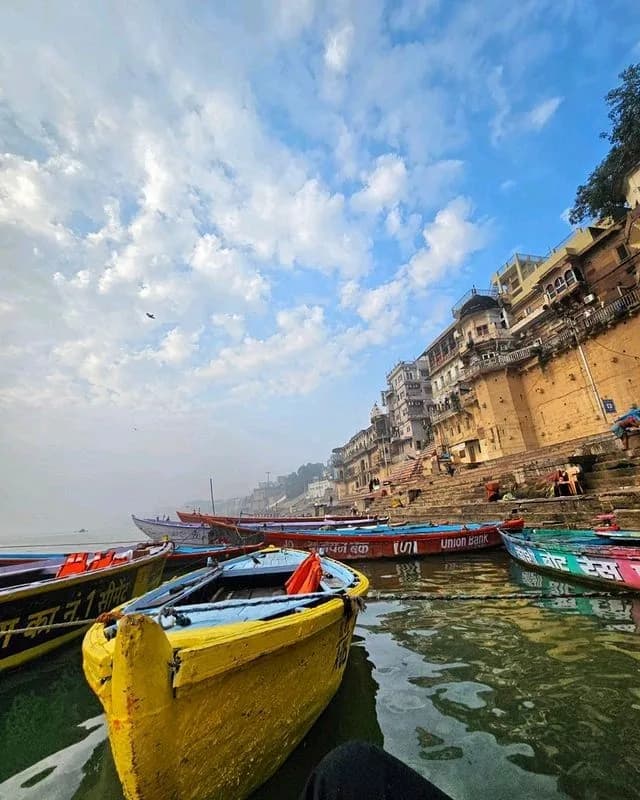
The Eternal City — Kashi
Varanasi
Where the Ganges meets the divine
Key Festivals
Best Time
Oct – Mar
Crowd Level
Very High
Celebrate. Connect. Experience.
From spiritual gatherings to cultural celebrations, discover events that bring communities together.
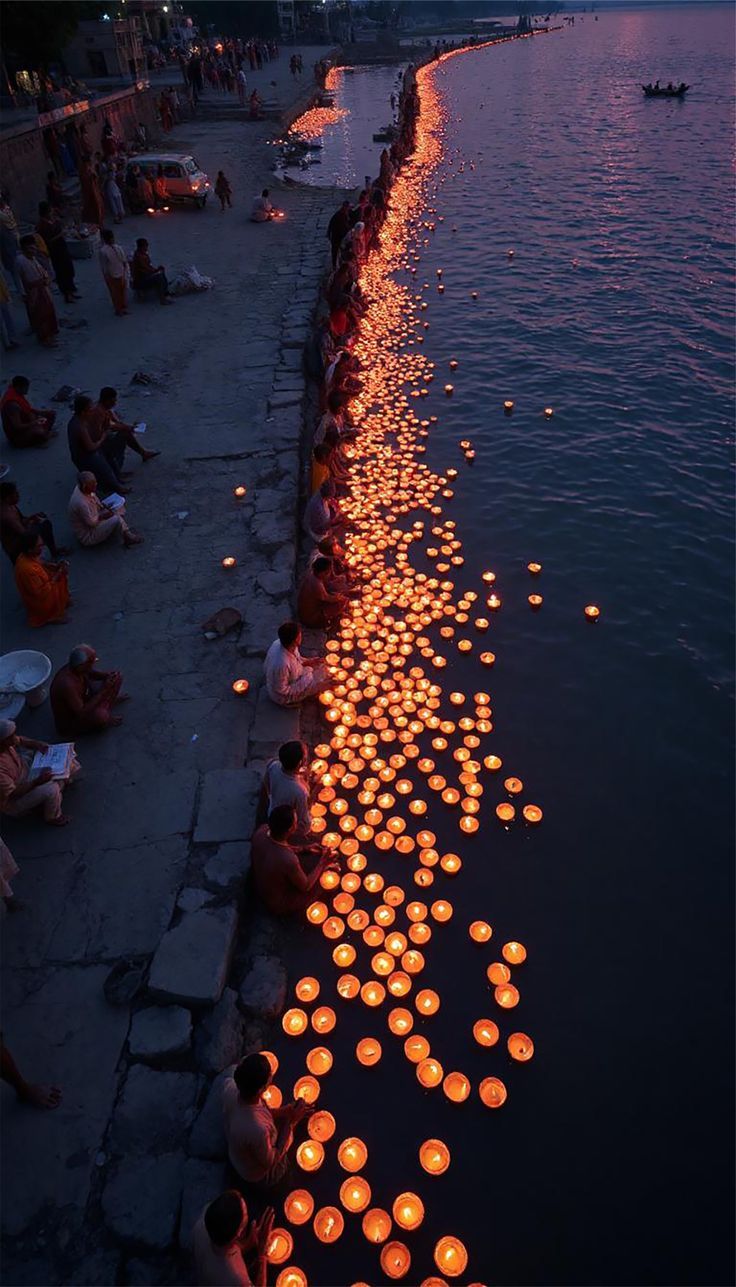
Dev Deepawali in Kashi: the night the gods come down to the Ganga
Dev Deepawali (देव दीपावली) is the Kartik Purnima night when Varanasi lines every ghat from Ravidas Ghat to Rajghat with more than a million diyas, falling on Tuesday, 24 November 2026. It closes the five-day Ganga Mahotsav. varanasiayodhyatours.com reserves boat positions, ghat-side stays and darshan on WhatsApp.
Explore Event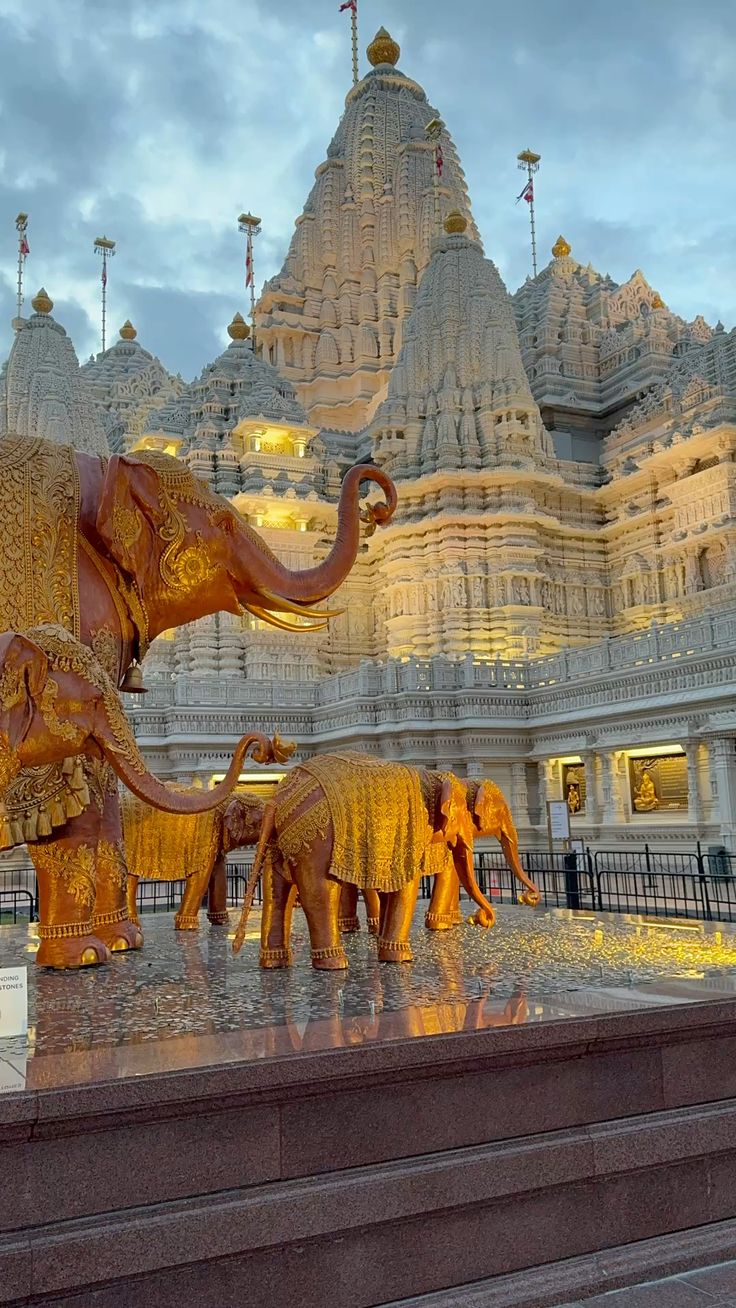
Ram Navami in Ayodhya: the birthday of Rama, in the city where he was born
Ram Navami (राम नवमी) celebrates the birth of Lord Rama on Chaitra Shukla Navami, falling on Thursday, 15 April 2027. In Ayodhya, lakhs of pilgrims take the Saryu snan and queue for free darshan at the Ram Mandir, where the Surya Tilak lights Ram Lalla's forehead at noon. varanasiayodhyatours.com plans the full Ayodhya day, with private Innova transfers and a guide in your language, on WhatsApp.
Explore Event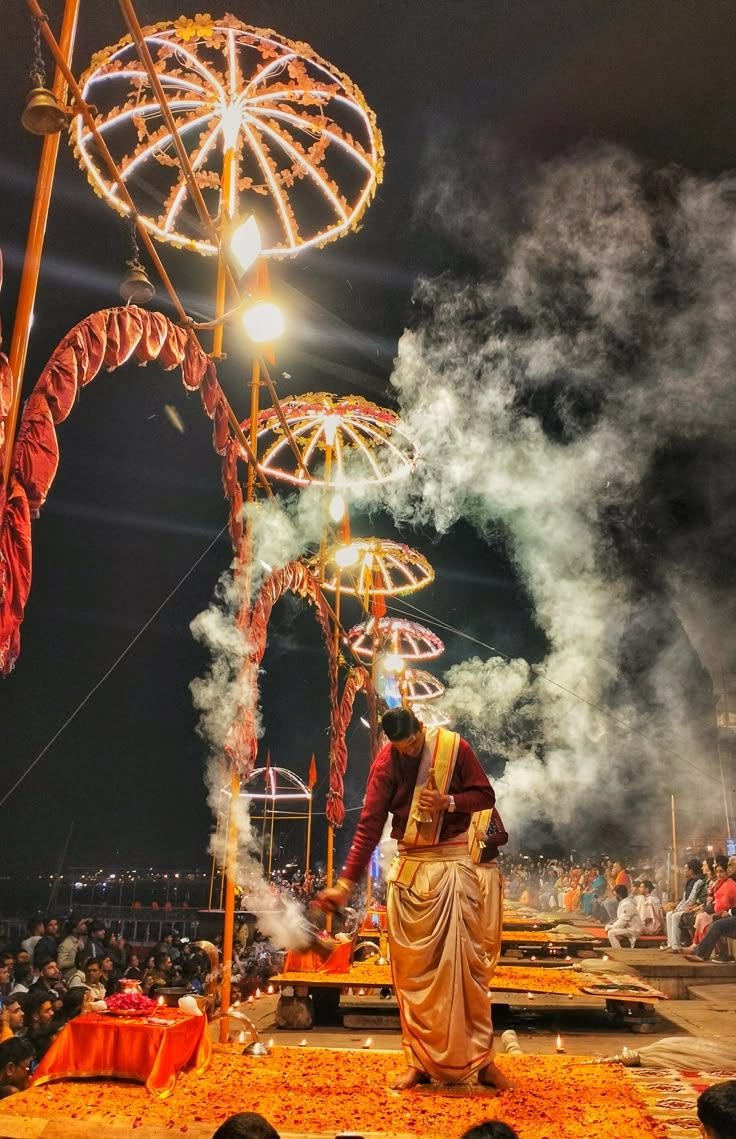
Ganga Mahotsav in Varanasi: the five days before the diyas
Ganga Mahotsav (गंगा महोत्सव) is Varanasi's five-day cultural festival on the Ganga ghats, expected 20 to 24 November 2026, closing on Dev Deepawali (Kartik Purnima). UP Tourism stages classical music, a crafts fair and boat races at Rajendra Prasad Ghat. varanasiayodhyatours.com arranges festival stays, seating and darshan on WhatsApp.
Explore Event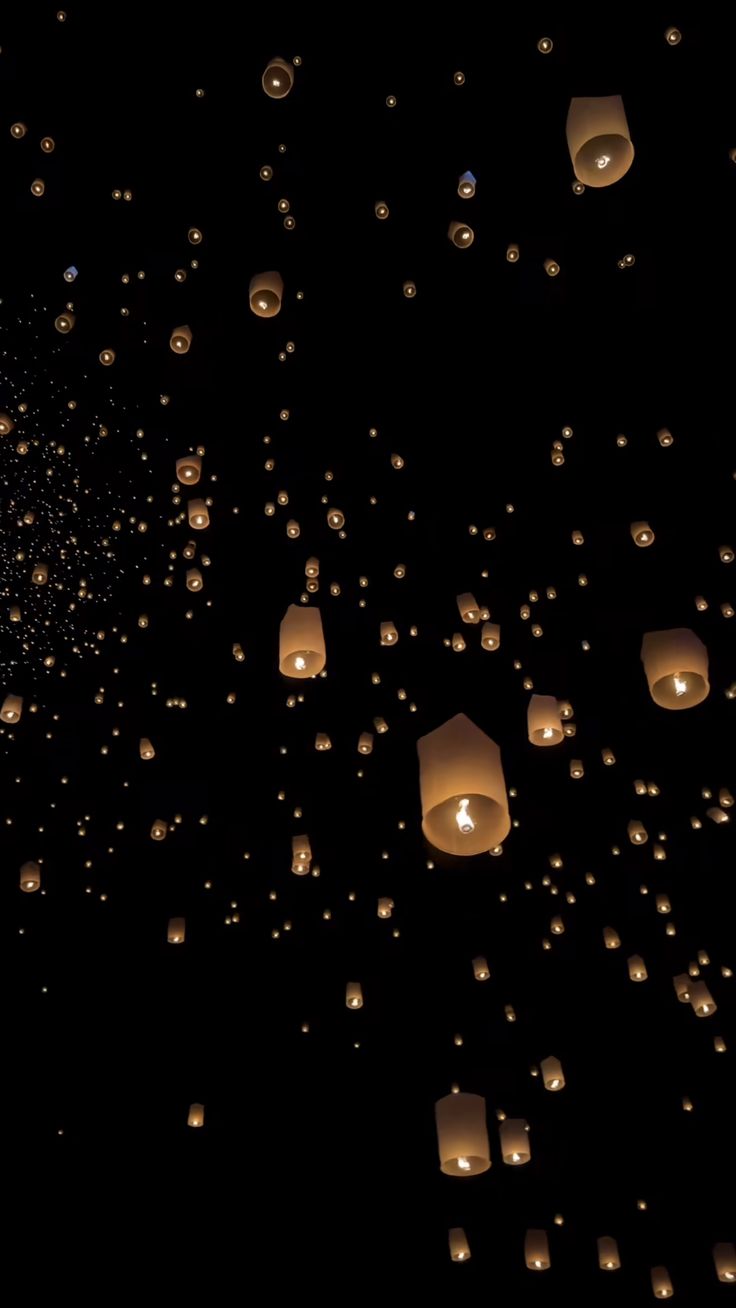
Ganga Aarti in Varanasi: every evening, without exception
Ganga Aarti (गंगा आरती) is the worship of the river performed every single evening at Dashashwamedh Ghat in Varanasi, 365 days a year, starting shortly after sunset: around 6 pm in winter and 7 pm in summer, for about 45 minutes. Attending from the steps is free. varanasiayodhyatours.com arranges boat viewing, poojan participation and full Kashi itineraries on WhatsApp.
Explore Event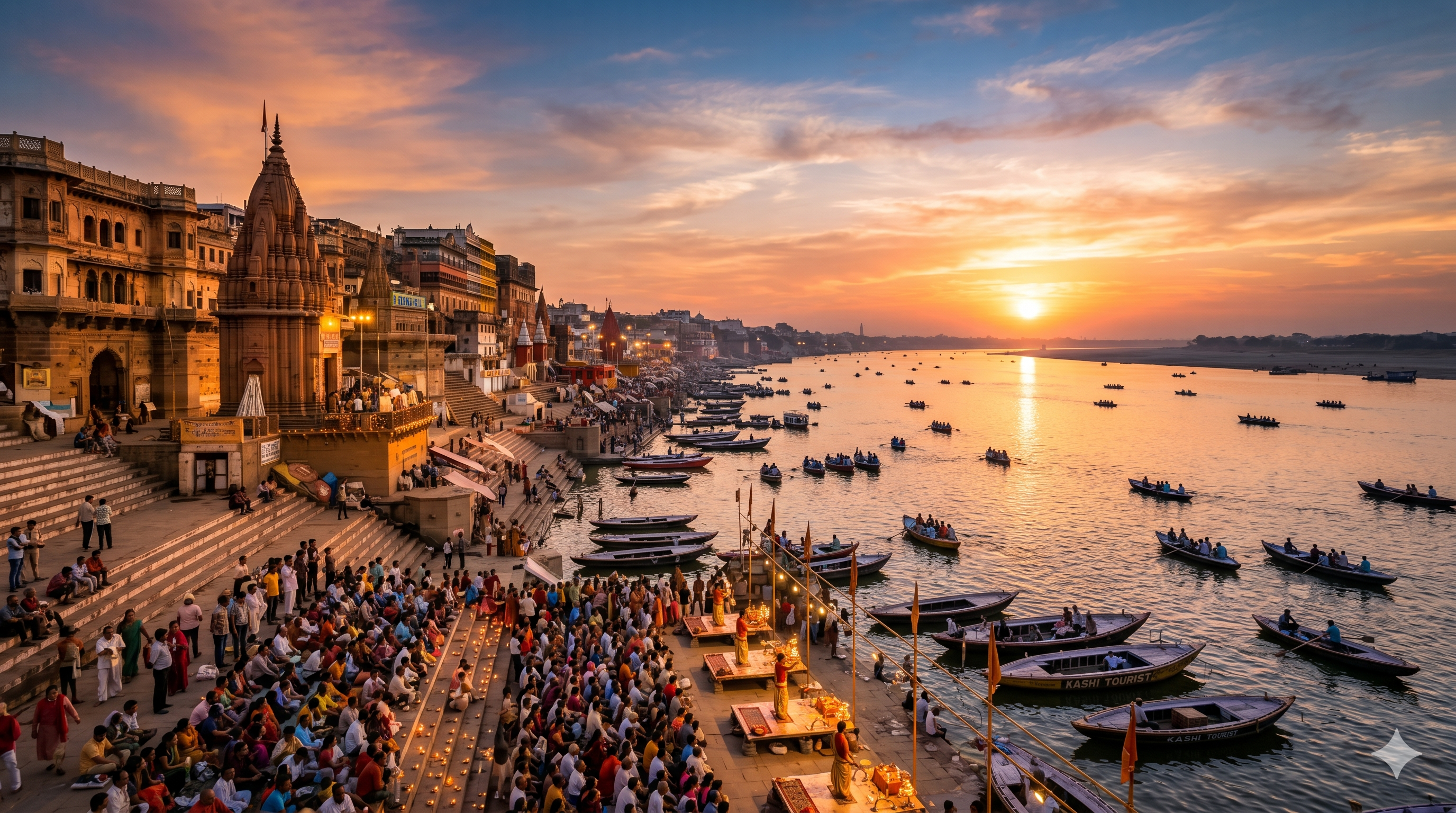
Kumbh Mela and the Sangam: when the next one is, and what to do until then
The Kumbh Mela (कुंभ मेला) rotates between Prayagraj, Haridwar, Nashik and Ujjain on a 12-year cycle set by the panchang. The Maha Kumbh at Prayagraj concluded in February 2025; the next Kumbh is the Nashik-Trimbakeshwar Simhastha, with main snans from July to September 2027, and Prayagraj's own next Kumbh is the Ardh Kumbh around 2031. Every January, the Triveni Sangam still fills for the month-long Magh Mela, and varanasiayodhyatours.com runs Prayagraj snan trips year-round on WhatsApp.
Explore EventMaha Shivratri in Kashi: the wedding night of the city's own Lord
Maha Shivratri (महाशिवरात्रि) is the great night of Shiva on Phalguna Krishna Chaturdashi, falling on Saturday, 6 March 2027. In Kashi, Shiva's own city, it is kept as his wedding day: the Shiv Baraat processes through the old city in the afternoon, Kashi Vishwanath runs darshan through the night, and the four-prahar worship carries the city to dawn. varanasiayodhyatours.com plans the darshan window, the Baraat vantage and your own Rudrabhishek on WhatsApp.
Explore EventDeepotsav in Ayodhya: the first Diwali, lit again on the Saryu
Deepotsav (दीपोत्सव) is Ayodhya's grand re-lighting of the first Diwali, held on Kartik Krishna Chaturdashi, falling on Friday, 7 November 2026, the eve of Diwali. More than 28 lakh diyas are lit together across 56 ghats of the Saryu at Ram ki Paidi, the largest oil-lamp display on earth. varanasiayodhyatours.com secures the free ghat e-pass, holds a viewing position and plans the Ram Mandir darshan, on WhatsApp.
Explore EventChhath Puja on the ghats: the Sun worshipped face to face
Chhath Puja (छठ पूजा) is the four-day Sun festival of Surya and Chhathi Maiya, running 13 to 16 November 2026. On the ghats of the Ganga in Varanasi, vratins stand in the river to offer arghya to the setting sun on the evening of 15 November and to the rising sun at dawn on 16 November, breaking a 36-hour waterless fast. varanasiayodhyatours.com arranges ghat-side stays, a boat vantage and the whole Kashi visit around it, on WhatsApp.
Explore EventSawan in Kashi: a whole month poured over the Shivling
Sawan (सावन), the Shravan month, is the holiest stretch of the year for Shiva, running 30 July to 28 August 2026 in North India. In Kashi, his own city, every Monday brings a sea of devotees to Kashi Vishwanath, the Kanwar Yatra floods the roads with saffron, and the Ganga jal is poured over the Jyotirlinga for a full month. varanasiayodhyatours.com plans the Monday darshan windows, the Kanwar-season logistics and your own Rudrabhishek, on WhatsApp.
Explore EventBuddha Purnima at Sarnath: where the Wheel of Dharma first turned
Buddha Purnima (बुद्ध पूर्णिमा), also called Vesak or Buddha Jayanti, marks the Buddha's birth, enlightenment and parinirvana on the Vaishakha full moon, falling on Friday, 1 May 2026. At Sarnath, ten kilometres from Varanasi, where the Buddha gave his first sermon, the day gathers around the Dhamek Stupa with chanting, lamp offerings and a relic procession. varanasiayodhyatours.com plans the Sarnath day and the wider Buddhist circuit from a Varanasi base, on WhatsApp.
Explore EventRamnagar Ramlila: the play that turns a whole town into Ayodhya
The Ramnagar Ramlila (रामनगर रामलीला) is the world's most famous staging of the Ramayana: a 31-night enactment across the town of Ramnagar, opposite Varanasi, begun by the Kashi Naresh in the 1830s and inscribed by UNESCO as Intangible Cultural Heritage of Humanity. It runs through the Kartik season and culminates on Vijayadashami, when Rama slays Ravana. varanasiayodhyatours.com plans the nights that matter, the fort, and the crossing from the city, on WhatsApp.
Explore EventSaryu Aarti at Ram Ki Paidi: Ayodhya's evening on the river
The Saryu Aarti (सरयू आरती) is the daily evening lamp ceremony at Ram Ki Paidi in Ayodhya, performed by priests at sunset, around 7 PM, with multi-tiered brass lamps, conch and Vedic chant on the banks of the Saryu. It is Ayodhya's counterpart to the Ganga Aarti of Varanasi, free and open every evening, and it caps the classic Ayodhya day of Hanuman Garhi, Ram Mandir and the ghat. varanasiayodhyatours.com plans the sequence and the timing, on WhatsApp.
Explore EventBodh Gaya: where a prince sat down and rose as the Buddha
Bodh Gaya (बोध गया) in Bihar is the holiest site in Buddhism: the place where Siddhartha Gautama attained enlightenment under the Bodhi Tree and became the Buddha. Its Mahabodhi Temple, a UNESCO World Heritage Site, is open daily 5 AM to 9 PM with free entry, and marks the Vajrasana, the diamond throne where he sat. Bodh Gaya is about 250 km from Varanasi, the natural second stop after Sarnath on the Buddhist circuit. varanasiayodhyatours.com plans the circuit from a Varanasi base, on WhatsApp.
Explore EventKushinagar: where the Buddha lay down for the last time
Kushinagar (कुशीनगर) in Uttar Pradesh is where Gautama Buddha attained Mahaparinirvana, his final liberation, at the age of 80 around 483 BCE. The Parinirvana Temple holds the 6.1-metre reclining Buddha marking the spot, and the Ramabhar Stupa marks his cremation. It is the fourth of Buddhism's great pilgrimage sites, about 224 km from Varanasi and 189 km from Ayodhya, the closing chapter of the Buddhist circuit. varanasiayodhyatours.com plans the circuit from a Varanasi or Ayodhya base, on WhatsApp.
Explore EventNag Nathaiya: the boy Krishna rises on the serpent's hood at Tulsi Ghat
Nag Nathaiya (नाग नथैया) is the Krishna leela of the conquest of the serpent Kaliya, staged on Kartik Shukla Chaturthi at Tulsi Ghat in Varanasi, a few days after Diwali. A boy playing Krishna dives from a Kadamba branch into the Ganga and rises standing on the hood of a giant Kaliya effigy, playing his flute, while a lakh of devotees watch from the ghats and boats. Started by Goswami Tulsidas some four centuries ago, it is one of Kashi's most beloved evenings. varanasiayodhyatours.com arranges the boat vantage and the timing, on WhatsApp.
Explore EventBharat Milap at Nati Imli: five minutes that move a lakh of people to tears
Bharat Milap (भरत मिलाप) is the enactment of Rama's reunion with his brother Bharat after the fourteen-year exile, staged the day after Vijayadashami at the Nati Imli ground in Varanasi. The famous Nati Imli leela lasts barely five minutes, has run for some 480 years, and draws over a lakh of people, its own Lakkha Mela, with the Kashi Naresh arriving on his elephant. In 2026 it falls around Wednesday, 21 October. varanasiayodhyatours.com arranges the vantage and the timing, on WhatsApp.
Explore EventHoli in Varanasi: the only city that plays it first with ashes, then with colour
Holi in Varanasi (होली) is not one day but a six-day spiritual arc that no other city keeps: it begins at Kashi Vishwanath on Rangbhari Ekadashi when Shiva is said to bring Parvati home and play Holi with gulal, moves the next day to the cremation ground for Masaan Holi, where sadhus play with the ashes of the pyres, and ends in the citywide colour of Rangwali Holi on Tuesday, 23 March 2027. varanasiayodhyatours.com plans the sequence, the vantage and the honest etiquette, on WhatsApp.
Explore EventSankat Mochan Sangeet Samaroh: where legends play all night, for free, for Hanuman
The Sankat Mochan Sangeet Samaroh (संकट मोचन संगीत समारोह) is a six-night Indian classical music and dance festival held at the Sankat Mochan Hanuman Temple in Varanasi around Hanuman Jayanti in April. Running since 1923, it is unlike any concert on earth: nearly sixty of India's greatest artists perform through the night, free of charge, as a haazari, an offering, to Lord Hanuman, and the audience pays nothing and needs no pass. varanasiayodhyatours.com plans the nights, the seating and the temple visit, on WhatsApp.
Explore EventPanchkroshi Yatra: walking the sacred circle around Kashi
The Panchkroshi Yatra (पंचकोशी यात्रा) is the sacred parikrama around the whole of Kashi: an 88 km circuit that begins and ends at Manikarnika, with five padavs (halts), Kardameshwar, Bhimchandi, Rameshwar, Shivpur and Kapildhara, and 108 Shiva shrines along the way. Traditionally walked over five days, it is done today either on foot with dharamshala halts or in a single day by vehicle. varanasiayodhyatours.com plans both versions, the sankalp, the route and the pace, on WhatsApp.
Explore EventSubah-e-Banaras: the morning of Banaras, sung awake at Assi Ghat
Subah-e-Banaras (सुबह-ए-बनारस) is Varanasi's daily dawn ritual at Assi Ghat: begun on 24 November 2014, it opens in the Brahma Muhurta before sunrise with Vedic chanting and a hawan, a morning Ganga aarti to the rising sun, then live Banaras Gharana classical music and an open yoga session on the ghat steps. It runs every morning, is free to attend, and is the contemplative dawn counterpart to the grand evening Ganga Aarti at Dashashwamedh. varanasiayodhyatours.com plans the pre-dawn pickup, the seating and a sunrise boat around it, on WhatsApp.
Explore EventDhrupad Mela: the oldest music, sung from dusk to dawn on Tulsi Ghat
The Dhrupad Mela (ध्रुपद मेला) is a five-night festival of Dhrupad, the oldest surviving form of Hindustani classical music, held at Tulsi Ghat in Varanasi and timed to the days before Maha Shivratri. Revived in 1975, it runs from about 7 PM until after sunrise each night on the riverbank, is free to attend, and gathers the greatest Dhrupad artists in India for an audience of devotees, connoisseurs and travellers. varanasiayodhyatours.com plans the nights, the seating and the ghat around it, on WhatsApp.
Explore EventAyodhya Parikrama: walking the sacred boundary of Rama's city
The Ayodhya Parikrama is the sacred circumambulation of Rama's birthplace, walked most grandly in the Kartik month: the Chaudah Kosi Parikrama, about 42 km on Kartik Akshaya Navami, and the Panchkosi Parikrama, about 15 km on Devuthani Ekadashi. In 2026 they fall in mid-to-late November, each drawing lakhs, up to 30 lakh on the 14 Kosi, walking barefoot through the night. varanasiayodhyatours.com plans the darshan, the vantage and the logistics around these vast parikrama days, on WhatsApp.
Explore EventAnnakut at the Annapurna temple: the golden goddess Kashi sees three days a year
Annakut (अन्नकूट), the "mountain of food," is celebrated at the Annapurna temple beside Kashi Vishwanath on Govardhan Puja, the day after Diwali, falling around 9 to 10 November 2026. On these days alone, roughly three days a year from Dhanteras to Annakut, the temple reveals its golden idol of Annapurna, the goddess of food who is queen of Kashi, holding a golden pot and ladle; a mountain of chappan bhog is offered, and coins and rice are given as prasad. varanasiayodhyatours.com plans the golden darshan and the day around it, on WhatsApp.
Explore Event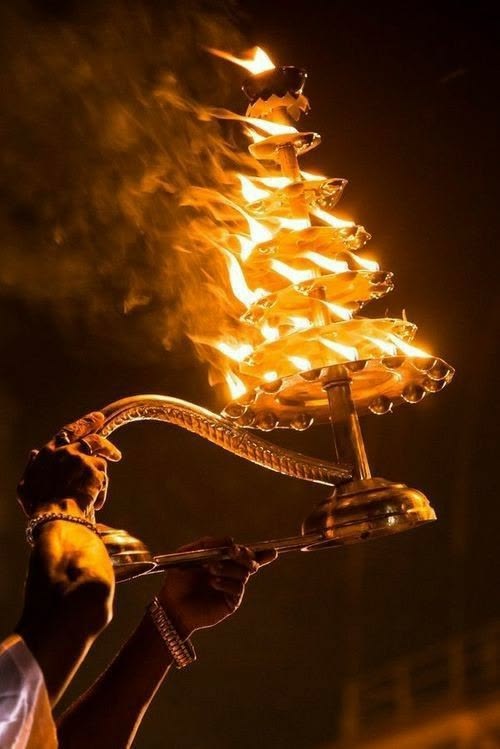
Nageshwarnath: the Shiva temple Rama's son built, in the city of Rama
The Nageshwarnath temple (नागेश्वरनाथ) is Ayodhya's ancient presiding Shiva shrine, at Ram ki Paidi on the banks of the Saryu, said to have been established by Kush, the son of Lord Rama. In a city given to Rama, it is the great centre of Shiva worship, coming alive above all at Maha Shivratri, with its famous Shiva Baraat, and through the month of Sawan. varanasiayodhyatours.com plans the darshan and the Shiva festivals around it, on WhatsApp.
Explore EventSita Navami: the day the earth gave Ayodhya its queen
Sita Navami (सीता नवमी), also called Janaki Navami and Sita Jayanti, celebrates the birth of Goddess Sita, who rose from the earth itself in Mithila. It falls on Vaishakha Shukla Navami, exactly one month after Ram Navami, which places it in mid-May 2027. Kept with devotion in Ayodhya, Rama's city and Sita's married home, alongside Janakpur and Mithila, it is the day to honour the divine feminine of the Ramayana. varanasiayodhyatours.com plans the darshan and the day around it, on WhatsApp.
Explore EventNag Panchami in Kashi: serpents, a hidden well, and the wrestlers of Banaras
Nag Panchami (नाग पंचमी) is the Hindu festival of serpent worship, falling on the fifth day of the bright fortnight of Sawan, Monday, 17 August 2026. Across India milk and flowers are offered to the nagas; in Varanasi the day has two faces found nowhere else together, the great fair at the ancient Nag Kuan, the "serpent well," and the akharas, the traditional wrestling gyms, holding their bouts, for the snake is the emblem of strength and coiled kundalini energy. varanasiayodhyatours.com plans the fair, the akhara and the day around it, on WhatsApp.
Explore EventAnnapurna Jayanti: the day Kashi's goddess of food first fed the world
Annapurna Jayanti (अन्नपूर्णा जयंती) is the appearance day of Goddess Annapurna, the goddess of food who is queen of Kashi, falling on the full moon of Margashirsha, Wednesday, 23 December 2026. At her temple beside Kashi Vishwanath, the day brings special puja and a great annadanam, the free feeding of thousands, honouring the goddess who, by legend, fed even Shiva in this city and promised none would go hungry here. varanasiayodhyatours.com plans the darshan and the day around it, on WhatsApp.
Explore EventMakar Sankranti in Ayodhya: a Saryu dawn dip, then Ram Lalla's darshan
Makar Sankranti in Ayodhya, Thursday, 14 January 2027, is kept as a great Saryu-snan Mela: lakhs take the holy dawn dip at Ram ki Paidi as the Sun turns north into Capricorn, then go for darshan of Ram Lalla at the Ram Mandir on one of the year's most auspicious solar days, with khichdi given and the January sky bright with kites. It opens the sacred month of Magh. varanasiayodhyatours.com plans the dawn snan, the darshan and the day around it, on WhatsApp.
Explore EventBasant Panchami: spring, Saraswati, and a yellow morning on the Ganga
Basant Panchami (बसंत पंचमी), also called Vasant Panchami and Saraswati Puja, marks the arrival of spring and the birthday of Goddess Saraswati, the deity of knowledge, music and the arts. It falls on Thursday, 11 February 2027 (Magha Shukla Panchami). In Kashi the day turns yellow with Saraswati worship at the ghats and at Banaras Hindu University, and at the Prayagraj Sangam, 120 km away, it is one of the great Magh snan days. varanasiayodhyatours.com plans the puja, the yellow morning and the Sangam dip, on WhatsApp.
Explore EventSawan Jhula Mela: Ram and Sita on flower swings through the Ayodhya monsoon
The Sawan Jhula Mela (सावन झूला मेला), Ayodhya's monsoon swing festival, runs through the whole month of Shravan (2026: 30 July to 28 August). Idols of Ram, Sita and Lakshman are placed on beautifully decorated jhulas (swings) in the temples, above all at Kanak Bhawan, and gently swung to bhajans, celebrating the divine family sharing the simple joy of the rains. A grand procession carries the swinging deities to Mani Parvat. varanasiayodhyatours.com plans the jhula darshan and the day around it, on WhatsApp.
Explore EventGanesh Chaturthi in Kashi: the 56 Vinayakas who guard the city
Ganesh Chaturthi (गणेश चतुर्थी), the birthday of Lord Ganesha, the elephant-headed remover of obstacles, falls on Tuesday, 15 September 2026 and runs ten days to the visarjan on Anant Chaturdashi. Everywhere it means clay Ganesha idols, modaks and joyful immersion; but Kashi holds something older and unique, the 56 Vinayakas, fifty-six forms of Ganesha set through the city to guard its sacred geography, led by Dhundiraj Ganesh at the very gate of Kashi Vishwanath. varanasiayodhyatours.com plans the darshan and the Kashi Ganesha trail, on WhatsApp.
Explore EventGuru Purnima at Sarnath: the day the Wheel of Dharma first turned
Guru Purnima (गुरु पूर्णिमा), the full-moon day of gratitude to the teacher, falls on Wednesday, 29 July 2026 (Ashadha Purnima). It carries a meaning unique to this region: at Sarnath, just outside Varanasi, the Buddha gave his very first sermon on this day, setting the Wheel of Dharma in motion. The same full moon is Vyasa Purnima for Hindus, honouring the sage Vyasa, and a sacred day for Jains. varanasiayodhyatours.com plans the Sarnath visit and the day around it, on WhatsApp.
Explore Event
Krishna Janmashtami in Mathura and Vrindavan: the night Braj is born again
Krishna Janmashtami (कृष्ण जन्माष्टमी) is the birth of Lord Krishna, and in Mathura, his birthplace, and Vrindavan, his childhood home, it is not a local festival, it is the festival. In 2026 it falls on Friday, 4 September, when the great temples hold the midnight Janmotsav at the exact hour of Krishna's birth. Three to five million pilgrims fill Braj across the two days. varanasiayodhyatours.com plans the darshan, the midnight and the two-day rhythm so you experience the night without being lost in the crush, on WhatsApp.
Explore Event
Lathmar Holi in Barsana: the Holi played with sticks, for the love of Radha
Lathmar Holi (लठमार होली), the "Holi played with sticks," is the most famous of all the Braj Holi celebrations: at Barsana, Radha's village, the women drive off the visiting men of Nandgaon, Krishna's village, with long wooden lathis, while the men defend themselves with leather shields and sing teasing Holi songs. It falls a week before the main Holi, around 16 March 2027 at Barsana, with Nandgaon's turn the next day. varanasiayodhyatours.com plans the day at the Radha Rani temple and the two villages, safely and with a guide, on WhatsApp.
Explore Event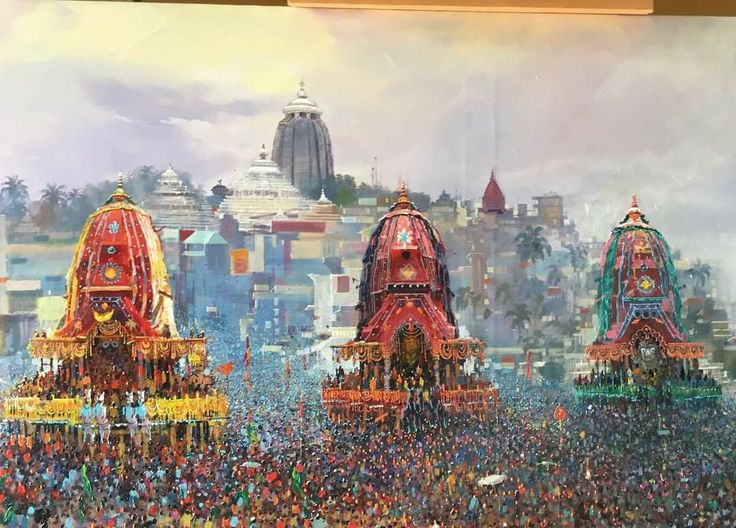
Panchkroshi Yatra: walking the sacred circle around Kashi
The Panchkroshi Yatra (पंचकोशी यात्रा) is the sacred parikrama around the whole of Kashi: an 88 km circuit that begins and ends at Manikarnika, with five padavs (halts), Kardameshwar, Bhimchandi, Rameshwar, Shivpur and Kapildhara, and 108 Shiva shrines along the way. Traditionally walked over five days, it is done today either on foot with dharamshala halts or in a single day by vehicle. varanasiayodhyatours.com plans both versions, the sankalp, the route and the pace, on WhatsApp.
Explore Event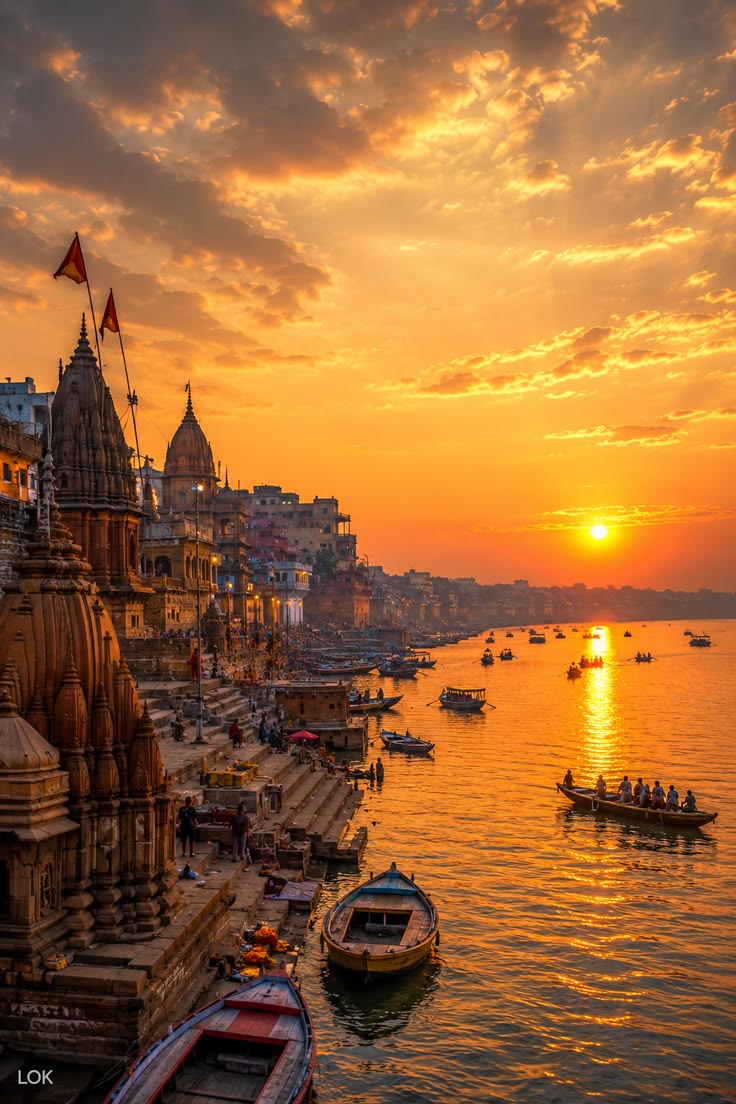
Subah-e-Banaras: the morning of Banaras, sung awake at Assi Ghat
Subah-e-Banaras (सुबह-ए-बनारस) is Varanasi's daily dawn ritual at Assi Ghat: begun on 24 November 2014, it opens in the Brahma Muhurta before sunrise with Vedic chanting and a hawan, a morning Ganga aarti to the rising sun, then live Banaras Gharana classical music and an open yoga session on the ghat steps. It runs every morning, is free to attend, and is the contemplative dawn counterpart to the grand evening Ganga Aarti at Dashashwamedh. varanasiayodhyatours.com plans the pre-dawn pickup, the seating and a sunrise boat around it, on WhatsApp.
Explore Event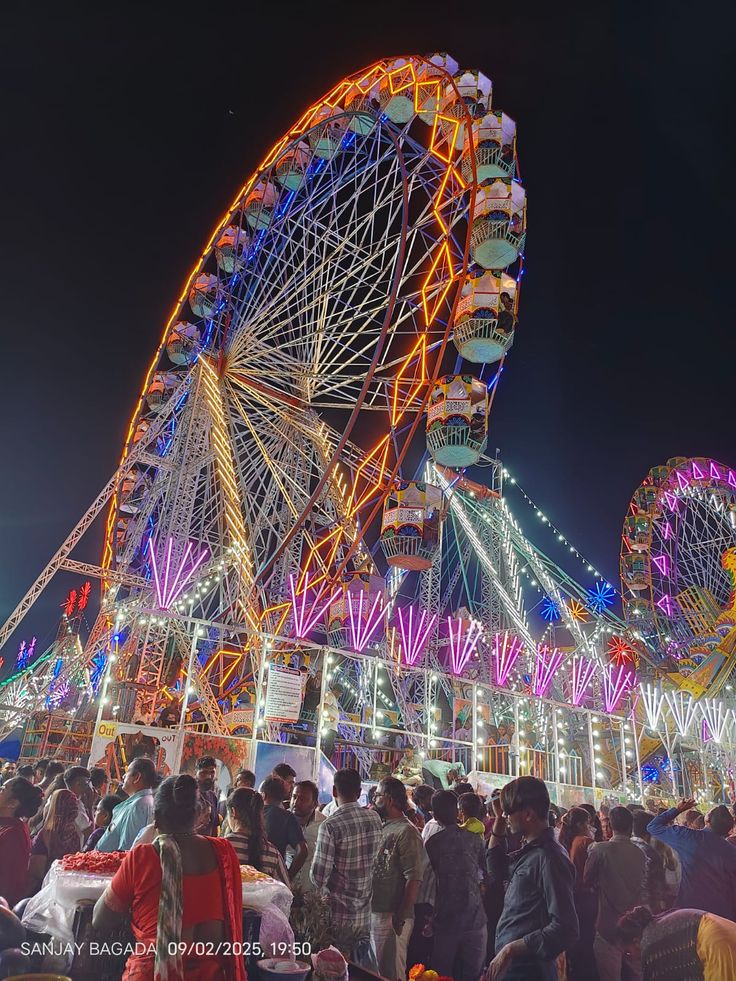
Dhrupad Mela: the oldest music, sung from dusk to dawn on Tulsi Ghat
The Dhrupad Mela (ध्रुपद मेला) is a five-night festival of Dhrupad, the oldest surviving form of Hindustani classical music, held at Tulsi Ghat in Varanasi and timed to the days before Maha Shivratri. Revived in 1975, it runs from about 7 PM until after sunrise each night on the riverbank, is free to attend, and gathers the greatest Dhrupad artists in India for an audience of devotees, connoisseurs and travellers. varanasiayodhyatours.com plans the nights, the seating and the ghat around it, on WhatsApp.
Explore Event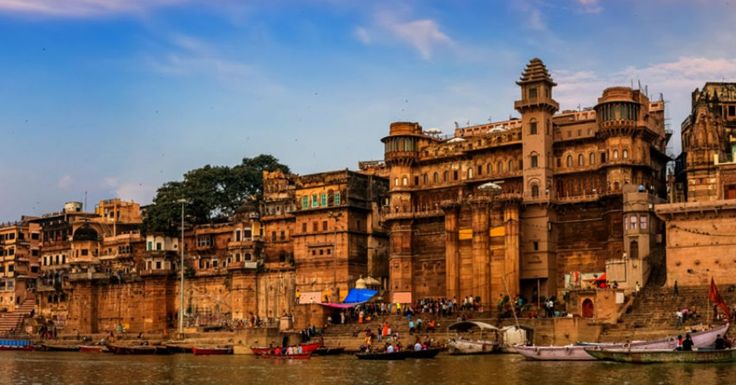
Annakut at the Annapurna temple: the golden goddess Kashi sees three days a year
Annakut (अन्नकूट), the "mountain of food," is celebrated at the Annapurna temple beside Kashi Vishwanath on Govardhan Puja, the day after Diwali, falling around 9 to 10 November 2026. On these days alone, roughly three days a year from Dhanteras to Annakut, the temple reveals its golden idol of Annapurna, the goddess of food who is queen of Kashi, holding a golden pot and ladle; a mountain of chappan bhog is offered, and coins and rice are given as prasad. varanasiayodhyatours.com plans the golden darshan and the day around it, on WhatsApp.
Explore Event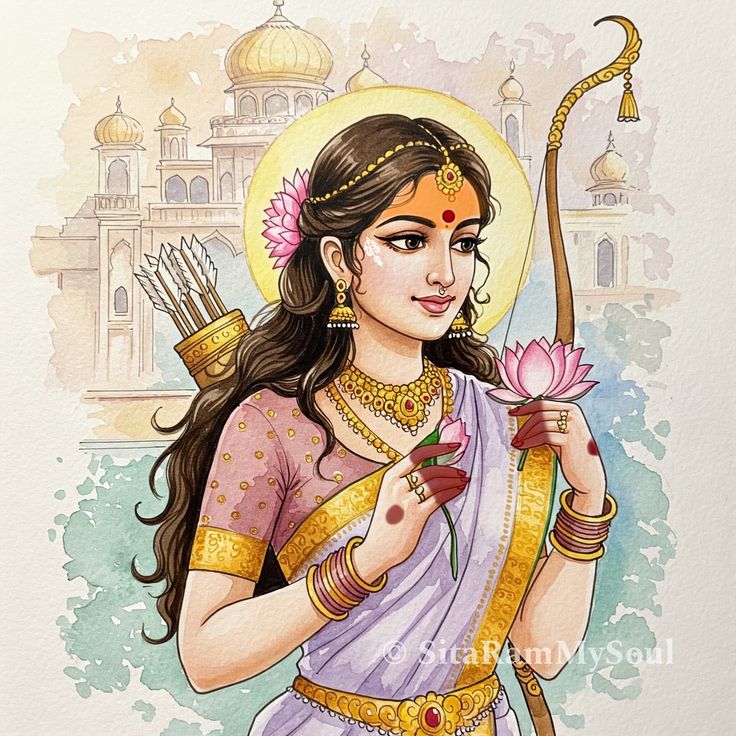
Sita Navami: the day the earth gave Ayodhya its queen
Sita Navami (सीता नवमी), also called Janaki Navami and Sita Jayanti, celebrates the birth of Goddess Sita, who rose from the earth itself in Mithila. It falls on Vaishakha Shukla Navami, exactly one month after Ram Navami, which places it in mid-May 2027. Kept with devotion in Ayodhya, Rama's city and Sita's married home, alongside Janakpur and Mithila, it is the day to honour the divine feminine of the Ramayana. varanasiayodhyatours.com plans the darshan and the day around it, on WhatsApp.
Explore Event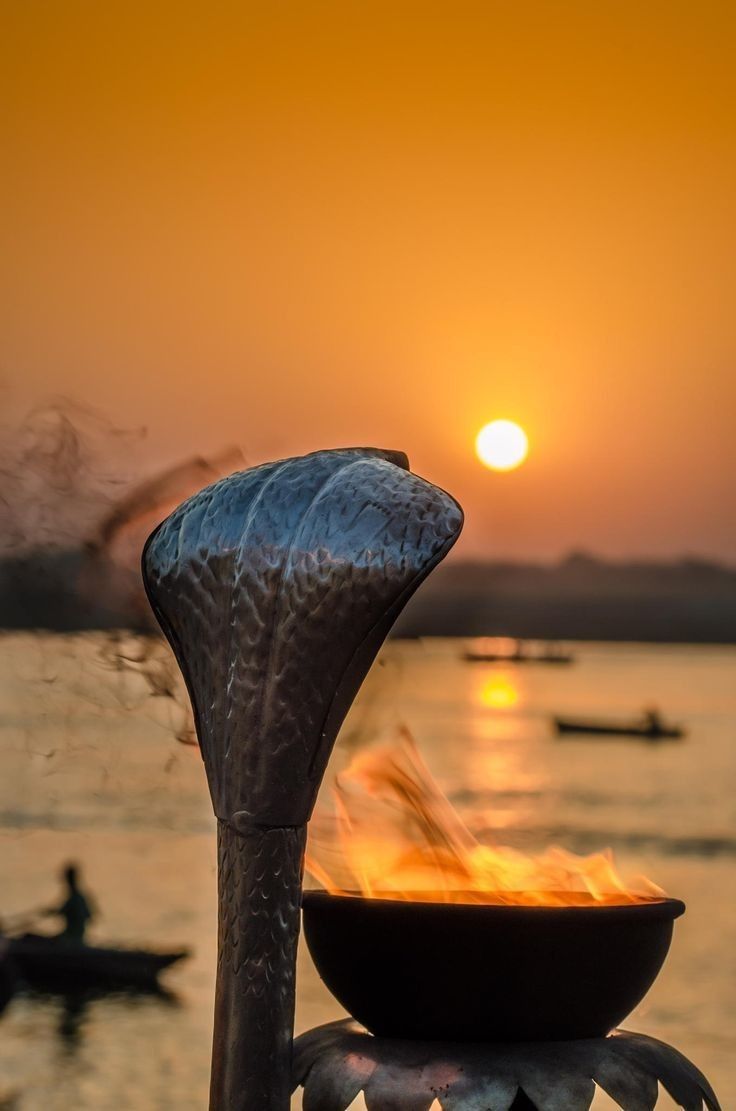
Nag Panchami in Kashi: serpents, a hidden well, and the wrestlers of Banaras
Nag Panchami (नाग पंचमी) is the Hindu festival of serpent worship, falling on the fifth day of the bright fortnight of Sawan, Monday, 17 August 2026. Across India milk and flowers are offered to the nagas; in Varanasi the day has two faces found nowhere else together, the great fair at the ancient Nag Kuan, the "serpent well," and the akharas, the traditional wrestling gyms, holding their bouts, for the snake is the emblem of strength and coiled kundalini energy. varanasiayodhyatours.com plans the fair, the akhara and the day around it, on WhatsApp.
Explore EventEverything Before You Book
Faiths, crowds, timing, and forty years of ground truth — the essentials before you commit to a date.
Festivals By Faith
Hindu: Shaiva (Kashi Vishwanath), Vaishnava (Ayodhya, Braj), Shakta (Durga Kund), Sangam snans, Gaya ancestral rites.
Buddhist: Sarnath (first sermon; Dhammachakra Pravartana) and Bodh Gaya (enlightenment; Buddha Purnima).
Jain: Kashi is birthplace of four Tirthankaras; Parshvanath temples, Bhelupur. Parshvanath & Mahavir Jayanti.
Sikh: Guru Nanak visited Kashi in 1507; historic gurdwaras Guru Ka Bagh & Bari Sangat observe Gurpurabs.
Islamic and Sufi: Ghazi Miyan mela at Bakaria Kund; Muharram tazia processions; the living Ganga-Jamuni tehzeeb of Banaras.
How To Choose The Right Festival
Light and scale: Dev Deepawali (Varanasi) or Ayodhya Deepotsav, both in Kartik.
Colour and play: the Braj Holi season across Barsana, Nandgaon, Mathura and Vrindavan.
Devotional intensity: Maha Shivratri at Kashi Vishwanath, or Janmashtami midnight at Banke Bihari.
The great gathering: a Sangam snan at Prayagraj during Magh Mela or a Kumbh year.
Quiet and reflective: Buddha Purnima at Sarnath, or Pind Daan at Gaya.
Crowd Levels & Booking
Qualitative guidance from on-ground experience. Book early for High and Extreme events.
| Festival | Crowd | Book Ahead |
|---|---|---|
| Maha Kumbh | Extreme | Several months |
| Mauni Amavasya snan | Extreme | Months ahead |
| Krishna Janmashtami | Extreme | 3 to 4 months |
| Lathmar Holi | Very high | Weeks to months |
| Dev Deepawali | Very high | Weeks ahead |
| Ayodhya Deepotsav | Very high | Weeks ahead |
| Maha Shivratri | High | 2 to 3 weeks |
| Ram Navami | High | 2 to 3 weeks |
| Pind Daan | High | Weeks ahead |
| Buddha Purnima | Moderate | 1 to 2 weeks |
From The Ground: Rajeev's Tips
“In 40 years guiding here, the commonest mistake is arriving on the headline day only. Braj Holi and Ramnagar Ramlila run for days, and the quieter early sessions are often the more moving ones.”
“For any Sangam snan at Prayagraj, reach the bathing area before first light. After sunrise on a major snan date the approach roads crawl and you lose hours.”
“Many pilgrims I guide come from Andhra, Telangana and Karnataka. I explain the rituals in Telugu and Kannada as we go, which matters most at Kashi Vishwanath and at Gaya.”
“Be careful with touts around the ghats. There is no official paid VIP seat for the public Ganga Aarti, and we never let a client pay for one.”
Featured Journeys
Carefully crafted itineraries to the most sacred destinations. Choose your journey, we'll take care of the rest.
No premium journeys found for this selection yet.
Expert Guidance for a Meaningful Journey
Handpicked travel guides, local insights and practical information to help you plan your spiritual journey with ease.
.0bwph.107dyza.webp&w=2048&q=75)
Kashi Vishwanath Darshan Guide
Timings, entry process, VIP darshan, nearby attractions and important tips.
Latest Guides
Fresh insights and useful information for your journey.
Frequently Asked Questions
Find everything you need to know about our spiritual journeys, festival bookings, and preparations. Can't find the answer? Our support team is here to help.