3 nights / 4 days
Pilgrimage
₹37,000
Starting From


Senior Citizen Kashi Ayodhya Yatra
Varanasi, Prayagraj & Ayodhya (Elders)|Pilgrimage
One City A Day Pace
Lift-Access Rooms
Daily Family WhatsApp
 Ayodhya
By Rajeev Sharma
Varanasi-born Pilgrimage Guide
Makar Sankranti in Ayodhya, Thursday, 14 January 2027, is kept as a great Saryu-snan Mela: lakhs take the holy dawn dip at Ram ki Paidi as the Sun turns north into Capricorn, then go for darshan of Ram Lalla at the Ram Mandir on one of the year's most auspicious solar days, with khichdi given and the January sky bright with kites. It opens the sacred month of Magh. varanasiayodhyatours.com plans the dawn snan, the darshan and the day around it, on WhatsApp.
Experience Makar Sankranti in Ayodhya: a Saryu dawn dip, then Ram Lalla's darshan with a Kashi-born guide — darshan, stays and boats arranged.
Makar Sankranti follows the solar calendar, so it falls on the same date almost every year: 14 January, occasionally the 15th. In 2027 it is Thursday, 14 January. It marks the Sun's entry into Capricorn and the start of Uttarayan, the bright, auspicious half of the year. (For the full meaning of the festival, the Uttarayan significance and the Bhishma story, see Makar Sankranti in Varanasi; this page is Ayodhya's own keeping of the day.)
Where Kashi keeps Sankranti on the Ganga and Prayagraj at the Sangam, Ayodhya keeps it on the Saryu. The day is a Mela: pilgrims come for the dawn holy dip at Ram ki Paidi, the stepped riverfront, then climb to the temples for darshan on a solar day held especially blessed. Because the Sun's northward turn reopens the auspicious season, weddings and pilgrimages resume, and Ayodhya sees a fresh wave of devotees. It is a joyful, family-centred day, less overwhelming than Ram Navami or the Kartik crowds, which makes it a fine time for an unhurried darshan wrapped in a festival mood.
The heart of the Ayodhya day is the snan. Before dawn, Ram ki Paidi fills with bathers taking the holy dip in the Saryu and offering arghya, water poured to the rising Sun. To bathe in the Saryu on Makar Sankranti, in Rama's own city, as the Sun turns north, is held to cleanse and to open the year well. The same ghats that hold the daily Saryu Aarti and the Deepotsav lamps become, at this dawn, a place of quiet solar devotion.
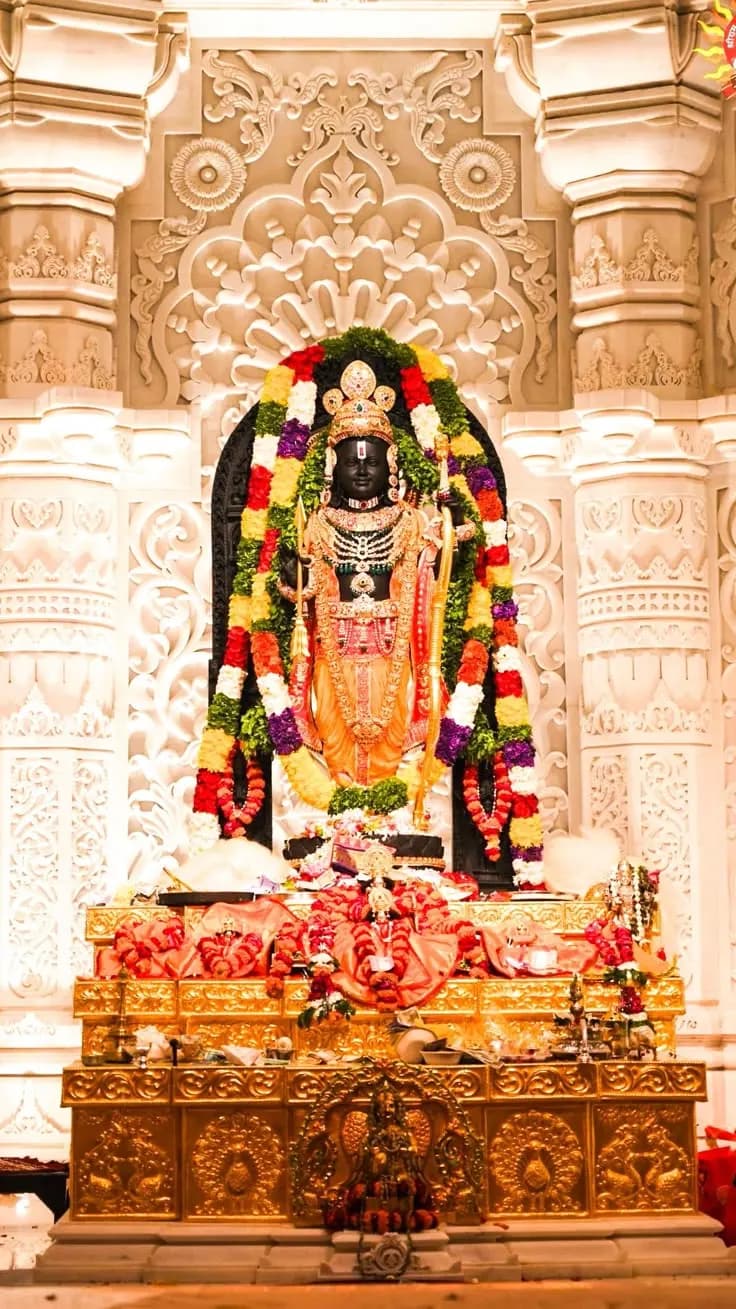
After the snan, pilgrims go for darshan. Makar Sankranti is one of the year's most auspicious solar days, so darshan of Ram Lalla at the Ram Mandir is especially sought; Hanuman Garhi and Kanak Bhawan share in the day. Ram Mandir darshan is free, with a free online Sugam Darshan e-pass available for a smoother slot; there is no paid VIP tier. On a Sankranti that is busy but far below Ram Navami's scale, an early snan and a planned darshan slot make for a full, calm morning.
In this region Makar Sankranti is simply called Khichdi, after the rice-and-lentil dish cooked and given in charity on the day. In Ayodhya the food theme has a tender local echo at Sita Ki Rasoi, the symbolic kitchen of Goddess Sita near the Ram Janmabhoomi, a reminder of the anna, the food, that the day is really about. Daan, the giving of khichdi, til (sesame), gud (jaggery), grain and warm clothes to the needy, is the day's central act of merit, and to give in Rama's city is held especially blessed.
Like the rest of North India, Ayodhya's Sankranti sky fills with kites, the joyful, human face of the solar festival. And the day opens Magh, the sacred month: Makar Sankranti is the first great snan of the Magh season across the belt, from Ayodhya's Saryu to the Prayagraj Sangam, about 170 km south, where the month-long Magh Mela begins on this very day. A Sankranti at Ayodhya can be the opening of a wider Magh pilgrimage.
Makar Sankranti at Ayodhya is free and public: the Saryu snan, the Mela and Ram Mandir darshan carry no ticket, and the Sugam Darshan e-pass is free, so anyone selling "VIP Sankranti darshan" is selling what does not exist. Two honest points. The Saryu in January is cold and, near the Mela, crowded; a symbolic dip of hands and head is spiritually complete, and we never pressure a full plunge. And January mornings here are cold and foggy, which delays flights and trains, so build in buffer. What we honestly arrange is the timing, the pre-dawn snan at a good stretch of Ram ki Paidi, the free darshan slot, and the sequence through the temples, on a cold, busy but joyful day.
Fly into Maharishi Valmiki International Airport, Ayodhya Dham (AYJ), or Lucknow (about 135 km); trains serve Ayodhya Dham Junction and Ayodhya Cantt. From Varanasi it is about 200 km, roughly four hours by Innova, the route our two-city itineraries run. January fog can delay arrivals, so allow buffer. Full detail in the How to Reach Varanasi guide.
Our packages base guests in comfort with a private Innova; a night in Ayodhya lets you reach Ram ki Paidi before dawn for the snan. Sankranti is busy but below peak-festival scale, so stays are easier than at Ram Navami or Deepotsav; still, book ahead. More in the Stay & Hotels guide.
Because Sankranti opens the Magh season across the belt, an Ayodhya snan pairs naturally with the Prayagraj Sangam: the Prayagraj Sangam snan package, ₹25,000 per couple, does the Magh dip properly, and the 4 Days Ayodhya Varanasi Tour Package, ₹50,000 per couple (₹25,000 per person), can time the Ayodhya Saryu snan with the Ram Mandir. A custom Sankranti itinerary builds on one flat rate: ₹12,500 per day for two guests, confirmed in writing before any advance. Browse all packages.
Thursday, 14 January 2027. Being a solar festival, it falls on 14 January nearly every year, occasionally the 15th.
As a Saryu-snan Mela: a holy dawn dip at Ram ki Paidi and arghya to the rising Sun, then darshan of Ram Lalla at the Ram Mandir on the auspicious solar day, with khichdi given in charity and kites flown in the afternoon.
At Ram ki Paidi, the stepped riverfront of the Saryu in Ayodhya, which fills with bathers before dawn on Makar Sankranti.
Makar Sankranti is one of the year's most auspicious solar days, so darshan is especially sought, yet the crowds are below Ram Navami's scale, making for a full but calmer darshan.
Yes; darshan is free, and a free online Sugam Darshan e-pass gives a smoother slot. There is no paid VIP tier; anyone charging for VIP darshan is selling what does not exist.
After the rice-and-lentil dish cooked and given in charity on the day; in Ayodhya the food theme echoes at Sita Ki Rasoi, the symbolic kitchen of Sita.
The water is cold and the Mela crowded; a symbolic dip of hands and head is spiritually sufficient, and we never pressure a full plunge. Change and warm up afterwards.
Makar Sankranti is the opening and first great snan of the Magh season; the month-long Magh Mela at the Prayagraj Sangam, about 170 km away, begins on this day, so the two can be combined.
The day and its meaning are the same; the setting differs. Varanasi keeps it on the Ganga ghats, Ayodhya on the Saryu at Ram ki Paidi with Ram Lalla darshan.
Yes; it is calmer than the peak festivals, and we arrange an early, gentle snan, a warm base and a planned darshan slot. Tell us mobility on WhatsApp.
Experience Makar Sankranti in Ayodhya: a Saryu dawn dip, then Ram Lalla's darshan with a Kashi-born guide — darshan, stays and boats arranged.
Handpicked packages for sacred festivals and destinations.


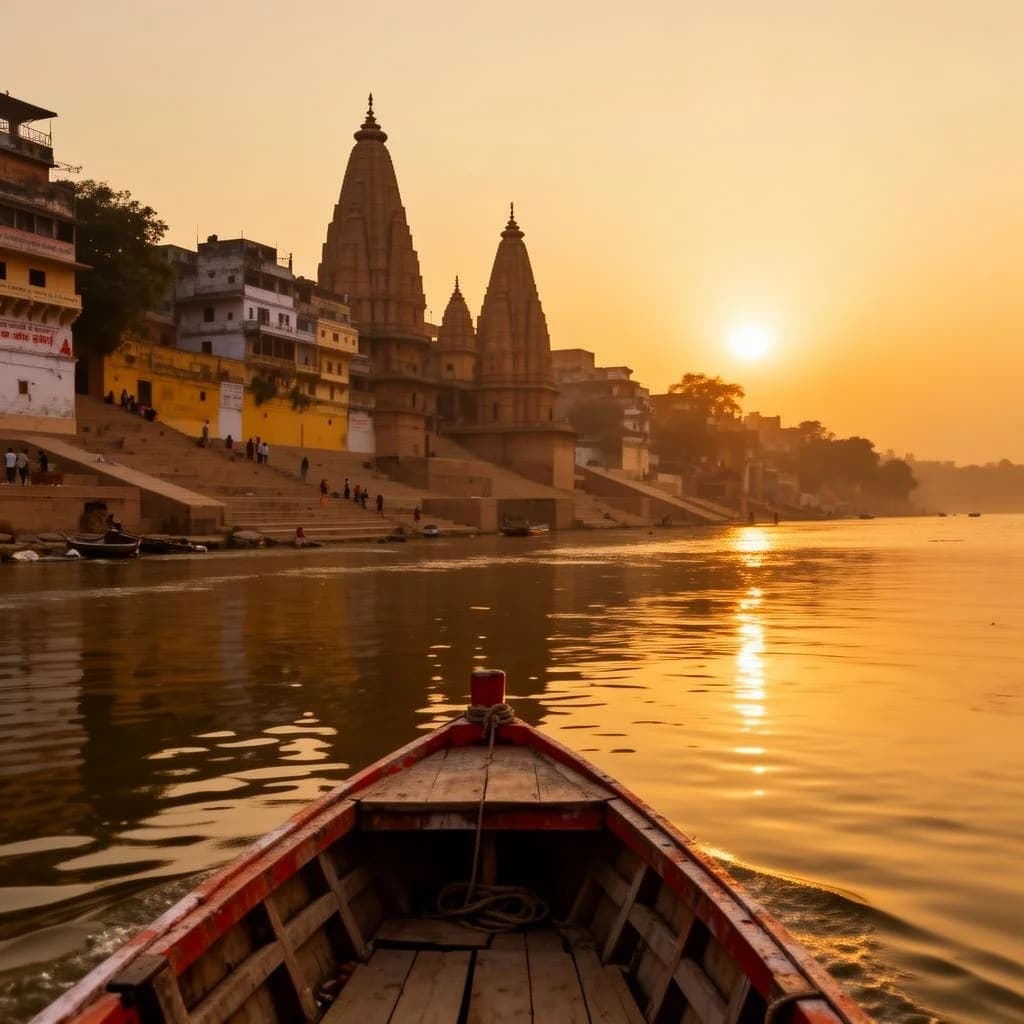


Handpicked travel guides, local insights and practical information to help you plan your spiritual journey with ease.
.0bwph.107dyza.webp&w=2048&q=75)
Timings, entry process, VIP darshan, nearby attractions and important tips.
Fresh insights and useful information for your journey.
More spiritual gatherings across sacred destinations.
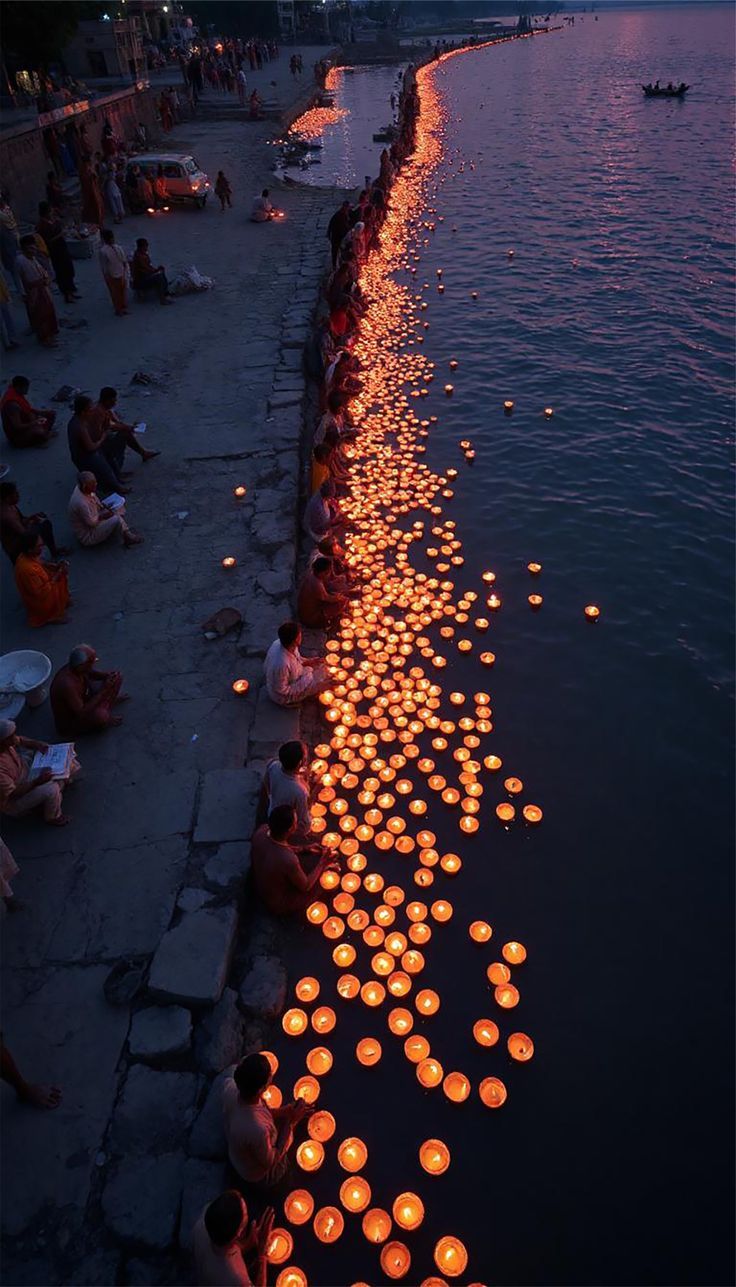
The Panchkroshi Yatra (पंचकोशी यात्रा) is the sacred parikrama around the whole of Kashi: an 88 km circuit that begins and ends at Manikarnika, with five padavs (halts), Kardameshwar, Bhimchandi, Rameshwar, Shivpur and Kapildhara, and 108 Shiva shrines along the way. Traditionally walked over five days, it is done today either on foot with dharamshala halts or in a single day by vehicle. varanasiayodhyatours.com plans both versions, the sankalp, the route and the pace, on WhatsApp.
View Details
Subah-e-Banaras (सुबह-ए-बनारस) is Varanasi's daily dawn ritual at Assi Ghat: begun on 24 November 2014, it opens in the Brahma Muhurta before sunrise with Vedic chanting and a hawan, a morning Ganga aarti to the rising sun, then live Banaras Gharana classical music and an open yoga session on the ghat steps. It runs every morning, is free to attend, and is the contemplative dawn counterpart to the grand evening Ganga Aarti at Dashashwamedh. varanasiayodhyatours.com plans the pre-dawn pickup, the seating and a sunrise boat around it, on WhatsApp.
View Details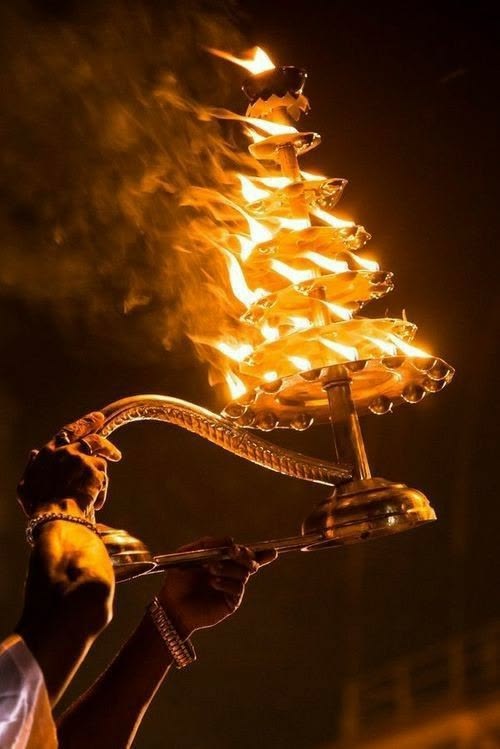
The Nageshwarnath temple (नागेश्वरनाथ) is Ayodhya's ancient presiding Shiva shrine, at Ram ki Paidi on the banks of the Saryu, said to have been established by Kush, the son of Lord Rama. In a city given to Rama, it is the great centre of Shiva worship, coming alive above all at Maha Shivratri, with its famous Shiva Baraat, and through the month of Sawan. varanasiayodhyatours.com plans the darshan and the Shiva festivals around it, on WhatsApp.
View Details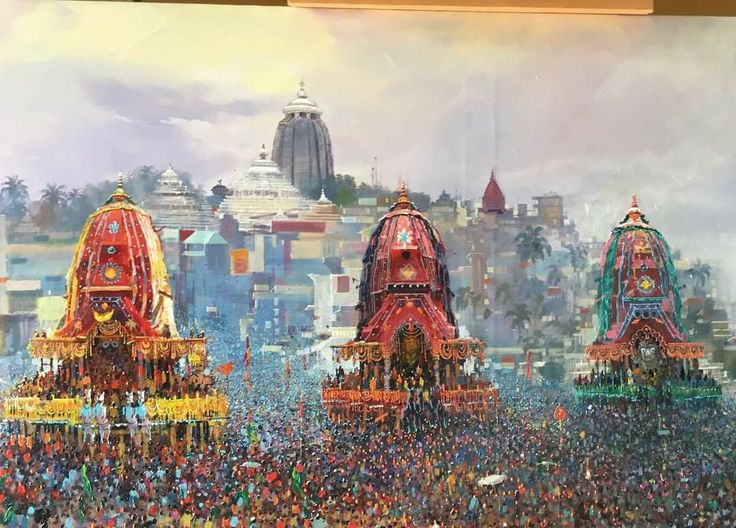
The Panchkroshi Yatra (पंचकोशी यात्रा) is the sacred parikrama around the whole of Kashi: an 88 km circuit that begins and ends at Manikarnika, with five padavs (halts), Kardameshwar, Bhimchandi, Rameshwar, Shivpur and Kapildhara, and 108 Shiva shrines along the way. Traditionally walked over five days, it is done today either on foot with dharamshala halts or in a single day by vehicle. varanasiayodhyatours.com plans both versions, the sankalp, the route and the pace, on WhatsApp.
View Details