3 nights / 4 days
Pilgrimage
₹37,000
Starting From


Senior Citizen Kashi Ayodhya Yatra
Varanasi, Prayagraj & Ayodhya (Elders)|Pilgrimage
One City A Day Pace
Lift-Access Rooms
Daily Family WhatsApp
A complete 40-year guide to Sankat Mochan Hanuman Temple in Varanasi, including history, timings, offerings, monkeys, and the annual Sangeet Samaroh.
Drop your details and we'll craft a personalized spiritual package.
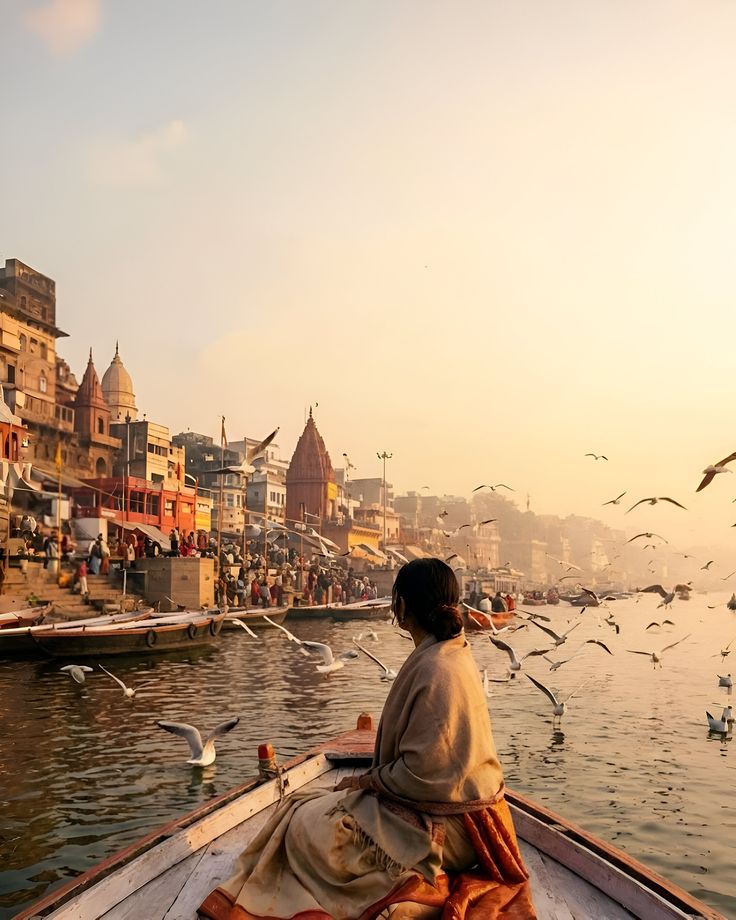
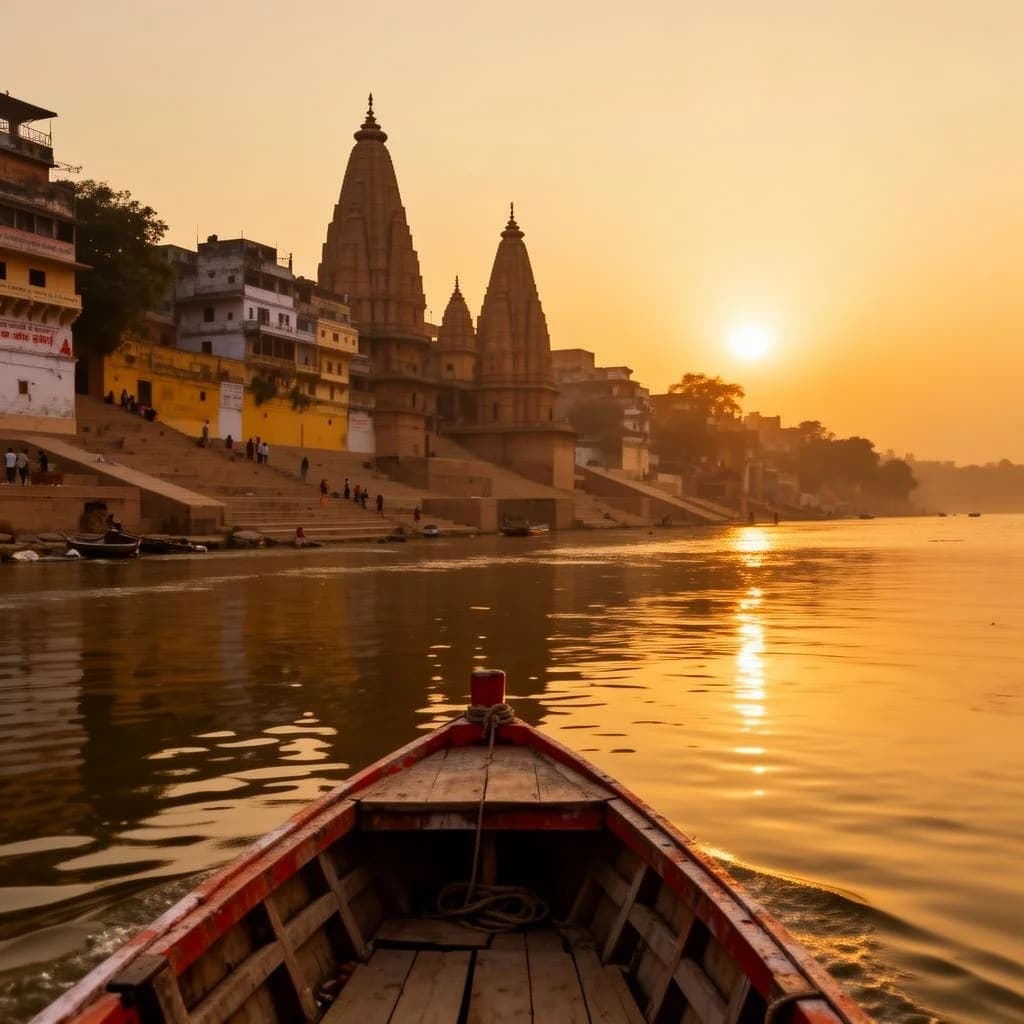
The Kashi Vishwanath Temple, the Dashashwamedh Ganga Aarti, a sunrise boat ride past the 80-plus ghats, and Sarnath, where the Buddha gave his first sermon
Sankat Mochan is dedicated to Lord Hanuman, worshipped here as Sankat Mochan, “the reliever of troubles.” It is one of the oldest and most loved Hindu shrines in Varanasi, attracting thousands of devotees daily who come for strength and solace in personal and professional difficulties. The architecture is simple and austere in keeping with Hanuman worship, with a large cobbled courtyard where devotees chant the Hanuman Chalisa and Sundarkand. It sits near the Assi river and Banaras Hindu University, in one of the city's most temple-rich areas.
The temple was founded by Goswami Tulsidas, the great poet-saint and author of the Ramcharitmanas, the Awadhi retelling of the Ramayana, in the 16th century. By tradition it stands on the very spot where Tulsidas had a divine vision of Hanuman, and he is believed to have written parts of the Ramcharitmanas here. In his final days, enduring great pain in his arms, Tulsidas is said to have composed the Hanuman Bahuk seated before Sankat Mochan. The present-day structure was built in the early 20th century, associated with Pandit Madan Mohan Malaviya, the founder of BHU. The temple's roots in Tulsidas's devotion tie it deeply to the Ramcharitmanas and the Bhakti tradition.
People come to Sankat Mochan above all to seek Hanuman's help in overcoming troubles, and the name itself promises relief from hardship. In Vedic astrology, Hanuman is held to protect devotees from the malefic effects of Shani (Saturn), so those with an ill-placed Saturn in their horoscope visit for remedy, and worship here is considered among the most effective ways to appease Shani, and to soften the ill effects of Mangala (Mars) and other planets. Tradition promises that regular visitors gain Hanuman's special favour, and many believe a visit fulfils their wishes. Devotees chant the Hanuman Chalisa and Sundarkand, both available free as booklets at the temple.
Tuesday and Saturday are traditionally the days of Hanuman worship, and on these days the crowds at Sankat Mochan roughly double. They are the most vibrant and auspicious days to visit, with the largest gatherings and the most fervent chanting. If you want the full devotional atmosphere, come on a Tuesday or Saturday; if you prefer a calm, unhurried darshan, choose another weekday morning, ideally before 8 AM.
The main idol of Hanuman is positioned facing Lord Rama, whom he served with unmatched devotion, and the courtyard holds idols of Rama, Sita, Lakshman and the Vanara army. The most auspicious offering is besan laddu, a gram-flour sweet considered Hanuman's favourite here, along with boondi laddoo. Devotees also offer sindoor (vermillion), marigold and jasmine garlands, and mustard oil. Besan laddu and peda are sold at shops near the entrance. Be watchful of the temple's monkeys, who may snatch prasad.
General opening hours and ritual schedule
Each April, around the Hanuman Jayanti period, the temple hosts the Sankat Mochan Sangeet Samaroh, one of India's oldest and most prestigious classical music and dance festivals, run since 1923. Over several consecutive nights in the open-air courtyard, leading Hindustani and Carnatic musicians and dancers perform, in the belief that music is among the highest offerings to Hanuman. It has featured legends of Indian classical arts across the decades. The festival is free and open to all, embodying the temple's inclusive spirit.
On 7 March 2006, one of a series of explosions struck the temple during the evening aarti, when many worshippers and wedding guests were present. The crowd came together in the rescue, and, in a powerful show of faith and resilience, devotees returned to worship as usual the very next day. A permanent police post was afterward established inside the temple, and it has continued to draw thousands of devotees since. We mention this only for context; the temple today is a secure, welcoming place of worship.
Sankat Mochan is near the BHU campus and about 1 to 2 km from Assi Ghat, roughly 10 km from Varanasi Junction and about 25 km from the airport. It sits in a cluster with the Durga Temple at Durga Kund and Tulsi Manas Mandir, and near the New Vishwanath Temple at BHU, so these are naturally visited together by cab or auto. See how to reach Varanasi.
We are Experience My India, rated 4.5 stars on TripAdvisor and Google, with 50,000+ guests served since 2018. We cluster Sankat Mochan with Durga Kund, Tulsi Manas and BHU into a smooth temple morning, with a guide who explains the Hanuman tradition and the Tulsidas history, and for South Indian pilgrims everything in Telugu or Kannada. See our Varanasi packages or message Rajeev's team on WhatsApp at +91 7302265809. Plan your days with our Varanasi itinerary.
Curated itineraries featuring this divine destination.






Grouped for quick scanning
Everything you need to know about Sankat Mochan Hanuman Temple.
Topic 01
10 questions
Sankat Mochan is one of Varanasi's most beloved Hindu temples, dedicated to Lord Hanuman as the "reliever of troubles." Founded by the poet-saint Tulsidas, it draws thousands of devotees daily seeking strength and relief from hardship, especially on Tuesdays and Saturdays. It is also famous for the annual Sankat Mochan Sangeet Samaroh music festival.
Sankat Mochan means "the reliever of troubles" or "remover of difficulties," a name for Lord Hanuman in his role as a protector who alleviates devotees' hardships. The temple is named for this form of Hanuman, and people visit specifically to seek his help in overcoming troubles in their personal and professional lives.
It was founded by Goswami Tulsidas, the great 16th-century poet-saint and author of the Ramcharitmanas, the Awadhi retelling of the Ramayana. By tradition, Tulsidas had a divine vision of Hanuman at this spot and established the temple there. The present-day structure was built in the early 20th century, associated with Pandit Madan Mohan Malaviya, the founder of BHU.
The temple was founded by Tulsidas in the 16th century, and the present-day structure was constructed in the early 20th century. Sources differ on the exact founding date and the builder of the current structure, so confirm before relying on a specific year. Its sacred site, where Tulsidas saw Hanuman, is far older than the present building.
By tradition, Goswami Tulsidas had a divine vision of Lord Hanuman at this very spot, which inspired him to establish a shrine here, originally placing a Hanuman statue beneath a sacred fig tree. The temple's deep link to Tulsidas, who composed much of the Ramcharitmanas, gives it a central place in Varanasi's devotional and literary heritage.
By tradition, Tulsidas wrote parts of the Ramcharitmanas at or near this temple, and it is closely tied to his life and work. He is also said to have composed the Hanuman Bahuk while seated before Sankat Mochan in his final, pain-filled days. The temple is one of the most important Hanuman shrines linked to the Bhakti movement and to Tulsidas.
The Hanuman Bahuk is a devotional composition by Tulsidas, traditionally said to have been written before Sankat Mochan during his final days, when he suffered great pain in his arms and sought Hanuman's relief. It is a prayer for healing and protection. Its association with this temple deepens the shrine's connection to Tulsidas and to Hanuman as the reliever of suffering.
The present-day temple structure was constructed in the early 20th century, most commonly attributed to Pandit Madan Mohan Malaviya, the freedom fighter and founder of Banaras Hindu University, though some accounts name others. The original shrine and sacred site, however, go back to Tulsidas in the 16th century. Confirm the attribution if it matters for your purpose.
Its sacred origin traces to Goswami Tulsidas in the 16th century, making the site roughly five centuries old, while the present-day building dates to the early 20th century. It is considered one of the oldest and most revered Hanuman shrines in Varanasi, with a continuous devotional tradition since Tulsidas's time.
Yes, it is regarded as one of the oldest and most important Hindu shrines in the city, with its sacred origin in the 16th century under Tulsidas. While the visible structure is more recent, the site's continuous worship and its link to Tulsidas and the Ramcharitmanas give it deep historical and devotional standing in Kashi.
Topic 02
7 questions
People visit chiefly to seek Hanuman's help in overcoming troubles, as the name promises relief from hardship. Many come for astrological remedies, especially for an ill-placed Saturn, and to have wishes fulfilled. Devotees chant the Hanuman Chalisa and Sundarkand for strength and protection. It is a place sought for solace in personal and professional difficulties.
In Vedic astrology, Hanuman is believed to protect devotees from the malefic effects of Shani, the planet Saturn, so those with an ill-placed Saturn in their horoscope visit Sankat Mochan for remedy. Worship here is considered among the most effective ways to appease Shani, and to soften the ill effects of Mangala (Mars) and other planets.
By tradition, yes, many devotees believe that a sincere visit and worship at Sankat Mochan fulfils their wishes and brings relief from troubles, and that regular visitors gain Hanuman's special favour. This is a matter of faith. Whatever one's belief, the temple offers a powerful devotional atmosphere and a sense of solace to those who seek it.
The Hanuman Chalisa is a forty-verse devotional hymn to Hanuman composed by Tulsidas, widely recited for protection, strength and the removal of difficulties. At Sankat Mochan, devotees chant it in unison, and free booklets are provided. Reciting the Chalisa here is believed to amplify its protective power, safeguarding devotees from negative energies and dangers.
The Sundarkand is the fifth book of the Ramcharitmanas, recounting Hanuman's heroic deeds in Lanka, and it is especially revered as a source of courage and protection. At Sankat Mochan, devotees recite or listen to the Sundarkand, with free booklets provided. Its recitation is a popular devotional practice at this Hanuman temple, particularly on Tuesdays and Saturdays.
The main idol of Hanuman is positioned facing Lord Rama because Hanuman is the supreme devotee of Rama, whom he served with unmatched devotion. The courtyard also holds idols of Rama, Sita, Lakshman and the Vanara army. This arrangement reflects the heart of Hanuman worship: his selfless service and love for Rama, which devotees aspire to emulate.
That is its very purpose: Hanuman as Sankat Mochan is the reliever of troubles, and the temple is sought by those facing hardship in their personal and professional lives. Devotees come for strength, solace and protection, chanting the Hanuman Chalisa. Whatever your belief, the temple is a place that many find deeply comforting in difficult times.
Topic 03
6 questions
Tuesday and Saturday are traditionally the days dedicated to Hanuman worship, so they are the most auspicious days to visit, and the crowds roughly double. The devotional atmosphere is at its most fervent, with mass chanting of the Hanuman Chalisa. Those seeking Saturn remedies in particular favour these days. Expect larger queues and a more charged atmosphere.
The most auspicious offering is besan laddu, a gram-flour sweet considered Hanuman's favourite here, along with boondi laddoo. Devotees also offer sindoor (vermillion), marigold and jasmine garlands, and mustard oil. These are sold at shops near the entrance. Carry some cash, and keep your prasad secure from the temple's monkeys.
Besan laddu is a sweet made from gram (chickpea) flour, considered Lord Hanuman's favourite prasad at Sankat Mochan, and the temple's signature offering. Devotees buy it at shops near the entrance to offer to the deity, and it is also received back as blessed prasad. Offering besan laddu is one of the central rituals of a visit here.
Yes, you can bring your own offering or buy besan laddu, garlands and other items from the shops near the entrance, which is most convenient. Keep it covered and secure, as the courtyard monkeys are quick to snatch food. Follow any guidance from the temple attendants on what may be taken into the sanctum.
Besan laddu and peda are the popular prasad, blessed and offered to devotees, reflecting Hanuman's favourite sweets. You can buy these at the shops near the entrance to offer and receive back. Carrying small-denomination cash makes buying prasad and small offerings easy. Guard the prasad from the monkeys on your way out.
Yes, the large courtyard is home to many monkeys, part of the temple's character given its dedication to Hanuman. They are generally peaceful but will snatch prasad, food, glasses or phones if given the chance. Do not carry visible food, hold your belongings firmly, and do not tease them. Keep calm and keep your distance.
Topic 04
7 questions
The temple is commonly open daily from about 5 AM to 10 PM, with a possible midday break for the bhog offering and rest, and morning and evening aartis. Exact timings vary by source and shift on festivals, so confirm locally the day before. For a calm darshan, arrive early in the morning, ideally before 8 AM.
Morning rituals including the Mangala Aarti take place around dawn, and an evening aarti is performed around sunset or in the evening, both drawing large crowds. The exact times vary by day and season, and can be extended on festivals. Confirm the current aarti schedule locally, as listings online often conflict.
Some accounts describe a midday closure for the bhog offering and the deity's rest, after which the temple reopens for afternoon and evening darshan. Because timings vary by source, it is best to confirm locally before a midday visit. To be safe, plan your darshan for the morning or the evening rather than the early afternoon.
Early morning, before about 8 AM, is best for a calm, unhurried darshan, while the evening aarti offers a vibrant, crowded atmosphere. Tuesdays and Saturdays are the most devotionally charged but the busiest. For comfortable weather overall, the cool months from October to March are ideal for visiting Varanasi's temples.
No, entry is free for general darshan, and the temple is open to all regardless of background. Nominal seva charges apply only if you wish to book special rituals such as a Rudrabhishek or a Hanuman Chalisa recitation by the temple priests. Carry some cash for prasad, offerings and any seva you choose.
Yes, while general darshan is free, special sevas such as Rudrabhishek or a Hanuman Chalisa recitation by priests carry a nominal charge, paid at the temple counter. If you wish to arrange a specific puja, ask at the counter or have it arranged in advance. We can organise particular sevas as part of a guided visit.
On a quiet weekday morning, darshan can take well under an hour, while on busy Tuesdays, Saturdays, festivals and during the evening aarti it takes longer with the larger crowds. Visiting early in the morning is the surest way to keep it short. Allow extra time on the auspicious days and during festivals.
Topic 05
7 questions
It is a renowned annual classical music and dance festival held at the temple each April, around Hanuman Jayanti, run since 1923. Over several nights in the open-air courtyard, leading Hindustani and Carnatic artists perform, in the belief that music is among the highest offerings to Hanuman. It is one of India's oldest and most prestigious such festivals.
The Sangeet Samaroh is held annually in April, during the Hanuman Jayanti period, over several consecutive nights. [VERIFY exact dates each year.] If you are interested in Indian classical music and dance, timing a visit to coincide with it is a wonderful experience, set in the temple's open-air courtyard. Confirm the dates for your travel year in advance.
Yes, the Sankat Mochan Sangeet Samaroh is free and open to the public, in keeping with the temple's inclusive spirit and the idea of music as devotion. Performances run over several nights in the open-air courtyard. Arrive early on performance nights for a good spot, as the festival draws large audiences for its renowned artists.
Over its long history, the festival has featured many legends of Indian classical music and dance across the decades, drawing top Hindustani and Carnatic performers and renowned dancers. [VERIFY specific names.] Its prestige and its open, devotional spirit have made it a landmark of the classical arts calendar, set in the temple courtyard each April.
Hanuman Jayanti, the birth of Hanuman on Chaitra Purnima in March or April, draws lakhs of devotees, with a Shobha Yatra procession that starts at the Durga Temple at Durga Kund and ends at Sankat Mochan. [VERIFY date.] It is one of the temple's biggest occasions, with special worship, chanting and celebration. Expect very large crowds.
The Shobha Yatra is a festive procession held on Hanuman Jayanti that begins at the Durga Temple at Durga Kund and concludes at Sankat Mochan, linking the two temples in celebration of Hanuman. It is a vivid, devotional spectacle drawing large crowds. It reflects the close devotional connection between these neighbouring temples in the BHU and Assi area.
Yes, Ram Navami, the birth of Lord Rama in March or April, is specially celebrated at this Tulsidas-founded temple, fitting given Hanuman's supreme devotion to Rama and the temple's deep link to the Ramcharitmanas. [VERIFY date.] It draws large crowds. The Shravan month, July to August, is also a devotionally intense period at the temple.
Topic 06
5 questions
On 7 March 2006, one of a series of explosions struck the temple during the evening aarti, when many worshippers and wedding guests were present. The crowd came together in the rescue, and, in a remarkable show of faith, devotees returned to worship the very next day. A permanent police post was afterward set up inside the temple, which remains a secure, welcoming place today.
Yes, the temple is a secure, welcoming place of worship today, with a permanent police post inside since 2006 and routine security, and it draws thousands of devotees daily. As in any crowded place, keep your belongings secure and watch for monkeys. There is no reason for concern; it is one of the city's most cherished temples.
There is no strict dress code, but modest, respectful attire is expected, with shoulders and knees covered, and you must remove your shoes before entering. Traditional clothing is appreciated but not required. Avoid shorts or revealing clothes. Comfortable, modest dress and easy-to-remove footwear are the practical choice for a temple visit.
Phones and cameras are generally not allowed inside the sanctum, and lockers are available at the entrance. [VERIFY current rules.] Avoid photographing the deity or rituals, and follow the temple's guidance. Carry only what you need for darshan. Rules can change, so check at the entrance, and keep valuables minimal and secure given the crowds and monkeys.
The temple provides wheelchairs for those who need them and has basic facilities, making it reasonably accessible, though some areas involve steps and uneven ground. For elderly or mobility-limited pilgrims, a guided visit with assistance and a car that drops as close as possible is easiest. Tell us any mobility needs and we plan accordingly.
Topic 07
5 questions
Sankat Mochan is near the Banaras Hindu University campus and about 1 to 2 km from Assi Ghat, in one of Varanasi's most temple-rich areas. It is roughly 10 km from Varanasi Junction and about 25 km from the airport. It sits close to the Durga Temple at Durga Kund and the Tulsi Manas Mandir, so the three are easily visited together.
Take an auto, e-rickshaw or taxi to the temple, which is near the BHU campus and Assi Ghat; from Assi it is a short ride or walk. It is about 10 km from Varanasi Junction. A cab is easiest if you are clustering it with Durga Kund, Tulsi Manas and BHU. We arrange a vehicle that takes in all of these in one smooth circuit.
Sankat Mochan sits in a cluster with the Durga Temple at Durga Kund and the Tulsi Manas Mandir, and near the New Vishwanath Temple on the BHU campus, with Assi Ghat about 1 to 2 km away. These are naturally visited together in a temple circuit by cab or auto, which is exactly how we sequence them on our itineraries.
Yes, the temple is open to everyone, including non-Hindus and foreign visitors, in keeping with its inclusive spirit. Dress modestly, remove your shoes, and observe the customs respectfully. The free Sangeet Samaroh music festival each April is also open to all. Visitors of any background are warmly welcomed at this temple.
Yes. We include Sankat Mochan in a smooth temple morning clustered with Durga Kund, Tulsi Manas and BHU, with a guide who explains the Hanuman tradition and the Tulsidas history, a car that waits at each stop, and any seva arranged. For South Indian pilgrims, everything is in Telugu or Kannada. Message us on WhatsApp at +91 7302265809.
Topic 08
6 questions
Hanuman is the devoted companion of Lord Rama, revered across Hinduism for his unwavering devotion, courage and strength, and considered by some traditions an embodiment of Shiva's power. He is worshipped for protection, the removal of obstacles and relief from troubles. At Sankat Mochan, he is venerated specifically as the reliever of difficulties, facing his beloved Rama.
Budget about 30 to 60 minutes for a calm darshan and to take in the courtyard atmosphere, more on busy Tuesdays, Saturdays and festivals or if you stay for an aarti. Clustered with Durga Kund and Tulsi Manas, the three temples together make a comfortable half-morning. Allow extra time during the April Sangeet Samaroh.
Yes. A natural plan pairs a morning temple cluster of Sankat Mochan, Durga Kund and Tulsi Manas, near Assi, with a sunrise boat from Assi earlier and the evening Ganga Aarti at Dashashwamedh later. Being close to Assi Ghat makes Sankat Mochan easy to combine with the riverfront experiences. We sequence it all into one smooth day.
Yes, it is a welcoming, open temple with a large courtyard, and the monkeys often delight children, though keep food and belongings secure from them. It is calmer on weekday mornings than on the busy Tuesdays and Saturdays. For families, an early visit clustered with the nearby temples works well, with a guide to explain the stories.
Yes, the temple administration runs charitable activities including free meal distributions, medical camps and educational initiatives, reflecting its inclusive spirit. The temple's tradition has also been associated with Ganga clean-up efforts in Varanasi. This social role, alongside its worship and the free Sangeet Samaroh, makes Sankat Mochan a notable religious and community institution in the city.
Assi Ghat is the nearest major ghat, about 1 to 2 km away, the vibrant southern ghat famous for the Subah-e-Banaras dawn programme, boat rides and its own aarti. This proximity makes it easy to pair a Sankat Mochan visit with the Assi Ghat riverfront, a sunrise boat and the morning programme, all in the same part of the city.
Still have a question?
Message Rajeev on WhatsApp