3 nights / 4 days
Pilgrimage
₹37,000
Starting From


Senior Citizen Kashi Ayodhya Yatra
Varanasi, Prayagraj & Ayodhya (Elders)|Pilgrimage
One City A Day Pace
Lift-Access Rooms
Daily Family WhatsApp
A complete 40-year guide to the red-facade Durga Temple and Durga Kund in Varanasi, including Rani Bhabani history, monkeys, timings, and festivals.
Drop your details and we'll craft a personalized spiritual package.
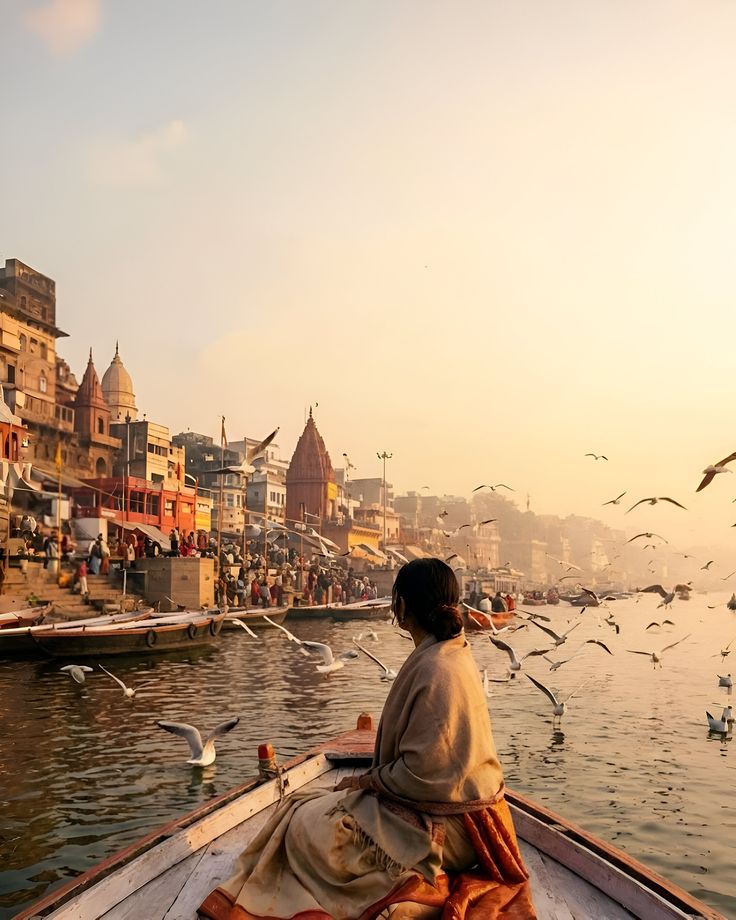
The Kashi Vishwanath Temple, the Dashashwamedh Ganga Aarti, a sunrise boat ride past the 80-plus ghats, and Sarnath, where the Buddha gave his first sermon
The Durga Temple, also called Durga Kund Mandir or simply Durga Temple, is one of the most revered and architecturally striking temples in Varanasi, dedicated to Goddess Durga, the warrior form of the divine mother. It stands beside the large rectangular Durga Kund, a sacred tank, in the southern part of the city near Banaras Hindu University. Its deep red ochre facade and the troops of monkeys in its courtyard make it instantly recognisable, and it is one of the city's great Shakti shrines.
Durga is the fierce yet nurturing warrior form of Parvati, the embodiment of Shakti, divine feminine power. Depicted riding a lion or tiger and wielding the weapons given to her by the gods, she is the slayer of the demon Mahishasura, symbolizing the triumph of good over evil. In Varanasi she is venerated as a protector of the city. Devotees come to her for strength, protection and the removal of obstacles, and she is at once a warrior, a protector, a mother and a destroyer of evil.
The present temple and the kund were built in the 18th century, commonly dated to around 1760, by Rani Bhabani of Natore, a devout Bengali queen and a noted patron of temples across India. She is said to have commissioned it both as an offering to the goddess and to strengthen the cultural ties between Bengal and Kashi. An earlier shrine on the site is held to have been destroyed in past invasions, with the present complex rebuilt by Rani Bhabani. The exact founding date is not known with certainty.
The temple is painted a distinctive deep red with ochre, matching the colour of Durga herself, since red signifies power, fertility and auspiciousness, and the fierce nature of the goddess and her victory over Mahishasura. It is built in the Nagara, North Indian, style, with a multi-tiered shikhara made of many smaller spires conjoined, intricate stone carvings, and lion motifs, the lion being Durga's vehicle. The layout has a sanctum and a pillared mandapa, with a courtyard around it for circumambulation. The red facade in the morning sun is one of Varanasi's memorable sights.
A central belief is that the idol of Durga here is swayambhu, self-manifested, not made by human hands but emerged on its own. By local tradition the goddess is worshipped here in a yantra form, associated with the Kushmanda aspect among the Navadurga, the nine forms of Durga revered across Kashi. A local legend tells that the goddess once moved overnight to a nearby temple, after which the yantra has been worshipped here, though it may be that the original idol was hidden for safety during invasions. The temple is a major centre of Shakta worship.
Beside the temple lies the Durga Kund, a large rectangular sacred tank that gives the temple its full name. It was once connected to the Ganga by an underground channel, symbolizing purity and divine cleansing, and pilgrims bathe in it to purify body and soul before worship, with many believing it has healing properties. Circumambulating the kund is held to accumulate spiritual merit and is part of broader Kashi pilgrimages. The kund is decorated with flowers on festivals such as Nag Panchami, and it is a serene spot for reflection.
The temple is home to a large population of monkeys, which give it its popular nickname, the “Monkey Temple.” They are regarded as kin of Hanuman and seen as natural guardians of the sacred space, and some devotees feed them as an act of devotion. They are generally harmless but quick to snatch food, prasad, glasses or phones. Do not carry visible food, keep your belongings firmly held, and do not tease them.
Devotees come to Durga Kund to seek the goddess's protection, strength and courage, and the removal of obstacles, since a visit is believed to guard against troubles. The temple holds a special draw for women devotees, who come to seek blessings for family welfare, marital harmony and the wellbeing of their households. Many bathe in the Durga Kund to purify themselves before worship, and tie sacred threads on the premises while making personal wishes. As a Shakti temple, it is sought for the fierce, protective energy of the divine feminine.
Navratri (twice a year: Sharad Navratri in September or October, and Chaitra Navratri in March or April): the peak, drawing lakhs over nine days of fasting, prayer, kirtans and decoration. The temple is the city's central venue for Navratri. Nag Panchami (July or August): the serpent-deity festival, when the kund is adorned with floral decorations. Durga Kund Sangeet Samaroh (around Shravan and Bhadrapada, August or September): a classical music festival honouring the goddess. Dussehra: the victory of good over evil, with Ravana effigies burned nearby. Tuesdays and Fridays: weekly days of the goddess, with special pujas and larger crowds. Hanuman Jayanti: the Shobha Yatra procession to Sankat Mochan starts here at Durga Kund.
General opening hours and ritual schedule
The Durga Temple is on Durgakund Road in the Bhelupur and Durgakund area of southern Varanasi, beside the Durga Kund. It sits about 250 m north of the Tulsi Manas Mandir, around 700 m from Sankat Mochan, about 1.3 km north of BHU and roughly 1 to 1.5 km from Assi Ghat. These neighbours are naturally visited together by cab or auto. See how to reach Varanasi.
We are Experience My India, rated 4.5 stars on TripAdvisor and Google, with 50,000+ guests served since 2018. We cluster Durga Kund with the adjacent Tulsi Manas Mandir, nearby Sankat Mochan and BHU into a smooth temple morning, with a guide who explains the Durga tradition and the kund, and for South Indian pilgrims everything in Telugu or Kannada. See our Varanasi packages or message Rajeev's team on WhatsApp at +91 7302265809. Plan your days with our Varanasi itinerary.
Curated itineraries featuring this divine destination.






Grouped for quick scanning
Everything you need to know about Durga Temple (Durga Kund).
Topic 01
9 questions
The Durga Temple, or Durga Kund Mandir, is one of Varanasi's most famous Shakti shrines, dedicated to Goddess Durga and known for its striking red facade and the monkeys in its courtyard. Built in the 18th century by Rani Bhabani, it stands beside the sacred Durga Kund tank. It is a major centre of devotion, especially during Navratri.
The Durga Temple is nicknamed the "Monkey Temple" because of the large population of monkeys in and around its compound. They are regarded as kin of Hanuman and seen as guardians of the sacred space. They are generally harmless but will snatch food and belongings, so keep food out of sight and hold your things firmly.
It is called Durga Kund Mandir because it stands beside the Durga Kund, a large rectangular sacred tank or pond. The kund is central to the temple's identity and rituals, once connected to the Ganga, and pilgrims bathe in it to purify themselves before worship. The temple and the kund together form the sacred complex.
Durga is the fierce warrior form of Parvati, the embodiment of Shakti, divine feminine power. Riding a lion and wielding the weapons of the gods, she is the slayer of the demon Mahishasura, symbolizing the triumph of good over evil. She is at once a warrior, a protector, a mother and a destroyer of evil, venerated in Varanasi as a protector of the city.
Durga symbolizes Shakti, divine feminine power, and the triumph of good over evil through her victory over the demon Mahishasura. She embodies strength, protection, courage and motherhood, both fierce in destroying evil and nurturing toward her devotees. Worshipping her is believed to grant strength, protection and the removal of obstacles, which is why so many come to seek her blessings.
Mahishasura was a powerful buffalo demon whom the gods could not defeat, so they combined their energies to create Durga, gifting her their weapons. After a fierce battle she slew Mahishasura, restoring cosmic order. This victory, celebrated at Navratri and Dussehra, is the central legend of Durga worship, symbolizing the triumph of righteous power over evil.
Yes, the Durga Temple is one of the most revered Shakti temples in Varanasi, a centre of worship of the divine feminine power. As a major Shakta shrine, it is associated with tantric practice and the fierce, protective energy of the goddess. It draws devotees seeking Durga's strength and protection, especially during the Navratri festivals.
The temple is painted a deep red with ochre to match the colour of Durga herself, since red signifies power, fertility and auspiciousness, and the fierce nature of the goddess. The striking red facade is one of the temple's defining features and one of Varanasi's memorable sights, especially in the soft light of early morning.
In Hindu tradition, red represents power, fertility and auspiciousness, and it reflects the fierce, warrior nature of Goddess Durga and her victory over Mahishasura. Painting the temple red in ochre links its very appearance to the goddess enshrined within. It makes the temple instantly recognisable and visually expresses the energy of the divine feminine it houses.
Topic 02
5 questions
The present temple and the kund were built in the 18th century by Rani Bhabani of Natore, a devout Bengali queen and a noted patron of temples across India. She is said to have built it as an offering to the goddess and to strengthen the ties between Bengal and Kashi. An earlier shrine on the site is held to have been destroyed in past invasions.
It was built in the 18th century, commonly dated to around 1760, though the exact date is not known with certainty. The present structure was raised by Rani Bhabani, replacing an earlier shrine. The adjacent Durga Kund is held to be older still. Confirm any specific date before relying on it, as accounts vary.
Rani Bhabani was an 18th-century Bengali queen of the Natore estate, in what is now Bangladesh, renowned for her piety and her patronage of temples and public works across India. She built the Durga Temple and kund in Varanasi as an act of devotion and to strengthen the cultural bond between Bengal and Kashi. She is remembered as a great temple-builder.
The present structure dates to the 18th century, around 1760, while the sacred site and the kund are held to be older, with an earlier shrine destroyed in past invasions. So the visible temple is a few centuries old, on a site of greater antiquity. Like many Kashi temples, its precise early history is uncertain.
By tradition, yes, an earlier shrine to Durga stood on the site and was destroyed during past invasions, after which the present temple and kund were built by Rani Bhabani in the 18th century. This pattern, of an ancient sacred site rebuilt in the 18th century, is common among Varanasi's temples. The site's sanctity is held to be far older than the present building.
Topic 03
8 questions
By belief, yes, the idol of Durga at this temple is swayambhu, self-manifested, held to have emerged on its own rather than being made by human hands. This adds to the temple's sanctity and is a central part of its tradition. As with such beliefs, it is a matter of faith rather than historical record, and it deepens the devotion of those who visit.
By local tradition, the goddess is worshipped here in a yantra form, associated with the Kushmanda aspect among the Navadurga, the nine forms of Durga revered across Kashi. A legend tells that she moved overnight to a nearby temple, after which the yantra has been worshipped, though the original idol may have been hidden for safety during invasions. It is a major Shakta and tantric centre.
Within the temple premises are idols of other forms of the divine feminine, including Kali, representing transformative energy, Saraswati, embodying knowledge and wisdom, and Lakshmi, signifying prosperity, alongside the main shrine of Durga. This allows devotees to honour several aspects of the goddess in one visit, underlining the temple's role as a comprehensive shrine to the divine feminine.
Durga Kund is a large rectangular sacred tank beside the temple, which gives the shrine its full name. It was once connected to the Ganga by an underground channel, symbolizing purity, and pilgrims bathe in it to purify themselves before worship. Circumambulating the kund is held to bring spiritual merit, and it is decorated with flowers on festivals.
By tradition, yes, the Durga Kund once had an underground channel connecting it to the Ganga, symbolizing purity and divine cleansing, and it played an important role in ritual practice. Whether or not the channel functions today, the kund remains a sacred tank where pilgrims bathe and worship. Its link to the Ganga adds to its sanctity in the tradition.
Pilgrims traditionally bathe in the Durga Kund to purify body and soul before worshipping the goddess, and many believe it has healing properties. If you choose to, mind your footing on the steps and the water's condition, and do not swallow the water. Many visitors simply circumambulate the kund or sit quietly beside it for reflection rather than bathing.
Circumambulating the Durga Kund is held to accumulate spiritual merit and is part of broader Kashi pilgrimages, an act of devotion to the goddess. Walking around the sacred tank, with the red temple reflected in its waters, is a contemplative ritual. Many pilgrims combine the circumambulation with a dip in the kund and worship in the temple.
By tradition and folk belief, the waters of Durga Kund are held to purify and to have healing properties, which is why pilgrims bathe there before worship. This is a matter of faith rather than something proven. Whatever one's belief, the kund is a serene and sacred spot, and bathing in it is a meaningful ritual for many devotees.
Topic 04
5 questions
The temple is home to a large monkey population, regarded as kin of Hanuman and seen as natural guardians of the sacred space, which is why it is nicknamed the "Monkey Temple." Some devotees feed them as an act of devotion. They add to the temple's character, though visitors should keep food and belongings secure from them.
They are generally harmless and used to people, but they are quick to snatch food, prasad, glasses, phones or anything held loosely. Do not carry visible food, hold your belongings firmly, do not tease them, and keep an eye on children. Treated with calm respect and given no temptation, they cause no trouble for visitors.
Some devotees feed the monkeys as an act of devotion, given their association with Hanuman, and it is a traditional practice. If you do, do so calmly and at a sensible distance. Be aware that producing food can attract a crowd of monkeys quickly. Many visitors prefer simply to observe them rather than feed them, which is also fine.
People visit to seek Goddess Durga's protection, strength and courage, and the removal of obstacles, since a visit is believed to guard against troubles. Women devotees in particular come for blessings for family welfare and marital harmony. Many bathe in the Durga Kund to purify themselves first. As a Shakti temple, it is sought for the protective energy of the divine feminine.
The temple holds a special draw for women, who come to seek the goddess's blessings for family welfare, marital harmony, the wellbeing of their households and, in tradition, fertility. Durga as the divine mother and protector resonates strongly with these prayers. Women-centred rituals are a notable part of the temple's devotional life, especially during Navratri.
Topic 05
8 questions
Navratri is the temple's peak festival, when it becomes the city's central venue for Durga worship, drawing lakhs over nine days of fasting, prayer, kirtans, dance and elaborate decoration. The goddess is venerated in her nine forms. It is celebrated with great fervour and very large crowds. If you visit during Navratri, expect intense devotion and long queues.
Navratri is observed twice a year: Sharad Navratri in September or October, the larger celebration, and Chaitra Navratri in March or April. [VERIFY dates.] Both bring nine days of worship and large crowds to the temple. The exact dates shift each year with the lunar calendar, so confirm them for your travel year before planning a festival visit.
Yes, Durga Puja, closely tied to the Navratri period, is celebrated at the temple, fitting given its Bengali origins under Rani Bhabani, as Durga Puja is the great festival of Bengal. The temple is a focal point for the worship of the goddess during this time. It draws large crowds and elaborate ritual, especially during Sharad Navratri in autumn.
On Nag Panchami, the serpent-deity festival in July or August, the Durga Kund is adorned with floral decorations and devotees gather for traditional rituals, believing it brings good fortune and protection from evil. [VERIFY date.] The decorated kund is a beautiful sight on this day. It is one of the temple's notable annual occasions beyond the Navratri peak.
It is a classical music festival held around the months of Shravan and Bhadrapada, roughly August to September, when eminent classical musicians perform in tribute to the goddess. [VERIFY.] It reflects the tradition of music as devotion, set at the temple by the kund. If you enjoy Indian classical music, timing a visit to coincide with it is a special experience.
Yes, Dussehra, marking Durga's and Rama's victory over evil, is celebrated in Varanasi with effigies of Ravana burned nearby, and the Durga Temple is a focal point for the goddess's worship in this period. It follows the Sharad Navratri, completing the celebration of the triumph of good over evil. The area is festive and busy during this time.
Yes, Tuesdays and Fridays are traditionally days of the goddess, when special pujas are performed and the temple sees larger crowds. These are auspicious days to visit for her blessings, though busier than other weekdays. For a calmer darshan, choose another weekday morning; for the devotional atmosphere, come on a Tuesday or Friday.
Yes, on Hanuman Jayanti, the festive Shobha Yatra procession to Sankat Mochan begins here at the Durga Temple, Durga Kund, linking the two neighbouring temples in celebration. It reflects the close devotional connection between them in the BHU and Assi area. It is a vivid, devotional spectacle drawing large crowds along the route.
Topic 06
10 questions
The temple is open daily from about 5:00 AM, with morning and evening aartis and, by some accounts, a midday break, closing in the evening. Sources differ on the exact hours, so confirm locally. For a calm darshan, come early in the morning. During Navratri, hours may be extended and crowds are very large.
A Mangala Aarti is performed around dawn, with a morning aarti commonly around 6:00 AM, and an evening aarti at dusk. Exact times vary by source and can change on festivals. The morning aarti is a beautiful, peaceful time to visit. Confirm the current schedule locally, as online listings often conflict.
No, entry is free for all devotees. Carry some cash for prasad, flowers and offerings, which you can buy from vendors outside the temple. There may be nominal charges for specific sevas. The temple is open to all, including non-Hindus, who should dress modestly and observe the customs respectfully.
Photography is generally prohibited inside the sanctum, though you may photograph the striking red exterior, the courtyard and the Durga Kund. [VERIFY current rules.] Avoid using your phone during darshan and rituals, and follow the temple's guidance. The red facade in the morning light and the kund are the most photogenic spots, from outside the sanctum.
There is no strict dress code, but modest, respectful attire is expected, with shoulders and legs covered, and shoes removed before the sanctum. Traditional Indian clothing is appreciated. Avoid revealing clothing. Comfortable footwear is wise, as the ground around the temple and kund can be uneven. Dress as you would for any sacred site.
Yes, it is safe and welcoming, busy with devotees through its open hours. The main caution is the monkeys, so keep food and belongings secure, and watch your footing on the uneven ground around the kund. Keep valuables minimal in the crowds, especially during Navratri. With these simple precautions, it is a comfortable and rewarding visit.
It is on Durgakund Road in the Bhelupur and Durgakund area of southern Varanasi, beside the Durga Kund tank. It sits about 250 m north of Tulsi Manas Mandir, around 700 m from Sankat Mochan, about 1.3 km north of BHU, and roughly 1 to 1.5 km from Assi Ghat. This makes it easy to cluster with these neighbours.
Take an auto, e-rickshaw or cab to Durgakund Road in southern Varanasi; from Assi Ghat it is a short ride or walk of about 1 to 1.5 km. It is roughly 6 km from Varanasi Junction. A cab is easiest if you are clustering it with Tulsi Manas, Sankat Mochan and BHU. We arrange a vehicle that takes in all of these in one circuit.
The Tulsi Manas Mandir is right beside it, about 250 m away, Sankat Mochan is around 700 m off, and the New Vishwanath Temple at BHU and Assi Ghat are close by. These are naturally visited together in a southern-Varanasi temple circuit by cab or auto, which is exactly how we sequence them on our itineraries, with Assi for a boat and aarti.
Yes. We include Durga Kund in a smooth temple morning clustered with the adjacent Tulsi Manas, nearby Sankat Mochan and BHU, with a guide who explains the Durga tradition, the kund and the rituals, and a car that waits at each stop. For South Indian pilgrims, everything is in Telugu or Kannada. Message us on WhatsApp at +91 7302265809.
Topic 07
8 questions
Early morning is best for a calm, unhurried darshan and to see the red facade in soft light, before the crowds. The cool months of October to March are the most comfortable overall. Navratri, twice a year, is the peak for festival atmosphere but very crowded. Tuesdays and Fridays are auspicious but busier than other days.
Budget about 30 to 45 minutes for darshan and to take in the kund and courtyard, more on busy Tuesdays, Fridays and during Navratri. Clustered with the adjacent Tulsi Manas and nearby Sankat Mochan, the temples together make a comfortable half-morning. Allow extra time during Navratri, when crowds and queues are large.
Yes. The temple is about 1 to 1.5 km from Assi Ghat, so a natural plan pairs a southern temple cluster of Durga Kund, Tulsi Manas and Sankat Mochan with a sunrise boat from Assi and the evening Ganga Aarti at Dashashwamedh. Being near Assi makes it easy to combine with the riverfront. We sequence it all into one smooth day.
Yes, it is a welcoming, open temple, and children often enjoy the monkeys, though keep food and belongings secure from them and keep little ones close. It is calmer on weekday mornings than on busy Tuesdays, Fridays and during Navratri. A guide helps explain the goddess and the legends in an engaging way for families.
Common offerings are flowers, garlands, sindoor (vermilion) and sweets, bought from vendors outside the temple, and blessed sweets and vermilion are distributed as prasad. Many devotees also tie a sacred thread (kalava) on the premises while making a wish. Carry small-denomination cash for offerings, and keep prasad secure from the monkeys.
Yes, the temple is open to everyone, including non-Hindus and foreign visitors. Dress modestly, remove your shoes before the sanctum, observe the customs respectfully, and be mindful of the monkeys. The striking red architecture, the kund and the devotional atmosphere make it a memorable visit for travellers of any background. Follow the temple's guidance during darshan.
Assi Ghat is the nearest major ghat, about 1 to 1.5 km away, the vibrant southern ghat famous for the Subah-e-Banaras dawn programme, boat rides and its own aarti. This proximity makes it easy to pair a Durga Temple visit with the Assi Ghat riverfront, a sunrise boat and the morning programme, all in the same part of the city.
That it is one of Kashi's foremost Shakti temples, where the goddess is worshipped for strength and protection, and that it sits in an easy cluster with Tulsi Manas, Sankat Mochan and BHU near Assi Ghat. A guide who explains the Durga tradition, the swayambhu idol and the kund in Telugu or Kannada makes the visit richer. We arrange exactly this for South Indian pilgrims.
Still have a question?
Message Rajeev on WhatsApp