There is a reason this particular order of cities feels so complete, and it is worth knowing before you go, because it quietly shapes the whole week. Run from Delhi, this journey traces the arc of life itself - from where it begins to where, in the Hindu view, it is finally released.
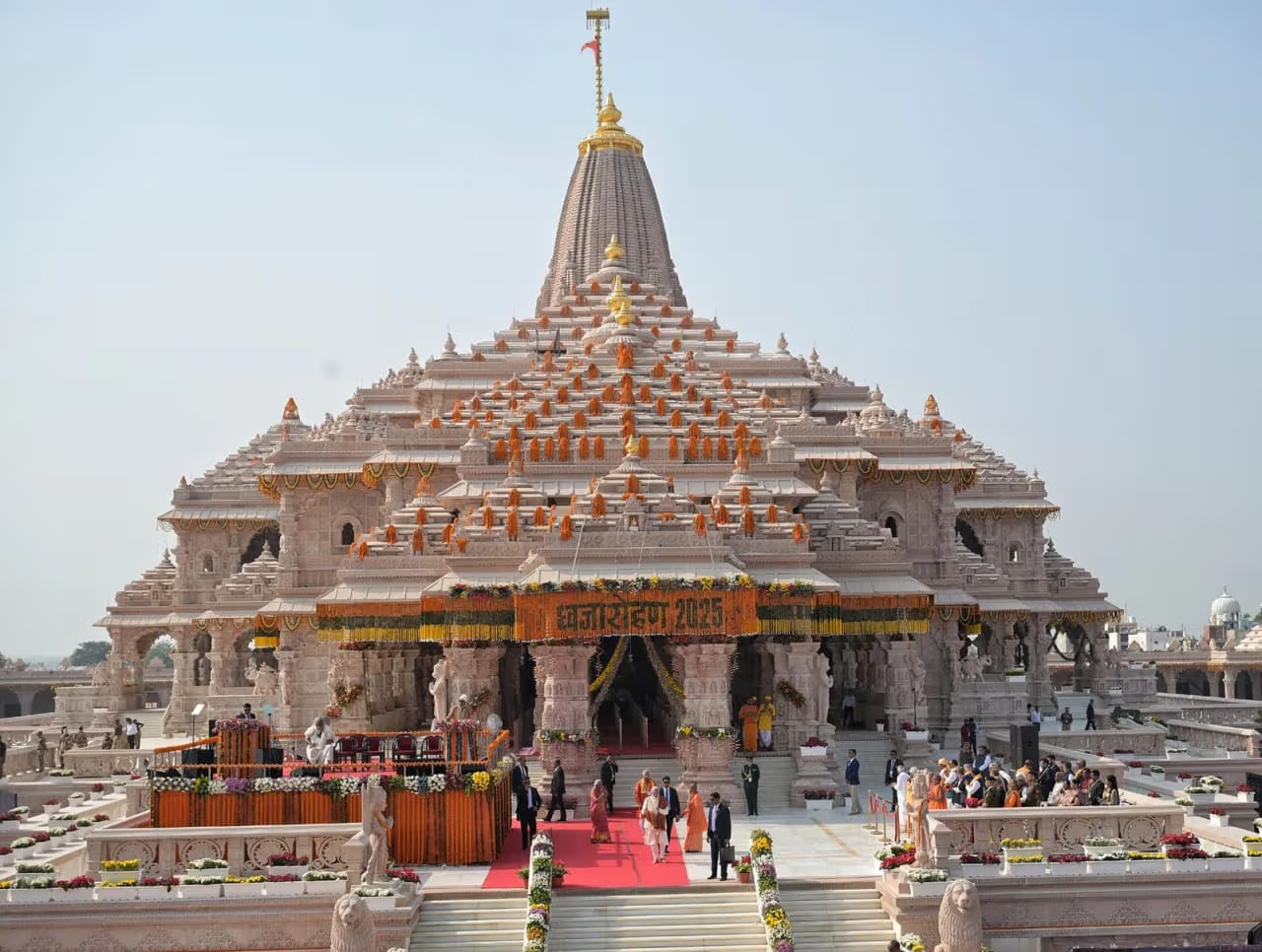
You start in Ayodhya, at a birthplace. The Shri Ram Janmabhoomi is where Lord Rama was born - and with the new temple, the city feels like a beginning in every sense: freshly risen, full of arrival, the start of a story the whole subcontinent carries. It is the right place to open a pilgrimage, on the note of a birth and a homecoming.
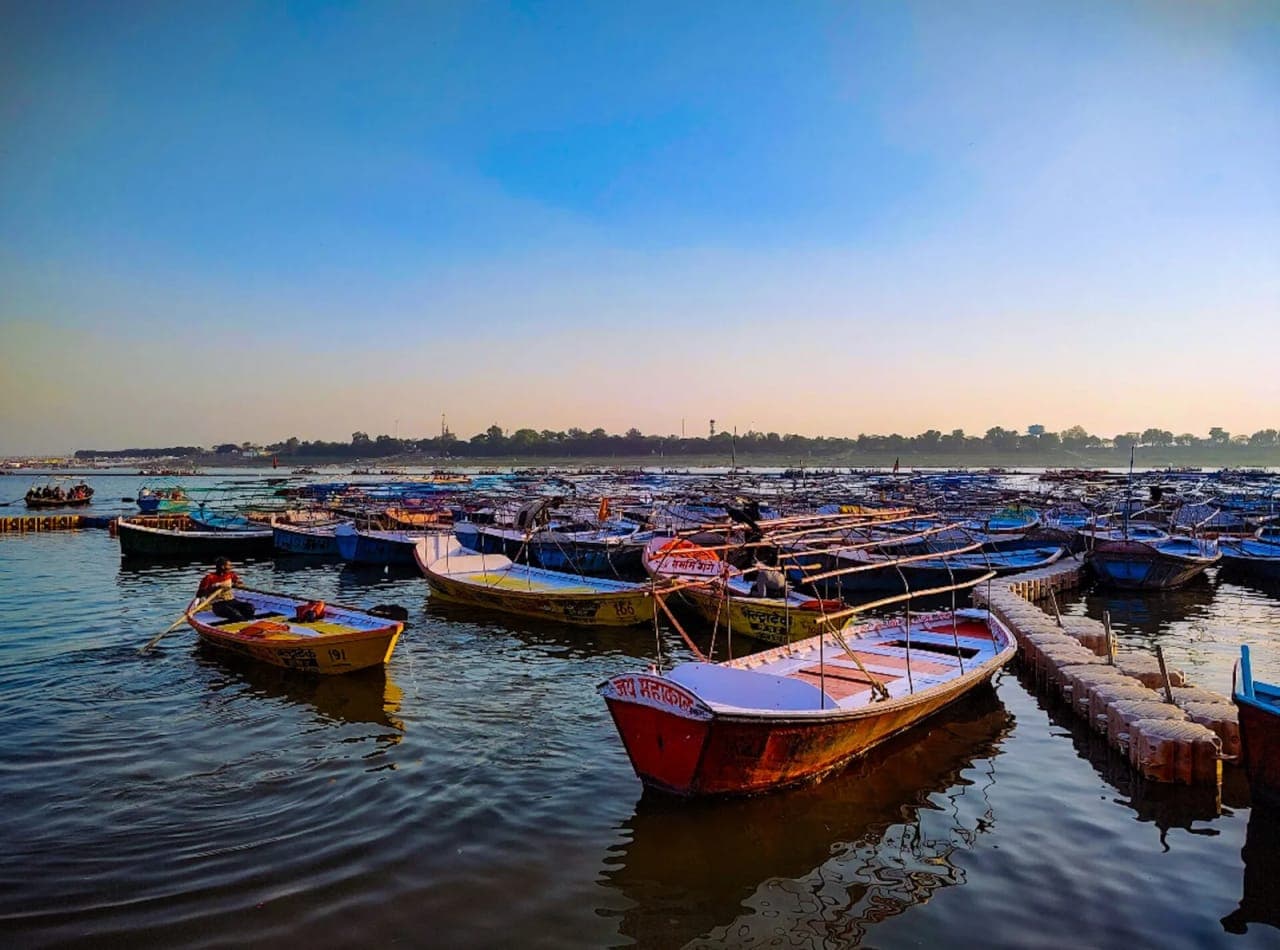
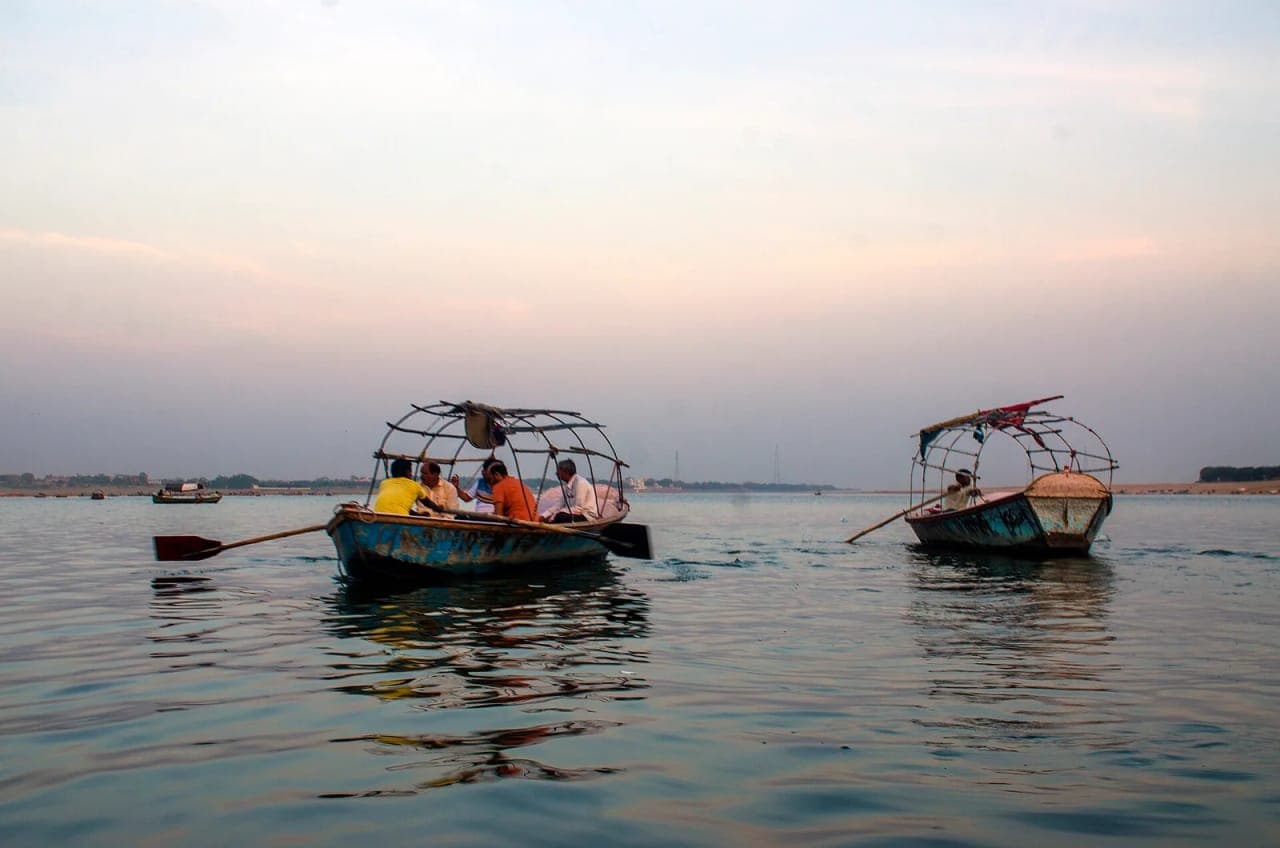
Then you come to Prayagraj, and to the Sangam - a meeting. Three rivers converge here, two seen and one unseen, and the confluence has always stood for the coming-together of paths, the middle of the journey where streams that ran separately join and move on as one. A dip here is a washing-clean before the last stretch.
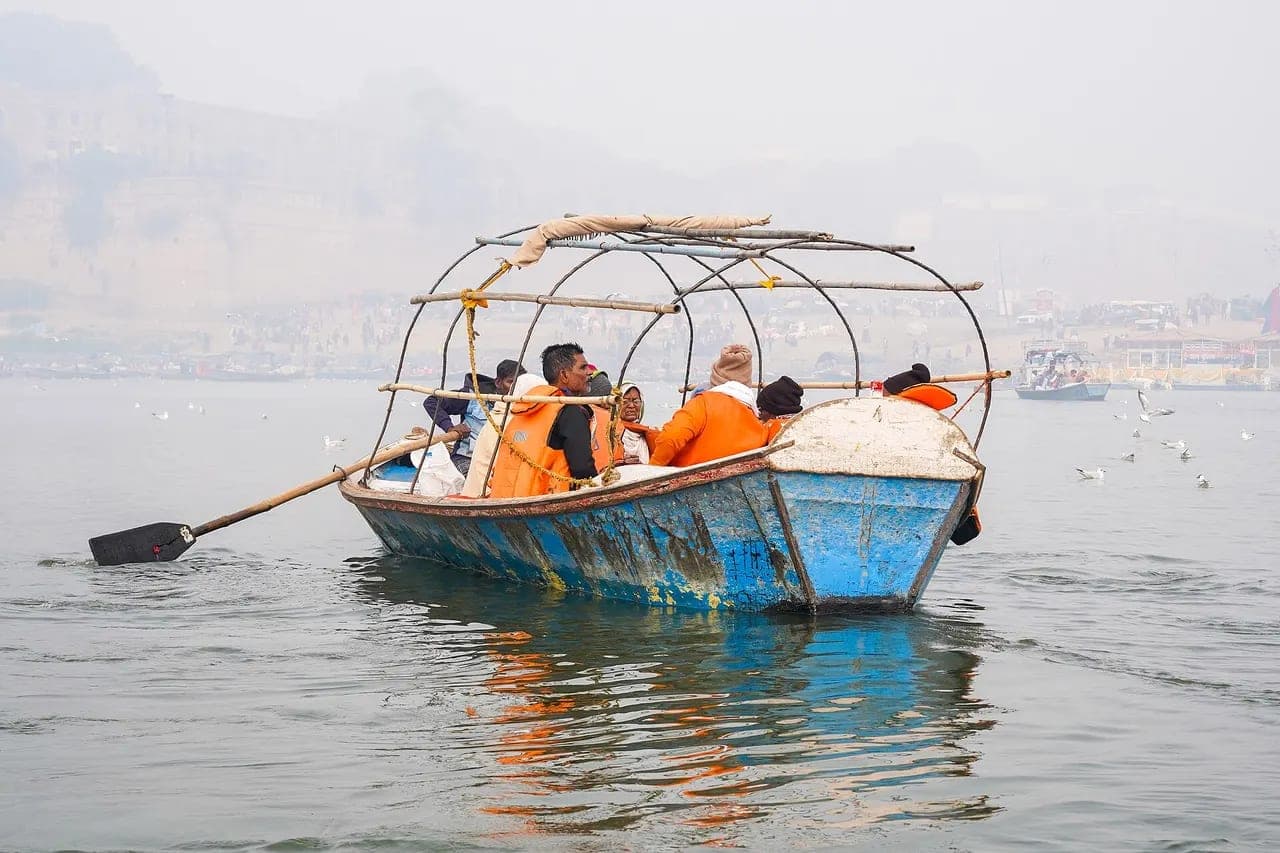
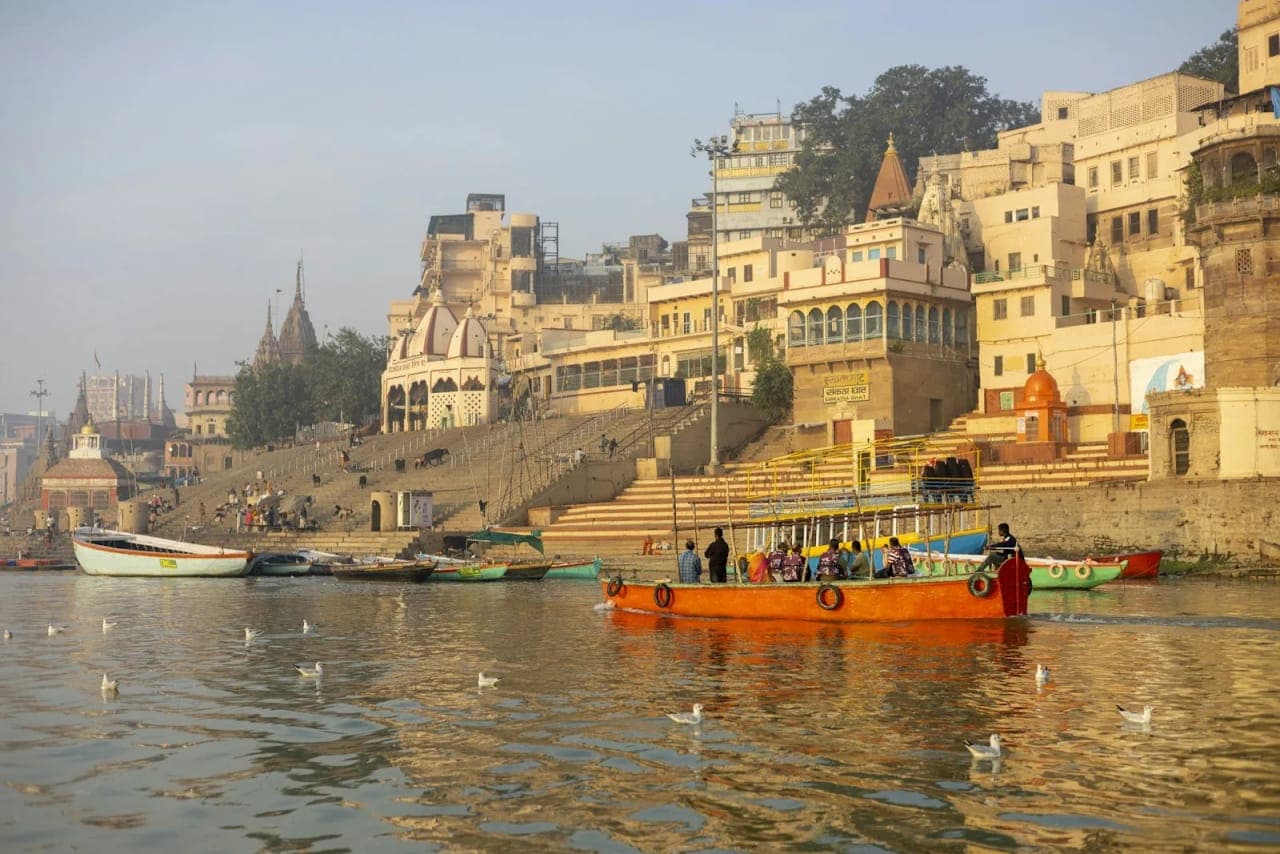
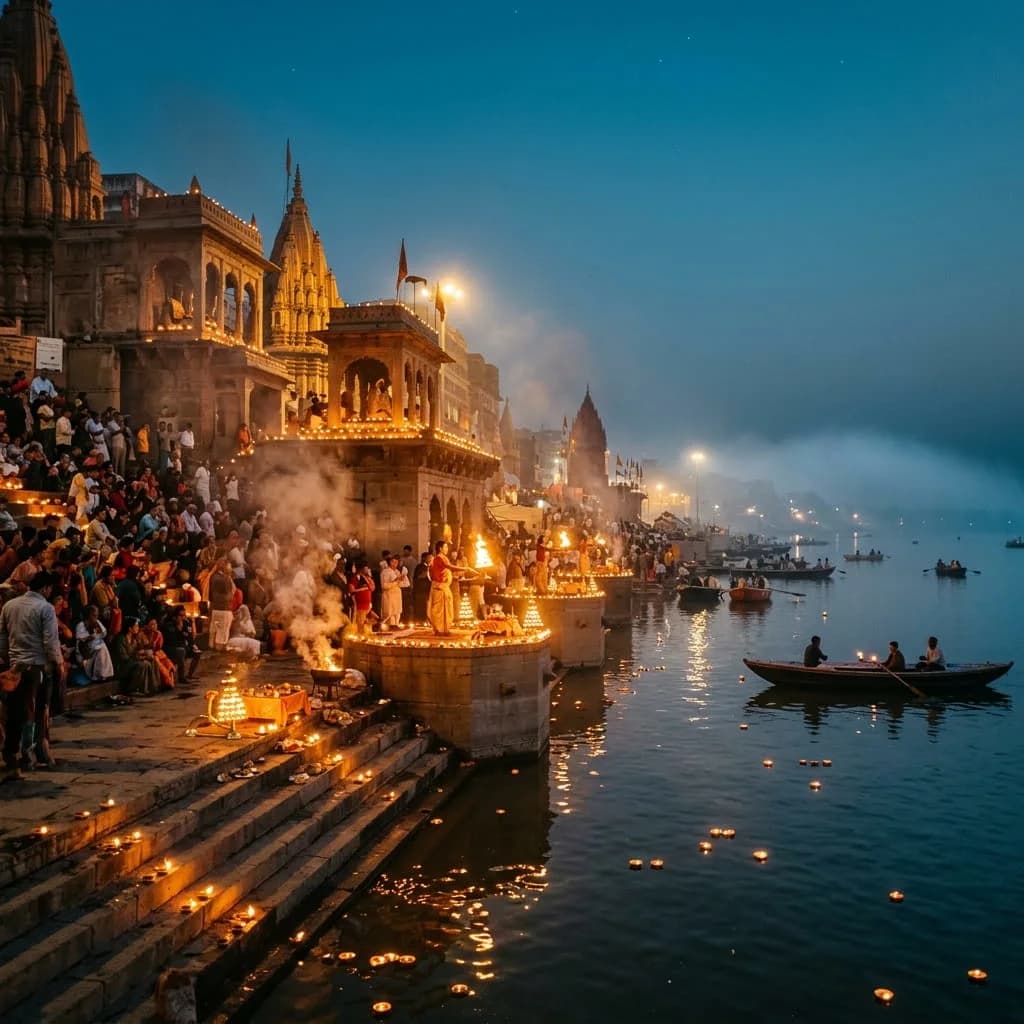
And you end in Kashi - the city of endings, and of liberation. Varanasi is where Hindus have come for millennia to die and be cremated, because to leave the body here, on the banks of the Ganga at the city of Shiva, is believed to grant moksha - release from the whole cycle of birth and death. To arrive in Varanasi at the close of a pilgrimage that began at a birthplace is to have travelled, in seven days, the full span the tradition speaks of: from the first breath of a life to the last, from Ram Lalla in his cradle to the eternal fires of Manikarnika. Few journeys are shaped so purposefully, and most travellers only feel it once they are standing on a boat on the Ganga on the final evening, watching the lamps go down the river. Rajeev Sharma and the Experience My India team build the week so that arc lands exactly as it should. Jai Shri Ram, Jai Gange, Har Har Mahadev.