3 nights / 4 days
Pilgrimage
₹37,000
Starting From


Senior Citizen Kashi Ayodhya Yatra
Varanasi, Prayagraj & Ayodhya (Elders)|Pilgrimage
One City A Day Pace
Lift-Access Rooms
Daily Family WhatsApp
 Varanasi
By Rajeev Sharma
Varanasi-born Pilgrimage Guide
Guru Purnima (गुरु पूर्णिमा), the full-moon day of gratitude to the teacher, falls on Wednesday, 29 July 2026 (Ashadha Purnima). It carries a meaning unique to this region: at Sarnath, just outside Varanasi, the Buddha gave his very first sermon on this day, setting the Wheel of Dharma in motion. The same full moon is Vyasa Purnima for Hindus, honouring the sage Vyasa, and a sacred day for Jains. varanasiayodhyatours.com plans the Sarnath visit and the day around it, on WhatsApp.
Experience Guru Purnima at Sarnath: the day the Wheel of Dharma first turned with a Kashi-born guide — darshan, stays and boats arranged.
Guru Purnima falls on the full moon (Purnima) of Ashadha, in June or July. In 2026 it is Wednesday, 29 July. The word guru means "remover of darkness" (gu, darkness; ru, remover), and the day honours the teacher who leads from ignorance to wisdom.
Guru Purnima is the day disciples honour their teachers, spiritual and worldly, with gratitude, worship and service. In the guru-shishya parampara, the lineage of teacher and student through which knowledge has passed for millennia, the guru is revered as the one who dispels the darkness of ignorance. Devotees perform guru puja or pada puja (worship at the teacher's feet or padukas), offer flowers, fruit and dakshina, recite the Guru Stotra, and renew their spiritual discipline. The Ashadha full moon is held to carry the highest spiritual energy of the year, making the guru's blessing especially potent.
This is what makes Guru Purnima extraordinary in this region. After attaining enlightenment at Bodh Gaya, the Buddha walked to Sarnath, the deer park at Isipatana just outside Varanasi, and there, on the Ashadha full moon, gave his first teaching to his five former companions. That sermon, the Dhammacakkappavattana Sutta, "the Setting in Motion of the Wheel of Dharma," laid out the Middle Way, the Four Noble Truths and the Eightfold Path, and founded the Sangha, the Buddhist community. Buddhists worldwide keep this day as Dharma Chakra Pravartana (in the Theravada calendar, Asalha Puja). And it happened here, a short drive from Kashi, which makes Sarnath on Guru Purnima one of the most meaningful places on Earth to stand on this day. It deepens the story told at Buddha Purnima at Sarnath: that page marks the Buddha's birth and enlightenment; this day marks the first turning of his teaching, at this very site.
From the ground: for my guests, and especially for Buddhist pilgrims from the South and abroad, I explain that Sarnath is where Buddhism became a teaching shared with the world, not just an insight held by one man. To stand at the Dhamek Stupa on the Ashadha full moon, where the Wheel first turned, is quietly one of the great experiences of the belt.
For Hindus the day is Vyasa Purnima, the birth and honouring of Maharishi Veda Vyasa, who divided the one Veda into four, composed the eighteen Puranas and the Mahabharata, and is revered as the adi-guru, the first teacher of the tradition. Fittingly for this region, there is a temple to Vyasa at Ramnagar, across the Ganga from Varanasi, a notable place for the day. Across Kashi, ashrams and spiritual centres hold Vyasa Puja, satsangs and discourses, and disciples gather to honour their living gurus. Ganesha, who by tradition served as Vyasa's scribe for the Mahabharata, is also worshipped as the god of wisdom on this day.
Guru Purnima is a rare day honoured across faiths, which suits a belt sacred to all of them. For Hindus it is Vyasa Purnima and a day tied to Shiva as Adiyogi, the first guru who turned to teach the Saptarishis. For Buddhists it is the Buddha's first sermon at Sarnath. For Jains it marks Mahavira accepting Gautam Swami as his first disciple. One full moon, one shared truth, that knowledge passes from teacher to student, and that gratitude is owed.
Ashadha Purnima also opens Chaturmas, the four holy months of the monsoon, when, by old custom, wandering monks and ascetics halt their travels and settle in one place for study and retreat, the Buddhist vassa. Beginning a spiritual discipline, a study, a vrat, a practice, on Guru Purnima, to carry through Chaturmas, is traditional and auspicious.
Guru Purnima is a free, devotional day: Sarnath's monuments carry the usual modest site ticket, but the worship, the ashram programmes and the Vyasa temple carry no special charge, and there is no VIP anything to sell. Two honest points. Sarnath is calm and contemplative, not a big crowded fair, that quiet is its gift, so come for reflection rather than crowds and noise. And it is monsoon, so expect rain and green, and carry an umbrella. What we honestly arrange is the Sarnath visit with the story told properly, the Dhamek Stupa and the museum, the Vyasa and Kashi observances if you wish, and the timing, not access, which is open to all.
Fly into Lal Bahadur Shastri International Airport (VNS); Sarnath is about 10 km from the airport and roughly 12 km from central Varanasi, an easy drive. Trains serve Varanasi Junction, Banaras and Kashi stations. Our guests travel by private Innova Crysta. July is monsoon, so allow for rain. Full detail in the How to Reach Varanasi guide.
Our package guests stay at the Taj Ganges or Hilton Varanasi with breakfast, a comfortable base a short drive from Sarnath. July is a quieter, greener, less-crowded season in the belt. More in the Stay & Hotels guide.
Sarnath is the first stop of the Buddhist Circuit package, ₹75,000 per couple (₹37,500 per person), which links Sarnath, Bodh Gaya and Kushinagar, the perfect frame for a Guru Purnima that honours the first sermon. A Guru Purnima day, Sarnath plus the Kashi Vyasa observances, also builds on one flat rate: ₹12,500 per day for two guests, confirmed in writing before any advance. Browse all packages.
Wednesday, 29 July 2026, on the full moon of Ashadha. It is also known as Vyasa Purnima.
Because the Buddha gave his first sermon at Sarnath, near Varanasi, on this day, setting the Wheel of Dharma in motion, teaching the Four Noble Truths and the Eightfold Path to his five disciples. Buddhists keep the day as Dharma Chakra Pravartana.
"The Setting in Motion of the Wheel of Dharma," the Buddha's first sermon at Sarnath (the Dhammacakkappavattana Sutta), which laid out the Middle Way and founded the Buddhist Sangha.
Another name for Guru Purnima in Hindu tradition, honouring the sage Veda Vyasa, who compiled the Vedas and authored the Mahabharata and Puranas, and is revered as the adi-guru, the first teacher.
Hindus keep it as Vyasa Purnima with guru puja; Buddhists mark the Buddha's first sermon at Sarnath; Jains recall Mahavira accepting his first disciple. It is a shared festival of the teacher.
Buddha Purnima (in spring) marks the Buddha's birth, enlightenment and passing; Guru Purnima (in summer) marks his first sermon at Sarnath, the beginning of his teaching.
There is a temple to sage Vyasa at Ramnagar, across the Ganga from Varanasi, a notable place for Vyasa Purnima.
It is calm and reflective rather than a big fair; that quiet is its gift. Monasteries and pilgrims mark the day with Dharma talks and meditation.
The worship and ashram programmes are free; Sarnath's monuments carry the usual modest site and museum ticket. A guide adds the story and the timing.
Yes; Sarnath is the first site of the Buddhist Circuit package with Bodh Gaya and Kushinagar, an ideal frame for honouring the first sermon.
Experience Guru Purnima at Sarnath: the day the Wheel of Dharma first turned with a Kashi-born guide — darshan, stays and boats arranged.
Handpicked packages for sacred festivals and destinations.




Handpicked travel guides, local insights and practical information to help you plan your spiritual journey with ease.
.0bwph.107dyza.webp&w=2048&q=75)
Timings, entry process, VIP darshan, nearby attractions and important tips.
Fresh insights and useful information for your journey.
More spiritual gatherings across sacred destinations.
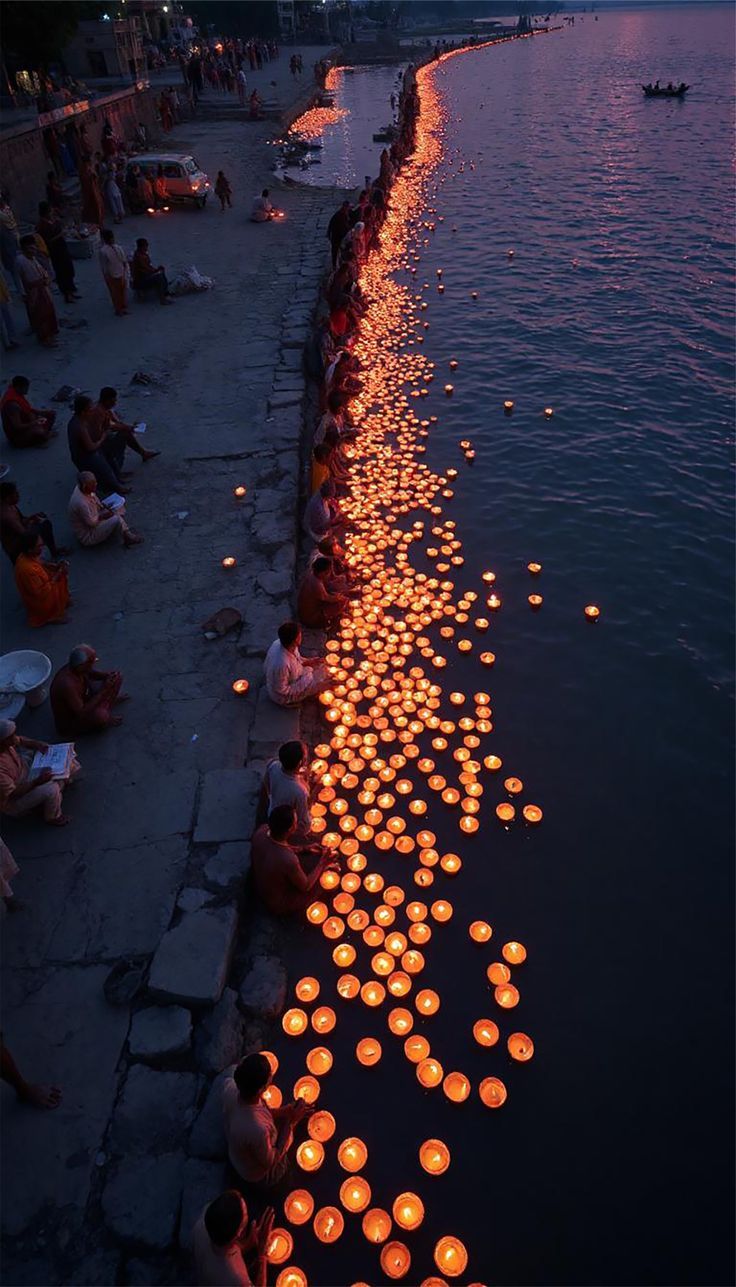
The Panchkroshi Yatra (पंचकोशी यात्रा) is the sacred parikrama around the whole of Kashi: an 88 km circuit that begins and ends at Manikarnika, with five padavs (halts), Kardameshwar, Bhimchandi, Rameshwar, Shivpur and Kapildhara, and 108 Shiva shrines along the way. Traditionally walked over five days, it is done today either on foot with dharamshala halts or in a single day by vehicle. varanasiayodhyatours.com plans both versions, the sankalp, the route and the pace, on WhatsApp.
View DetailsSubah-e-Banaras (सुबह-ए-बनारस) is Varanasi's daily dawn ritual at Assi Ghat: begun on 24 November 2014, it opens in the Brahma Muhurta before sunrise with Vedic chanting and a hawan, a morning Ganga aarti to the rising sun, then live Banaras Gharana classical music and an open yoga session on the ghat steps. It runs every morning, is free to attend, and is the contemplative dawn counterpart to the grand evening Ganga Aarti at Dashashwamedh. varanasiayodhyatours.com plans the pre-dawn pickup, the seating and a sunrise boat around it, on WhatsApp.
View Details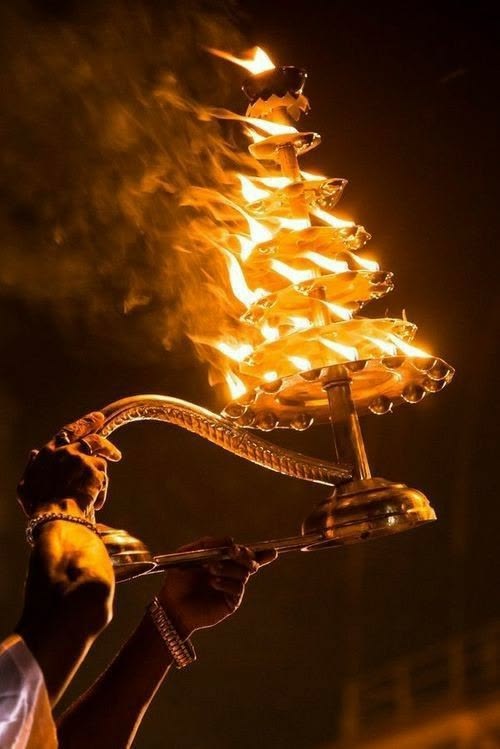
The Nageshwarnath temple (नागेश्वरनाथ) is Ayodhya's ancient presiding Shiva shrine, at Ram ki Paidi on the banks of the Saryu, said to have been established by Kush, the son of Lord Rama. In a city given to Rama, it is the great centre of Shiva worship, coming alive above all at Maha Shivratri, with its famous Shiva Baraat, and through the month of Sawan. varanasiayodhyatours.com plans the darshan and the Shiva festivals around it, on WhatsApp.
View Details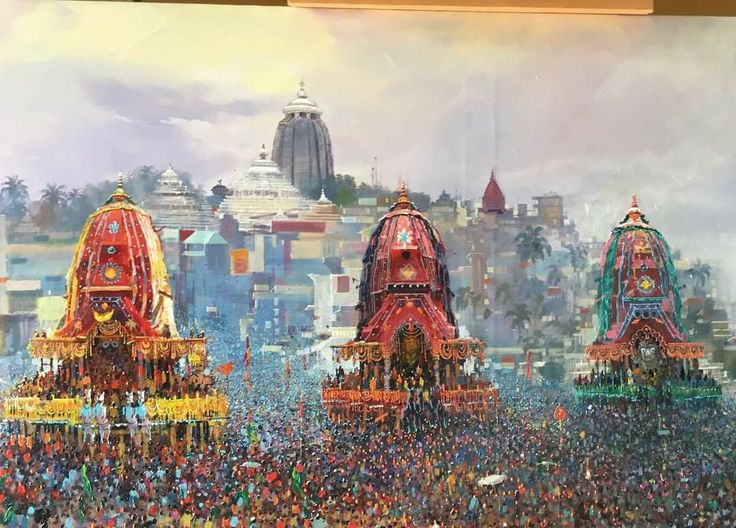
The Panchkroshi Yatra (पंचकोशी यात्रा) is the sacred parikrama around the whole of Kashi: an 88 km circuit that begins and ends at Manikarnika, with five padavs (halts), Kardameshwar, Bhimchandi, Rameshwar, Shivpur and Kapildhara, and 108 Shiva shrines along the way. Traditionally walked over five days, it is done today either on foot with dharamshala halts or in a single day by vehicle. varanasiayodhyatours.com plans both versions, the sankalp, the route and the pace, on WhatsApp.
View Details