Plenty of tours call themselves senior-friendly. Very few say what that means in practice, so here is exactly what is done differently on this yatra - because for an elderly pilgrim, the difference between a joyful darshan and an exhausting ordeal is in the details, not the brochure.
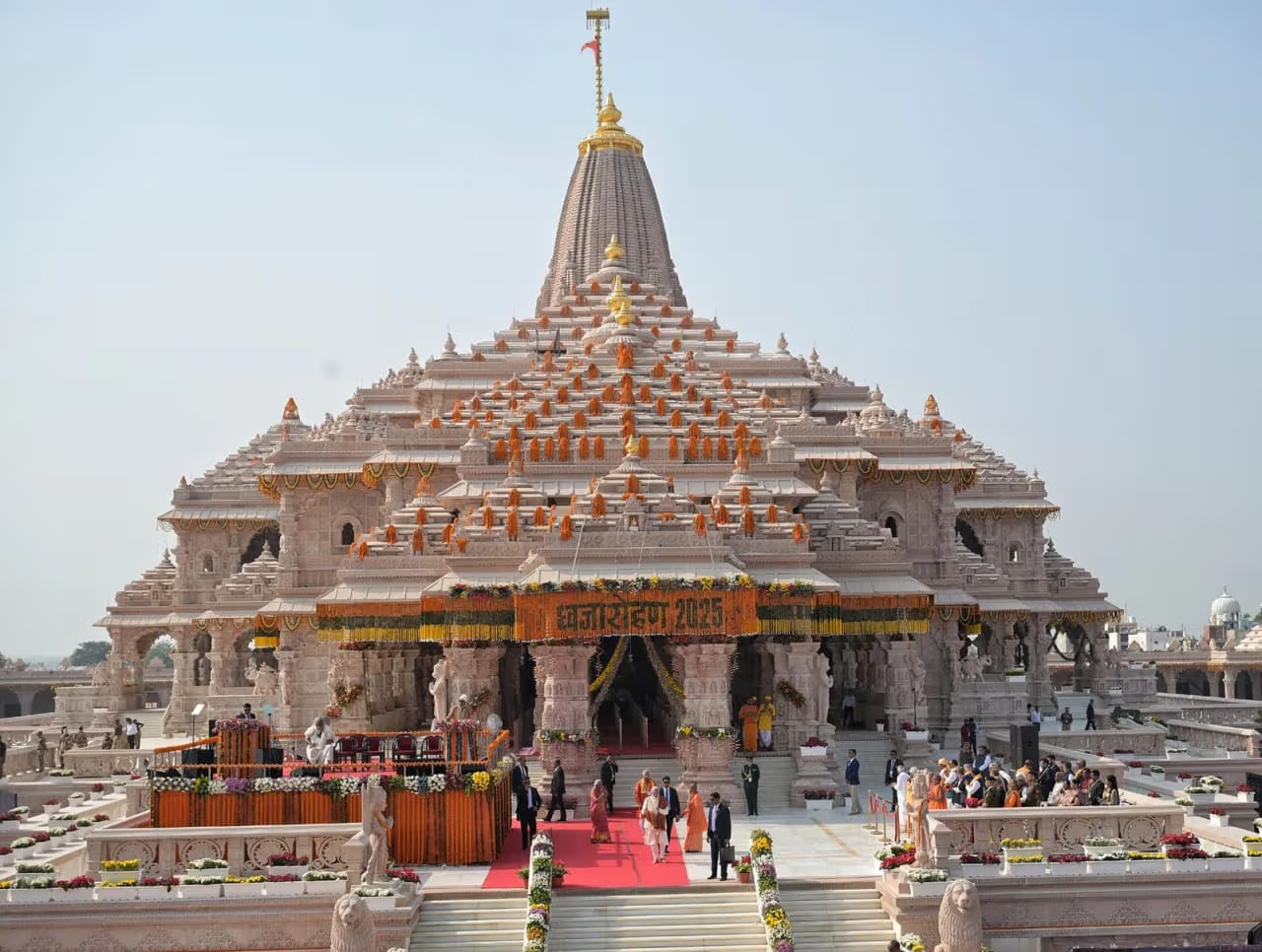
First, the walking, which is what worries most families. The two hardest approaches on the whole trip are the Kashi Vishwanath Corridor and the Ram Janmabhoomi, and both are solved the same way: e-rickshaws carry you through the long corridor in Kashi, and e-carts run from the perimeter checkpoint at the Ram Mandir, so you ride most of the distance and walk only the short, level stretch near the sanctum. Both temples have wheelchair assistance, and we can arrange a wheelchair and an attendant in advance. The one flight of steps on the trip, the roughly 76 at Hanuman Garhi, is entirely optional - we arrange help or a darshan from below for anyone who would rather not climb.
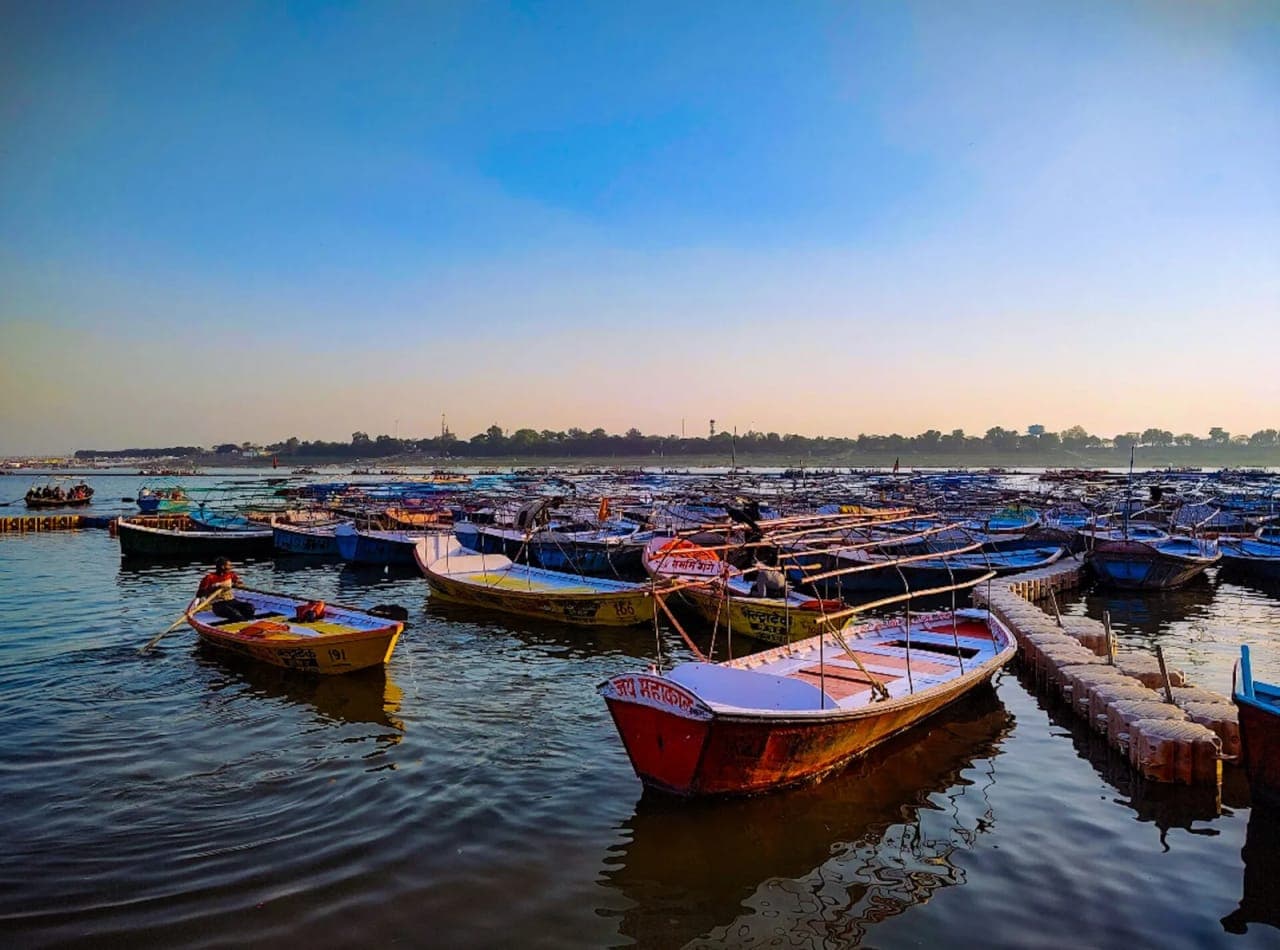
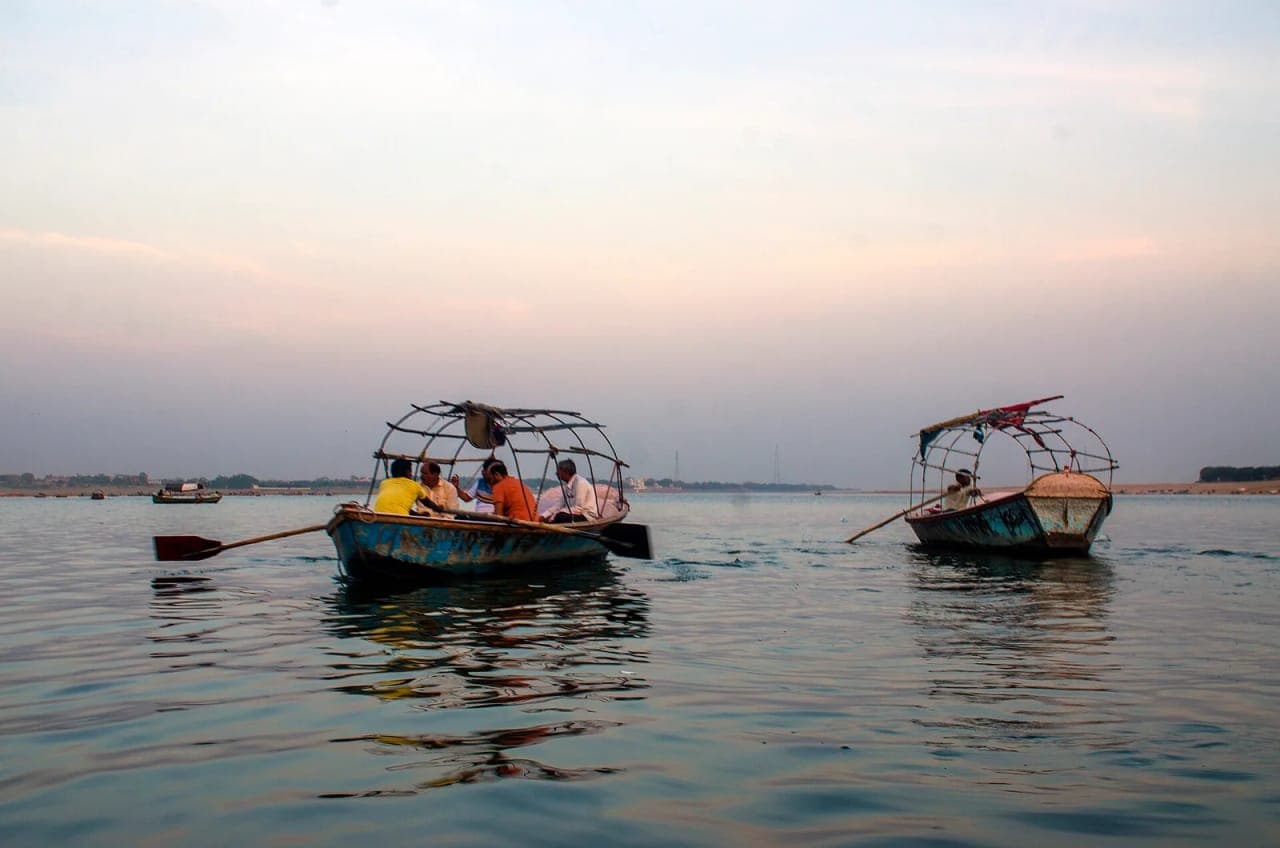
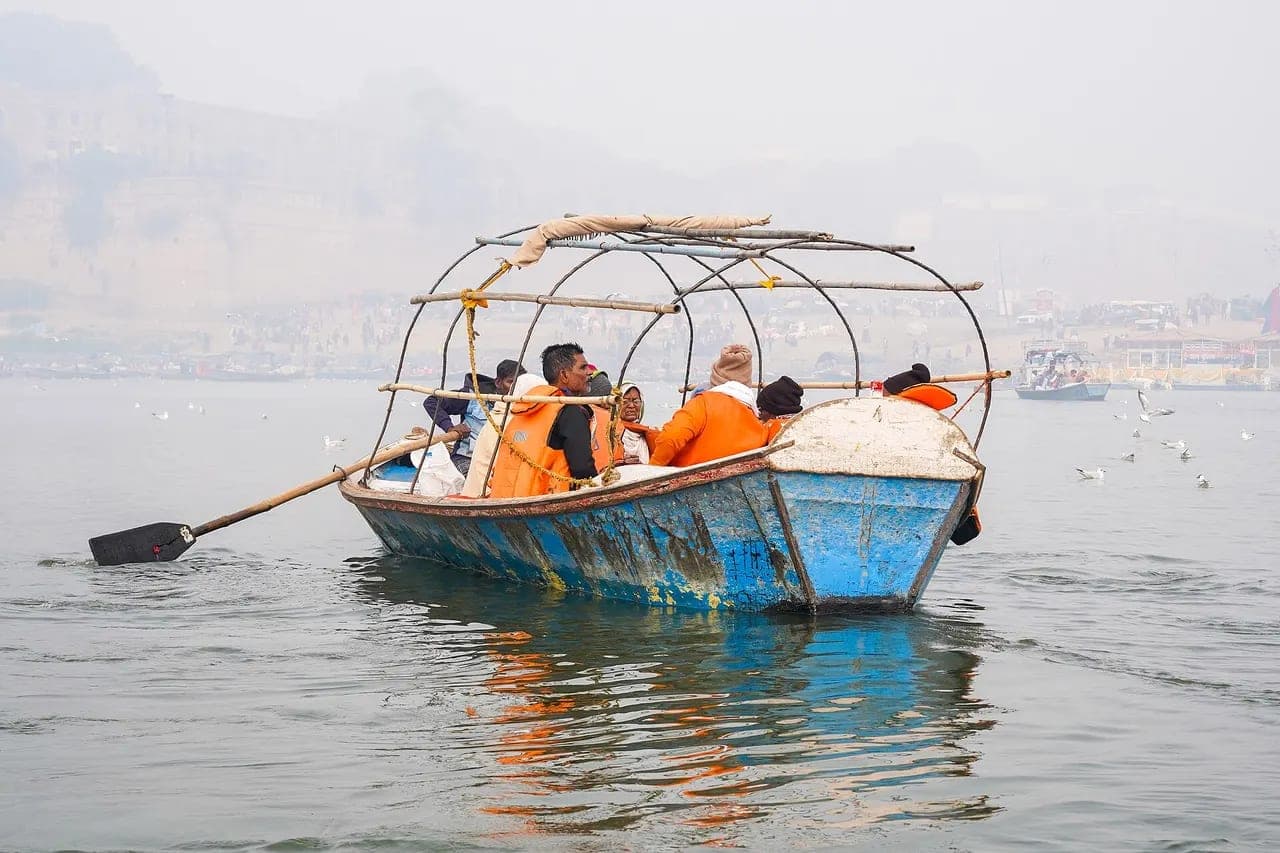
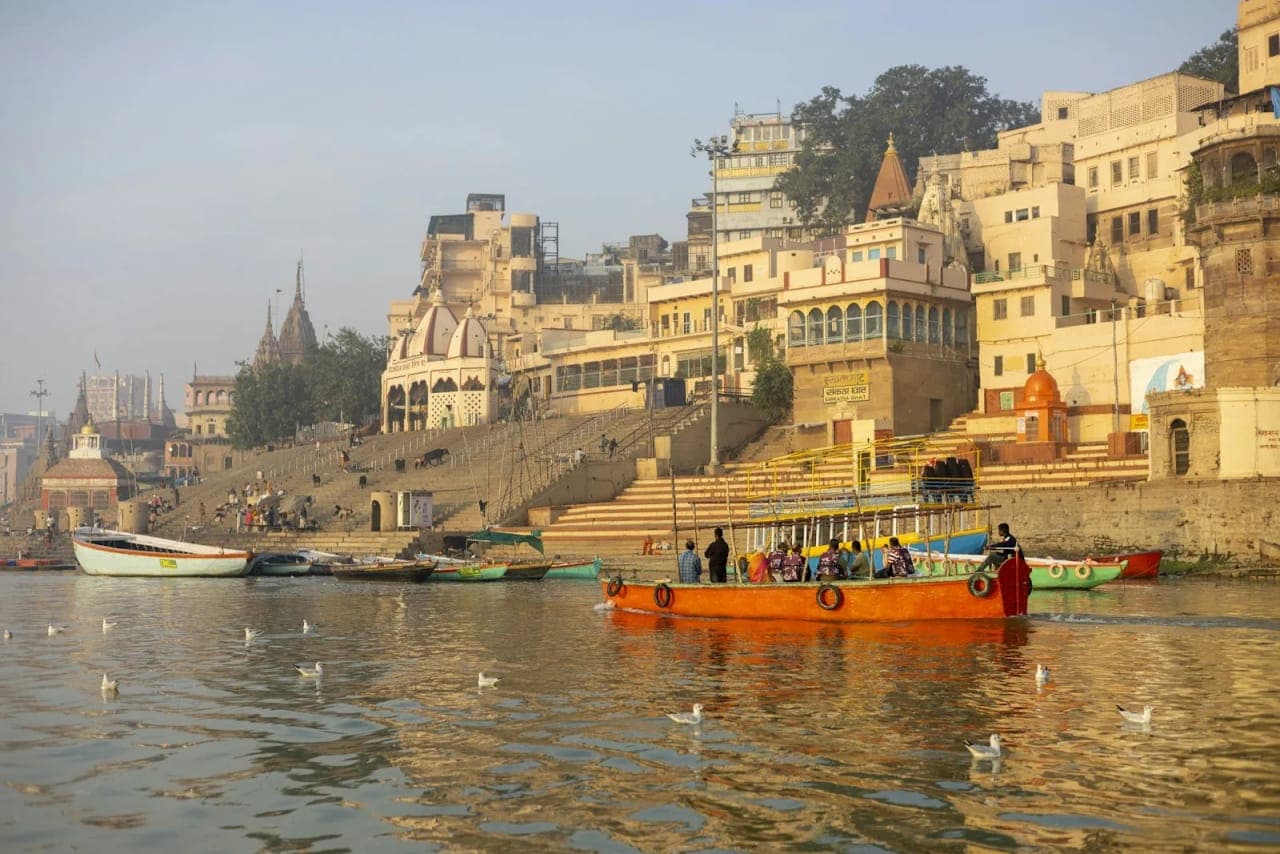
Second, the crowds. The Ganga Aarti at Dashashwamedh is glorious and, from the ghat steps, a standing crush. We take you to it by private boat or with reserved seating, so you watch the whole ceremony seated and calm. The Sangam dip is taken gently from the boat with help getting in and out. Nowhere on this trip are you asked to stand and jostle for a view.
Third, the pace and the car. Hotels are chosen for a lift or a ground-floor room. Every transfer is in a private air-conditioned car, door to door, with rest stops. The arrival day is kept entirely free for acclimatising. The one longer travel day, Day 3 - Varanasi to Prayagraj, about 120 km and 3 hours, then on to Ayodhya, about 165 km and 4 hours - is broken with lunch and breaks, and can be split with a night in Prayagraj if you prefer. And any stop, any day, can simply be dropped if a traveller is tired. That flexibility, more than anything, is what makes this a yatra an older pilgrim can finish with a smile. WhatsApp Experience My India at +91-7302265809 to tailor it further.