3 nights / 4 days
Pilgrimage
₹37,000
Starting From


Senior Citizen Kashi Ayodhya Yatra
Varanasi, Prayagraj & Ayodhya (Elders)|Pilgrimage
One City A Day Pace
Lift-Access Rooms
Daily Family WhatsApp
 Varanasi
By Rajeev Sharma
Varanasi-born Pilgrimage Guide
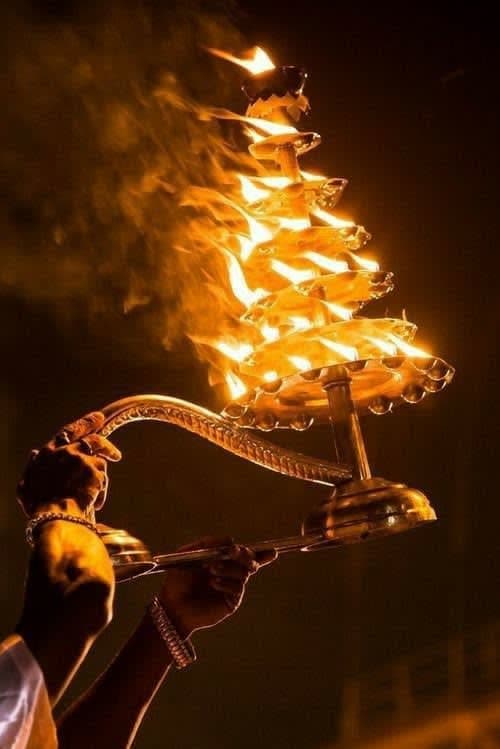
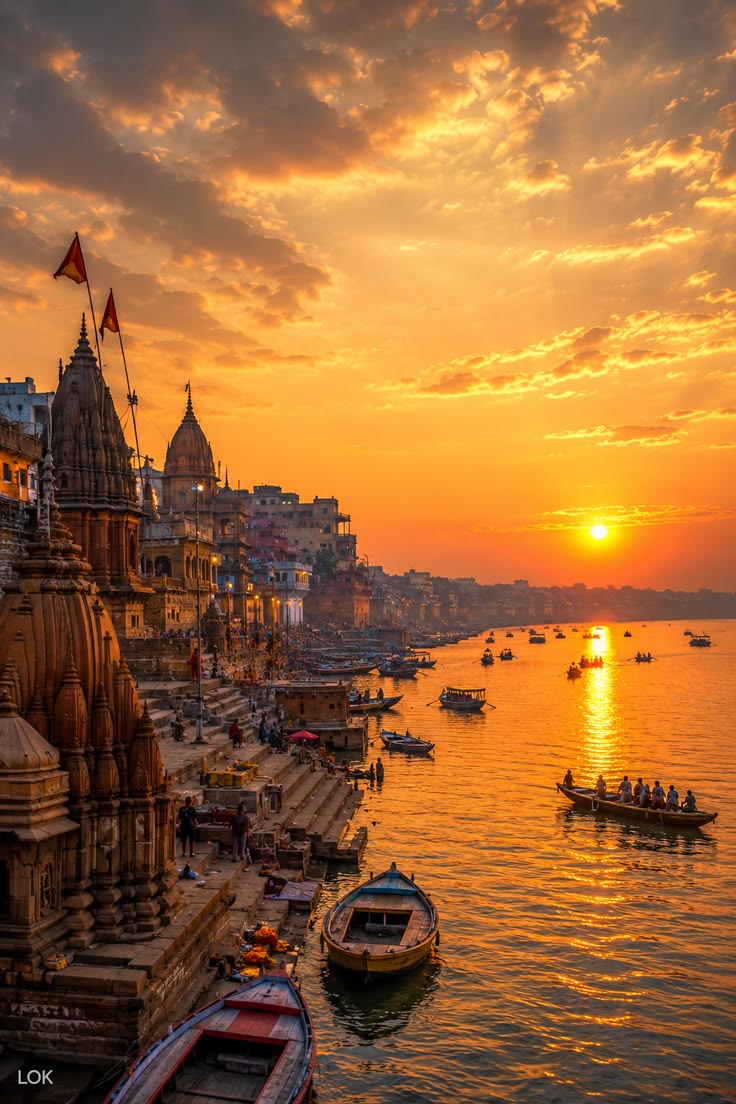
Subah-e-Banaras (सुबह-ए-बनारस) is Varanasi's daily dawn ritual at Assi Ghat: begun on 24 November 2014, it opens in the Brahma Muhurta before sunrise with Vedic chanting and a hawan, a morning Ganga aarti to the rising sun, then live Banaras Gharana classical music and an open yoga session on the ghat steps. It runs every morning, is free to attend, and is the contemplative dawn counterpart to the grand evening Ganga Aarti at Dashashwamedh. varanasiayodhyatours.com plans the pre-dawn pickup, the seating and a sunrise boat around it, on WhatsApp.
Experience Subah-e-Banaras: the morning of Banaras, sung awake at Assi Ghat with a Kashi-born guide — darshan, stays and boats arranged.
The programme starts in the Brahma Muhurta, the sacred hour before sunrise, so the exact time shifts with the season. It runs daily, roughly two to two and a half hours.
Where most of Varanasi is known for its evening and its intensity, Subah-e-Banaras is the city's gentle, life-affirming morning. Started in November 2014 as a civic and cultural initiative to reclaim the dawn of the ghats, it has become one of the signature experiences of the city: a daily gathering at Assi Ghat where ritual, music and yoga meet as the sun comes up over the Ganga. On any morning the steps hold a remarkable mix, local families for whom it is simply habit, BHU students stretching into yoga, sadhus in meditation, foreign scholars with notebooks, and first-time visitors quietly astonished. It is participatory, not a performance: you are meant to join, not just watch.
From the ground: for my guests I say the evening aarti is Varanasi's grandeur and Subah-e-Banaras is its soul. If you see only one dawn in Kashi, see this one; and I bring you 25 minutes early, because the blue-hour light before the first conch is the part photographs never quite hold.
Assi Ghat is the southernmost of Varanasi's great ghats, where the little Assi stream meets the Ganga. It is the city's most relaxed, youthful ghat, close to Banaras Hindu University, ringed with cafes, and calmer than the intense central ghats. That easy, open character is exactly why Subah-e-Banaras took root here rather than at crowded Dashashwamedh: there is room to sit, to breathe, to do yoga, and to feel part of the morning rather than pressed into a crowd.
The musical heart of Subah-e-Banaras is a live performance by artists of the Banaras Gharana, the city's own centuries-old classical tradition, playing the ragas of the morning, often Bhairav, made for first light. In the early years, remarkably, no artist repeated on the stage until around 2017: a new musician every single morning, a measure of how deep Varanasi's well of talent runs. To hear a morning raga float across the Ganga as the sun rises, for free, is a rare thing even in India.
After the music, the open yoga session begins on the stone steps and platforms, free and open to anyone who wishes to join. These are not tourist classes but sessions often led by trained practitioners, pranayama and asana as the day warms. You may join or simply watch; either way it closes the morning on stillness.
Subah-e-Banaras is free and open to all; it is run on donations, which pay the musicians and priests, and there is no ticket, no VIP seat and nothing to buy your way into. A small diya offering or a contribution to the committee is welcome, never required, and anyone charging you for "entry" is charging for something that is free. What we honestly arrange is the rest: a reliable pre-dawn pickup so you are not negotiating a rickshaw at 4:45 AM, a good step-side position before the crowd, a guide who explains the hawan, the ragas and the yoga as they unfold, and a sunrise boat if you want the river too. The ghat steps are damp and slippery at dawn, so we plan for grip and for early arrival.
Assi Ghat is at the southern end of the ghats, about 6 km from Varanasi Junction, 1.5 km from BHU, and about 25 km from Lal Bahadur Shastri International Airport (VNS). At dawn the roads are clear; our guests are picked up by private Innova Crysta around 4:45 to 5:15 AM depending on season, and the last short stretch to the ghat is walked. Full detail in the How to Reach Varanasi guide.
Assi Ghat and the Bhelupura side are the natural base for early risers; ghat-view stays let you almost roll out of bed to the aarti. Our package guests stay at the Taj Ganges or Hilton Varanasi with breakfast, with the Innova handling the pre-dawn run and a late, warm breakfast waiting after. More in the Stay & Hotels guide.
A morning around Subah-e-Banaras, the dawn ritual, a sunrise boat and the old-city temples, sits inside every Kashi itinerary we run. The 4 Days Ayodhya Varanasi Tour Package, ₹50,000 per couple (₹25,000 per person), can open a day here, pairing the dawn at Assi with the evening Ganga Aarti at Dashashwamedh for the city's full daily arc. A custom morning builds on one flat rate: ₹12,500 per day for two guests, confirmed in writing before any advance. Browse all packages.
A daily dawn programme at Assi Ghat in Varanasi, begun on 24 November 2014, combining Vedic chanting, a hawan, a morning Ganga aarti, live Banaras Gharana classical music and an open yoga session as the sun rises.
In the Brahma Muhurta before sunrise: roughly 4:45 to 5:30 AM in summer and 5:30 to 6:15 AM in winter. Arrive 20 to 30 minutes early for a good seat.
At Assi Ghat, the southernmost of Varanasi's ghats, where the Assi stream meets the Ganga, near Banaras Hindu University.
No; it is free and open to all, run on donations that support the musicians and priests. A small diya or contribution is welcome but never required.
The evening aarti at Dashashwamedh is grand and crowded; Subah-e-Banaras is contemplative and participatory, with music and yoga, at dawn. Many visitors do both, dawn at Assi and dusk at Dashashwamedh.
Morning ragas by artists of the Banaras Gharana, the city's own classical tradition; in the early years, a different artist performed every single day.
Yes; the yoga session is open and free, on the ghat steps after the music. You may take part or simply watch.
Yes; it involves some steps and an early start, but seating is on the ghat and we arrange close vehicle staging. A sunrise boat is a gentle alternative vantage.
For the aarti and music, the ghat vantage is closer and richer; a boat is best if you want to add a sunrise cruise along the ghats around it.
Yes, daily, through the year, with timings adjusted to the season and occasionally to weather or a high river.
Experience Subah-e-Banaras: the morning of Banaras, sung awake at Assi Ghat with a Kashi-born guide — darshan, stays and boats arranged.
Handpicked packages for sacred festivals and destinations.


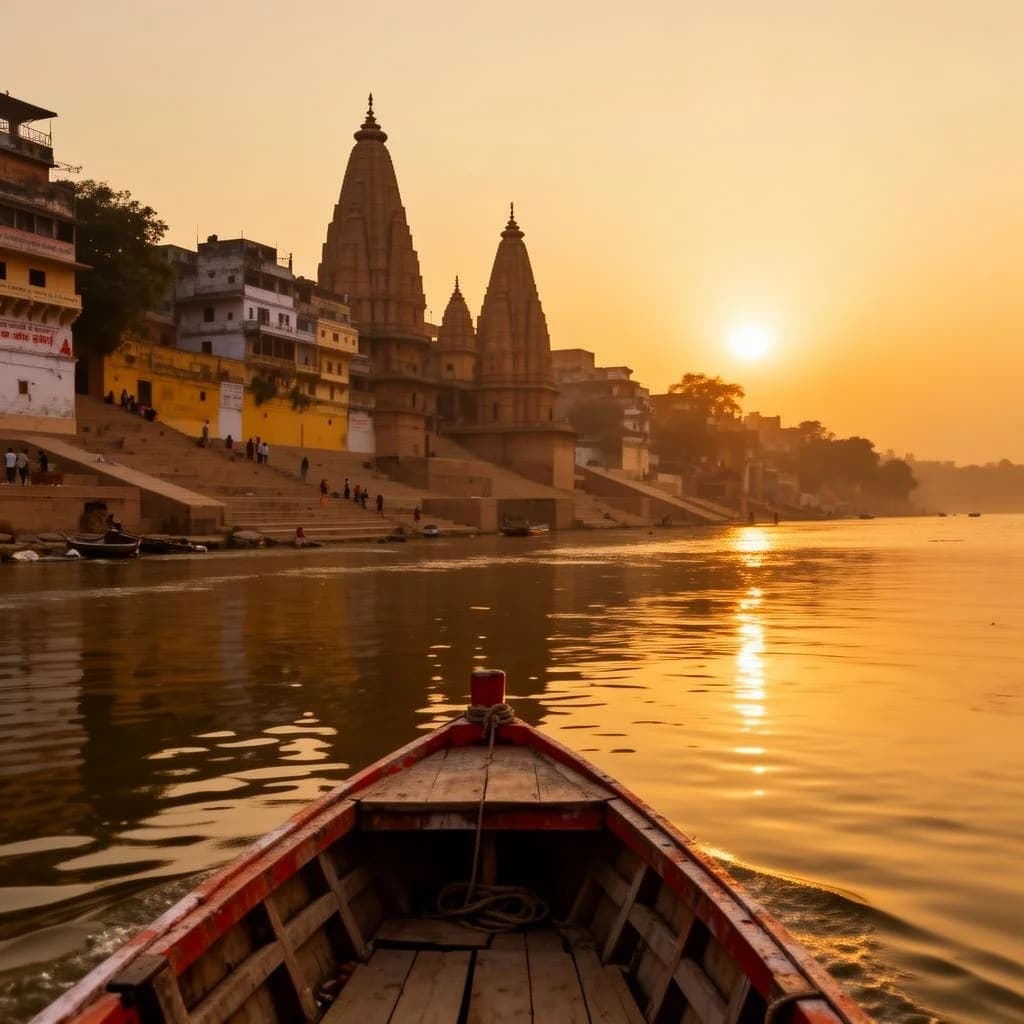


Handpicked travel guides, local insights and practical information to help you plan your spiritual journey with ease.
.0bwph.107dyza.webp&w=2048&q=75)
Timings, entry process, VIP darshan, nearby attractions and important tips.
Fresh insights and useful information for your journey.
More spiritual gatherings across sacred destinations.
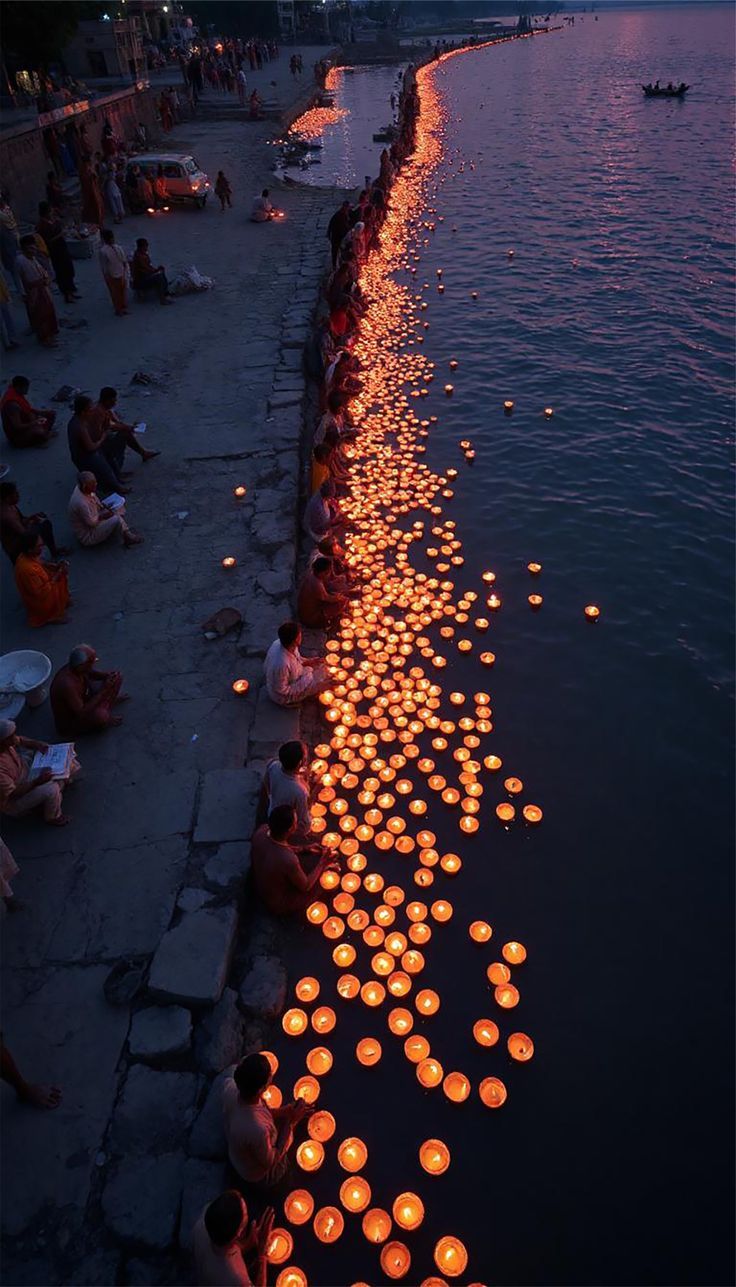
The Panchkroshi Yatra (पंचकोशी यात्रा) is the sacred parikrama around the whole of Kashi: an 88 km circuit that begins and ends at Manikarnika, with five padavs (halts), Kardameshwar, Bhimchandi, Rameshwar, Shivpur and Kapildhara, and 108 Shiva shrines along the way. Traditionally walked over five days, it is done today either on foot with dharamshala halts or in a single day by vehicle. varanasiayodhyatours.com plans both versions, the sankalp, the route and the pace, on WhatsApp.
View Details
Subah-e-Banaras (सुबह-ए-बनारस) is Varanasi's daily dawn ritual at Assi Ghat: begun on 24 November 2014, it opens in the Brahma Muhurta before sunrise with Vedic chanting and a hawan, a morning Ganga aarti to the rising sun, then live Banaras Gharana classical music and an open yoga session on the ghat steps. It runs every morning, is free to attend, and is the contemplative dawn counterpart to the grand evening Ganga Aarti at Dashashwamedh. varanasiayodhyatours.com plans the pre-dawn pickup, the seating and a sunrise boat around it, on WhatsApp.
View Details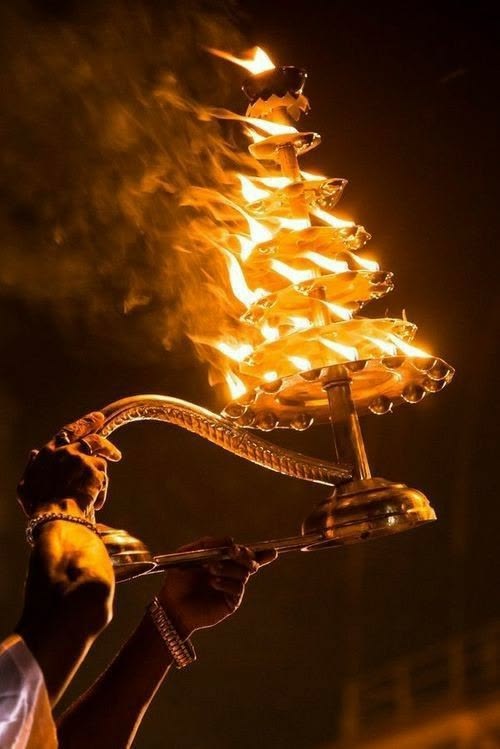
The Nageshwarnath temple (नागेश्वरनाथ) is Ayodhya's ancient presiding Shiva shrine, at Ram ki Paidi on the banks of the Saryu, said to have been established by Kush, the son of Lord Rama. In a city given to Rama, it is the great centre of Shiva worship, coming alive above all at Maha Shivratri, with its famous Shiva Baraat, and through the month of Sawan. varanasiayodhyatours.com plans the darshan and the Shiva festivals around it, on WhatsApp.
View Details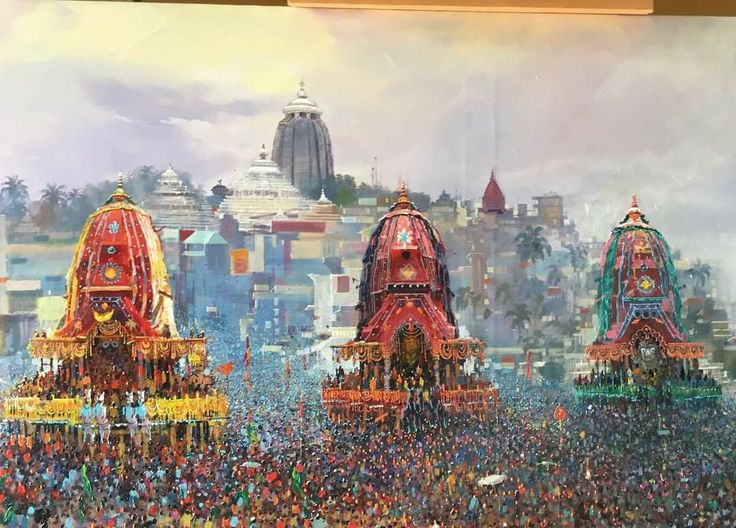
The Panchkroshi Yatra (पंचकोशी यात्रा) is the sacred parikrama around the whole of Kashi: an 88 km circuit that begins and ends at Manikarnika, with five padavs (halts), Kardameshwar, Bhimchandi, Rameshwar, Shivpur and Kapildhara, and 108 Shiva shrines along the way. Traditionally walked over five days, it is done today either on foot with dharamshala halts or in a single day by vehicle. varanasiayodhyatours.com plans both versions, the sankalp, the route and the pace, on WhatsApp.
View Details