
3 nights / 4 days
Pilgrimage
₹37,000
Starting From


Senior Citizen Kashi Ayodhya Yatra
Varanasi, Prayagraj & Ayodhya (Elders)|Pilgrimage
One City A Day Pace
Lift-Access Rooms
Daily Family WhatsApp

Drop your details and we'll craft a personalized spiritual package.
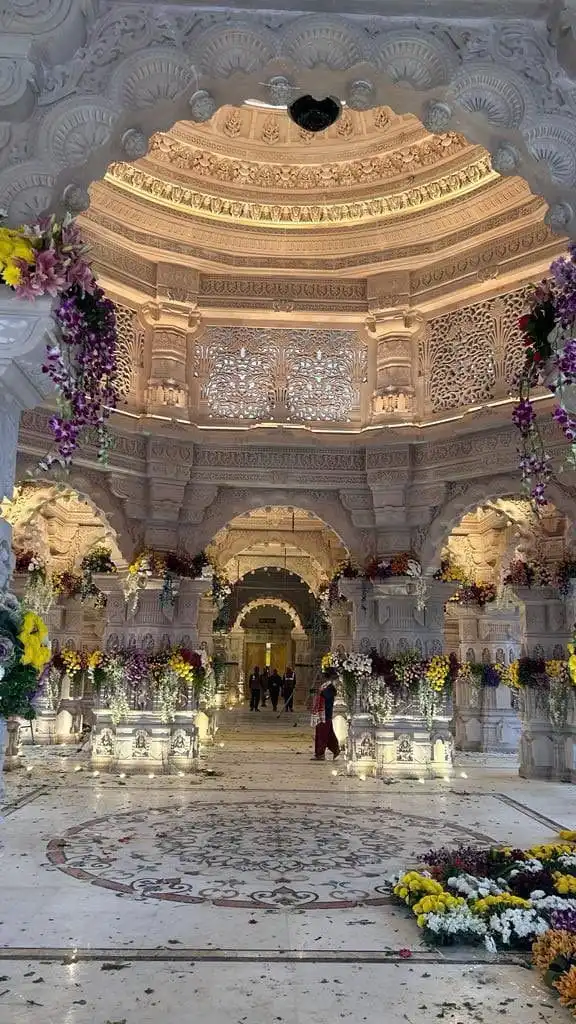
Home to the Ram Janmabhoomi temple, Hanuman Garhi, and Dashrath Mahal. The Saryu aarti at sunset is quieter than Varanasi's,it moves people who expected only the Ram Mandir to remember it most.
A good Ayodhya plan opens with Hanuman Garhi, then Ram Mandir before the midday bhog closure (around 12 to 2 PM), and closes with the Saryu aarti at Ram Ki Paidi at sunset. One full day covers this core circuit; two days add the river, the hillocks and Faizabad; three days extend to Bharat Kund, the Jain trail or the Kashi circuit. Start early, rest through midday, and book a free morning Sugam Darshan slot.
I am Rajeev Sharma, and I have sequenced these days thousands of times. The art of an Ayodhya itinerary is not the list of temples, it is the order and the timing, working around the heat, the noon closure and the sunset aarti. Here are the plans I actually use.
If you only have a few hours, this gives the complete arc, blessing to birthplace to river.
If your half-day is a morning, do the first two and return for the aarti another evening. If it is an afternoon, reverse into the aarti at dusk.
Morning
Midday
Afternoon
Evening
From the ground: The whole day hinges on one decision: be at Hanuman Garhi by 7. Do that, and everything else falls into place, with Ram Mandir done before the closure and the evening free for the river. Start late and you spend the day chasing the closure instead.
Day 1: the one-day plan above, the core temple circuit closing with the Saryu aarti.
Day 2
From the ground: A second, unhurried darshan of the same temple on the second morning is the upgrade I push hardest. The first visit you manage crowds and logistics; the second, you actually pray. After forty years I have stopped apologising for insisting on it.
With a third day, choose your depth:
Ayodhya is most rewarding inside a circuit. We run Varanasi to Ayodhya end to end, often with Prayagraj between.
For elderly pilgrims, the plan stays the same but the pace and access change: skip or shorten Hanuman Garhi's 76 steps, lean on the step-free temples like Kanak Bhawan, use a wheelchair and battery e-cart at Ram Mandir, take a private boat for the aarti instead of the ghat steps, and build real rest into the afternoon. Tell us in advance and we shape the day around mobility.
Want this built around your exact dates, group and pace? See our Ayodhya and Kashi packages, read the full Ayodhya guide, or message me, Rajeev, on WhatsApp at +91 7302265809.
Curated itineraries featuring this divine destination.
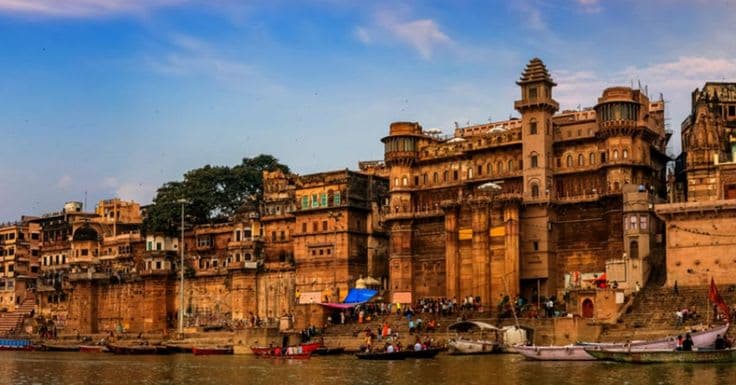


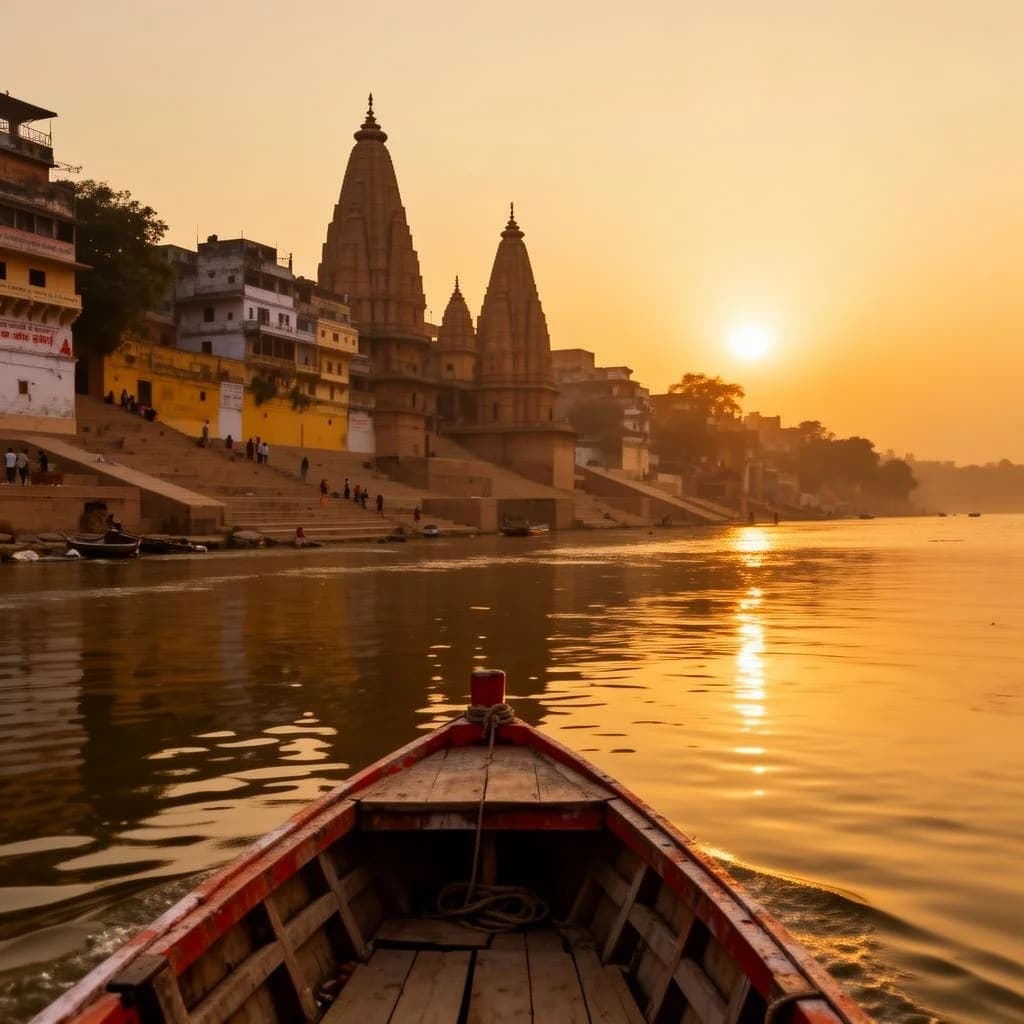


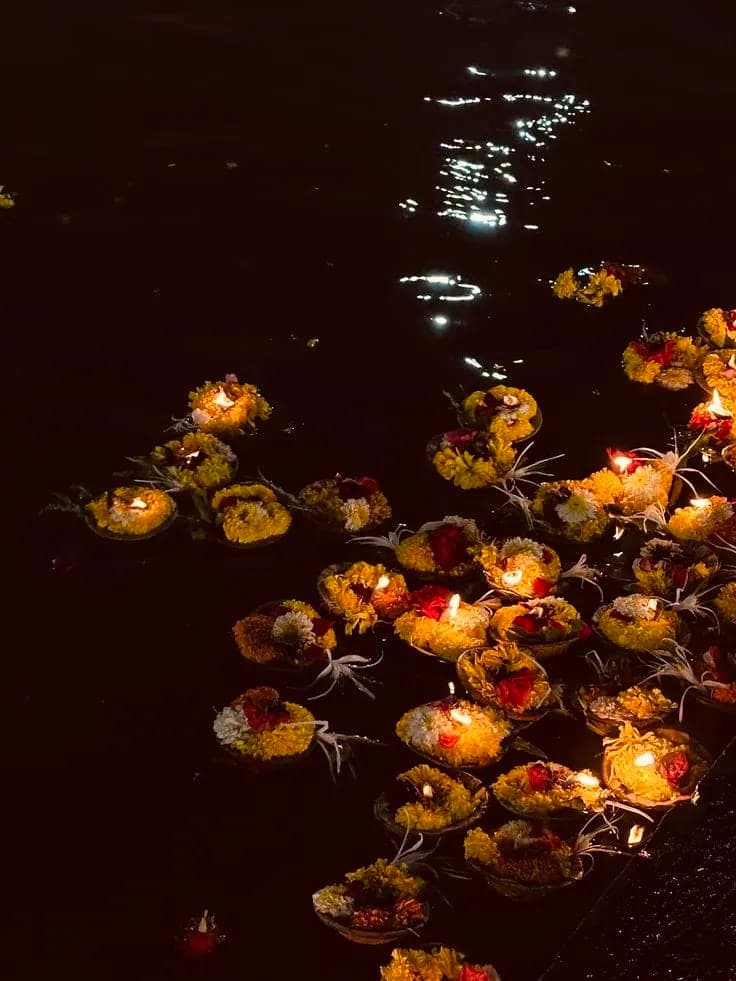


Grouped for quick scanning
Everything you need to know about Ayodhya Itinerary .
Topic 01
8 questions
One full day covers the essential temples and the evening aarti if you start early. Two days is comfortable and adds the river, hillocks and Faizabad. Three or more days suits Bharat Kund, the Jain trail, or extending to Prayagraj and Varanasi.
Yes, for the core. Reach Hanuman Garhi by 7 AM, do Ram Mandir before the noon closure, rest through midday, cover Kanak Bhawan and Nageshwarnath in the afternoon, and end with the Saryu aarti. It is a full but workable day.
Two days is the comfortable amount for most pilgrims. Day 1 is the temple circuit, Day 2 adds the river, the hillocks, Faizabad heritage and a calmer second darshan. It lets you slow down without rushing.
Three days suits those who want the Bharat Kund day-trip, the Jain trail, or to fold Ayodhya into the Kashi circuit with Prayagraj and Varanasi. For the city itself, two days is usually enough.
Yes, just the essentials: Hanuman Garhi, Ram Mandir and the evening Saryu aarti. It gives the complete arc in a few hours but leaves out the river, the hillocks and Faizabad.
A focused morning covers Hanuman Garhi, Ram Mandir, Dashrath Mahal and Sita Ki Rasoi, with Kanak Bhawan and Nageshwarnath in the afternoon. Allow a full day to do it without rushing and to include the aarti.
A half-day for the three essentials, but an overnight stay is far better, letting you do Ram Mandir in the cool morning and the aarti at dusk rather than squeezing both into a rushed window.
Allow about four to six days for a comfortable Kashi to Ayodhya circuit, often with Prayagraj between. We tailor the split to your pace; see our Varanasi to Ayodhya tours.
Topic 02
8 questions
Hanuman Garhi at 7 AM, Ram Mandir before the noon closure, Dashrath Mahal and Sita Ki Rasoi, lunch and rest at midday, Kanak Bhawan and Nageshwarnath in the afternoon, and the Saryu aarti at Ram Ki Paidi by 6 PM.
Hanuman Garhi first, then Ram Mandir, then the nearby Dashrath Mahal and Sita Ki Rasoi, with Kanak Bhawan and Nageshwarnath in the afternoon, closing at the Saryu aarti. The order is built around tradition and the temple timings.
By 6:30 to 7:00 AM at Hanuman Garhi. Starting early lets you climb in the cool, clear Ram Mandir before the noon closure, and keep the evening free for the river aarti.
Hanuman Garhi, Ram Mandir and the Saryu aarti, in that order. They give the spiritual arc of Ayodhya. Add Kanak Bhawan and Dashrath Mahal if a little more time allows.
Yes, easily. Do Ram Mandir in the morning before the closure and the Saryu aarti at sunset, with the afternoon for the other temples and a midday rest. It is the standard one-day shape.
Treta Ke Thakur, if it is not open that day, and the Faizabad heritage sites, which suit a second day. Keep the core temples and the aarti; trim the add-ons.
It is full but manageable with the midday rest built in. Starting early and pausing through the noon heat and closure keeps it comfortable. For elders, we lighten it further.
Treta Ke Thakur, if it is not open that day, and the Faizabad heritage sites, which suit a second day. Keep the core temples and the aarti; trim the add-ons.
Topic 03
6 questions
Day 1 is the temple circuit closing with the Saryu aarti. Day 2 adds Mani Parvat, Guptar Ghat, Surya Kund and the Faizabad heritage sites, with the nightly Ramleela at Tulsi Smarak Bhawan or a second calmer darshan.
The river and the hillocks: Mani Parvat and Sugriv Parvat, Guptar Ghat, Surya Kund, a Saryu boat ride, and the Faizabad heritage monuments. Day 2 is for the quieter, scenic side of the city.
Yes. Guptar Ghat is the serene, temple-lined ghat where Rama is believed to have taken Jal Samadhi, far quieter than Ram Ki Paidi and lovely at sunset. It is my pick for an unhurried second evening.
Yes, if you enjoy heritage. Gulab Bari and Bahu Begum Ka Maqbara give a complete change of texture from the temples and a cool-of-the-day break. They suit a second-day afternoon.
It is a nightly Ramleela performance, roughly 6 to 9 PM, at the Tulsidas memorial. It is a lovely, low-key way to spend a second evening, especially if you have already seen the aarti.
Yes, a sunrise or sunset Saryu boat ride from Naya Ghat slots neatly into Day 2. A dawn boat, with mist on the river, is a calm contrast to the temple crowds.
Topic 04
7 questions
Days 1 and 2 as above, with Day 3 for Nandigram and Bharat Kund, the Jain trail, or the start of the Kashi circuit toward Prayagraj and Varanasi. The third day is where you choose your depth.
Yes, and it is the classic circuit. Varanasi is about 200 km away, four to five hours by road, often via Prayagraj. We run the Kashi to Ayodhya route end to end. See our Varanasi to Ayodhya tours.
Yes. Prayagraj's Triveni Sangam, about 165 km away, is a natural stop between Ayodhya and Varanasi, making a neat three-city pilgrimage circuit.
Yes. Naimisharanya, the ancient rishi tirtha where the Puranas were narrated, fits the Kashi to Ayodhya to Naimisharanya route for those who want the deeper Puranic trail. It is roughly 115 to 150 km from Ayodhya.
Nandigram and Bharat Kund, about 15 to 20 km south, mark where Bharat did tapasya awaiting Rama. It is a half-day devotional add-on, ideal for a third day or a relaxed second one.
Yes. Ayodhya is the birthplace of five Tirthankaras, with five Digambar Jain temples and the major tirtha of Ratnapuri nearby. A dedicated Jain trail fills a focused day. See our Jain temples page.
Allow five to seven days to link Ayodhya with Prayagraj, Varanasi and Naimisharanya at a comfortable pace. We design the route and transfers around your time and interests.
Topic 05
7 questions
Reach Ram Mandir before 10 AM or after 2 PM, since the sanctum closes around 12 to 2 PM for bhog. Use the closure as your lunch and rest. See our darshan guide.
Book a free morning Sugam Darshan slot for Ram Mandir as soon as passes release, around 15 days ahead. The morning slot anchors the whole day and keeps the afternoon and evening flexible.
It is at sunset, so be seated at Ram Ki Paidi by about 6 PM. It is the natural close to every itinerary, after the day's temples. Arrive 30 minutes early for a good spot.
Build a real midday break, roughly 12 to 2 PM, which aligns with the heat and the temple closure. It keeps the day comfortable and is essential for elders and children.
E-rickshaws through the old lanes for the temple cluster, autos or a car for Guptar Ghat, Surya Kund and Faizabad. Cars cannot reach the inner temple zone, so plan the last stretch on foot or by e-cart.
Yes, if you start by 7 AM. Hanuman Garhi, Ram Mandir, Dashrath Mahal and Sita Ki Rasoi fit comfortably into the morning, leaving the afternoon for Kanak Bhawan and Nageshwarnath.
The Saryu aarti at Ram Ki Paidi at sunset, then a quiet walk along the ghats or the nightly Ramleela at Tulsi Smarak Bhawan. Guptar Ghat is the quieter alternative for a second evening.
Topic 06
14 questions
Yes. We shorten or skip Hanuman Garhi's steps, lean on step-free temples, use a wheelchair and e-cart at Ram Mandir, take a private boat for the aarti, and build rest into the afternoon. Tell us your needs and we shape the day around mobility.
Absolutely. These are starting points. We adjust the pace, the temples, the day-trips and the circuit to your dates, group and interests, whether devotional, heritage or photography-focused.
Keep the day light: Hanuman Garhi and Ram Mandir in the cool morning, a long midday rest, an easy temple or two in the afternoon, and the Saryu aarti, which children love. A boat ride is a good Day 2 treat.
The timed one-day plan, ideally as part of a two-day stay so nothing is rushed. Start at Hanuman Garhi by 7, anchor on a morning Ram Mandir darshan, and close on the river aarti.
Yes, covering darshan planning, stays, transfers and guiding, with the days sequenced around the timings and crowds. See our Ayodhya and Kashi packages, or message me, Rajeev, on WhatsApp at +91 7302265809.
Yes. We sequence the day and secure your free Sugam Darshan and aarti slots together, so the itinerary and the darshan timing line up. We never charge for the free darshan itself.
For ordinary dates, a few weeks is enough; for Deepotsav or Ram Navami, plan two to three months ahead for hotels and book darshan passes as early as the portal allows. Earlier is always safer in peak season.
A two-day plan: Day 1 the temple circuit with the Saryu aarti, Day 2 the river, hillocks and Faizabad with a calmer second darshan. It captures the city without rushing and is the plan I recommend most.
Two days in the city, a third for Bharat Kund and the Jain trail, and a fourth to begin the Kashi circuit toward Prayagraj. Four days lets you go beyond the core temples without hurrying.
Ayodhya for two days, then Prayagraj for the Triveni Sangam, then Varanasi for Kashi Vishwanath and the Ganga aarti, with Naimisharanya as an option. Five days makes a complete, unhurried pilgrimage circuit, which we run end to end.
Yes. A one-night, two-day weekend covers the core temples, the Saryu aarti and a little of the river, especially if you arrive Friday evening and start early Saturday. It is a popular and workable plan.
Leave Lucknow by around 5 AM for the 135 km drive, reach Hanuman Garhi and Ram Mandir before the noon closure, rest and lunch, see Kanak Bhawan and Nageshwarnath, and catch the Saryu aarti before driving back. An early start is essential.
I recommend it. A second, unhurried darshan on the second morning lets you actually pray rather than manage crowds and logistics. It is the single upgrade I push hardest for two-day visitors.
To cover the temples, ghats, hillocks, Faizabad heritage and the nearby day-trips at a relaxed pace, allow about five to six days. Most pilgrims, though, are content with the highlights in two.
Still have a question?
Message Rajeev on WhatsApp