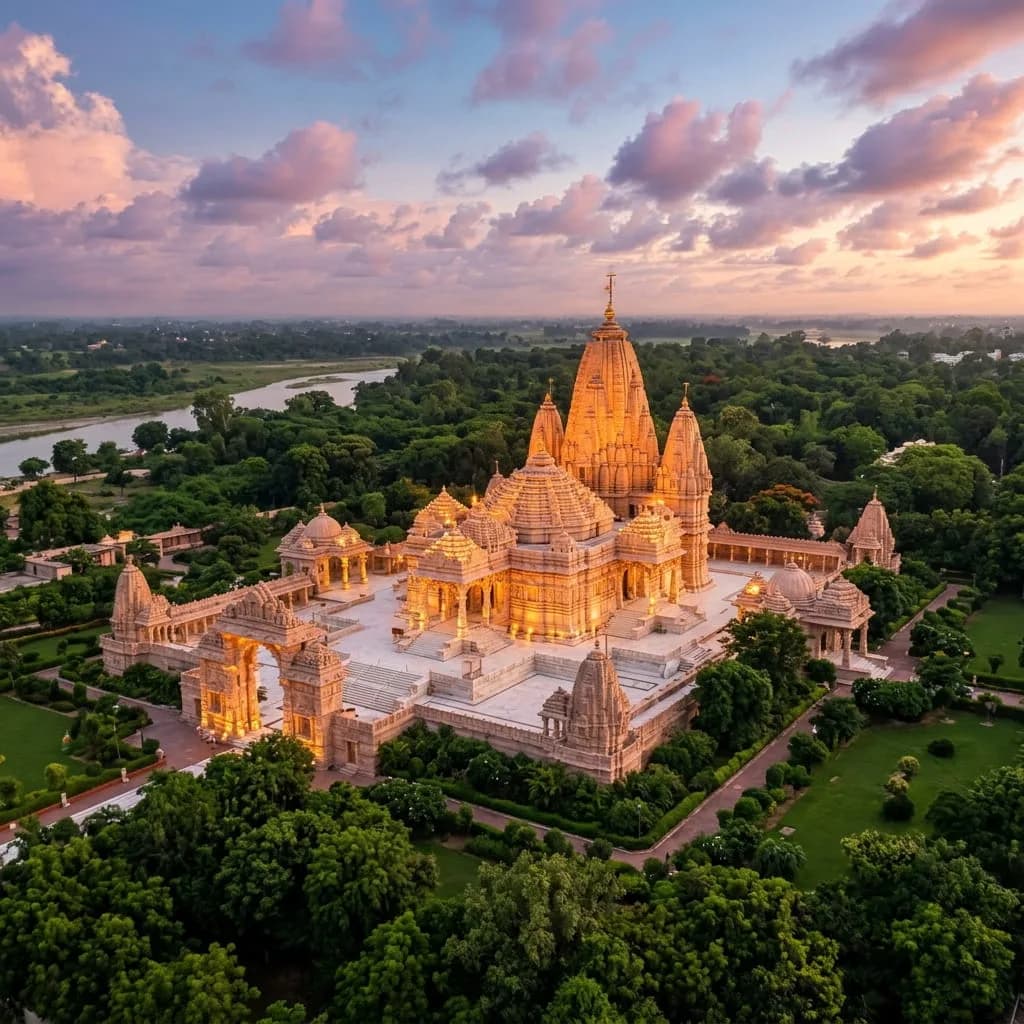
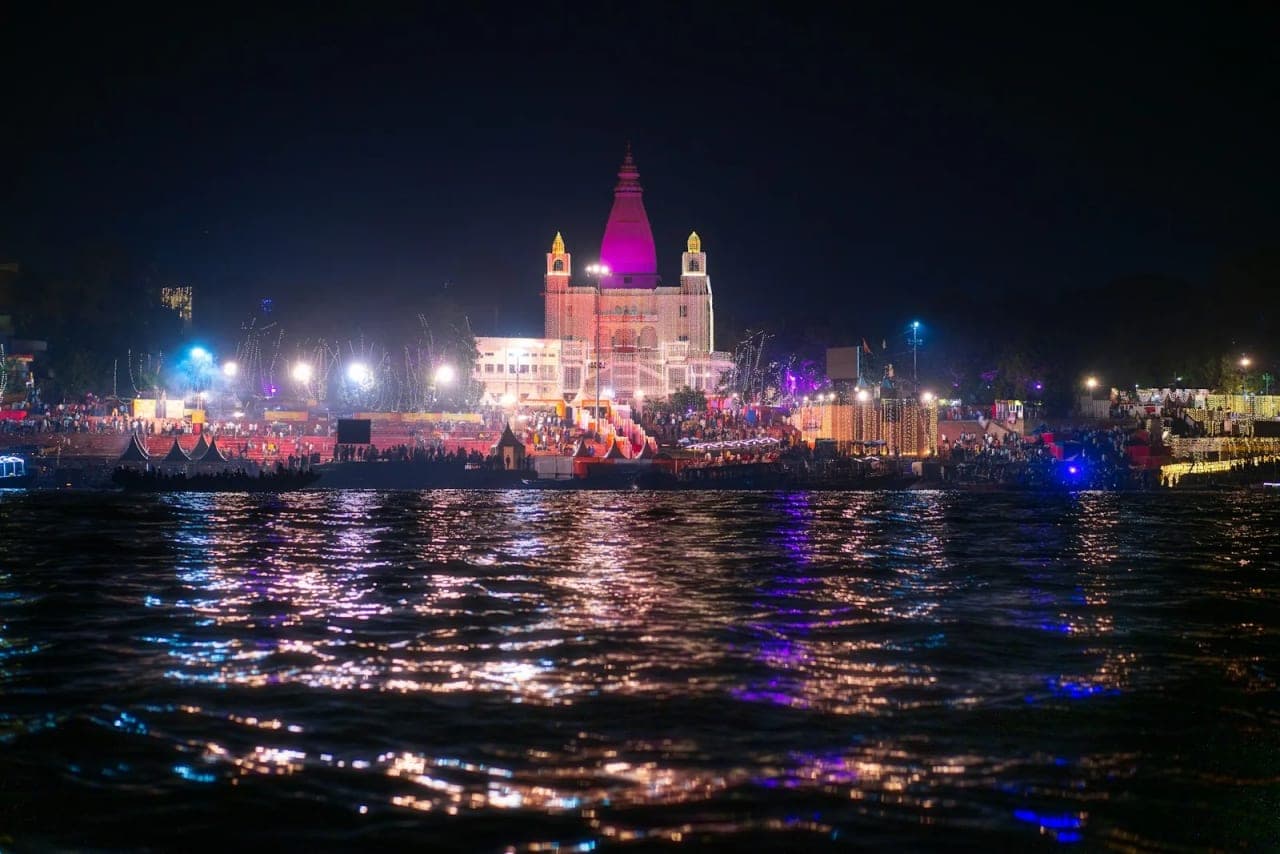
Most festivals happen in a place. The Magh Mela, in a sense, builds the place - and that is the first thing to understand about it. Every year, as the month of Magh begins, the wide sandy floodplain where the Ganga and Yamuna meet, bare and empty the rest of the year, becomes a complete temporary city: pontoon bridges laid across the rivers, thousands of tents, markets, kitchens, hospitals, police posts, and the great camps of the Akharas, all raised on the sand for a month and then taken down again when the waters return. There is nothing else like it.
It helps to know where the Magh Mela sits among the Prayagraj gatherings. The Kumbh Mela, held every twelve years, and the Ardh Kumbh at six, are the vast ones that draw the eyes of the world. The Magh Mela is the annual one, held every other year in between - smaller, quieter, less photographed, but with the same sacred confluence, the same snan, and in many ways a more intimate way to experience the tradition without the crush of a Kumbh. 2027 is a Magh Mela year.
For a two-day visit the one real decision is timing. The main snan dates - set out above - are when the Mela is at its most electric, millions bathing at the holiest moments, the Akharas processing to the water; and also when it is hardest, with crowds that test the patient. Mauni Amavasya is the peak of both. A day away from those dates gives you the tent-city, the sadhus and the Kalpvasis, and a calm, unhurried snan with room to breathe. Neither is better; they are different experiences, and we will tell you honestly which suits your group.
None of this is new. Pilgrims have been coming to bathe at this confluence in the month of Magh for well over a thousand years - the Magh Mela is named in texts far older than the city's monuments, and the Chinese traveller Xuanzang recorded a great gathering of the devout on these very sands in the seventh century. What changes each year is only the scale of the arrangements. In the modern Mela a dedicated administration lays pontoon bridges across the rivers, marks out numbered sectors and lit lanes, and runs water, power, sanitation and medical posts for a floating population that can rival a large city, all of it raised for a few weeks and then cleared away. Walking it, you feel both the deep age of the ritual and the quiet competence that lets millions bathe safely in a single winter month.
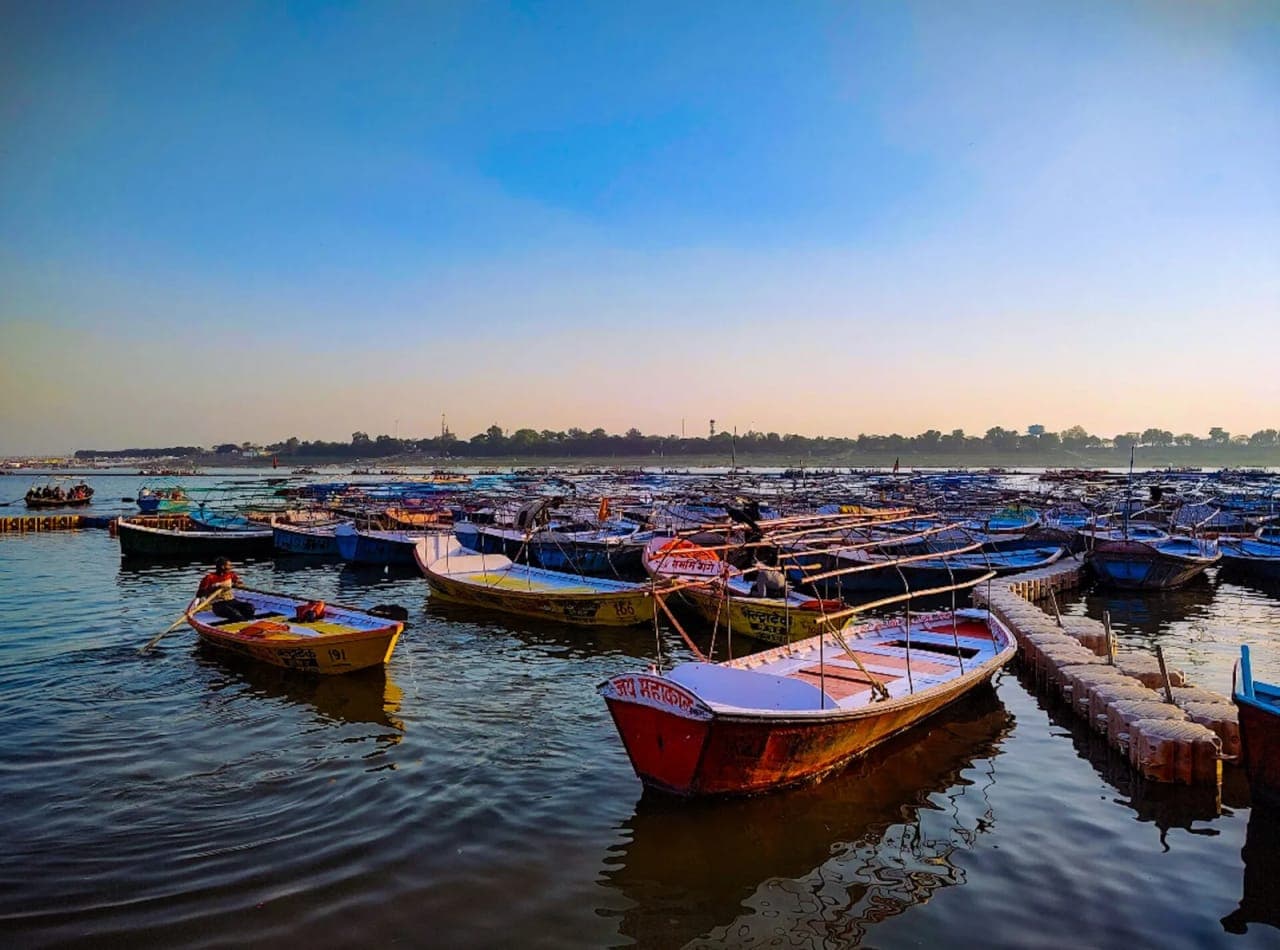
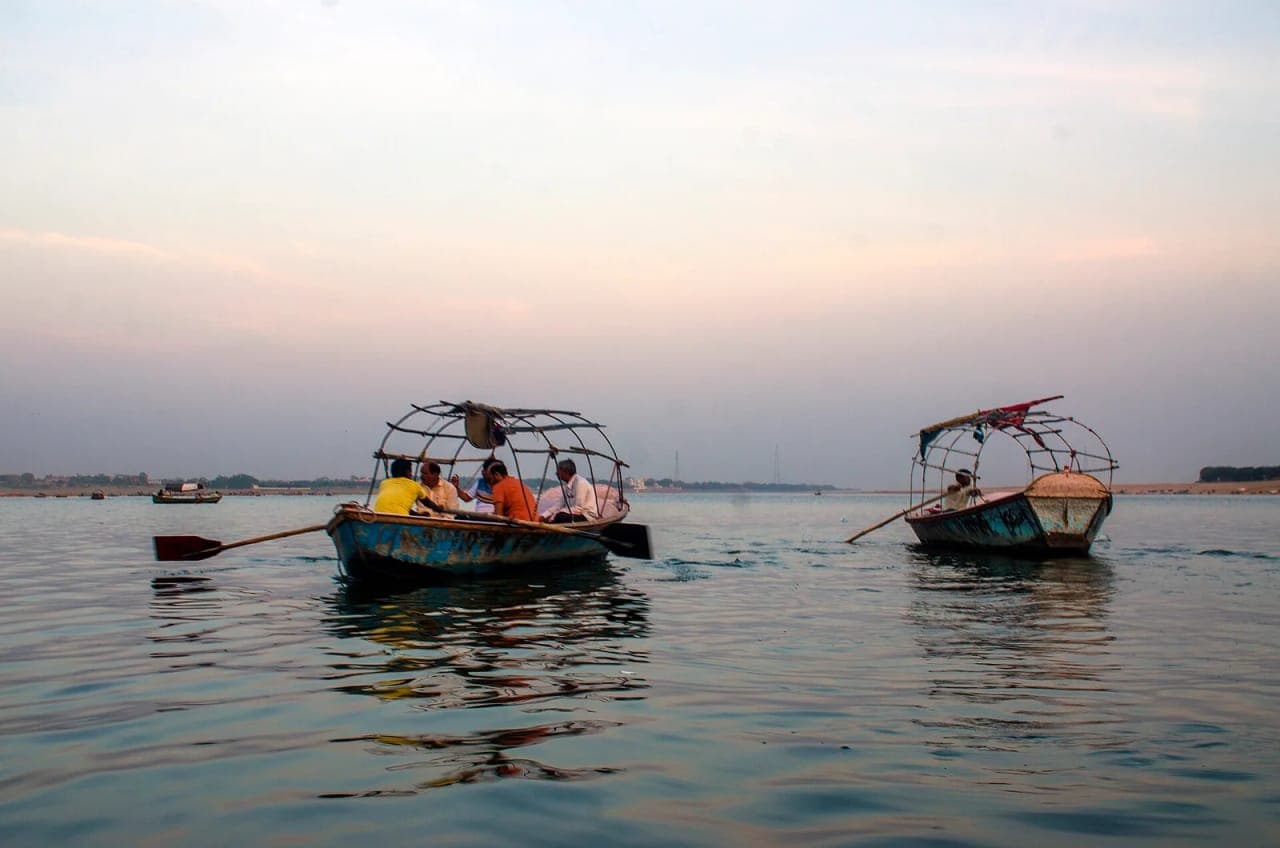
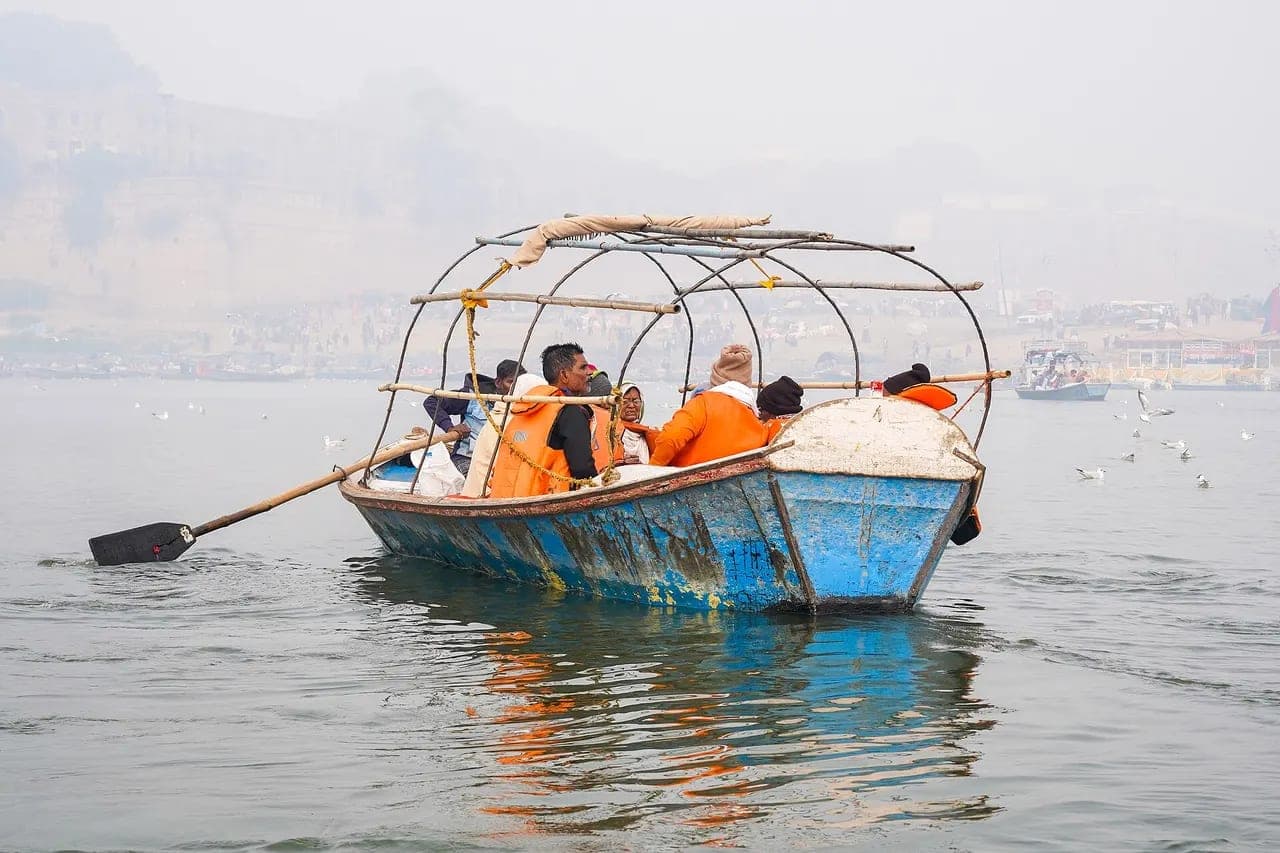
The practicalities follow from that. Accommodation is a comfortable city hotel a short drive away, or a tent pitched on the Mela ground itself, inside the atmosphere - both scarce around the snan dates, so booked early. The snan is taken from a boat out at the confluence, from secured platforms, pre-arranged so there is no bargaining in the cold. Magh is winter, so the nights and the dawn dip are genuinely cold, and warm clothes matter. Experience My India handles the plan so that you arrive to a city already mapped for you. WhatsApp +91-7302265809.