3 nights / 4 days
Pilgrimage
₹37,000
Starting From


Senior Citizen Kashi Ayodhya Yatra
Varanasi, Prayagraj & Ayodhya (Elders)|Pilgrimage
One City A Day Pace
Lift-Access Rooms
Daily Family WhatsApp
 Sarnath, Varanasi
By Rajeev Sharma
Varanasi-born Pilgrimage Guide
Buddha Purnima (बुद्ध पूर्णिमा), also called Vesak or Buddha Jayanti, marks the Buddha's birth, enlightenment and parinirvana on the Vaishakha full moon, falling on Friday, 1 May 2026. At Sarnath, ten kilometres from Varanasi, where the Buddha gave his first sermon, the day gathers around the Dhamek Stupa with chanting, lamp offerings and a relic procession. varanasiayodhyatours.com plans the Sarnath day and the wider Buddhist circuit from a Varanasi base, on WhatsApp.
Experience Buddha Purnima at Sarnath: where the Wheel of Dharma first turned with a Kashi-born guide — darshan, stays and boats arranged.
Buddha Purnima falls on the full moon of Vaishakha: Friday, 1 May 2026 in India and Nepal. The Purnima tithi runs from the evening of 30 April to the night of 1 May. Note that some Southeast and East Asian traditions keep Vesak on the later May full moon, around 31 May 2026, because the lunar calendars are read differently; at Sarnath, the Indian date of 1 May is the day.
Buddhist tradition holds that three events in the Buddha's life fell on the same Vaishakha full moon: his birth at Lumbini, his enlightenment at Bodh Gaya, and his parinirvana at Kushinagar. One day carries all three, which is why it is kept as the holiest in the Buddhist calendar. It is a day of the Middle Way, the Four Noble Truths and the Eightfold Path, marked with meditation, chanting, charity, the pouring of water over an image of the infant Buddha, and the sharing of kheer, recalling the milk-rice offering that broke the Buddha's fast before his enlightenment.
After his enlightenment at Bodh Gaya, the Buddha walked to Sarnath and gave his first teaching, the Dhammacakkappavattana Sutta, setting the Wheel of Dharma in motion and forming the first Sangha with five disciples. So while Bodh Gaya holds the enlightenment and Kushinagar the parinirvana, Sarnath holds the first sermon, the moment the teaching entered the world. On Buddha Purnima the site is quieter and more orderly than Bodh Gaya, and for many pilgrims that stillness at the very place the Dharma began is the point.
From the ground: for my South Indian and international guests, Sarnath on this day is the calm centre of the Buddhist year, ten minutes from the roar of Kashi. I pace the day so the meditation and the chanting land, not the crowd.
Sarnath is an Archaeological Survey of India site with a modest entry ticket to the monument area; the monasteries and the observances are open and free. There is no VIP tier to sell and no darshan queue to jump, so what an operator honestly adds here is not access but understanding: a guide who can actually explain the first sermon, read the stupa and the museum, and pace a contemplative day rather than a checklist. That, and the logistics, the Varanasi base, the transfer, and the option to extend to Bodh Gaya and Kushinagar on the Buddhist circuit.
Sarnath is about 10 km from central Varanasi and 30 km from Lal Bahadur Shastri International Airport (VNS); Varanasi is the base, with the nearest airport and the strongest rail links. Our packages run the Sarnath visit by private Innova Crysta as a half-day from the city, unhurried. Full detail in the How to Reach Varanasi guide.
Varanasi is the base; our guests stay at the Taj Ganges or Hilton Varanasi with breakfast, ten minutes from Sarnath and on the river for the rest of the visit. Sarnath itself has quiet monastery guesthouses for those who want to wake inside the calm. More in the Stay & Hotels guide.
The 4 Days Ayodhya Varanasi Tour Package, ₹50,000 per couple (₹25,000 per person), already includes Sarnath and we time it to Buddha Purnima on request, Taj or Hilton base and Innova throughout. The Buddhist Circuit Package, ₹75,000 per couple, traces all three sites over six days. Browse all packages.
Friday, 1 May 2026 in India and Nepal, on the Vaishakha full moon. Some Southeast and East Asian traditions keep Vesak on the later May full moon, around 31 May.
Sarnath is where the Buddha gave his first sermon and formed the first Sangha, setting the Wheel of Dharma in motion. The Dhamek Stupa marks the spot and anchors the day.
Buddhist tradition holds that the Buddha's birth, enlightenment and parinirvana all fell on the same Vaishakha full moon, so one day commemorates all three.
Prayer assemblies and meditation at the monasteries, chanting and lamp offerings around the Dhamek Stupa, and a procession carrying the Buddha's relics between the monuments.
About 10 km, a short drive; Varanasi is the base with the nearest airport and railway station. We run it as an unhurried half-day.
The ASI monument area has a modest ticket; the monasteries and observances are open and free. There is no VIP tier.
Yes; they form the Buddhist circuit of the first sermon, the enlightenment and the parinirvana. We build the circuit from a Varanasi start.
Yes; the international monasteries make it a global gathering, and we guide the first-sermon story and the sutta in Telugu, Kannada, Hindi or English.
They are unrelated: Buddha Purnima is the Vaishakha full moon of the Buddha at Sarnath in May; Dev Deepawali is the Kartik Purnima diya night on the Ganga in November. Note also that the Kartik Buddha Purnima confusion does not apply here.
Very much; it is a calm, profound half-day any time of year, and part of every Varanasi itinerary we run.
Experience Buddha Purnima at Sarnath: where the Wheel of Dharma first turned with a Kashi-born guide — darshan, stays and boats arranged.
Handpicked packages for sacred festivals and destinations.


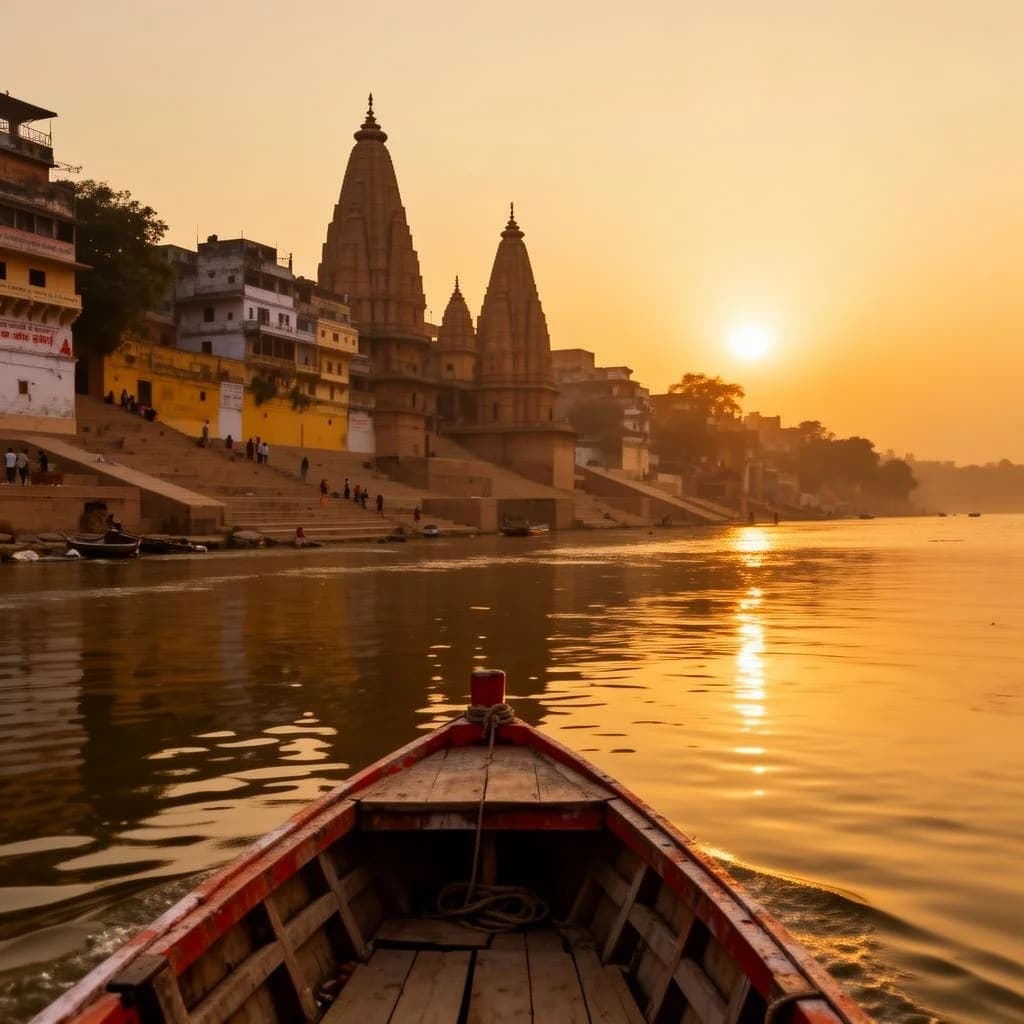


Handpicked travel guides, local insights and practical information to help you plan your spiritual journey with ease.
.0bwph.107dyza.webp&w=2048&q=75)
Timings, entry process, VIP darshan, nearby attractions and important tips.
Fresh insights and useful information for your journey.
More spiritual gatherings across sacred destinations.
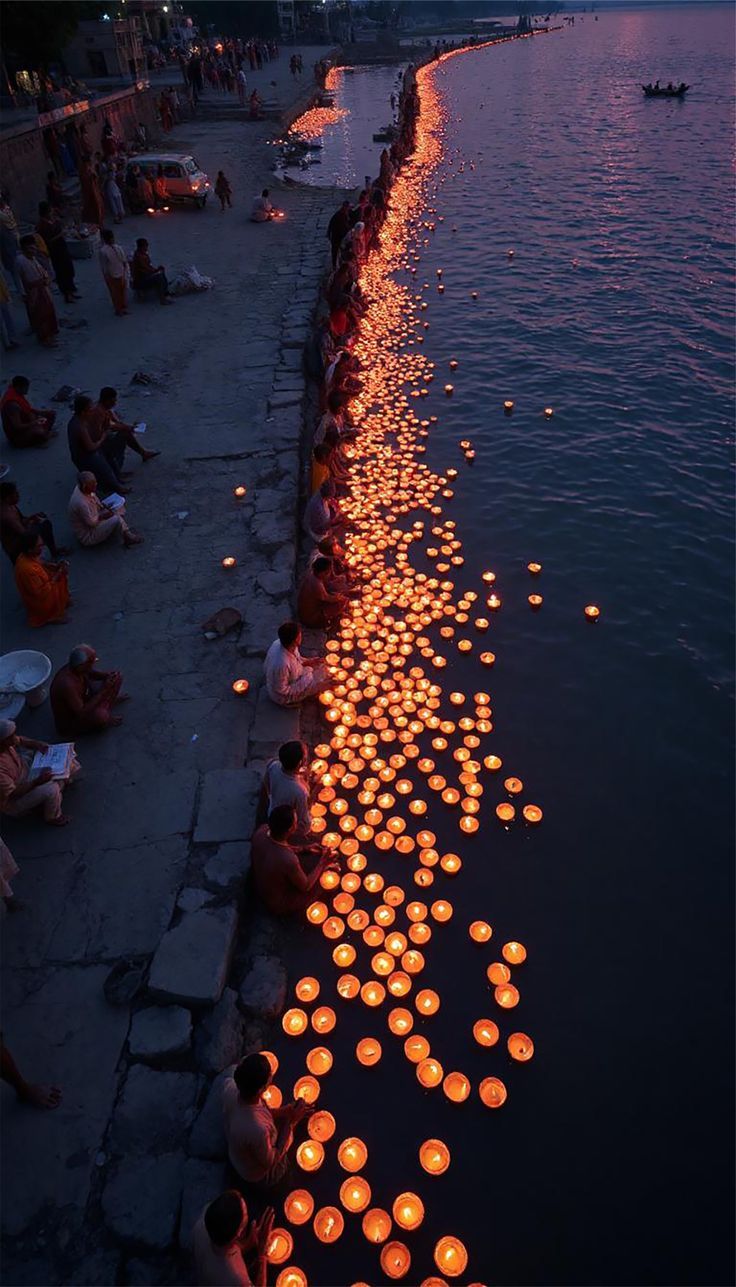
The Panchkroshi Yatra (पंचकोशी यात्रा) is the sacred parikrama around the whole of Kashi: an 88 km circuit that begins and ends at Manikarnika, with five padavs (halts), Kardameshwar, Bhimchandi, Rameshwar, Shivpur and Kapildhara, and 108 Shiva shrines along the way. Traditionally walked over five days, it is done today either on foot with dharamshala halts or in a single day by vehicle. varanasiayodhyatours.com plans both versions, the sankalp, the route and the pace, on WhatsApp.
View Details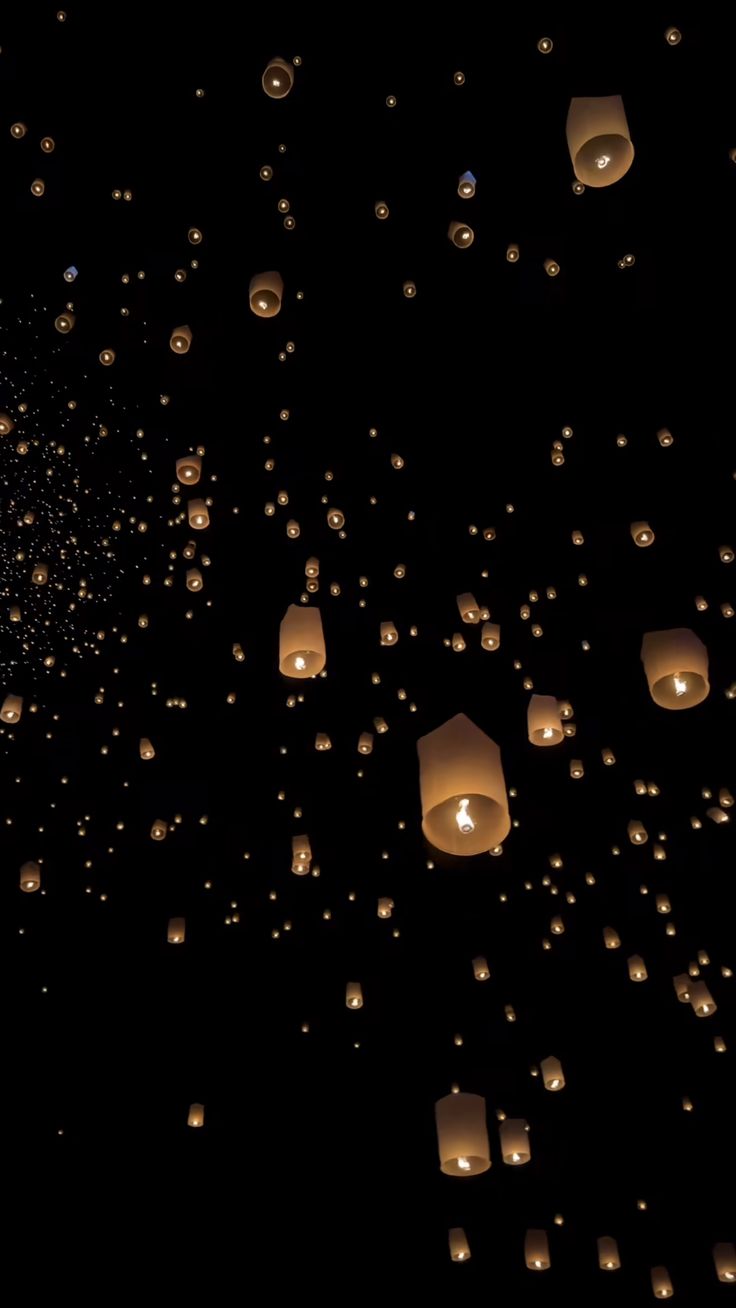
Subah-e-Banaras (सुबह-ए-बनारस) is Varanasi's daily dawn ritual at Assi Ghat: begun on 24 November 2014, it opens in the Brahma Muhurta before sunrise with Vedic chanting and a hawan, a morning Ganga aarti to the rising sun, then live Banaras Gharana classical music and an open yoga session on the ghat steps. It runs every morning, is free to attend, and is the contemplative dawn counterpart to the grand evening Ganga Aarti at Dashashwamedh. varanasiayodhyatours.com plans the pre-dawn pickup, the seating and a sunrise boat around it, on WhatsApp.
View Details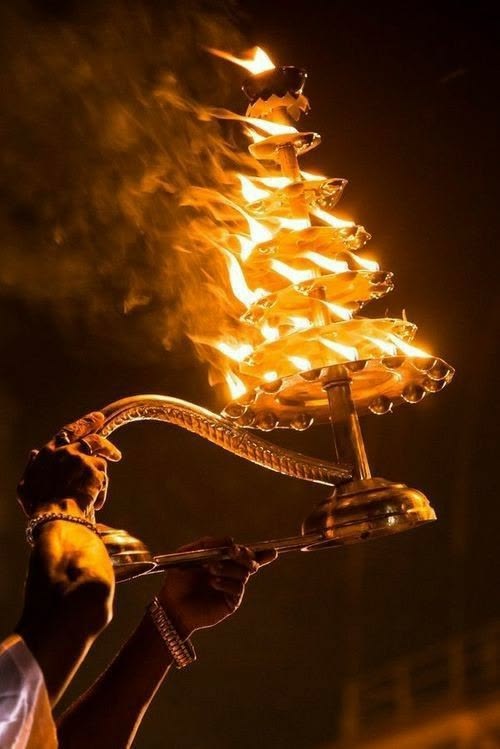
The Nageshwarnath temple (नागेश्वरनाथ) is Ayodhya's ancient presiding Shiva shrine, at Ram ki Paidi on the banks of the Saryu, said to have been established by Kush, the son of Lord Rama. In a city given to Rama, it is the great centre of Shiva worship, coming alive above all at Maha Shivratri, with its famous Shiva Baraat, and through the month of Sawan. varanasiayodhyatours.com plans the darshan and the Shiva festivals around it, on WhatsApp.
View Details
The Panchkroshi Yatra (पंचकोशी यात्रा) is the sacred parikrama around the whole of Kashi: an 88 km circuit that begins and ends at Manikarnika, with five padavs (halts), Kardameshwar, Bhimchandi, Rameshwar, Shivpur and Kapildhara, and 108 Shiva shrines along the way. Traditionally walked over five days, it is done today either on foot with dharamshala halts or in a single day by vehicle. varanasiayodhyatours.com plans both versions, the sankalp, the route and the pace, on WhatsApp.
View Details