3 nights / 4 days
Pilgrimage
₹37,000
Starting From


Senior Citizen Kashi Ayodhya Yatra
Varanasi, Prayagraj & Ayodhya (Elders)|Pilgrimage
One City A Day Pace
Lift-Access Rooms
Daily Family WhatsApp
 Kushinagar, Uttar Pradesh
By Rajeev Sharma
Varanasi-born Pilgrimage Guide
Kushinagar (कुशीनगर) in Uttar Pradesh is where Gautama Buddha attained Mahaparinirvana, his final liberation, at the age of 80 around 483 BCE. The Parinirvana Temple holds the 6.1-metre reclining Buddha marking the spot, and the Ramabhar Stupa marks his cremation. It is the fourth of Buddhism's great pilgrimage sites, about 224 km from Varanasi and 189 km from Ayodhya, the closing chapter of the Buddhist circuit. varanasiayodhyatours.com plans the circuit from a Varanasi or Ayodhya base, on WhatsApp.
Experience Kushinagar: where the Buddha lay down for the last time with a Kashi-born guide — darshan, stays and boats arranged.
When the Buddha reached his eightieth year, he undertook his last journey and, after a final meal offered by the smith Cunda at Pava, fell ill and came to rest at Kushinagar, then Kushinara, capital of the Malla kingdom. Between two sal trees, lying on his right side in the lion's posture, he gave his final teaching and passed into Mahaparinirvana, the complete liberation beyond the cycle of birth and death. Of the four sites the Buddha named, Lumbini for his birth, Bodh Gaya for his enlightenment, Sarnath for his first sermon, this is the last: the place of the ending, and for pilgrims a meditation on impermanence itself.
From the ground: for my Telugu, Kannada and international guests, Kushinagar is the quietest and most moving of the circuit. After the intensity of Bodh Gaya, this is where you sit with the reclining Buddha and understand what the whole journey was pointing toward.
Inside the Parinirvana Temple lies the 6.1-metre reclining Buddha, carved from a single block of red sandstone, resting on his right side with his face to the west, the image of the dying Buddha entering nirvana. It was excavated in 1876, dated to around the 5th century, and the temple around it was rebuilt by the Government of India in 1956 to mark the 2,500th year of the Mahaparinirvana. Pilgrims drape it in robes and circumambulate in silence; the expression, seen from different angles, is said to shift from pain to peace to the smile of release.
About 1.5 km east, the Ramabhar Stupa, the Mukutbandhan Chaitya, marks where the Malla kings cremated the Buddha's body. The large brick mound, plain and unornamented, stands on the banks of the Hiranyavati among fields; its very austerity is its power. Nearby, the Buddha Ghat on the Hiranyavati and the relic-distribution site at Anurudhwa village, where the Buddha's remains were divided among eight kingdoms, complete the story of the ending.
Kushinagar closes the four-site arc: Bodh Gaya (enlightenment), Sarnath (first sermon), and here the parinirvana. From Varanasi it is about 224 km; from Ayodhya about 189 km, which lets us fold Kushinagar into either the Buddhist circuit or a Ram-belt itinerary that already runs through Ayodhya. Gorakhpur, about 54 km away, is the nearest large hub. We build the sequence by private Innova Crysta at a contemplative pace.
October to March is the comfortable season for the temple grounds and the monastery walk. Buddha Purnima, the Vaishakha full moon (Friday, 1 May 2026), brings solemn ceremonies at the Parinirvana Temple but heat and crowds. The monsoon is humid; winter is when most international pilgrims come.
Kushinagar has its own airport with seasonal pilgrim connectivity; Gorakhpur (about 54 km) is the nearest major airport and rail hub, and Deoria and Padrauna are closer stations. From Varanasi it is about 224 km, roughly five hours; from Ayodhya about 189 km. We run it by private Innova Crysta, staged to your circuit. Full transfer detail in the How to Reach Varanasi guide.
Kushinagar has monastery guesthouses and comfortable hotels clustered near the Parinirvana complex; a night here lets you take the reclining Buddha at dawn, when it is emptiest. Our circuit guests are based in comfort with the Innova on the runs, and a Kushinagar night is arranged on the circuit itinerary. More in the Stay & Hotels guide.
The Buddhist Circuit Package, ₹75,000 per couple, traces all three sites over six days. Because Kushinagar is close to Ayodhya, it also extends a Ram-belt trip: pair it with the 4 Days Ayodhya Varanasi Tour Package, ₹50,000 per couple (₹25,000 per person), on request. Browse all packages.
It is where the Buddha attained Mahaparinirvana, his final liberation, around 483 BCE. It is the fourth of Buddhism's great pilgrimage sites, alongside Lumbini, Bodh Gaya and Sarnath.
A 6.1-metre statue carved from a single block of red sandstone, lying on the right side facing west, marking the spot of the parinirvana. It was excavated in 1876 and the present temple was built in 1956.
The large brick stupa about 1.5 km east of the Parinirvana Temple, marking where the Malla kings cremated the Buddha's body on the banks of the Hiranyavati.
About 224 km, roughly five hours by road; about 189 km from Ayodhya, which lets it join either the Buddhist circuit or a Ram-belt trip.
The Parinirvana Temple and Ramabhar Stupa are open roughly sunrise to sunset (about 6 AM to 6 PM). Entry to the main sites is free.
Lumbini (birth), Bodh Gaya (enlightenment), Sarnath (first sermon) and Kushinagar (parinirvana), the four the Buddha named himself.
The main sacred sites are free; a few museums carry a small ticket. There is no VIP tier; a guide adds understanding, not access.
Bodh Gaya is the enlightenment, the beginning of the teaching; Kushinagar is the parinirvana, the ending. Together with Sarnath's first sermon they trace the whole arc.
Yes; we run Sarnath, Bodh Gaya and Kushinagar from Varanasi, and because Kushinagar is near Ayodhya it also folds into a Ram-belt itinerary.
Yes; the sites are calm and walkable, and we pace them gently with close vehicle staging and a guide in your language.
Experience Kushinagar: where the Buddha lay down for the last time with a Kashi-born guide — darshan, stays and boats arranged.
Handpicked packages for sacred festivals and destinations.




Handpicked travel guides, local insights and practical information to help you plan your spiritual journey with ease.
.0bwph.107dyza.webp&w=2048&q=75)
Timings, entry process, VIP darshan, nearby attractions and important tips.
Fresh insights and useful information for your journey.
More spiritual gatherings across sacred destinations.
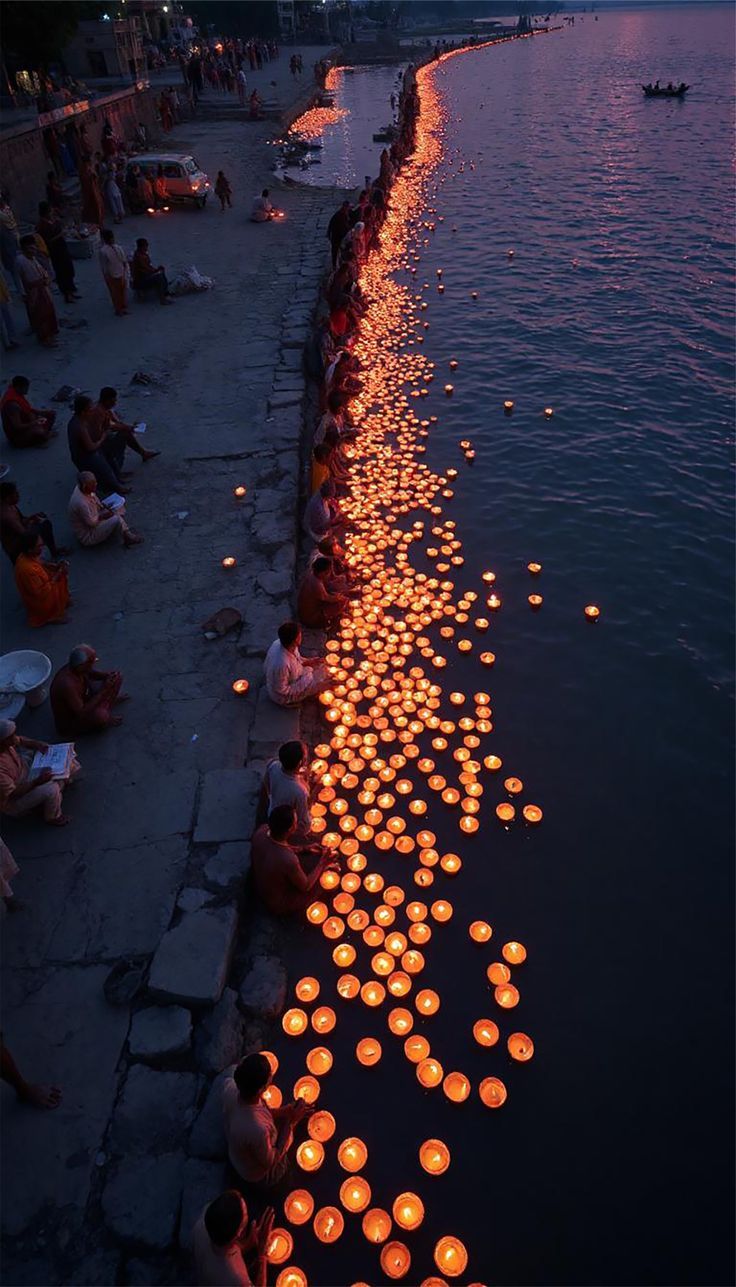
The Panchkroshi Yatra (पंचकोशी यात्रा) is the sacred parikrama around the whole of Kashi: an 88 km circuit that begins and ends at Manikarnika, with five padavs (halts), Kardameshwar, Bhimchandi, Rameshwar, Shivpur and Kapildhara, and 108 Shiva shrines along the way. Traditionally walked over five days, it is done today either on foot with dharamshala halts or in a single day by vehicle. varanasiayodhyatours.com plans both versions, the sankalp, the route and the pace, on WhatsApp.
View Details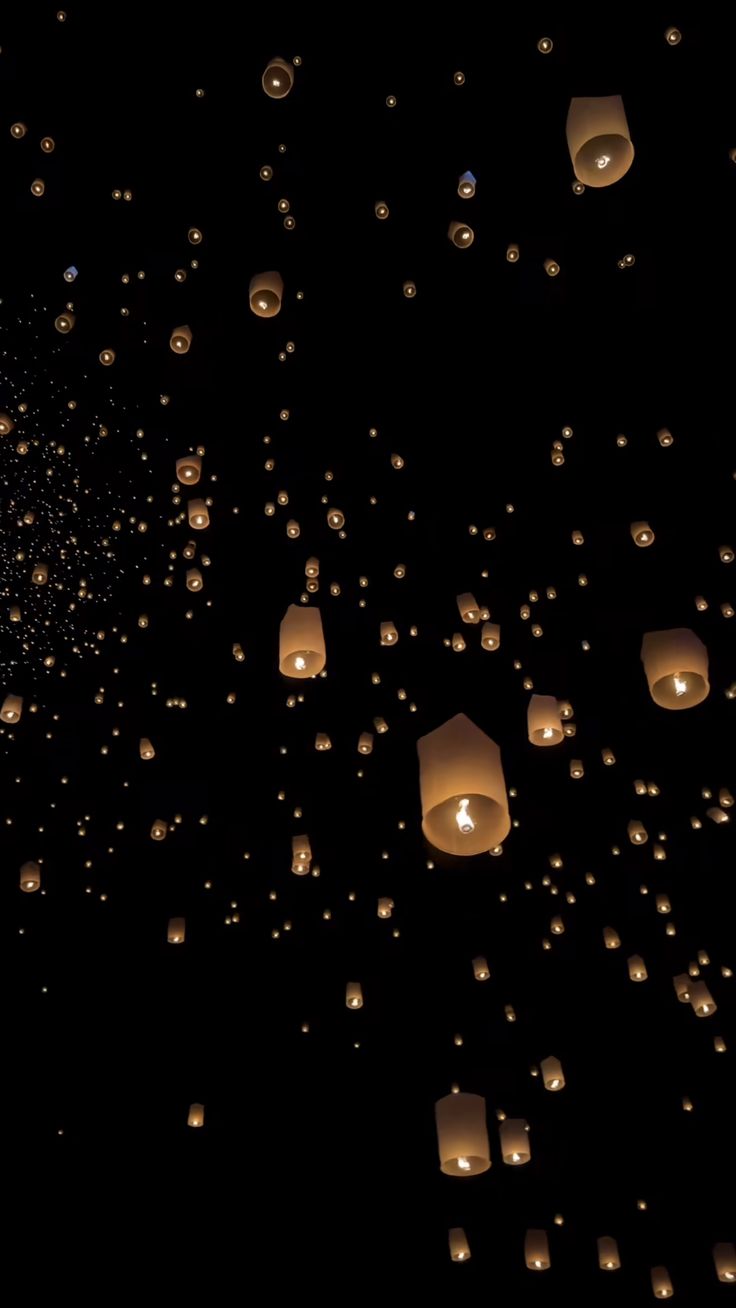
Subah-e-Banaras (सुबह-ए-बनारस) is Varanasi's daily dawn ritual at Assi Ghat: begun on 24 November 2014, it opens in the Brahma Muhurta before sunrise with Vedic chanting and a hawan, a morning Ganga aarti to the rising sun, then live Banaras Gharana classical music and an open yoga session on the ghat steps. It runs every morning, is free to attend, and is the contemplative dawn counterpart to the grand evening Ganga Aarti at Dashashwamedh. varanasiayodhyatours.com plans the pre-dawn pickup, the seating and a sunrise boat around it, on WhatsApp.
View Details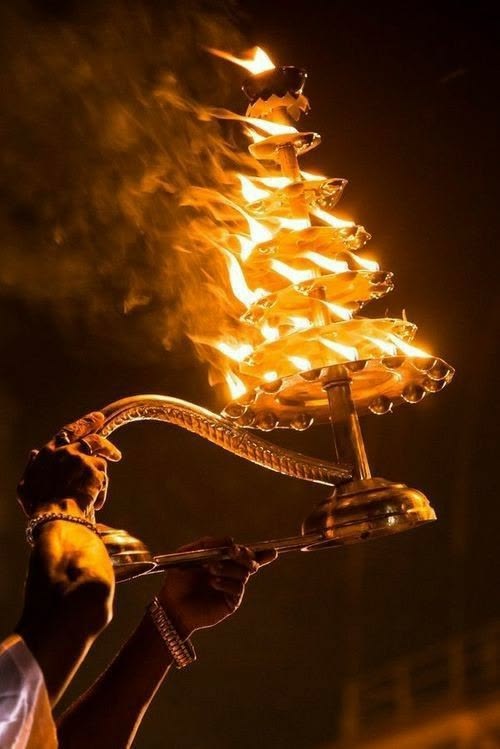
The Nageshwarnath temple (नागेश्वरनाथ) is Ayodhya's ancient presiding Shiva shrine, at Ram ki Paidi on the banks of the Saryu, said to have been established by Kush, the son of Lord Rama. In a city given to Rama, it is the great centre of Shiva worship, coming alive above all at Maha Shivratri, with its famous Shiva Baraat, and through the month of Sawan. varanasiayodhyatours.com plans the darshan and the Shiva festivals around it, on WhatsApp.
View Details
The Panchkroshi Yatra (पंचकोशी यात्रा) is the sacred parikrama around the whole of Kashi: an 88 km circuit that begins and ends at Manikarnika, with five padavs (halts), Kardameshwar, Bhimchandi, Rameshwar, Shivpur and Kapildhara, and 108 Shiva shrines along the way. Traditionally walked over five days, it is done today either on foot with dharamshala halts or in a single day by vehicle. varanasiayodhyatours.com plans both versions, the sankalp, the route and the pace, on WhatsApp.
View Details