
3 nights / 4 days
Pilgrimage
₹37,000
Starting From


Senior Citizen Kashi Ayodhya Yatra
Varanasi, Prayagraj & Ayodhya (Elders)|Pilgrimage
One City A Day Pace
Lift-Access Rooms
Daily Family WhatsApp
A 40-year guide to Guptar Ghat, the serene Saryu ghat where Rama is believed to have taken Jal Samadhi, its temples, sunset views, and why it beats the crowds at Ram Ki Paidi.
Drop your details and we'll craft a personalized spiritual package.
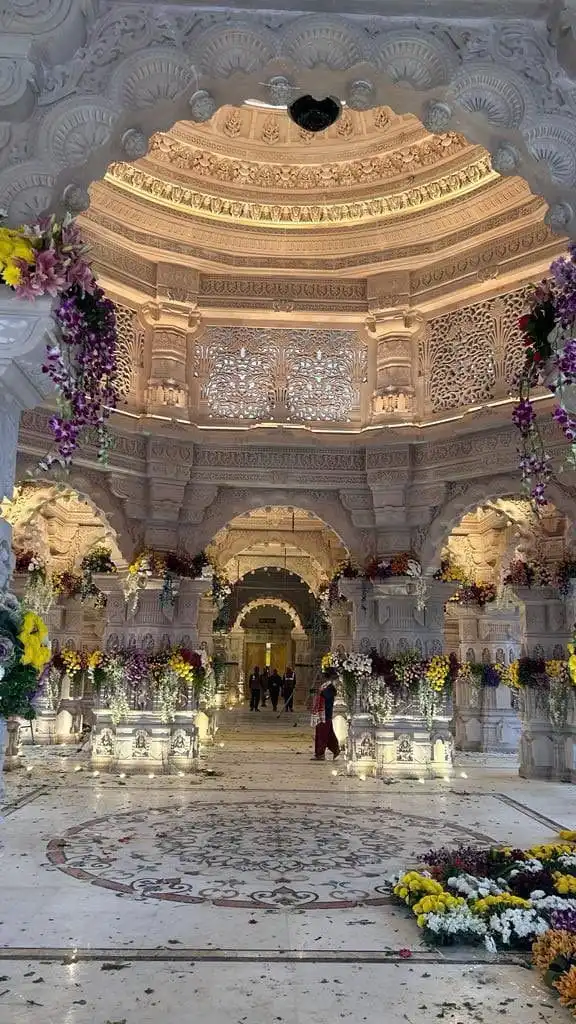
Home to the Ram Janmabhoomi temple, Hanuman Garhi, and Dashrath Mahal. The Saryu aarti at sunset is quieter than Varanasi's,it moves people who expected only the Ram Mandir to remember it most.
Guptar Ghat, also called Gopratar Tirtha, is a serene, temple-lined ghat on the Saryu, traditionally the site where Lord Rama took Jal Samadhi and departed the world. It sits about 6 to 9 km from Ram Mandir on the Faizabad side, is far quieter than Ram Ki Paidi, and is beautiful at sunset. Entry is free.
I am Rajeev Sharma, born on the ghats of Varanasi and guiding here for over forty years. When pilgrims ask me where to find the peace they came for, I send them to Guptar Ghat. Let me tell you why it is still where I take my own family.
Guptar Ghat, or Gopratar Tirtha, is the Saryu ghat where tradition holds that Lord Rama took Jal Samadhi, entering the river to leave the mortal world at the end of his life. It lies on the Faizabad side of the river, about 6 to 9 km from the centre, and is lined with old temples. It is serene, scenic and far less crowded than Ram Ki Paidi, which is exactly its appeal.
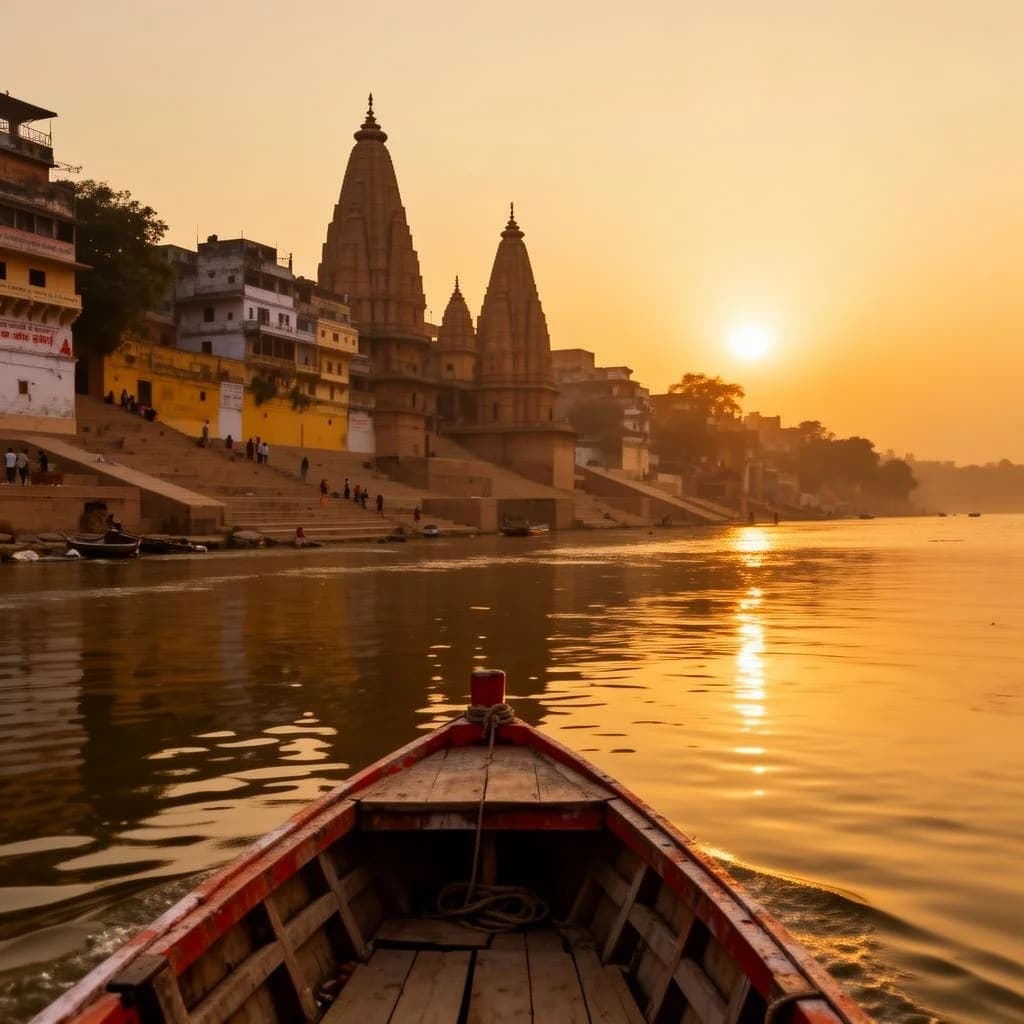
The ghat itself, where Rama is believed to have taken Jal Samadhi, is the heart of the visit, and the old temples along it, including Vishnu and Narsingh shrines, reward a slow wander. Sunset over the Saryu here is quietly beautiful, and the nearby Company Garden adds a green pause. A holy dip and gentle boating are possible in the calm waters.
From the ground: Ram Ki Paidi is the aarti everyone photographs, and you should see it once. But Guptar Ghat is the river people actually came for, the quiet, the old priests with time to talk, the light going gold on the water. In forty years it is still where I bring my own family at dusk.
Comparison of the two key Saryu ghats in Ayodhya
Guptar Ghat sits about 6 to 9 km from Ram Mandir, so it suits a second day rather than the packed first-day circuit. It pairs well with the Faizabad heritage monuments on the same side of the river, and with the Company Garden. See the full Ayodhya guide and the two-day itinerary.
Take an auto, e-rickshaw or car for the 6 to 9 km, since it is too far to walk from the temple. Want it timed for sunset and paired with the Faizabad monuments? See our Ayodhya packages or message me, Rajeev, on WhatsApp at +91 7302265809.
Curated itineraries featuring this divine destination.






Grouped for quick scanning
Everything you need to know about Guptar Ghat.
Topic 01
8 questions
Guptar Ghat, or Gopratar Tirtha, is a serene, temple-lined ghat on the Saryu in Ayodhya, traditionally the site where Lord Rama took Jal Samadhi. It is about 6 to 9 km from Ram Mandir, far quieter than Ram Ki Paidi, and beautiful at sunset. Entry is free.
It is famous as the place where, by tradition, Rama took Jal Samadhi and departed the mortal world. That, plus its calm, scenic, temple-lined setting, makes it one of Ayodhya's most peaceful and meaningful ghats.
Jal Samadhi means leaving the body by entering sacred water. Tradition holds that Rama walked into the Saryu here at the end of his life to return to his divine abode, which makes Guptar Ghat a deeply revered spot.
Gopratar Tirtha is another name for Guptar Ghat, the sacred crossing or ford on the Saryu associated with Rama's departure from the world. The two names refer to the same ghat.
Because it sits 6 to 9 km out on the Faizabad side, away from the central temple crowds and the daily aarti at Ram Ki Paidi. That distance keeps it calm, which is exactly why many pilgrims prefer it.
Yes, it lies on the Faizabad side of the Saryu, which is why it pairs naturally with the Faizabad heritage monuments and suits a second-day visit.
The ghat is lined with old temples, including Vishnu and Narsingh shrines and others, which reward an unhurried wander. The temples and the river setting together give the ghat its serene character.
Yes, as the traditional site of Rama's Jal Samadhi, his departure from the world, it marks the close of the Ramayana's earthly story. It is a place of reflection rather than celebration.
Topic 02
6 questions
Entry is free and the ghat is open through the day. It is loveliest at sunset and in the quiet early morning. Verify any temple-specific hours along the ghat locally.
No, the ghat is free to visit. Optional extras like a boat ride carry a charge, agreed with the boatman.
Sunset, for the golden light on the Saryu and the calm, or early morning for stillness and mist in winter. Both are far quieter than the evening crowds at Ram Ki Paidi.
Allow about an hour to wander the temples, sit by the river and watch the light. It rewards an unhurried visit rather than a quick stop.
Yes, and sunset is the prime time. The riverside is calm and beautiful as the light fades, a peaceful contrast to the busy aarti at Ram Ki Paidi.
The grand evening aarti is at Ram Ki Paidi, not here. Guptar Ghat is about quiet and reflection, with worship at its riverside temples, rather than a large ceremony.
Topic 03
6 questions
The ghat where Rama took Jal Samadhi, the old riverside temples including Vishnu and Narsingh shrines, sunset over the Saryu, and the nearby Company Garden for a green pause.
Yes, the calm waters here suit a quiet holy dip, away from the central crowds. Stay in the shallow, marked areas, take care on wet steps, and avoid bathing alone or in strong current.
Gentle boating is possible in the calm waters, agreed with local boatmen. It is a peaceful way to see the ghat and the river, especially at sunset.
Yes, the temple-lined ghat and the sunset light on the Saryu make it one of the most photogenic, uncrowded spots in Ayodhya. Mornings bring mist and stillness in winter.
The Company Garden is a colonial-era public garden on the Faizabad side, a green, leisurely pause that pairs well with a visit to Guptar Ghat.
No strict rule for the open ghat, but dress modestly for the temples along it, covering shoulders and knees, and carry a shawl. Respect those praying and bathing.
Topic 04
6 questions
About 6 to 9 km, on the Faizabad side of the Saryu. It is too far to walk, so take an auto, e-rickshaw or car, and it suits a second-day visit.
The second day. At 6 to 9 km out it sits apart from the packed first-day temple circuit, and it pairs well with the Faizabad heritage monuments on the same side.
The Faizabad heritage monuments, Gulab Bari and Bahu Begum Ka Maqbara, and the Company Garden, all on the same side of the river. Together they make a relaxed half-day away from the central crowds.
Yes, it is a Day 2 highlight, often combined with Mani Parvat in the morning and Faizabad heritage in the afternoon. See our day-by-day itinerary.
Neither is better; they are different. Ram Ki Paidi is the famous aarti and Deepotsav spectacle, while Guptar Ghat is quiet, scenic and reflective. See both if you can, the crowd for one, the calm for the other.
Yes, ideally. Both sit on the Faizabad side, so a second-day plan linking Guptar Ghat with Gulab Bari and Bahu Begum Ka Maqbara flows naturally.
Topic 05
8 questions
Take an auto, e-rickshaw or car for the 6 to 9 km from Ram Mandir, as it is too far to walk. We include it as a timed second-day stop in our packages.
Yes, unlike the inner temple lanes, Guptar Ghat is reachable by car and auto, since it sits out on the Faizabad side. Parking is available near the ghat.
Yes, there is parking near the ghat, as it is outside the vehicle-restricted inner city. Confirm arrangements locally on busy days and festivals.
Yes, it is safe and calm. Take normal care near the water and on wet steps, keep children close, and avoid the river edge after dark.
Options are fewer than in the central city, so plan a meal in town or carry water and snacks. The Faizabad side has eateries you can pair with a heritage stop.
Yes, with care. It is reachable by car, and the riverside is gentle, though the steps to the water need caution. We keep it relaxed and seated for elderly travellers, with a boat if they wish.
Yes, it is a calm, open riverside that suits families, but keep children away from the water edge and hold hands on the steps. The boat ride is a gentle treat.
A few stalls serve flowers, puja items and snacks near the ghat, but it is far quieter and less commercial than the central bazaars. Carry essentials with you.
Topic 06
16 questions
October to March, when the weather is mild and the riverside evenings pleasant. Winter mornings bring mist and stillness. Avoid the April to June heat at the open ghat.
It is busier on major bathing days like Kartik Purnima, but generally far quieter than Ram Ki Paidi even then. For solitude, an ordinary sunset or early morning is ideal.
Not strictly, but a guide explains the Jal Samadhi tradition and the riverside temples, and times your visit for sunset with the Faizabad monuments. It deepens what can otherwise feel like just a pretty ghat.
Yes, foreigners are welcome. Dress modestly for the temples, take care near the water, and enjoy one of the cleanest, most scenic corners of Ayodhya.
Yes, very. For peace, sunset views and the moving significance of Rama's Jal Samadhi, it is the ghat I recommend most to anyone wanting reflection over spectacle.
Sunset over the Saryu, a slow wander through the old riverside temples, and a quiet moment at the spot of Rama's Jal Samadhi. The calm is the whole point, so do not rush it.
Because the peace people travel to Ayodhya for is easiest to find here, away from the central crowds. The river, the old temples and the light at dusk give the reflective experience the busy ghats cannot.
We add Guptar Ghat as a timed second-day sunset stop, paired with the Faizabad heritage monuments on the same side of the river. See our Ayodhya packages, or message me, Rajeev, on WhatsApp at +91 7302265809.
No. Ram Ki Paidi is the central ghat for the evening Saryu aarti and Deepotsav, about 2 km out, while Guptar Ghat is a quieter ghat 6 to 9 km away on the Faizabad side, tied to Ramas Jal Samadhi.
Tradition holds that at the end of his earthly life Rama walked into the Saryu here and took Jal Samadhi, returning to his divine form. Guptar Ghat marks the close of the Ramayanas earthly story.
The riverside temples include Vishnu and Narsingh shrines among others, fitting a place tied to Rama, an avatar of Vishnu. A slow wander takes in several of these old temples.
By a short auto or car ride, as both sit on the Faizabad side of the river. A second-day plan linking Guptar Ghat with Gulab Bari and Bahu Begum Ka Maqbara flows naturally.
Roughly several kilometres, on the Faizabad side, reachable by auto or car. It is a planning figure that varies by route, so confirm locally.
It is on the Faizabad side, a manageable drive from the airport, though not adjacent. Your driver or our transfer can route you there as part of a second-day plan.
Yes, with a steady local boatman in the calm waters, it is gentle and safe. Agree the fare first, wear nothing that hinders movement, and follow the boatmans guidance.
Pilgrims offer prayers and take a quiet dip here in connection with Ramas Jal Samadhi. For shradh and asthi-visarjan specifically, Bharat Kund at Nandigram is the traditional site. Ask your guide for the right place for your ritual.
Still have a question?
Message Rajeev on WhatsApp