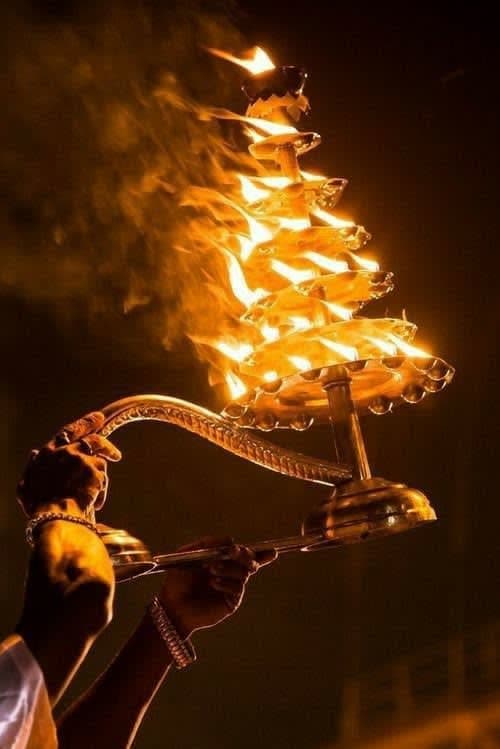
3 nights / 4 days
Pilgrimage
₹37,000
Starting From


Senior Citizen Kashi Ayodhya Yatra
Varanasi, Prayagraj & Ayodhya (Elders)|Pilgrimage
One City A Day Pace
Lift-Access Rooms
Daily Family WhatsApp
A complete 40-year guide to Kaal Bhairav Temple, the Kotwal of Kashi, including history, timings, unique liquor offerings, and rituals.
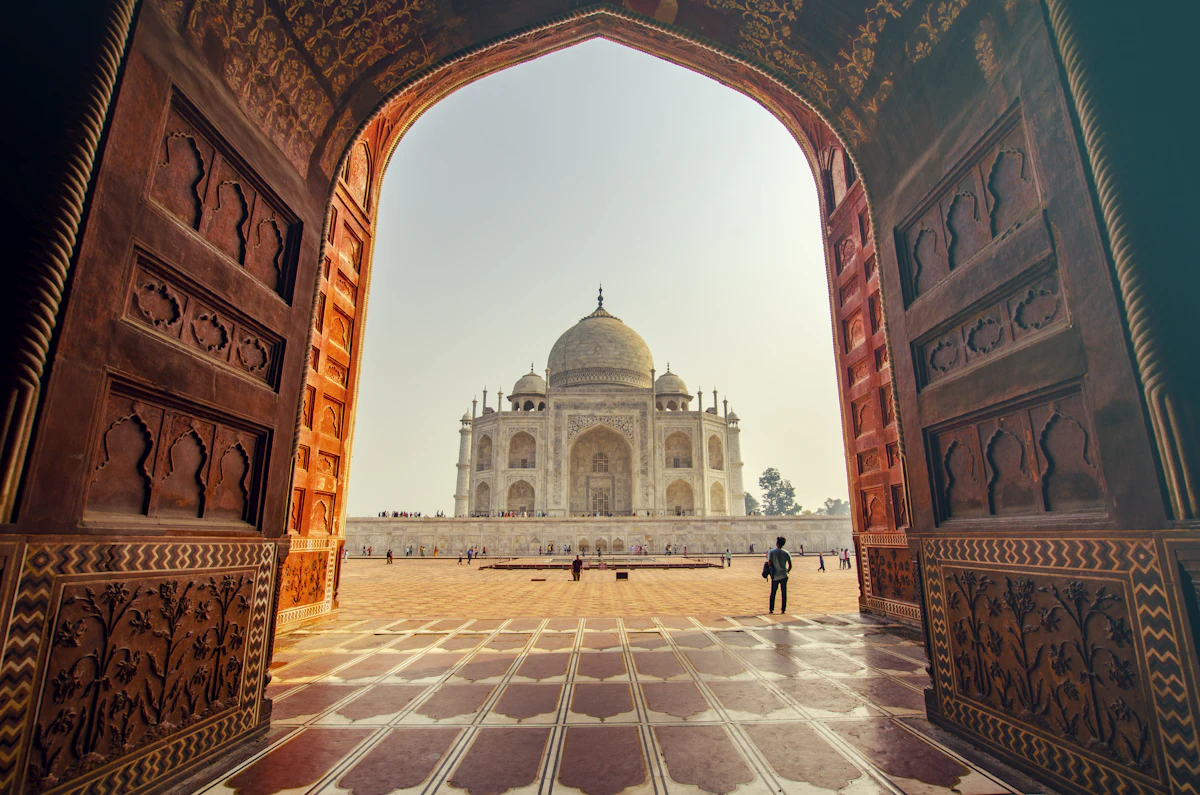
Drop your details and we'll craft a personalized spiritual package.
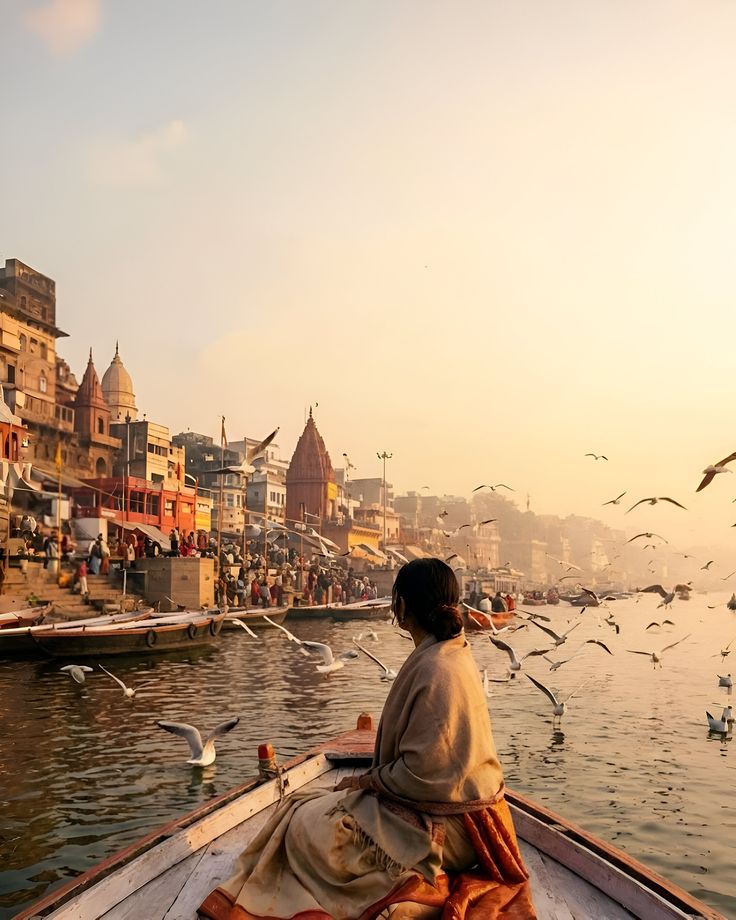
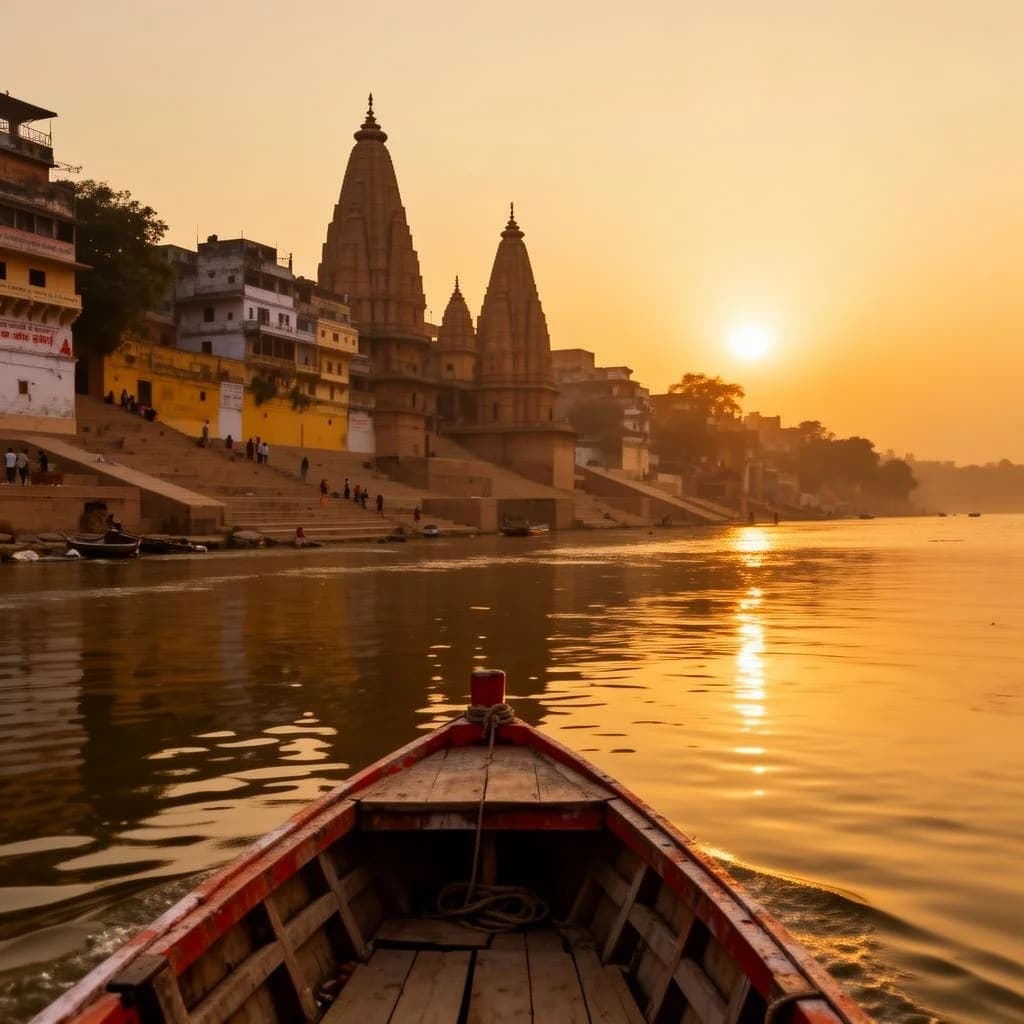
The Kashi Vishwanath Temple, the Dashashwamedh Ganga Aarti, a sunrise boat ride past the 80-plus ghats, and Sarnath, where the Buddha gave his first sermon
Kaal Bhairav is a fierce manifestation of Lord Shiva and the guardian deity of Varanasi, revered as the Kotwal of Kashi, the city's divine magistrate and protector. Devotees hold that no soul can enter, live in or leave Kashi without his permission, and his temple is one of the oldest and most powerful shrines in the city. The atmosphere is intense and charged rather than serene, with drums, bells and the damru sounding through the aarti. He is worshipped to remove fear, ward off evil and negative energy, and grant courage and protection.
In Sanskrit, “Kal” means time, fate and death, while “Bhairav” means the fearsome one, or, by another reading, the one who protects his devotees from all fear. The name Bhairav is also explained as combining creation, sustenance and destruction, the powers of Brahma, Vishnu and Shiva. Kaal Bhairav is thus the Lord of Time, beyond death itself, who in Kashi has taken on the duties of guardian and magistrate. He is also called Kshetrapal, the protector of the sacred field of Kashi.
The origin legend is tied to the establishment of Shiva's supremacy. During a dispute over who was supreme, Brahma, in his arrogance, spoke against Shiva, and from Shiva's anger arose the fierce Kaal Bhairav, who severed one of Brahma's five heads. This brought upon him the sin of Brahmahatya, and the skull stuck to his hand as he wandered the three worlds. Only when he reached Kashi was the curse lifted and the skull released, at the spot known as Kapal Mochan, “the release of the skull.” There Kaal Bhairav settled forever as the guardian of the city. The legend is read as the victory of divine truth over ego.
Kotwal means the chief guardian or commanding officer of a fort, and by extension the magistrate. As the deified Kotwal of Kashi, Kaal Bhairav is believed to maintain order and protect the sacred city, deciding the course of justice for its residents. It is said that even Yama, the lord of death, cannot enter Kashi without his leave. So strong is the tradition that government and administrative officials have long paid their respects on assuming charge in the city. There are believed to be eight forms of Bhairav guarding different quarters of Kashi, with their agents stationed along the pilgrimage routes as watchmen.
This is the connection every pilgrim should know. By a deeply held tradition, the worship of Kashi Vishwanath is not complete without the darshan of Kaal Bhairav, the Kotwal, since one is held to need the guardian's leave. Customs vary on the order: many pilgrims pay their respects to Kaal Bhairav first, taking the Kotwal's permission before the Jyotirlinga, while others visit him after Kashi Vishwanath. Either way, a full Kashi yatra includes both. We sequence them together so you do not miss the Kotwal. See our Kashi Vishwanath darshan guide and Varanasi itinerary.
Entering the temple, you pass two stone dogs in the courtyard, for the dog is Kaal Bhairav's vehicle. In the inner sanctum, only the silver face of the deity is visible from the door, adorned with flowers, with fiery eyes, and in his fierce form garlanded with skulls and serpents and bearing a trident. The temple is built in the Nagara, North Indian, style, with a tall spire and carved pillars, and it holds smaller shrines to the Navagraha, Durga, Hanuman and Ganesha. The whole effect is powerful and commanding, fitting the guardian of the city.
Worship at Kaal Bhairav has its own distinctive forms:
Note: the liquor offering is a religious ritual of symbolic surrender; the sealed bottle is returned as prasad. We describe the custom as observed at the temple, nothing more.
Opening hours and daily aarti times
Sunday and Tuesday are especially auspicious for Kaal Bhairav worship, along with Ashtami and Chaturdashi (Kaalashtami). The great festival is Bhairav Ashtami, also called Kaal Bhairav Jayanti, on the Ashtami of the dark fortnight of Margashirsha, when his appearance is celebrated grandly with lamps and prasad. Mahashivratri and Annakoot are also observed. On these days the temple is busiest and most charged.
Kaal Bhairav Temple is in the Bhairavnath area of Vishweshwarganj, the quarter known as Kotwalpuri, near Kashi Vishwanath, commonly about 1.5 km away. It is roughly 5 km from Varanasi Junction and about 20 km from the airport. The lanes are narrow, so the final approach is on foot or by cycle rickshaw, and many pilgrims walk from Kashi Vishwanath as part of the yatra. See how to reach Varanasi.
We are Experience My India, rated 4.5 stars on TripAdvisor and Google, with 50,000+ guests served since 2018. We make sure you do not miss the Kotwal: we sequence Kaal Bhairav with your Kashi Vishwanath darshan and the nearby Annapurna Devi temple, with a guide who explains the tradition and the rituals and navigates the lanes. For South Indian pilgrims, everything is in Telugu or Kannada. See our Varanasi packages or message Rajeev's team on WhatsApp at +91 7302265809. Plan from the Varanasi travel guide.
Curated itineraries featuring this divine destination.
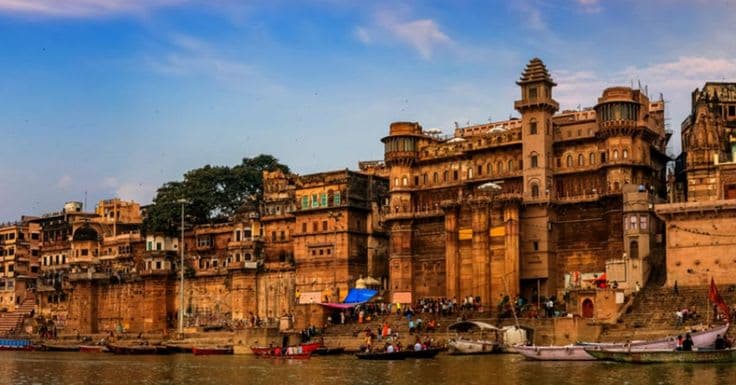






Grouped for quick scanning
Everything you need to know about Kaal Bhairav Temple.
Topic 01
9 questions
Kaal Bhairav Temple is one of the oldest and most powerful shrines in Varanasi, dedicated to Kaal Bhairav, a fierce form of Shiva revered as the Kotwal, the divine guardian and magistrate, of Kashi. Devotees come to seek protection, courage and the removal of fear. By tradition, no Kashi yatra is complete without his darshan.
Kaal Bhairav is a fierce manifestation of Lord Shiva, the guardian deity of Varanasi, worshipped as the Kotwal of Kashi. He represents the lordship over time, fate and death, and the protection of his devotees from fear and evil. In Kashi he is held to maintain cosmic and civic order, deciding justice for the city's residents.
Kotwal means the chief guardian or commanding officer of a fort, and by extension the magistrate. As the Kotwal of Kashi, Kaal Bhairav is the city's divine guardian and magistrate, believed to maintain order and protect Varanasi. The tradition holds that no one can enter, live in or leave the city without his permission and blessing.
In Sanskrit, "Kal" means time, fate and death, and "Bhairav" means the fearsome one, or the one who protects from fear. Together the name conveys the Lord of Time who is beyond death and who shields his devotees from all fear. The name Bhairav is also read as combining the powers of creation, sustenance and destruction.
Yes, Kaal Bhairav is a fierce manifestation of Lord Shiva, arising, by legend, from Shiva's anger. He embodies Shiva's destructive and protective power, taking on the role of guardian and magistrate of Kashi. He is worshipped in his own right as a powerful deity, while remaining a form of Shiva, the king of Kashi.
By legend, after his curse was lifted at Kashi, Kaal Bhairav settled there forever, and Shiva appointed him guardian to protect the city and maintain order. As the Kotwal, he watches over everyone in Kashi, wards off evil, and decides justice for residents. This is why he is held to be the divine protector whose permission governs the sacred city.
By tradition, no: it is held that no soul can enter, live in or leave Varanasi without the permission and blessing of Kaal Bhairav, the Kotwal. This belief is central to his worship and is why his darshan is considered essential to a Kashi visit. It is a matter of deep faith for the people of Kashi.
By long tradition, yes, officials taking up posts in the city have paid their respects to Kaal Bhairav, the Kotwal of Kashi, on assuming charge, regardless of background, as a mark of seeking the guardian's leave. This reflects how deeply the belief in his authority over the city runs in Kashi's culture.
It is part of the belief that Kaal Bhairav, as the guardian of Kashi, controls who may enter the sacred city, and that even Yama, the lord of death, must have his leave. This underlines Kashi's special status as a place of liberation, where death itself is subject to the Kotwal's authority. It is a powerful expression of his guardianship.
Topic 02
6 questions
By legend, during a dispute over supremacy, Brahma in his arrogance offended Shiva, and from Shiva's anger arose the fierce Kaal Bhairav, who severed one of Brahma's five heads. The skull stuck to his hand as the sin of Brahmahatya, and he wandered until reaching Kashi, where the curse lifted. The story is read as the victory of divine truth over ego.
Kapal Mochan means "the release of the skull," the spot in Kashi where, by legend, the skull of Brahma that had clung to Kaal Bhairav's hand finally fell, freeing him of his curse. The Kaal Bhairav temple is associated with this site. The name marks the place where the guardian's wandering and curse came to an end.
The temple is one of the oldest in Varanasi, and the present structure is variously dated to a rebuilding in the 17th century after an earlier temple was destroyed, with some accounts attributing later construction to the Maratha queen Ahilyabai Holkar in the 18th century. Its sacred site is far older. Confirm the historical details if they matter for your purpose.
It is among the oldest temples in Varanasi, with a sacred history reaching back many centuries, and the present structure dating to a rebuilding in the 17th or 18th century. For long it was a center for Shaiva ascetics. Its precise age is uncertain, as with many ancient Kashi shrines, but its antiquity and importance are well established.
A local legend tells that when soldiers approached the temple after the destruction of Kashi Vishwanath, dogs, the vehicle of Kaal Bhairav, set upon them and forced a retreat, protecting the shrine. It is a folk tale expressing the belief in Kaal Bhairav's power as guardian. Like many such legends, it is part of the temple's living lore rather than documented history.
Beyond the wider public, Kaal Bhairav is particularly revered by Tantriks, Yogis and Siddhas, who venerate him as the Lord of Time and the fierce protector. The temple was historically a center for Shaiva ascetics. Today devotees of all kinds come for protection, courage and relief from fear, alongside these traditional worshippers.
Topic 03
5 questions
Customs vary. Many pilgrims pay their respects to Kaal Bhairav, the Kotwal, first, taking the guardian's permission before the Jyotirlinga, while others visit him after Kashi Vishwanath darshan. The essential point is that a full Kashi yatra includes both. We sequence them together so you do not miss the Kotwal, whichever order suits your plan.
By a deeply held tradition, yes: the worship of Kashi Vishwanath is considered incomplete without the darshan of Kaal Bhairav, the Kotwal of Kashi, because one is held to need the guardian's leave. This is why pilgrims make a point of visiting both. It is one of the most important customs of a Kashi pilgrimage.
Because he is the Kotwal, the divine guardian of the city, whose blessing and permission, by tradition, govern one's presence in Kashi, and without whose darshan the yatra and even the Vishwanath darshan are held incomplete. Visiting him is both an act of seeking protection and a completion of the pilgrimage. It is a custom every Kashi pilgrim should know.
Kaal Bhairav is near Kashi Vishwanath, commonly cited as about 1.5 km away, an easy distance to include in the same pilgrimage. Many devotees walk between the two through the narrow lanes as part of the yatra, a short and atmospheric journey. The final approach to each is on foot, as vehicles cannot enter the lanes.
Yes, many pilgrims walk between the two temples through the old-city lanes as part of the pilgrimage, a short walk lined with shops selling flowers, prasad and offerings. The walk itself is part of the experience. If you prefer not to walk, an auto or cycle rickshaw covers most of it, with the final lane stretch on foot.
Topic 04
4 questions
From the sanctum door, only the silver face of Kaal Bhairav is visible, adorned with flowers, with fiery, commanding eyes. In his fierce iconography he is garlanded with skulls and serpents and bears a trident, embodying his role as the awe-inspiring guardian. The form is intense and powerful rather than gentle, in keeping with his nature.
The dog is the vehicle, or vahana, of Kaal Bhairav, so two stone dogs stand in the courtyard at the entrance. Dogs are associated with him throughout his iconography and legend, and are traditionally fed offerings like white barfi. Their presence at the entrance marks the temple as the abode of the Kotwal and his faithful companion.
Within the temple compound are smaller shrines dedicated to the Navagraha, the nine planets, and to Durga, Hanuman and Ganesha, alongside the main sanctum of Kaal Bhairav. This allows devotees to pay their respects to several deities in one visit. The Navagraha shrine is especially relevant given Kaal Bhairav's association with fate and the planets.
The temple is built in the Nagara, or North Indian, style, with a tall spire and carved pillars, and elaborate detailing. The layout centres on the inner sanctum where the silver face of Kaal Bhairav is enshrined, with the courtyard and subsidiary shrines around it. The style is traditional and dignified, suiting the temple's antiquity and importance.
Topic 05
8 questions
Common offerings are mustard or til oil, lit in lamps, black sesame for the removal of obstacles, flowers and garlands, and sweets like peda and besan laddu. Many devotees also have a black thread tied for protection. The distinctive offering is sealed liquor, given symbolically and returned as prasad. Items are sold at shops near the entrance.
Uniquely, sealed liquor is offered to Kaal Bhairav and returned to the devotee as prasad. The priest does not open the bottle; it is offered symbolically. Rooted in ancient tantric tradition, it represents the surrender of ego, pride and fear before the guardian, not indulgence. It is one of the rare rituals that set this temple apart.
No. The sealed bottle is offered symbolically to the deity during the ritual and then returned, still sealed, to the devotee as prasad. The priest does not open it. The custom is about the symbolic surrender of ego and fear before the guardian of Kashi, a tantric tradition, rather than about consuming alcohol. It is observed with full respect.
The black thread, or Ganda, is tied on devotees by the temple priests, believed to free them from fear and protect against evil and negative forces. It is one of the temple's signature rituals. Many visitors come away wearing it as a token of Kaal Bhairav's protection. Priests may also pass peacock-feather brooms over pilgrims to sweep away bad omens.
Priests at Kaal Bhairav pass brooms made of peacock feathers over pilgrims as a ritual to sweep away bad omens and negative influences, part of the temple's protective rites alongside the tying of the black thread. It is a distinctive custom of this shrine, reflecting its role in warding off evil and fear for those who seek the guardian's protection.
The dog is the vehicle, or vahana, of Kaal Bhairav, his faithful companion, which is why stone dogs stand at the temple and dogs are traditionally fed offerings like white barfi in his honour. The dog symbolizes loyalty and watchfulness, fitting for the guardian of the city. Feeding dogs is considered a way of honouring the Kotwal.
By tradition, described in the Kashi Khand, circumambulating Kaal Bhairav eight times is held to free a devotee from sins, and sustained worship over months is said to grant spiritual attainments. The circumambulation is an act of devotion and purification. Many pilgrims perform it as part of seeking the Kotwal's blessing and protection.
Prasad includes peda, besan laddu, dry fruit and bhabhut, the sacred ash, along with the symbolically offered sealed liquor returned to those who offer it. The black thread is tied as a token of protection. You can buy offerings at the shops near the entrance. Carry some cash for prasad, offerings and any seva.
Topic 06
12 questions
The temple is open daily with a midday break, commonly cited as about 5:00 AM to 12:00 PM and 1:30 to 9:30 PM, though sources differ. The Mangala Aarti is around 5:30 AM and the Sandhya Aarti around 6:30 PM. Confirm the current hours locally, as listings conflict and the midday break in particular varies.
The Mangala Aarti is performed around 5:30 AM and the Sandhya Aarti around 6:30 PM, the latter being especially powerful, with drums, bells and the damru. Times can vary by day and on festivals. The evening aarti is the most atmospheric time to visit. Confirm the current schedule locally, as online listings often conflict.
Yes, the temple closes for a midday break, commonly cited as around noon to 1:30 PM or 1:30 to 3 PM for cleaning and preparations, after which it reopens for the afternoon and evening. As the exact timing varies by source, avoid a midday visit and plan for the morning or evening, confirming locally before you go.
Sunday and Tuesday are especially auspicious for Kaal Bhairav worship, along with Ashtami and Chaturdashi, the Kaalashtami days. On these days devotees come in larger numbers for special worship and to seek relief from troubles. The temple is busiest and most charged then; a weekday morning is calmer for an unhurried darshan.
Bhairav Ashtami, also called Kaal Bhairav Jayanti, marks the appearance of Kaal Bhairav, celebrated on the Ashtami of the dark fortnight of Margashirsha, with grand worship, the lighting of many lamps and the distribution of prasad. [VERIFY date.] It is the temple's biggest festival, drawing large crowds. Mahashivratri and Annakoot are also observed here.
No, entry is free for all devotees, with donations voluntary, and darshan is walk-in. As of 2026 there is no official online darshan or VIP booking facility, so every devotee is welcomed equally through the regular queue. Carry some cash for prasad and offerings. Be wary of anyone claiming to sell official online passes, as none exist.
It is in the Bhairavnath area of Vishweshwarganj, the quarter known as Kotwalpuri, near Kashi Vishwanath, commonly about 1.5 km away. It is roughly 5 km from Varanasi Junction and about 20 km from the airport. The temple sits within the old city, reached through narrow lanes on foot for the final stretch.
Take an auto, e-rickshaw or cab to a nearby point, then walk the final stretch through the narrow lanes, as vehicles cannot reach the temple; a cycle rickshaw can get closer. Many pilgrims walk from Kashi Vishwanath, about 1.5 km, as part of the yatra. We guide you through the lanes and sequence it with your Vishwanath darshan.
There is no strict dress code, but modest, respectful attire is expected, with shoulders and knees covered, and shoes removed before the inner sanctum. Maintain silence and respect during prayers and the aarti. Comfortable, modest clothing and easy footwear suit the visit and the walk through the lanes. Dress as you would for any sacred site.
Yes, it is safe, busy with devotees through its open hours, in a part of the old city well used by pilgrims. As in any crowded place and narrow lanes, keep your belongings secure and stay aware of your surroundings. A guide helps you navigate the lanes and the rituals. The atmosphere is intense but welcoming.
Yes, the temple welcomes all visitors, including non-Hindus, who should dress modestly, remove their shoes before the sanctum, and observe the customs respectfully. The powerful atmosphere and unique rituals make it a memorable visit. As with any active shrine, follow the priests' guidance and the other devotees, and approach with respect.
Yes. We sequence Kaal Bhairav with your Kashi Vishwanath darshan and the nearby Annapurna temple, with a guide who explains the Kotwal tradition and the rituals, navigates the narrow lanes, and ensures you do not miss the guardian. For South Indian pilgrims, everything is in Telugu or Kannada. Message us on WhatsApp at +91 7302265809.
Topic 07
9 questions
Early morning, after the temple opens around 5 AM, is best for a calm darshan, while the evening Sandhya Aarti around 6:30 PM is the most atmospheric, with drums, bells and the damru filling the lanes. Avoid the midday break. Sundays, Tuesdays and Kaalashtami are the most auspicious but the busiest days to visit.
On a quiet weekday morning, darshan can take well under an hour through the walk-in queue, while Sundays, Tuesdays, Kaalashtami, festivals and the evening aarti are busier and take longer. Visiting early keeps it short. Allow extra time for the walk through the narrow lanes from Kashi Vishwanath if you go on foot.
People visit to seek the Kotwal's protection and blessing, to remove fear and negative energy, to overcome obstacles and troubles, and to complete their Kashi yatra, since it is held incomplete without his darshan. Many also come for relief from what they believe to be malign influences. The temple is sought for courage, clarity and protection.
Yes, families visit, though the atmosphere is intense and the aarti loud with drums and bells, which some young children may find overwhelming. A calmer morning visit suits families better than the busy evening aarti. Keep children close in the narrow lanes and crowds. A guide helps explain the deity and the rituals in an age-appropriate way.
Kaal Bhairav sits near Kashi Vishwanath and the Annapurna temple in the old-city core, so it is naturally clustered with them in a morning of darshan, reached on foot through the lanes. It is the essential Kotwal stop of the Kashi yatra. We sequence it with Kashi Vishwanath and Annapurna so the guardian is not missed.
Kaal Bhairav is the chief and most revered, the Kotwal of Kashi, while tradition holds there are eight forms of Bhairav, the Ashta Bhairav, guarding the eight directions and quarters of the city, with their agents stationed along the pilgrimage routes as watchmen. Kaal Bhairav is the principal guardian to whom pilgrims pay their respects.
Photography inside the sanctum is generally restricted, as at most active temples, and you should not photograph the deity or rituals without permission. [VERIFY current rules.] Follow the temple's guidance and the example of other devotees. Keep phones put away during darshan and the aarti, and carry only what you need given the crowds and narrow lanes.
A guide is not essential but is genuinely helpful here, to navigate the narrow old-city lanes, explain the Kotwal tradition and the distinctive rituals like the black thread and the liquor offering, and sequence the visit with Kashi Vishwanath so you do not miss it. For South Indian pilgrims, a Telugu or Kannada speaking guide makes the meaning clear.
That his darshan is an essential part of the Kashi yatra, traditionally completing the worship of Kashi Vishwanath, so it should not be skipped. The rituals, the black thread and the liquor offering, may be unfamiliar, so a guide who explains them in Telugu or Kannada helps. We make sure South Indian pilgrims include the Kotwal in their pilgrimage with full understanding.
Still have a question?
Message Rajeev on WhatsApp