HomeDestinationsAyodhya

Ayodhya
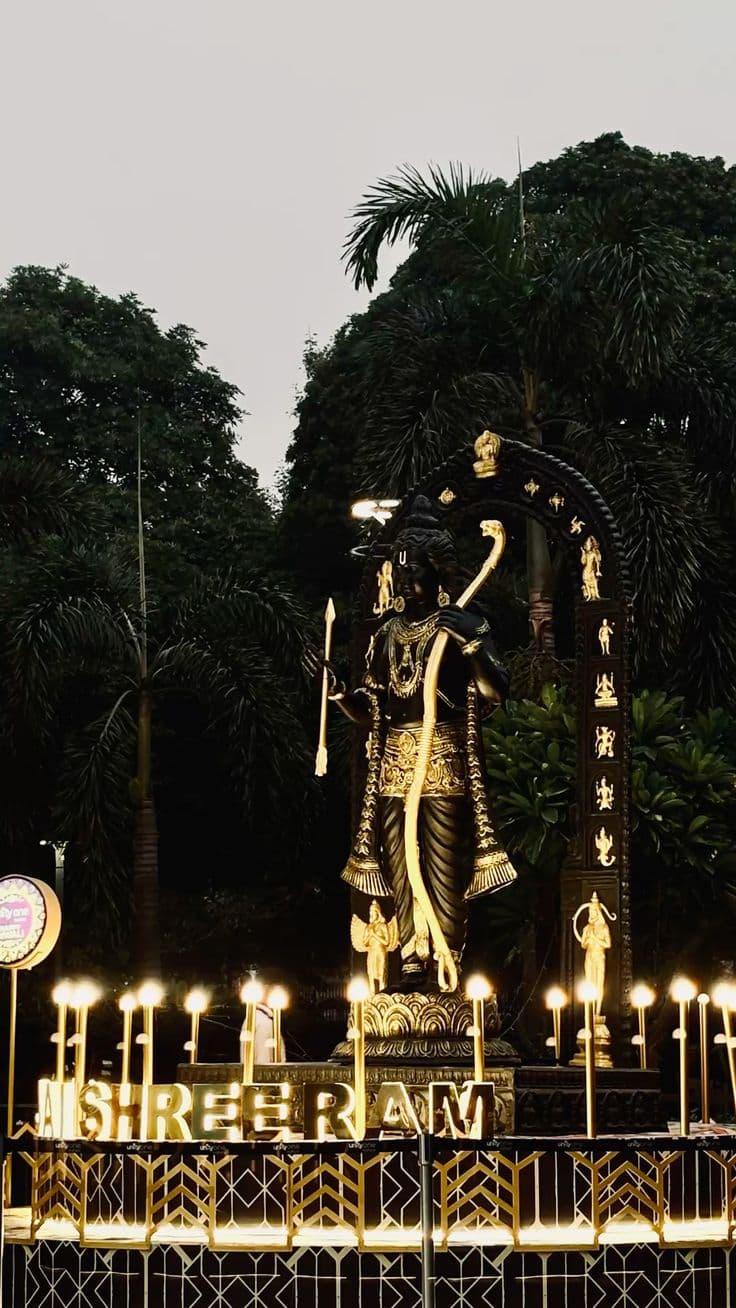
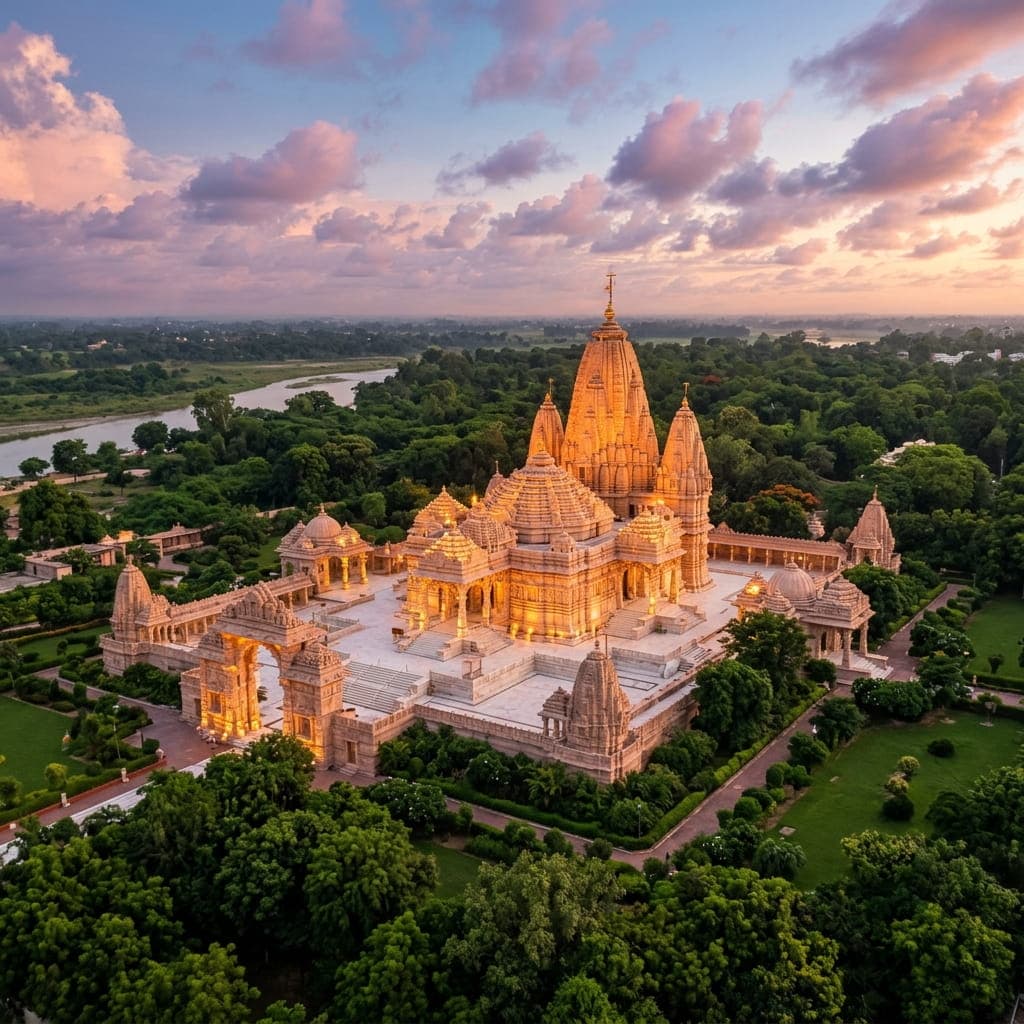
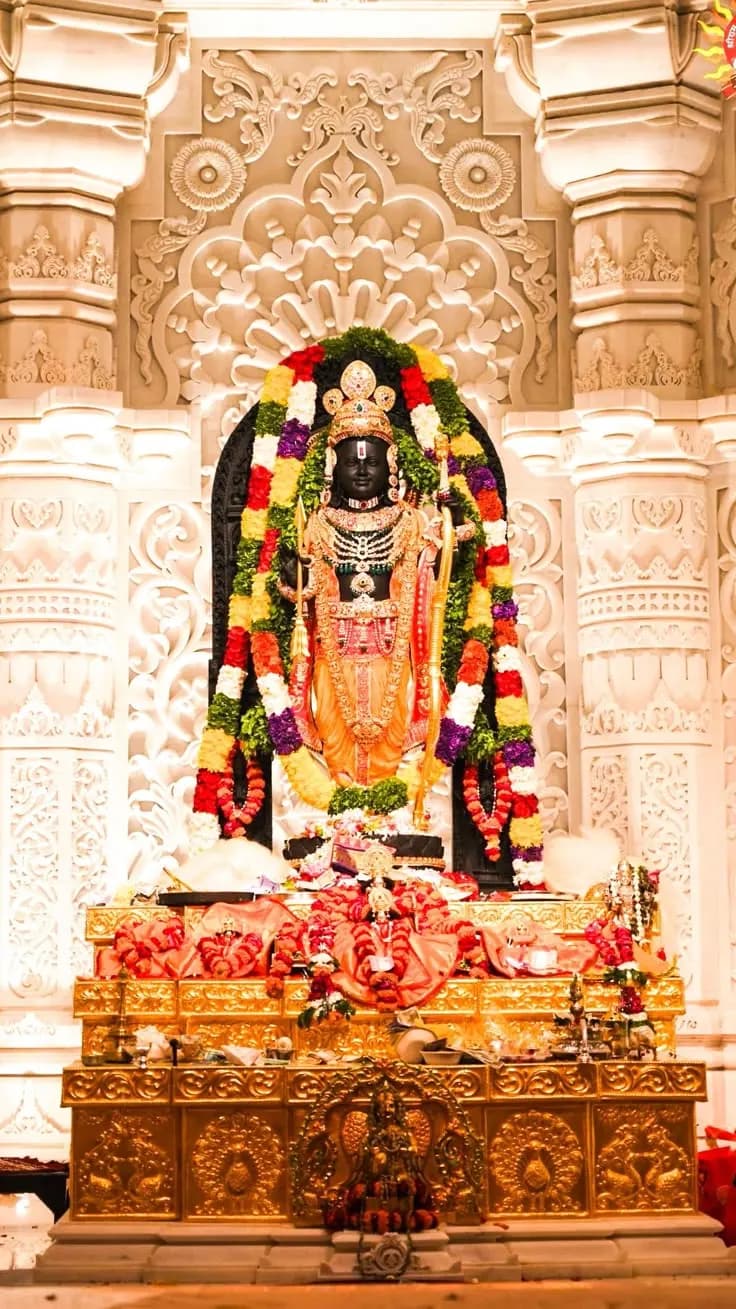
the birthplace of Lord Rama.

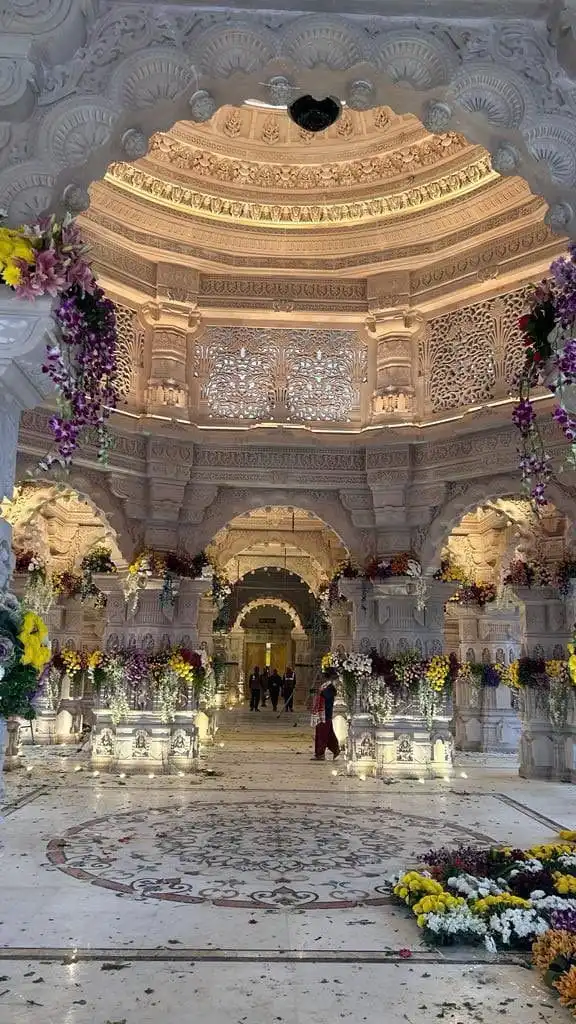
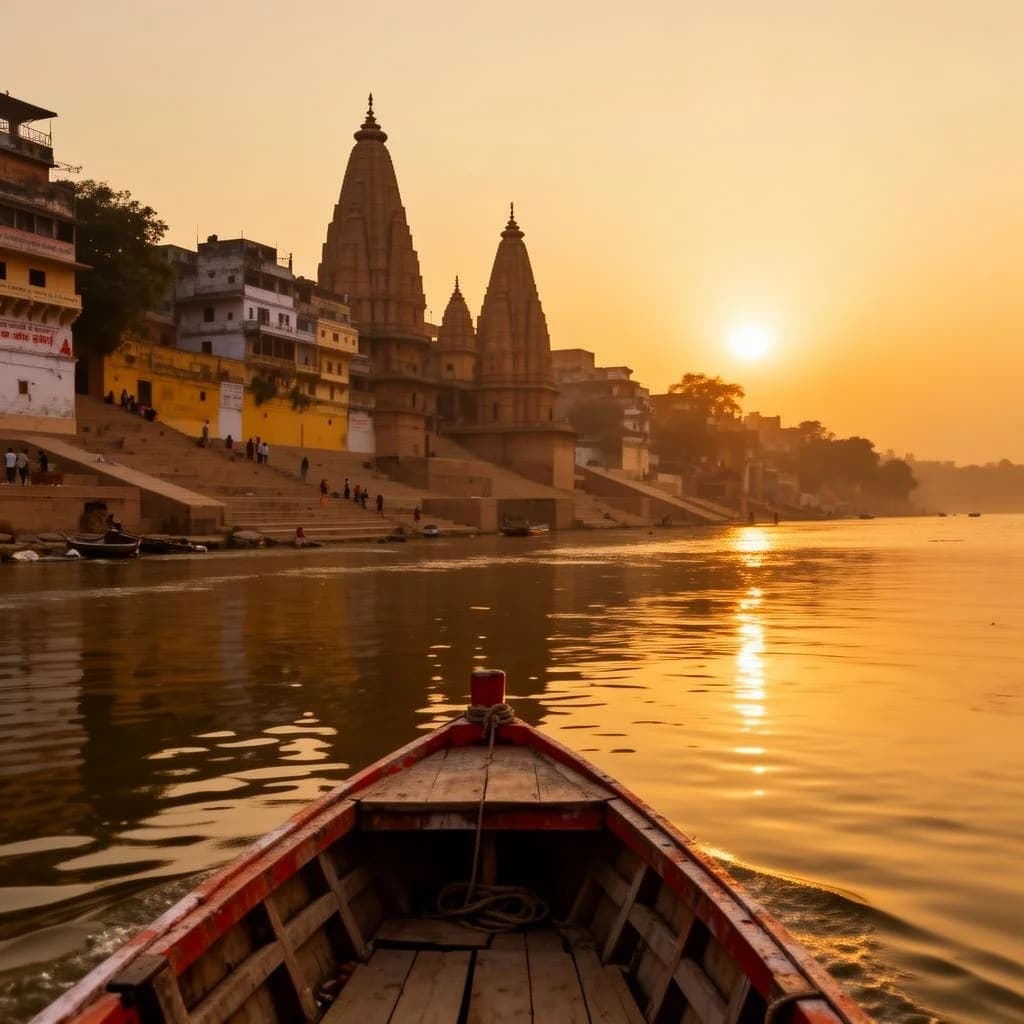
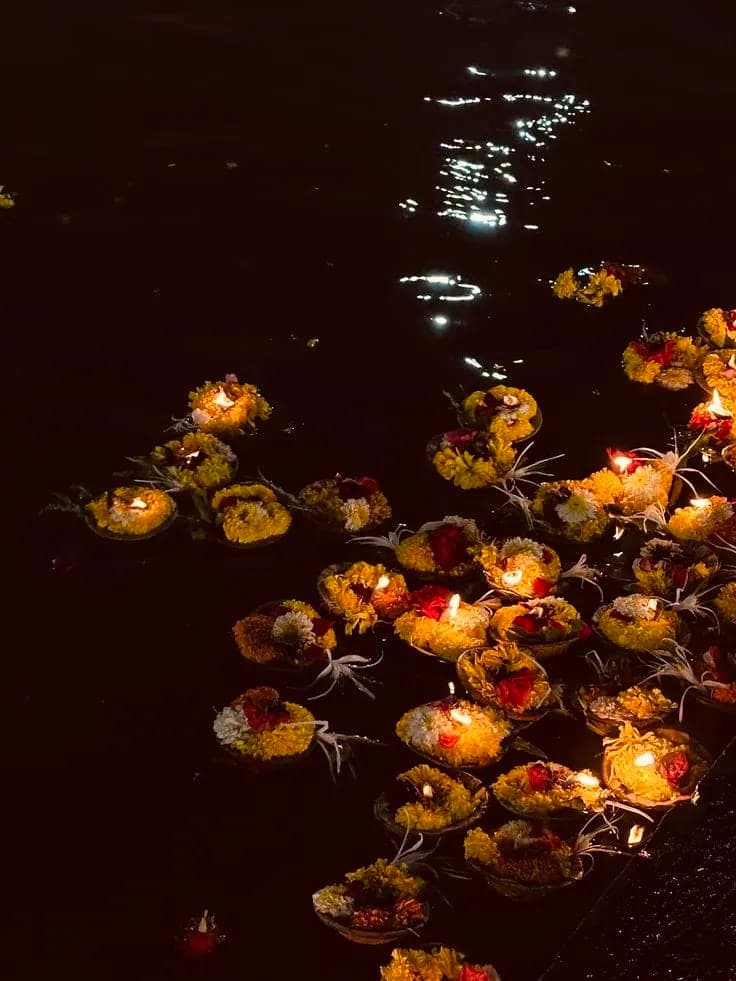
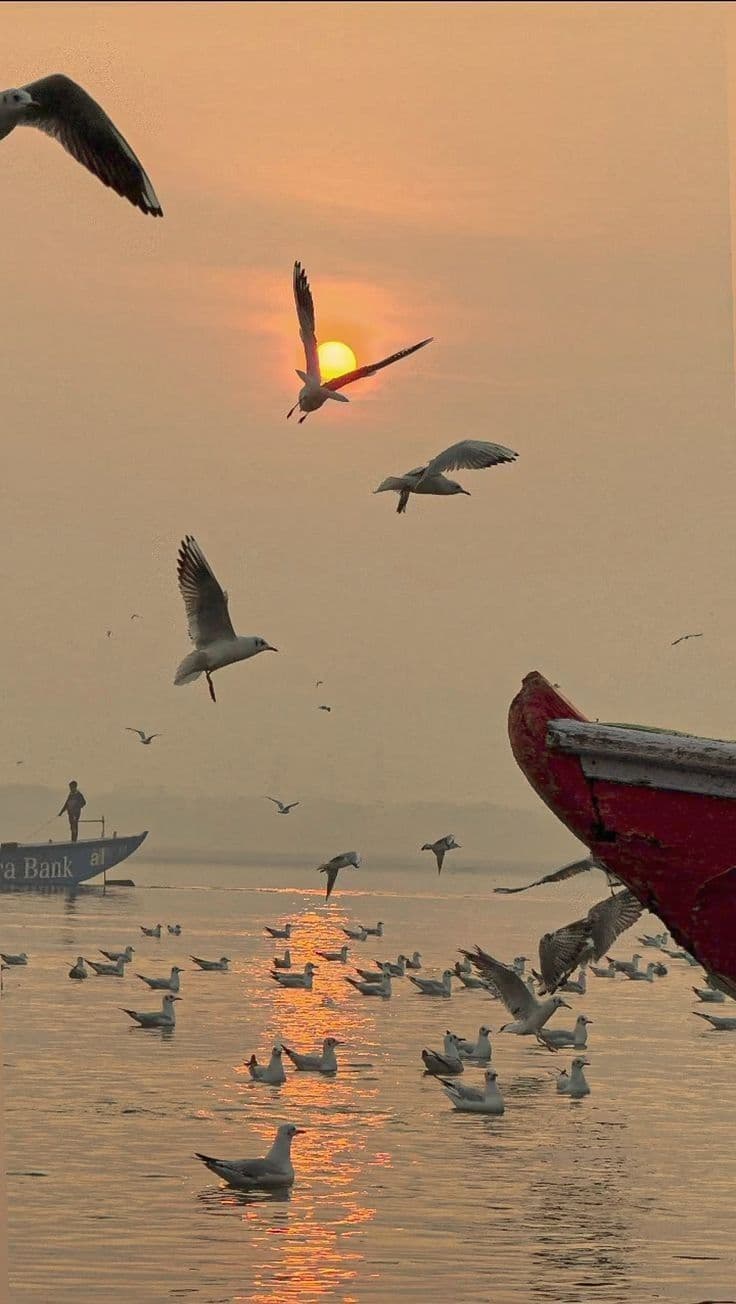
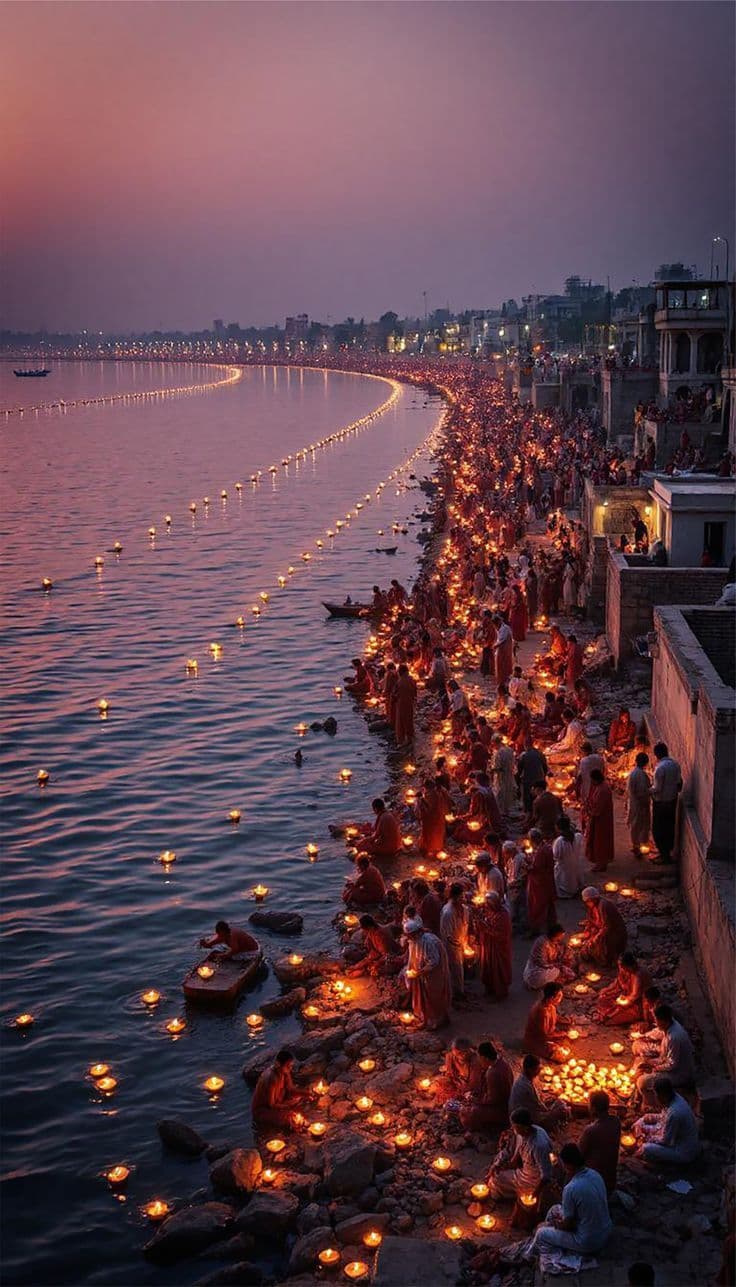
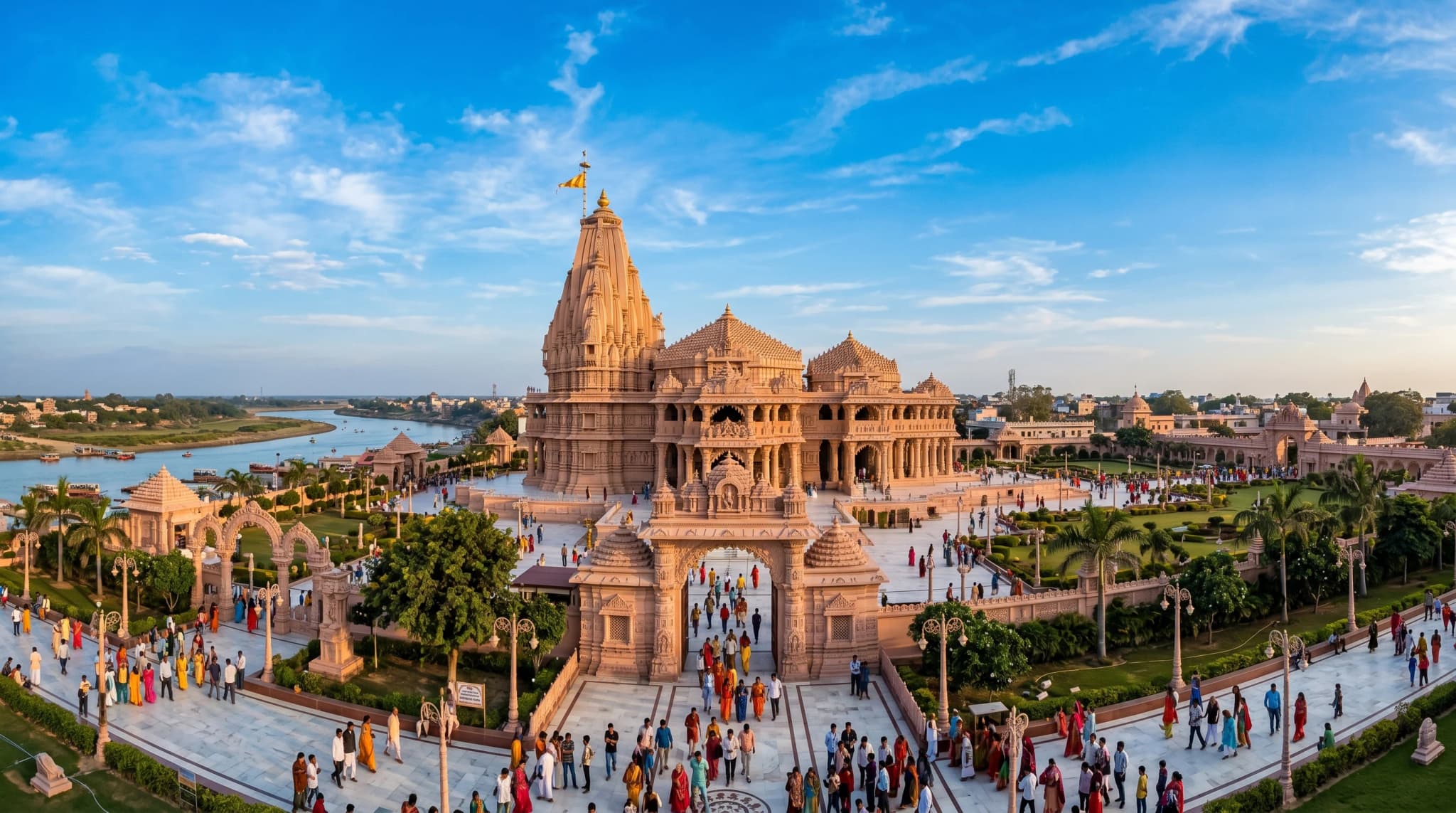
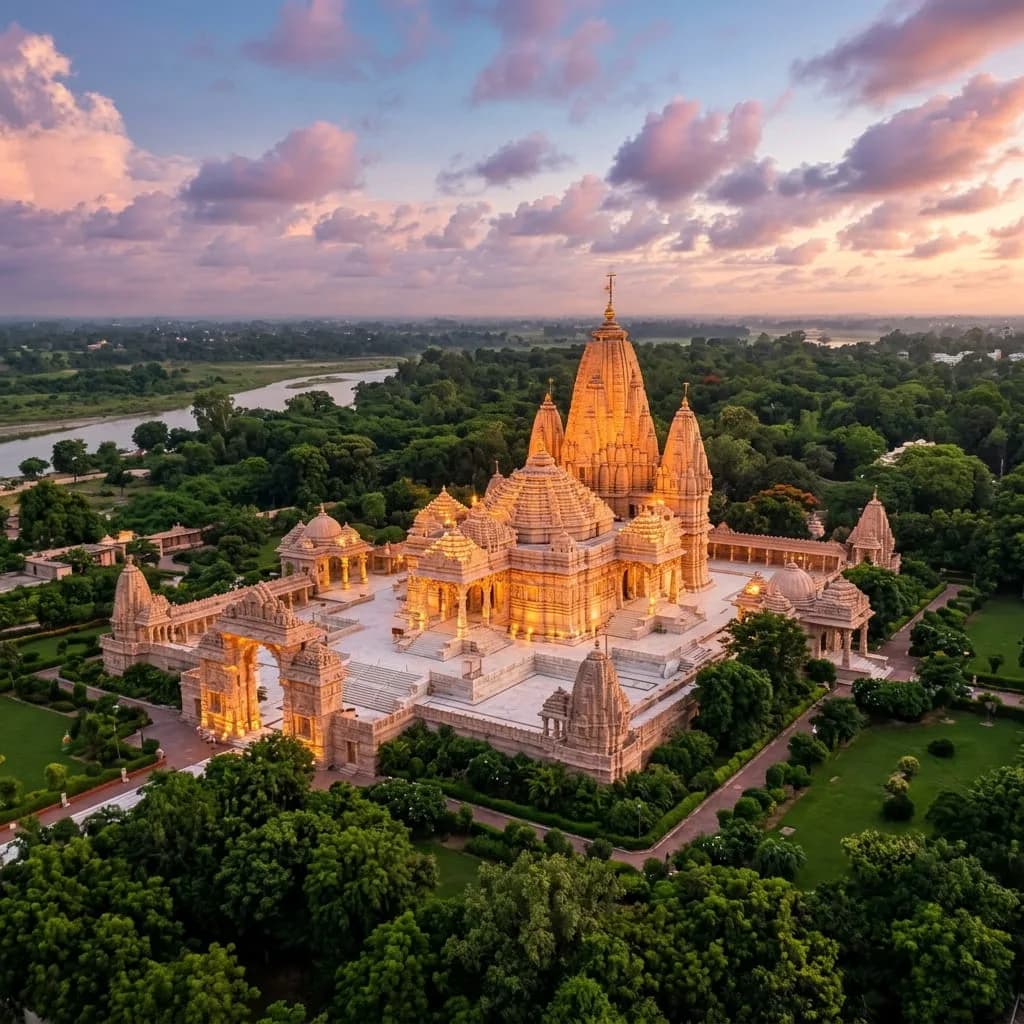
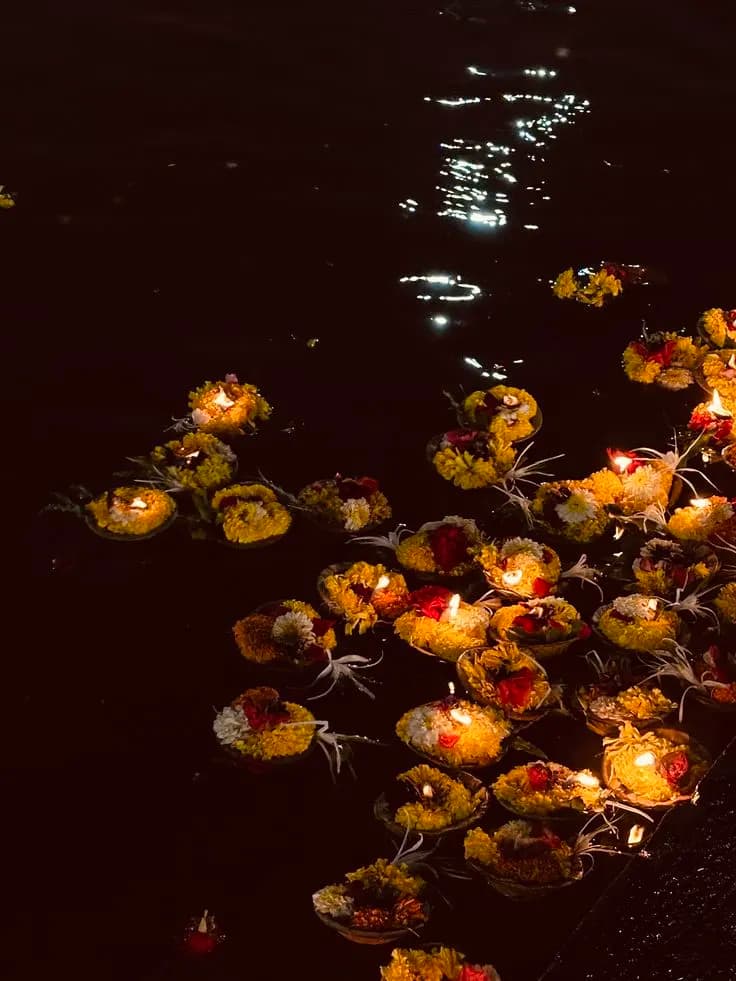
Home to the Ram Janmabhoomi temple, Hanuman Garhi, and Dashrath Mahal. The Saryu aarti at sunset is quieter than Varanasi's,it moves people who expected only the Ram Mandir to remember it most.

Explore Packages
Contact on WhatsApp
Ayodhya — the birthplace of Lord Rama.
Ancient TemplesTimeless architecture
Spiritual JourneyFind peace & devotion
Sacred DestinationLand of Lord Rama

Build Your Own Journey

Drop your details and we'll craft a personalized spiritual package.

24/7 Support
Expert Guidance

About Ayodhya — the birthplace of Lord Rama.

Ayodhya's essential sights are the Ram Mandir (Ram Lalla darshan, free, e-pass available), Hanuman Garhi (visited first by tradition), Kanak Bhawan, Dashrath Mahal, Nageshwarnath Temple, and the evening Saryu aarti at Ram Ki Paidi. Most pilgrims need one full day for the core circuit and two days to add Guptar Ghat, Mani Parvat and the Faizabad heritage sites. The best months are October to March.

I am Rajeev Sharma. I was born and raised in Varanasi, and I have guided pilgrims through Kashi, Ayodhya and Prayagraj for more than forty years. This is the guide I wish every first-time visitor had before they arrived. Not a top-ten list, but every place that matters, grouped the way you will actually visit it, with the honest notes on timings and crowds that only come from doing this season after season.

A standing warning first, because it is the single most useful thing on this page. The Ram Mandir is free, and there is no paid VIP darshan. The only fast-track is the free Sugam Darshan e-pass. Anyone selling you a "VIP ticket" is running a scam. More on that below and in our step-by-step darshan guide.

If you only see these, you have seen Ayodhya

If your time is short, this is the spine of the trip. It gives you the full arc, blessing to birthplace to river, in the right order.

Place

Why it earns the shortlist

From Ram Mandir

Ram Mandir

The birthplace of Lord Rama; Ram Lalla darshan in the new temple

0 (the centre)

Hanuman Garhi

Tradition: take Hanuman's blessing before Ram's darshan; 76 steps

~0.5–1.5 km

Kanak Bhawan

The "House of Gold," Sita-Ram palace-temple with golden idols

~0.8 km

Ram Ki Paidi & the Saryu aarti

Ayodhya's evening river aarti; Deepotsav epicentre

~2 km

Nageshwarnath Temple

Ancient Shiva temple founded, by tradition, by Rama's son Kush

~1.5 km

Dashrath Mahal

The royal home of King Dashrath; Rama's childhood home

~0.5 km

Sita Ki Rasoi

The intimate shrine marking Sita's symbolic kitchen

~1.2 km

Guptar Ghat

Where Rama is believed to have taken Jal Samadhi; quiet, scenic

~6–9 km

Treta Ke Thakur

Believed site of Rama's Ashwamedha Yajna; black-sandstone idols

~2 km

Mani Parvat

Sanjeevani-legend hillock; city views; Buddhist stupa remains

~2 km

Ram Katha Park & Museum

Open-air culture venue plus museum of Ramayana art

~1–1.5 km

Tulsi Smarak Bhawan

Tulsidas memorial; nightly Ramleela; research library

~2 km

Saryu boat ride (Naya Ghat)

Sunrise or sunset boating past the ghats

~2 km

Ram Mandir & the Ram Janmabhoomi complex

The 70-acre campus is the spiritual core of the city. Beyond the main shrine, the trust is building a parikrama wall and additional temples to other deities inside the complex, so expect the site to keep growing.

Place

What to see

Timings & fee

Notes

Shri Ram Janmabhoomi Mandir (Ram Lalla)

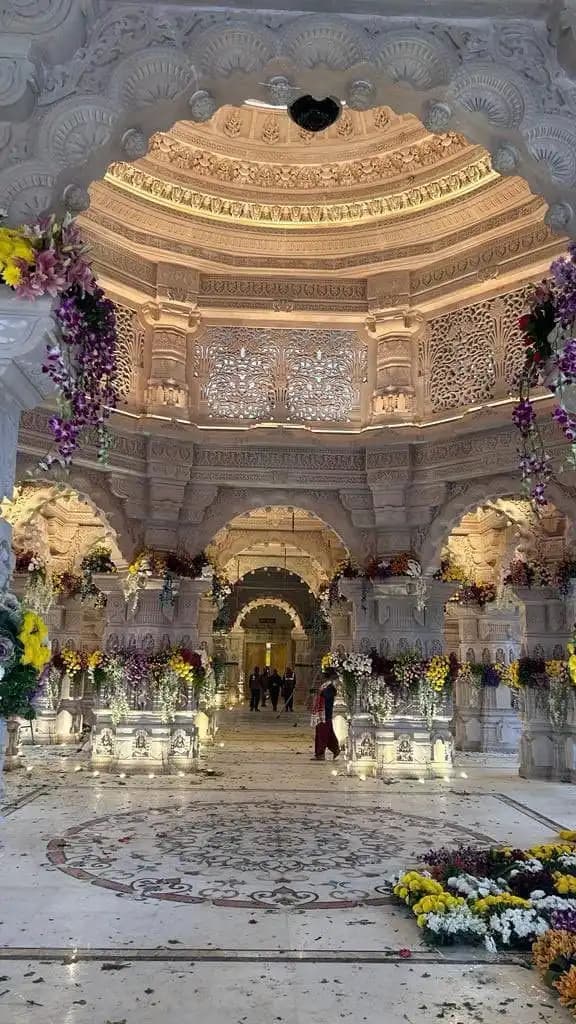
Nagara-style temple; the child-form Ram Lalla idol in a Makrana-marble sanctum; consecrated 22 Jan 2024

Free. General darshan commonly 7:00–11:30 AM & 2:00–7:00 PM; bhog closure ~12:00–2:00 PM

Free Sugam Darshan e-pass at online.srjbtkshetra.org. No paid/VIP darshan. Phones & leather not allowed; free lockers at entry

Aartis (Mangala, Shringar, Bhog, Sandhya, Shayan)

Attend one aarti for the fullest experience

Free, limited passes booked in advance. Mangala ~4:00–4:30 AM, Shringar ~6:30 AM, Shayan ~10:00 PM

Passes release ~15 days ahead and fill fast; arrive ~30 min early

Surya Tilak (Ram Navami)

Sunlight aligned onto Ram Lalla's forehead at noon

Only on Ram Navami (26 Mar 2026)

Huge crowds; passes usually suspended during the festival

Ramkot

The fortified historic precinct around the birthplace

Open area

Lanes lined with shops for flowers, sindoor and Ramayana books

The major Ramayana temples

These are the temples of the Ramayana itself, the palace, the kitchen, the yajna site, clustered close enough to walk between most of them.

Place

Significance

Distance

Timings & fee

Notes

Hanuman Garhi

10th-century hilltop fort-temple; Bal Hanuman; guardian of Ayodhya

~0.5–1.5 km

Free; early morning to night

76 steps, no lift. Yellow laddu prasad. Tue & Sat busiest

Kanak Bhawan

Palace-temple gifted to Sita; three pairs of gold-adorned Sita-Ram idols

~0.8 km

Free; ~8:00–11:30 AM & 4:30–9:00 PM

Evening bhajans are the highlight. Mostly step-free

Dashrath Mahal

Traditional palace of King Dashrath; Ram-Lakshman-Sita idols

~0.5 km

Free; ~8:00 AM–12:00 PM & 4:00–9:00 PM

Quiet; pairs naturally with Kanak Bhawan

Sita Ki Rasoi

Symbolic "kitchen of Sita" with model implements

~1.2 km

Free

Small, intimate; a quick stop

Treta Ke Thakur

Believed site of Rama's Ashwamedha Yajna; single-sandstone idols

~2 km

traditionally opens mainly on Kartik Ekadashi; some sources now list daily hours

Confirm opening before you plan the visit

Raja Mandir / Raj Dwar Mandir

Tradition links it to Rama's departure for exile

~1.5 km

Free; long hours

Antique architecture

Amava Ram Mandir

Known for its prasad / annakshetra

~1 km

Free

Antique architecture

Ram Sita Temple / Birla Mandir

White-marble Sita-Ram temple, calm and well kept

~3 km

Free

Spotless; good for families

Ancient, Shiva & Goddess temples

Place

Significance

Distance

Timings

Notes

Nageshwarnath Temple

Ancient Shiva shrine near Ram Ki Paidi; said to be founded by Kush

~1.5 km

Free; ~5:00 AM onwards

Maha Shivratri here is spectacular (Shiva Baraat)

Chhoti Devkali Mandir

Sita's family/kuldevi tradition; intimate shrine

~1.5 km

Free

Pairs with the Ramkot circuit

Badi Devkali

Devi temple, counterpart to Chhoti Devkali

~2 km

Free

.

Kaleram Mandir

Black Saligram idol of the Ram Parivar

~2 km

Free

Quieter darshan

Mani Ram Das Chhawni + Valmiki Ramayan Bhawan

Large math complex; Bhawan inscribed with Ramayana shlokas

~1.5 km

Free

Architecturally striking marble halls

Saryu Mandir

Riverside temple by the Saryu

~2 km

Free

Calm river setting

Ghats & the Saryu riverfront

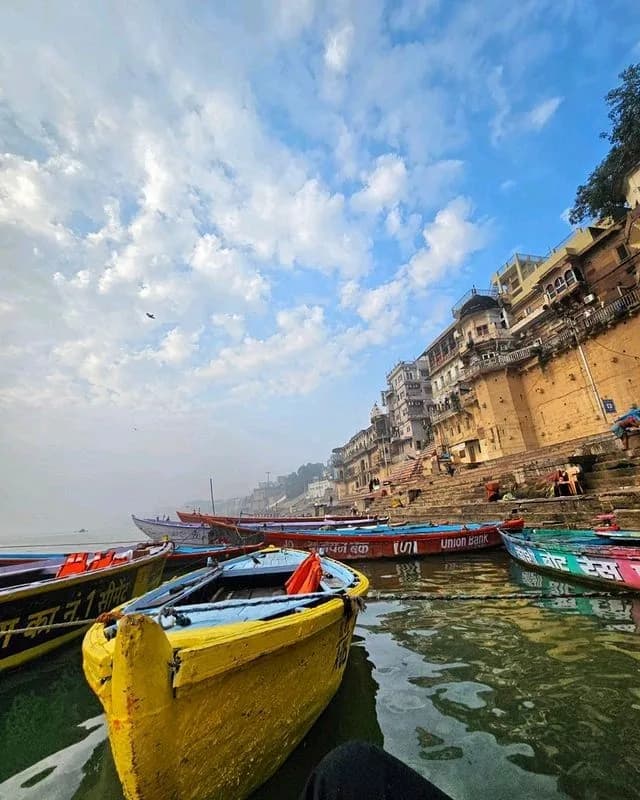
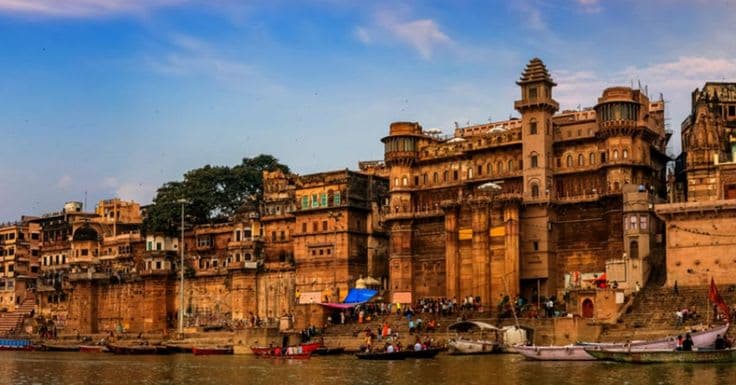
The Saryu (Sarayu) is Ayodhya's spiritual artery. There are around 14 main ghats; these are the ones you will actually use.

Place

Significance

Distance

Notes

Ram Ki Paidi

Long flight of ghats; evening Saryu aarti; Deepotsav epicentre

~2 km

Free. Be seated by ~6:00 PM. The best photographs in Ayodhya

Naya Ghat / Saryu Ghat

Main bathing & boating ghat; Lata Mangeshkar Chowk nearby

~2 km

Boat rides and the holy dip happen here

Guptar Ghat

Believed site of Rama's Jal Samadhi; serene, temple-lined

~6–9 km

Quieter than Ram Ki Paidi; lovely at sunset

Brahma Kund / Gurudwara ghats

Three Sikh shrines cluster on the bank

~2 km

See the Sikh sites below

Lakshman Ghat

Riverside ghat associated with Lakshman

~2 km

Quiet, reflective

From the ground: Ram Ki Paidi is the famous aarti, and you should see it once. But if you want the feeling people travel for, the quiet, the river, an old priest who has time to talk, go to Guptar Ghat at sunset instead. In forty years it is still where I take my own family.

Sacred India

The Sacred Destinations We Cover

Each of these cities holds a universe of meaning: ancient ghats, living temples, and stories etched into stone over millennia. Here is what each one is known for, and why pilgrims pair them together.

From the ground:Two darshans of the same temple, on two different mornings, is the single upgrade I push hardest. The first visit you are managing logistics and crowds. The second, you actually pray. After forty years I have stopped apologising for insisting on it.

Rajeev Sharma
View all destinations
Curated For You

Recommended Packages for Ayodhya — the birthplace of Lord Rama.

Curated itineraries to explore this divine destination.
View All Packages
Senior Citizen Kashi Ayodhya Yatra
Varanasi, Prayagraj & Ayodhya (Elders)

Senior Citizen Kashi Ayodhya Yatra

3 nights / 4 days

One City A Day Pace • Lift-Access Rooms • Daily Family WhatsApp

4.9(215 pilgrims)
From
₹37,000/person
Explore Journey
Magh Mela Prayagraj Snan Package
Prayagraj (Magh Mela)

Magh Mela Prayagraj Snan Package

1 night / 2 days

Fixed Boat Price • Morning Snan Logistics • Transparent Supplements

4.9(132 pilgrims)
From
₹13,500/person
Explore Journey
Deepotsav Ayodhya Tour Package
Ayodhya (Deepotsav)

Deepotsav Ayodhya Tour Package

1-2 nights

Reserved Deepotsav Position • Honest Crowd Logistics • 1 to 2 Nights Core

4.9(156 pilgrims)
From
₹17,000/person
Explore Journey
Dev Deepawali Varanasi Tour Package
Varanasi (Dev Deepawali)

Dev Deepawali Varanasi Tour Package

2 nights / 3 days

Reserved Purnima Vantage • Honest Surge Maths • 2N/3D Itinerary

4.9(185 pilgrims)
From
₹27,500/person
Explore Journey
Local Expertise
Expert Local Guides in Ayodhya — the birthplace of Lord Rama.
Highly rated guides operating in this divine destination.
Nageshwarnath Temple

Nageshwarnath Temple

Tradition holds that Kush, the younger son of Rama, founded this temple.

Read Guide
Saryu Aarti & Ram Ki Paidi

Saryu Aarti & Ram Ki Paidi

The Saryu aarti is Ayodhya's evening river ceremony, performed at the Ram Ki Paidi ghats.

Read Guide
Kanak Bhawan

Kanak Bhawan

Kanak Bhawan (Sone-ka-Ghar, the "House of Gold") is a palace-temple .

Read Guide
Hanuman Garhi

Hanuman Garhi

Hanuman Garhi is a 10th-century hilltop fort-temple to Hanuman

Read Guide
Ram Mandir Page

Ram Mandir Page

Explore Birthplace of Lord Rama

Read Guide
Ram Mandir Darshan Guide

Ram Mandir Darshan Guide

To plan Ram Lalla darshan, book the free Sugam Darshan e-passes.

Read Guide
Ayodhya Itinerary

Ayodhya Itinerary

Ayodhya Itinerary

Read Guide
How to Reach Ayodhya

How to Reach Ayodhya

Reach Ayodhya by air,by train or by road.

Read Guide
Best Time to Visit Ayodhya

Best Time to Visit Ayodhya

The best time to visit Ayodhya is October to March.

Read Guide
Dashrath Mahal

Dashrath Mahal

Dashrath Mahal, also called Bada Asthan or Badi Jagah, is the traditional palace of King Dashrath.

Read Guide
Sita Ki Rasoi

Sita Ki Rasoi

A complete 40-year guide to Sita Ki Rasoi in Ayodhya, the symbolic kitchen of Goddess Sita, including its meaning, what to see, timings, and how to visit.

Read Guide
Guptar Ghat

Guptar Ghat

A 40-year guide to Guptar Ghat, the serene Saryu ghat where Rama is believed to have taken Jal Samadhi, its temples, sunset views, and why it beats the crowds at Ram Ki Paidi.

Read Guide
Treta Ke Thakur

Treta Ke Thakur

A 40-year guide to Treta Ke Thakur, the believed site of Rama's Ashwamedha Yajna, its black-sandstone idols, and the crucial question of which days it opens.

Read Guide
Mani Parvat

Mani Parvat

A 40-year guide to Mani Parvat, Ayodhya's hillock of the Sanjeevani legend, with shrines, Buddhist stupa remains, city views and a short climb worth taking.

Read Guide
Ram Katha Park

Ram Katha Park

A 40-year guide to Ram Katha Park and the Ram Katha Museum in Ayodhya, the open-air cultural venue and the Ramayana art museum, with timings and what to expect.

Read Guide
Tulsi Smarak Bhawan

Tulsi Smarak Bhawan

A 40-year guide to Tulsi Smarak Bhawan, the Tulsidas memorial in Ayodhya, its nightly Ramleela, the Ayodhya Shodh Sansthan research library, timings and what to see.

Read Guide
Surya Kund

Surya Kund

A complete 40-year guide to Surya Kund in Ayodhya, the stepped tank tied to Rama's solar dynasty, its Ramayana sound-and-light show, Makar Sankranti significance and timings.

Read Guide
Bharat Kund / Nandigram

Bharat Kund / Nandigram

A complete 40-year guide to Bharat Kund at Nandigram near Ayodhya, where Bharat ruled with Rama's sandals on the throne, explaining the sacred tank, rituals, and day-trip details.

Read Guide
Faizabad Heritage

Faizabad Heritage

A 40-year guide to Faizabad's Nawabi heritage near Ayodhya, Gulab Bari, the Bahu Begum Ka Maqbara, Moti Mahal and the Company Garden.

Read Guide
Jain Temples

Jain Temples

A 40-year guide to the Jain temples of Ayodhya, birthplace of five Tirthankaras, the five 1781 temples, the great Rishabhdev idol at Raiganj, and Ratnapuri nearby.

Read Guide

All Inclusive Packages

Stay, meals, transport & sightseeing

Expert Local Guides

Experienced & certified guides

Best Price Guarantee

Competitive pricing with no hidden costs

24/7 Travel Support

We're here to assist you anytime, anywhere

Grouped for quick scanning

Frequently asked questions for
Ayodhya — the birthplace of Lord Rama.

Everything you need to know about visiting Ayodhya — the birthplace of Lord Rama..

01Planning basics02Ram Mandir & darshan

Still need help?

Message Rajeev
01

Topic 01

Planning basics

8 questions

What are the must-visit places in Ayodhya?

Ram Mandir, Hanuman Garhi, Kanak Bhawan, Dashrath Mahal, Sita Ki Rasoi, Nageshwarnath Temple, and the evening Saryu aarti at Ram Ki Paidi. With a second day add Guptar Ghat, Mani Parvat, Tulsi Smarak Bhawan and the Faizabad heritage monuments. That covers what almost every pilgrim comes for.

How many days do you need in Ayodhya?

One full day covers the essential temples and the evening aarti if you start early. Two days is the comfortable amount and lets you add the river, the hillocks and Faizabad. Three or more days suits Jain pilgrims, the Bharat Kund day-trip, or extending to Naimisharanya, Prayagraj or Varanasi.

Is one day enough for Ayodhya?

Yes, for the core. Reach Hanuman Garhi by 7 AM, do Ram Mandir before the noon closure, rest through midday, then cover Kanak Bhawan and Nageshwarnath in the afternoon and the Saryu aarti at dusk. It is a full day, but it works. Two days is gentler.

Is Ayodhya worth visiting in 2026?

Yes. Since the 2024 consecration the city has new roads, a new airport, a redeveloped station and far better facilities, while the core temples and the Saryu keep their old soul. For pilgrims it is essential; for travellers it is one of India's most significant living heritage cities.

What is the best time to visit Ayodhya?

October to March, when days are mild and evenings pleasant for the aarti. Late November to mid-February is the sweet spot. Avoid April to June, when temperatures hit 40 to 42°C with little shade near the temple.

Which month is best to visit Ayodhya

For weather and calm, the first two weeks of December or the last two weeks of January, when the city is cool, hotel rates are normal and the aarti feels unhurried. For atmosphere, time it with Deepotsav, but book three months ahead.

Is Ayodhya good for first-time visitors?

Very. It is walking-friendly, safe and welcoming, but it runs on devotion, not tourism: early mornings, strict darshan timings, modest dress. Keep your first trip light, start before 9 AM, and you will find it deeply grounding rather than rushed.

What should I know before visiting Ayodhya?

Three things save most trips. Darshan is free with no VIP ticket. The Ram Mandir closes for bhog around noon to 2 PM, so arrive by 10 AM or after 2 PM. And phones and leather are barred inside the temple, with free lockers at entry. The rest is detail.

02

Topic 02

Ram Mandir & darshan

8 questions

Is Ram Mandir darshan free?

Yes, completely free for all devotees. The trust charges nothing for entry. The only fast-track is the free Sugam Darshan e-pass on online.srjbtkshetra.org. There is no paid VIP darshan; any demand for money for darshan itself is a scam.

Is there VIP darshan at Ram Mandir?

No. Despite what some operator blogs claim, there is no paid VIP or VVIP darshan on the official system. The trust offers only free Sugam Darshan and free aarti passes. Treat any paid "VIP ticket" offer as fraudulent.

What are Ram Mandir darshan timings?

Generally 7:00 to 11:30 AM and 2:00 to 7:00 PM, with a bhog closure around 12:00 to 2:00 PM. Evenings sometimes extend later, and timings change during festivals like Ram Navami and Deepotsav, so confirm on the official portal before you travel.

How do I book the Sugam Darshan e-pass?

On online.srjbtkshetra.org choose Free Sugam Darshan, log in with your mobile and OTP, enter devotee details for up to 8 people, pick a slot, and download the QR e-pass. Carry the matching original ID. From experience, book the moment passes release and take the morning slot.

Are mobile phones allowed inside Ram Mandir?

No. Mobile phones, cameras, other electronics and leather items are not allowed inside. Deposit them in the free lockers at the entry and carry only your ID and pass. Photography inside the sanctum is prohibited.

How long does Ram Mandir darshan take?

With a Sugam Darshan pass, about 60 to 75 minutes including security screening. Without a pass, general darshan can take one to three hours depending on the crowd, and far longer on festival days.

Do I need ID for Ram Mandir darshan?

Carry the original government ID that matches your e-pass: Aadhaar for Indians, passport for foreigners. ID requirements can change, so verify the current rule on the official portal before travelling.

Should I visit Hanuman Garhi before Ram Mandir?

Before. Tradition says to take Hanuman's blessing first, and it is also the practical order. You climb the 76 steps while fresh and the morning is cool, then move on to the Ram Mandir queue.

Still have a question?

Message Rajeev on WhatsApp