There is a moment on the second day of Deepotsav that the cameras rarely capture as well as the lamps, and yet it is the one that goes deepest - the moment Ayodhya re-enacts the return of its king.
The whole festival exists because of a homecoming. Diwali itself, the texts tell us, began when Lord Rama returned to Ayodhya after fourteen years of exile and the people lit rows of lamps to welcome him. On Deepotsav, Ayodhya does not merely remember that night; it stages it. A symbolic Pushpak Viman - the flying chariot on which Rama is said to have returned - arrives bearing figures of Rama, Sita and Lakshmana, and at the main stage the Rajyabhishek, the royal coronation, is performed: Rama crowned king of Ayodhya, Sita beside him, the kingdom restored after all the years of waiting.
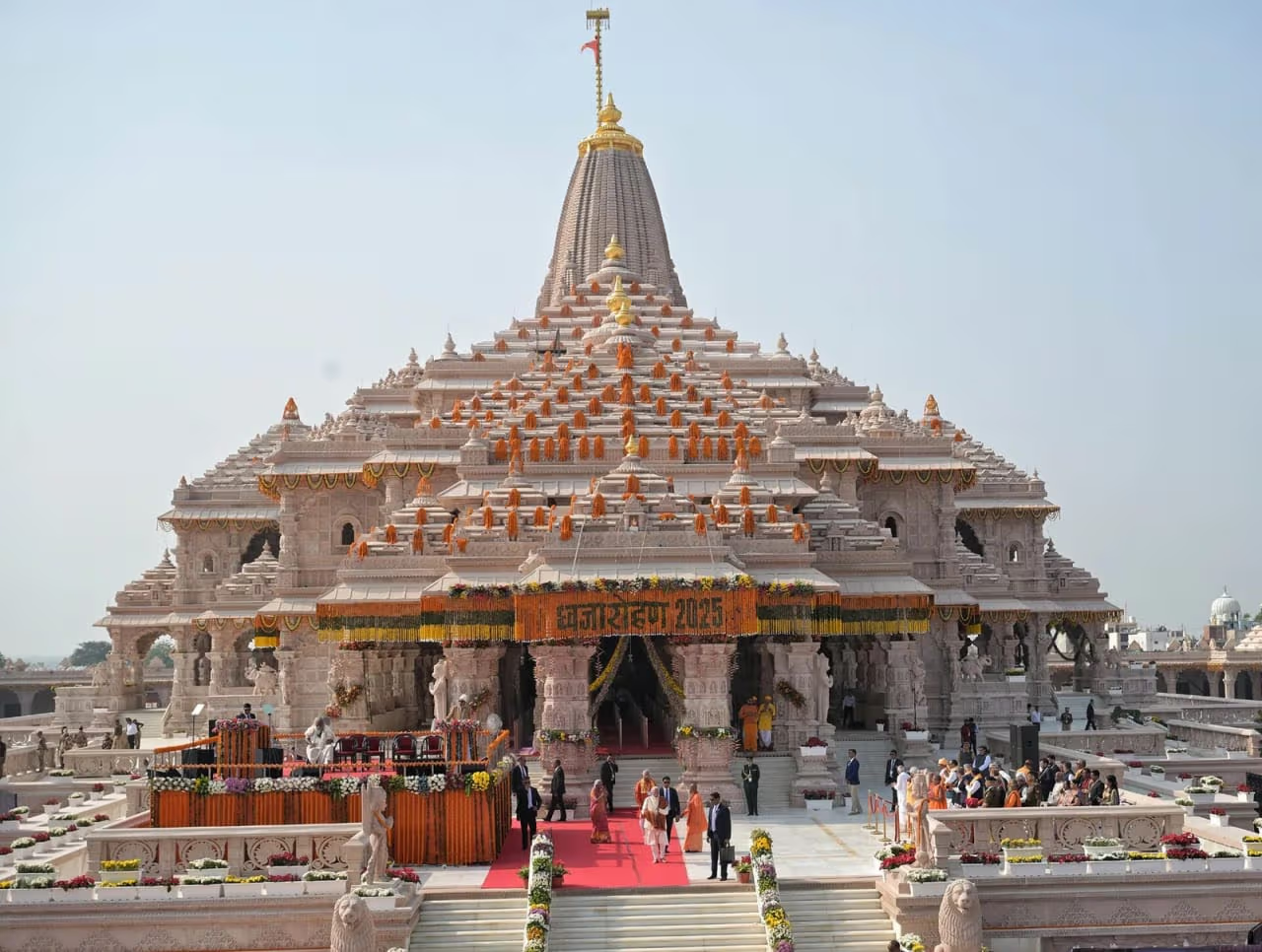
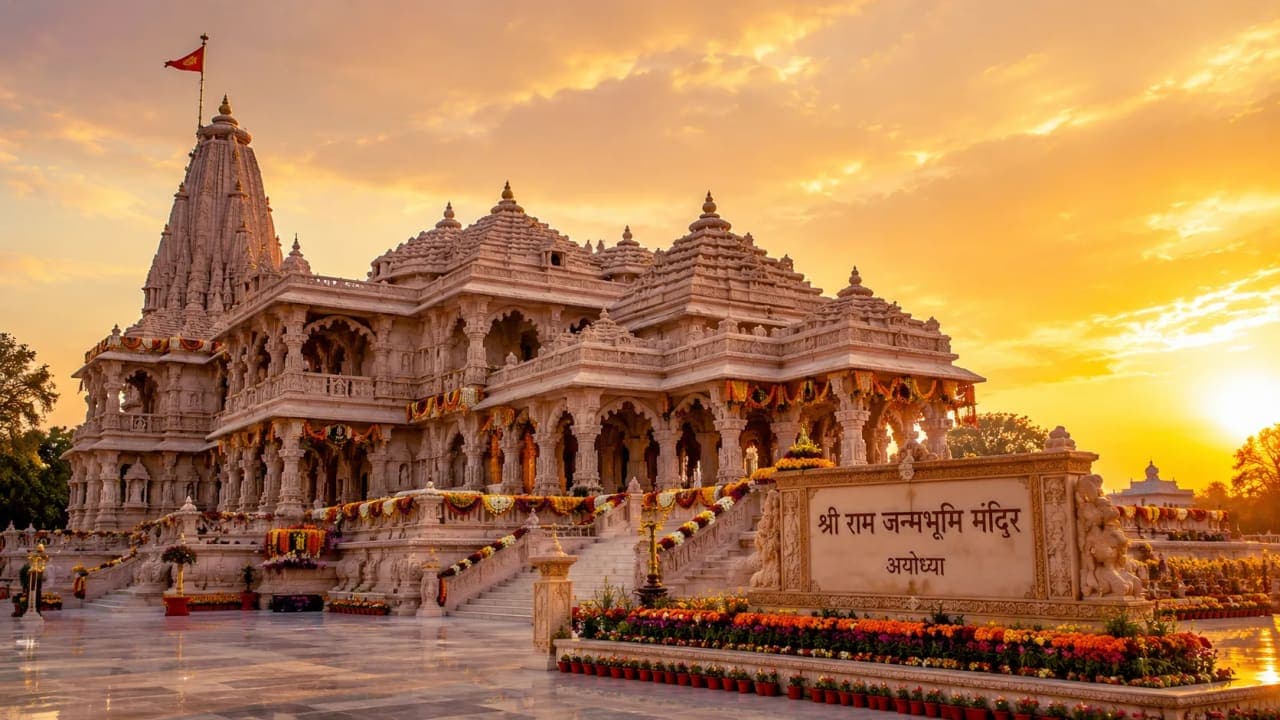
To stand in the crowd for this is a strange and moving thing. You are watching a piece of theatre, yes - costumes, a stage, a script that everyone in the audience already knows by heart. And yet you are watching it in the very city where the story is set, among tens of thousands of people for whom it is not a legend but the founding truth of the place they are standing in, and for whom the new temple on the skyline has made the homecoming feel, after centuries, finally complete. The lamps that night are lit for a king who, in that square, has just come home.
The Ramleela that runs alongside it deepens the feeling. For three nights at Ram Katha Park, troupes from across India and from Ramayana traditions abroad - from Indonesia, Thailand, Cambodia, wherever the epic travelled - perform the story in their own forms, their own music, their own masks and costumes. To watch a Thai or Balinese company tell the tale of Rama in the city where it is set is to see, in one place, how far this one story carried across Asia, and how many peoples made it their own.
Experience My India places you where you can see the ceremony as well as the lights, because the two belong together - the return by day, the welcome by night. Guests who come only for the diyas see a spectacle; those who see the coronation first understand what the spectacle is for. Jai Shri Ram.