Of all the reasons to join these particular cities, the deepest is one that is rarely spelled out in a brochure - and it is worth understanding, because it is the quiet heart of why this circuit has drawn pilgrims for centuries. This is the one journey that cares for both the living and the departed.
Gaya is where you come for those who have gone before you. In the Hindu tradition, Gaya is the foremost place in all of India to perform Pind Daan - the sacred rite by which a person offers for the peace and liberation of their ancestors, their parents, their forefathers. It is believed that the offerings made here, on the banks of the Phalgu, at the Vishnupad Temple built around the footprint of Lord Vishnu himself, release the souls of one's forebears and settle a debt that every person carries to those who gave them life. For many who make this trip, that act - performed with a quiet mind, far from home, on behalf of a mother or a father no longer here - is the most meaningful thing they will ever do.
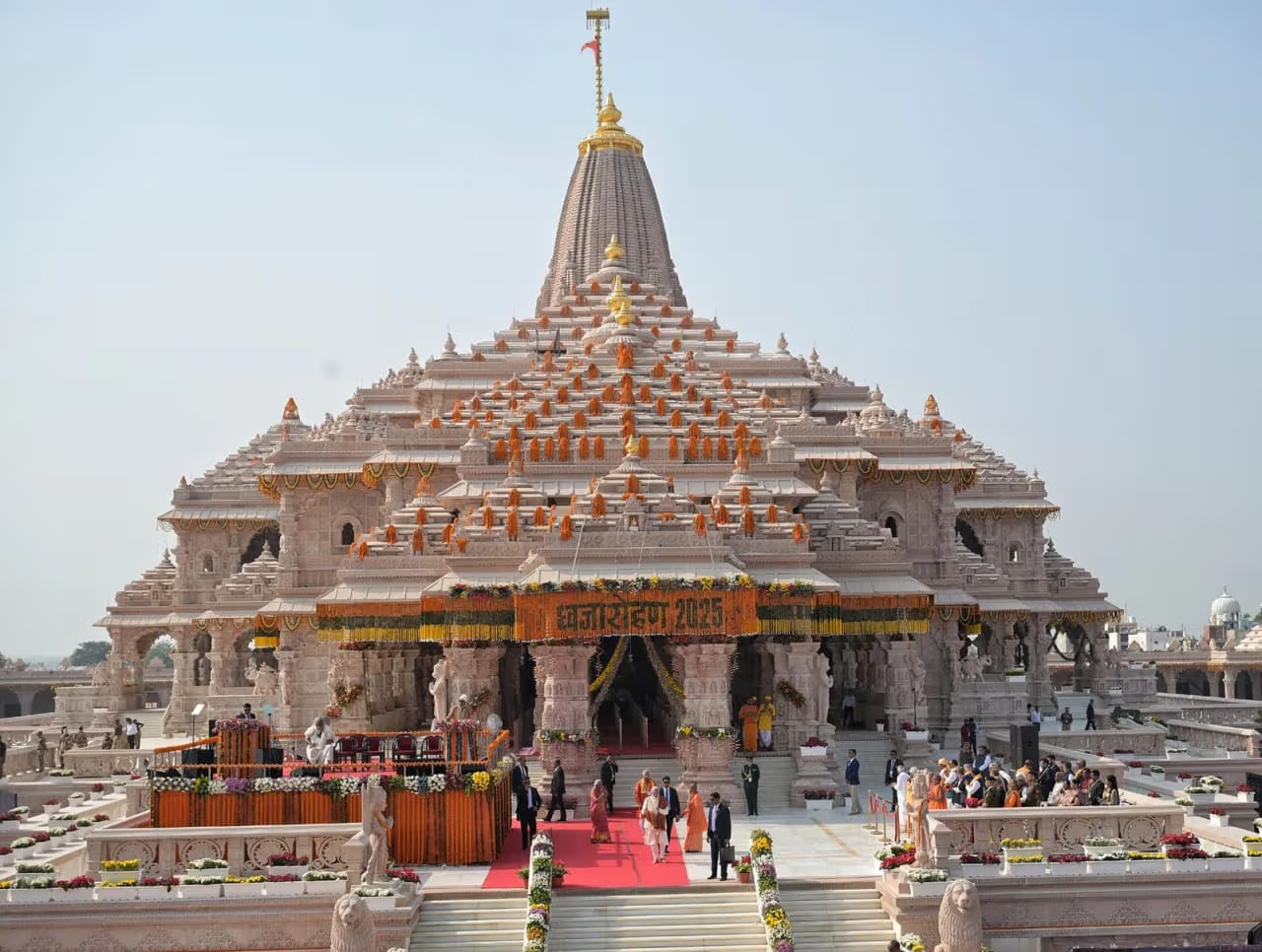
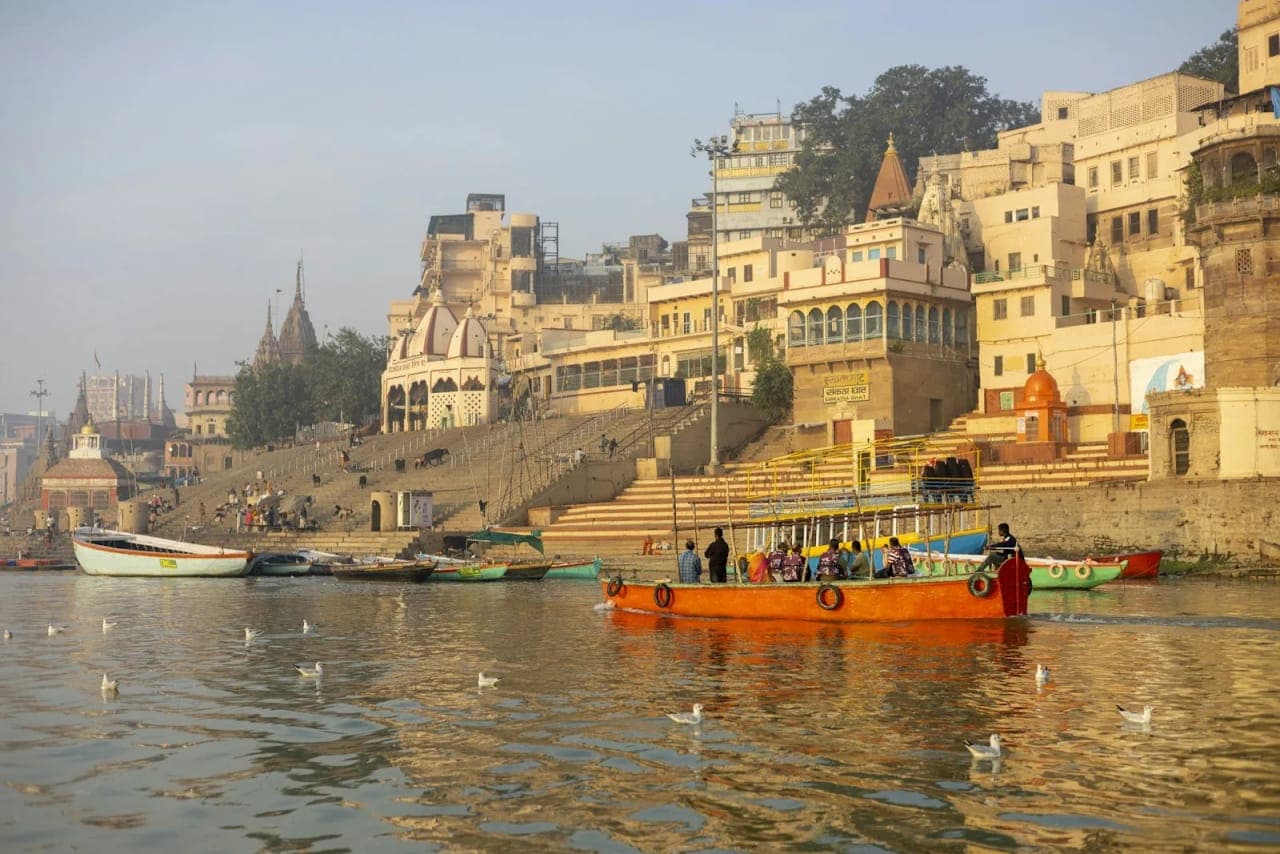
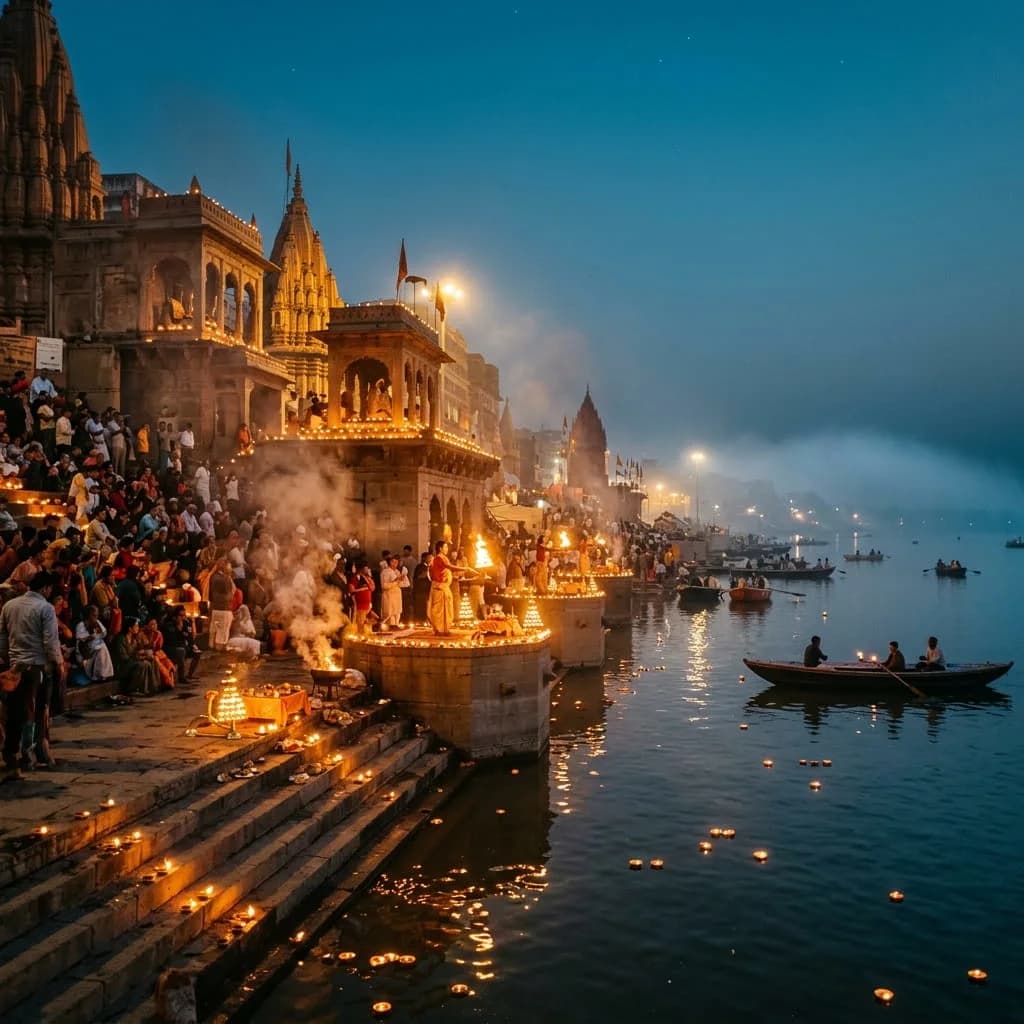
And Kashi is where you come for yourself. Varanasi is the city where Hindus have sought moksha - release from the cycle of birth and death - for the soul's own liberation, at the feet of Lord Shiva on the banks of the Ganga. To pair the two, Gaya and Kashi, is to hold the whole span of the soul's journey in a single trip: you free your ancestors at Gaya, and you seek your own freedom at Kashi. It is an old and complete pairing, and adding Ayodhya, the birthplace of Rama, and Bodhgaya, where the Buddha was freed from suffering altogether, only deepens it.
This is why the long roads are worth it. You are not simply seeing four temples; you are walking a path that the tradition lays out for the whole arc of existence - the debt to the past repaid, the self's liberation sought, the divine met at its sources. Rajeev Sharma and the Experience My India team carry this circuit with the seriousness it deserves, whether you come to perform the rites or simply to stand, with a full heart, in the places where they are done. Har Har Mahadev, Jai Shri Hari, Jai Shri Ram.