3 nights / 4 days
Pilgrimage
₹37,000
Starting From


Senior Citizen Kashi Ayodhya Yatra
Varanasi, Prayagraj & Ayodhya (Elders)|Pilgrimage
One City A Day Pace
Lift-Access Rooms
Daily Family WhatsApp
 Ayodhya
By Rajeev Sharma
Varanasi-born Pilgrimage Guide
Sita Navami (सीता नवमी), also called Janaki Navami and Sita Jayanti, celebrates the birth of Goddess Sita, who rose from the earth itself in Mithila. It falls on Vaishakha Shukla Navami, exactly one month after Ram Navami, which places it in mid-May 2027. Kept with devotion in Ayodhya, Rama's city and Sita's married home, alongside Janakpur and Mithila, it is the day to honour the divine feminine of the Ramayana. varanasiayodhyatours.com plans the darshan and the day around it, on WhatsApp.
Experience Sita Navami: the day the earth gave Ayodhya its queen with a Kashi-born guide — darshan, stays and boats arranged.
Sita Navami falls on the ninth day of the bright fortnight of Vaishakha, exactly a month after Ram Navami, since Sita and Rama were both born on a Navami tithi. In 2027 it falls in mid-May.
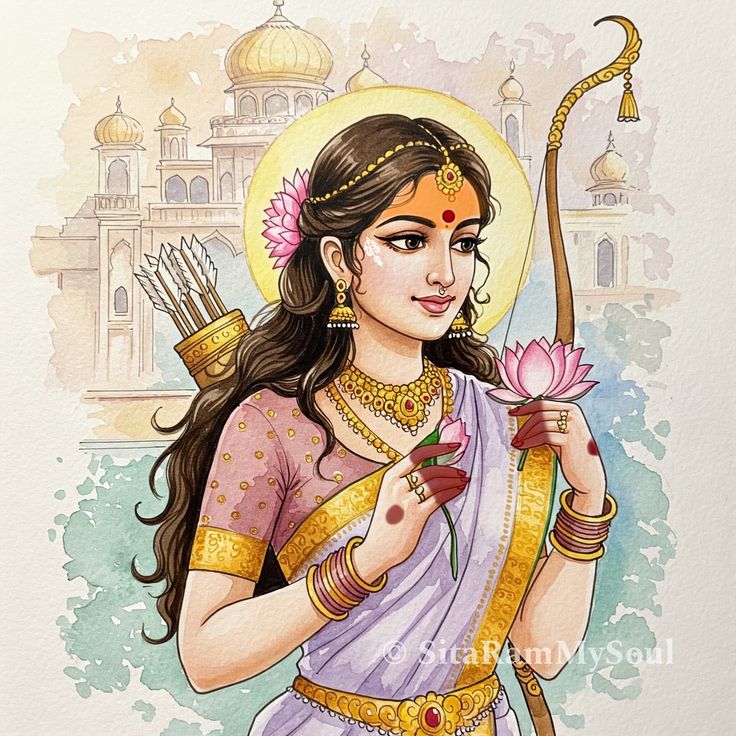
Sita's birth is one of the Ramayana's most beautiful. King Janaka of Mithila, ploughing a field to prepare a yajna, turned up an infant girl in the furrow, radiant and divine. He raised her as his beloved daughter, and because a ploughed furrow is called sita in Sanskrit, he named her Sita. So Sita is Bhumija, daughter of the earth: not born of a womb but risen from the ground itself, an incarnation of Lakshmi. Her many names carry her story, Janaki (daughter of Janaka), Maithili (princess of Mithila), Bhoomiputri (daughter of the earth). To honour her birth is to honour purity, strength and devotion risen from the soil.
From the ground: for my Telugu and Kannada guests I explain that Sita Navami is Rama Navami's twin: the same Navami tithi, a month apart, the births of the divine couple. Where Ram Navami fills Ayodhya, Sita Navami is quieter and tender, the day of the queen.
Sita is the Ramayana's model of grace under trial, devotion, resilience and unwavering dharma through exile, abduction and hardship. Sita Navami honours all of it. It is especially a women's festival: married women keep a vrat (fast) and worship Sita with Rama, Lakshman and Hanuman for the wellbeing and long life of their husbands and for harmony at home, and many pray to Sita as the ideal of strength and virtue. As an incarnation of Lakshmi, she is also invoked for prosperity. It is a gentle, devotional day rather than a grand public gathering.
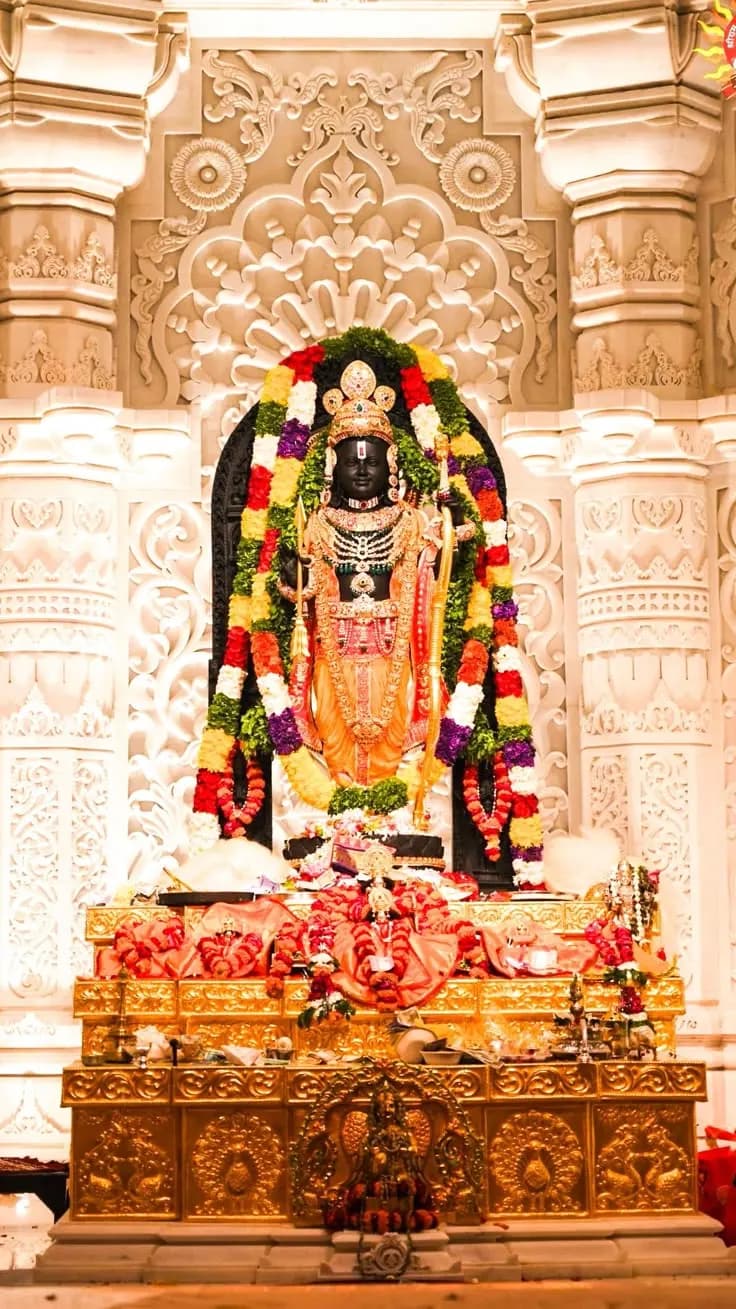
In Ayodhya the temples of Rama and Sita, above all Kanak Bhawan, the golden-interior temple of the divine couple, hold special darshan, aarti and abhishek, with the idols of Sita and Rama worshipped together. Devotees recite the Bala Kanda and Sundar Kand, telling Sita's birth, swayamvar and trials, and processions with decorated idols move through the streets to chants of "Jai Siya Ram." The Ram Mandir and the Saryu ghats share in the day. It is warm and devotional, centred on the temples rather than a single mass gathering.
Many women observe the Sita Navami vrat: a dawn bath, clean or traditional dress (yellow, red or white), a home altar with idols or images of Sita, Rama, Lakshman and often Janaka and Sunayana, decorated with flowers, lamps and rangoli, and a fast broken in the evening after puja and the reading of Sita's story. The worship of the joined form of Sita and Rama is held to bless married life. Nothing costly is needed; devotion and the reading of the Ramayana are the heart of it.
Sita Navami binds the same two lands as her wedding: Ayodhya, her married home as queen, and Mithila, her birthplace, identified with Sitamarhi in Bihar (the Punaura Dham and Janaki Sthan) and with Janakpur in Nepal, where the Janaki temple keeps the day with Maithili rituals, illumination and aartis. A pilgrim can honour Sita Navami at Ayodhya as part of a belt trip; the deeper Mithila pilgrimage to Sitamarhi or Janakpur is a further journey we can advise on. It pairs naturally with Vivah Panchami, her wedding day, to trace Sita's story across the year.
Sita Navami is a free, devotional day: temple darshan, aarti and the vrat are open to all, with no ticket and no paid VIP; Ram Mandir darshan is free with managed slots as always. It is a quieter festival than Ram Navami or the Kartik crowds, so it is gentler to attend, though mid-May in Ayodhya is hot, and mornings are far kinder for darshan and for those keeping the fast. What we honestly arrange is the timing, the calm slot at Kanak Bhawan and the Rama temples, a guide who tells Sita's story and reads the Bala Kanda in your language, and the Saryu Aarti to close, not access, which is open to all.
Fly into Maharishi Valmiki International Airport, Ayodhya Dham, or Lucknow (about 135 km); trains serve Ayodhya Dham Junction. From Varanasi it is about 200 km, roughly four hours by Innova, the route our two-city itineraries run. Full detail in the How to Reach Varanasi guide.
Our packages base guests in comfort with a private Innova; a night in Ayodhya lets you take the temples calmly and the Saryu Aarti in the evening. May is hot but not peak-crowd season, so stays are easier than in Kartik. More in the Stay & Hotels guide.
The 4 Days Ayodhya Varanasi Tour Package, ₹50,000 per couple (₹25,000 per person), gives Ayodhya a full day and can be timed to Sita Navami with Kanak Bhawan and a temple Ramayana reading built in. It complements the Ram Navami Ayodhya package, the birth of Rama a month before. A custom Sita Navami itinerary builds on one flat rate: ₹12,500 per day for two guests, confirmed in writing before any advance. Browse all packages.
On Vaishakha Shukla Navami, exactly one month after Ram Navami, which places it in mid-May 2027. The exact date and puja muhurat are set each year.
The birth of Goddess Sita, consort of Rama, who rose from the earth in a furrow to King Janaka of Mithila. It is also called Janaki Navami and Sita Jayanti.
King Janaka found her as an infant in a furrow while ploughing a field for a yajna; "sita" means furrow in Sanskrit. She is Bhumija, daughter of the earth, an incarnation of Lakshmi.
Both Sita and Rama were born on a Navami tithi; Sita Navami falls in Vaishakha, exactly one month after Ram Navami in Chaitra. They are the birthdays of the divine couple.
With special darshan, aarti and abhishek of Sita and Rama, especially at Kanak Bhawan, recitation of the Bala Kanda and Sundar Kand, and processions of decorated idols. It is a warm, devotional day.
A fast kept mainly by married women, with a dawn bath, a home altar to Sita and Rama, puja and the reading of Sita's story, broken in the evening; it is offered for the wellbeing of the family.
At Janakpur in Nepal (the Janaki temple) and Sitamarhi in Bihar, both tied to Sita's birth in Mithila, as well as Ayodhya, her home as queen.
No; the festival is free and Ram Mandir darshan is free with managed slots. Anyone charging for VIP darshan is selling what does not exist.
Less so than Ram Navami or the Kartik festivals; it is a gentler, more devotional day. Mid-May is hot, so mornings are best.
Yes; it pairs with Vivah Panchami, her wedding, to follow Sita's story across the year, and with the daily Saryu Aarti.
Experience Sita Navami: the day the earth gave Ayodhya its queen with a Kashi-born guide — darshan, stays and boats arranged.
Handpicked packages for sacred festivals and destinations.


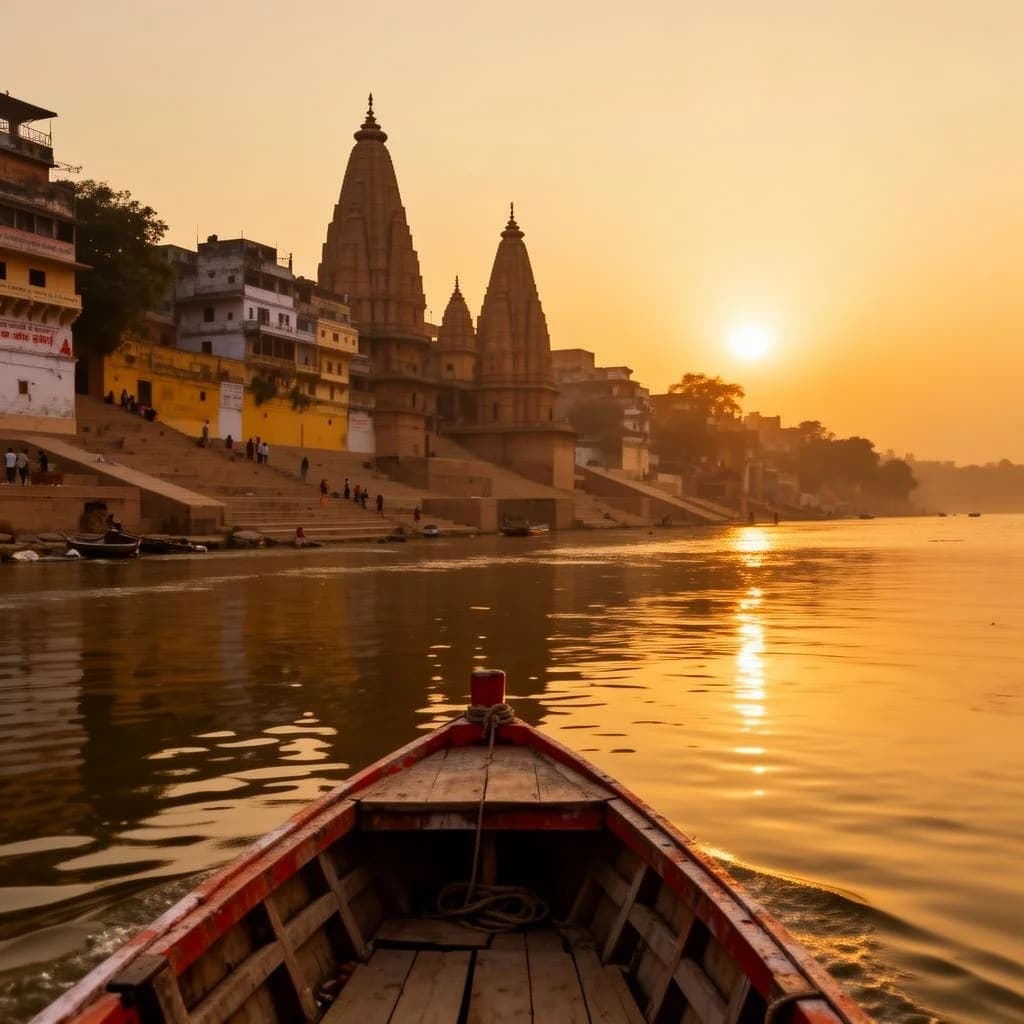


Handpicked travel guides, local insights and practical information to help you plan your spiritual journey with ease.
.0bwph.107dyza.webp&w=2048&q=75)
Timings, entry process, VIP darshan, nearby attractions and important tips.
Fresh insights and useful information for your journey.
More spiritual gatherings across sacred destinations.
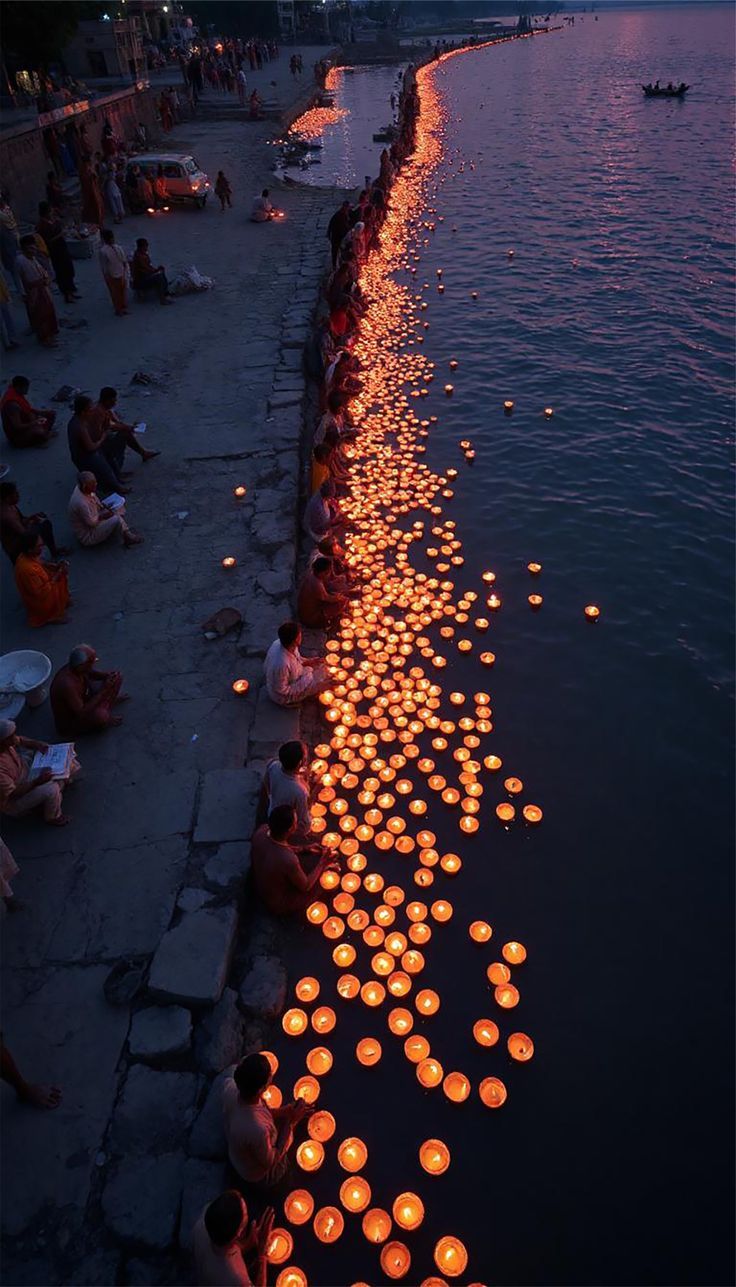
The Panchkroshi Yatra (पंचकोशी यात्रा) is the sacred parikrama around the whole of Kashi: an 88 km circuit that begins and ends at Manikarnika, with five padavs (halts), Kardameshwar, Bhimchandi, Rameshwar, Shivpur and Kapildhara, and 108 Shiva shrines along the way. Traditionally walked over five days, it is done today either on foot with dharamshala halts or in a single day by vehicle. varanasiayodhyatours.com plans both versions, the sankalp, the route and the pace, on WhatsApp.
View Details
Subah-e-Banaras (सुबह-ए-बनारस) is Varanasi's daily dawn ritual at Assi Ghat: begun on 24 November 2014, it opens in the Brahma Muhurta before sunrise with Vedic chanting and a hawan, a morning Ganga aarti to the rising sun, then live Banaras Gharana classical music and an open yoga session on the ghat steps. It runs every morning, is free to attend, and is the contemplative dawn counterpart to the grand evening Ganga Aarti at Dashashwamedh. varanasiayodhyatours.com plans the pre-dawn pickup, the seating and a sunrise boat around it, on WhatsApp.
View Details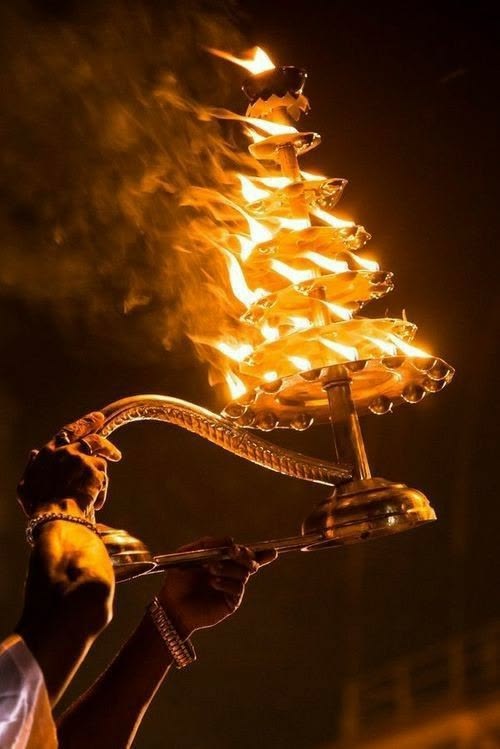
The Nageshwarnath temple (नागेश्वरनाथ) is Ayodhya's ancient presiding Shiva shrine, at Ram ki Paidi on the banks of the Saryu, said to have been established by Kush, the son of Lord Rama. In a city given to Rama, it is the great centre of Shiva worship, coming alive above all at Maha Shivratri, with its famous Shiva Baraat, and through the month of Sawan. varanasiayodhyatours.com plans the darshan and the Shiva festivals around it, on WhatsApp.
View Details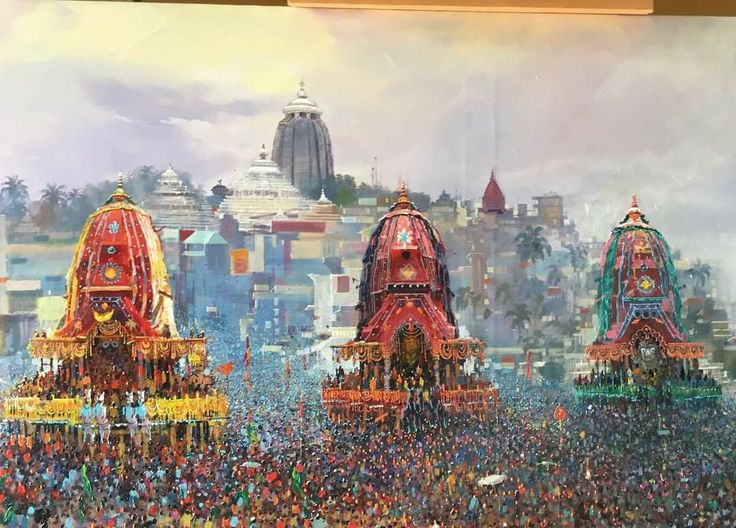
The Panchkroshi Yatra (पंचकोशी यात्रा) is the sacred parikrama around the whole of Kashi: an 88 km circuit that begins and ends at Manikarnika, with five padavs (halts), Kardameshwar, Bhimchandi, Rameshwar, Shivpur and Kapildhara, and 108 Shiva shrines along the way. Traditionally walked over five days, it is done today either on foot with dharamshala halts or in a single day by vehicle. varanasiayodhyatours.com plans both versions, the sankalp, the route and the pace, on WhatsApp.
View Details