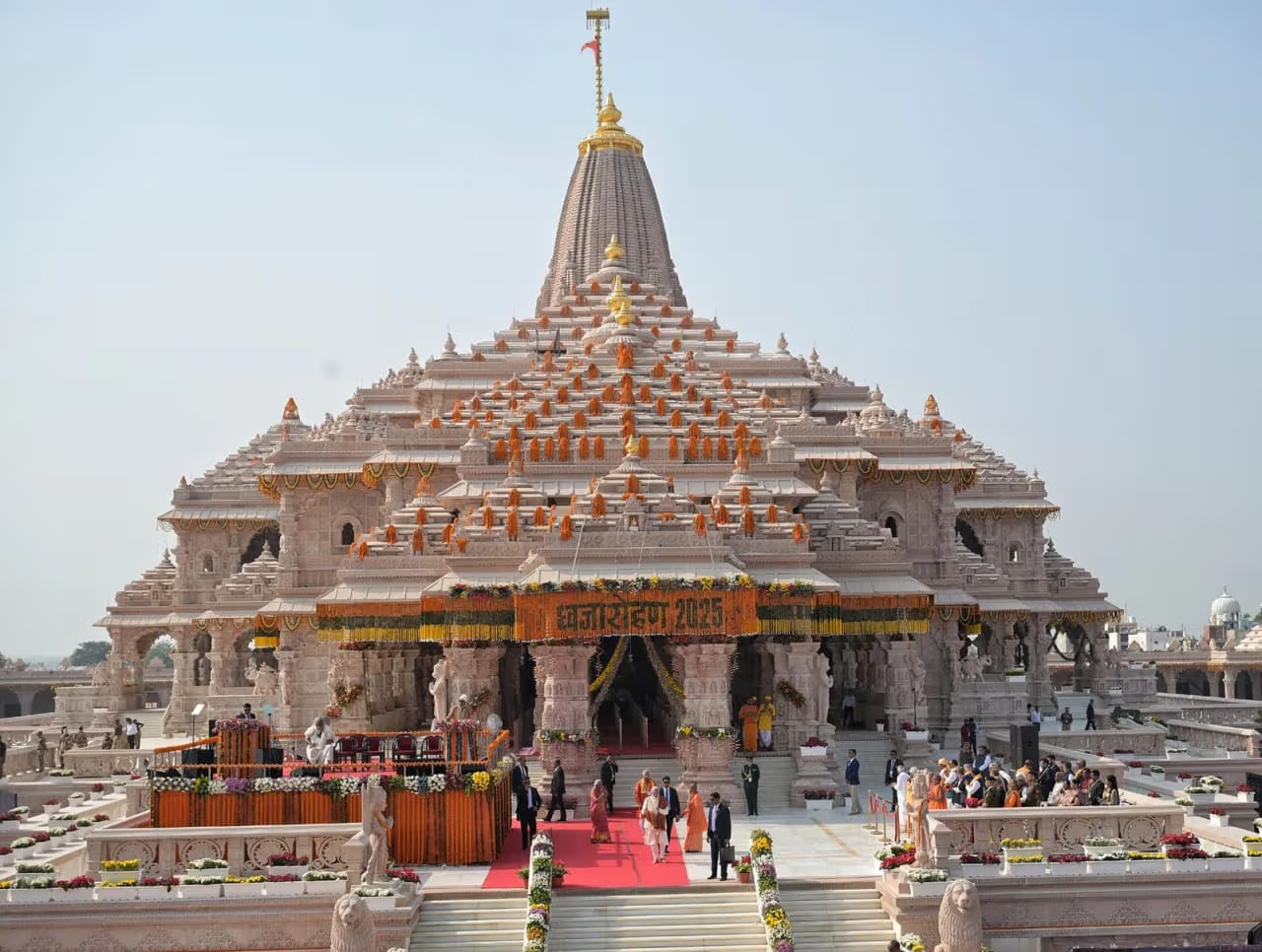
Almost every Ayodhya tour shows you the same thing: the Ram Janmabhoomi, Hanuman Garhi, the ghats, and home. This trail does something rarer and, for a lover of the Ramayana, far more moving - it follows the path Rama actually walked, through the places where the story happened, most of which the ordinary tour never reaches.
The heart of it is Bithoor. On the banks of the Ganga near Kanpur stands the Valmiki Ashram, and few places in India carry as much of the Ramayana in one quiet spot. It was here, the tradition holds, that Sita came after she was banished from Ayodhya - her second exile, this one alone - and here that she gave birth to and raised her twin sons, Luv and Kush. It was here that the sage Valmiki took her in, and here that he is said to have composed the Ramayana itself, teaching it to the two boys who would one day sing it before their own father. To stand at Bithoor is to stand where the epic was written and where its most human chapter - a mother raising her sons in the forest - was lived.
From Bithoor the trail picks up Rama's own route into exile. At Prayagraj, the Bharadwaj Ashram is where Rama, Sita and Lakshmana rested and were counselled by the sage Bharadwaj, who pointed them onward to Chitrakoot. And Chitrakoot is where they settled for the long middle of the exile, eleven of the fourteen years - Ram Ghat on the Mandakini, the Kamadgiri hill they circled, the Sphatik Shila where they are said to have sat together. Place by place, in the order the story moves, you walk the exile.
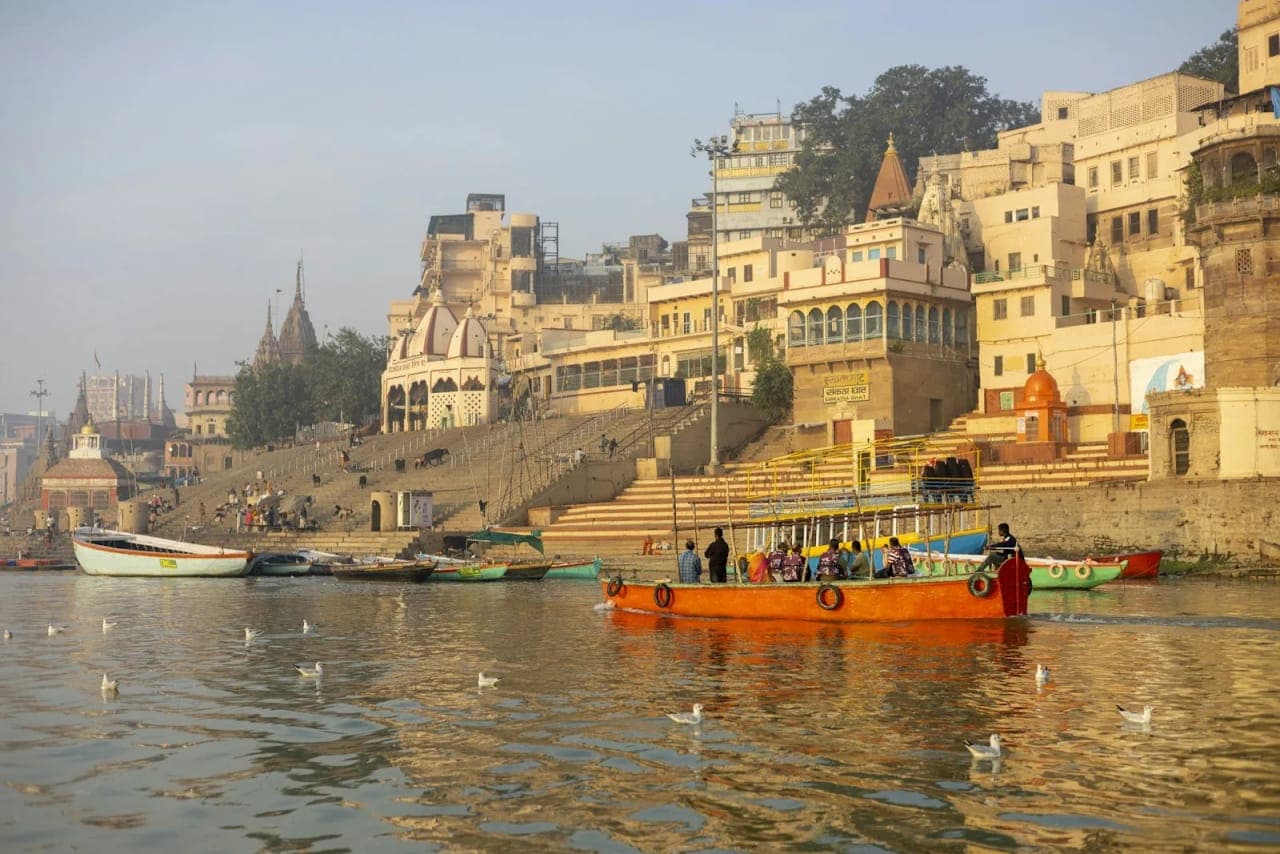
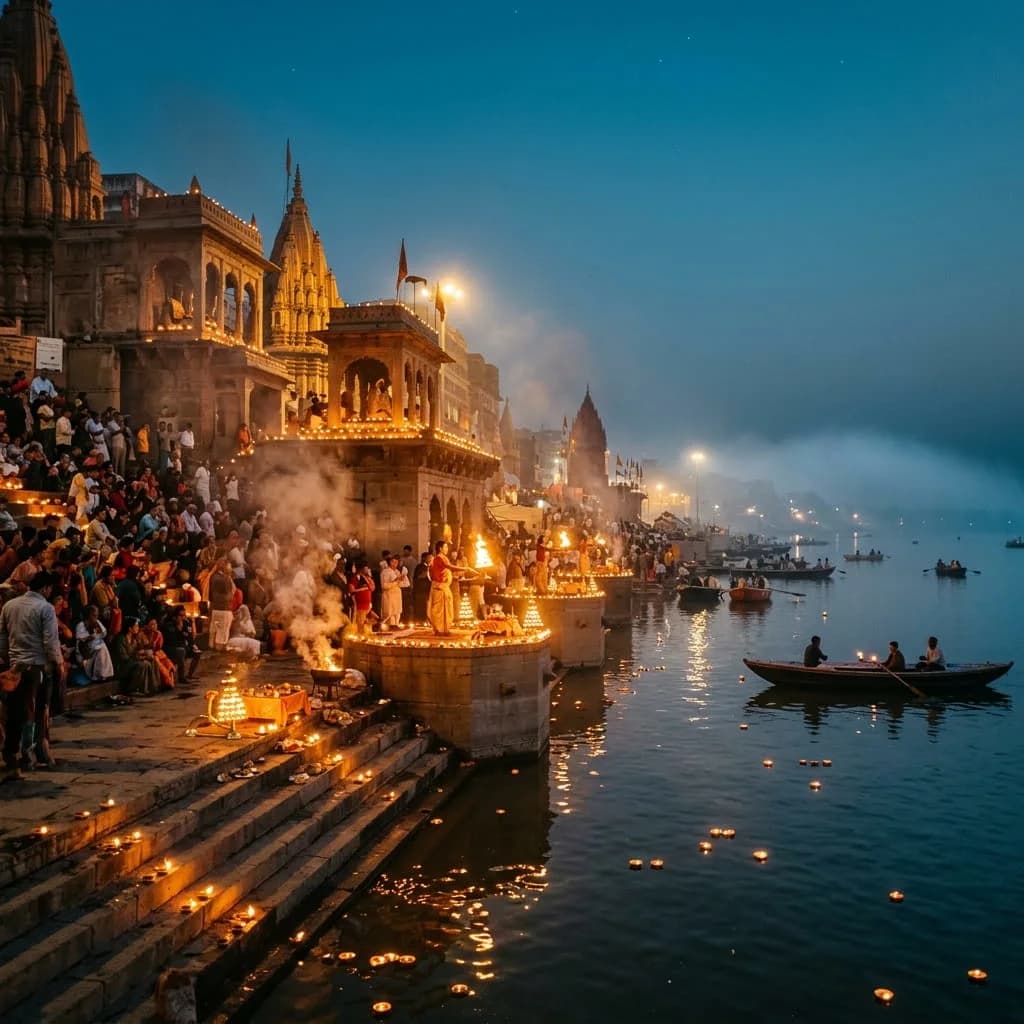
And only then does the trail turn to Kashi. There is a logic in that ending: having followed the human journey of the Ramayana - the loss, the forest, the years of waiting - you close the pilgrimage in the eternal city of Shiva, at the Ganga, where the soul seeks its own release. Experience My India built this trail for travellers who do not just want to see Rama's birthplace, but to follow his path. Jai Siya Ram.