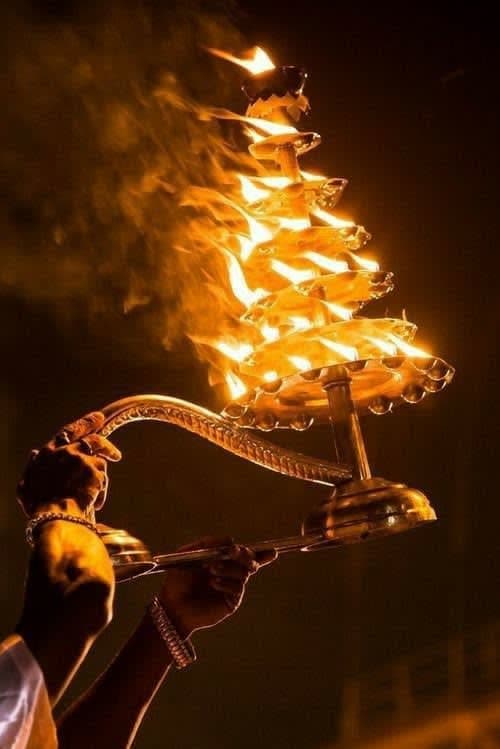
3 nights / 4 days
Pilgrimage
₹37,000
Starting From


Senior Citizen Kashi Ayodhya Yatra
Varanasi, Prayagraj & Ayodhya (Elders)|Pilgrimage
One City A Day Pace
Lift-Access Rooms
Daily Family WhatsApp
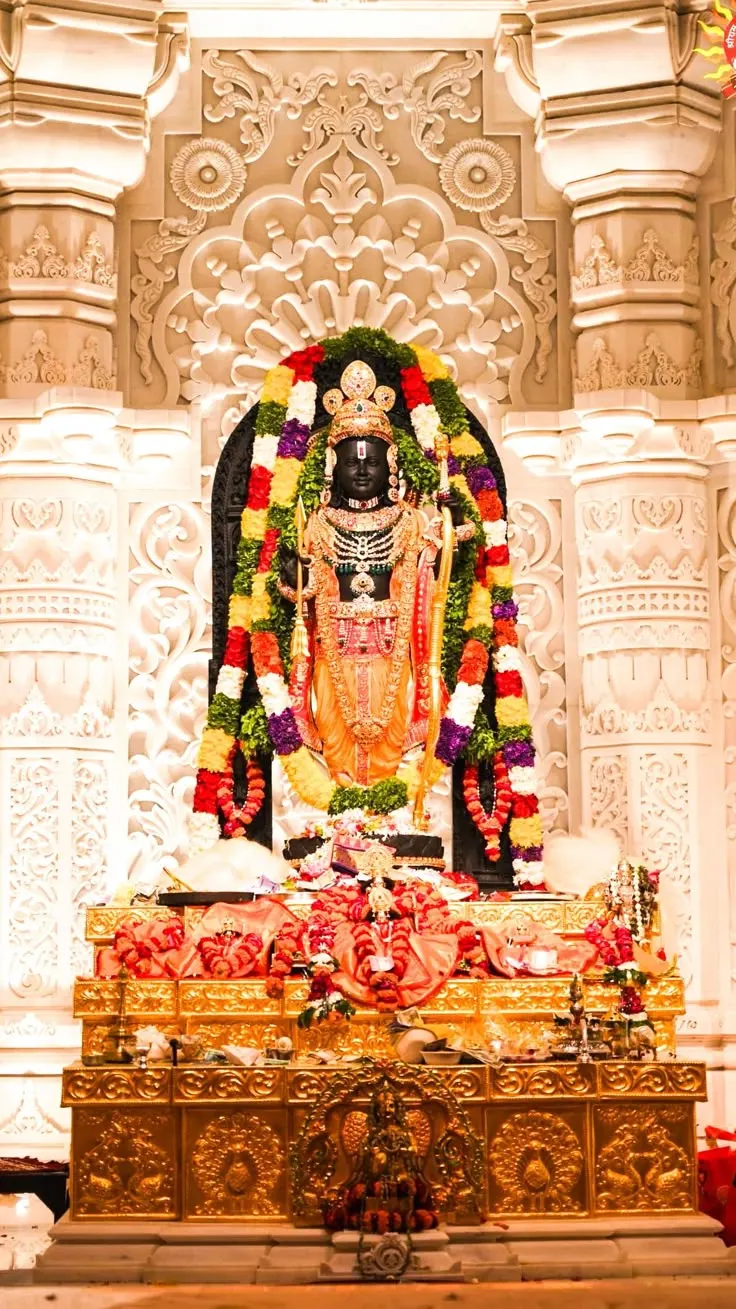
Dashrath Mahal, also called Bada Asthan or Badi Jagah, is the traditional palace of King Dashrath.
Drop your details and we'll craft a personalized spiritual package.
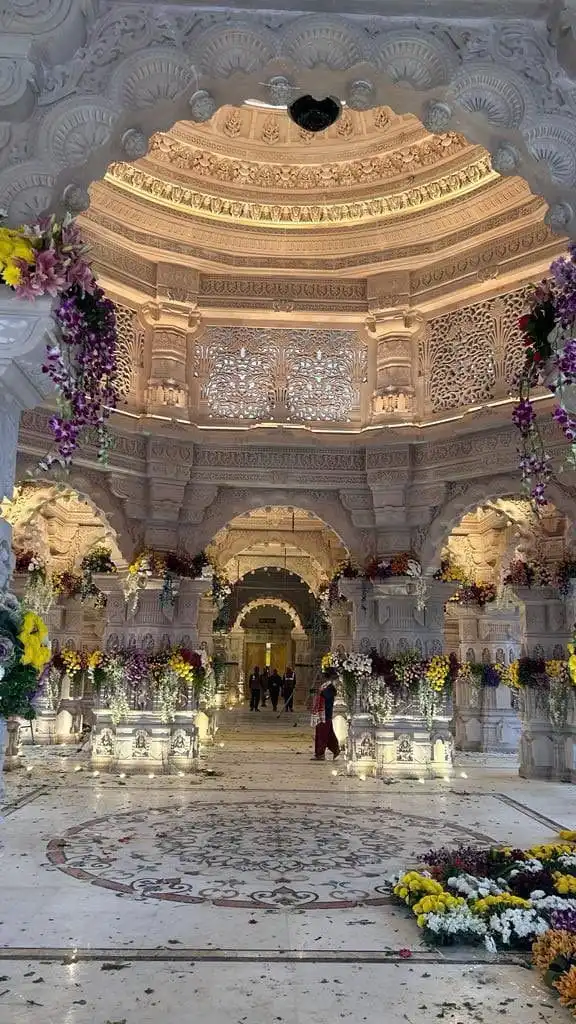
Home to the Ram Janmabhoomi temple, Hanuman Garhi, and Dashrath Mahal. The Saryu aarti at sunset is quieter than Varanasi's,it moves people who expected only the Ram Mandir to remember it most.
: Dashrath Mahal, also called Bada Asthan or Badi Jagah, is the traditional palace of King Dashrath, Rama's father, and by tradition Rama's childhood home. It enshrines colourful Ram-Lakshman-Sita idols in royal decor. Entry is free, with darshan roughly 8:00 AM to 12:00 PM and 4:00 PM to 9:00 PM, and it sits about 0.5 km from Ram Mandir, pairing naturally with Kanak Bhawan.
I am Rajeev Sharma, a Varanasi-born guide of more than forty years. Dashrath Mahal is one of the quietest, most reflective stops on the circuit, and it tells the family story behind the Ramayana. Let me show you why to give it time.
Dashrath Mahal is revered as the palace of King Dashrath, Rama's father and the ruler of Ayodhya, and by tradition the home where Rama spent his childhood. It is also known as Bada Asthan, Badi Jagah or Dashrath Bhawan. Inside, colourful idols of Ram, Lakshman and Sita sit in bright, royal decor, and the temple has a calm, devotional air. It is one of the gentler darshans on the circuit, mostly easy underfoot.
The colourful Ram-Lakshman-Sita idols in their royal setting are the heart of the visit. The decor is bright and festive, and the atmosphere is quiet and reflective, a contrast to the busier temples. Take a few minutes here; it is a short, peaceful stop.
From the ground: People walk through Dashrath Mahal in three minutes on their way to somewhere else. I ask them to slow down. This is the home of Rama's father, the royal house at the centre of the whole story. Stand a moment and the Ramayana stops being a list of temples and becomes a family.
Dashrath Mahal sits about 0.5 km from Ram Mandir, deep in the old city. It pairs naturally with Kanak Bhawan and Sita Ki Rasoi, both a short walk away, and is close to Ram Mandir and Hanuman Garhi. It fits into the core one-day circuit; see the full Ayodhya guide and the day-by-day itinerary.
Take an e-rickshaw to the edge of the old-city lanes; the last stretch is on foot, as cars cannot enter the inner zone. Want the walking sequence and timings sorted around the noon closure? See our Ayodhya packages or message me, Rajeev, on WhatsApp at +91 7302265809.
Curated itineraries featuring this divine destination.






Grouped for quick scanning
Everything you need to know about Dashrath Mahal .
Topic 01
9 questions
Dashrath Mahal is the traditional palace of King Dashrath, Rama's father, in Ayodhya, and by tradition Rama's childhood home. It enshrines colourful Ram-Lakshman-Sita idols in royal decor. Entry is free.
It is revered as the royal home of King Dashrath and the place where Rama grew up, which makes it the family heart of the Ramayana in Ayodhya. Its bright, festive decor and calm atmosphere add to its appeal.
It is also called Bada Asthan, Badi Jagah and Dashrath Bhawan. All refer to the same palace-temple of King Dashrath near Ram Mandir.
King Dashrath was the ruler of Ayodhya and the father of Rama, Lakshman, Bharat and Shatrughna. His palace, Dashrath Mahal, is honoured as the royal house at the centre of the Ramayana.
By tradition, yes. It is revered as the palace where Rama spent his childhood as a prince of Ayodhya, which gives the temple its tender, domestic significance.
Colourful idols of Ram, Lakshman and Sita, set in bright royal decor. The festive, palace-like setting reflects the temple's identity as a royal home rather than a typical shrine.
It is a temple revered as a royal palace, the home of King Dashrath. It is worshipped as a living shrine while honouring its identity as Rama's childhood home.
Its bright, colourful and festive decoration sets it apart, befitting a royal home. The atmosphere is quiet and reflective despite the colour, which many visitors find moving.
Yes, as the palace of King Dashrath and Rama's childhood home, it is woven into the Ramayana's account of Ayodhya's royal house. It anchors the epic's family story to a physical place in the city.
Topic 02
7 questions
Entry is free, with darshan roughly 8:00 AM to 12:00 PM and 4:00 PM to 9:00 PM. Verify exact hours close to your visit, as they shift seasonally. It is quiet and reflective at most times.
No, entry is free. It is also one of the gentler, mostly step-free darshans on the circuit, a relief after Hanuman Garhi's climb.
Yes, it is open daily in two sessions, morning and evening, with a midday break. Confirm exact hours locally, as they vary seasonally and on festival days.
Either session works, and it is rarely crowded. Many guides slot it into the late morning after Ram Mandir, or the evening alongside Kanak Bhawan's bhajans. It is a calm stop at any time.
About 15 to 20 minutes is enough for darshan at this peaceful temple, longer if you want to sit quietly. It pairs with neighbours to fill a comfortable hour.
Aarti is performed in the morning and evening sessions, with times shifting seasonally. Ask at the temple on the day, or plan your visit for either session.
It is usually quiet and reflective, far less busy than Ram Mandir or Hanuman Garhi. It gets busier during Vivah Panchami, when the Ram-Sita wedding is celebrated.
Topic 03
7 questions
The colourful Ram-Lakshman-Sita idols in their bright royal setting, and a calm, devotional atmosphere. The decor and the quiet are the draw, not grand scale.
It is largely easy underfoot and mostly step-free, which makes it more accessible than the stepped temples, though the surrounding old-city lanes are tight. Tell us your needs and we plan the approach.
Yes. The gentle, mostly step-free darshan and quiet pace make it comfortable for elderly pilgrims, especially as a calm stop between busier temples.
Photography is generally allowed around the temple, but avoid it during darshan and follow on-site signage and the priests' guidance. Be respectful of worshippers.
No strict rule, but dress modestly and respectfully, covering shoulders and knees. Traditional attire suits the setting; carry a shawl if you are in Western clothes.
Phones are generally permitted, unlike inside Ram Mandir, but keep them silent and away during darshan as a courtesy.
Yes, you remove footwear before entering, and there are deposit points nearby. Slip-on shoes make this quick and easy.
Topic 04
8 questions
About 0.5 km, a short walk or e-rickshaw hop in the old city. It folds easily into the same morning as Ram Mandir.
Kanak Bhawan and Sita Ki Rasoi are a short walk away, with Ram Mandir and Hanuman Garhi close by. The cluster fits neatly into one circuit.
Yes, the two are almost always visited together, being a short walk apart. They tell the royal, domestic side of the Ramayana story, the palace and the home.
Either works. A common plan is Ram Mandir and Hanuman Garhi first, then Dashrath Mahal with Sita Ki Rasoi and Kanak Bhawan through the late morning and afternoon.
Yes, they are very close and naturally paired. Both are short, intimate stops that round out the family story of Rama's Ayodhya.
Allow about an hour to cover Dashrath Mahal, Sita Ki Rasoi and Kanak Bhawan together at an unhurried pace, including the short walks between them.
Yes, it is a core stop on the one-day circuit, usually visited in the late morning or afternoon with Sita Ki Rasoi and Kanak Bhawan. See our day-by-day itinerary.
Kanak Bhawan and Sita Ki Rasoi, both nearby, and Ram Mandir. Together they make a complete walk through the royal and domestic heart of Ayodhya.
Topic 05
8 questions
It is about 0.5 km from Ram Mandir in the old city. Take an e-rickshaw to the edge of the lanes and walk the final stretch, as cars cannot enter the inner zone.
No, cars cannot enter the narrow old-city lanes. E-rickshaws get you close, and you walk the last part. This is true across the inner pilgrimage zone.
Parking is at the edge of the old-city lanes, with the inner area kept vehicle-free. Continue by e-rickshaw or on foot, and confirm arrangements locally on busy days.
Yes, it is safe and well managed, and usually quiet. Take normal care of your belongings, more so during Vivah Panchami when it is busier.
Yes, the surrounding Ramkot lanes are full of shops for flowers, prasad, idols and Ramayana books, so you can pick up offerings nearby.
The old-city lanes and the Ram Path bazaar nearby have pure-vegetarian eateries and sweet shops. Choose busy, clean places and bottled water, and try the local peda.
Yes, the quiet, gentle, mostly step-free darshan suits families with children and elders, and it pairs well with the other nearby temples for an easy circuit.
No, there is no ticket and no entry fee. Walk in during the open sessions, dress modestly, and follow the temple's customs.
Topic 06
12 questions
Vivah Panchami, the wedding of Rama and Sita, is celebrated here and at Kanak Bhawan with special festivities. It falls in November or December and brings crowds and decoration.
Yes. As a temple tied to Rama's royal home, it joins Kanak Bhawan as a focus of the Ram-Sita wedding celebrations, with special decor. It is beautiful but busier then.
October to March, when Ayodhya's weather is mild and walking the old lanes is comfortable. Avoid the April to June heat.
Not strictly, but a guide brings out the story of King Dashrath and Rama's childhood and times your visit with the neighbouring temples. It helps first-timers feel the family history.
Yes, foreigners are welcome. Dress modestly and follow the temple's customs. Its calm, accessible darshan makes it an easy, welcoming stop.
Yes. It is a short, peaceful stop that grounds the Ramayana in a real royal home, and it pairs perfectly with Kanak Bhawan and Sita Ki Rasoi nearby.
The colourful Ram-Lakshman-Sita idols and a quiet moment in this royal home of Rama's father. Slow down rather than rushing through to the next temple.
We slot Dashrath Mahal into the temple circuit with Sita Ki Rasoi and Kanak Bhawan, timed around the noon closure. See our Ayodhya packages, or message me, Rajeev, on WhatsApp at +91 7302265809.
No. Ram Mandir is the grand temple on Rama's birthplace, while Dashrath Mahal is the smaller palace-temple of his father, King Dashrath, about 0.5 km away. They are separate stops, both on the core circuit.
Yes, it is an easy, quiet, mostly step-free stop that suits families. Pair it with Sita Ki Rasoi and Kanak Bhawan nearby for a gentle walk through the family story of the Ramayana.
Flowers and simple offerings, available from the shops in the surrounding lanes, are usual. Follow the priests' guidance, and there is no fee for darshan itself.
Yes. Kanak Bhawan, tied to Sita, and Sita Ki Rasoi, her symbolic kitchen, sit nearby, while Hanuman Garhi honours Rama's guardian. Together with Dashrath Mahal they map the family of the Ramayana across the old city.
Still have a question?
Message Rajeev on WhatsApp