3 nights / 4 days
Pilgrimage
₹37,000
Starting From


Senior Citizen Kashi Ayodhya Yatra
Varanasi, Prayagraj & Ayodhya (Elders)|Pilgrimage
One City A Day Pace
Lift-Access Rooms
Daily Family WhatsApp
Kanak Bhawan (Sone-ka-Ghar, the "House of Gold") is a palace-temple .
Drop your details and we'll craft a personalized spiritual package.
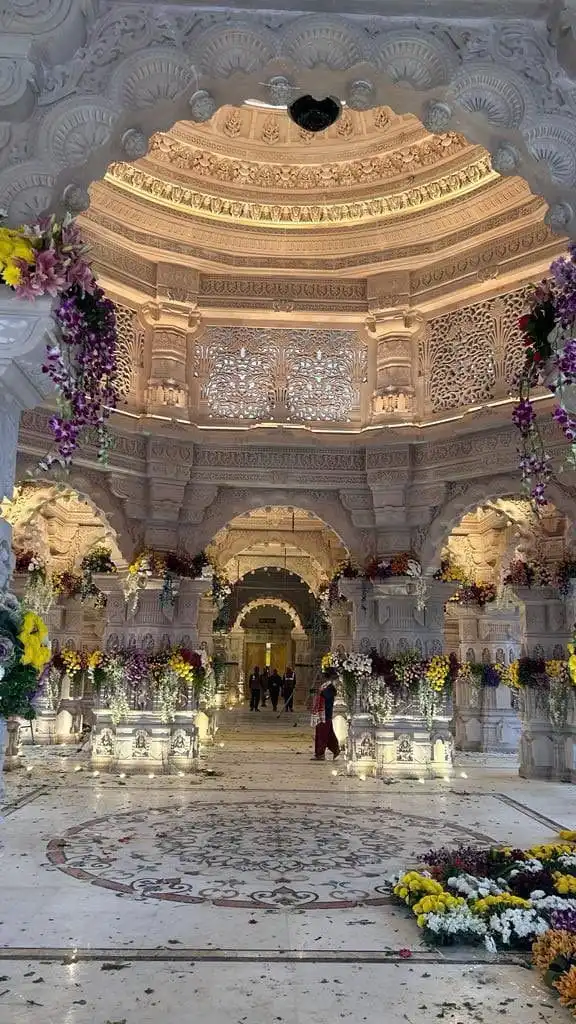
Home to the Ram Janmabhoomi temple, Hanuman Garhi, and Dashrath Mahal. The Saryu aarti at sunset is quieter than Varanasi's,it moves people who expected only the Ram Mandir to remember it most.
Kanak Bhawan (Sone-ka-Ghar, the "House of Gold") is a palace-temple in Ayodhya housing three pairs of gold-adorned Sita-Ram idols. Tradition says it was gifted to Sita by her mother-in-law Kaikeyi as a private palace; the present structure was rebuilt by the royals of Orchha and Tikamgarh. Entry is free, with darshan roughly 8:00–11:30 AM and 4:30–9:00 PM, and the evening bhajans are the highlight.
Of all the temples in the old city, this is the one I most often watch people fall quiet in. Let me tell you why to come, and when.
The name says it: kanak means gold. Inside the sanctum stand three pairs of Sita-Ram idols, each crowned and adorned in gold, and the largest pair is the one most pilgrims remember. The temple is built like a palace rather than a typical shrine, with a wide courtyard, and it is mostly step-free, which makes it one of the easier and gentler darshans on the Ayodhya circuit, a relief after Hanuman Garhi's climb.
By tradition, Kanak Bhawan was given to Sita by Queen Kaikeyi, Rama's stepmother, as a personal palace when Sita came to Ayodhya as a bride, a private home for the new couple. The site has been rebuilt many times over the centuries; the present temple was constructed in 1891 by Vrishabhanu Kunwari, the queen of Orchha and Tikamgarh, which is why its architecture carries a Bundelkhand palace character rather than a purely local one.
From the ground: Come back in the evening. The morning darshan is fine, but Kanak Bhawan at dusk, when the bhajans start and the gold catches the lamplight, is a different experience entirely. I deliberately schedule it as an evening stop for couples and families; it's the temple they thank me for afterward.
The three pairs of gold-crowned Sita-Ram idols are the heart of the visit. Take time in the courtyard, which is calm and photogenic, and stay for an evening bhajan if your schedule allows. The temple pairs naturally with Dashrath Mahal and Sita Ki Rasoi, both a short walk away, and is close to Ram Mandir.
Kanak Bhawan is about 0.8 km from Ram Mandir, deep in the old city near the Ramkot lanes. E-rickshaws bring you to the edge of the lanes; the last stretch is on foot. It slots easily into the core one-day circuit, see the Ayodhya guide and the day-by-day itinerary.
Want the evening bhajan timed right and the walking sequence sorted? See our Ayodhya packages or message me on WhatsApp at +91 7302265809.
Curated itineraries featuring this divine destination.


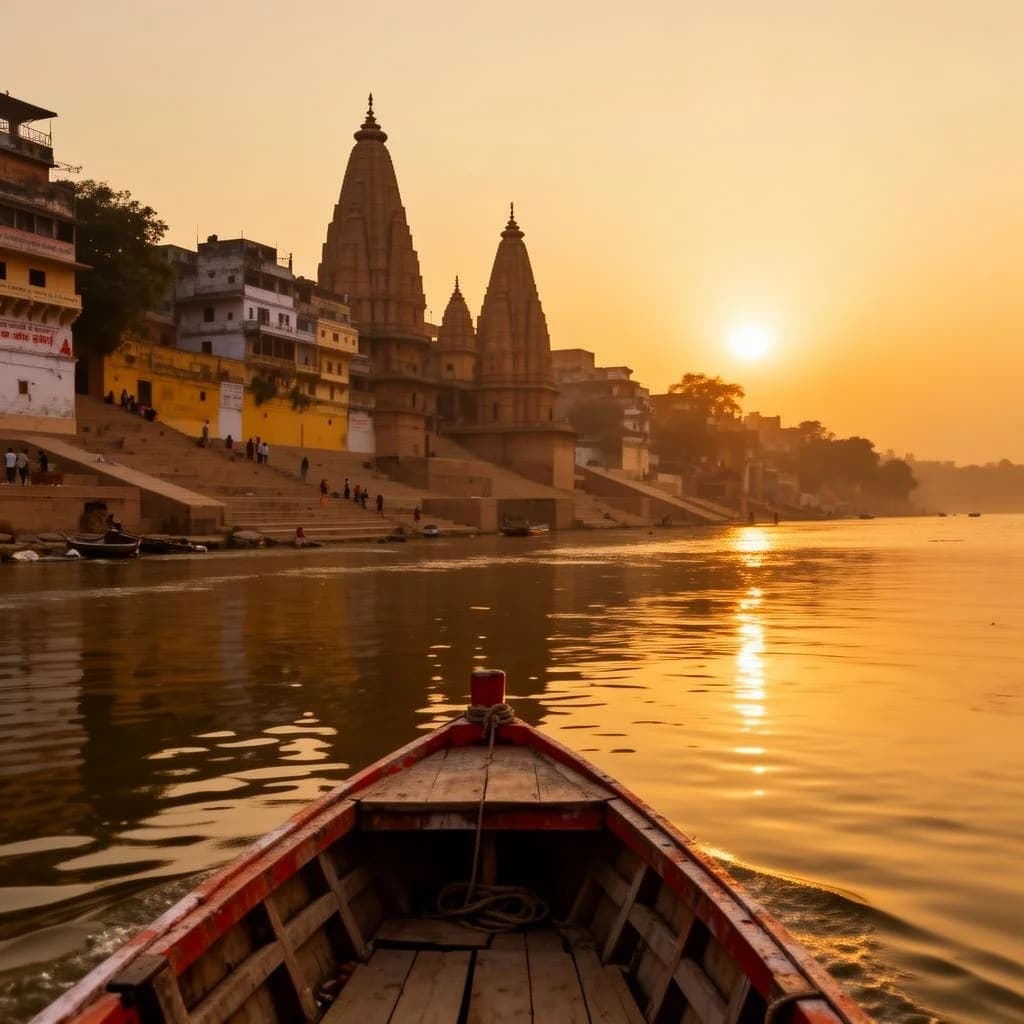


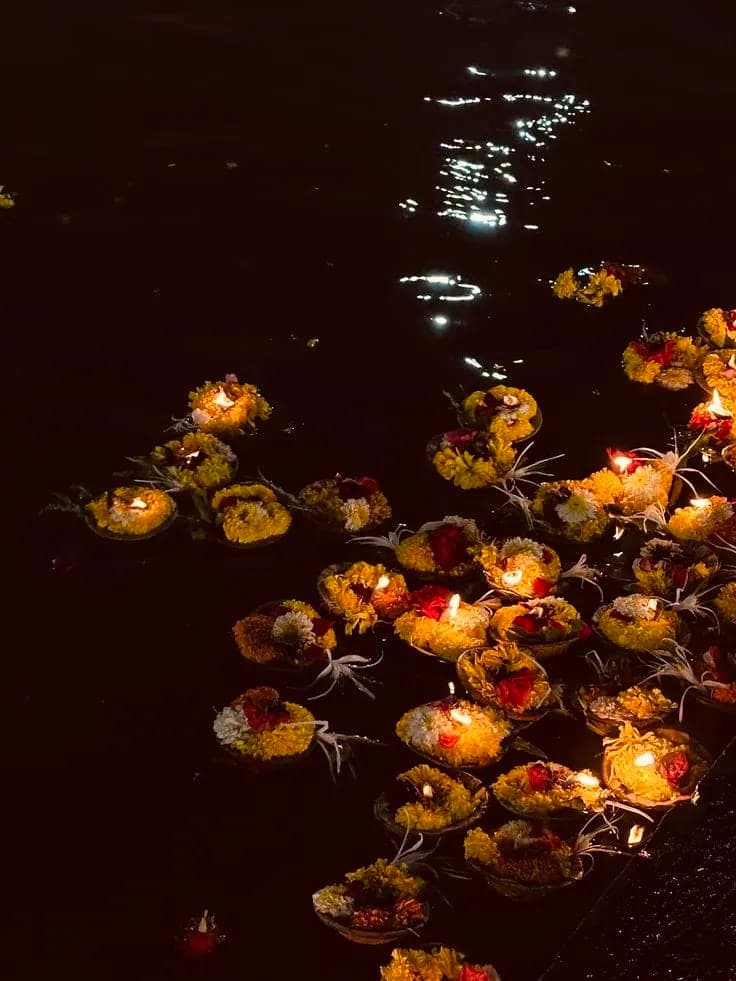


Grouped for quick scanning
Everything you need to know about Kanak Bhawan .
Topic 01
9 questions
Kanak Bhawan is a palace-temple in Ayodhya housing three pairs of gold-adorned Sita-Ram idols. Its name means House of Gold. Tradition says it was Sita's private palace, gifted to her by Kaikeyi, and it is one of the most beautiful temples on the Ayodhya circuit.
It is famous for its three pairs of gold-crowned Sita-Ram idols, its palace-like architecture and its evening bhajans. The legend that it was Sita's personal home, gifted by Kaikeyi, gives it a tender, domestic significance unlike the grander temples.
Kanak means gold. The Sita-Ram idols inside are crowned and adorned in gold, which gives the temple its name, the House of Gold, also known as Sone-ka-Ghar.
Three pairs of Sita-Ram idols, each crowned and adorned in gold. The largest pair is the one most pilgrims remember, set in a palace-like sanctum that catches the lamplight beautifully in the evening.
Tradition says the site was gifted to Sita by Kaikeyi. The present temple was built in 1891 by Vrishabhanu Kunwari, the queen of Orchha and Tikamgarh, which is why its architecture carries a Bundelkhand palace character.
By tradition Queen Kaikeyi, Rama's stepmother, gave Kanak Bhawan to Sita as a personal palace when she came to Ayodhya as a bride, a private home for the new couple. The temple honours that story.
Both, in spirit. It is a temple built in the form of a palace, reflecting the tradition that it was Sita's royal home. The wide courtyard and palace architecture set it apart from typical shrines.
It has a palace character, with a wide courtyard and Bundelkhand influence from its 1891 rebuilding by the queen of Orchha and Tikamgarh, rather than a purely local temple style.
It is also called Sone-ka-Ghar, the House of Gold, after its gold-adorned Sita-Ram idols. Both names point to the same temple.
Topic 02
8 questions
Entry is free, with darshan roughly 8:00 to 11:30 AM and 4:30 to 9:00 PM. The evening session, with bhajans and aarti, is the highlight. Verify exact hours close to your visit, as they shift seasonally.
No, entry is free. It is also one of the more accessible temples on the circuit, with a mostly step-free courtyard, a welcome contrast to Hanuman Garhi's 76 steps.
Yes, it is open daily, in two sessions, morning and evening, with a midday break. The evening session is the more atmospheric of the two.
Bhajans and aarti are part of the evening session, which runs roughly from 4:30 PM. Times shift seasonally, so arrive in the early evening to be sure of catching them.
The evening, for the bhajans and aarti when the gold idols catch the lamplight. Many guides, myself included, schedule it as a dusk stop rather than a morning one.
About 30 to 45 minutes is comfortable, longer if you stay for an evening bhajan. The courtyard is calm and worth sitting in for a while.
Aarti is performed in both sessions, with the evening aarti being the highlight. Exact times vary seasonally, so confirm on the day or plan for the early evening.
It is busy but rarely overwhelming, and the courtyard absorbs crowds well. Evenings draw bhajan-goers; mornings are quieter. Festival days like Vivah Panchami are the busiest.
Topic 03
8 questions
The three pairs of gold-crowned Sita-Ram idols are the heart of the visit. Take time in the calm, photogenic courtyard, and stay for an evening bhajan if you can.
It is largely step-free with a wide courtyard, making it one of the more accessible temples on the circuit. It is a good choice for seniors and anyone who found Hanuman Garhi's steps difficult.
Yes, very. The mostly step-free courtyard and gentle pace make it comfortable for elderly pilgrims, especially as an evening stop after a morning of more demanding temples.
Photography of the courtyard is usually fine, but avoid photographing during darshan and inside the sanctum, and follow on-site signage and the priests' guidance.
No strict rule, but dress modestly and respectfully, covering shoulders and knees. Traditional Indian attire suits the setting; carry a shawl if you are in Western clothes.
Photography rules around the sanctum are restricted to protect sanctity, so do not photograph the idols during darshan. Enjoy them in person; the evening lamplight on the gold is the real reward.
Phones are generally permitted in the courtyard, unlike inside Ram Mandir, but keep them silent and away during darshan as a courtesy.
Yes, you remove footwear before entering, and there are shoe-deposit points. Slip-on shoes make this quick.
Topic 04
9 questions
About 0.8 km, deep in the old city near the Ramkot lanes. E-rickshaws bring you to the edge of the lanes; the last stretch is on foot.
Dashrath Mahal and Sita Ki Rasoi are a short walk away, and Ram Mandir and Hanuman Garhi are close by. The cluster fits easily into one circuit.
Either works, but I often place Kanak Bhawan in the evening, after the morning Ram Mandir and Hanuman Garhi, so you catch its bhajans at dusk when the temple is at its best.
Dashrath Mahal and Sita Ki Rasoi, both a short walk away, pair naturally with it. Together they tell the domestic, palace side of the Ramayana story in Ayodhya.
Yes, they are close, under a kilometre apart. A common plan is Ram Mandir and Hanuman Garhi in the morning, then Kanak Bhawan and its neighbours in the afternoon and evening.
Around 30 to 45 minutes, longer if you stay for an evening bhajan. Add a little for the short walk through the old-city lanes to reach it.
Yes, it is a core stop on the one-day circuit, usually visited in the afternoon or evening alongside Dashrath Mahal, Sita Ki Rasoi and Nageshwarnath. See our day-by-day itinerary.
Yes. Visit Kanak Bhawan in the early evening for its bhajans, then move to Ram Ki Paidi for the sunset Saryu aarti. The two make a lovely close to an Ayodhya day.
Yes, Dashrath Mahal is a short walk away, which is why the two are almost always visited together, often with Sita Ki Rasoi in the same loop.
Topic 05
8 questions
It is about 0.8 km from Ram Mandir in the old city. Take an e-rickshaw to the edge of the Ramkot lanes, then walk the final stretch, as vehicles cannot enter the inner lanes.
No, cars cannot enter the narrow old-city lanes. E-rickshaws get you close, and you walk the last part. This is true across the inner pilgrimage zone.
Parking is at the edge of the old-city lanes, with the inner area kept vehicle-free. Continue by e-rickshaw or on foot. Confirm arrangements locally on busy days.
Yes, it is safe and well managed. Take normal care of your belongings in the busier evening crowds, and the calm courtyard makes it one of the more relaxed stops.
Yes, the surrounding Ramkot lanes are full of shops for flowers, prasad, idols and Ramayana books, so you can pick up offerings on the way in.
The old-city lanes and the Ram Path bazaar nearby have pure-vegetarian eateries serving local sweets like peda and laddoo, plus kachori and thalis. Choose busy, clean places and bottled water.
Yes, very. The step-free courtyard, the gentle pace and the golden idols make it an easy, rewarding stop for families with children or elders.
No, there is no ticket and no entry fee. You can walk in during the open sessions; just dress modestly and follow the temple's customs.
Topic 06
8 questions
Vivah Panchami, the celebration of Rama and Sita's wedding, is the signature festival here, fitting for a temple tied to Sita's married home. It falls in November or December and brings wedding-themed festivities.
Yes. As a temple linked to Sita's home, it is a focal point of Vivah Panchami's Ram-Sita wedding celebrations, with special decoration and crowds. It is a beautiful but busy time to visit.
October to March, when Ayodhya's weather is mild and the evening bhajans are pleasant to sit through. Avoid the April to June heat.
Not strictly, but a guide brings out the Kaikeyi legend and the temple's history and times your visit for the evening bhajans. It helps first-timers get the most from the stop.
Yes, foreigners are welcome. Dress modestly and follow the temple's customs. The step-free courtyard and calm atmosphere make it an easy, welcoming visit.
Yes. It is one of the temples visitors most often single out, for the golden idols, the palace setting and the evening bhajans. Many pilgrims call it the most beautiful temple in Ayodhya.
The evening bhajans, when the gold idols catch the lamplight, and a quiet moment in the courtyard. Come back at dusk if you only saw it in the morning.
We schedule Kanak Bhawan for the early evening so you catch its bhajans, then move to the Saryu aarti to close the day. See our Ayodhya packages, or message me, Rajeev, on WhatsApp at +91 7302265809.
Still have a question?
Message Rajeev on WhatsApp