To understand why Ayodhya does this - why a whole city turns its riverbank into a field of twenty-five lakh flames on one night a year - you have to go back to the very first Diwali, which, the Ramayana tells us, happened here.
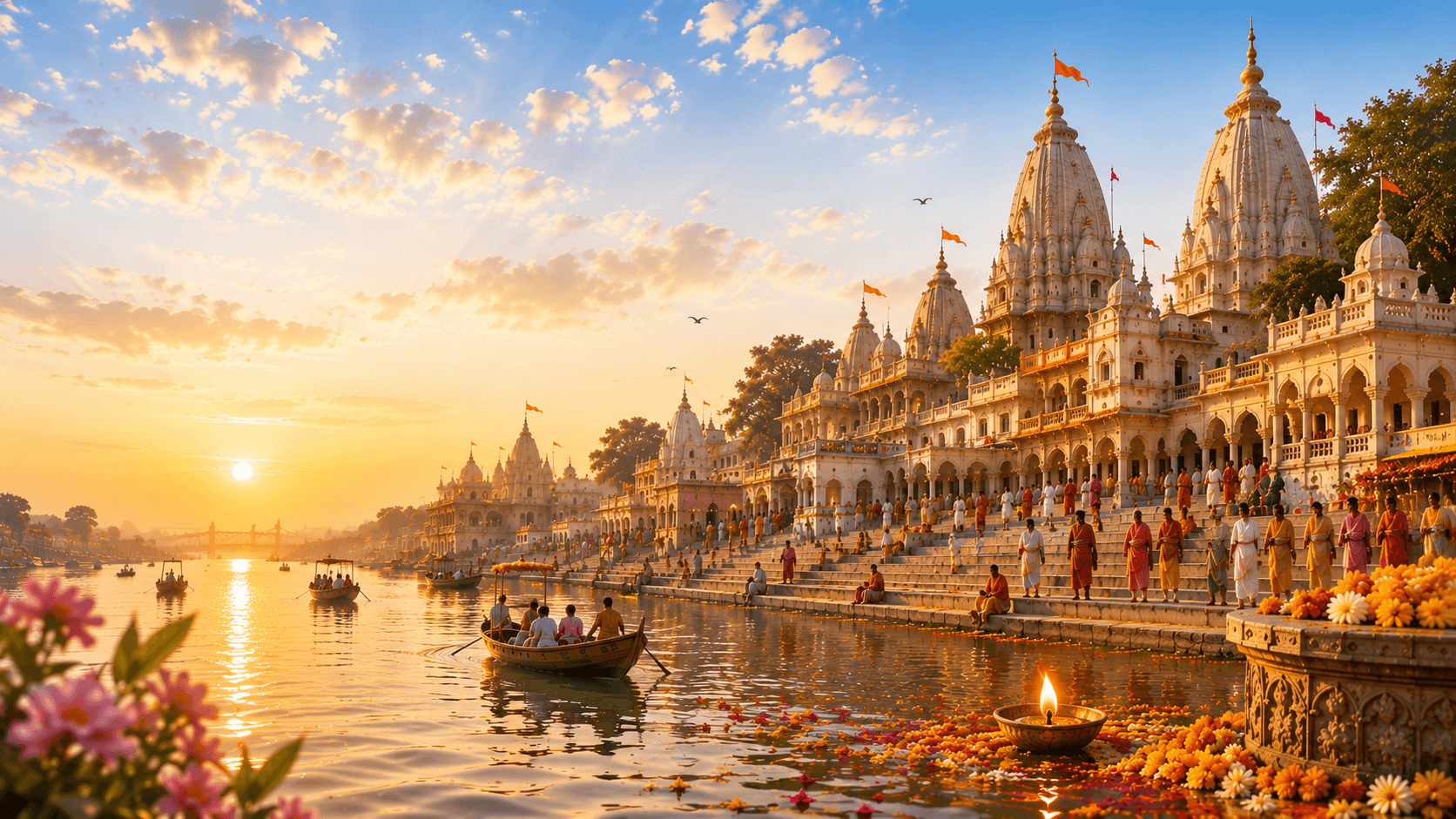
When Lord Rama returned to Ayodhya after fourteen years of exile - after the forests of Chitrakoot, the years of waiting, the war in Lanka and the rescue of Sita - the people of the city, overjoyed at the homecoming of their rightful king, lit rows upon rows of earthen lamps along every street and ghat to guide him home and to celebrate. That night of lamps, deepavali, the row of lights, is the origin of Diwali itself. Every lamp lit in every Indian home on Diwali is, in a sense, an echo of the ones the people of Ayodhya lit for Rama. Deepotsav is Ayodhya lighting them again, at the source.
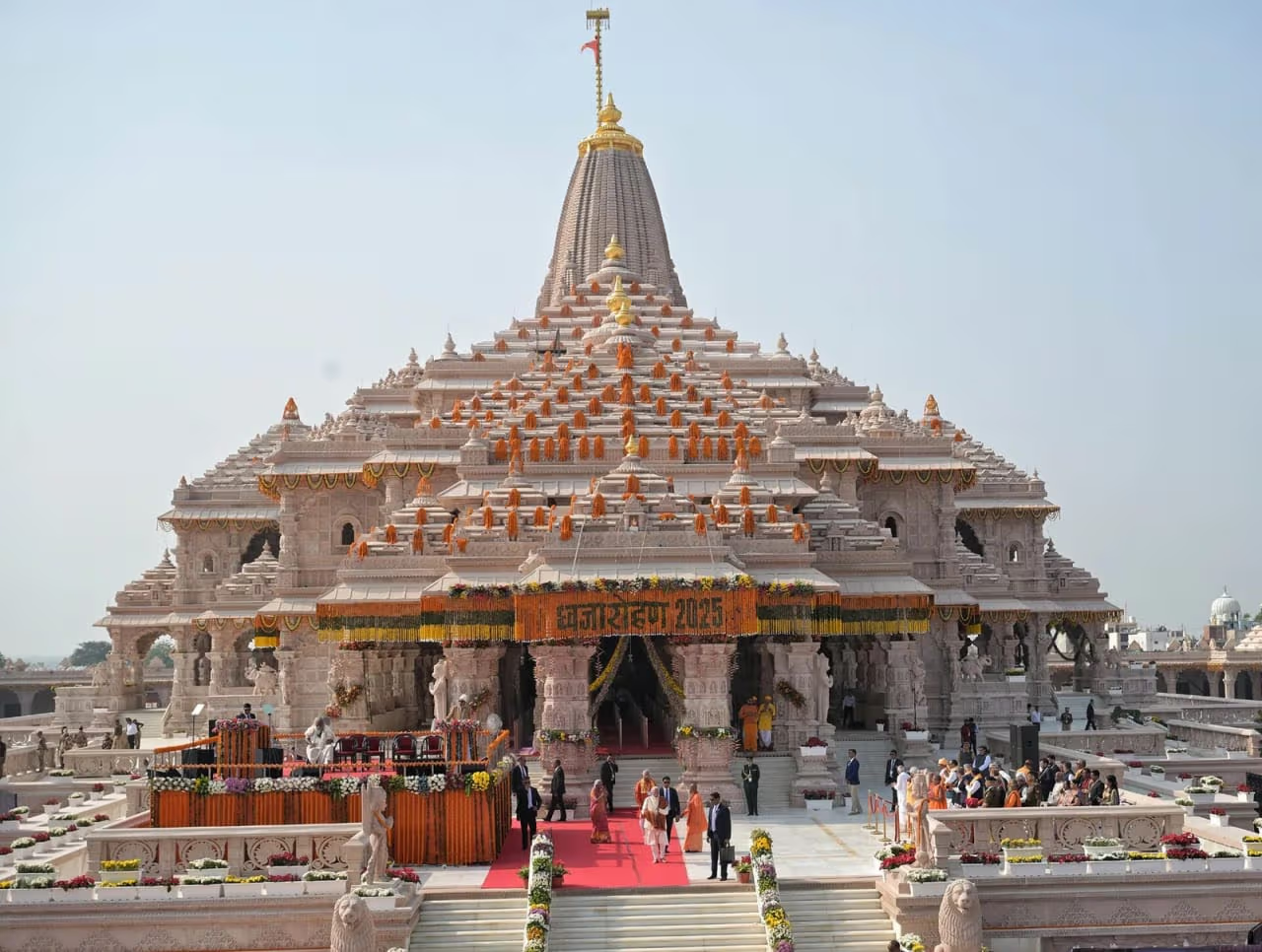
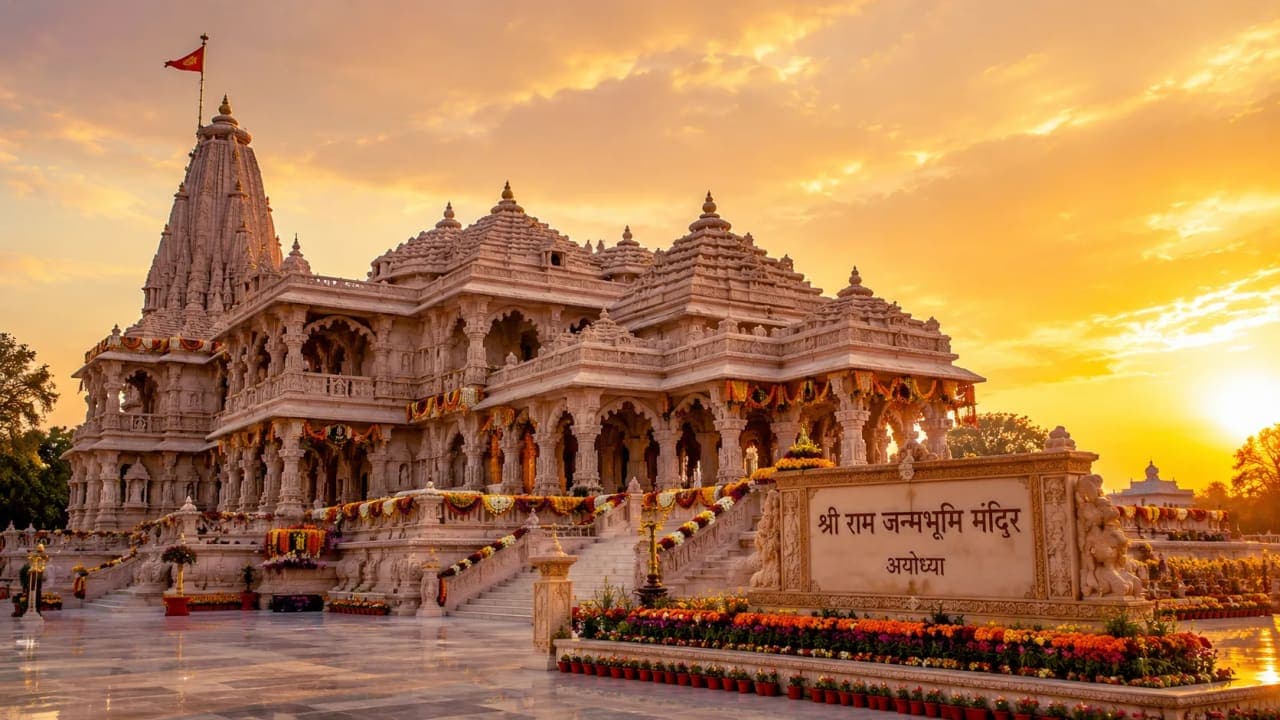
That is what makes this night different from Diwali anywhere else. In your own home, you light a few diyas in memory of a story. Here, you stand on the banks of the Saryu, in the city the story is about, and watch that first welcome recreated on a scale that stops the breath - the ghats, the water, the temple spires all gold with flame, and in recent years the newly built Ram Mandir rising above it all. For many pilgrims it is the most moving Diwali of their lives, because it is not a commemoration of the homecoming; it feels like standing in it.
The Deepotsav you see today is a modern revival of that ancient welcome. Since 2017 the Uttar Pradesh government has organised it on a grand civic scale, and each year the number of diyas has climbed - past twenty-two lakh, past twenty-five lakh - with Ayodhya claiming a fresh Guinness World Record almost every festival. And since the consecration of the new Ram Mandir, the night has taken on an extra charge of meaning: the homecoming is no longer only remembered but, for many, finally completed, the lamps now burning in the shadow of the temple that so many waited a lifetime to see.
Rajeev Sharma and the Experience My India team have shared this night with pilgrims who grew up hearing the story and never imagined they would see it made real. There is a laser show and a Ram Leela and fireworks, yes - but the thing people carry home is simpler: the sight of Ayodhya, Rama's own city, lit from end to end to welcome him, just as it was the first time. Jai Shri Ram.