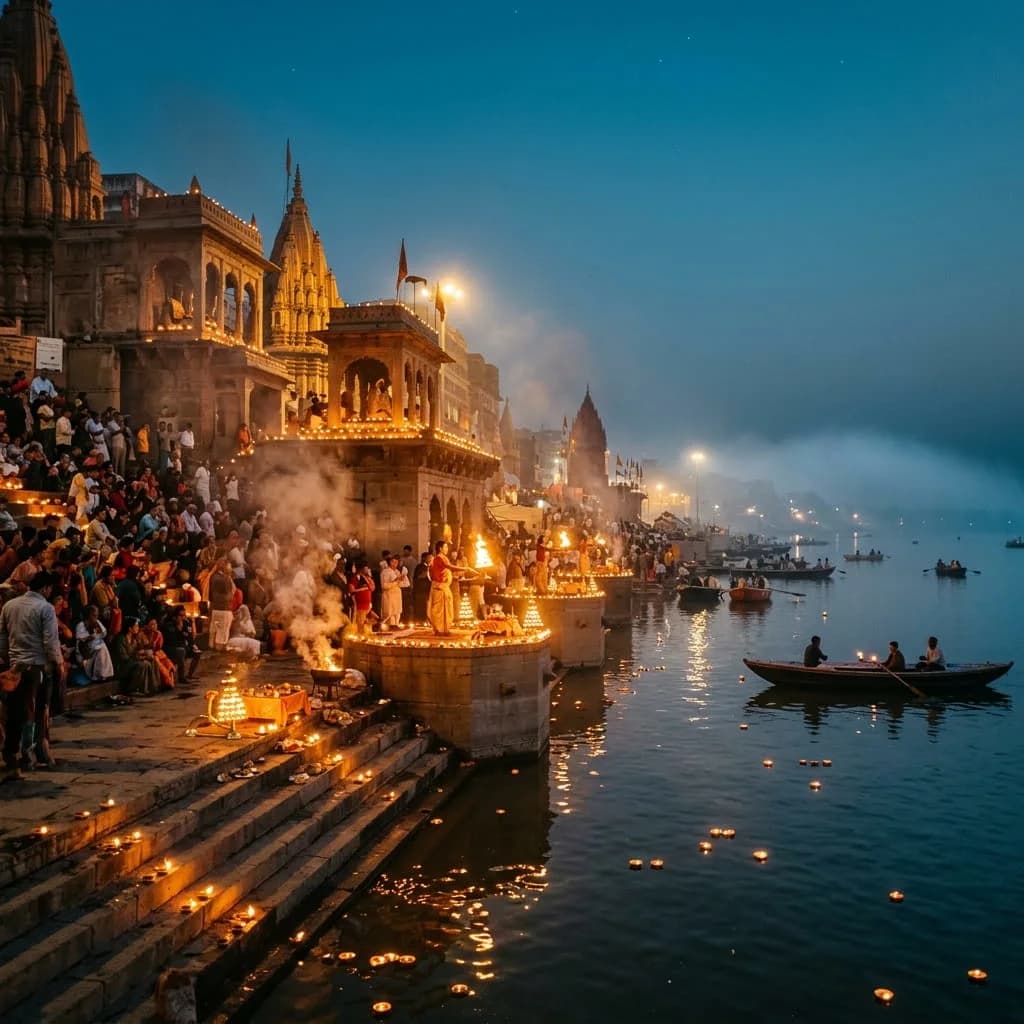
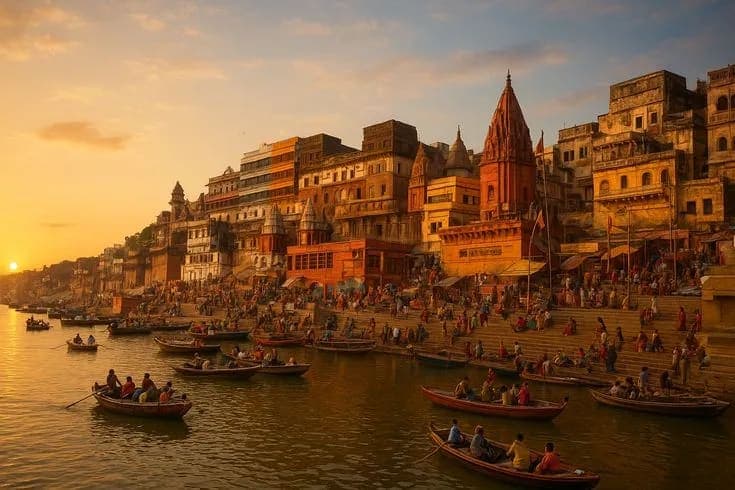
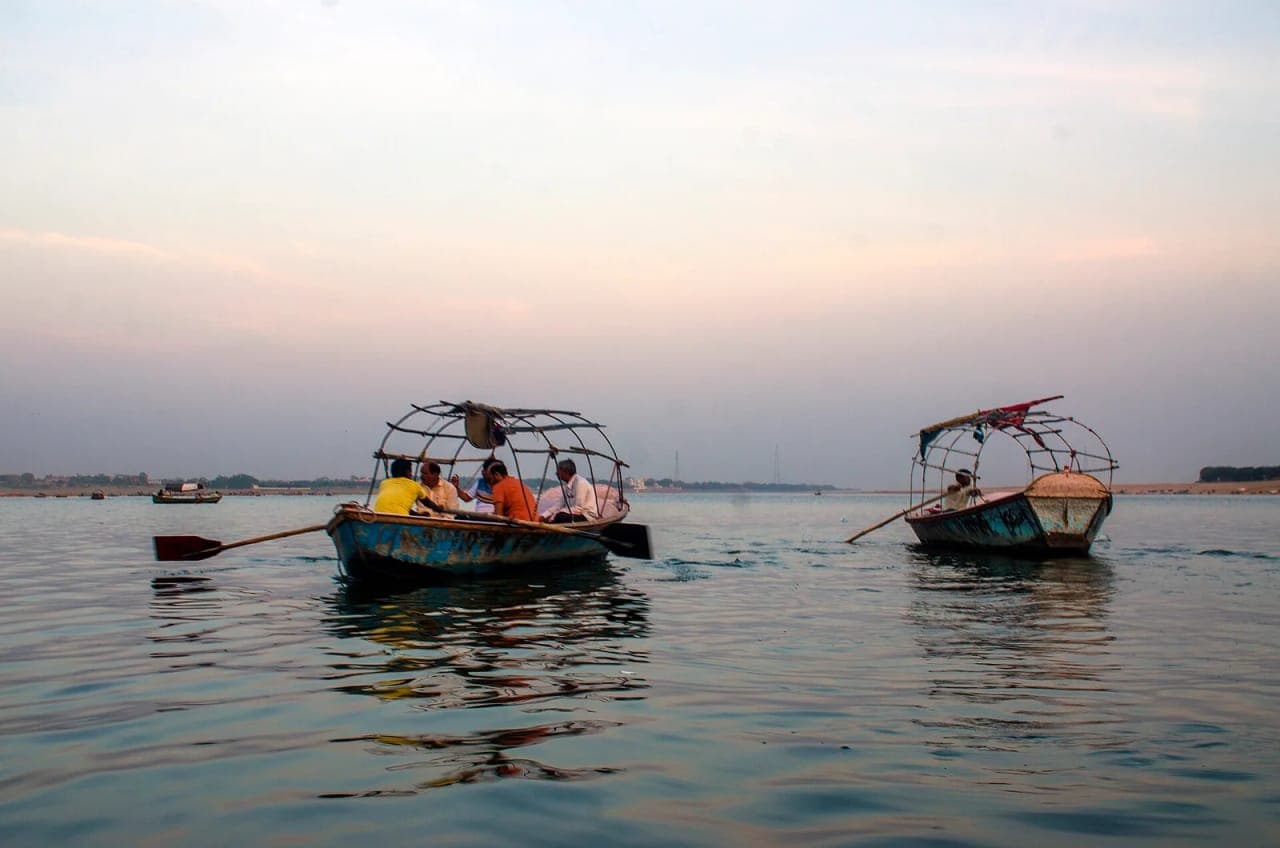
Dev Deepawali means, quite literally, the Diwali of the Devas - the gods. And the belief behind it is a beautiful one: that on this one night, the gods themselves descend from the heavens to Kashi, to bathe in the Ganga and to celebrate - and the city lights every step of every ghat to welcome them.
The story goes back to Lord Shiva. On this day, Kartik Purnima, Shiva is said to have destroyed Tripurasura, the demon who had built three great flying cities of gold, silver and iron and terrorised the three worlds. When Shiva burned the three cities with a single arrow and freed the heavens, the gods, in their joy, came down to his own city of Kashi and lit lamps in celebration - a Diwali for the victory, held on earth, in the city of the one who won it. For this reason the day is also called Tripurari Purnima, after Tripurari, the slayer of Tripura. Dev Deepawali is Kashi re-enacting that divine celebration, year after year, on the very ghats where the gods are said to have lit their lamps.
There is a quieter, more modern thread woven into the night too. At Dashashwamedh Ghat, amid the lamps, a tribute is paid to India's fallen soldiers - an Amar Jawan shraddhanjali - so that the festival of the gods also honours those who gave their lives for the country. Faith and remembrance share the same river of light.
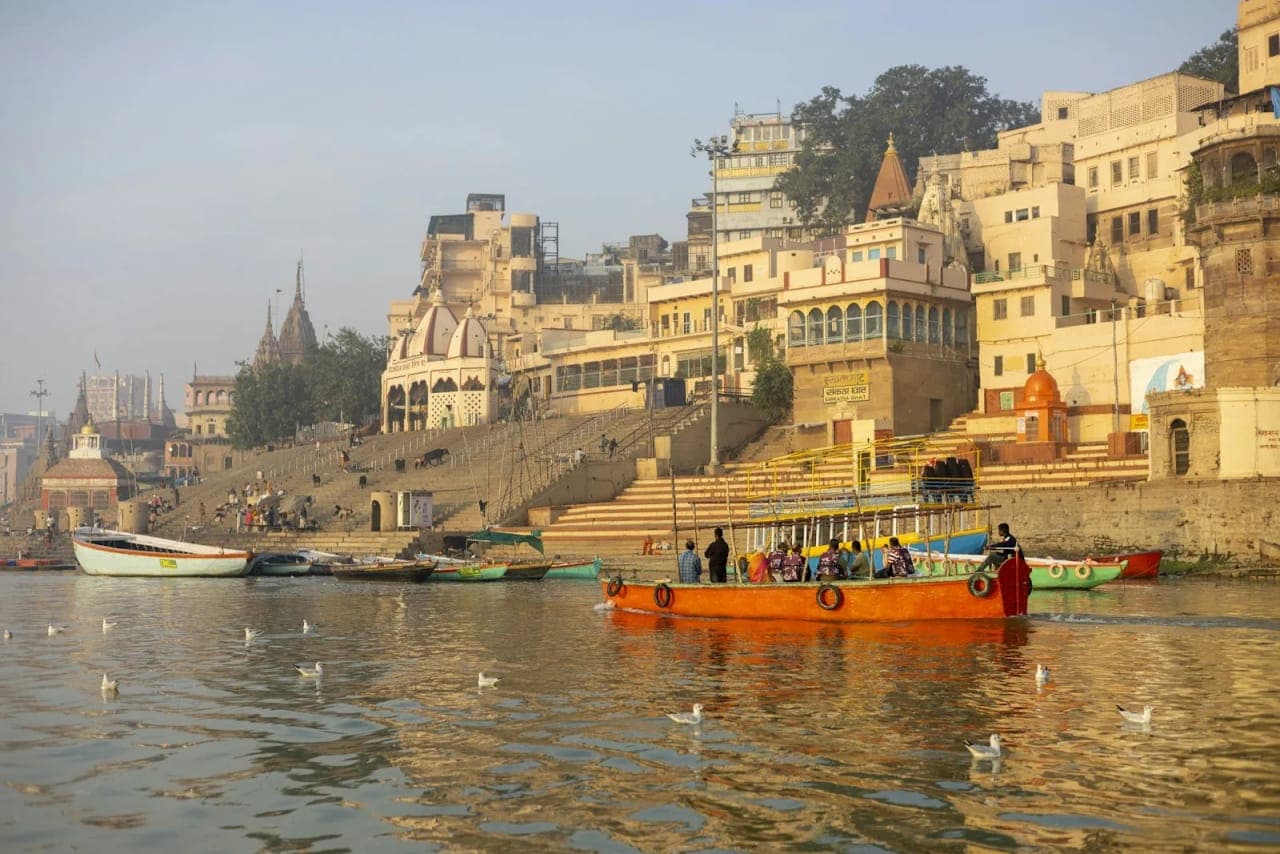
To stand on a boat in the middle of the Ganga on this night, with the whole of Kashi glowing on the bank, the aarti rising, the full moon of Kartik overhead, and the belief all around you that the gods have come down to bathe beside you - it is, for many travellers, the most moving thing they have witnessed in India. Rajeev Sharma and the Experience My India team have shared this night with pilgrims and first-time visitors alike, and it leaves no one unchanged. Har Har Mahadev, Jai Gange.