3 nights / 4 days
Pilgrimage
₹37,000
Starting From


Senior Citizen Kashi Ayodhya Yatra
Varanasi, Prayagraj & Ayodhya (Elders)|Pilgrimage
One City A Day Pace
Lift-Access Rooms
Daily Family WhatsApp
 Varanasi
By Rajeev Sharma
Varanasi-born Pilgrimage Guide
Ganesh Chaturthi (गणेश चतुर्थी), the birthday of Lord Ganesha, the elephant-headed remover of obstacles, falls on Tuesday, 15 September 2026 and runs ten days to the visarjan on Anant Chaturdashi. Everywhere it means clay Ganesha idols, modaks and joyful immersion; but Kashi holds something older and unique, the 56 Vinayakas, fifty-six forms of Ganesha set through the city to guard its sacred geography, led by Dhundiraj Ganesh at the very gate of Kashi Vishwanath. varanasiayodhyatours.com plans the darshan and the Kashi Ganesha trail, on WhatsApp.
Experience Ganesh Chaturthi in Kashi: the 56 Vinayakas who guard the city with a Kashi-born guide — darshan, stays and boats arranged.
Ganesh Chaturthi falls on the fourth day (Chaturthi) of the bright fortnight of Bhadrapada, in August or September. In 2026 it is Tuesday, 15 September, and because Tuesday and Chaturthi are both dear to Ganesha, the day is held especially auspicious. The festival runs up to ten days, ending with visarjan (immersion) on Anant Chaturdashi, around 25 September 2026.
Ganesh Chaturthi celebrates the birth of Ganesha, son of Shiva and Parvati, the god invoked first before any undertaking, the remover of obstacles (Vighnaharta) and giver of wisdom (Buddhi Pradayaka). Clay idols are installed in homes and pandals, worshipped for one to ten days with modaks (his favourite sweet), durva grass and red flowers, and then carried in joyful, musical procession for visarjan in water, sending the god home with the prayer that he return next year. It is one of India's most beloved festivals, and while its grandest public form is in Maharashtra, Kashi keeps it with a depth all its own.
Kashi's Ganesha tradition is unlike anywhere else. The city is guarded by 56 Vinayakas, chappan Vinayak, fifty-six forms of Ganesha established throughout Varanasi, named in the Kashi Khanda of the Skanda Purana. They are arranged in protective rings around the sacred city, a divine perimeter, each with its own name, shrine and story, together warding the holy geography and its pilgrims. To make the full round of the 56 Vinayakas is a deep and traditional Kashi pilgrimage, held to fulfil wishes, remove obstacles, please Shiva and grant liberation. Few visitors know they exist; to be shown even a handful, with the pattern explained, is to see the hidden architecture of sacred Kashi.
From the ground: for my Telugu and Kannada guests I explain that the 56 Vinayakas are the reason Ganesh Chaturthi in Kashi is a pilgrimage, not just a festival. We cannot do all fifty-six in a day, but I can take you to the chief ones and show you how they ring the city, which is something you will not find on the usual tour.
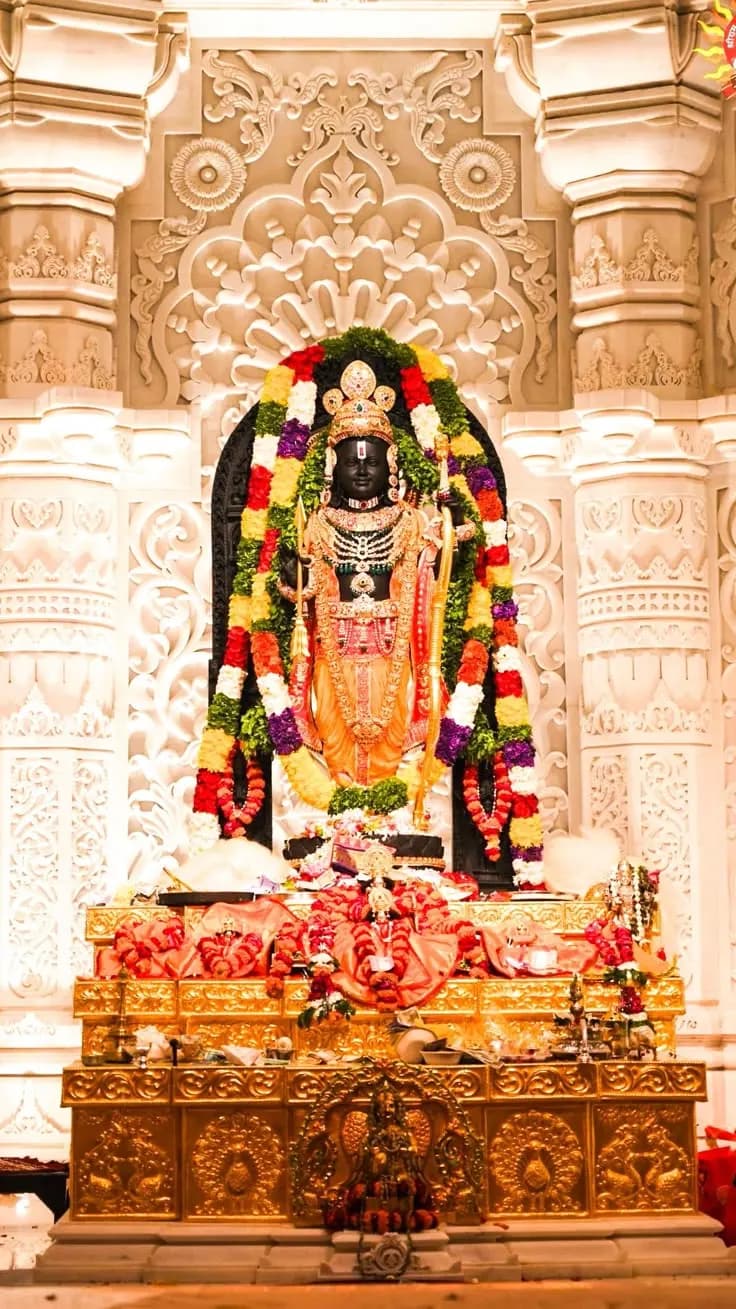
First among the 56 is Dhundiraj Vinayak, whose shrine stands just inside the entrance of the Kashi Vishwanath temple. Tradition holds that a Kashi pilgrimage is incomplete unless one first bows to Dhundiraj: he is the guardian at the threshold, the obstacle-remover who must grant passage before darshan of Shiva. His swayambhu (self-manifested) idol is distinctive, three-eyed, flanked by his consorts and sons, and he is believed to bless the pilgrim with clarity before they reach the Lord. On Ganesh Chaturthi his shrine is a focus of the day.
Dhundiraj's name and place come from a great Kashi story. When Kashi had fallen under the righteous but human king Divodas, and Shiva wished to return to his city, it was Ganesha who cleared the way. He appeared in the city as an astrologer named Dhundi and, over a long span, gently turned the people and the king toward the need for Shiva's return, and so earned the name Dhundiraj, the lord who confounds in order to guide. When Shiva returned, he set Ganesha at his own gate as the guardian to be honoured first. The 56 forms are said to date from this establishing of Ganesha's presence across the city.
Beyond Dhundiraj, Kashi honours Bada Ganesh (Bade Ganeshji), an important and much-loved Ganesha temple in the Lohatia area, among the city's principal Ganesha shrines and a natural stop on the Ganesh Chaturthi trail. Between Dhundiraj at Vishwanath's gate, Bada Ganesh, and the chief of the 56, a Kashi Ganesh Chaturthi becomes a small pilgrimage of its own.
Alongside the ancient Vinayaka pilgrimage, Kashi keeps the modern festival too: clay idols in homes and pandals, community celebrations, aartis and bhajans, and, over the ten days, immersion processions to the Ganga, where the idols are given to the river that Kashi holds most sacred. The blend is the point, the deep old geography of the 56 Vinayakas, and the joyful public festival, in the same city, in the same days.
Ganesha's classic offerings are modak and laddoo (his favourite sweets), durva grass (especially dear to him, offered in blades of an odd number), red flowers and sandalwood, and the recitation of the Ganapati Atharvashirsha. Offerings are simple and inexpensive. At the 56 Vinayakas and at Dhundiraj, a modest, dignified offering is entirely enough.
Ganesh Chaturthi in Kashi is free and public: the temple darshan, the Vinayaka shrines and the pandals carry no ticket, and there is no VIP anything to sell. Two honest points. Dhundiraj sits inside the Kashi Vishwanath complex, so its access follows the temple's security and queue rules on the day; and around Vishwanath, as always, be gently firm with anyone in the galis pressing costly pujas or unreceipted fees. And the full 56-Vinayaka circuit is a serious undertaking, not a one-morning tour; we are honest about doing the principal ones well rather than pretending to rush all fifty-six. What we honestly arrange is the Dhundiraj darshan in sequence with Vishwanath, a real Kashi-Ganesha trail to the chief Vinayakas and Bada Ganesh, the story, and the ghats on an immersion evening.
Fly into Lal Bahadur Shastri International Airport (VNS), about 25 km out; trains serve Varanasi Junction, Banaras and Kashi stations. Dhundiraj is inside the Kashi Vishwanath complex, reached on foot from Godaulia; the Vinayakas are spread across the old city. September is late monsoon, so allow for rain. Full detail in the How to Reach Varanasi guide.
Our package guests stay at the Taj Ganges or Hilton Varanasi with breakfast, a comfortable base for the temple trail and the immersion evenings. September is a pleasant, less-crowded season in Kashi than the Kartik peak. More in the Stay & Hotels guide.
A Kashi-Ganesha day, Dhundiraj in sequence with Kashi Vishwanath, Bada Ganesh, the chief Vinayakas and an immersion evening, builds on one flat rate: ₹12,500 per day for two guests, Taj or Hilton base, Innova throughout, confirmed in writing before any advance. It slots into the 4 Days Ayodhya Varanasi Tour Package, ₹50,000 per couple (₹25,000 per person). Browse all packages.
Tuesday, 15 September 2026, on Bhadrapada Shukla Chaturthi. The festival runs up to ten days, ending with visarjan on Anant Chaturdashi around 25 September.
Fifty-six forms of Lord Ganesha established throughout Varanasi, named in the Kashi Khanda of the Skanda Purana and arranged in protective rings guarding the sacred city. Making their round is a traditional Kashi pilgrimage.
The chief of the 56 Vinayakas, whose shrine stands just inside the gate of the Kashi Vishwanath temple. Tradition holds a Kashi pilgrimage is incomplete unless one first bows to Dhundiraj, the guardian at the threshold.
Ganesha, as an astrologer named Dhundi, prepared Kashi for Shiva's return during the reign of King Divodas, and so earned the name Dhundiraj; Shiva then set him at his gate as the guardian to be honoured first.
Bada Ganesh (Bade Ganeshji) is a principal Ganesha temple in the Lohatia area of Varanasi, a natural stop on a Kashi Ganesh Chaturthi trail.
With both the ancient Vinayaka pilgrimage and the modern festival: clay idols in homes and pandals, aartis and bhajans, and immersion processions to the Ganga over the ten days.
Modak and laddoo, durva grass (in odd-numbered blades), red flowers and sandalwood, with recitation of the Ganapati Atharvashirsha. Offerings are simple and inexpensive.
No; the full circuit is a serious pilgrimage. We take you to the principal Vinayakas, Dhundiraj and Bada Ganesh, and explain how they ring the city, done well rather than rushed.
No; darshan and the shrines are free. Be gently firm with anyone pressing costly pujas near Vishwanath; a modest offering is enough.
Yes; September is pleasant and less crowded than the Kartik peak, and the Kashi-Ganesha trail is a distinctive, uncrowded pilgrimage. Tell us your dates on WhatsApp.
Experience Ganesh Chaturthi in Kashi: the 56 Vinayakas who guard the city with a Kashi-born guide — darshan, stays and boats arranged.
Handpicked packages for sacred festivals and destinations.




Handpicked travel guides, local insights and practical information to help you plan your spiritual journey with ease.
.0bwph.107dyza.webp&w=2048&q=75)
Timings, entry process, VIP darshan, nearby attractions and important tips.
Fresh insights and useful information for your journey.
More spiritual gatherings across sacred destinations.
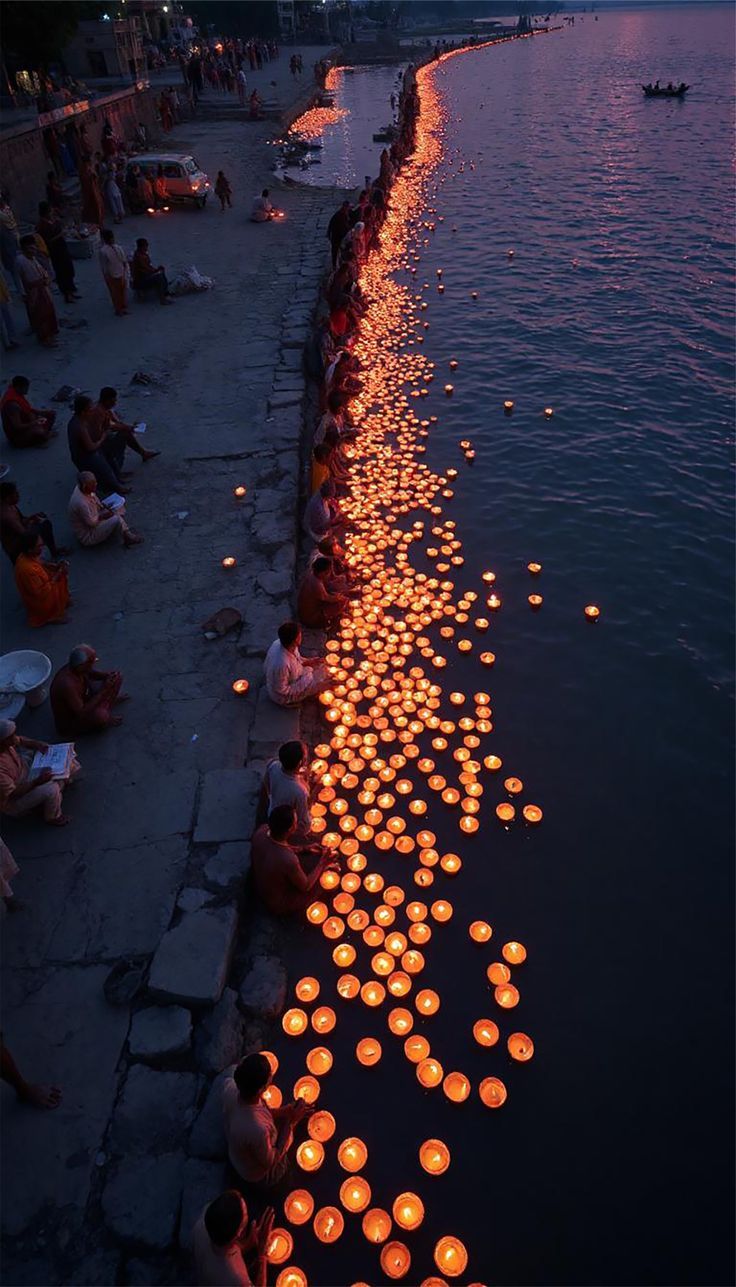
The Panchkroshi Yatra (पंचकोशी यात्रा) is the sacred parikrama around the whole of Kashi: an 88 km circuit that begins and ends at Manikarnika, with five padavs (halts), Kardameshwar, Bhimchandi, Rameshwar, Shivpur and Kapildhara, and 108 Shiva shrines along the way. Traditionally walked over five days, it is done today either on foot with dharamshala halts or in a single day by vehicle. varanasiayodhyatours.com plans both versions, the sankalp, the route and the pace, on WhatsApp.
View DetailsSubah-e-Banaras (सुबह-ए-बनारस) is Varanasi's daily dawn ritual at Assi Ghat: begun on 24 November 2014, it opens in the Brahma Muhurta before sunrise with Vedic chanting and a hawan, a morning Ganga aarti to the rising sun, then live Banaras Gharana classical music and an open yoga session on the ghat steps. It runs every morning, is free to attend, and is the contemplative dawn counterpart to the grand evening Ganga Aarti at Dashashwamedh. varanasiayodhyatours.com plans the pre-dawn pickup, the seating and a sunrise boat around it, on WhatsApp.
View Details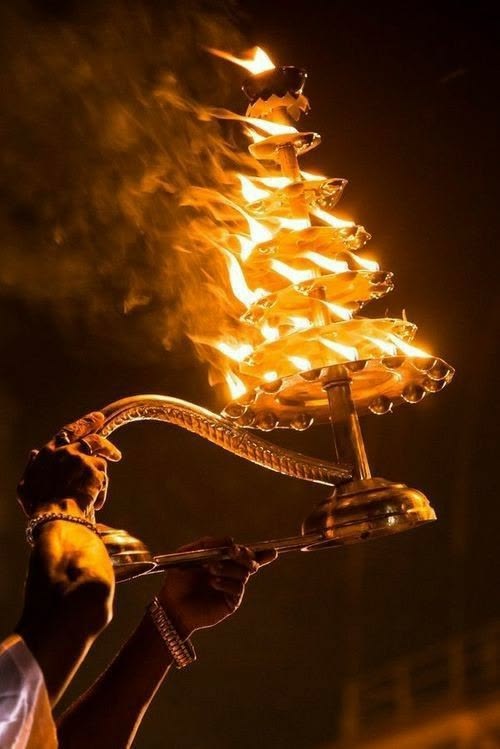
The Nageshwarnath temple (नागेश्वरनाथ) is Ayodhya's ancient presiding Shiva shrine, at Ram ki Paidi on the banks of the Saryu, said to have been established by Kush, the son of Lord Rama. In a city given to Rama, it is the great centre of Shiva worship, coming alive above all at Maha Shivratri, with its famous Shiva Baraat, and through the month of Sawan. varanasiayodhyatours.com plans the darshan and the Shiva festivals around it, on WhatsApp.
View Details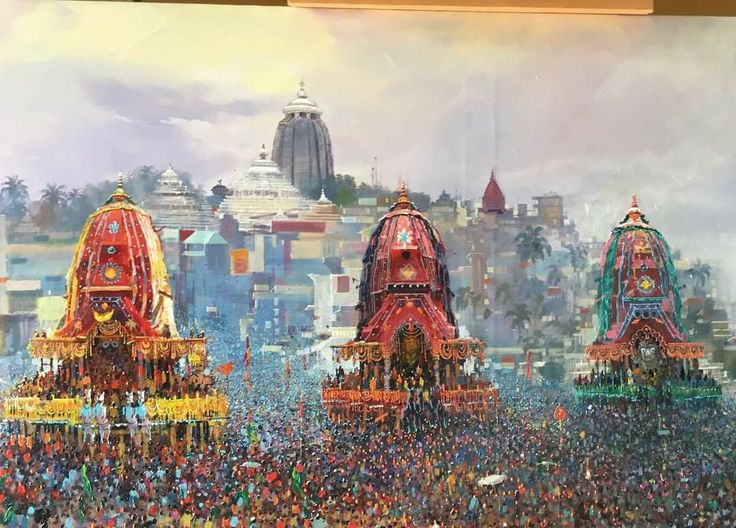
The Panchkroshi Yatra (पंचकोशी यात्रा) is the sacred parikrama around the whole of Kashi: an 88 km circuit that begins and ends at Manikarnika, with five padavs (halts), Kardameshwar, Bhimchandi, Rameshwar, Shivpur and Kapildhara, and 108 Shiva shrines along the way. Traditionally walked over five days, it is done today either on foot with dharamshala halts or in a single day by vehicle. varanasiayodhyatours.com plans both versions, the sankalp, the route and the pace, on WhatsApp.
View Details