3 nights / 4 days
Pilgrimage
₹37,000
Starting From


Senior Citizen Kashi Ayodhya Yatra
Varanasi, Prayagraj & Ayodhya (Elders)|Pilgrimage
One City A Day Pace
Lift-Access Rooms
Daily Family WhatsApp
 Varanasi
By Rajeev Sharma
Varanasi-born Pilgrimage Guide
Holi in Varanasi (होली) is not one day but a six-day spiritual arc that no other city keeps: it begins at Kashi Vishwanath on Rangbhari Ekadashi when Shiva is said to bring Parvati home and play Holi with gulal, moves the next day to the cremation ground for Masaan Holi, where sadhus play with the ashes of the pyres, and ends in the citywide colour of Rangwali Holi on Tuesday, 23 March 2027. varanasiayodhyatours.com plans the sequence, the vantage and the honest etiquette, on WhatsApp.
Experience Holi in Varanasi: the only city that plays it first with ashes, then with colour with a Kashi-born guide — darshan, stays and boats arranged.
Kashi's Holi unfolds over roughly a week, from the temple to the cremation ground to the streets. The 2027 dates:
On Phalguna Shukla Ekadashi, a few days before the national Holi, Kashi begins. The tradition holds that on this day Lord Shiva brought Goddess Parvati to Kashi as his bride, and the city welcomes them with the first gulal of the season. The silver palanquin of Baba Vishwanath and Mata Parvati is carried in a procession through the narrow lanes around the temple, and devotees shower it with colour and rose petals. This is the devotional opening: Holi offered to the divine couple before anyone plays it with each other. It is temple-centred, joyful and deeply local.
From the ground: for my Telugu and Kannada guests, this is the moment that explains why Kashi's Holi is different. You are not starting a colour fight; you are welcoming Shiva and Parvati home, and only then does the city let itself go.
The day after Rangbhari Ekadashi comes the one Kashi alone keeps. By legend, having played gulal with gods and men, Shiva went to the cremation ground to play Holi with his other companions, the ganas, spirits and ascetics who cannot join the living's celebration, and there the colour was ash from the pyres. So at Manikarnika Ghat, and a day earlier at Harishchandra Ghat, sadhus, Aghoris and devotees smear the ash of the burning ghats in place of gulal, to the beat of damrus and chants of "Har Har Mahadev," among pyres that never stop burning. It is a meditation on impermanence made visible: the ultimate truth that in Kashi even death is not feared but danced with. It is unlike anything else in Hindu practice, and it draws photographers from around the world.
Two nights later, on the Phalguna full moon (Monday, 22 March 2027), the Holika bonfires are lit across the neighbourhoods at dusk, burning the demoness Holika and the triumph of devotion over pride. The next morning, Tuesday, 23 March, is Rangwali Holi: the city dissolves into gulal and water, bhang and thandai, gujiya and song, the ghats and lanes a blur of colour. Banaras plays Holi hard and joyfully; it is exuberant, loud and wet, and best met in the morning and in company.
No other city moves Holi through these three stages, from the temple, to the cremation ground, to the street; from devotion, to detachment, to celebration. Elsewhere Holi is a colour festival. In Kashi it is a philosophy in three acts: welcome the divine, accept impermanence, then celebrate life without fear. That sequence, and Masaan Holi above all, is what makes people travel across the world for it.
Masaan Holi is the reason many come, and it is the part that most needs honesty. Manikarnika is a working cremation ground, not a festival stage: real families are grieving real dead a few feet from the ash-play. Attend only from the regulated viewing zones the administration marks, never step onto the cremation platforms, and be extremely careful with photography, many people here are in mourning, and a camera pushed into grief for a dramatic shot is a genuine wrong. There is no ticket and no VIP access, and anyone selling "Masaan Holi passes" is exploiting the sacred. What we honestly provide is a guide who positions you respectfully, explains the ritual and its meaning, and makes sure you witness it as a pilgrim rather than a tourist. On this of all mornings, conduct matters more than the photograph.
Fly into Lal Bahadur Shastri International Airport (VNS), about 25 km out; trains serve Varanasi Junction, Banaras and Kashi stations. Holi week is one of the busiest and most-booked weeks of the Kashi year; secure flights and rooms months ahead. On Rangwali Holi day, transport largely stops and the city is walked. Our guests move by private Innova Crysta on the temple and ghat runs. Full detail in the How to Reach Varanasi guide.
Our package guests stay at the Taj Ganges or Hilton Varanasi with breakfast, which also gives a safe, controlled space to play with organic colours on Rangwali Holi morning. Ghat-side stays put you in the heart of it; all of Kashi's rooms are scarce and dear in Holi week. More in the Stay & Hotels guide.
Holi week timed around Rangbhari Ekadashi, Masaan Holi and Rangwali Holi builds on one flat rate: ₹12,500 per day for two guests, Taj or Hilton base, Innova throughout, confirmed in writing before any advance. It sits close to Maha Shivratri in the Kashi calendar, both Shiva-centred Phalguna festivals, and slots into the 4 Days Ayodhya Varanasi Tour Package, ₹50,000 per couple (₹25,000 per person), with the Holi sequence added. Browse all packages.
Rangwali Holi, the colour day, is Tuesday, 23 March 2027, with Holika Dahan the evening before. Kashi's own sequence starts earlier, with Rangbhari Ekadashi around 19 March and Masaan Holi around 20 March.
The Holi of the cremation ground, unique to Kashi: sadhus and devotees play with the ash of the funeral pyres at Manikarnika and Harishchandra ghats instead of colour, honouring Shiva's mastery over death and the truth of impermanence.
The devotional opening of Kashi's Holi at the Kashi Vishwanath Temple, marking the day Shiva brought Parvati to the city. Their silver palanquin is processed through the lanes and showered with gulal, a few days before the national Holi.
Only Kashi moves Holi through three stages, from the temple on Rangbhari Ekadashi, to the cremation ground for Masaan Holi, to the streets for Rangwali Holi: devotion, then detachment, then celebration.
Yes, but only from regulated viewing zones and with strict respect: it is a working cremation ground where families are grieving. Never step onto the platforms, and photograph with great care.
The open-street colour play can be overwhelming; it is safest celebrated in the morning, in a group, or within a hotel's controlled setting, which we arrange.
No; it is not a ticketed event. Anyone selling passes is exploiting a sacred site. A guide adds respectful positioning and understanding, not access.
Two to three months at least; Holi is one of Varanasi's most-booked weeks and rooms and flights vanish early.
Both fall in Phalguna and both are Shiva-centred; Maha Shivratri is a couple of weeks before Holi, so a single early-spring trip can hold both.
Ask for organic, herbal gulal, which we arrange; oiling skin and hair first makes it wash off far more easily.
Experience Holi in Varanasi: the only city that plays it first with ashes, then with colour with a Kashi-born guide — darshan, stays and boats arranged.
Handpicked packages for sacred festivals and destinations.


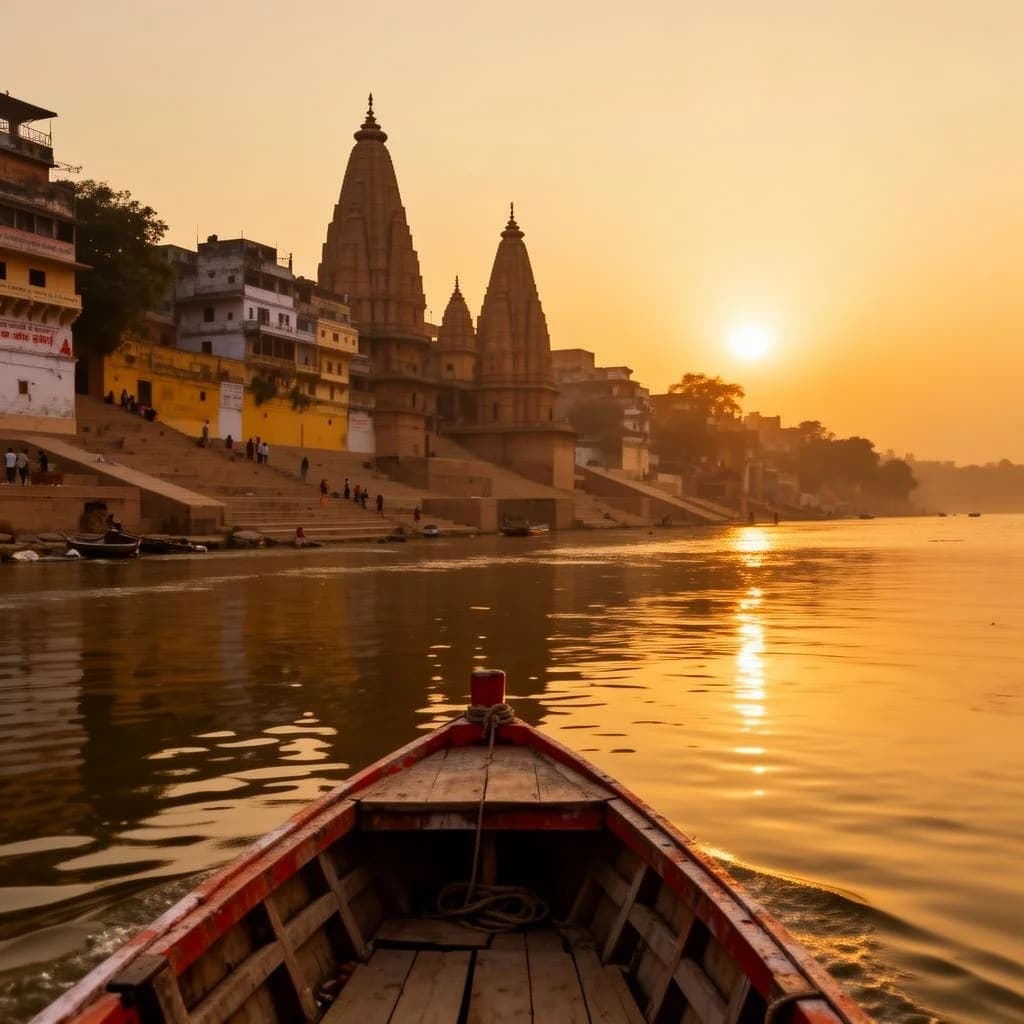


Handpicked travel guides, local insights and practical information to help you plan your spiritual journey with ease.
.0bwph.107dyza.webp&w=2048&q=75)
Timings, entry process, VIP darshan, nearby attractions and important tips.
Fresh insights and useful information for your journey.
More spiritual gatherings across sacred destinations.
The Panchkroshi Yatra (पंचकोशी यात्रा) is the sacred parikrama around the whole of Kashi: an 88 km circuit that begins and ends at Manikarnika, with five padavs (halts), Kardameshwar, Bhimchandi, Rameshwar, Shivpur and Kapildhara, and 108 Shiva shrines along the way. Traditionally walked over five days, it is done today either on foot with dharamshala halts or in a single day by vehicle. varanasiayodhyatours.com plans both versions, the sankalp, the route and the pace, on WhatsApp.
View Details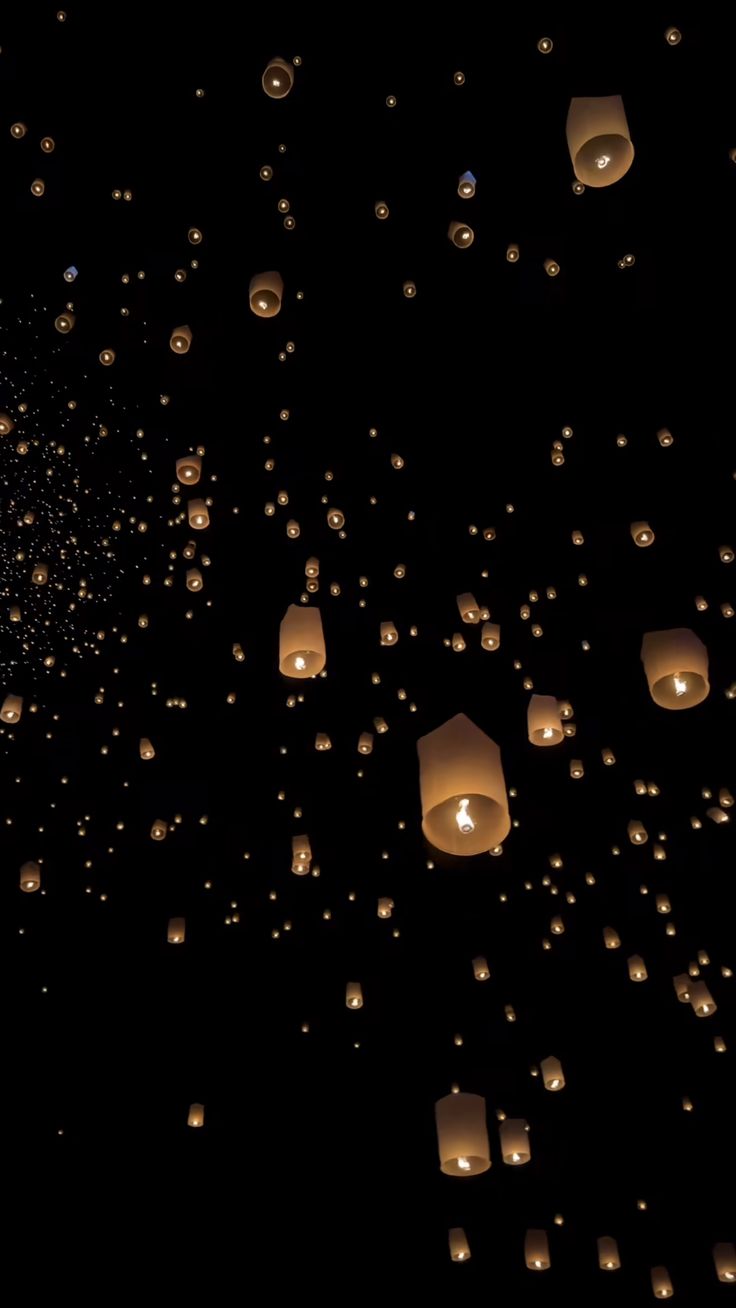
Subah-e-Banaras (सुबह-ए-बनारस) is Varanasi's daily dawn ritual at Assi Ghat: begun on 24 November 2014, it opens in the Brahma Muhurta before sunrise with Vedic chanting and a hawan, a morning Ganga aarti to the rising sun, then live Banaras Gharana classical music and an open yoga session on the ghat steps. It runs every morning, is free to attend, and is the contemplative dawn counterpart to the grand evening Ganga Aarti at Dashashwamedh. varanasiayodhyatours.com plans the pre-dawn pickup, the seating and a sunrise boat around it, on WhatsApp.
View Details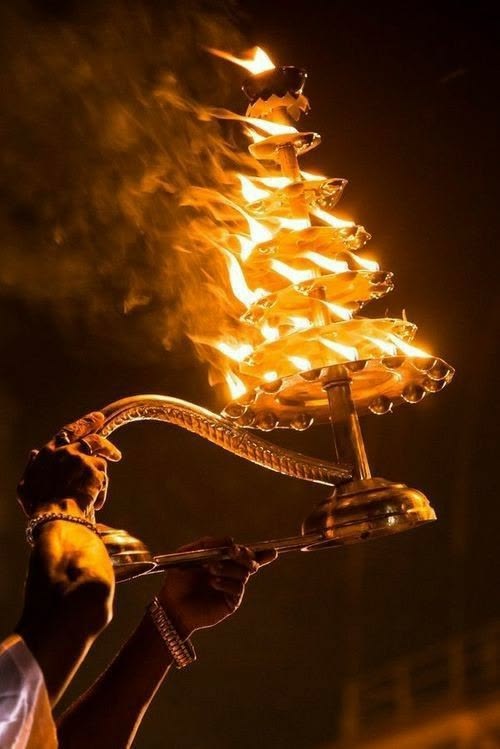
The Nageshwarnath temple (नागेश्वरनाथ) is Ayodhya's ancient presiding Shiva shrine, at Ram ki Paidi on the banks of the Saryu, said to have been established by Kush, the son of Lord Rama. In a city given to Rama, it is the great centre of Shiva worship, coming alive above all at Maha Shivratri, with its famous Shiva Baraat, and through the month of Sawan. varanasiayodhyatours.com plans the darshan and the Shiva festivals around it, on WhatsApp.
View Details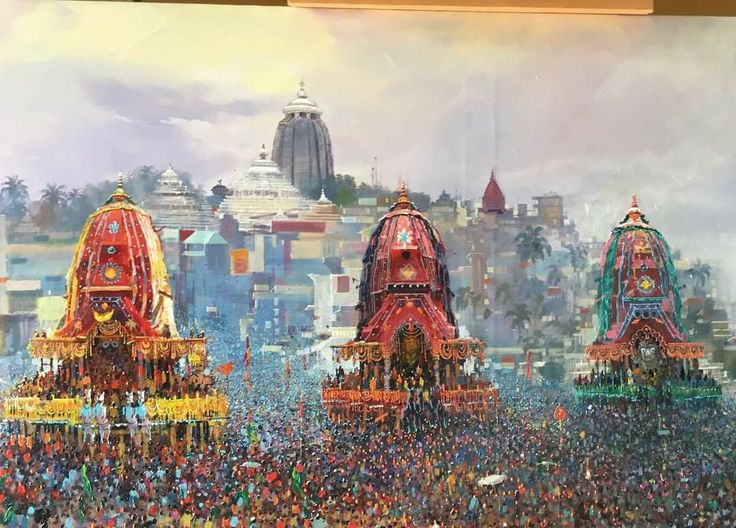
The Panchkroshi Yatra (पंचकोशी यात्रा) is the sacred parikrama around the whole of Kashi: an 88 km circuit that begins and ends at Manikarnika, with five padavs (halts), Kardameshwar, Bhimchandi, Rameshwar, Shivpur and Kapildhara, and 108 Shiva shrines along the way. Traditionally walked over five days, it is done today either on foot with dharamshala halts or in a single day by vehicle. varanasiayodhyatours.com plans both versions, the sankalp, the route and the pace, on WhatsApp.
View Details