Of the four cities on this journey, three are famous and one is not - and it is the quiet one, Chitrakoot, that most guests come home talking about. Pilgrims arrive expecting a minor stop between the Sangam and Ayodhya, and leave calling it the soul of the trip.
The story is why. Of Rama's fourteen years of exile, he spent more than eleven here, in these forests along the gentle Mandakini, with Sita and Lakshmana. It was to Chitrakoot that Bharata came - the younger brother who had been given the throne in Rama's place - walking from Ayodhya to beg him to come home. Rama would not break the word his father had given; and so Bharata took back Rama's wooden sandals, the paduka, carried them to Ayodhya, and ruled as a regent in their name, placing the sandals on the throne. That meeting of brothers, the Bharat Milap, is among the tenderest passages in the whole Ramayana, and it happened on this ground.
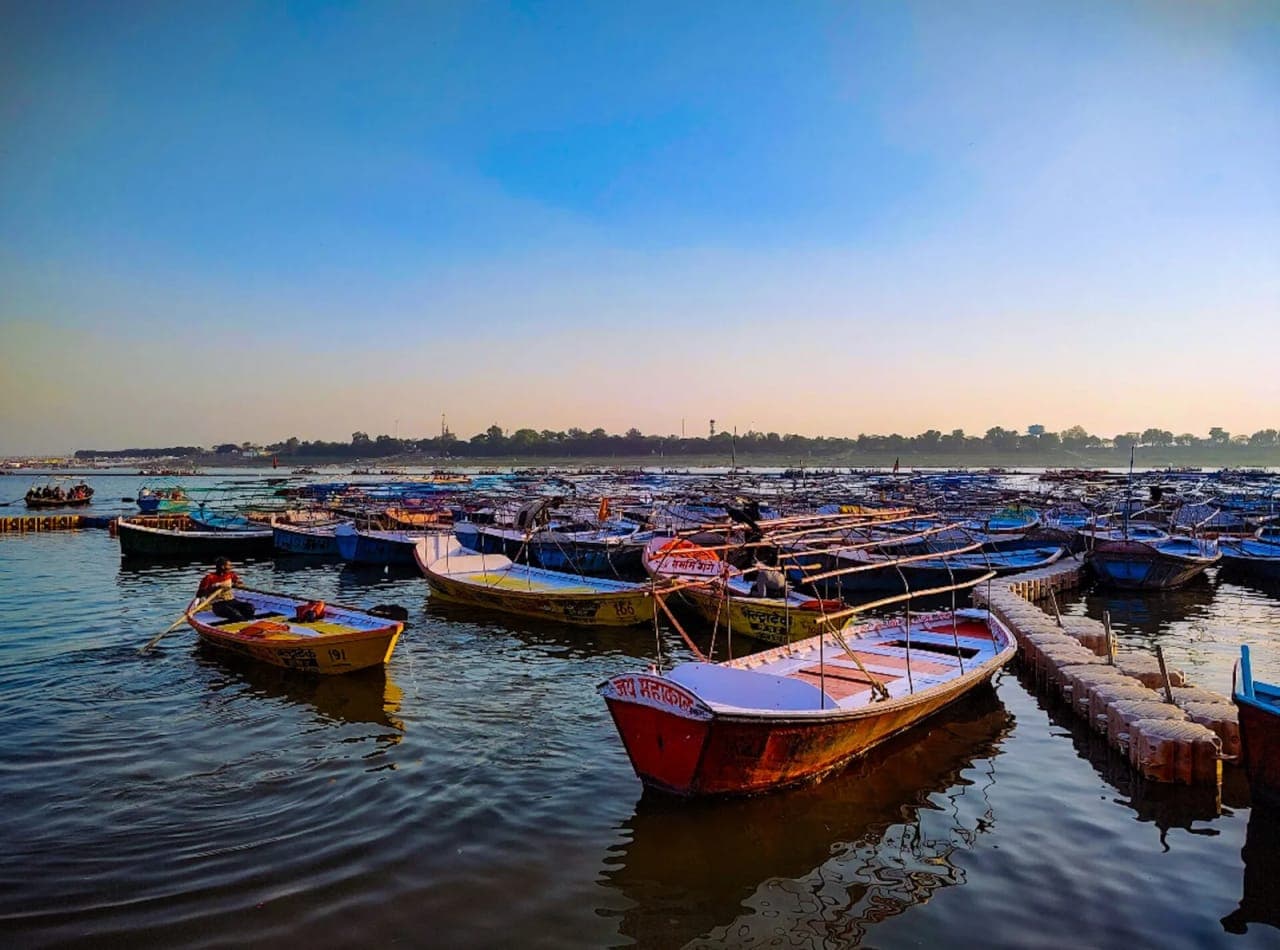
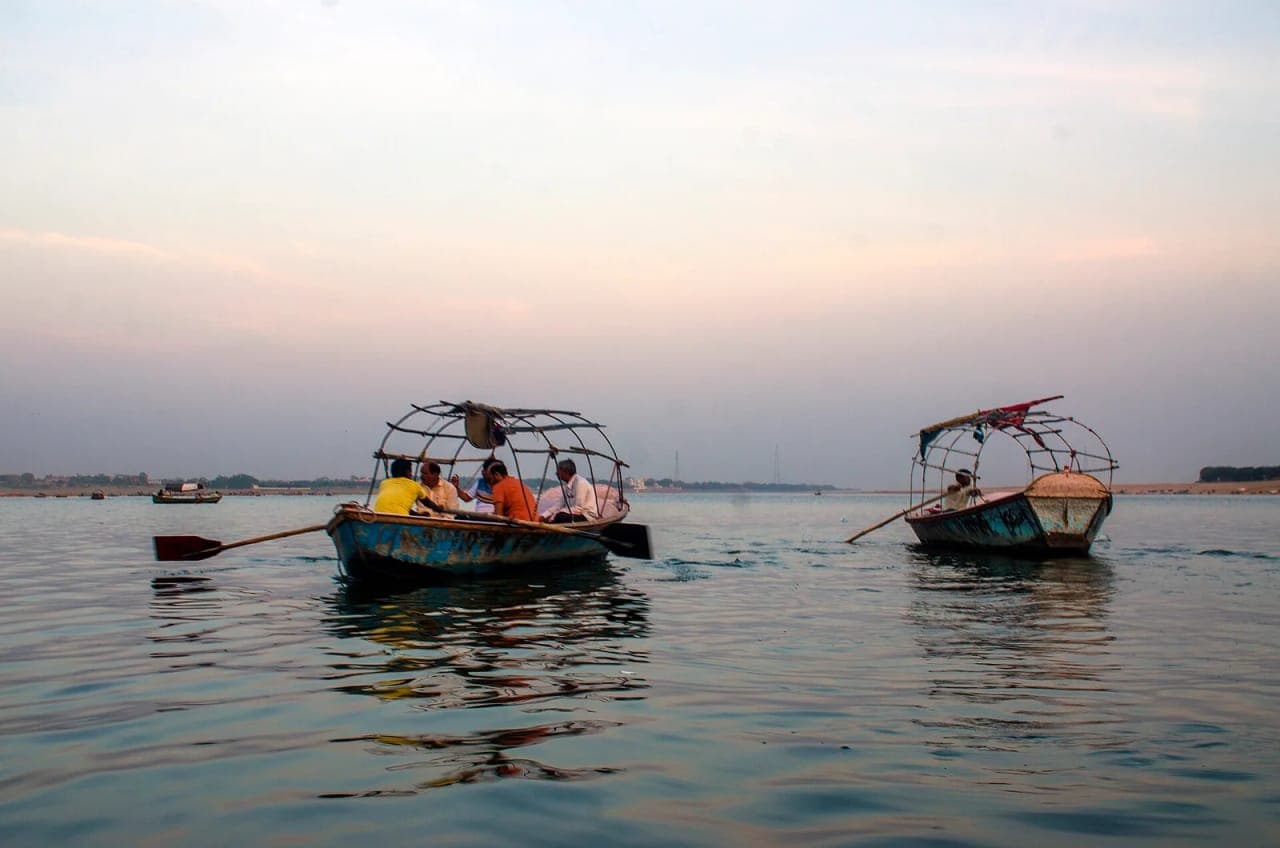
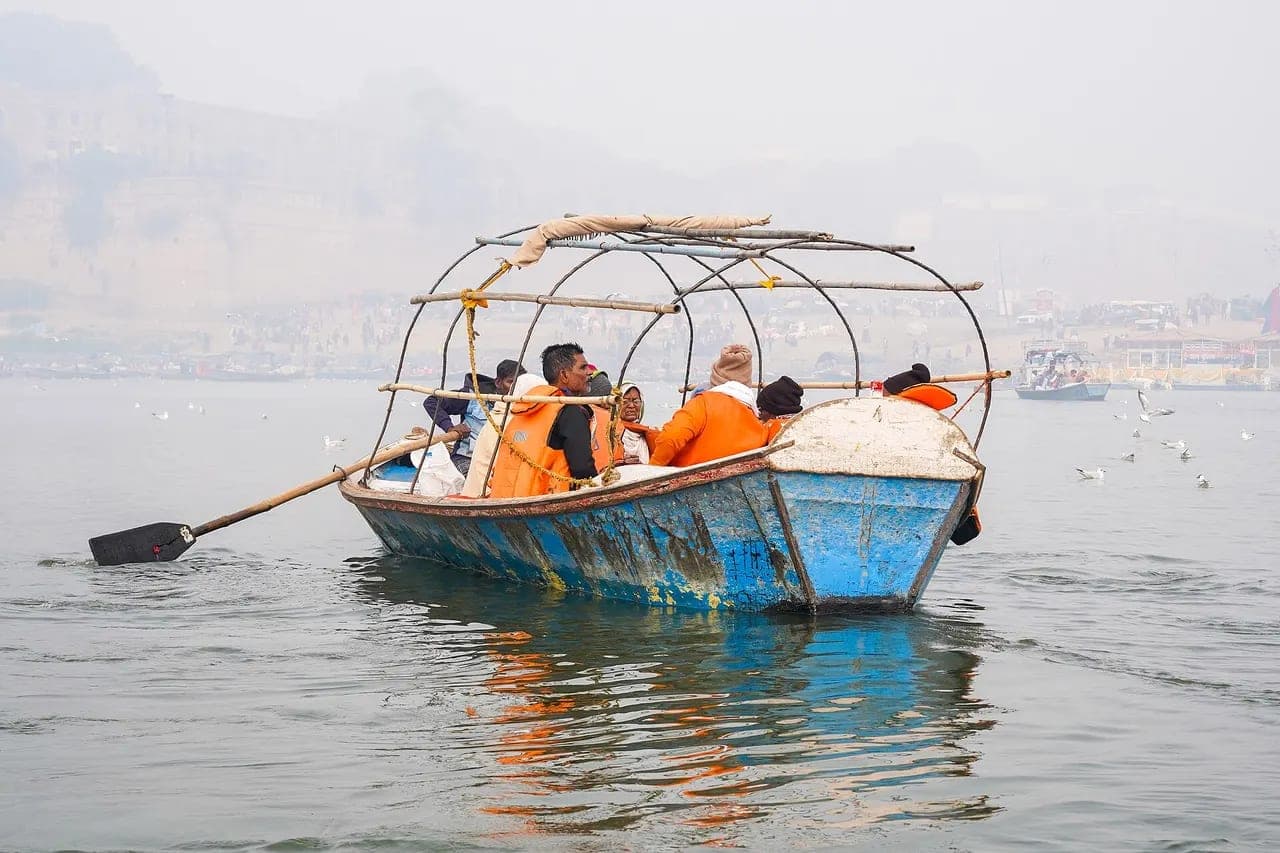
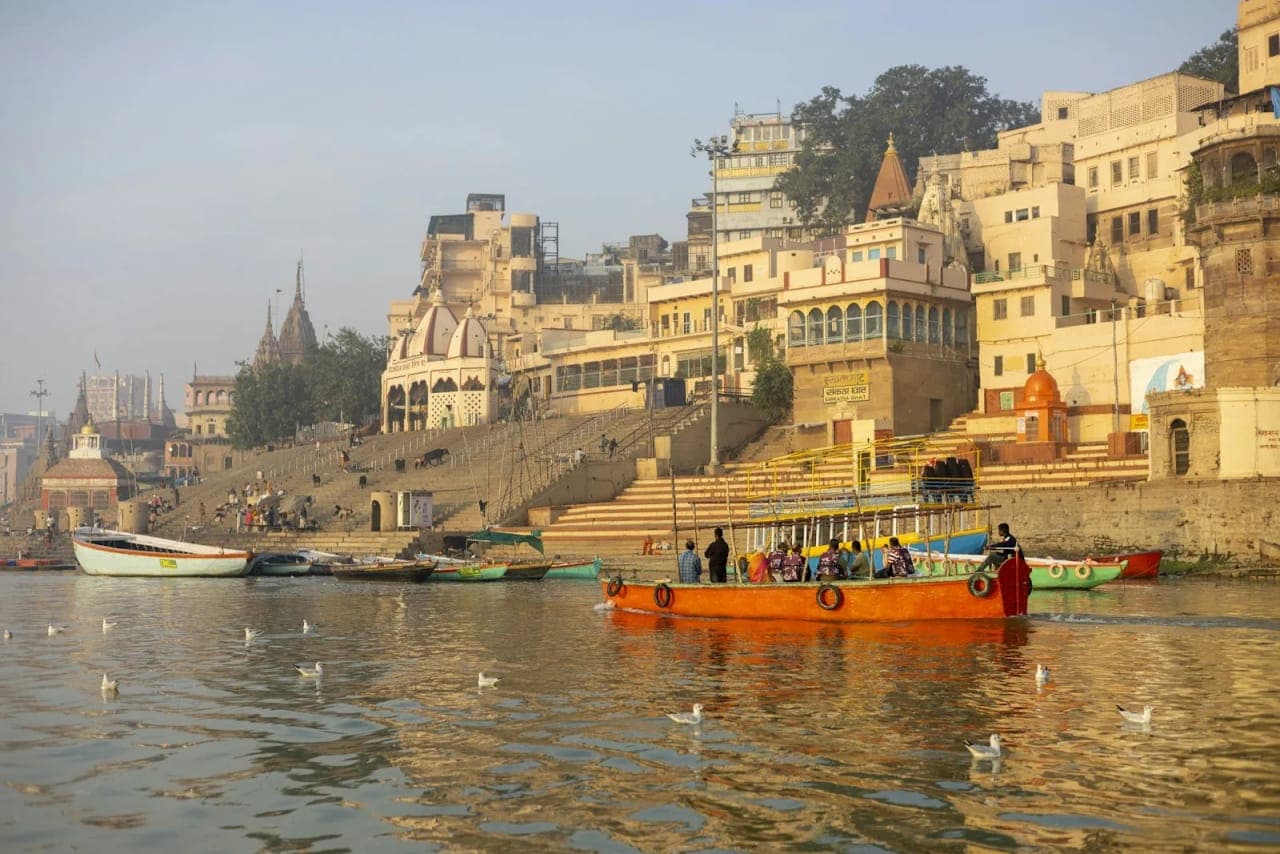
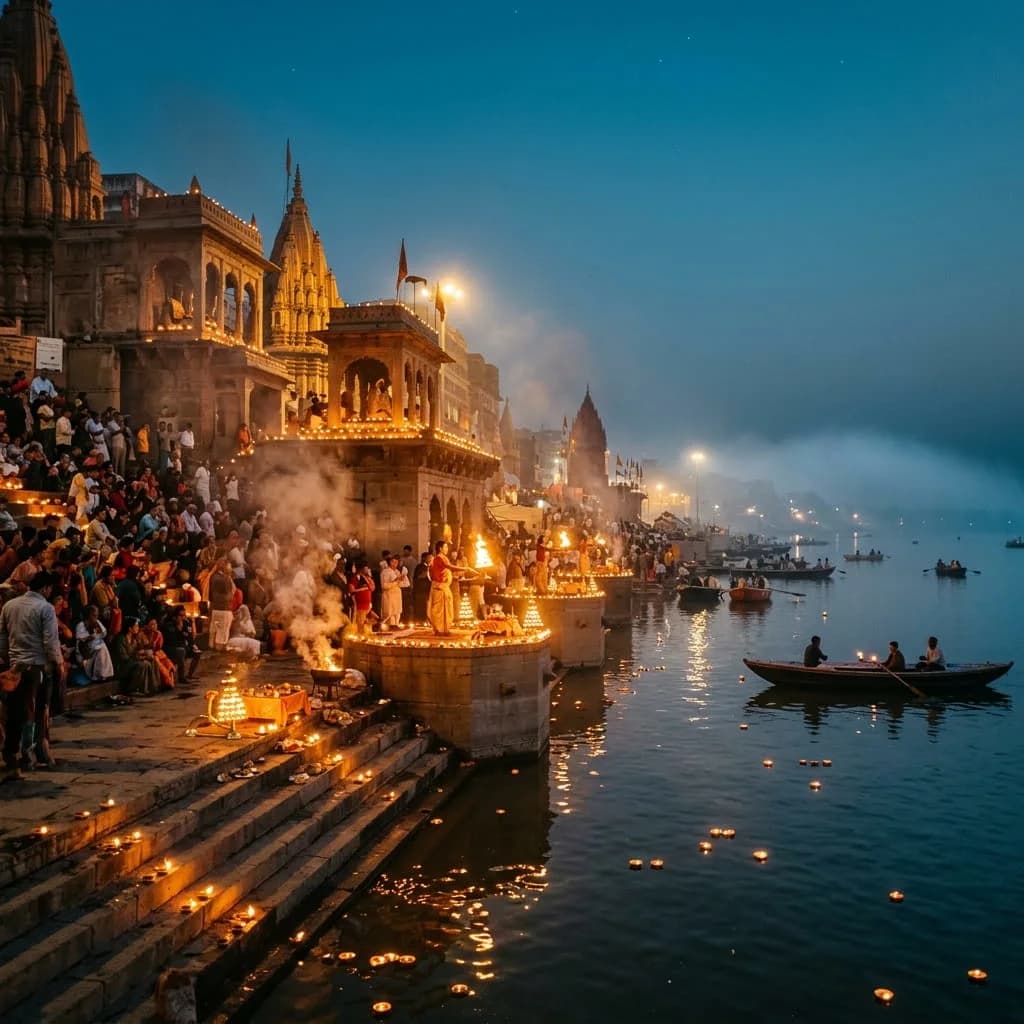
Standing here, you feel why the texts call these the happy years. Ram Ghat at dusk, with the small Mandakini Aarti and a handful of boats; the barefoot parikrama of Kamadgiri past its ring of little temples; the footprint-marked Sphatik Shila by the stream; the cool underground water of the Gupt Godavari caves. It is green, human, and unhurried - the forest, not the palace. Goswami Tulsidas, who wrote the Ramcharitmanas, lived and had his vision of Rama here, and the whole place still feels closer to that intimate devotion than to grand temple ceremony.
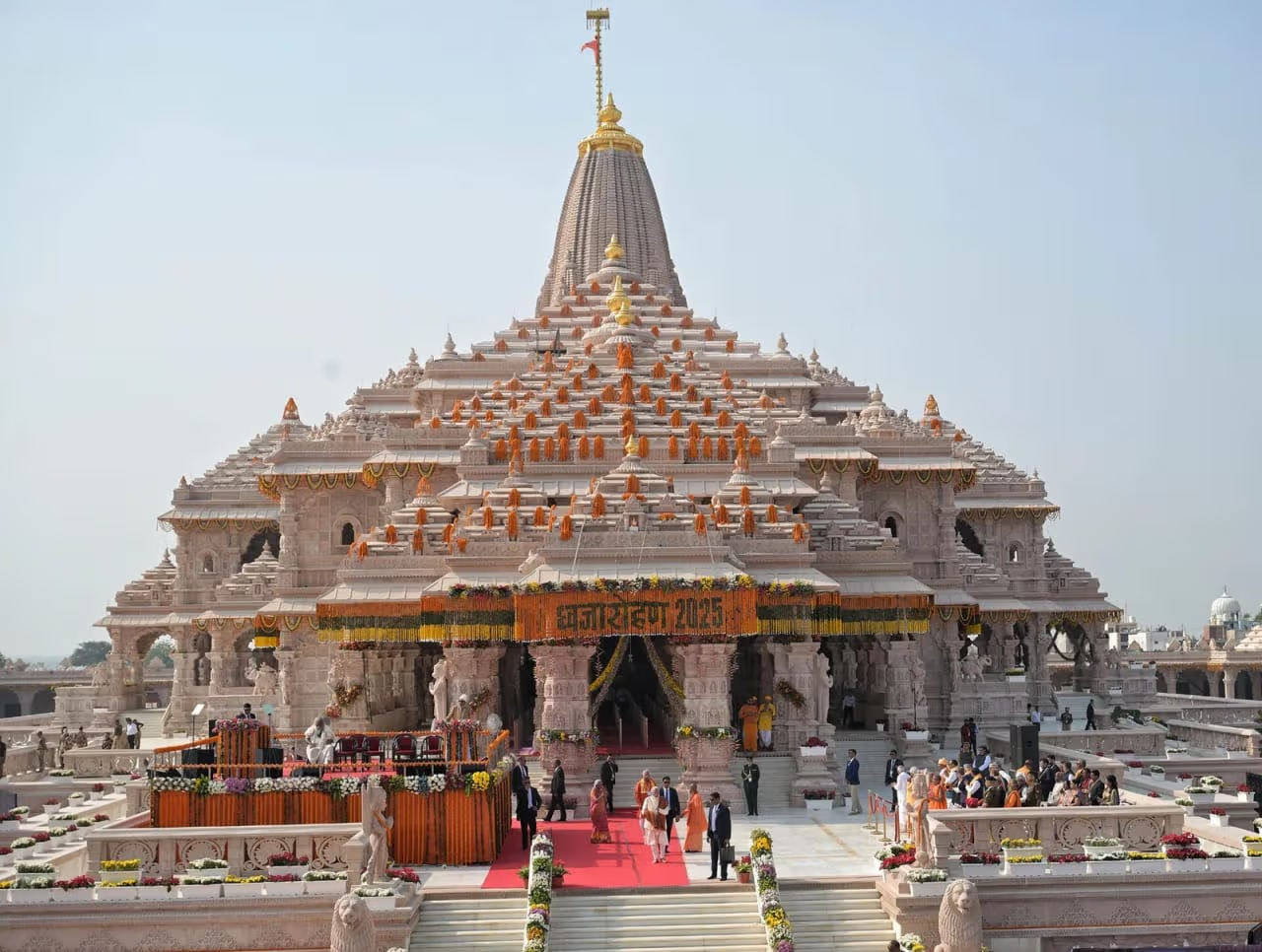
This is exactly why Experience My India places Chitrakoot before Ayodhya and not after. You walk through the years of exile first - the waiting, the simplicity, the brotherly love - and only then, on the final morning, stand before the magnificent Janmabhoomi where the story began and the king came home. Rajeev Sharma and the team let the two places speak to each other, and the contrast is the quiet heart of these six days. Jai Shri Ram.