3 nights / 4 days
Pilgrimage
₹37,000
Starting From


Senior Citizen Kashi Ayodhya Yatra
Varanasi, Prayagraj & Ayodhya (Elders)|Pilgrimage
One City A Day Pace
Lift-Access Rooms
Daily Family WhatsApp
 Varanasi
By Rajeev Sharma
Varanasi-born Pilgrimage Guide
Maha Shivratri (महाशिवरात्रि) is the great night of Shiva on Phalguna Krishna Chaturdashi, falling on Saturday, 6 March 2027. In Kashi, Shiva's own city, it is kept as his wedding day: the Shiv Baraat processes through the old city in the afternoon, Kashi Vishwanath runs darshan through the night, and the four-prahar worship carries the city to dawn. varanasiayodhyatours.com plans the darshan window, the Baraat vantage and your own Rudrabhishek on WhatsApp.
Experience Maha Shivratri in Kashi: the wedding night of the city's own Lord with a Kashi-born guide — darshan, stays and boats arranged.
Maha Shivratri falls on Phalguna Krishna Chaturdashi: Saturday, 6 March 2027. The worship belongs to the night, divided into four prahars from sunset to sunrise, with the Nishita Kaal around midnight held as the most powerful hour.
The night carries three stories at once: the wedding of Shiva and Parvati, the union of consciousness and energy; the night Shiva danced the Tandava, the cycle of creation and dissolution; and the night he held the poison of the ocean-churning in his throat and became Neelkanth. In Kashi the first story rules, because this city calls itself his home and his wedding house. Nowhere else is the day kept as a baraat, with the whole town playing the groom's procession.
From the ground: for my Telugu and Kannada guests, this is the Shivaratri jagarane you keep at home, at the Jyotirlinga itself: the fast, the four abhishekas through the night, and a city that stays awake with you.
On Shivratri afternoon, the wedding procession of Baba Vishwanath sets out from the Mahamrityunjaya temple side of Daranagar and moves through Chowk toward the Vishwanath lanes, and the city turns itself into Shiva's baraat: devotees dressed as ganas, ghosts and sages, Nandi garlanded, damru and "Har Har Mahadev" wall to wall. It is the single most Banarasi hour of the year. The lanes are shoulder to shoulder; a corner held early beats pushing along the route.
Kashi Vishwanath runs its official paid sugam darshan tiers on normal days, and we use them for our guests all year. Maha Shivratri is not a normal day: the temple runs continuous darshan through the day and night, sparsh darshan is suspended, and every pilgrim receives jhanki darshan from the managed queue. Nobody can sell you sanctum access or lingam-touch on the day, and the men outside selling "special Shivratri VIP entry" are running the standard Varanasi scam alongside the fake aarti seats and the boat touts. What can honestly be planned: the darshan window when the queue is shortest, the locker run, the Baraat corner, and your own Rudrabhishek with a pandit at a quieter temple, in your language, dakshina agreed before it begins. That is what we sell, and nothing else.
Fly into Lal Bahadur Shastri International Airport (VNS), about 25 km out; trains serve Varanasi Junction, Banaras and Kashi stations. On the day, Godaulia is the end of the road and the lanes are the transport. Our package guests move by private Innova Crysta with the driver staged where the city still lets wheels turn. Full detail in the How to Reach guide.
Our package guests stay at the Taj Ganges or Hilton Varanasi with breakfast; the calm matters on a festival that runs all night. Ghat-side and lane guesthouses put you inside the sound of it, and they sell out weeks ahead of Phalguna. More in the Stay & Hotels guide.
The Maha Shivratri Kashi Package, ₹37,500 per couple (₹18,750 per person), builds the whole festival around you: the pre-dawn darshan window, the Baraat vantage, your own first-prahar Rudrabhishek and the optional night vigil, Taj or Hilton base, Innova throughout. For any other date, the 4 Days Ayodhya Varanasi Tour Package, ₹50,000 per couple, covers Kashi Vishwanath sugam darshan in the calm it deserves. Custom itineraries build on one flat rate: ₹12,500 per day for two guests, confirmed in writing before any advance. Browse all packages.
Saturday, 6 March 2027: Phalguna Krishna Chaturdashi, with the worship running through the four prahars of the night and Nishita Kaal at midnight.
Kashi keeps it as Shiva's wedding day in his own city: the Shiv Baraat processes through the old town, Kashi Vishwanath stays open through the night, and the whole city keeps the vigil.
The afternoon wedding procession of Baba Vishwanath, from the Mahamrityunjaya temple side of Daranagar through Chowk toward the Vishwanath lanes, with devotees dressed as Shiva's ganas.
No. Sparsh darshan is suspended on the festival and every pilgrim receives jhanki darshan from the managed queue; anyone selling sanctum access that day is lying.
The paid tiers work on normal days; on the festival itself the day runs on continuous managed queues for everyone. The honest advantage is timing, not tickets, and we plan the timing.
Hours by mid-morning and through the evening; shortest at the pre-dawn window, which is why our day starts in the dark.
The night divided into four watches from sunset to sunrise, with an abhishek in each; keeping all four with the fast is the classic Shivratri vrat, and Kashi keeps it citywide.
Yes, at a quieter Shiva temple with our pandit, timed to the first prahar and performed in Telugu, Kannada or Hindi, with the dakshina agreed before it begins.
Yes with honesty: the pre-dawn window, the Baraat watched from a held corner rather than walked, and the Rudrabhishek as the devotional centre instead of the queue. Tell us mobility on WhatsApp.
The month of Shravan (July to August), when every Monday brings its own sea of kanwariyas; if you want Shiva's city at full flood twice, Shravan is the other date.
Experience Maha Shivratri in Kashi: the wedding night of the city's own Lord with a Kashi-born guide — darshan, stays and boats arranged.
Handpicked packages for sacred festivals and destinations.


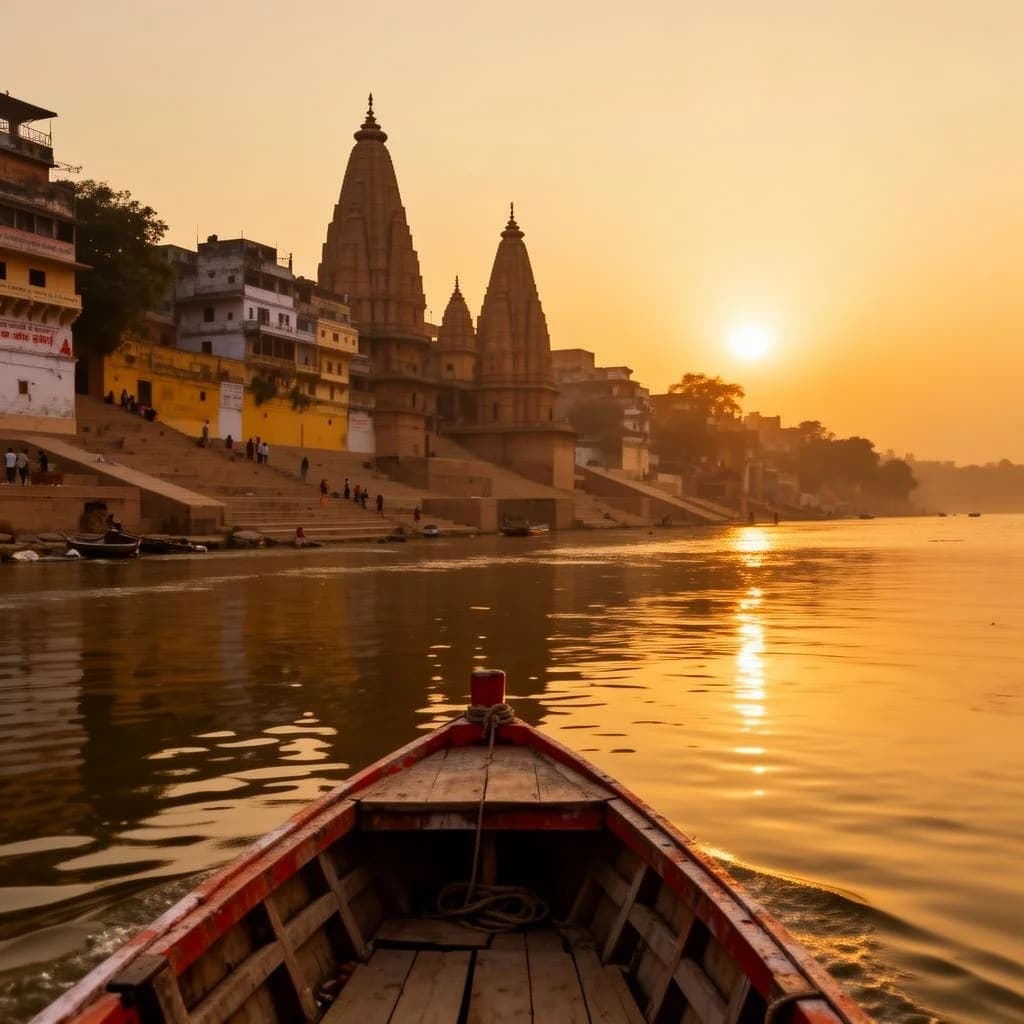


Handpicked travel guides, local insights and practical information to help you plan your spiritual journey with ease.
.0bwph.107dyza.webp&w=2048&q=75)
Timings, entry process, VIP darshan, nearby attractions and important tips.
Fresh insights and useful information for your journey.
More spiritual gatherings across sacred destinations.
The Panchkroshi Yatra (पंचकोशी यात्रा) is the sacred parikrama around the whole of Kashi: an 88 km circuit that begins and ends at Manikarnika, with five padavs (halts), Kardameshwar, Bhimchandi, Rameshwar, Shivpur and Kapildhara, and 108 Shiva shrines along the way. Traditionally walked over five days, it is done today either on foot with dharamshala halts or in a single day by vehicle. varanasiayodhyatours.com plans both versions, the sankalp, the route and the pace, on WhatsApp.
View Details
Subah-e-Banaras (सुबह-ए-बनारस) is Varanasi's daily dawn ritual at Assi Ghat: begun on 24 November 2014, it opens in the Brahma Muhurta before sunrise with Vedic chanting and a hawan, a morning Ganga aarti to the rising sun, then live Banaras Gharana classical music and an open yoga session on the ghat steps. It runs every morning, is free to attend, and is the contemplative dawn counterpart to the grand evening Ganga Aarti at Dashashwamedh. varanasiayodhyatours.com plans the pre-dawn pickup, the seating and a sunrise boat around it, on WhatsApp.
View Details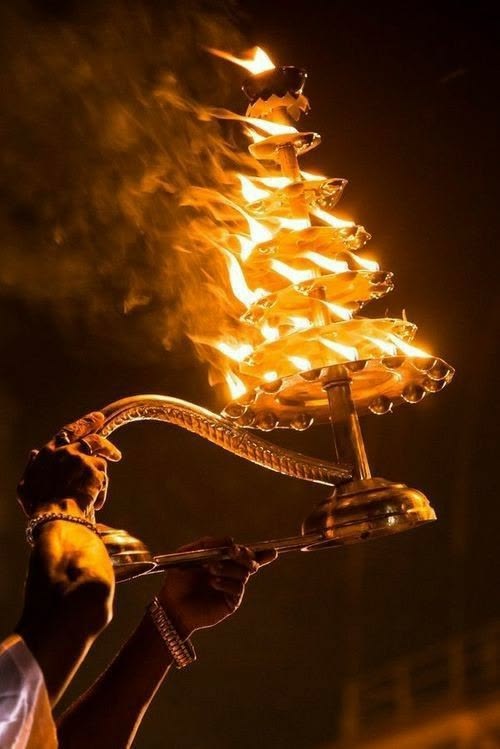
The Nageshwarnath temple (नागेश्वरनाथ) is Ayodhya's ancient presiding Shiva shrine, at Ram ki Paidi on the banks of the Saryu, said to have been established by Kush, the son of Lord Rama. In a city given to Rama, it is the great centre of Shiva worship, coming alive above all at Maha Shivratri, with its famous Shiva Baraat, and through the month of Sawan. varanasiayodhyatours.com plans the darshan and the Shiva festivals around it, on WhatsApp.
View Details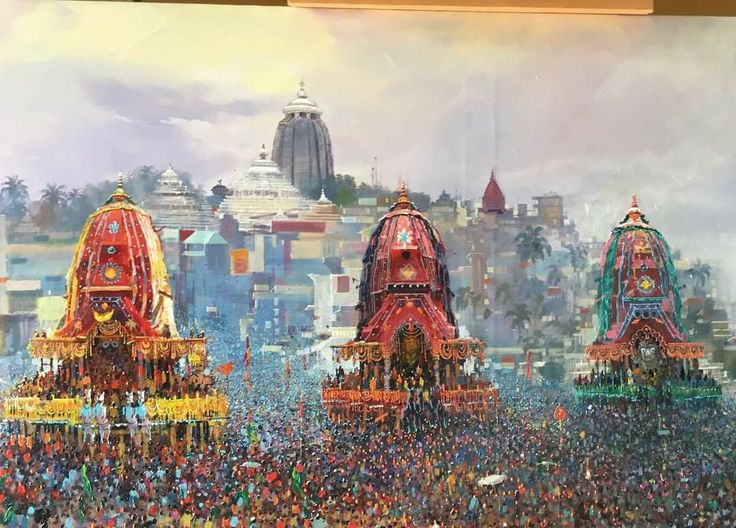
The Panchkroshi Yatra (पंचकोशी यात्रा) is the sacred parikrama around the whole of Kashi: an 88 km circuit that begins and ends at Manikarnika, with five padavs (halts), Kardameshwar, Bhimchandi, Rameshwar, Shivpur and Kapildhara, and 108 Shiva shrines along the way. Traditionally walked over five days, it is done today either on foot with dharamshala halts or in a single day by vehicle. varanasiayodhyatours.com plans both versions, the sankalp, the route and the pace, on WhatsApp.
View Details