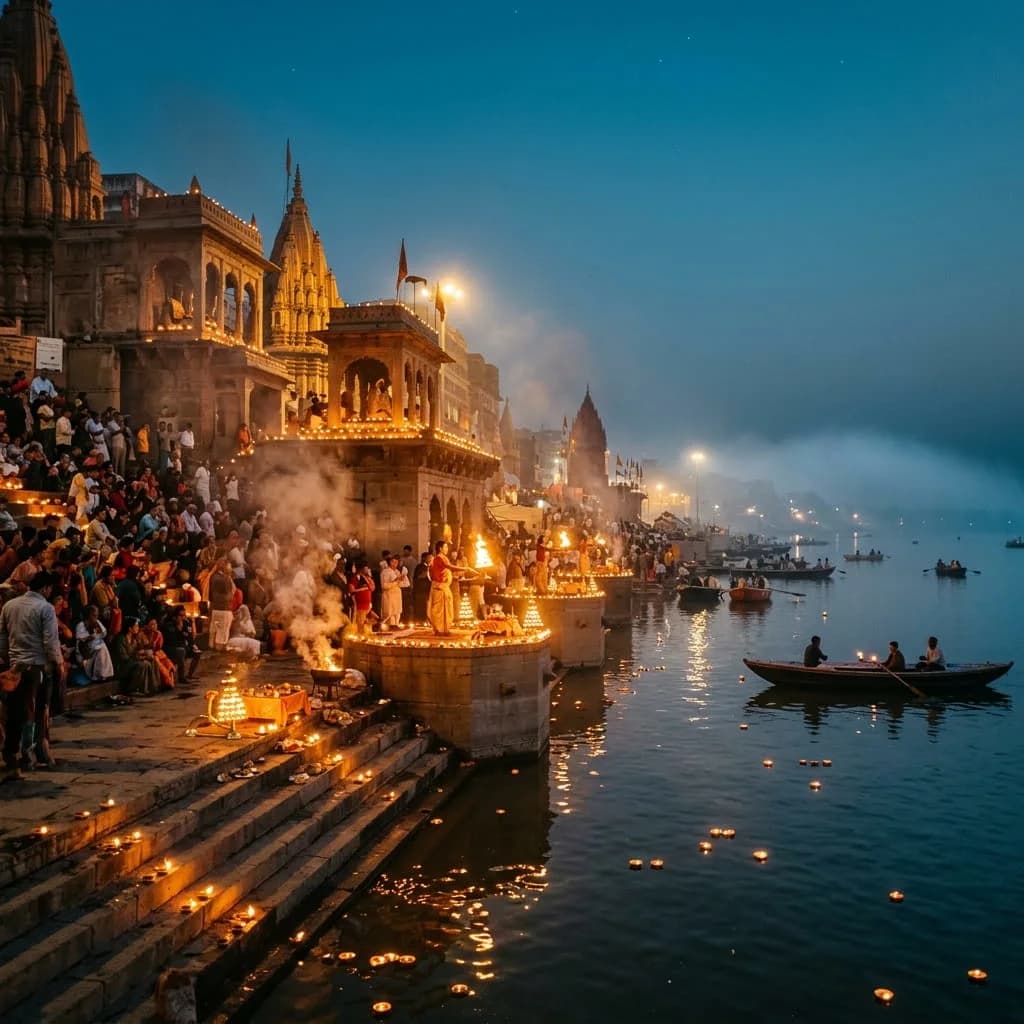
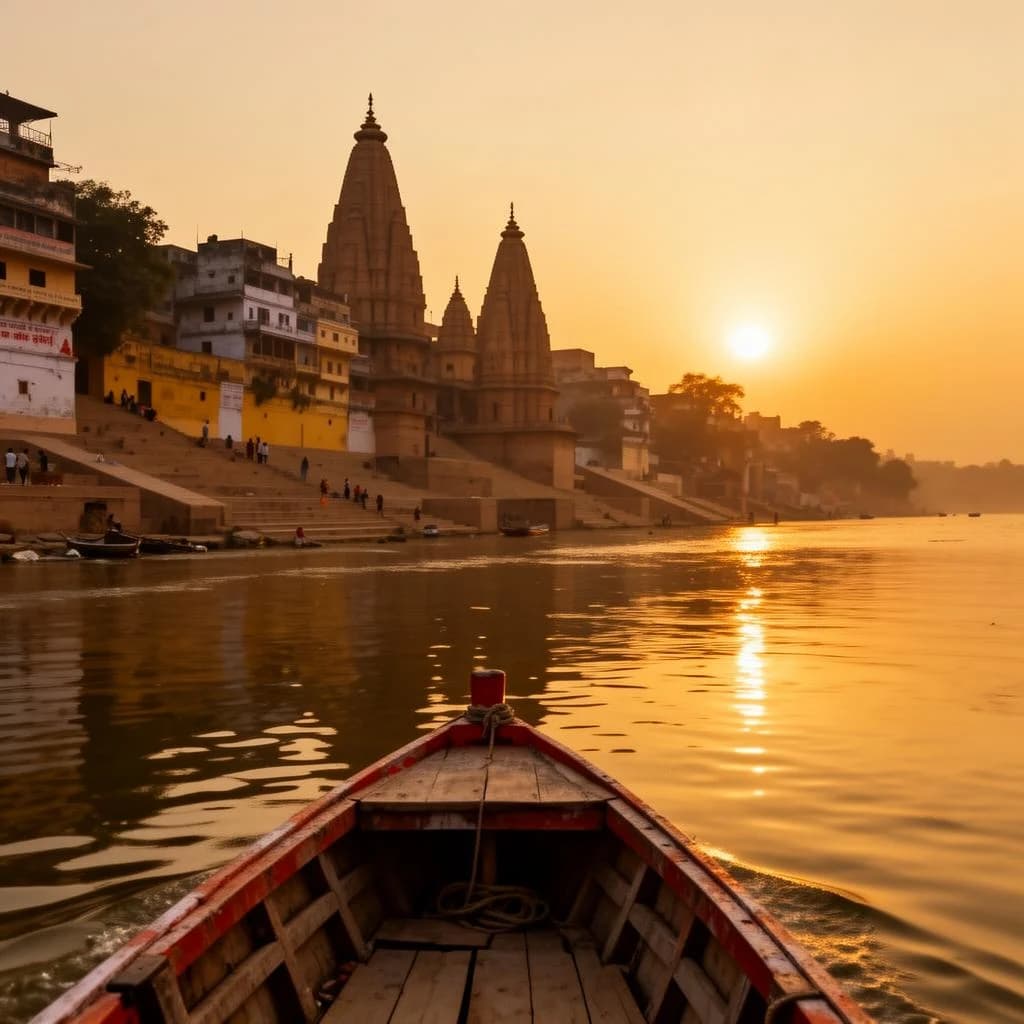
The Sangam is the reason many pilgrims add Prayagraj to a Kashi-Ayodhya trip, and it is also the one stop where first-timers most often get short-changed - almost always in the same three ways.
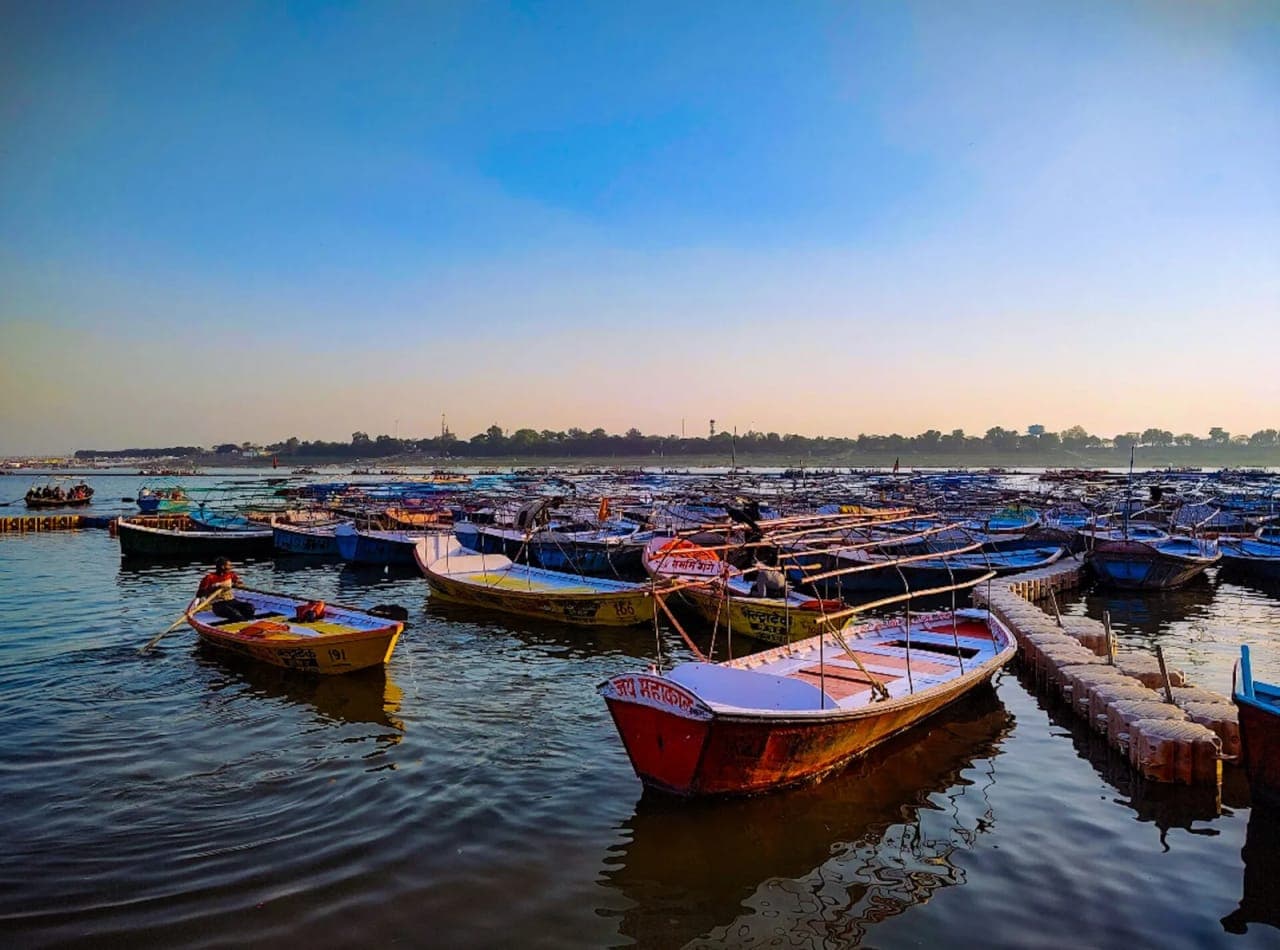
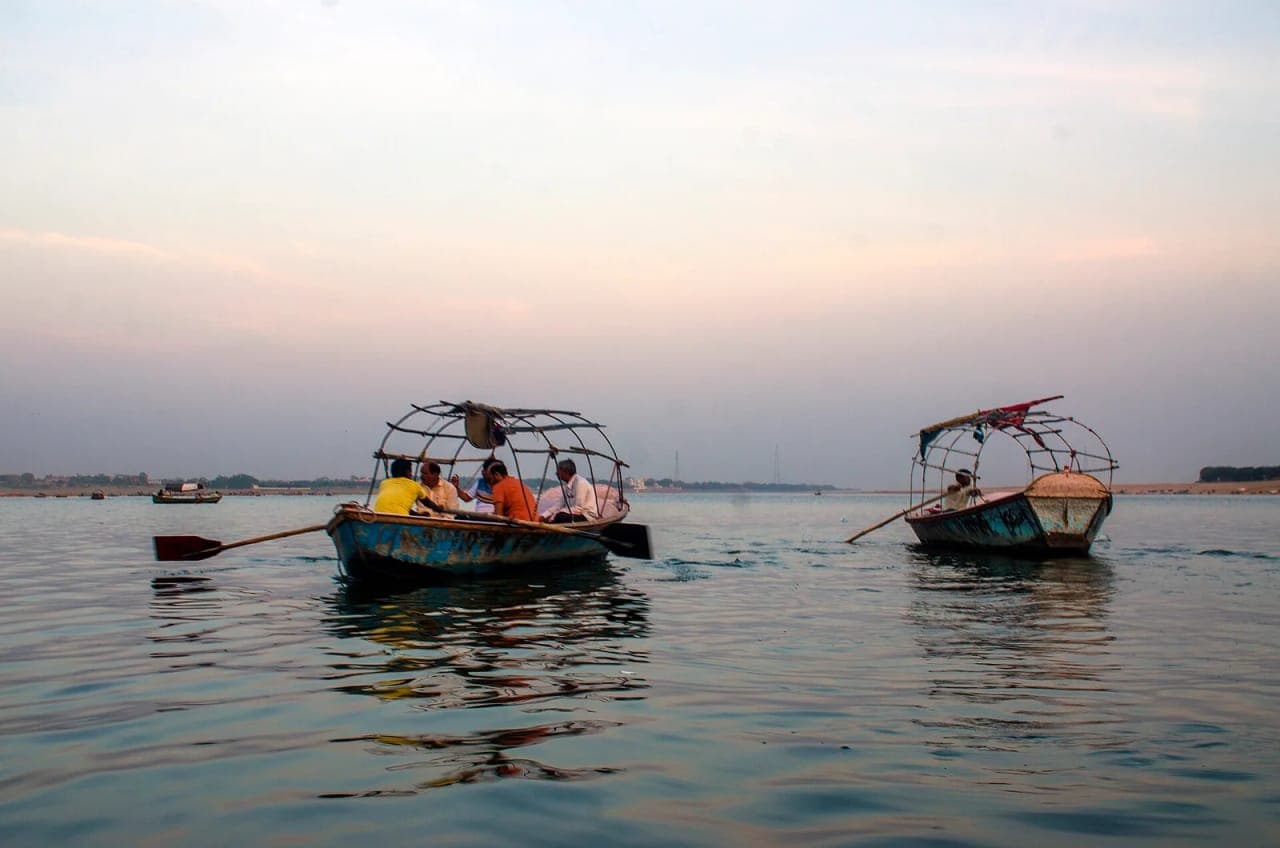
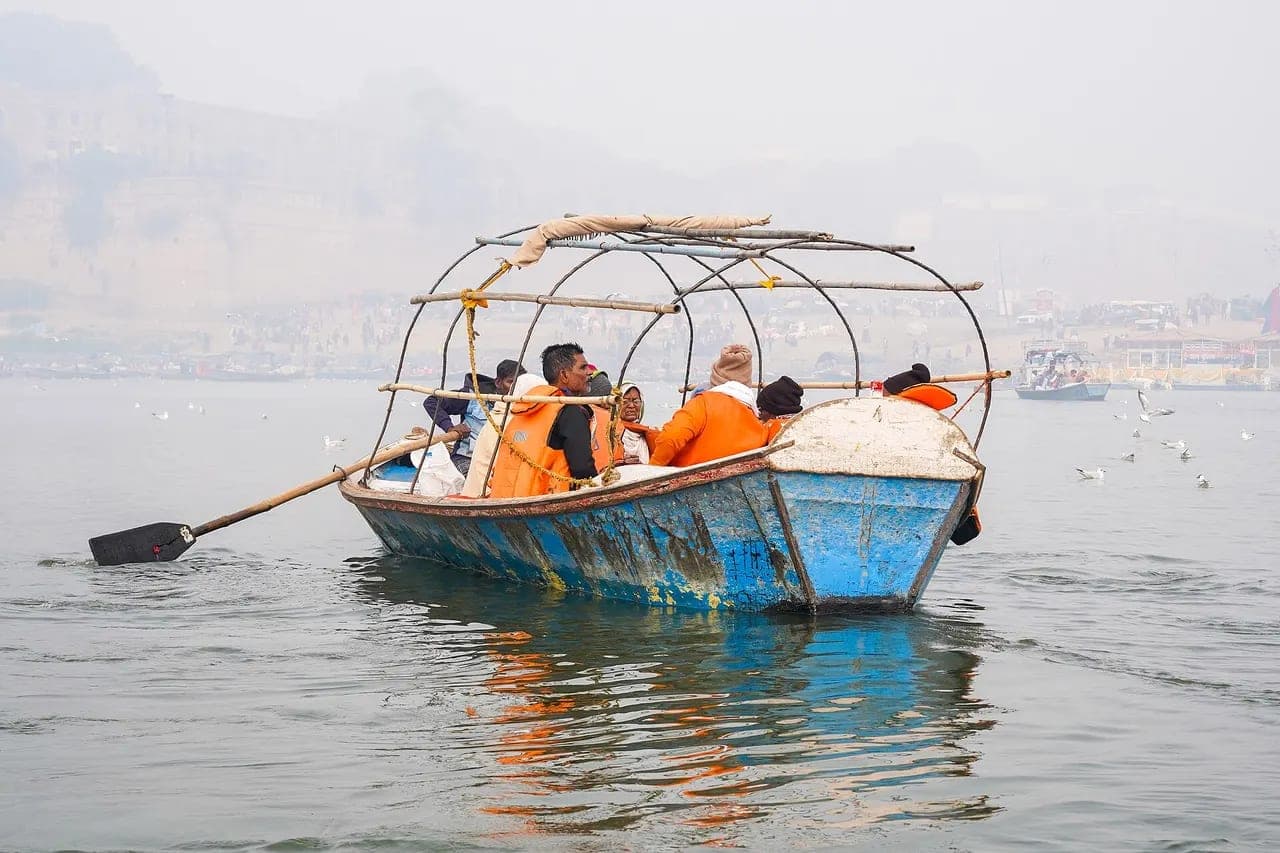
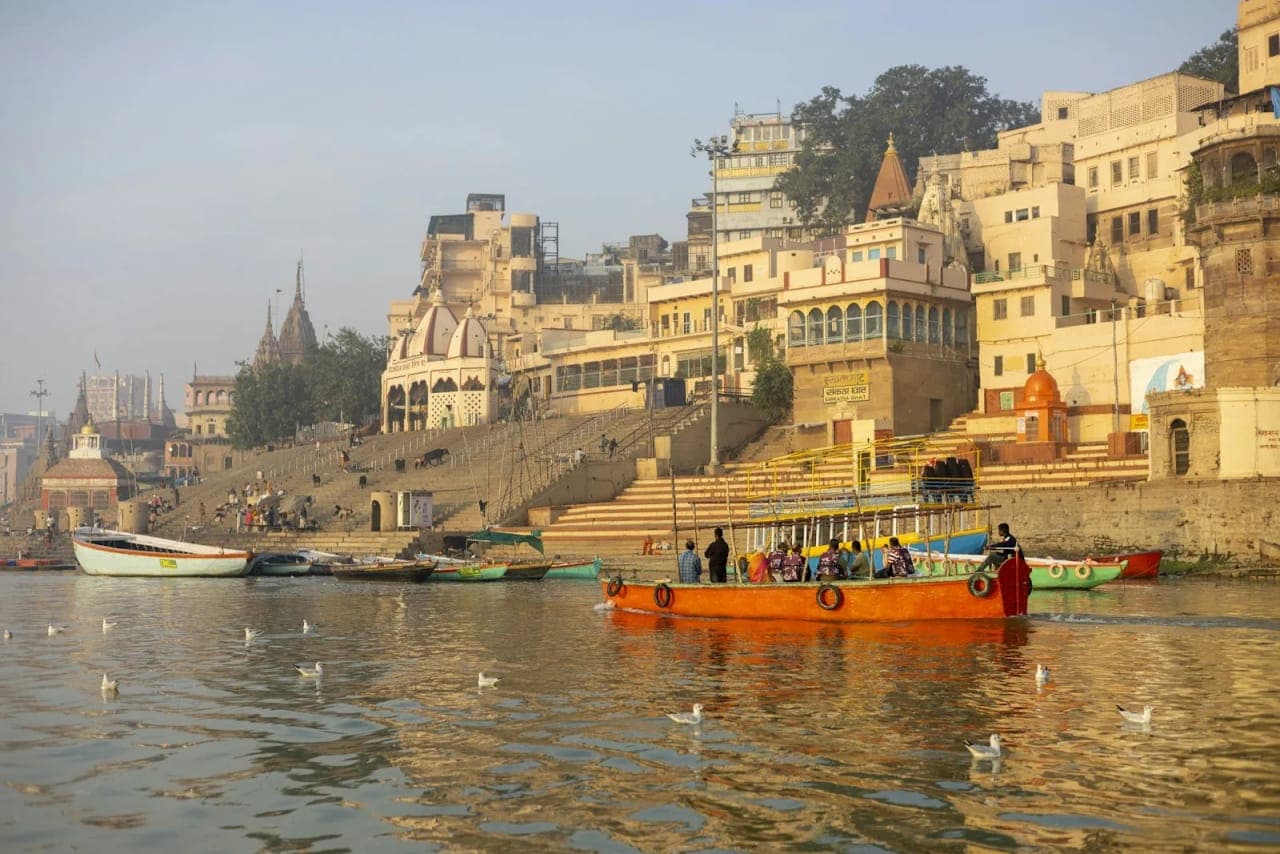
First, and most important: the ghat is not the Sangam. The actual confluence, where the Ganga and the Yamuna visibly meet - the Ganga shallow and quick, the Yamuna deep and still, the Saraswati believed to join unseen - lies out in the water, and the only way to reach it and take the true dip is by boat. Pilgrims who bathe at the edge of the ghat believing they have reached the Sangam simply have not. On an ordinary day the confluence is a short row out; during the Magh Mela and the Kumbh it can sit several kilometres from shore.
Second, the fare. Boat prices at the Sangam are not fixed and the ghat is known for it - shared boats run about Rs 100 to Rs 200 per person and private family boats about Rs 500 to Rs 2,000 depending on size and season, yet touts routinely quote far more and start bargaining the moment you arrive. This is exactly why Experience My India pre-arranges an authorised boat at a fair, fixed rate, so your group steps on and off without haggling on a wet ghat with your shoes in your hand.
Third, the fort. The 16th-century Allahabad Fort that Akbar built to overlook the confluence is under Army control, and most of it is closed to visitors. What you can usually see, with permission on the day, are the Akshayavat - the immortal banyan of the Puranas - and the underground Patalpuri Temple. It is worth managing expectations: you are not touring a Mughal fort, you are visiting two sacred spots inside a working military installation. And Anand Bhavan, the Nehru home nearby, closes on Mondays.
Get these right - a boat to the real confluence, a fixed fare, and clear expectations at the fort - and the Triveni Sangam becomes what it should be: the still centre of a three-city yatra, not a scramble on a crowded shore.