3 nights / 4 days
Pilgrimage
₹37,000
Starting From


Senior Citizen Kashi Ayodhya Yatra
Varanasi, Prayagraj & Ayodhya (Elders)|Pilgrimage
One City A Day Pace
Lift-Access Rooms
Daily Family WhatsApp
A complete 40-year guide on the best time to visit Varanasi, weather by season, month-by-month planner, and festival crowd strategies.
Drop your details and we'll craft a personalized spiritual package.
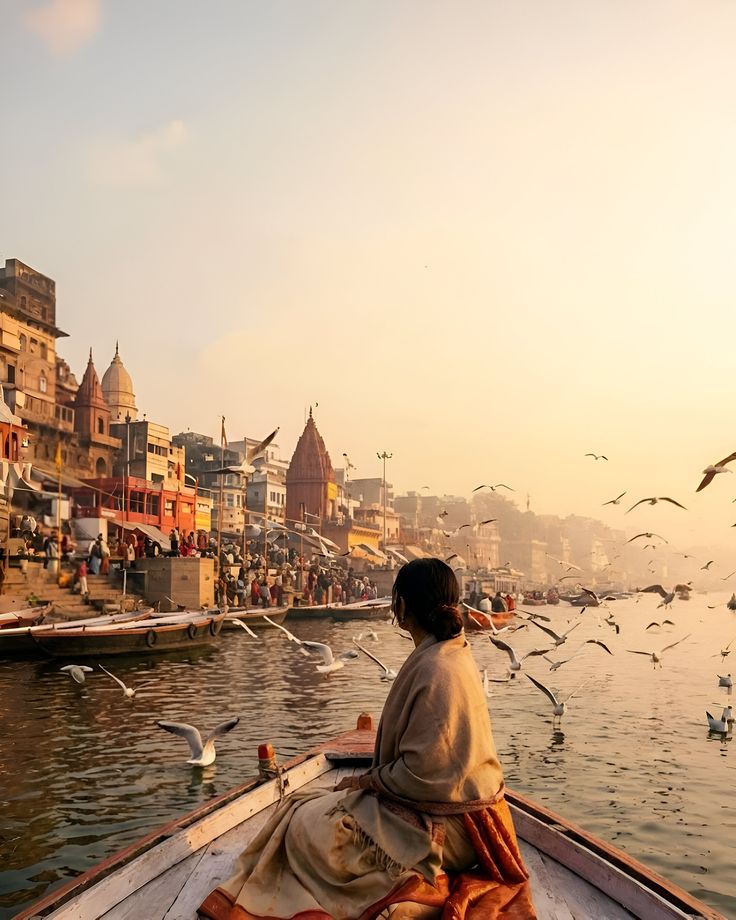
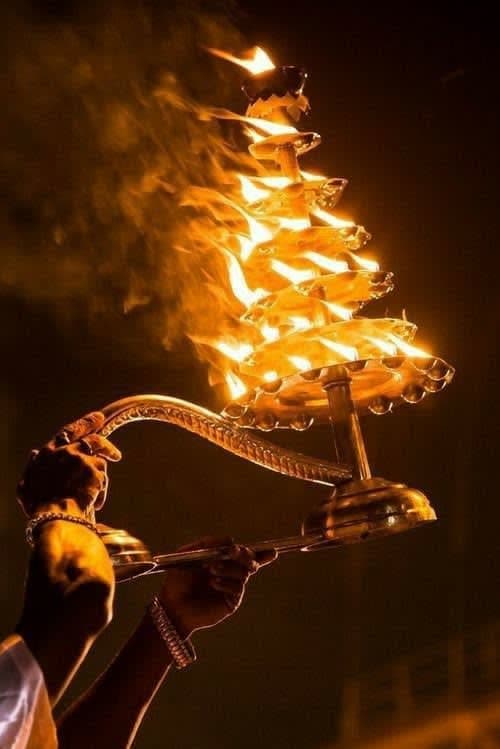
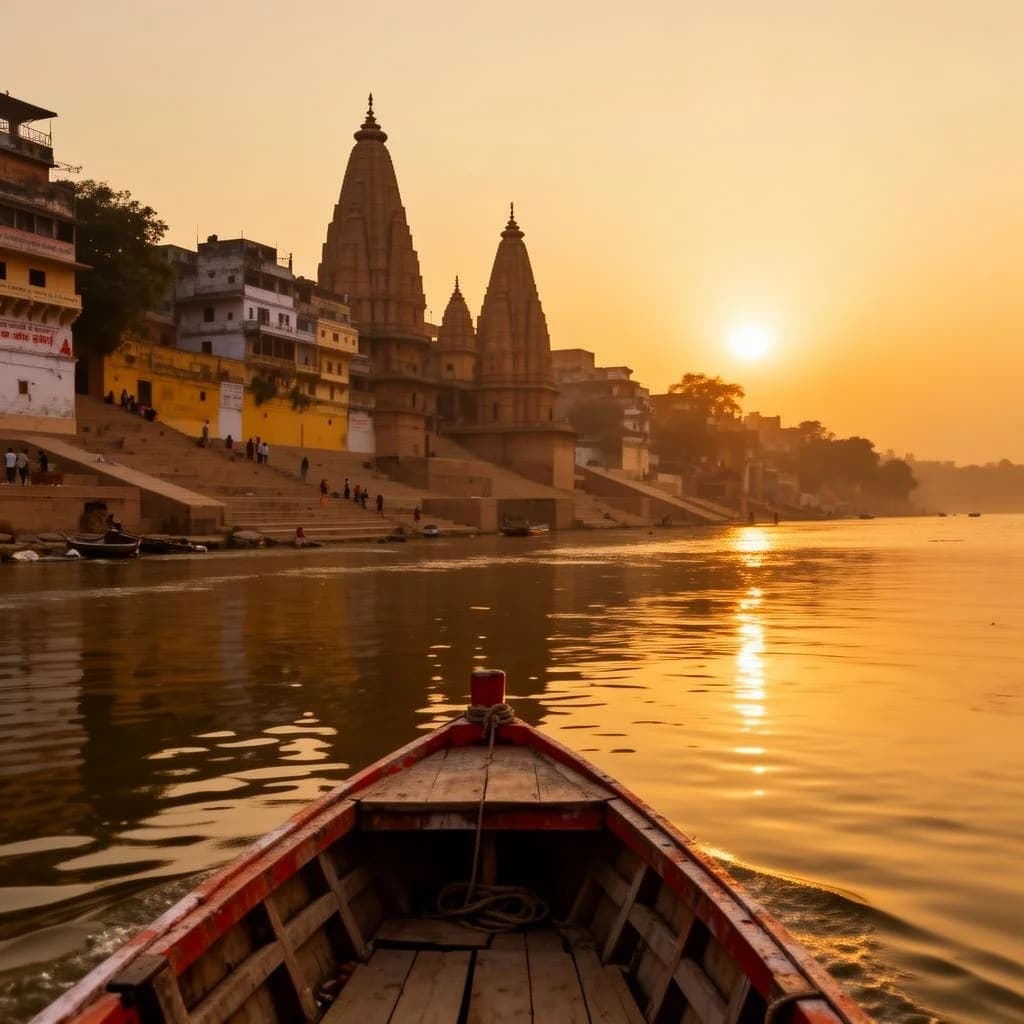
The Kashi Vishwanath Temple, the Dashashwamedh Ganga Aarti, a sunrise boat ride past the 80-plus ghats, and Sarnath, where the Buddha gave his first sermon
October to March is the comfortable season and the right time for most visitors. Within it, November is the best all-round month, with cool weather and the city's biggest festival, Dev Deepawali. December to February stay cool and atmospheric, with misty morning boat rides. March is still pleasant early on, then warms quickly. Summer and the monsoon have their own appeal for budget and solitude, but they are harder going.
Main seasons and their weather character in Varanasi
Weather, crowd levels, and recommendations for each month
Major festivals in Varanasi and crowd booking guidance
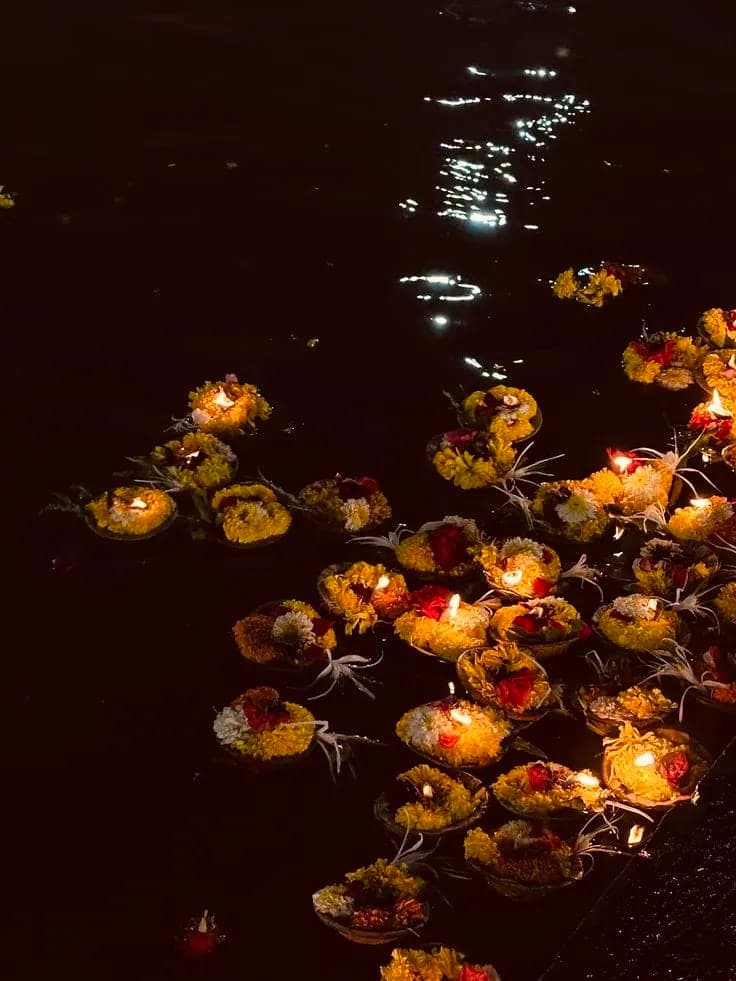
Dev Deepawali is the city's most spectacular night, falling on Kartik Purnima about fifteen days after Diwali, in November, when all the ghats are lit with lakhs of earthen lamps at dusk and the riverfront glows, with a laser and light show at Chet Singh Ghat. It draws enormous crowds; hotels near the ghats can cost three to four times their usual rate and boats sell out weeks ahead, so book two to three months in advance. Confirm the date against the official calendar before booking. See our Dev Deepawali page.
Mahashivratri, in February or March, is the most intense night at Kashi Vishwanath, with the temple open through the night, processions of sadhus and darshan queues that can run many hours. If you are not visiting for the devotion itself, this week is overwhelming; if you are, it is the most charged time of the year. See our Mahashivratri in Kashi page.
Shravan (Sawan), roughly July to August, is the holiest Shiva month, when every Monday brings enormous crowds to Kashi Vishwanath and Kanwar pilgrims fill the roads. For devotees it is deeply meaningful; for comfort, it is the hardest time, with rain, heat and very long queues. Book a Sugam slot far ahead if you visit then.
Recommendations based on travel goals
Avoid April, May and June if you cannot handle heat, with daytime temperatures often beyond 42 degrees that make midday sightseeing exhausting. Be cautious in mid-monsoon, roughly July and August, when the Ganga can rise enough to submerge lower ghats and suspend boat rides for weeks, and some ghats become hard to reach. Also avoid the main festival weekends, especially Dev Deepawali and Mahashivratri, unless you have booked hotels and boats well ahead and are ready for very large crowds.
October to March is peak season, when hotels, flights and trains are priciest and fill quickly, so book early. For Dev Deepawali, book two to three months ahead; boats can sell out a month or more in advance and ghat-side rooms multiply in price. To enjoy the winter weather with thinner crowds, target late February. For the lowest prices and fewest crowds, the monsoon and summer are cheapest, with the trade-off of heat or rain. Arriving a day or two before a major festival and leaving a day after helps you avoid the worst crush.
We are Experience My India, rated 4.5 stars on TripAdvisor and Google, with 50,000+ guests served since 2018. We plan trips around the festival calendar, the weather and the crowd windows, with morning-heavy itineraries that dodge the afternoon heat and the worst crush, and we lock in scarce festival boats and rooms early. For South Indian pilgrims, your guide speaks Telugu or Kannada. See our Varanasi packages or message Rajeev's team on WhatsApp at +91 7302265809. Start from our Varanasi travel guide, check how to reach Varanasi, and shape your days with our Varanasi itinerary.
Curated itineraries featuring this divine destination.






Grouped for quick scanning
Everything you need to know about Best Time to Visit Varanasi.
Topic 01
8 questions
October to March, when the weather is cool and dry, the ghats are comfortable and the great festivals fall. Daytime highs are around 20 to 30 degrees and evenings are pleasant, ideal for boat rides and walking. It is also peak season, so book accommodation and travel in advance.
November is the best single month, combining cool, clear weather with the city's biggest festival, Dev Deepawali, and Ganga Mahotsav. December to February are close behind for comfort and atmospheric misty mornings. If you want the same winter light with fewer crowds, late February is excellent.
Winter, roughly November to February, is the best season: cool days, misty dawns and the major festivals, ideal for ghat walks, temple visits and sunrise boat rides. Summer is hot and the monsoon raises the river, so both are harder going, though they bring lower prices and fewer crowds.
Avoid April to June if you cannot handle heat, as temperatures often exceed 42 degrees. Be cautious in mid-monsoon, July and August, when the Ganga can flood lower ghats and suspend boat rides. Also avoid major festival weekends without advance booking, as crowds and prices peak sharply.
The summer months, April to June, are the cheapest, with the lowest hotel prices and fewest crowds, though you must endure intense heat. The monsoon, July to September, is also budget-friendly and quieter. The trade-off in both is comfort: heat in summer, rain and possible flooding in the monsoon.
June to September, through the summer heat and the monsoon, sees the fewest casual tourists. For short Kashi Vishwanath darshan queues specifically, weekday mornings in June and July, especially Tuesdays between about 5 and 7 AM, offer some of the shortest waits of the year. The trade-off is heat or rain.
Yes, and November to February is the ideal window for a first visit, with comfortable weather and the full range of rituals and tours accessible. A first-timer gets the misty boat rides, the evening aarti and the temples without the summer heat or monsoon disruption. Book ahead, as it is peak season.
For most visitors, yes. Winter brings cool, comfortable days, atmospheric misty mornings, the best light for photography and boat rides, and the biggest festivals. The only downsides are peak crowds and prices and cold pre-dawn boat rides, for which you should pack warm layers. It is the most rewarding overall season.
Topic 02
9 questions
Winter, November to February, is cool and dry, with daytime highs around 18 to 25 degrees and mornings dropping to 4 to 15 degrees, coldest in December and January. Mornings are often misty over the river. It is comfortable for sightseeing but cold before dawn, so carry warm layers for early boat rides.
Very hot. Summer, April to June, starts manageable in March and escalates to 40 to 45 degrees in May and June, with dry, draining heat. Midday sightseeing is uncomfortable, so any summer plan should centre on early mornings and evenings. It is the cheapest and least crowded time, for those who can take the heat.
The monsoon, July to September, is warm and very humid, around 25 to 35 degrees with frequent rain and 70 to 90 percent humidity. The Ganga swells, submerging lower ghat steps, and boat rides can be suspended for weeks during high water. The upside is lush, cinematic scenery and very few crowds.
December and January are the coldest months, with foggy mornings and dawn temperatures often around 4 to 8 degrees, warming to about 18 to 22 in the day. A jacket and a shawl are essential for pre-dawn boat rides and night walks. The fog adds to the mystic atmosphere but can delay flights and trains.
Yes, with caution and flexibility. The monsoon offers lush scenery, fewer crowds and lower prices, but heavy rain can flood the ghats and suspend boat rides, sometimes for several weeks. If you go, keep your plans flexible, pack full rain gear and grip footwear, and accept that boat rides may not run.
Yes, during the monsoon the Ganga rises significantly, and in July and August it can submerge lower ghat steps and make some ghats inaccessible, with boat services suspended for four to six weeks in high-water years. This is the main reason to be cautious about a mid-monsoon visit if boats matter to you.
They add atmosphere to boat rides but can cause real delays. In December and January, dense morning fog over North India can delay flights and trains by hours. Build buffer time into arrivals and departures, and keep your transfer driver's number handy. On the ghats, the mist makes for beautiful, soft photography.
October eases out of the monsoon into the pleasant season, with warm days around 20 to 32 degrees, the Ganga still full, and green surroundings. Crowds rise toward the end of the month with Navratri and Dussehra. Late September and October are an underrated, comfortable window before the winter peak.
Early March is pleasant, a continuation of the comfortable winter weather with thinner crowds, and it includes Holi. Later in March the heat builds quickly toward summer. If you want festivals without the deepest winter crush, early March with Holi and Masaan Holi at Manikarnika is a vivid, if intense, time to visit.
Topic 03
11 questions
Dev Deepawali falls on Kartik Purnima, about fifteen days after Diwali, in November, when all the ghats are lit with lakhs of lamps. The exact date shifts each year with the lunar calendar, and sources differ for 2026, so confirm it against the official calendar before booking. [VERIFY Dev Deepawali 2026 date.] Book two to three months ahead.
Dev Deepawali, the festival of the gods' Diwali, is Varanasi's most spectacular night, when lakhs of earthen lamps are lit across all the ghats at dusk on Kartik Purnima, with a laser and light show at Chet Singh Ghat. By tradition the gods descend to bathe in the Ganga. It is widely called one of India's most beautiful nights.
Mahashivratri falls in February or March, on the fourteenth night of the dark fortnight of Phalguna. The exact date shifts each year, so confirm it for your travel year. On this night Kashi Vishwanath stays open through the night with sadhu processions and darshan queues of many hours, making it the temple's most intense day.
Ganga Mahotsav is a five-day cultural festival on the riverfront in November, with classical music, dance and crafts, typically culminating around Dev Deepawali. [VERIFY dates.] It is smaller than Dev Deepawali but a wonderful time for lovers of traditional arts, set against the ghats and the river.
Shravan, or Sawan, roughly July to August, is the holiest month for Shiva worship. Every Monday brings enormous crowds to Kashi Vishwanath, and Kanwar pilgrims fill the roads. For devotees it is deeply auspicious; for comfort it is hard, with rain, heat and very long queues. Book a Sugam slot far ahead if you visit then.
Yes. Makar Sankranti, in mid-January, brings sacred bathing rituals at the ghats and kite flying across the city, and it is a holy time in the Magh month for pilgrims. Many combine a Sangam dip at Prayagraj with a Kashi visit during this period. Mornings are cold, so pack warm clothes for the dawn dip.
Masaan Holi is a unique Varanasi tradition where, around Holi in March, devotees play with ash from the cremation pyres at Manikarnika, celebrating Shiva as the lord of the cremation ground. It is intense and deeply symbolic, unlike Holi anywhere else in India, and it draws photographers and devotees alike. [VERIFY date.]
Ganga Dussehra falls in May or June and celebrates the descent of the Ganga to earth, with holy dips believed to wash away sins. [VERIFY date.] It is a major bathing festival at the ghats, drawing large crowds in the early summer heat, so arrive early and plan around the midday sun.
If you want spectacle and spiritual intensity, yes, especially Dev Deepawali in November. But festivals bring extreme crowds, high prices and long queues, so book hotels and boats two to three months ahead and be patient. If you prefer calm, come in late February or the off-season instead. It depends on your priority.
For Dev Deepawali and other major festivals, book hotels and boats two to three months ahead, as ghat-side rooms can cost three to four times their normal rate and boats sell out weeks in advance. For Mahashivratri, book a Sugam darshan slot well ahead. Early booking is the difference between a smooth visit and a stressful one.
Nag Nathaiya is a traditional ritual play held at Tulsi Ghat in October or November, re-enacting Krishna subduing the serpent Kaliya. [VERIFY date.] It is a local, atmospheric festival rather than a mass tourist event, and a lovely glimpse of Varanasi's living folk and theatre traditions on the riverfront.
Topic 04
6 questions
November to February mornings are best for a sunrise boat ride, with mist on the river, soft light and calm water. Avoid the monsoon, when high water can suspend boat services for weeks. Summer mornings are also fine if you go very early, before the heat builds, though winter is the most atmospheric.
November and December for misty dawns and the festival lamps, with golden light around 6 to 7 AM, and August for dramatic monsoon scenes and a swollen, moody river. Winter offers the most reliable, beautiful light over the ghats. Always remember that photography is forbidden at the cremation ghats.
In the off-season, on weekday mornings, particularly Tuesdays in June and July between about 5 and 7 AM, queues are among the shortest of the year. Avoid Mondays, Shravan and festival days, when waits can run many hours. A Sugam booking shortens the wait at any time of year.
July to September, the monsoon, and the summer months offer the lowest hotel prices and the fewest crowds. The trade-off is heat in summer and rain with possible flooding in the monsoon. If budget is your priority and you can handle the weather, these months give you a quieter, cheaper Varanasi.
June to September is the quietest, through summer and monsoon. Within the comfortable season, late February gives you winter light with noticeably thinner crowds than the November and December peak. Early mornings and late evenings are always less congested at the ghats than the afternoon, whatever the month.
It can be, if you tolerate heat and want low prices and few crowds. The key is to build your day around early mornings and evenings, stay hydrated, and avoid midday sightseeing. Some festivals fall in summer, like Ganga Dussehra and Buddha Purnima. For comfort, though, October to March is far better.
Topic 05
6 questions
Two days covers the essentials, three is comfortable and lets you add Sarnath, and four or more suits photographers and slow travellers. Whatever the length, plan morning and evening blocks around the sunrise boat ride and the evening aarti, with rest in the hot afternoons. See our Varanasi itinerary for day-by-day plans.
Warm layers for cool mornings and pre-dawn boat rides, especially in December and January when dawns can reach single digits, plus a light jacket and a shawl. Add modest clothing covering shoulders and knees for temple darshan, and comfortable walking shoes for the lanes and slippery steps.
Light cottons, a hat, strong sunscreen and plenty of water, plus modest attire for temples. Plan your days around early mornings and evenings to avoid the midday heat. Electrolyte sachets help in the 40-degree-plus heat, and a light scarf protects against sun and dust on the ghats.
Largely yes. Both Varanasi and Ayodhya are best from October to March, when temperatures are comfortable for temple visits and ghat walks. If you are doing the Varanasi, Prayagraj and Ayodhya circuit, plan it within this window, and book well ahead if your dates fall near Dev Deepawali in Kashi or Deepotsav in Ayodhya.
In most seasons yes, but not always in the monsoon, when high water can suspend boat services for weeks in July and August. Winter mornings are the most beautiful and reliable. In summer, go very early before the heat. Always confirm boat availability for your dates, especially if you visit during high water.
For pilgrims, the Kartik month around October and November, culminating in Kartik Purnima and Dev Deepawali, is considered the most auspicious time for the Kashi yatra, with bathing in the Ganga believed to bring great merit. The Magh month around January and February, and Shravan for Shiva devotees, are also deeply significant.
Topic 06
5 questions
Diwali, in October or November, is celebrated with lamps, fireworks and decorated homes and ghats, and it sets up Dev Deepawali, which follows about fifteen days later on Kartik Purnima. [VERIFY dates.] The riverfront is festive and crowded through this whole window, so book ahead if you visit during the Diwali to Dev Deepawali period.
Buddha Purnima, in May, centres on Sarnath, where the Buddha gave his first sermon, and it is a meaningful time for a Sarnath-focused visit. [VERIFY date.] It falls in the summer heat, so start early and keep the day light. It suits travellers interested in the Buddhist heritage alongside the Hindu pilgrimage.
Yes. Navratri, dedicated to the goddess Durga, and the Dussehra that ends it fall in October and bring music, special pujas and Ramleela performances, with effigies of Ravana burned. [VERIFY dates.] Crowds rise toward the end of October. It is a vibrant cultural window just before the deep winter peak.
Yes, very. Kartik Purnima, in November, is among the holiest bathing days, and it coincides with Dev Deepawali, so the ghats are at their most packed and the lamps at their most spectacular. [VERIFY date.] Bathing in the Ganga on this day is believed to bring great merit, drawing huge pilgrim numbers.
For pilgrims, the Kartik month around October and November, peaking at Kartik Purnima and Dev Deepawali, is the most auspicious for the Kashi yatra. The Magh month around January and February, and Shravan for Shiva devotees, are also highly significant. These windows combine spiritual merit with, in winter, comfortable weather.
Topic 07
8 questions
November gives you Dev Deepawali and peak festival energy but the largest crowds and highest prices. Late February gives you the same beautiful winter light and cool weather with noticeably thinner crowds and lower prices, plus Mahashivratri late in the month. Choose November for spectacle, February for calm.
Yes. Weekends, full-moon nights and festival days draw the largest crowds at the ghats and the temple, especially for the evening aarti and Kashi Vishwanath darshan. If your dates are flexible, weekday visits are calmer. On any busy day, a Sugam darshan booking and a pre-arranged boat save you the worst of the crush.
Prices swing sharply with season and festivals. In peak winter and especially Dev Deepawali week, ghat-side rooms can cost three to four times their normal rate and sell out months ahead. [VERIFY current rates.] In the monsoon and summer, the same rooms are at their cheapest. Booking early is key in the festival window.
Yes, winter is the best time for boat rides, with calm water, misty dawns and beautiful light, and services run normally. The season to watch is the monsoon, when high water can suspend boats. So if you want a sunrise boat ride, October to March is ideal, with November to February the most atmospheric.
It is generally safe, but with caution. Heavy rain can flood the lower ghats, make steps slippery and suspend boat rides, and the lanes can be wet and crowded. If you enjoy lush, quiet, rain-washed scenes and stay flexible with plans, the monsoon has its own appeal. Carry full rain gear and grip footwear.
November to February, focusing on mornings, is the most comfortable for elders and families, avoiding both the summer heat and the monsoon's slippery steps and flooding. Pair it with a Sugam darshan booking, a boat instead of crowded steps for the aarti, and a hotel close to the river to keep walking short.
Yes, significantly. During Dev Deepawali, Mahashivratri, Shravan Mondays and Kartik Purnima, darshan demand is extreme and Sugam slots fill weeks ahead, so book far in advance. Outside these windows, slots are easier and the free queue is manageable on weekday mornings. Plan darshan timing around the festival calendar.
The cool, dry winter months from November to February generally offer the clearest skies and the best light for photography and sightseeing, away from the summer dust and haze and the monsoon clouds. December mornings can be foggy, which is atmospheric but can delay travel, clearing to bright, crisp afternoons.
Still have a question?
Message Rajeev on WhatsApp