3 nights / 4 days
Pilgrimage
₹37,000
Starting From


Senior Citizen Kashi Ayodhya Yatra
Varanasi, Prayagraj & Ayodhya (Elders)|Pilgrimage
One City A Day Pace
Lift-Access Rooms
Daily Family WhatsApp
 Varanasi
By Rajeev Sharma
Varanasi-born Pilgrimage Guide
The Sankat Mochan Sangeet Samaroh (संकट मोचन संगीत समारोह) is a six-night Indian classical music and dance festival held at the Sankat Mochan Hanuman Temple in Varanasi around Hanuman Jayanti in April. Running since 1923, it is unlike any concert on earth: nearly sixty of India's greatest artists perform through the night, free of charge, as a haazari, an offering, to Lord Hanuman, and the audience pays nothing and needs no pass. varanasiayodhyatours.com plans the nights, the seating and the temple visit, on WhatsApp.
Experience Sankat Mochan Sangeet Samaroh: where legends play all night, for free, for Hanuman with a Kashi-born guide — darshan, stays and boats arranged.
The Samaroh runs for six nights, timed around Hanuman Jayanti (Chaitra Purnima) in April. The festival begins a few days after Hanuman Jayanti and runs late into each night, often till dawn.
For six nights each April, the courtyard of the Sankat Mochan temple becomes the most prestigious stage in Indian classical music. Nearly sixty artists, vocalists, instrumentalists and dancers across Hindustani classical, Carnatic and the classical dance forms, perform one after another from evening deep into the night, before an audience seated on the courtyard floor a few feet from the performers. It ranks with the Dover Lane Music Conference in Kolkata and the Saptak festival in Ahmedabad as one of India's great classical gatherings, but it stands apart for one reason: it happens inside a working temple, as worship.
From the ground: for my guests who love music, I tell them plainly: you may sit on a stone floor at two in the morning, a little cold, a little tired, and watch an artist who fills concert halls worldwide play as if their life depended on it, for no fee, for Hanuman. There is nothing else like it, and you do not forget it.
The festival is a haazari, a devotional offering to Lord Hanuman, who is revered by musicians as a master of the arts and the remover of obstacles. Artists who command lakhs for a single concert consider it an honour and a blessing to perform here without payment, as an act of devotion. It began in 1923 as a small gathering of musician friends around the pakhawaj player Pandit Amar Nath Mishra, was built into a national festival by Mahant Veerbhadra Mishra of the temple, and has drawn the greatest names of Indian music, Pandit Jasraj, Hariprasad Chaurasia, Vishwa Mohan Bhatt, Birju Maharaj, Kelucharan Mahapatra and many more. That the stage faces the sanctum of Hanuman, and the music is aimed at the deity as much as the audience, is the whole point.
The stage is built on the veranda facing Lord Hanuman's idol, so the performance is literally offered to the deity, and the audience fills the courtyard behind, close to the artists. Screens now relay the performances to the rest of the temple and outside, so the thousands who come can all share it. The temple's own beauty, the marigold, the lamps, the scent of the garden Hanuman temple, doubles during these nights. It is music, devotion and the small hours of the morning woven into one experience.
The festival is timed to Hanuman Jayanti, the birthday of Lord Hanuman on Chaitra Purnima. Sankat Mochan, founded by the saint-poet Tulsidas at the spot where he is said to have had a vision of Hanuman, is the epicentre of the celebration in Varanasi: special aartis, the deity decorated and coated in fresh sindoor, laddoo prasad, and devotees drawing tilak from the vermilion. The Samaroh is the cultural offering that flows from this devotion. Together, the birthday and the music make April at Sankat Mochan one of the richest weeks of the Kashi year.
The line-up changes yearly and is announced close to the dates, but it consistently gathers front-rank names across Hindustani vocal and instrumental music, Carnatic music, and classical dance (Kathak, Odissi, Bharatanatyam), alongside tabla and other percussion. For a music lover, the appeal is both the calibre and the unpredictability: you go for the setting and the spirit as much as any single name.
Everything here is free: no ticket, no pass, no VIP area, and no artist is paid. That honesty is the festival's soul, and it means no one can legitimately sell you "Sangeet Samaroh entry" or a "VIP seat," because none exists. Anyone offering paid access is selling nothing real. What we honestly arrange is the rest: getting you to the temple and seated in good time, a comfortable base for nights that run till dawn, a guide who can tell you what you are hearing and why it matters, and the daytime Hanuman darshan around it. The music is a gift; the logistics are what we handle.
Fly into Lal Bahadur Shastri International Airport (VNS), about 28 km from the Sankat Mochan temple; trains serve Varanasi Junction, Banaras and Kashi stations. The temple is in the Bhelupura area, south of the old city, more reachable by road than the ghat temples. Our guests move by private Innova Crysta, staged for the late-night return. Full detail in the How to Reach Varanasi guide.
Our package guests stay at the Taj Ganges or Hilton Varanasi with breakfast, which matters when the music runs till dawn and you want a comfortable, close base to rest. April nights are mild. More in the Stay & Hotels guide.
A cultural itinerary timed to the Samaroh, with the music nights, the Hanuman Jayanti darshan and the classic Kashi sights by day, builds on one flat rate: ₹12,500 per day for two guests, Taj or Hilton base, Innova throughout, confirmed in writing before any advance. It slots into the 4 Days Ayodhya Varanasi Tour Package, ₹50,000 per couple (₹25,000 per person), with the Samaroh evenings added. Browse all packages.
Over six nights in April, timed around Hanuman Jayanti (Chaitra Purnima). The exact dates are announced yearly by the Sankat Mochan Foundation; we confirm them for you.
No. Entry is completely free, with no ticket, no pass and no VIP area. Anyone selling paid access is selling something that does not exist.
The festival is a haazari, a devotional offering to Lord Hanuman, revered by musicians. Artists who charge lakhs elsewhere consider it a blessing to perform here without payment.
It began in 1923 as a small gathering of musician friends and grew into one of India's most prestigious classical music festivals, comparable to the Dover Lane Conference and Saptak.
Front-rank Hindustani and Carnatic musicians, classical dancers and percussionists; over the decades it has featured Pandit Jasraj, Hariprasad Chaurasia, Vishwa Mohan Bhatt, Birju Maharaj and many others. The yearly line-up is announced close to the dates.
In the courtyard of the Sankat Mochan Hanuman Temple in Bhelupura, Varanasi, with the stage facing Hanuman's sanctum so the music is offered to the deity.
The temple, founded by Tulsidas, is the heart of the Varanasi celebration: special aartis, the deity freshly coated in sindoor, laddoo prasad and large, joyful crowds.
Yes; sets continue from evening deep into the early morning. The late-night hours are beloved by connoisseurs; dress warmly and pace yourself.
Very much; the setting, the devotion and the atmosphere move everyone, and a guide can explain the ragas and forms as they unfold.
Two to three months for April; it coincides with a busy Kashi season and the good rooms go early.
Experience Sankat Mochan Sangeet Samaroh: where legends play all night, for free, for Hanuman with a Kashi-born guide — darshan, stays and boats arranged.
Handpicked packages for sacred festivals and destinations.


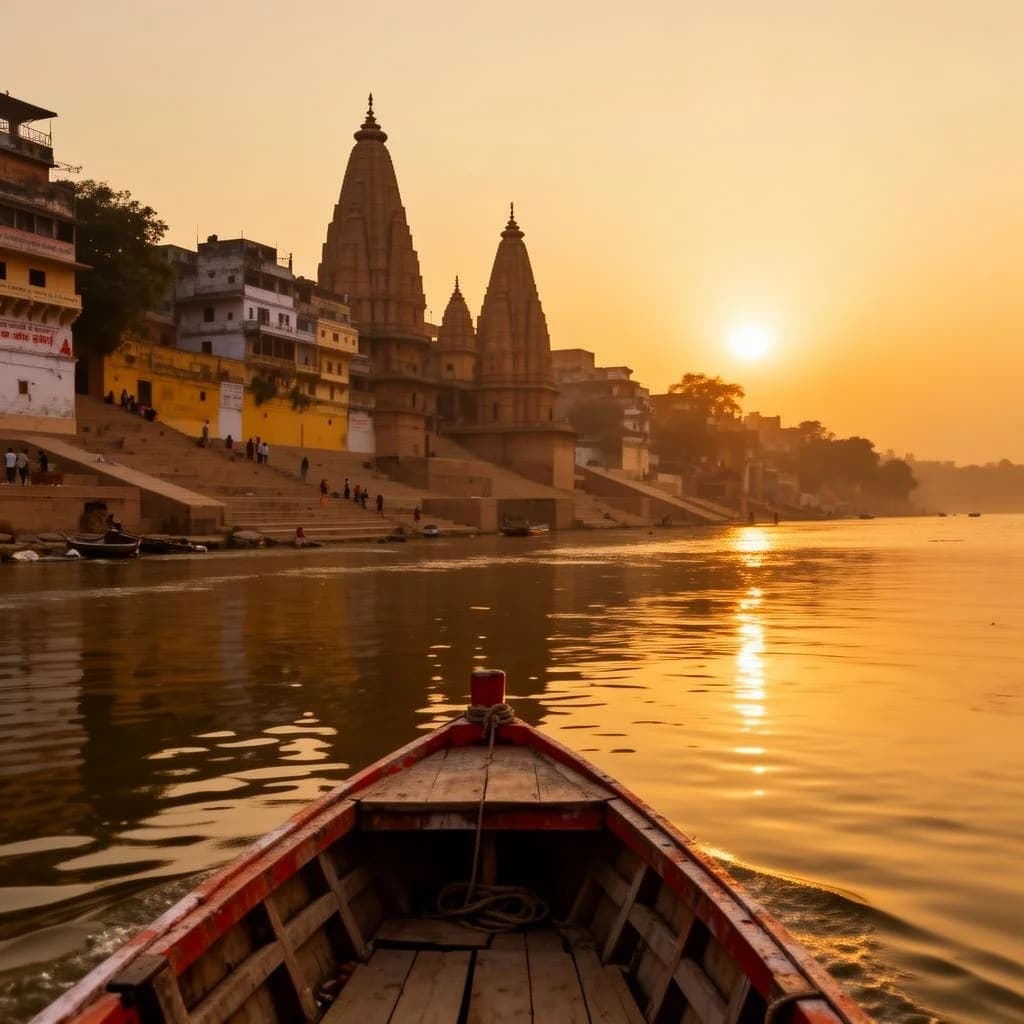


Handpicked travel guides, local insights and practical information to help you plan your spiritual journey with ease.
.0bwph.107dyza.webp&w=2048&q=75)
Timings, entry process, VIP darshan, nearby attractions and important tips.
Fresh insights and useful information for your journey.
More spiritual gatherings across sacred destinations.
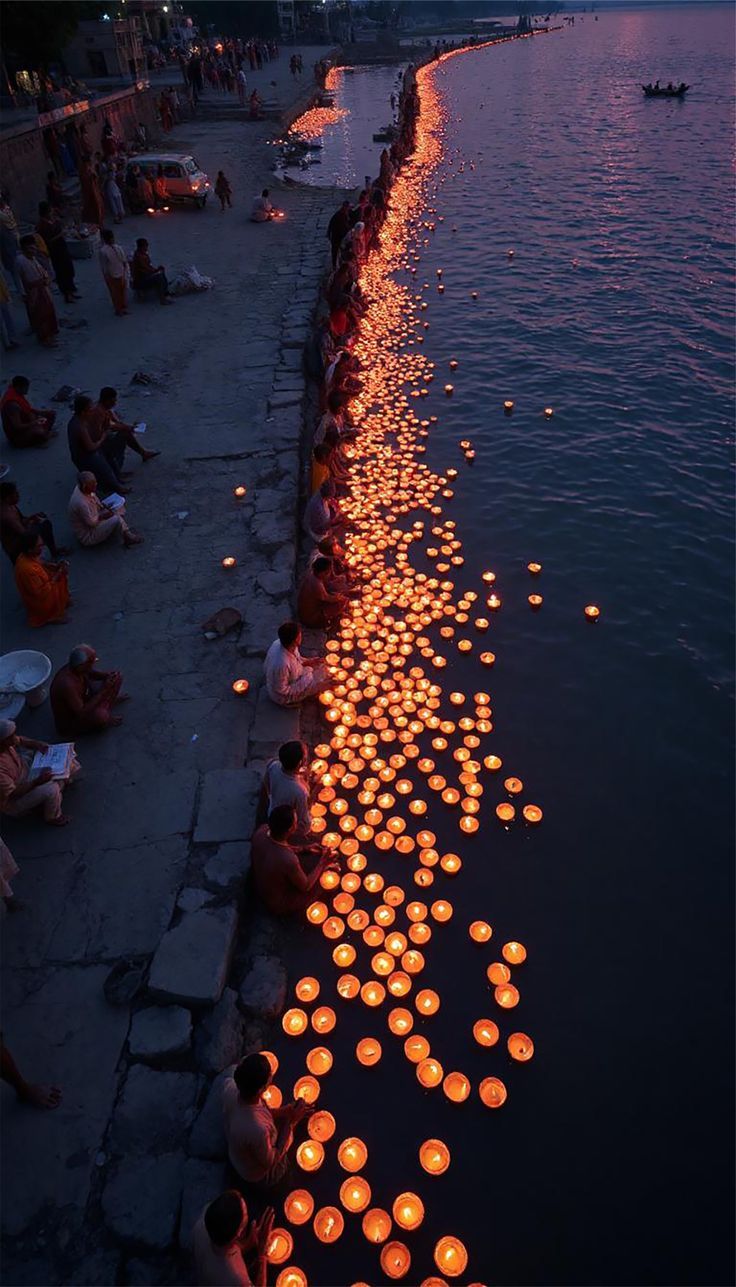
The Panchkroshi Yatra (पंचकोशी यात्रा) is the sacred parikrama around the whole of Kashi: an 88 km circuit that begins and ends at Manikarnika, with five padavs (halts), Kardameshwar, Bhimchandi, Rameshwar, Shivpur and Kapildhara, and 108 Shiva shrines along the way. Traditionally walked over five days, it is done today either on foot with dharamshala halts or in a single day by vehicle. varanasiayodhyatours.com plans both versions, the sankalp, the route and the pace, on WhatsApp.
View Details
Subah-e-Banaras (सुबह-ए-बनारस) is Varanasi's daily dawn ritual at Assi Ghat: begun on 24 November 2014, it opens in the Brahma Muhurta before sunrise with Vedic chanting and a hawan, a morning Ganga aarti to the rising sun, then live Banaras Gharana classical music and an open yoga session on the ghat steps. It runs every morning, is free to attend, and is the contemplative dawn counterpart to the grand evening Ganga Aarti at Dashashwamedh. varanasiayodhyatours.com plans the pre-dawn pickup, the seating and a sunrise boat around it, on WhatsApp.
View Details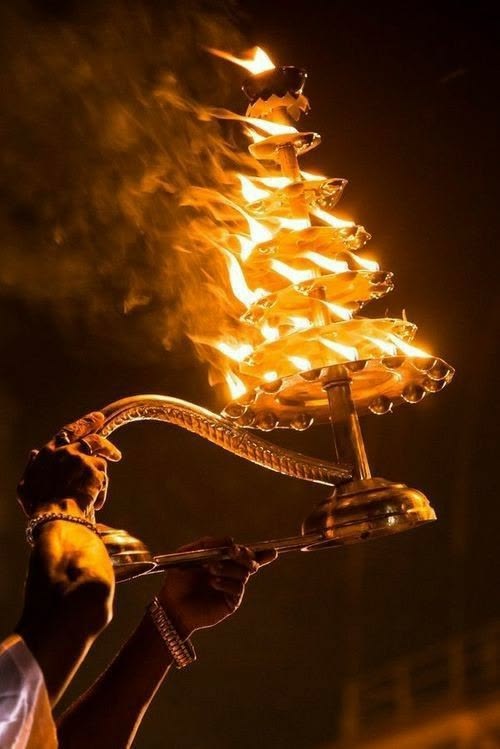
The Nageshwarnath temple (नागेश्वरनाथ) is Ayodhya's ancient presiding Shiva shrine, at Ram ki Paidi on the banks of the Saryu, said to have been established by Kush, the son of Lord Rama. In a city given to Rama, it is the great centre of Shiva worship, coming alive above all at Maha Shivratri, with its famous Shiva Baraat, and through the month of Sawan. varanasiayodhyatours.com plans the darshan and the Shiva festivals around it, on WhatsApp.
View Details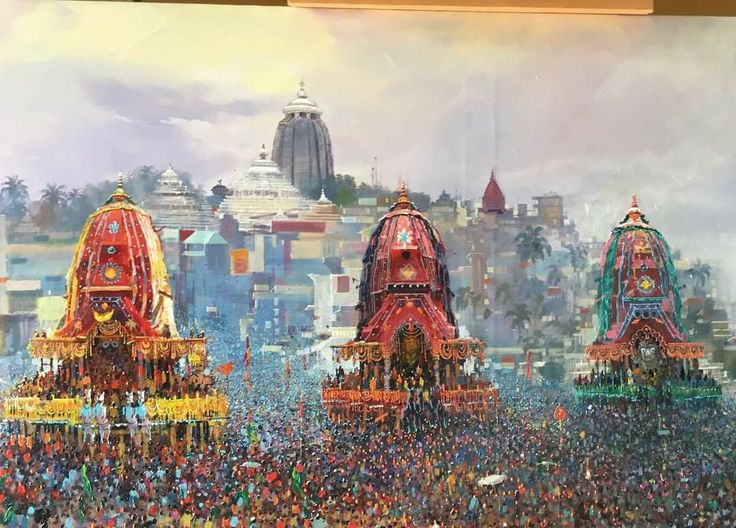
The Panchkroshi Yatra (पंचकोशी यात्रा) is the sacred parikrama around the whole of Kashi: an 88 km circuit that begins and ends at Manikarnika, with five padavs (halts), Kardameshwar, Bhimchandi, Rameshwar, Shivpur and Kapildhara, and 108 Shiva shrines along the way. Traditionally walked over five days, it is done today either on foot with dharamshala halts or in a single day by vehicle. varanasiayodhyatours.com plans both versions, the sankalp, the route and the pace, on WhatsApp.
View Details