3 nights / 4 days
Pilgrimage
₹37,000
Starting From


Senior Citizen Kashi Ayodhya Yatra
Varanasi, Prayagraj & Ayodhya (Elders)|Pilgrimage
One City A Day Pace
Lift-Access Rooms
Daily Family WhatsApp
 Varanasi
By Rajeev Sharma
Varanasi-born Pilgrimage Guide
Nag Panchami (नाग पंचमी) is the Hindu festival of serpent worship, falling on the fifth day of the bright fortnight of Sawan, Monday, 17 August 2026. Across India milk and flowers are offered to the nagas; in Varanasi the day has two faces found nowhere else together, the great fair at the ancient Nag Kuan, the "serpent well," and the akharas, the traditional wrestling gyms, holding their bouts, for the snake is the emblem of strength and coiled kundalini energy. varanasiayodhyatours.com plans the fair, the akhara and the day around it, on WhatsApp.
Experience Nag Panchami in Kashi: serpents, a hidden well, and the wrestlers of Banaras with a Kashi-born guide — darshan, stays and boats arranged.
Nag Panchami falls on the Panchami, the fifth day, of the bright fortnight of Shravana (Sawan), two days after Hariyali Teej. In 2026 it is Monday, 17 August, which, falling on a Monday, Shiva's day, adds to its power.
| Item | Detail |
|---|---|
| Nag Panchami 2026 | Monday, 17 August 2026 |
| Tithi | Shravana Shukla Panchami |
| Puja muhurat | Roughly 5:51 AM to 8:29 AM |
| Falls within | The month of Sawan |
| Kashi's day | The Nag Kuan fair and the akhara bouts |
The exact muhurat shifts slightly by year and location; message us on WhatsApp for the confirmed timing before you plan.
Nag Panchami honours the nagas, the serpent deities of Hindu belief, guardians of the underworld and of hidden treasure and knowledge, and emblems of cosmic and kundalini energy. Across India devotees bathe images of the snake in milk, offer flowers and turmeric, and pray for protection from snakebite and from the astrological afflictions of Rahu and Ketu and Kaal Sarp Dosha. It falls in Sawan, Shiva's month, and Shiva wears the serpent Vasuki about his neck, so honouring the nagas is also to please Shiva. Twelve principal nagas, Ananta, Vasuki, Shesha, Takshaka, Kaliya and others, are named in the worship.
Kashi's great Nag Panchami gathering is at the Nag Kuan, the "serpent well," in the Jaitpura area, an ancient stepped well held sacred to the nagas and, by tradition, linked to the sage Patanjali. On Nag Panchami a large fair fills the site: devotees descend the steps to the water to worship and offer milk, and the whole quarter turns to the festival. It is one of those deep-local Kashi observances that most visitors never hear of, and being taken to it, with the story told, is the kind of thing that separates a real Banaras day from a checklist.
From the ground: for my guests I pair the two faces of the Kashi day, the quiet, watery devotion at the Nag Kuan in the morning, and the noise and dust of the akhara later, so you feel why this city holds the serpent as both a god to worship and a symbol of strength to wrestle for.
This is Banaras's own twist. On Nag Panchami the akharas, the traditional earthen-floored wrestling gyms of the city, hold special celebrations and bouts, because the snake is the emblem of virility and of the coiled kundalini energy the wrestler cultivates. Kushti (mud wrestling) is deep in Banaras culture, and Nag Panchami is one of its great days: pehalwans wrestle, the akharas honour their patron and their pit, and crowds gather to watch. In some akharas a shrine to the Naga Raja is worshipped, milk poured over the serpent image. It is a face of the city, muscular, earthy, ancient, that the ghats and temples alone do not show.
Several stories sit behind the day. Krishna subdued the serpent Kaliya who had poisoned the Yamuna, dancing on his hoods and sparing him, the same tale Kashi enacts at Nag Nathaiya. The sage Astika halted King Janamejaya's Sarpa Satra, the great snake sacrifice meant to wipe out the naga race, and saved the serpents; the day the sacrifice stopped is kept as Nag Panchami. And Shiva wears Vasuki, and Vishnu rests on Shesha, so the serpent is woven through the divine order itself. Together they make a day of reverence rather than fear.
Kashi keeps the Krishna-Kaliya story twice over. Nag Panchami, in Sawan, is the pan-Indian serpent festival kept here at the Nag Kuan and the akharas. Nag Nathaiya, in Kartik, is the single-evening leela at Tulsi Ghat where a boy as Krishna rises on the serpent's hood. Same serpent, same victory, two very different Kashi occasions, and a visitor curious about the naga in Varanasi can follow the thread from one to the other.
The classic offerings are milk poured over the naga image or into the well, and flowers, turmeric, rice and sandalwood, the serpent is said to love fragrance. Live snakes are best only honoured, not disturbed; the ethical, modern practice is to worship the image or the well rather than the captive snakes of charmers. Offerings are simple and inexpensive.
Nag Panchami in Kashi is free and public: the Nag Kuan fair and the akhara bouts are open, with nothing to buy your way into. Two honest points. The Nag Kuan quarter is a dense, deep-local part of the old city, not a polished tourist site, part of its value, but it wants a guide who knows the lanes. And a gentle ethical word: the roadside snake-charmers with baskets, still seen on the day, keep the snakes in ways the law and decency discourage; we do not route guests to pay for that, and the true festival is at the well and the akhara, not the charmer's basket. What we honestly arrange is the way in, the story, the akhara access and the timing, on a monsoon day in a working quarter.
Fly into Lal Bahadur Shastri International Airport (VNS), about 25 km out; trains serve Varanasi Junction, Banaras and Kashi stations. The Nag Kuan is in Jaitpura, in the northern old city; the lanes are walked. August is monsoon, so allow for rain. Our guests move by private Innova Crysta, staged near the quarter. Full detail in the How to Reach Varanasi guide.
Our package guests stay at the Taj Ganges or Hilton Varanasi with breakfast, a comfortable base in the monsoon. Nag Panchami falls within Sawan, a busy pilgrim month in Kashi, so book ahead. More in the Stay & Hotels guide.
| Why Experience My India | Detail |
|---|---|
| Guests hosted | 50,000+ since 2018 |
| Rating | 4.5 stars on Google and TripAdvisor |
| On-ground experience | 40+ years guiding this belt (Rajeev Sharma) |
| Languages | Hindi, Telugu, Kannada, English (built for South Indian pilgrims) |
| Stays | Taj Ganges / Hilton Varanasi, breakfast included |
| Transport | Private Innova Crysta with driver |
| Honest access | The Nag Kuan and a real akhara; never routed to a snake-charmer's basket |
| Booking | Direct on WhatsApp; custom itineraries; no hidden charges |
Nag Panchami falls within Sawan, so it pairs naturally with a Sawan in Kashi visit, the whole Shiva month. A custom Nag Panchami day with the Nag Kuan fair, an akhara and the Sawan temples builds on one flat rate: ₹12,500 per day for two guests, Taj or Hilton base, Innova throughout, confirmed in writing before any advance. It slots into the 4 Days Ayodhya Varanasi Tour Package, ₹50,000 per couple (₹25,000 per person). Browse all packages.
Monday, 17 August 2026, on Shravana Shukla Panchami, the fifth day of the bright fortnight of Sawan. The morning puja muhurat runs roughly 5:51 to 8:29 AM.
The Hindu festival of serpent worship, honouring the nagas with offerings of milk, flowers and turmeric, for protection and to ease astrological afflictions like Kaal Sarp Dosha. It falls in Shiva's month of Sawan.
With a great fair at the ancient Nag Kuan (serpent well) in Jaitpura, where devotees worship and offer milk, and with special bouts and celebrations at the city's akharas (wrestling gyms), for the snake is the emblem of strength and kundalini.
An ancient sacred stepped well in the Jaitpura quarter of Varanasi, held sacred to the nagas and by tradition linked to the sage Patanjali; it hosts the city's main Nag Panchami fair.
Because the serpent symbolises virility and the coiled kundalini energy the wrestler cultivates. Kushti is deep in Banaras culture, and Nag Panchami is one of the akharas' great days.
Krishna subduing the serpent Kaliya; the sage Astika halting King Janamejaya's snake sacrifice and saving the nagas; and Shiva wearing Vasuki and Vishnu resting on Shesha.
Both keep the Krishna-Kaliya story: Nag Panchami is the Sawan serpent festival at the Nag Kuan and akharas; Nag Nathaiya is the Kartik leela at Tulsi Ghat where a boy as Krishna rises on the serpent's hood.
Milk, flowers, turmeric and sandalwood, at the well or the naga image. We do not route guests to pay snake-charmers, whose captive snakes are best not encouraged; the true festival is at the well and the akhara.
No; the fair and the akhara bouts are free and public. A guide adds the lanes, the story and the access, not paid entry.
Yes, with a guide, though the Nag Kuan quarter is dense and it is monsoon season; we plan an early, calm visit and easy vehicle staging. Tell us mobility on WhatsApp.
Experience Nag Panchami in Kashi: serpents, a hidden well, and the wrestlers of Banaras with a Kashi-born guide — darshan, stays and boats arranged.
Handpicked packages for sacred festivals and destinations.


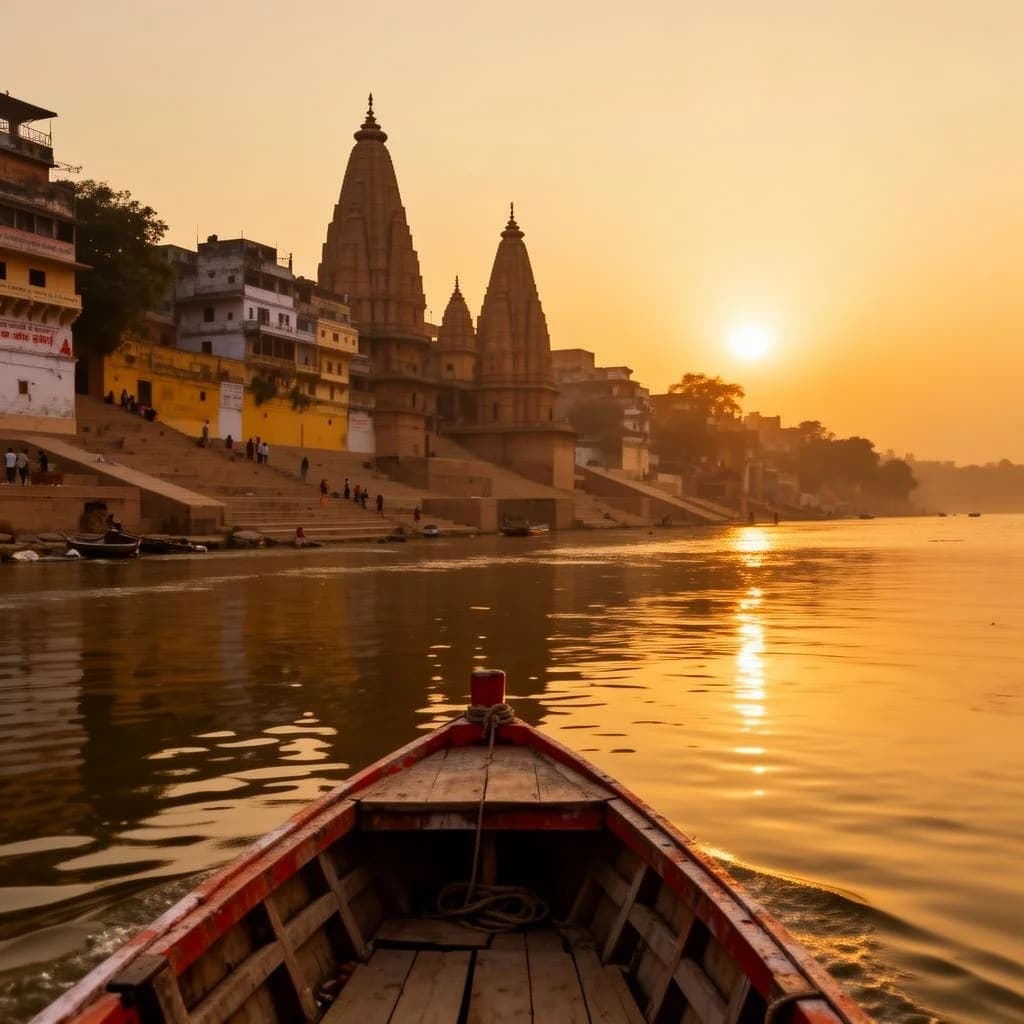


Handpicked travel guides, local insights and practical information to help you plan your spiritual journey with ease.
.0bwph.107dyza.webp&w=2048&q=75)
Timings, entry process, VIP darshan, nearby attractions and important tips.
Fresh insights and useful information for your journey.
More spiritual gatherings across sacred destinations.
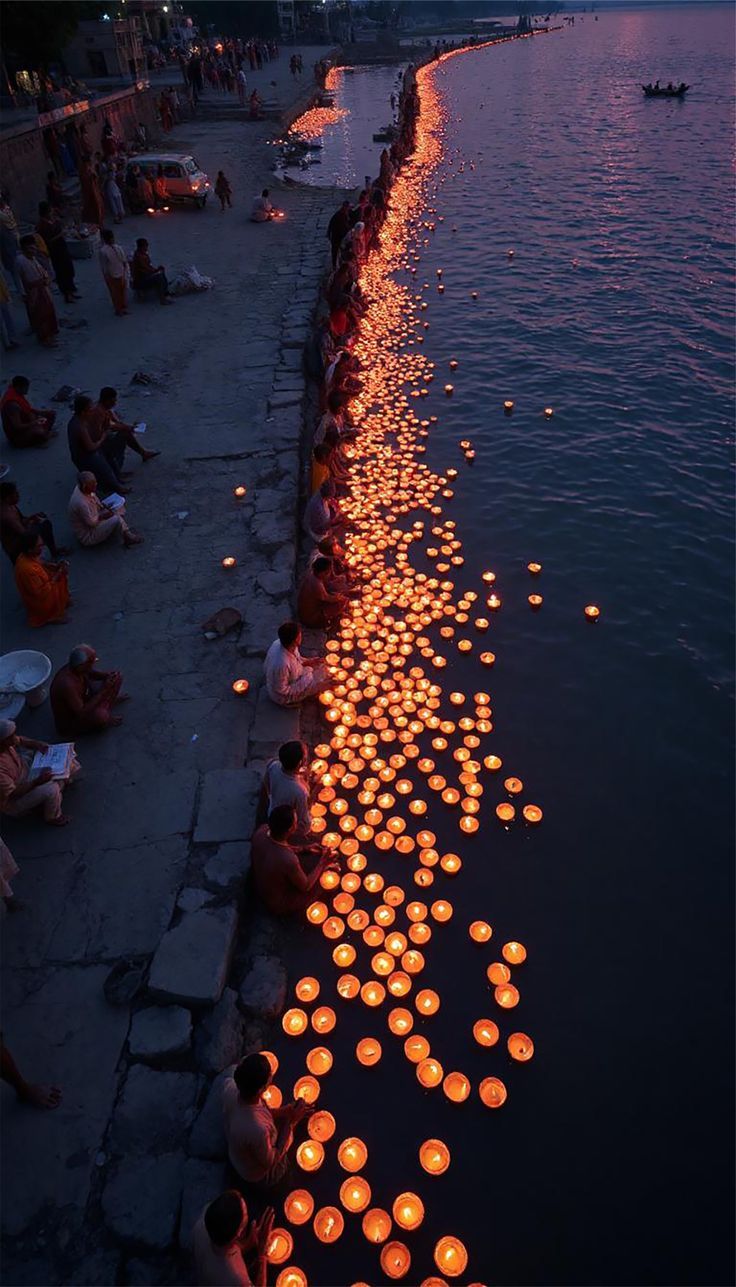
The Panchkroshi Yatra (पंचकोशी यात्रा) is the sacred parikrama around the whole of Kashi: an 88 km circuit that begins and ends at Manikarnika, with five padavs (halts), Kardameshwar, Bhimchandi, Rameshwar, Shivpur and Kapildhara, and 108 Shiva shrines along the way. Traditionally walked over five days, it is done today either on foot with dharamshala halts or in a single day by vehicle. varanasiayodhyatours.com plans both versions, the sankalp, the route and the pace, on WhatsApp.
View Details
Subah-e-Banaras (सुबह-ए-बनारस) is Varanasi's daily dawn ritual at Assi Ghat: begun on 24 November 2014, it opens in the Brahma Muhurta before sunrise with Vedic chanting and a hawan, a morning Ganga aarti to the rising sun, then live Banaras Gharana classical music and an open yoga session on the ghat steps. It runs every morning, is free to attend, and is the contemplative dawn counterpart to the grand evening Ganga Aarti at Dashashwamedh. varanasiayodhyatours.com plans the pre-dawn pickup, the seating and a sunrise boat around it, on WhatsApp.
View Details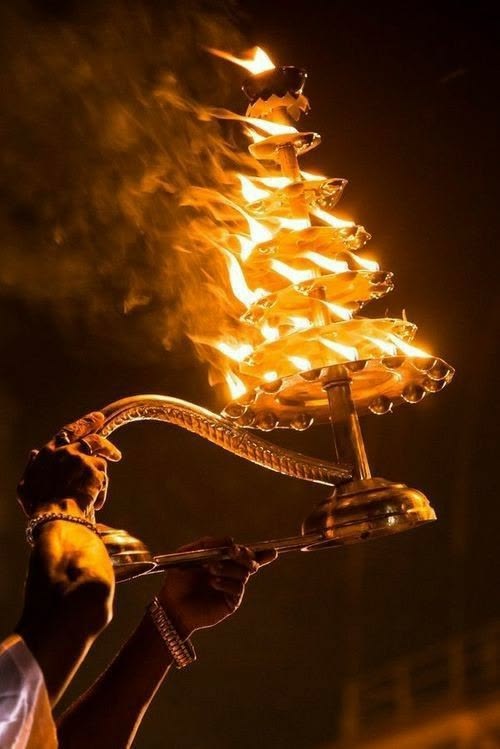
The Nageshwarnath temple (नागेश्वरनाथ) is Ayodhya's ancient presiding Shiva shrine, at Ram ki Paidi on the banks of the Saryu, said to have been established by Kush, the son of Lord Rama. In a city given to Rama, it is the great centre of Shiva worship, coming alive above all at Maha Shivratri, with its famous Shiva Baraat, and through the month of Sawan. varanasiayodhyatours.com plans the darshan and the Shiva festivals around it, on WhatsApp.
View Details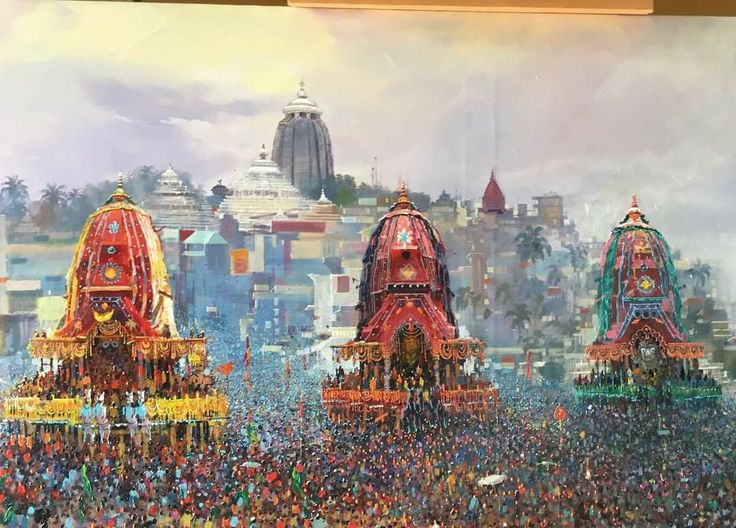
The Panchkroshi Yatra (पंचकोशी यात्रा) is the sacred parikrama around the whole of Kashi: an 88 km circuit that begins and ends at Manikarnika, with five padavs (halts), Kardameshwar, Bhimchandi, Rameshwar, Shivpur and Kapildhara, and 108 Shiva shrines along the way. Traditionally walked over five days, it is done today either on foot with dharamshala halts or in a single day by vehicle. varanasiayodhyatours.com plans both versions, the sankalp, the route and the pace, on WhatsApp.
View Details