3 nights / 4 days
Pilgrimage
₹37,000
Starting From


Senior Citizen Kashi Ayodhya Yatra
Varanasi, Prayagraj & Ayodhya (Elders)|Pilgrimage
One City A Day Pace
Lift-Access Rooms
Daily Family WhatsApp
The best time to visit Ayodhya is October to March.
Drop your details and we'll craft a personalized spiritual package.
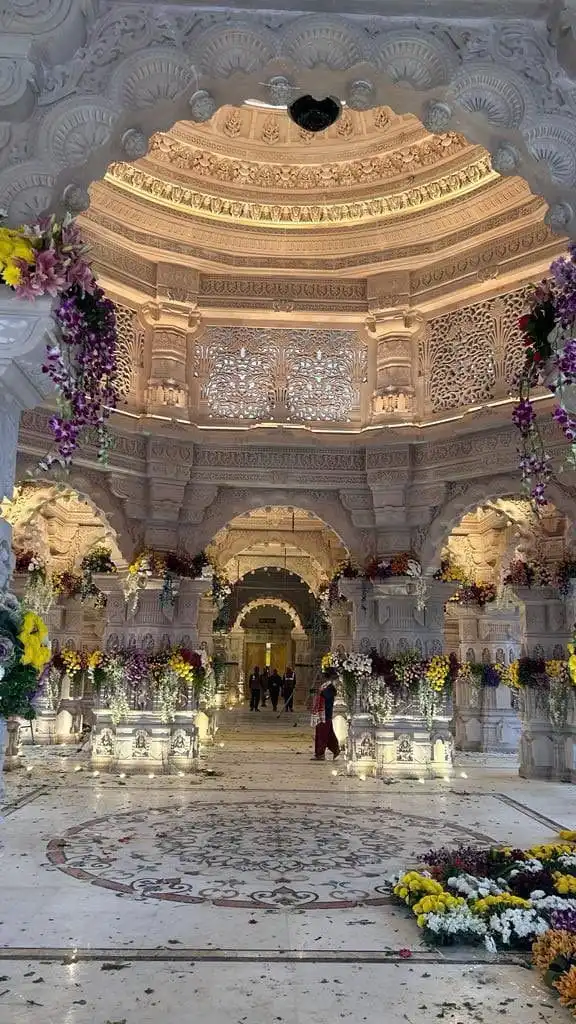
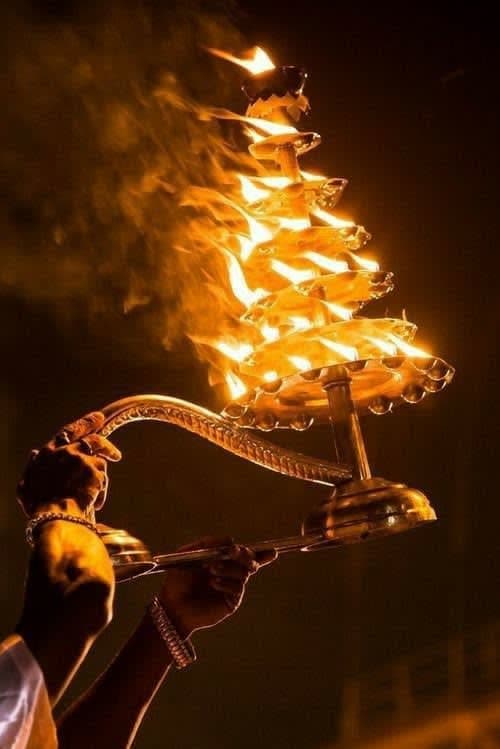
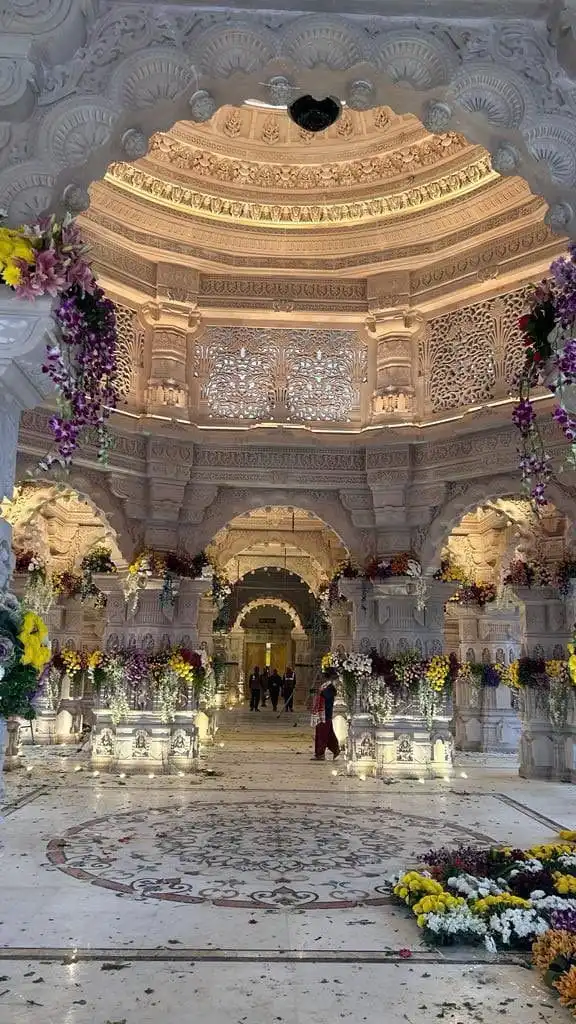
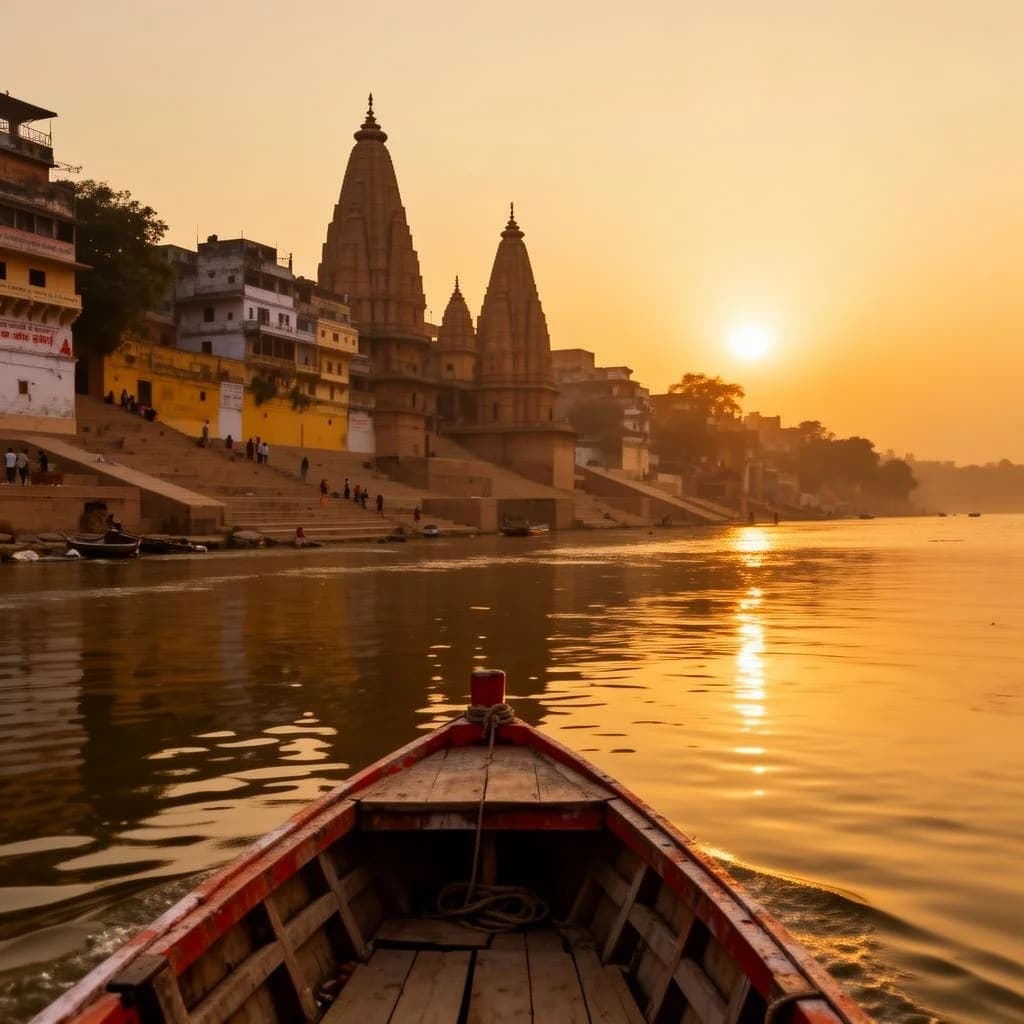
Home to the Ram Janmabhoomi temple, Hanuman Garhi, and Dashrath Mahal. The Saryu aarti at sunset is quieter than Varanasi's,it moves people who expected only the Ram Mandir to remember it most.
The best time to visit Ayodhya is October to March, when days are mild and evenings pleasant for the Saryu aarti. Late November to mid-February is the sweet spot for cool, calm, comfortable travel. Avoid April to June, when temperatures reach 40 to 42°C with little shade near the temple. For atmosphere, time your trip with Deepotsav (October or November) or Ram Navami (March or April), but book months ahead, as the city fills.
I am Rajeev Sharma, born in Varanasi, guiding through this region for over forty years. The right month changes the whole trip here, so let me give you the honest, season-by-season picture, including the trade-offs the glossy guides skip.
Winter (November to February), the best season. Cool, calm and comfortable, with daytime roughly 12 to 25°C and misty mornings on the Saryu. This is peak pilgrimage season and the time I recommend to almost everyone, especially first-timers and families with elders.
Spring (March), warming and festive. Pleasant early in the month and home to Ram Navami, but it heats up toward the end. Good if you want the festival; plan for rising temperatures.
Summer (April to June), avoid if you can. Temperatures hit 40 to 42°C with little shade near the temple. If you must come, do everything at dawn and after sunset and rest through the afternoon.
Monsoon (July to September), quiet and green. The Saryu runs full, the ghats green at the edges, and crowds are at their lightest with the easiest darshan queues. Rain can disrupt tight plans, so keep the schedule flexible.
From the ground: People are surprised when I say the monsoon is when Ayodhya looks its most beautiful. The river is full, the temple courtyards feel unhurried, and you can actually breathe in the lanes. It is not for a rigid two-day itinerary that cannot absorb a rain delay, but for an unhurried, reflective trip it is quietly wonderful.
Dates follow the Hindu calendar and shift each year, so verify before booking .
From the ground: Deepotsav is once-in-a-lifetime, but I am honest with families travelling with elders: the crowds are immense and hotels triple in price overnight. Two weeks earlier or one week later, you walk into a calm city at a third of the cost. If the river lamps are the dream, Kartik Purnima gives you nearly the same magic with room to breathe.
For the calmest experience, come mid-week in late November or January, take the early-morning darshan slot, and steer clear of the festival peaks unless the festival is the point. Weekends, public holidays and the run-up to Deepotsav and Ram Navami are the busiest. The monsoon months are the quietest of all, if you can accept some rain.
Ready to pick your dates? Build the days with our Ayodhya itinerary, see the full Ayodhya guide, or let us plan around the calendar with our Ayodhya and Kashi packages. Message me, Rajeev, on WhatsApp at +91 7302265809.
Curated itineraries featuring this divine destination.






Grouped for quick scanning
Everything you need to know about Best Time to Visit Ayodhya .
Topic 01
8 questions
October to March, when days are mild and evenings pleasant for the aarti. Late November to mid-February is the sweet spot for cool, calm travel. Avoid April to June, when temperatures reach 40 to 42°C with little shade.
December and January are the most comfortable, with cool days, foggy mornings and golden light. November is excellent too, though often busy with Deepotsav or Kartik Purnima.
April to June, the peak summer, when the heat reaches 40 to 42°C with little shade near the temple. If you must visit then, do everything at dawn and dusk and rest through the afternoon.
Yes, winter from November to February is the best season. Days are cool and pleasant, mornings are misty on the Saryu, and the pace is comfortable for walking and for elderly travellers.
You can, but it is harsh. Temperatures hit 40 to 42°C with little shade. Plan dawn and evening visits, rest through midday, carry water and a hat, and keep the schedule light.
It is quiet and green, with the lightest crowds and easiest darshan, but rain can disrupt tight plans. For an unhurried, reflective trip it is lovely; for a rigid two-day itinerary it is risky.
The monsoon, July to September, has the lightest crowds and the easiest darshan queues. In peak season, mid-week days in late November or January are the quietest.
Yes, October cools down and is pleasant, though Deepotsav often falls then, which brings huge crowds and high prices. Lovely if you want the festival, busy if you do not.
Topic 02
8 questions
Yes, one of the best. Cool days, foggy mornings and calm, especially mid-week. Carry a shawl for the chilly riverside evenings and early-morning fog.
Yes, a top month. Cool weather, misty mornings and golden light on the sandstone, ideal for photography and comfortable walking.
Yes, mild and pleasant, with peak-season comfort. Maha Shivratri falls in February or March, bringing crowds to Nageshwarnath, but the weather is excellent.
Early March is pleasant; late March warms up and brings Ram Navami crowds. Good if you want the festival and noon Surya Tilak, otherwise expect heat building and large crowds.
Hot and rising, with the heat well established. Ram Navami may fall early in the month. Visit at dawn and dusk and avoid the midday sun.
Yes, excellent. Cool and comfortable, with Deepotsav or Kartik Purnima often falling then. Book ahead if your dates touch the festivals, as the city fills.
December and January mornings often bring fog over the Saryu, single-digit dawn temperatures and atmospheric light, which is exactly what many photographers come for.
The monsoon runs roughly July to September, bringing humidity, green surroundings and occasional heavy rain. Keep a flexible schedule and quick-dry footwear if you travel then.
Topic 03
6 questions
Daytime is roughly 12 to 25°C from November through February, with mornings near the Saryu sometimes dipping to single digits and a slow fog over the ghats.
Summer afternoons reach 40 to 42°C and sometimes higher from April to June, with little shade near the temple. It is the main reason to avoid those months.
Winter mornings and riverside evenings can be cool, dipping toward single digits in December and January with fog on the Saryu. Carry a shawl or light jacket.
Deepotsav falls in October or November, so the weather is pleasantly cooling, comfortable for the evening on the ghats. The challenge is the crowd, not the climate.
From October to March, yes, the riverside evenings are comfortable, though cool in midwinter, so carry a shawl. In summer the evening is the only bearable time to be at the ghats.
Layers and a shawl in winter; light cotton, a hat and sunscreen in summer; a compact umbrella in the monsoon. In every season, modest clothing and slip-on shoes for the temples.
Topic 04
8 questions
On the eve of Diwali, in October or November, following the Hindu calendar. It is the grandest and most crowded time, with millions of lamps on the Saryu. Book accommodation months ahead.
Ram Navami falls on 26 March 2026, bringing the year's biggest crowd and the noon Surya Tilak on Ram Lalla. Sugam Darshan passes are usually suspended that day.
Only if the festival is the point and you can book months ahead. Deepotsav and Ram Navami are unforgettable but extremely crowded, with hotels selling out and prices spiking. For a calm trip, avoid the festival peaks.
Kartik Purnima falls in November, a major holy-dip day on the Saryu. It is the calmer alternative to Deepotsav, giving you the sacred river with a fraction of the crowd.
In February or March, centred on Nageshwarnath Temple with its Shiva Baraat procession. The weather is excellent, but expect crowds at the Shiva temples.
In November or December, celebrating the wedding of Rama and Sita, with special festivities at Kanak
For Deepotsav and Ram Navami, book hotels and travel three months ahead and darshan passes as early as the portal allows, around 30 days. Rooms sell out and rates triple as the date nears.
The monsoon months are quietest overall. In peak season, mid-week days in late November or January, away from festivals, give the calmest darshan, especially at the early-morning slot.
Topic 05
6 questions
November to early February, for the easiest weather and the most welcoming pace. Keep the first trip light, start before 9 AM, and you will find it grounding rather than rushed.
Late October to early February, when the weather is mild and walking and the ghats are comfortable. Avoid summer heat and festival crowds, and build in rest through the afternoons.
December and January mornings, for fog on the Saryu and golden light on the sandstone. The Deepotsav lamps are spectacular too, if you can handle the crowds.
Mid-week in late November or January, at the early-morning slot, away from festivals. The monsoon is quieter still if you can accept some rain.
The monsoon and ordinary mid-week days outside festivals, when hotel rates are normal. Avoid Deepotsav and Ram Navami, when prices spike and rooms vanish.
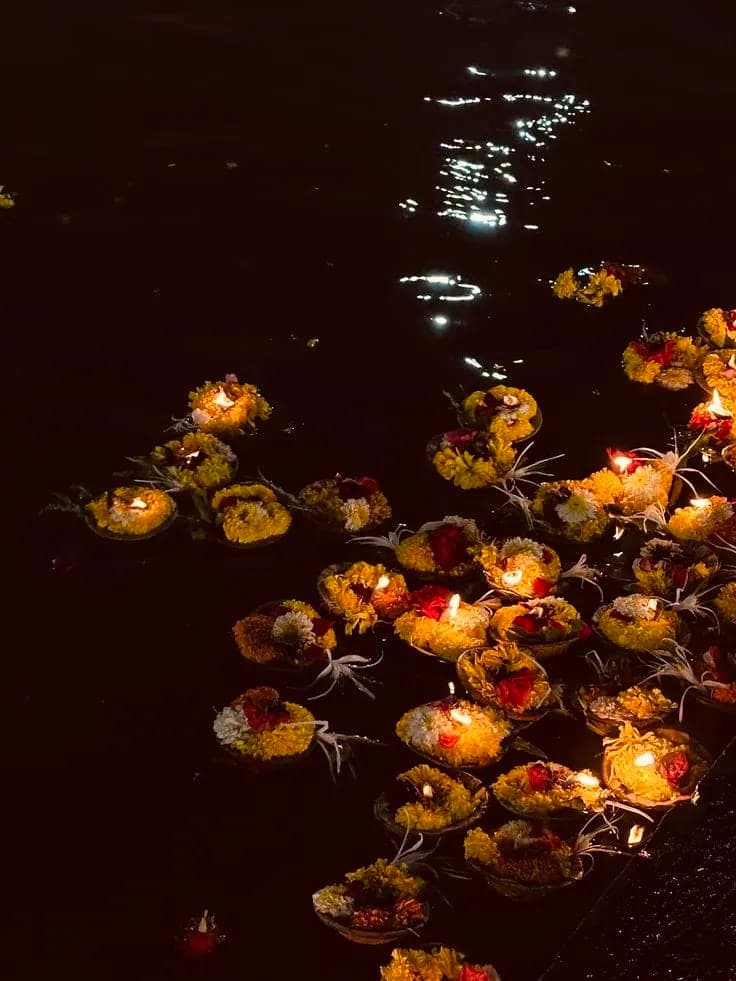
Any clear evening from October to March is lovely. For the grandest version, Deepotsav and Kartik Purnima light the river with lamps, with Kartik Purnima far less crowded.
Topic 06
15 questions
One full day covers the core circuit if you start early; two days is comfortable and adds the river, hillocks and Faizabad. See our Ayodhya itinerary to plan the days.
Not really; October to March suits both. Darshan is most comfortable in the cool early mornings, and sightseeing and the evening aarti are pleasant through the same season.
Peak season rates are higher than the monsoon, and they spike sharply during Deepotsav and Ram Navami. For value with good weather, target the first two weeks of December or the last two weeks of January.
Yes, for quiet and value. The monsoon brings the lightest crowds and the easiest darshan, with green surroundings and a full Saryu, as long as you can accept some rain and keep the plan flexible.
The early-morning slot, roughly 7 to 10 AM, is coolest and calmest. Book a morning Sugam Darshan pass and clear darshan before the midday bhog closure. See our darshan guide.
Weekends and public holidays are busier than weekdays. For a calmer trip, travel mid-week, especially in peak season, and take the early-morning darshan slot.
Layers and a shawl in winter; light cotton, hat and sunscreen in summer; an umbrella and quick-dry shoes in the monsoon. Always modest clothing and slip-on shoes for the temples.
Yes, the city is open all year and every season has its character, but October to March is the most comfortable. Summer needs careful timing around the heat, and the monsoon needs a flexible schedule.
Pick your dates in the October to March window, decide whether you want a festival or calm, and build the days. We plan around the calendar, weather and crowds for you. See our Ayodhya packages or message me, Rajeev, on WhatsApp at +91 7302265809.
Yes, far more. Since the January 2024 consecration the city draws large daily crowds, with festivals reaching enormous numbers. Booking ahead matters more than it once did, and an early-morning slot is now the key to a calm darshan.
Yes, target the first two weeks of December or the last two weeks of January. The weather is cool, the festivals are over, hotel rates are normal, and the evening aarti feels unhurried.
Through and just after the monsoon, roughly July to October, when the river runs full and the ghats look their most beautiful. It is also the quietest stretch of the year for darshan.
Deepotsav, on the eve of Diwali, is the headline lamp event at Ram Ki Paidi, so that is the night most travellers aim for. Both are crowded; book months ahead either way, and consider Kartik Purnima for a calmer river evening.
The weather is excellent, cool and clear, but it is a popular holiday week, so expect more visitors and higher rates than ordinary mid-week winter days. Book ahead if your dates fall then.
Late afternoon into sunset, to settle in before the Saryu aarti, or early morning for a quiet, misty riverside in winter. Avoid the midday heat in summer, when the open ghats offer no shade.
Still have a question?
Message Rajeev on WhatsApp