3 nights / 4 days
Pilgrimage
₹37,000
Starting From


Senior Citizen Kashi Ayodhya Yatra
Varanasi, Prayagraj & Ayodhya (Elders)|Pilgrimage
One City A Day Pace
Lift-Access Rooms
Daily Family WhatsApp
Tradition holds that Kush, the younger son of Rama, founded this temple.
Drop your details and we'll craft a personalized spiritual package.
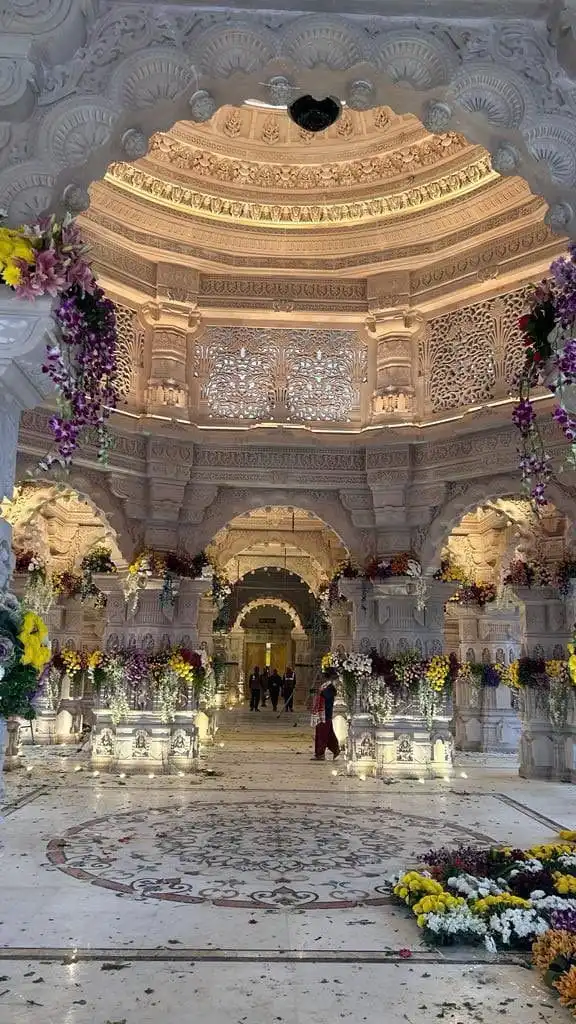
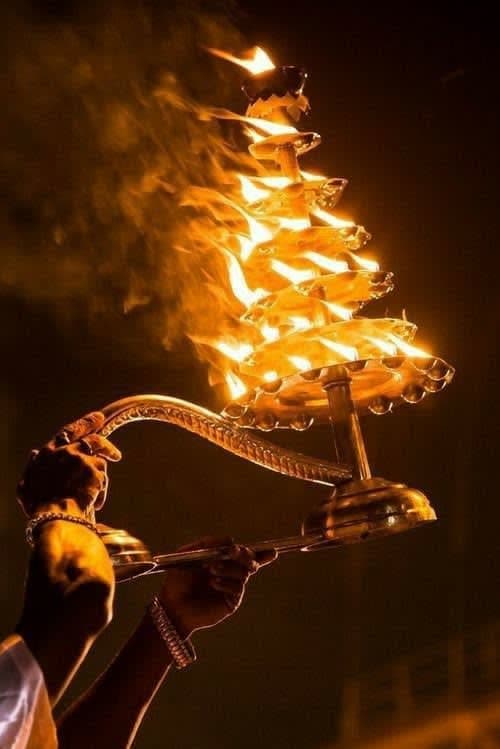
Home to the Ram Janmabhoomi temple, Hanuman Garhi, and Dashrath Mahal. The Saryu aarti at sunset is quieter than Varanasi's,it moves people who expected only the Ram Mandir to remember it most.
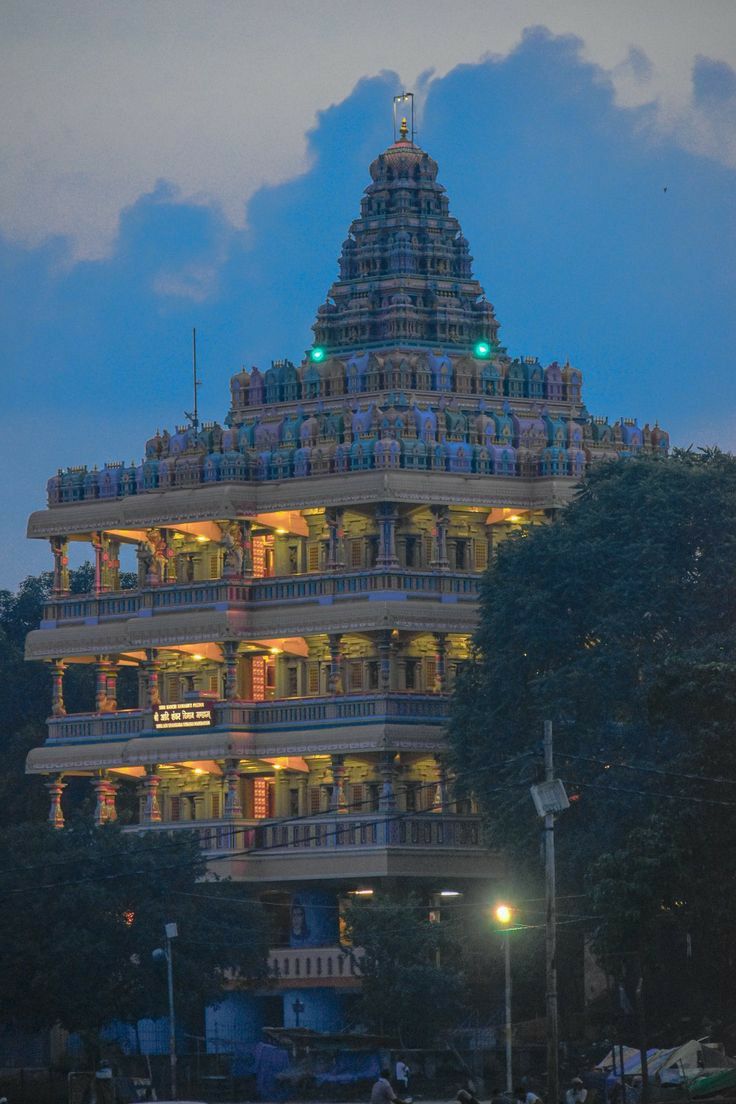
Tradition holds that Kush, the younger son of Rama, founded this temple. The story goes that while bathing in the Saryu, Kush lost an armlet in the river. A Nag-Kanya (serpent maiden) recovered it; she was a devotee of Shiva, and in gratitude Kush built this temple to Nageshwarnath, the "Lord of the Serpents," a form of Shiva. The name preserves the legend. Because of this unbroken association, Nageshwarnath is often described as the temple that survived through the centuries when much of ancient Ayodhya did not.
On Maha Shivratri (February/March), Nageshwarnath is the centre of Ayodhya's Shiva celebrations. A grand Shiva Baraat, a wedding procession of Shiva, winds through the area, and the temple fills through the night with abhishek and worship. If your trip falls on Shivratri, this is where to be after dark.
From the ground: Most visitors rush past Nageshwarnath on their way to the Saryu aarti, and that's a small loss. It sits right there near Ram Ki Paidi. Give it ten minutes before the aarti, an ancient Shiva temple at dusk is the right note to strike before the river.
The shrine itself is modest and ancient; the value is in its age and its legend, not in grandeur. Because it sits near Ram Ki Paidi and Theri Bazaar, it pairs perfectly with the evening aarti and a walk through the flower-and-puja market. It's also close to the riverfront cluster of ghats.
The temple is about 1.5 km from Ram Mandir, near Ram Ki Paidi. E-rickshaws drop you close by. Fold it into the late afternoon before the Saryu aarti, see the Ayodhya itinerary for the full evening sequence, and the Ayodhya guide for the wider circuit.
Travelling at Shivratri or want the evening river-and-temple stretch handled? See our Ayodhya packages or message me on WhatsApp at +91 7302265809.
Curated itineraries featuring this divine destination.






Grouped for quick scanning
Everything you need to know about Nageshwarnath Temple.
Topic 01
8 questions
Nageshwarnath is one of Ayodhya's oldest temples, an ancient Shiva shrine near Ram Ki Paidi and Theri Bazaar. Tradition says it was founded by Kush, the son of Rama. Entry is free, and it is most spectacular at Maha Shivratri.
By tradition, Kush, the son of Lord Rama, founded it after a Nag-Kanya, a serpent maiden, recovered his lost armlet from the Saryu. He dedicated the temple to Nageshwarnath, a form of Shiva.
Kush lost an armlet while bathing in the Saryu. A Nag-Kanya, a devotee of Shiva, recovered it, and in gratitude Kush built this temple to Nageshwarnath, the Lord of the Serpents. The name preserves the story.
Nageshwarnath means the Lord of the Serpents, a form of Shiva. The name comes from the legend of the Nag-Kanya who returned Kush's lost armlet.
Yes. It is dedicated to Shiva as Nageshwarnath and is considered one of the oldest temples in Ayodhya, linking the city to Shiva alongside its Rama heritage.
It is regarded as one of Ayodhya's most ancient temples, traditionally traced to Kush, the son of Rama. It is often described as the temple that survived through the centuries when much of old Ayodhya did not.
It anchors Ayodhya to Lord Shiva and to Rama's own dynasty through Kush, and its unbroken worship makes it a living link to the city's ancient past. It is a key stop for both Shaivites and Ramayana pilgrims.
No, it is not one of the twelve Jyotirlingas, but it is among Ayodhya's most revered and ancient Shiva temples, with deep significance in the city's tradition.
Topic 02
7 questions
Entry is free and the temple opens from about 5:00 AM. It is busiest at Maha Shivratri. Verify exact hours close to your visit. A good time is late afternoon, just before the nearby Saryu aarti.
No, entry is free. You may offer flowers, bilva leaves or milk for abhishek, which you can buy from the shops nearby, but there is no ticket.
From about 5:00 AM, with the day's worship beginning early. Confirm exact opening and aarti times locally, as they shift seasonally and on festival days.
Late afternoon, so you can pair it with the sunset Saryu aarti at nearby Ram Ki Paidi. Early morning is also peaceful. Mondays and Sawan are devout but crowded.
Aarti is performed morning and evening, with times varying seasonally. Ask at the temple on the day, or plan a late-afternoon visit before the river aarti.
About 15 to 20 minutes is enough for darshan at this modest, ancient shrine. Its value is in its age and legend rather than scale, so it fits neatly before the evening aarti.
Any morning or late afternoon for a calm visit. Mondays are auspicious for Shiva but busy, and Maha Shivratri is spectacular but very crowded.
Topic 03
6 questions
A grand Shiva Baraat, a wedding procession of Shiva, winds through the area, and the temple fills through the night with abhishek and worship. It is the centre of Ayodhya's Shivratri celebrations.
Maha Shivratri falls in February or March, following the Hindu calendar. It is the temple's biggest night, so expect large crowds and a charged, festive atmosphere.
It is a procession enacting Shiva's wedding party, with music, costume and celebration moving through the area on Maha Shivratri. It is one of Ayodhya's most distinctive festival sights.
Yes. The month of Sawan, or Shravan, in July and August is the great season for Shiva worship, and the temple sees abhishek and kanwar devotees through it. Expect crowds and queues then.
Yes, on Maha Shivratri, Mondays and through Sawan it is busy. For a quiet darshan, visit on an early morning or late afternoon outside these times.
Yes, devotees offer water, milk and bilva leaves to the Shivling, especially on Mondays and during Sawan. Buy offerings from the shops nearby and follow the priests' guidance.
Topic 04
6 questions
An ancient, modest Shiva shrine whose value is in its age and legend rather than grandeur. Take in the Shivling, the quiet atmosphere and the temple's tie to Kush and the Nag-Kanya story
The shrine is modest and largely at ground level, which makes it more accessible than the stepped temples, though the surrounding old-city lanes are tight. Tell us your needs and we plan the approach.
Yes, it is a short, gentle darshan with little climbing, which makes it comfortable for elderly visitors, especially paired with the Saryu aarti, where a private boat avoids the ghat steps.
Photography is generally allowed around the temple, but avoid it during darshan and abhishek and follow any signage. Be respectful of worshippers, especially on busy days.
No strict rule, but dress modestly and respectfully, covering shoulders and knees. Traditional attire suits the setting; carry a shawl if you are in Western clothes.
Phones are generally permitted, unlike inside Ram Mandir, but keep them silent and away during darshan and abhishek as a courtesy.
Topic 05
8 questions
About 1.5 km from Ram Mandir, near Ram Ki Paidi and Theri Bazaar, which makes it an easy stop before the evening Saryu aarti.
It is very close, near the Ram Ki Paidi ghats, so a late-afternoon Nageshwarnath darshan flows naturally into the sunset Saryu aarti.
Yes, and it is the ideal pairing. Visit Nageshwarnath in the late afternoon, then walk to Ram Ki Paidi for the sunset aarti. An ancient Shiva temple at dusk is the right note before the river.
Ram Ki Paidi and the Saryu ghats, Theri Bazaar with its flowers and puja items, and the wider riverfront cluster. It sits right in the evening circuit of the city.
Theri Bazaar is the market beside Nageshwarnath and Ram Ki Paidi, good for flowers, puja items and offerings. It is worth a short stroll on the way to or from the aarti.
Either, but it fits best in the late afternoon, after the morning Ram Mandir and Hanuman Garhi, so you flow from this Shiva temple straight into the evening Saryu aarti.
Yes, it is a natural late-afternoon stop on the one-day circuit, just before the sunset aarti at Ram Ki Paidi. See our day-by-day itinerary.
Ram Ki Paidi and the Saryu aarti, just nearby, and Theri Bazaar. Together they make a complete riverside evening after the day's main temples.
Topic 06
10 questions
It is about 1.5 km from Ram Mandir, near Ram Ki Paidi. E-rickshaws drop you close by; the last stretch through the old lanes is on foot, as cars cannot enter.
No, the narrow old-city lanes near the river are not car-accessible. Take an e-rickshaw to the edge and walk in. This is true across the inner pilgrimage zone.
Parking is set back toward the wider roads, with the riverside lanes kept clear. Continue by e-rickshaw or on foot, and allow extra time on festival days.
Yes, it is safe and well managed. Take normal care of your belongings in festival crowds and on busy Mondays, and keep your group together in the tight lanes.
The Theri Bazaar and riverfront lanes nearby have pure-vegetarian eateries and sweet shops. Choose busy, clean places and bottled water, and try the local peda.
October to March, when Ayodhya's weather is mild, especially as you will likely pair it with the open-air Saryu aarti. Maha Shivratri in February or March is the grandest but most crowded time.
Not strictly, but a guide brings the Kush and Nag-Kanya legend to life and times your visit so it flows into the Saryu aarti. It helps first-timers get the story behind the stones.
Yes, foreigners are welcome. Dress modestly, follow the temple's customs and be respectful during abhishek. It is a calm, accessible stop on the Ayodhya circuit.
Yes. It is one of Ayodhya's oldest living temples, with a beautiful legend and a quiet, ancient atmosphere, and its location by Ram Ki Paidi makes it an easy and rewarding stop before the aarti.
We place Nageshwarnath in the late afternoon so it leads naturally into the sunset Saryu aarti, with the Kush legend told along the way. See our Ayodhya packages, or message me, Rajeev, on WhatsApp at +91 7302265809.
Topic 07
6 questions
Yes. Beyond Nageshwarnath, Shiva is honoured at temples around the city and at Surya Kund's wider complex, but Nageshwarnath is the oldest and most important, and the focus of Maha Shivratri here.
Through Kush, the son of Rama, who by tradition founded it. The temple ties Rama's solar dynasty to Shiva worship, which is why it matters to both Ramayana pilgrims and Shaivites.
Offerings of water, milk and bilva leaves are made to the Shivling, and small prasad and puja items are sold by shops nearby. There is no formal ticketed prasad; bring or buy your offering for abhishek.
Yes, it is a short, gentle darshan that suits families. Hold children close in the tight lanes and on busy Mondays, and pair it with the Saryu aarti for an evening they will enjoy.
The ancient Shivling, the quiet of one of Ayodhya's oldest temples, and the timing: reach it in the late afternoon so you step straight from this Shiva shrine into the lamps of the Saryu aarti.
Yes, and it is a perfect plan. Take the late-afternoon darshan and temple aarti at Nageshwarnath, then walk to nearby Ram Ki Paidi for the sunset Saryu aarti. Two aartis, one unhurried evening.
Still have a question?
Message Rajeev on WhatsApp