
3 nights / 4 days
Pilgrimage
₹37,000
Starting From


Senior Citizen Kashi Ayodhya Yatra
Varanasi, Prayagraj & Ayodhya (Elders)|Pilgrimage
One City A Day Pace
Lift-Access Rooms
Daily Family WhatsApp
Hanuman Garhi is a 10th-century hilltop fort-temple to Hanuman
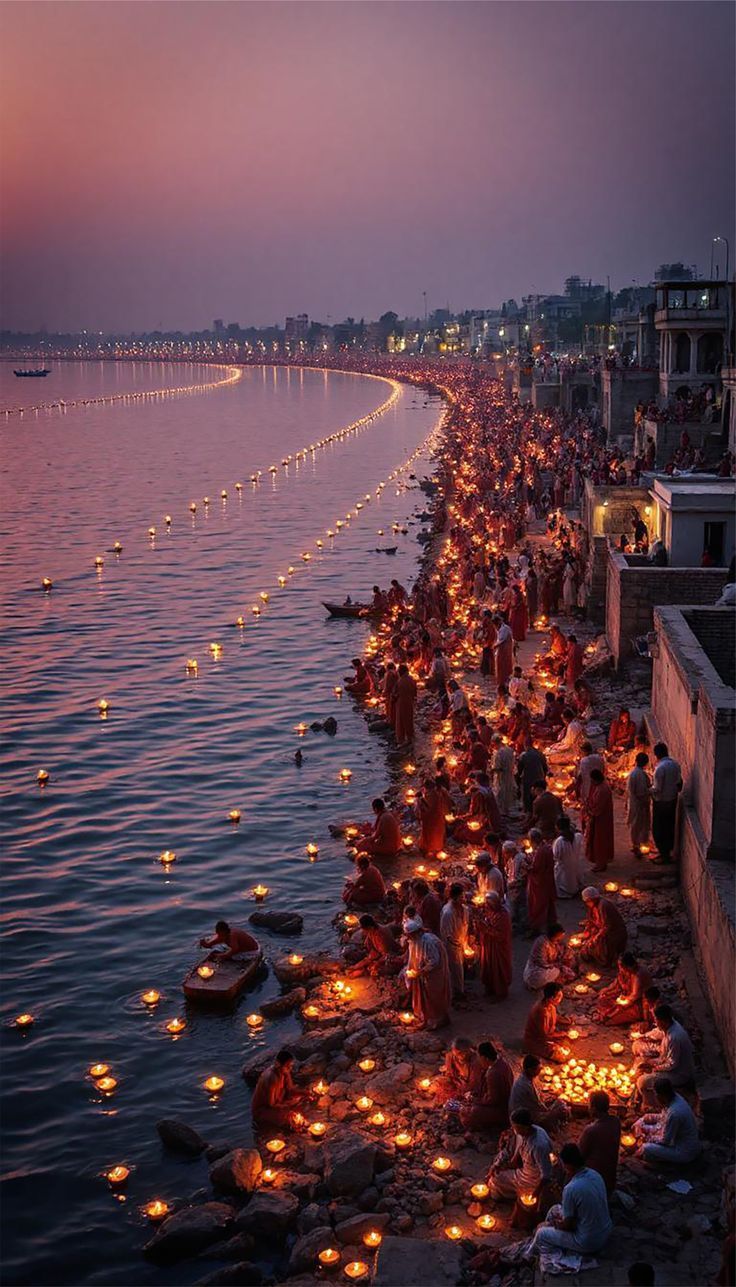
Drop your details and we'll craft a personalized spiritual package.
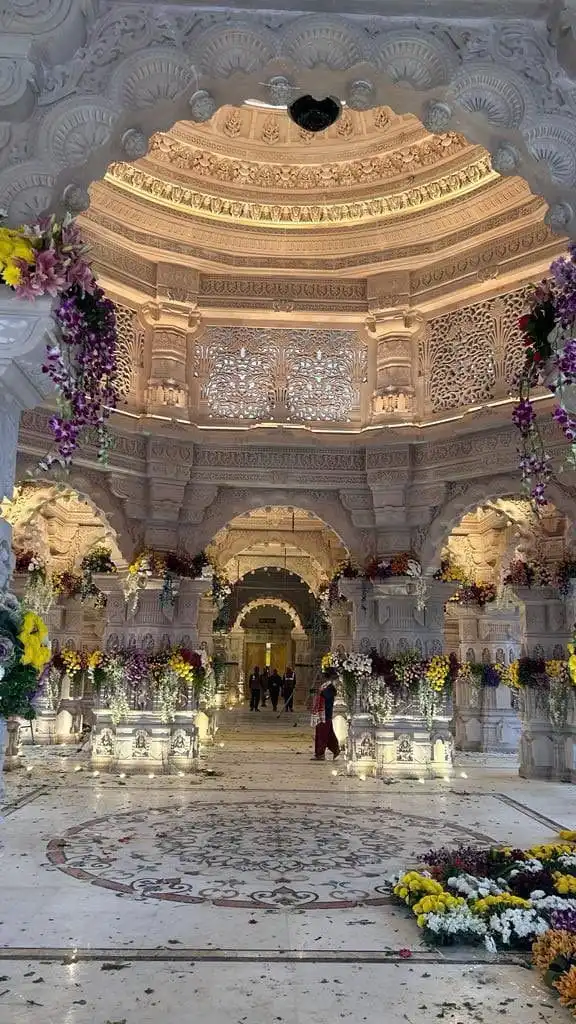
Home to the Ram Janmabhoomi temple, Hanuman Garhi, and Dashrath Mahal. The Saryu aarti at sunset is quieter than Varanasi's,it moves people who expected only the Ram Mandir to remember it most.
Hanuman Garhi is a 10th-century hilltop fort-temple to Hanuman, the guardian of Ayodhya, reached by a flight of 76 steps. By tradition you take Hanuman's blessing here first, before Ram Mandir darshan. Entry is free, it's open from early morning to night, and the prasad is a distinctive yellow besan laddu. Tuesdays and Saturdays are busiest.
In forty years of leading pilgrims, the first place I take almost everyone is here. There's both faith and good sense in it, and I'll explain both below.
Tradition holds that Hanuman guards Ayodhya, and that a pilgrim should seek his permission and blessing before approaching Rama. So the customary order is Hanuman Garhi first, then Ram Mandir.
There is practical wisdom in it too. You climb the 76 steps while your legs are fresh and the morning air is still cool, then walk down toward the Ram Mandir queue. Pilgrims who reverse the order, temple first, climb later in the heat, feel every one of those steps.
From the ground: I tell every first-timer the same thing at the bottom of these steps: go slow, stop at the landings, and look back at the city as you climb. Most people rush up worrying about the queue ahead and miss that the view over Ayodhya's rooftops is one of the quiet rewards of the whole trip.
The temple sits on a small hill reached by 76 steps, and there is no lift. For most visitors it's a short, manageable climb with railings and landings to pause at. For elderly pilgrims or anyone with knee or heart trouble, it is the single hardest physical moment of an Ayodhya day and worth planning for.
From the ground: When families ask me whether their 75-year-old mother can do Hanuman Garhi, I never answer with a blanket yes or no. I ask how she manages a flight of stairs at home, and we plan from there. Honesty about the climb beats a ruined morning.
Hanuman Garhi, the name means "Hanuman's Fort", is one of Ayodhya's most important and most-visited temples, traditionally dated to around the 10th century, with the present fort-like structure linked to later patronage. Inside the sanctum is a Bal Hanuman (child Hanuman) idol, shown seated in the lap of his mother Anjani. The fortified walls and the four corner bastions give the complex its distinctive citadel character, unusual for a temple.
Key facts
It sits very close to the Ram Janmabhoomi complex, about 0.5–1.5 km from Ram Mandir, in the heart of the old city. E-rickshaws drop you near the base of the steps; cars cannot enter the inner lanes. It pairs naturally with Ram Mandir in the same morning, and with nearby Kanak Bhawan and Dashrath Mahal.
Planning the whole circuit is on the Ayodhya guide. If you'd rather have the morning sequenced for you, climb, darshan, and rest timed around the crowds and the heat, see our Ayodhya packages or message me on WhatsApp at +91 7302265809.
Grouped for quick scanning. About Hanuman Garhi & its significance · Timings, entry & prasad · The 76 steps & accessibility · Visiting order & nearby sites · Reaching & practical questions · Festivals, best time & planning
Curated itineraries featuring this divine destination.








Grouped for quick scanning
Everything you need to know about Hanuman Garhi.
Topic 01
9 questions
Hanuman Garhi is a hilltop fort-temple in Ayodhya dedicated to Hanuman, reached by 76 steps. It is one of the city's most important and most-visited temples, traditionally dated to around the 10th century, and the place pilgrims visit to seek Hanuman's blessing before Ram Mandir darshan.
It is famous as the seat of Hanuman, the guardian deity of Ayodhya, and for the custom of visiting it first, before Ram Mandir. Its fort-like form with corner bastions, the 76-step climb and the yellow laddu prasad all add to its character.
The presiding deity is Bal Hanuman, the child form of Hanuman, shown seated in the lap of his mother Anjani. Devotees come to take his blessing as the protector of Ayodhya.
Tradition holds that Hanuman lived here to guard Ayodhya after Rama's return, watching over the city. Because he is its guardian, pilgrims seek his permission and blessing before approaching Rama at the Ram Mandir.
It is traditionally dated to around the 10th century, with the present fort-like structure linked to later patronage. It is regarded as one of Ayodhya's oldest living temples.
Garhi means fort. The temple sits within fortified walls with four corner bastions, giving it a citadel character unusual for a shrine, so it is called Hanuman Garhi, Hanuman's Fort.
The sanctum holds a Bal Hanuman idol, the child Hanuman seated in the lap of his mother Anjani, adorned and garlanded. It is a warm, maternal image rather than the warrior pose seen elsewhere.
In the Ramayana tradition Hanuman is Rama's most devoted servant, and after Rama's return he is believed to have stayed to protect Ayodhya. That role as protector is why his temple is honoured before all others here.
Yes, it is a Hindu temple dedicated to Hanuman. It is open to all visitors who come respectfully, and it is one of the central stops on the Ayodhya pilgrimage circuit.
Topic 02
8 questions
Entry is free and the temple is open from early morning to night. Verify exact hours close to your visit. Early morning is the calmest and coolest time to climb, and Tuesdays and Saturdays are the busiest days.
No, entry is free. You may wish to buy the yellow laddu prasad from the shops along the approach, which is a small, optional cost.
The signature prasad is a yellow besan laddu. It is sold by shops on the steps and the approach lane, and offering and sharing it is part of the visit.
From the many small shops lining the approach and the steps up to the temple. Buy on the way up so you can offer it during darshan.
Aarti is performed morning and evening, with the exact times shifting seasonally. Ask at the temple on the day, or plan your visit for early morning when it is least crowded.
Tuesdays and Saturdays, the days associated with Hanuman, are the busiest, along with festivals. If you want a calmer darshan, come early on another weekday.
Yes, it is open daily from early morning to night. There is no weekly closure, though crowds are heaviest on Tuesdays, Saturdays and festival days.
Early morning, before you move on to the Ram Mandir circuit. The air is cool for the 76-step climb, the crowds are thinner, and the light over the city from the top is at its best.
Topic 03
9 questions
76 steps, with no lift. There are railings and landings to rest at. For most people it is a short climb; for elderly pilgrims it is the hardest physical moment of an Ayodhya day.
No, there is no lift, and the main access is the 76 steps. This is the key thing to plan for if you are travelling with elderly parents or anyone with knee or heart trouble.
Many can, with care: climb early, use the railings, rest at the landings and wear slip-on shoes. If the steps are not possible, the rest of the darshan circuit still works, and we plan the day around the climb for senior travellers.
The 76 steps make full wheelchair access difficult. Many visitors with limited mobility skip the climb and complete the rest of the Ayodhya circuit instead. Tell us in advance and we plan a route that suits.
For most people, a few minutes at a steady pace, longer if you pause at the landings. Allow about 30 to 45 minutes for the whole visit including the climb, darshan and coming back down.
They are a moderate climb, manageable for most fit visitors, with railings and landings. The difficulty comes in the midday heat or for those with mobility issues, which is why early morning is best.
Yes, families visit with children regularly. Hold young children's hands on the steps, climb early to avoid heat and crowds, and carry water. The laddu prasad is usually a hit with kids.
Modest, comfortable clothing and slip-on shoes you can remove easily near the top. Cover shoulders and knees as a sign of respect, and carry a shawl if needed.
Yes, there are landings on the way up where you can pause. Take them, especially if you are climbing with elders. There is no shame in a slow climb.
Topic 04
9 questions
Before. Tradition says to take Hanuman's blessing first, and it is also the practical order. You climb the 76 steps while fresh and the morning is cool, then move on to the Ram Mandir queue.
Hanuman is the guardian of Ayodhya, so pilgrims seek his blessing before approaching Rama. Practically, doing the climb first, while your legs are fresh, makes the rest of the day far easier.
About 0.5 to 1.5 km, a short e-rickshaw ride or walk in the heart of the old city. The two fold naturally into the same morning.
Ram Mandir, Kanak Bhawan, Dashrath Mahal and Sita Ki Rasoi are all close by in the old city, within a short walk or e-rickshaw hop. See the full set on our Ayodhya guide.
Yes, and you should. Climb Hanuman Garhi first thing, then walk down toward Ram Mandir and clear darshan before the midday bhog closure. It is the classic Ayodhya morning.
About 30 to 45 minutes, including the climb, darshan and coming back down. Add time on Tuesdays, Saturdays and festival days when the steps are busy.
The Ramkot lanes around it are full of shops for flowers, prasad and Ramayana books, and Kanak Bhawan and Dashrath Mahal are a short walk away. It sits right in the densest part of the pilgrimage city.
Yes, it is the opening stop on the classic one-day circuit: Hanuman Garhi, then Ram Mandir, then the core temples, closing with the evening Saryu aarti. See our day-by-day itinerary.
Yes. Hanuman Garhi belongs in the morning and the Saryu aarti at Ram Ki Paidi closes the day at sunset. A full Ayodhya day comfortably holds both with the core temples in between.
Topic 05
8 questions
It sits in the old city about 0.5 to 1.5 km from Ram Mandir. E-rickshaws drop you near the base of the steps; cars cannot enter the inner lanes, so the last stretch is on foot.
No, cars cannot reach the temple through the narrow old lanes. Take an e-rickshaw to the base and climb the steps. This is true of much of the inner pilgrimage zone.
Parking is at the edge of the old-city lanes, from where you continue by e-rickshaw or on foot. Arrangements shift with crowd-management rules, so confirm locally on the day.
Phones are generally permitted on the approach and steps, unlike inside Ram Mandir, but keep them away during darshan as a courtesy. Rules can tighten on festival days, so follow on-site signage.
Yes, you remove footwear before entering, and shoe-deposit points are available near the top. Slip-on shoes make this quick and easy.
Photography is usually allowed on the steps and around the complex, but avoid photographing during darshan and inside the sanctum. Follow any signs and the priests' guidance.
It is safe and well managed, but it can get crowded, especially on Tuesdays, Saturdays and festivals. Watch your belongings on the busy steps and climb early for a calmer visit.
Yes, the approach and the surrounding Ramkot lanes are lined with shops selling laddu prasad, flowers, puja items, idols and Ramayana books. It is a good place to pick up offerings and souvenirs.
Topic 06
8 questions
Hanuman Jayanti brings large crowds, special pujas and a charged, festive atmosphere. If you visit then, come very early and expect long queues on the steps. It is memorable but demanding.
Yes, very, on Hanuman Jayanti, Tuesdays, Saturdays and the major Ayodhya festivals. For a peaceful darshan, choose an early weekday morning outside festival dates.
October to March, when the weather is mild for the climb. Avoid the April to June heat, when the steps in the midday sun are punishing. Early morning is best in any season.
Not strictly, but a guide adds the legends and history and handles the timing so you climb early and flow smoothly into Ram Mandir. It helps most for first-timers and for families with elders.
Yes, foreigners are welcome. Dress modestly, carry your passport as ID may be checked elsewhere on the circuit, and follow the same respectful customs as all visitors.
Yes. Beyond the tradition of visiting first, the climb, the view over Ayodhya's rooftops and the warm Bal Hanuman darshan make it one of the most rewarding short stops in the city.
The Bal Hanuman darshan, the yellow laddu prasad, and the view over the old city from the top, which most people rush past while worrying about the queue ahead. Pause and look back as you climb.
We open the Ayodhya day with Hanuman Garhi, timed early so you climb in the cool and flow straight into Ram Mandir before the bhog closure. See our Ayodhya packages, or message me, Rajeev, on WhatsApp at +91 7302265809.
Still have a question?
Message Rajeev on WhatsApp