
3 nights / 4 days
Pilgrimage
₹37,000
Starting From


Senior Citizen Kashi Ayodhya Yatra
Varanasi, Prayagraj & Ayodhya (Elders)|Pilgrimage
One City A Day Pace
Lift-Access Rooms
Daily Family WhatsApp

Drop your details and we'll craft a personalized spiritual package.
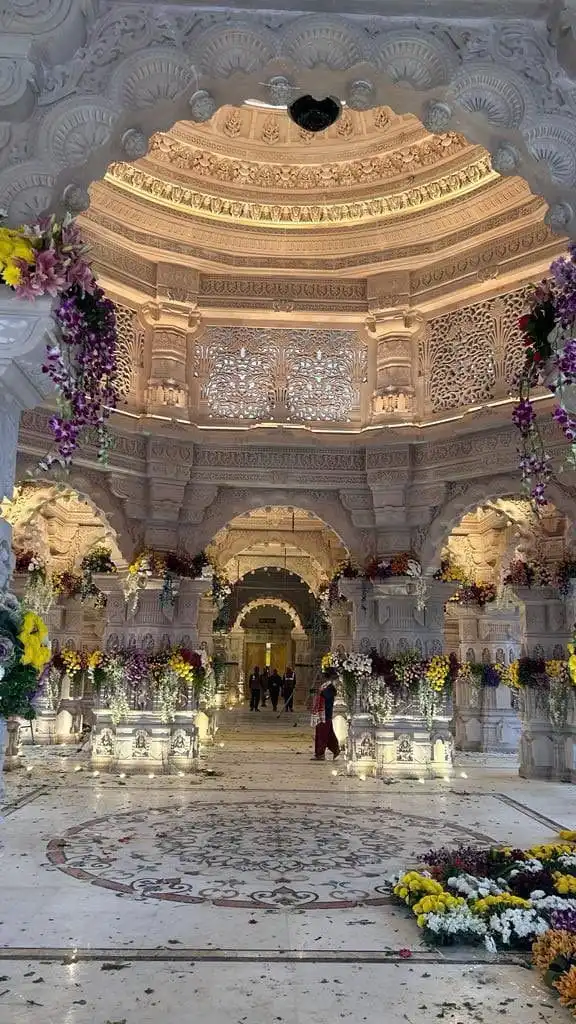
Home to the Ram Janmabhoomi temple, Hanuman Garhi, and Dashrath Mahal. The Saryu aarti at sunset is quieter than Varanasi's,it moves people who expected only the Ram Mandir to remember it most.
Darshan at the Shri Ram Janmabhoomi Mandir (Ram Mandir) is free, with general darshan commonly 7:00 to 11:30 AM and 2:00 to 7:00 PM and a bhog closure around 12:00 to 2:00 PM. The only fast-track is the free Sugam Darshan e-pass at the official portal online.srjbtkshetra.org. There is no paid VIP darshan, anyone charging for one is a scam. Phones and leather are not allowed inside; free lockers are at the entry.
I am Rajeev Sharma, born and raised in Varanasi, guiding pilgrims through Ayodhya and Kashi for more than forty years. I have walked first-time visitors into this temple since the day it opened, and I have watched the same avoidable mistakes happen again and again: the noon arrival into the bhog closure, the phone confiscated at security, the family that paid an "agent" for a darshan that was always free. This page is built to spare you all three.
Yes, darshan is completely free for every devotee, and there is no paid VIP darshan. The Shri Ram Janmabhoomi Teerth Kshetra Trust charges nothing for entry. The only fast-track facility is the Sugam Darshan e-pass, which is also free and booked on the official portal. If a website, agent or "guide" demands money specifically for darshan or for a "VIP ticket," that is a scam. Full stop.
This matters because misinformation is everywhere. Several travel blogs and operators wrongly describe Sugam Darshan as a "paid ticket" or advertise "VIP / VVIP darshan" for a fee. The trust's position, and the official portal, are clear: Sugam Darshan and aarti passes are free, slot-based, and limited.
From the ground: I have had families arrive in tears because someone took ₹2,000 a head for "guaranteed VIP darshan" that does not exist. A genuine operator charges you for the trip, the car, the guide, the planning, the aarti logistics, never for the darshan itself, because the darshan is free. Keep that one sentence in your head and you cannot be cheated.
Timings extend later on some evenings and change during festivals such as Ram Navami and Deepotsav. Always confirm on the official portal close to your travel date. With a Sugam Darshan pass, darshan typically takes about 60 to 75 minutes including security; general darshan without a pass can run one to three hours depending on the crowd.
The booking is simple; getting the slot you want is the hard part, because slots are limited and fill fast, within minutes for mornings and weekends.
From the ground: Book your Sugam Darshan slot the moment it opens. Passes release roughly 15 days ahead, and during festivals you want them 30 days out. Choose the morning 7:00 to 10:00 slot: it is calmer and cooler than the evening, which fills with the day's heaviest footfall. If you miss your slot time, you drop back into the long general queue.
For the full step-by-step with screenshots, the aarti-pass walkthrough, and the scam-avoidance checklist, see our dedicated Ram Mandir darshan guide.
Attending an aarti is the most moving way to experience the temple, the bells, the chants, the closeness to Ram Lalla. Aarti passes are free, separate from darshan, limited, and booked in advance on the same official portal.
Report about 30 to 45 minutes early for security screening. Mangala and Sandhya draw the largest crowds and the fastest-vanishing passes.
On Ram Navami (26 March in 2026), an optical system of mirrors and lenses channels sunlight to fall precisely on Ram Lalla's forehead at noon, the Surya Tilak, engineered so the Sun himself anoints the descendant of the solar dynasty. It happens only on Ram Navami and draws the single biggest crowd of the year. Sugam Darshan passes are usually suspended during the festival, and the moment is broadcast on screens across the city for those who cannot get near the sanctum.
From the ground: Ram Navami is unforgettable and almost impossible to do comfortably as a first visit. If your heart is set on the Surya Tilak, come for it knowingly, book hotels months ahead and accept the crowds. If you simply want darshan, pick any other week.
The Shri Ram Janmabhoomi Mandir stands on the ground traditionally revered as the birthplace of Lord Rama, the seventh avatar of Vishnu and the hero of the Ramayana. The present temple was consecrated on 22 January 2024 (the Pran Pratishtha). It is built in the Nagara style of North Indian temple architecture, with the superstructure in pink sandstone and a marble sanctum. The presiding idol, the child form, Ram Lalla, was carved by sculptor Arun Yogiraj from a dark stone (Krishna Shila) and installed in the inner sanctum.
The campus spans roughly 70 acres. Beyond the main shrine the trust is developing a parikrama (circumambulation) wall and additional temples to other deities, so the complex you visit this year will keep expanding.
Key facts
The main shrine is the reason you came, but give the campus time. The Ramkot precinct around it, the historic fortified zone, is the living pilgrimage city, its lanes lined with shops for flowers, sindoor and Ramayana books. Within and beside the complex sit several of Ayodhya's most important sites, all close enough to fold into the same morning:
For how it all fits into a half-day, one-day or two-day plan, see the full Ayodhya guide and the day-by-day itinerary.
Full transfer advice is on how to reach Ayodhya. Coming from Kashi? We run the Varanasi to Ayodhya route end to end.
Beat the bhog closure. The classic failure is the family that drives in from Lucknow or Varanasi, reaches the temple around noon, and runs straight into the 12:00 to 2:00 PM sanctum closure, tired, hungry, and locked out for two hours. Arrive by 10:00 AM or come after 2:00 PM. Pair it with a Sugam Darshan pass for the morning slot, and you turn the hardest part of the day into the easiest.
If you would rather not manage e-passes, slots, lockers and transfers yourself, especially with elderly parents or young children, that is exactly what we do. See our Ayodhya and Kashi packages, or message me directly on WhatsApp at +91 7302265809 and I'll tell you honestly what your trip needs.
Curated itineraries featuring this divine destination.
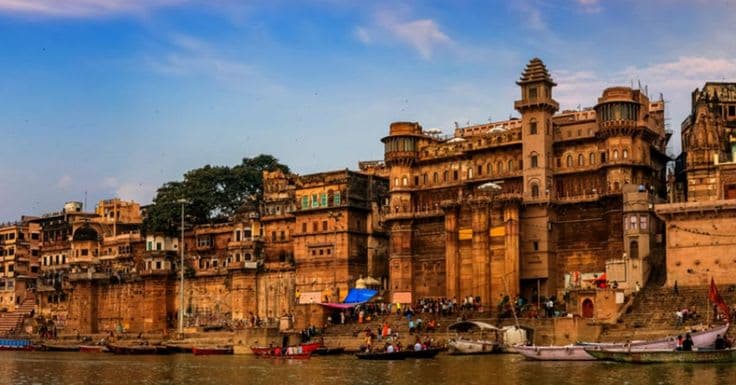


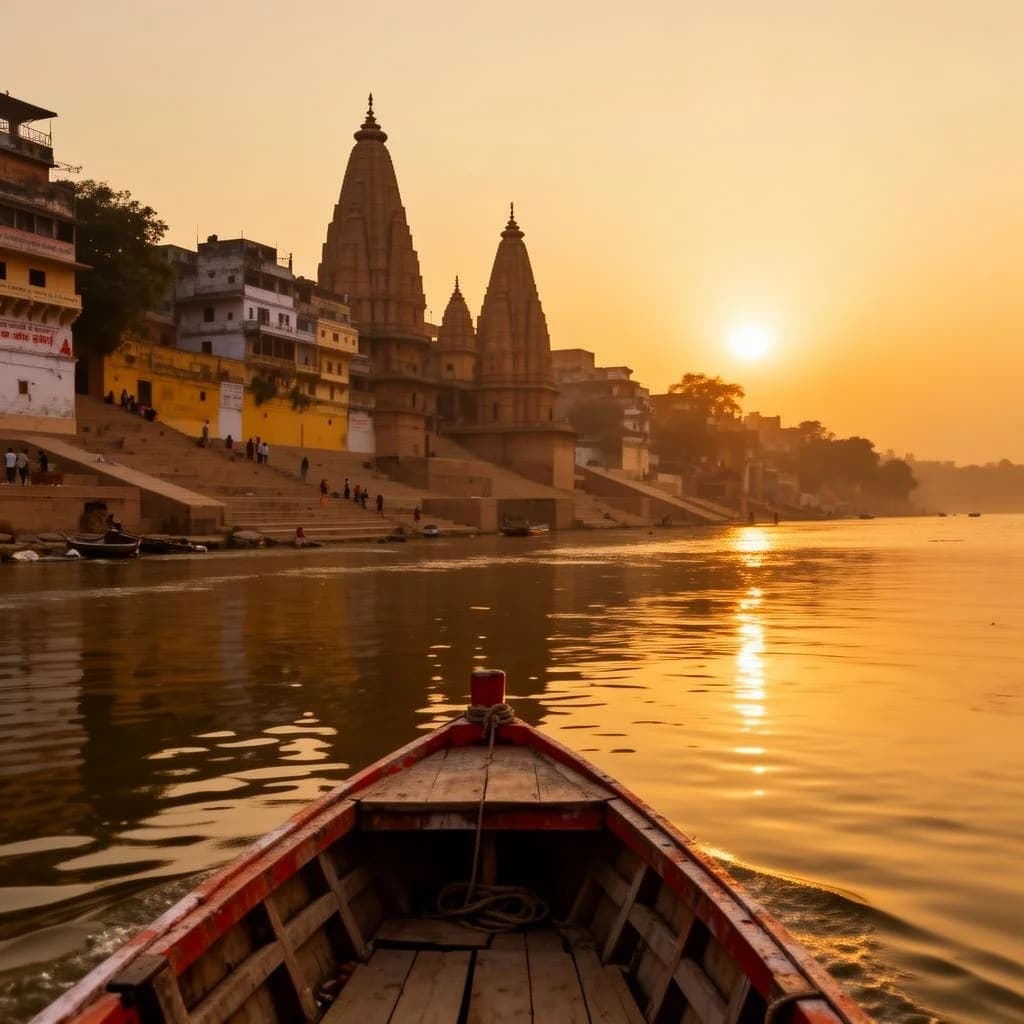


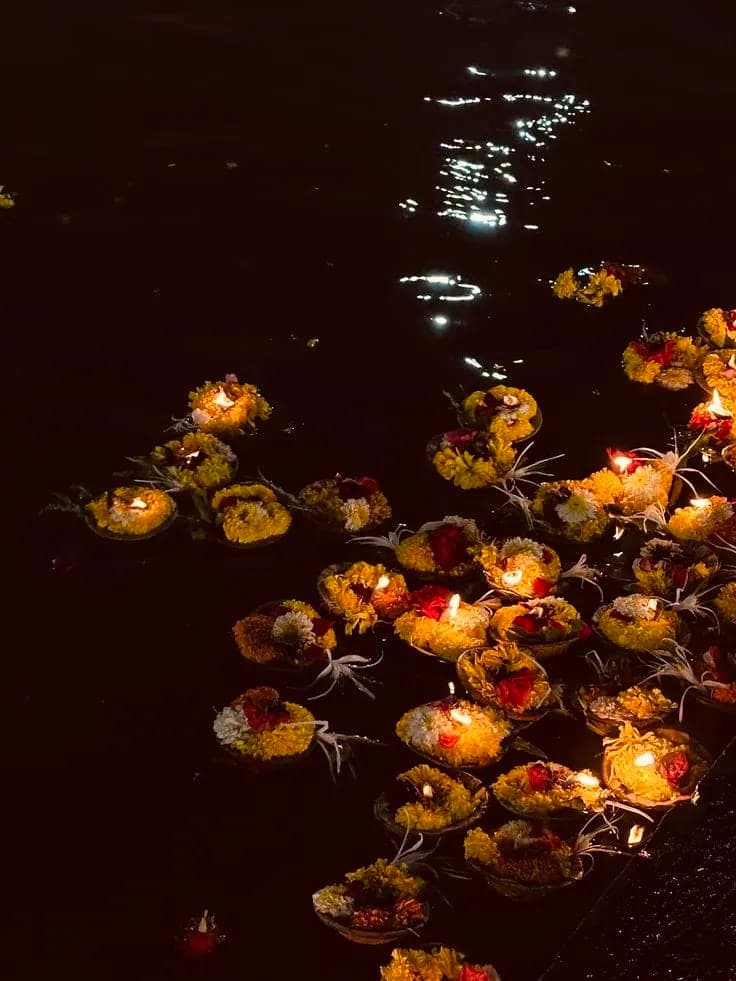


Grouped for quick scanning
Everything you need to know about Ram Mandir Page.
Topic 01
6 questions
Yes, completely free for all devotees. The trust charges nothing for entry. The only fast-track is the free Sugam Darshan e-pass on online.srjbtkshetra.org. There is no paid VIP darshan; any demand for money for darshan itself is a scam.
No. Despite what some operator blogs claim, there is no paid VIP or VVIP darshan on the official system. The trust offers only free Sugam Darshan and free aarti passes. Any paid "VIP ticket" offer is fraudulent.
Remember one rule: darshan is free, so never pay anyone for the darshan itself. Book only on online.srjbtkshetra.org. A genuine operator charges for the trip, the car, the guide and planning, never for entry. Treat "guaranteed VIP darshan" offers as fraud.
No agent can sell official VIP darshan because it does not exist. Some package the free Sugam Darshan along with a guide and transport, which is legitimate, but the darshan itself remains free. If the pitch is paid fast-track entry, walk away.
Free. Sugam Darshan is a free, slot-based fast-track booked on the official portal. Any site describing it as a "paid ticket" is wrong. The trust does not charge for Sugam Darshan or for aarti passes.
Yes. Walk-in general darshan is free and needs no booking, though queues can run one to three hours in peak season. The free Sugam Darshan e-pass simply shortens that wait. At no point should you pay for entry.
Topic 02
6 questions
Generally 7:00 to 11:30 AM and 2:00 to 7:00 PM, with a bhog closure around 12:00 to 2:00 PM. Evenings sometimes extend later, and timings change during festivals, so confirm on the official portal before you travel.
The sanctum closes around 12:00 to 2:00 PM for the deity's bhog (food offering) and rest. This midday closure is the single most common trap for day-trippers, so plan to arrive by 10:00 AM or after 2:00 PM.
The early morning slot, roughly 7:00 to 10:00 AM. It is cooler, calmer and less crowded than the evening, which carries the day's heaviest footfall. Book a morning Sugam Darshan slot for the smoothest experience.
With a Sugam Darshan pass, about 60 to 75 minutes including security screening. Without a pass, general darshan can take one to three hours depending on the crowd, and far longer on festival days.
Allow 20 to 30 minutes for security on busy days, longer at festivals. Slip-on shoes and minimal belongings speed it up, since phones and leather must be deposited in the lockers first.
Yes. Weekends are busier, and during Ram Navami, Deepotsav and other festivals timings shift and crowds swell. Sugam Darshan passes are often suspended on the biggest days. Always check the official portal close to your date.
Topic 03
8 questions
On online.srjbtkshetra.org choose Free Sugam Darshan, log in with your mobile and OTP, enter devotee details for up to 8 people, pick a slot, and download the QR e-pass. Carry the matching original ID and book the morning slot early.
online.srjbtkshetra.org is the official portal of the Shri Ram Janmabhoomi Teerth Kshetra Trust. It is the only authorised site for Sugam Darshan and aarti passes. Avoid third-party "booking" pages, which are unofficial and sometimes fraudulent.
Up to 8 people per pass, tied to one mobile number. For larger groups, book across multiple mobile numbers. Each devotee should carry ID matching the booking.
Passes typically release about 15 days ahead and fill within minutes for mornings and weekends. For festival periods, aim for around 30 days ahead and book the instant the slot opens.
Young children below a certain age generally do not need a separate pass, but the threshold varies and can change. Verify the current age rule on the official portal before booking, and carry the child's ID if asked.
On the same official portal, choose the Free Aarti option, select the aarti and date, log in with mobile and OTP, and download the pass. Aarti passes are free, separate from darshan, very limited, and best booked the moment they release.
If you miss your booked time, you usually lose the fast-track and must join the general queue. Reach 30 to 45 minutes early. Some bookings also ask you to confirm attendance by a reminder link, so check your messages to avoid auto-cancellation.
Yes, cancellation is allowed on the portal, and cancelled passes are reallocated to other devotees. If your plans change, cancel so the slot frees up for someone else.
Topic 04
8 questions
No. Mobile phones, cameras, other electronics and leather items are not allowed inside. Deposit them in the free lockers at the entry and carry only your ID and pass.
Yes. Free lockers and cloakrooms at the entry hold your phone, leather items and bags. Collect your token carefully. Keep valuables minimal so the deposit and security steps are quick.
No, photography and video inside the sanctum are prohibited to preserve the temple's sanctity. You can photograph the exterior and the approach corridors, but cameras and phones are not carried inside in any case.
There is no rigid rule, but dress modestly and respectfully: cover shoulders and knees. Traditional Indian attire is ideal. In Western clothes, carry a shawl or stole. Conservative dress is expected at the sanctum.
Your original ID, your e-pass, slip-on footwear, water, and minimal essentials. Leave phones, cameras, large bags and leather for the lockers. Less to deposit means faster security and a calmer darshan.
Carry the original government ID that matches your e-pass: Aadhaar for Indian citizens, passport for foreigners. ID requirements can change, so verify the current rule on the official portal before travelling.
No, you can join the general queue without a pass, but expect one to three hours in peak season. A free Sugam Darshan pass cuts that to roughly 60 to 75 minutes and is well worth booking, especially for families and seniors.
Yes, shoe-deposit points are provided, since you remove footwear before the temple. Slip-on shoes save real time here. Keep your token safe to collect them afterward.
Topic 05
7 questions
The present temple was consecrated on 22 January 2024 (the Pran Pratishtha). It stands on the roughly 70-acre Ram Janmabhoomi campus, with the Ram Lalla idol installed in the inner sanctum.
It is built in the Nagara style of North Indian temple architecture, with a pink-sandstone superstructure and a marble sanctum. The campus also includes a parikrama wall and additional temples under development.
Sculptor Arun Yogiraj carved the presiding Ram Lalla idol, the child form of Rama, from a dark stone known as Krishna Shila. It was installed in the sanctum at the January 2024 consecration.
Ram Lalla is the child form of Lord Rama, the deity enshrined in the Ram Mandir's sanctum. Devotees come specifically for the darshan of Ram Lalla in the new temple.
The campus spans roughly 70 acres. Beyond the main shrine, the trust is developing a circumambulation (parikrama) wall and shrines to other deities, so the complex continues to grow year on year.
It stands on the ground traditionally revered as the birthplace of Lord Rama, the seventh avatar of Vishnu and the hero of the Ramayana. This is why it is called the Ram Janmabhoomi, the birthplace of Rama.
Ramkot is the historic fortified precinct surrounding the birthplace, the living pilgrimage city. Its lanes are lined with shops selling flowers, sindoor, prasad and Ramayana books, and it is worth a slow walk after darshan.
Topic 06
18 questions
On Ram Navami (26 March 2026) an optical system directs sunlight onto Ram Lalla's forehead at noon. It occurs only on Ram Navami, draws the year's biggest crowd, and is broadcast on city screens. Sugam Darshan passes are usually suspended that day.
Yes, with planning. Book a Sugam Darshan pass to shorten the wait, request a wheelchair or battery e-cart at the temple, wear slip-on shoes, and avoid the midday heat. We build senior-friendly darshan into our packages as standard.
Yes, wheelchairs and battery-operated e-carts are available for seniors and those with limited mobility near the temple. Combined with a Sugam Darshan pass, this makes darshan manageable for elderly pilgrims.
By train to Ayodhya Dham Junction (about 1 km away), by air to Maharishi Valmiki International Airport (roughly 8 to 10 km), or by road from Lucknow (~135 km), Prayagraj (~165 km) or Varanasi (~200 km). The last stretch is on foot or e-rickshaw.
Ayodhya Dham Junction, the renamed and redeveloped main station, about 1 km from the temple. Ayodhya Cantt (Faizabad Junction) is the secondary station, roughly 8 to 9 km away.
Maharishi Valmiki International Airport, Ayodhya (AYJ), roughly 8 to 10 km from the temple. Lucknow's airport, about 135 to 140 km away, is the larger alternative for wider connectivity.
No, vehicles cannot enter the inner temple zone. You complete the approach on foot or by e-rickshaw, with battery e-carts available for those who need them. Plan to be dropped at the edge of the restricted lanes.
Designated parking areas serve the temple zone, with the inner lanes kept vehicle-free. From the parking and drop points you continue by e-rickshaw, e-cart or on foot. Parking arrangements shift with crowd-management rules, so confirm locally
One full day covers Ram Mandir and the core circuit if you start early; two days is comfortable and adds the river, hillocks and Faizabad.
Hanuman Garhi (visit first), Kanak Bhawan, Dashrath Mahal and Sita Ki Rasoi are all within a short walk, with Nageshwarnath and the Saryu aarti at Ram Ki Paidi to close the day. They fold naturally into one circuit.
Yes. Varanasi is about 200 km from Ayodhya, four to five hours by road, often with Prayagraj's Sangam in between. The Kashi to Ayodhya circuit is the classic pilgrimage pairing, and we run it end to end so you never handle the logistics.
October to March for mild weather, with late November to mid-February the most comfortable. Avoid April to June heat. Expect the heaviest crowds at Ram Navami and Deepotsav, when booking far ahead is essential.
Yes. Foreigners are welcome and should carry a passport, which can be required for the e-pass and security. The same free-darshan and no-VIP rules apply. A valid Indian visa or e-Visa is needed to enter the country.
It helps most for first-timers, seniors and festival visits, where e-passes, timings, lockers and transfers add up. A good operator handles all of it so you focus on the darshan, and never charges for the free entry itself. See our Ayodhya packages or message me on WhatsApp at +91 7302265809.
No, the temple is open every day, including Mondays, with the daily bhog closure around midday to 2:00 PM. Hours and that closure can shift during festivals and special pujas, so confirm on the official portal close to your visit.
The trust offers certain sevas and donation-linked services through the official portal, which change seasonally. Rely only on official notices for these, and never pay an agent who promises private sevas. For general visits, free darshan and the free aarti passes are what most pilgrims use.
Expect free lockers and cloakrooms, shoe-deposit points, drinking water, toilets, wheelchairs and battery e-carts for seniors, and medical help points, with facilities still expanding across the campus. Carry your own water for the queues, and keep belongings minimal for faster security.
Yes, donations to the Shri Ram Janmabhoomi Teerth Kshetra Trust can be made through the official portal online.srjbtkshetra.org, which is separate from the free darshan and aarti passes. Use only the official site, and be wary of any third party collecting "donations" on the trust's behalf.
Still have a question?
Message Rajeev on WhatsApp