Both cities can be rushed - operators sell Ayodhya and Varanasi in a single hectic day, or squeeze them into two with a midnight drive. It is possible. It is just not how either city is meant to be met, and the numbers show why four days is the length that finally removes the rush.
Take the temples first. Kashi Vishwanath is calmest right after it opens around 4:00 AM, and its general queue can run 2-4 hours on Mondays, in Sawan and at Mahashivratri. The Ram Mandir opens at 7:00 AM and closes for its midday break from 11:30 AM to 2:00 PM. On a two-day trip you get one shot at each, and if a queue runs long you lose the darshan. Across four days, Experience My India can put Kashi Vishwanath in an early Day-1 or Day-2 slot and Ram Lalla at the Day-4 opening, each on a Sugam pass, each in its own calm window - no gamble.
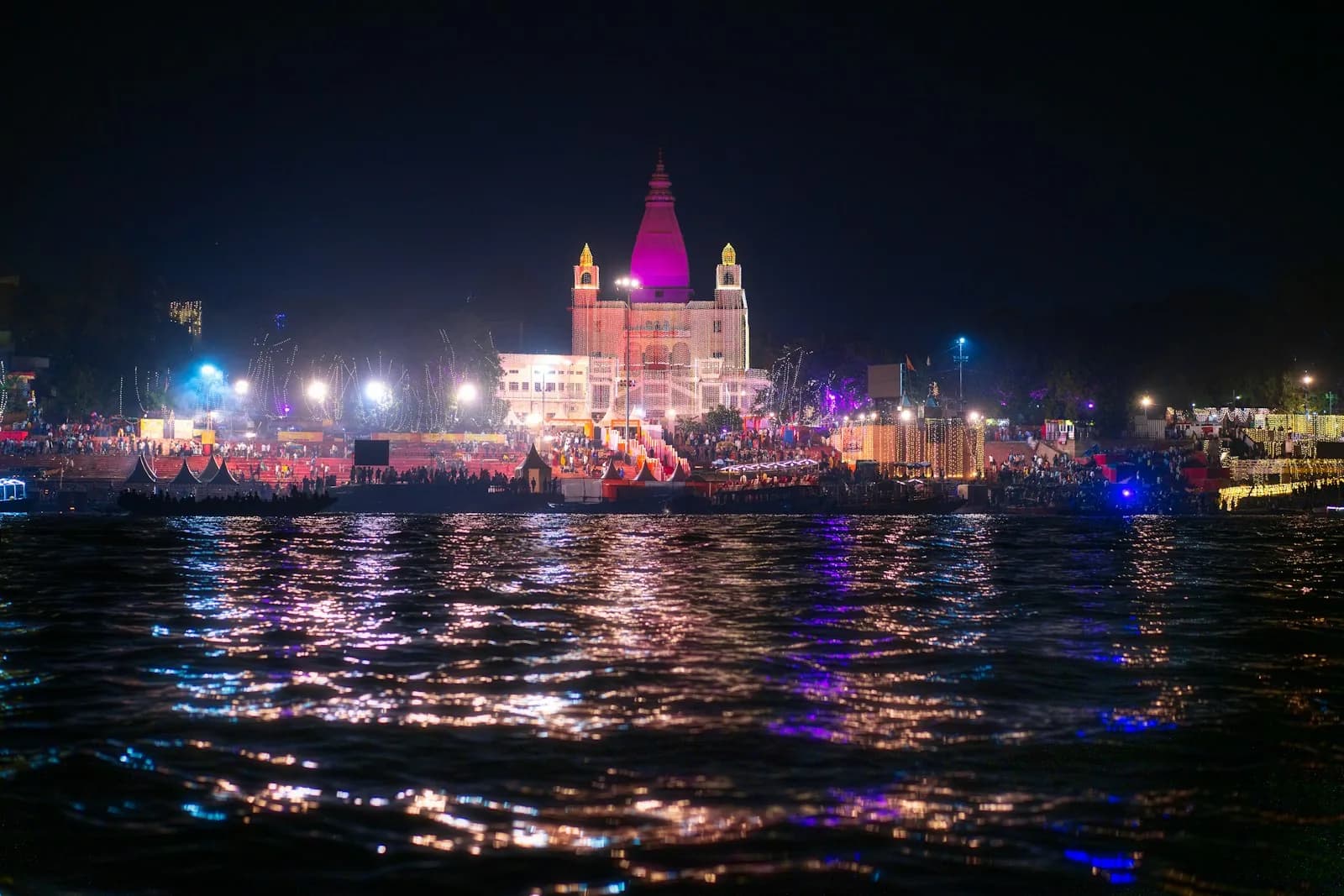
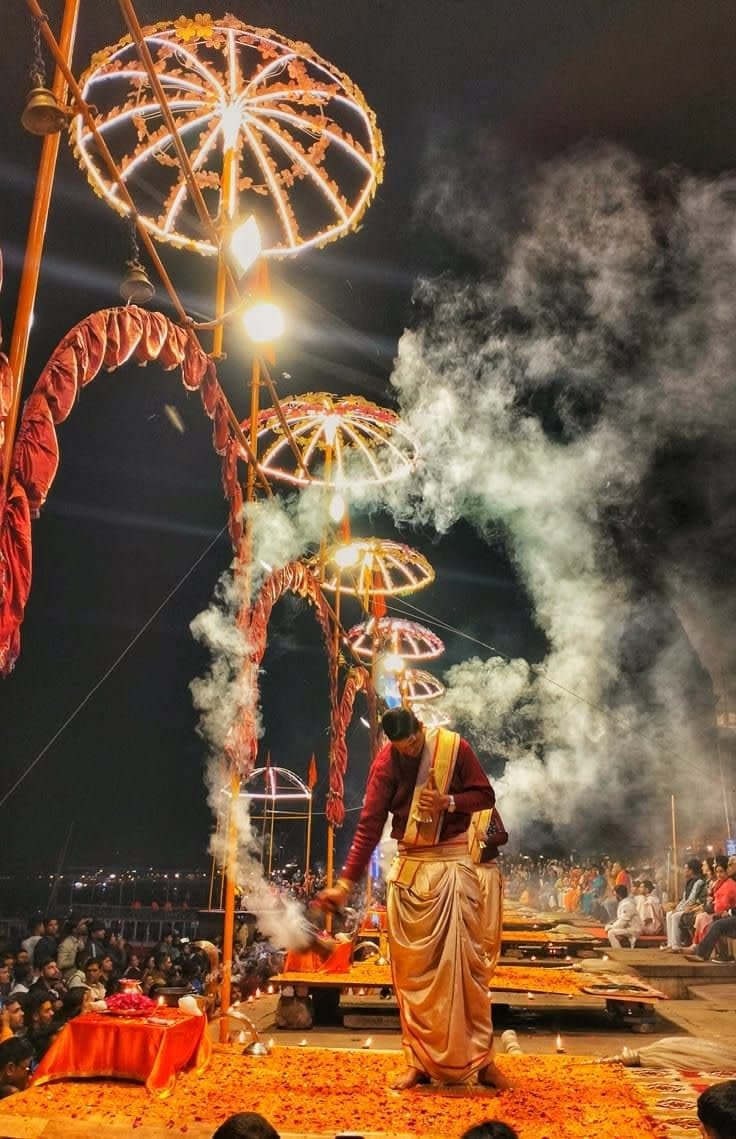
Then the transfer. Ayodhya and Varanasi are about 200 km apart, roughly a 4.5 to 5 hour drive. The two-day version does that drive at night, after the Saryu Aarti, reaching the second city near midnight; the four-day version does it in daylight on Day 3 morning, so you arrive rested and still catch that evening's aarti. That single change - a daytime drive instead of a night one - is the difference most guests feel most.
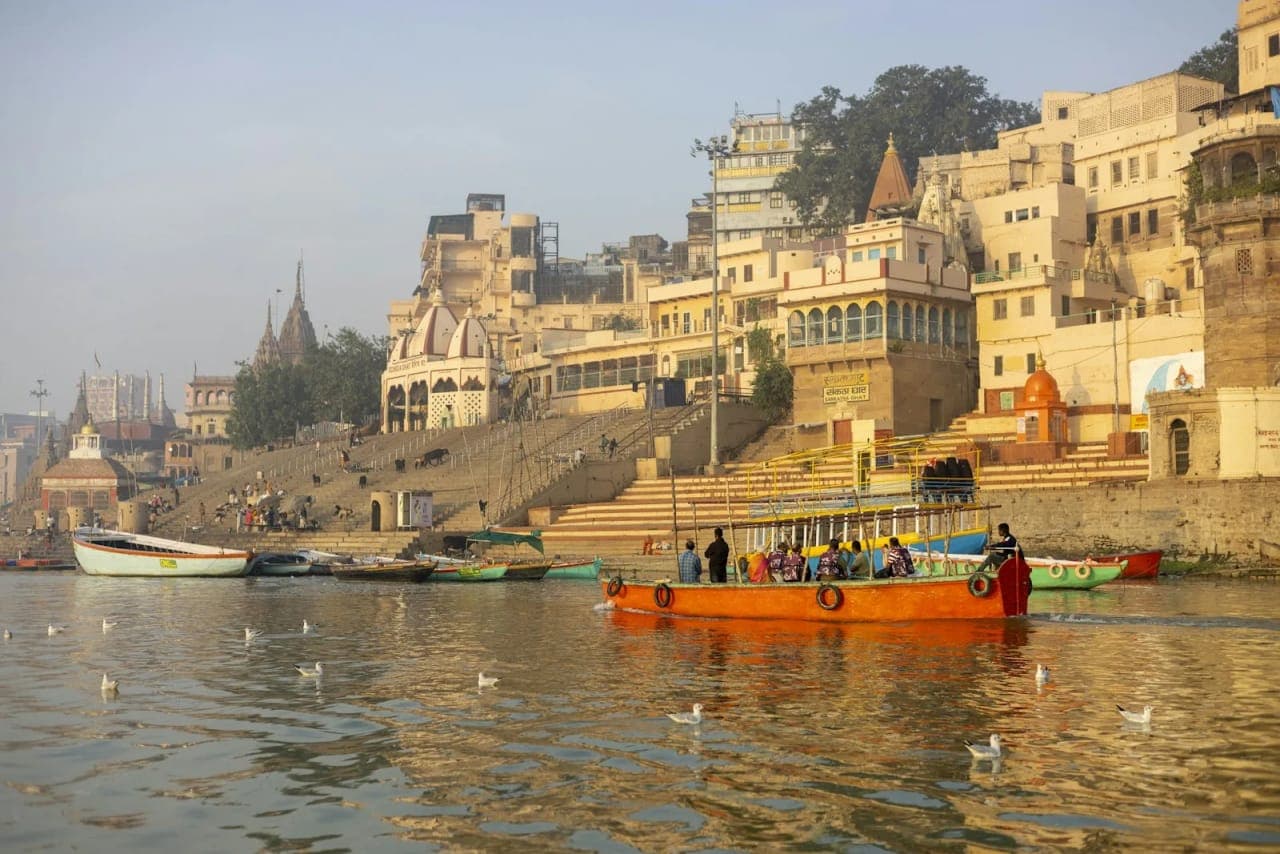
And then the things that only reward slowness. The Subah-e-Banaras sunrise, the street-food walk, the southern temples, an unhurried hour buying real silk from the weavers, a reflective close at Guptar Ghat - these are the first casualties of a packed schedule, and they are, for many, what they remember longest. Two aartis on two rivers, two grand darshans, and the room between them to actually feel where you are: that is what the extra days buy. If your time is tight, our two- and three-day versions do a faithful job. If you want the two cities to land, four days is the honest answer.







.webp&w=2048&q=75)


