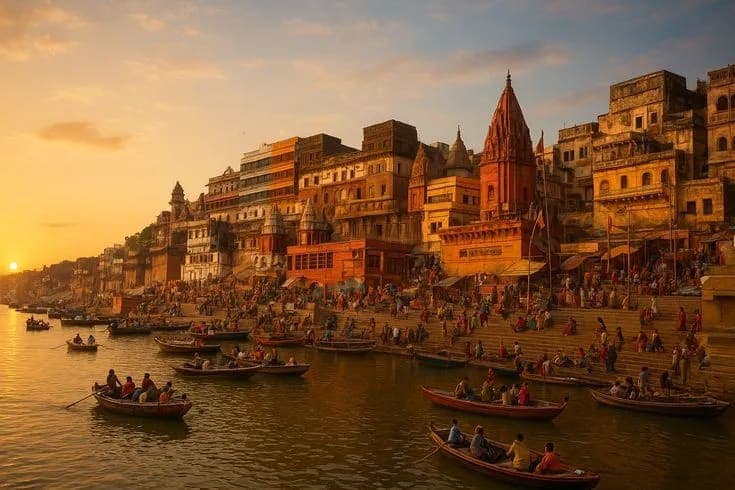
Every other stop on this tour prepares you, in a way, for this one. Manikarnika is the primary cremation ground of Kashi, and its fires have not gone out in living memory - or, the city will tell you, in any memory at all.
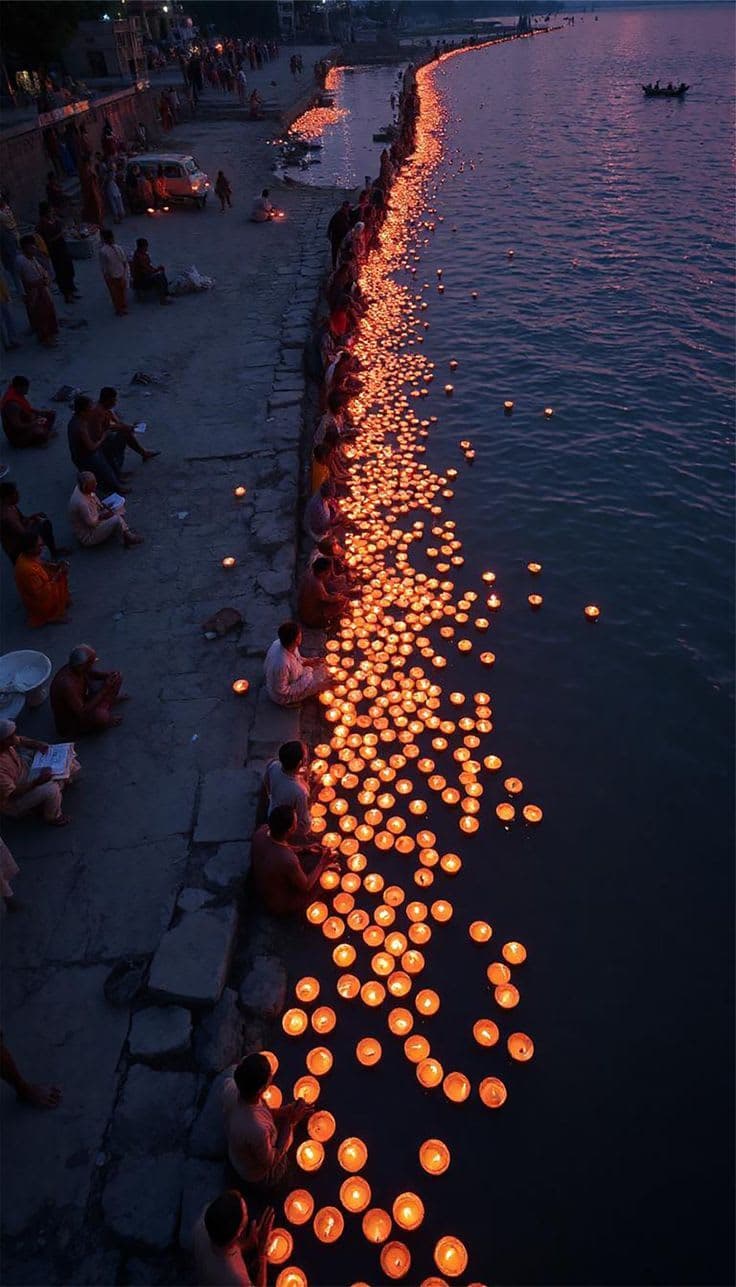
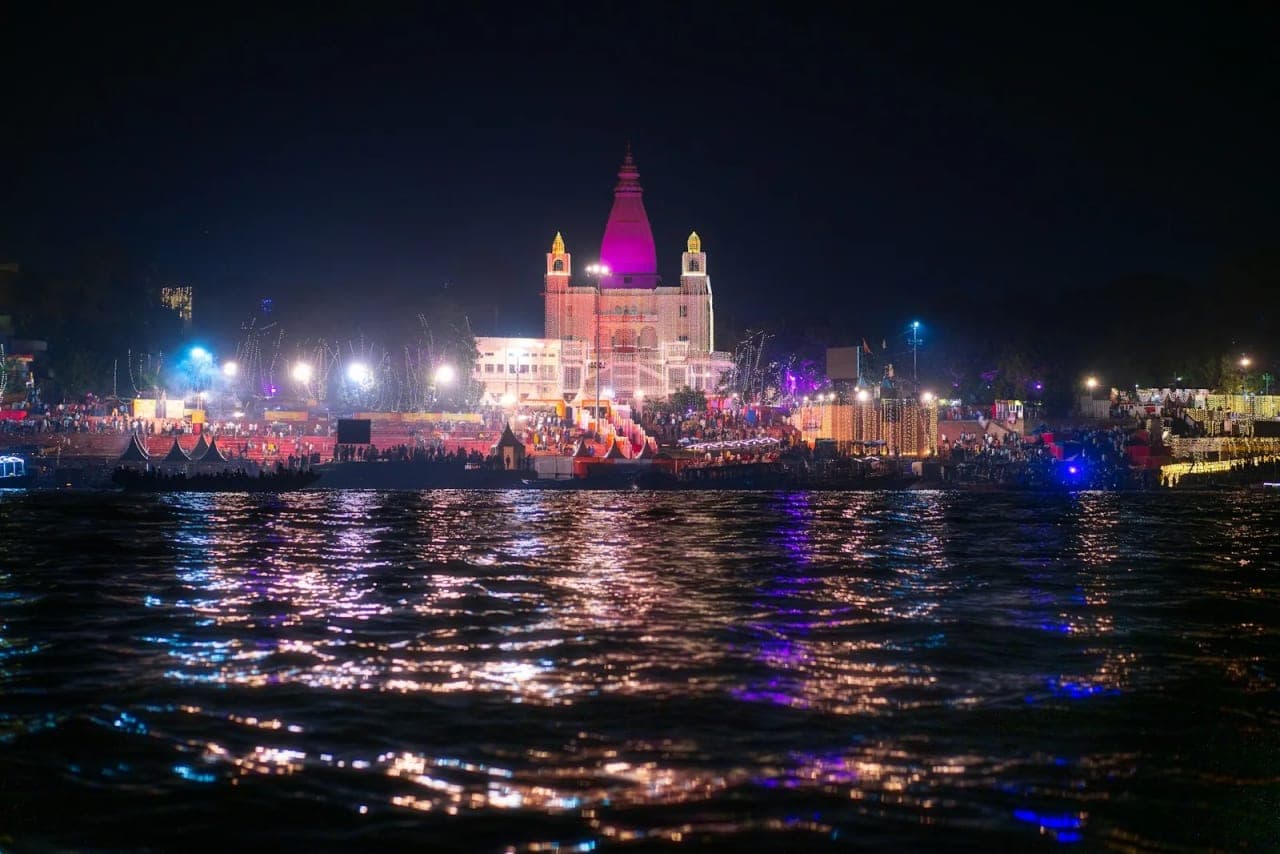
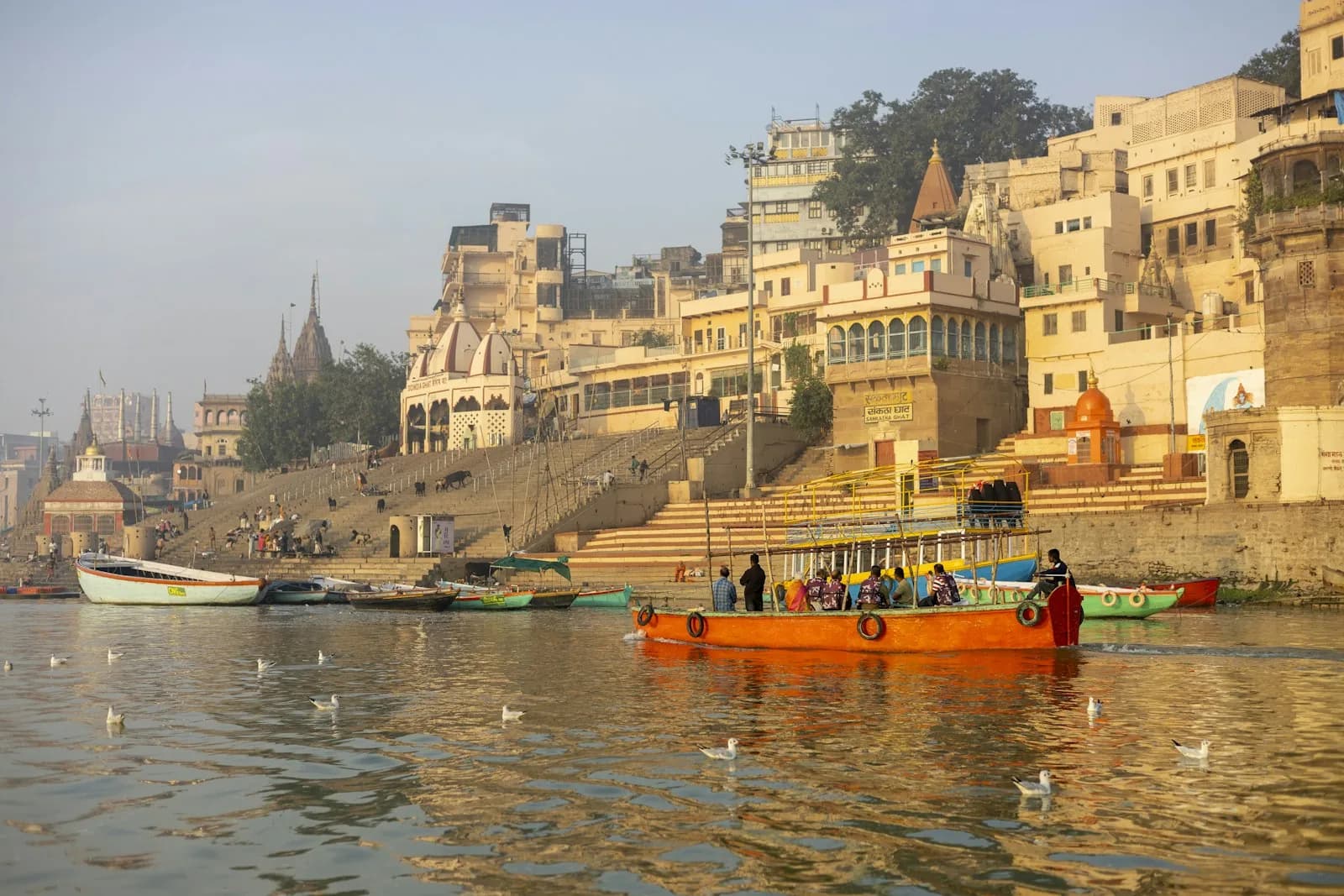
To stand near it is unlike anything else in travel. Biers arrive through the lanes on the shoulders of families, wrapped in gold and marigold; the eldest son, head shaved, circles the pyre; the flames rise against the river and the old buildings, and the smoke drifts over boats full of pilgrims. There is grief, but there is no horror and no hiding - death is simply here, in the open, part of the working life of the ghat, the way birth is elsewhere. Hindus believe that to be cremated at Manikarnika, or even to die within Kashi, breaks the cycle of rebirth and grants moksha; there are houses by the ghat where the very old come, quietly, to spend their last days waiting for exactly this.
Most travellers arrive braced for something grim and leave strangely lightened. Seeing life and death share one riverbank, without drama, tends to loosen a knot people did not know they were carrying. In our WhatsApp feedback, guests reach for the same word about this stop, over and over: peace - which is not the word any of them expected to use about a cremation ground.
Rajeev Sharma and the Experience My India Kashi team bring you here last, and gently - from a respectful distance, with no photography, and with the plain warning to ignore anyone soliciting 'donations for the dying', which is a known scam. We do not narrate over it or rush you. We simply let the oldest living city in the world say the thing it has been saying for three thousand years, and then we take you quietly back to the light.


.webp&w=2048&q=75)