All Ayodhya temples
52 temples
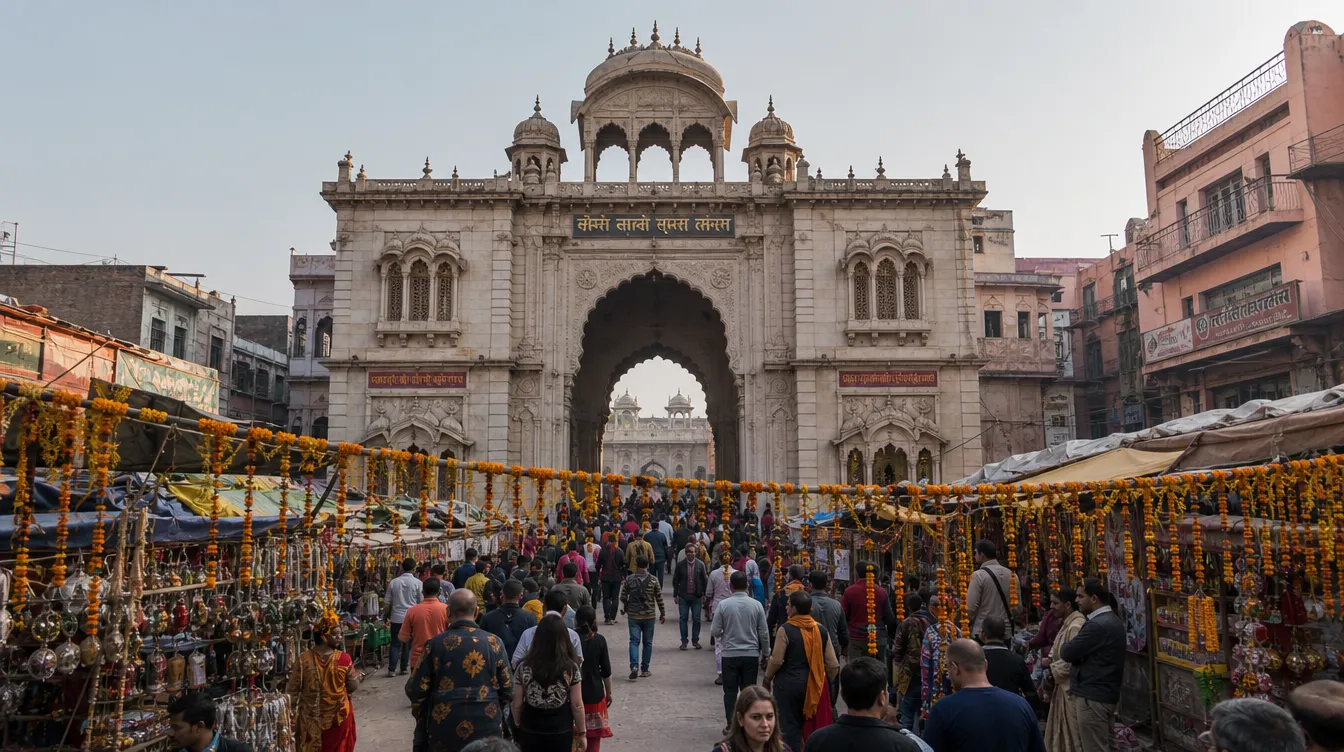
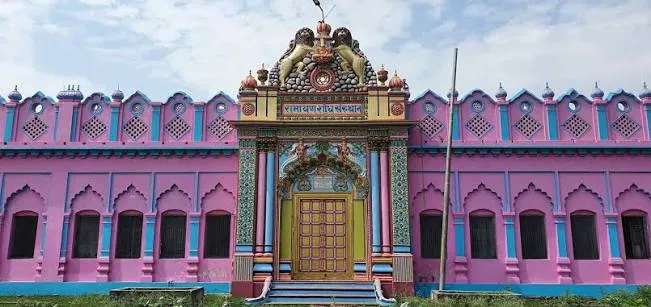
Showing 12 of 52
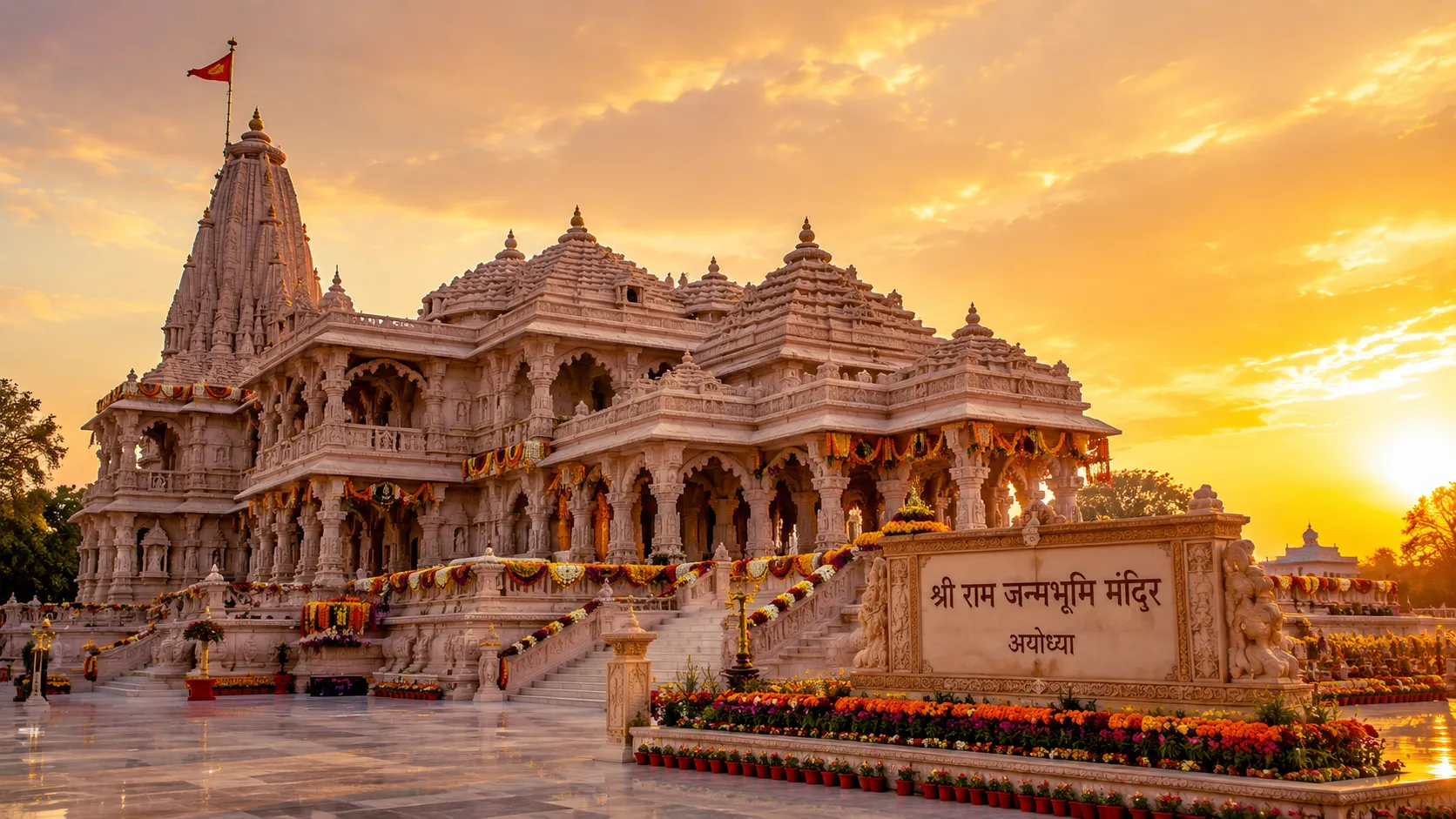
Shri Ram Janmabhoomi Mandir: the heart of Ayodhya
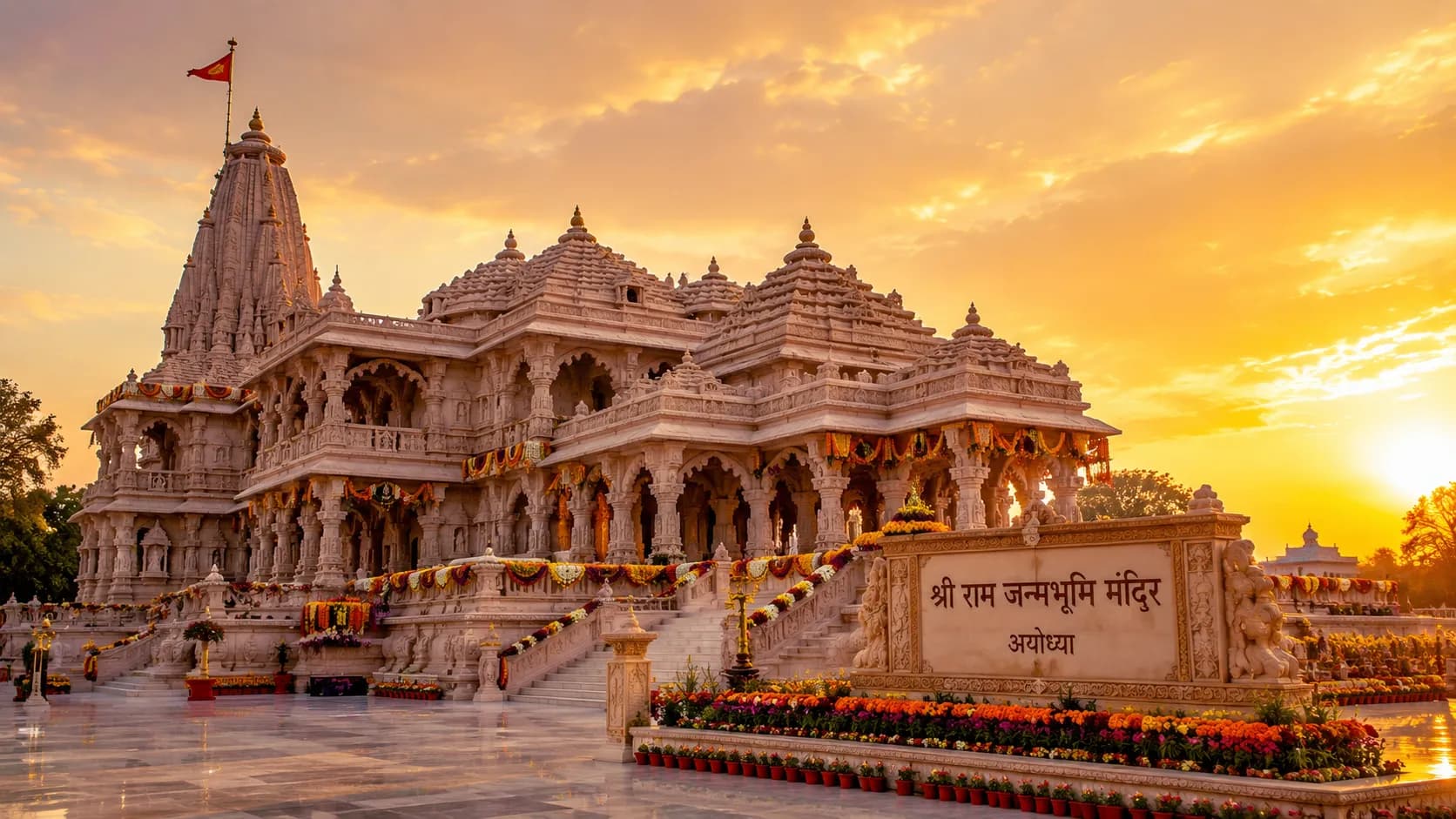
At the very heart of Ayodhya, and of the faith of every devotee of Ram, is the Shri Ram Janmabhoomi Mandir, the grand temple raised at the sacred spot held to be the birthplace of Lord Ram, where the child-form of the Lord, Ram Lalla, is enshrined and worshipped.
It is the goal of the whole Ayodhya pilgrimage, and the first darshan every pilgrim seeks. Begin here.
The great temples of Ram and the Ramayana
Around the birthplace stand the great temples of Ram and of the Ramayana, each bound to the life of the Lord and his family. Chief among them is the Hanuman Garhi, the great hilltop fort-temple of Hanuman, the guardian of Ayodhya, whom the pilgrim visits first of all; and the Kanak Bhavan, the golden palace given to Sita, with its beautiful gold-adorned idols; the Nageshwarnath, the ancient Shiva of Ayodhya, established by Kush, the son of Ram; the Dashrath Mahal, the palace of Ram's father; and many more.
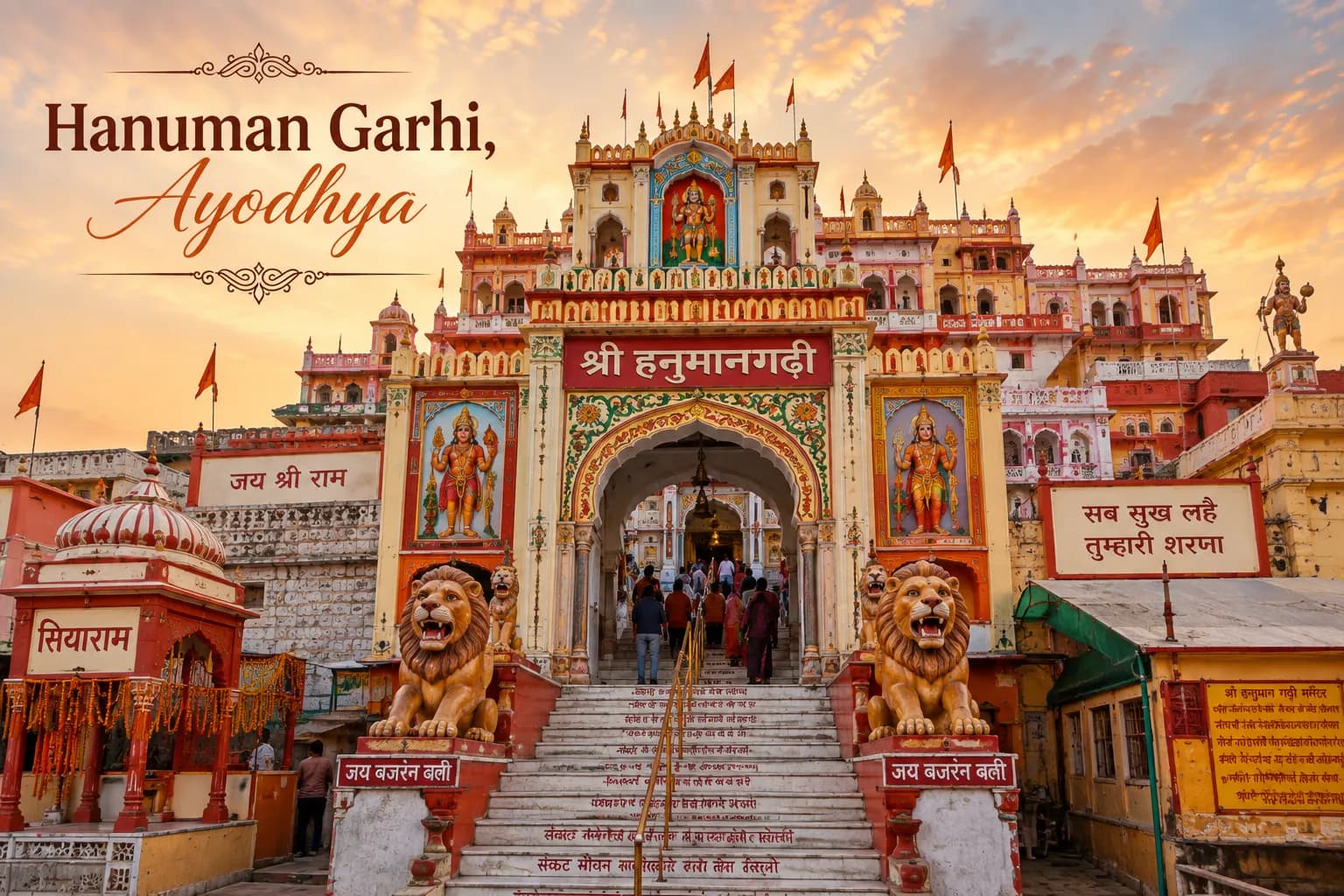
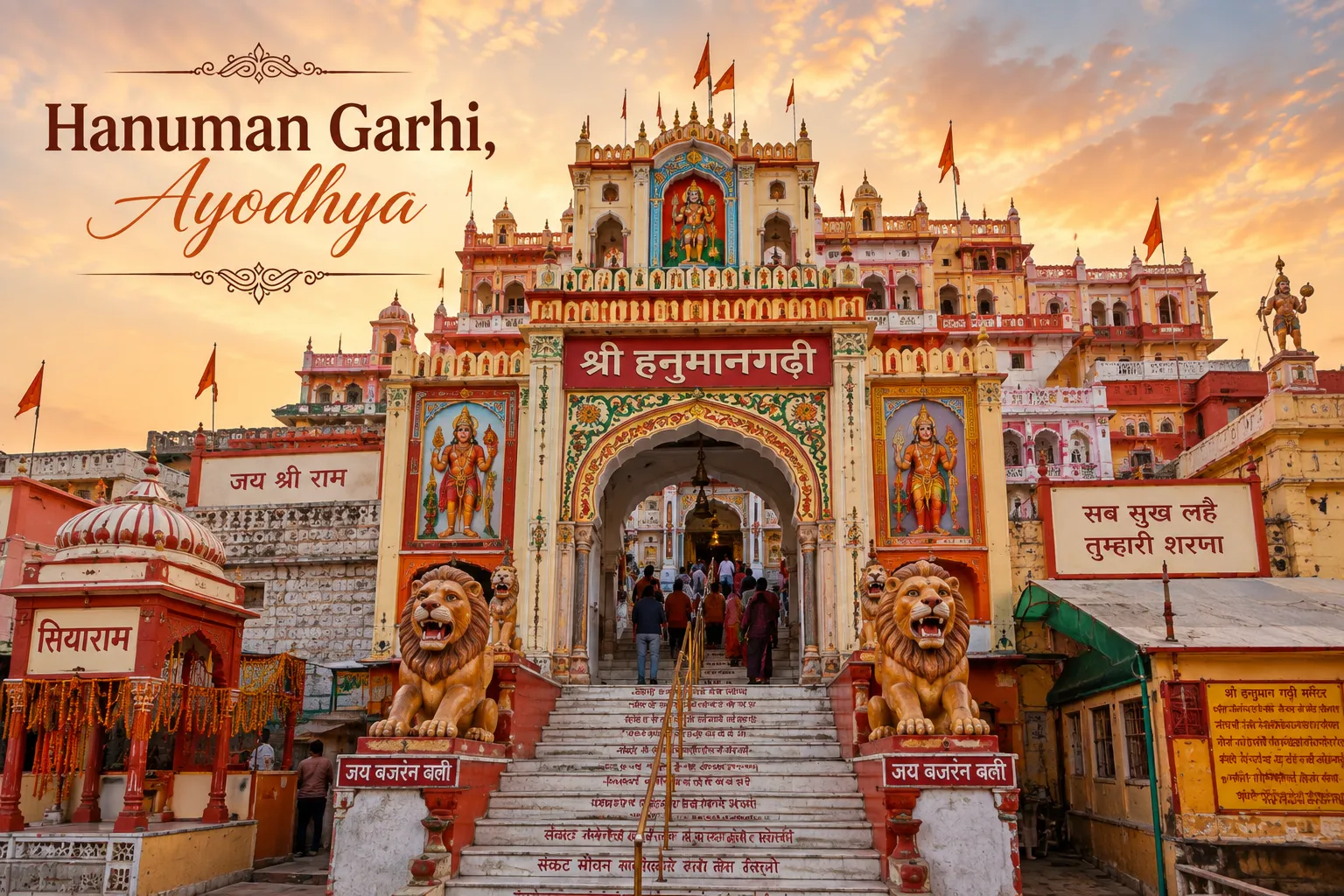
Hanuman Garhi
The great hilltop fort-temple of Hanuman, guardian of Ayodhya; visited first.
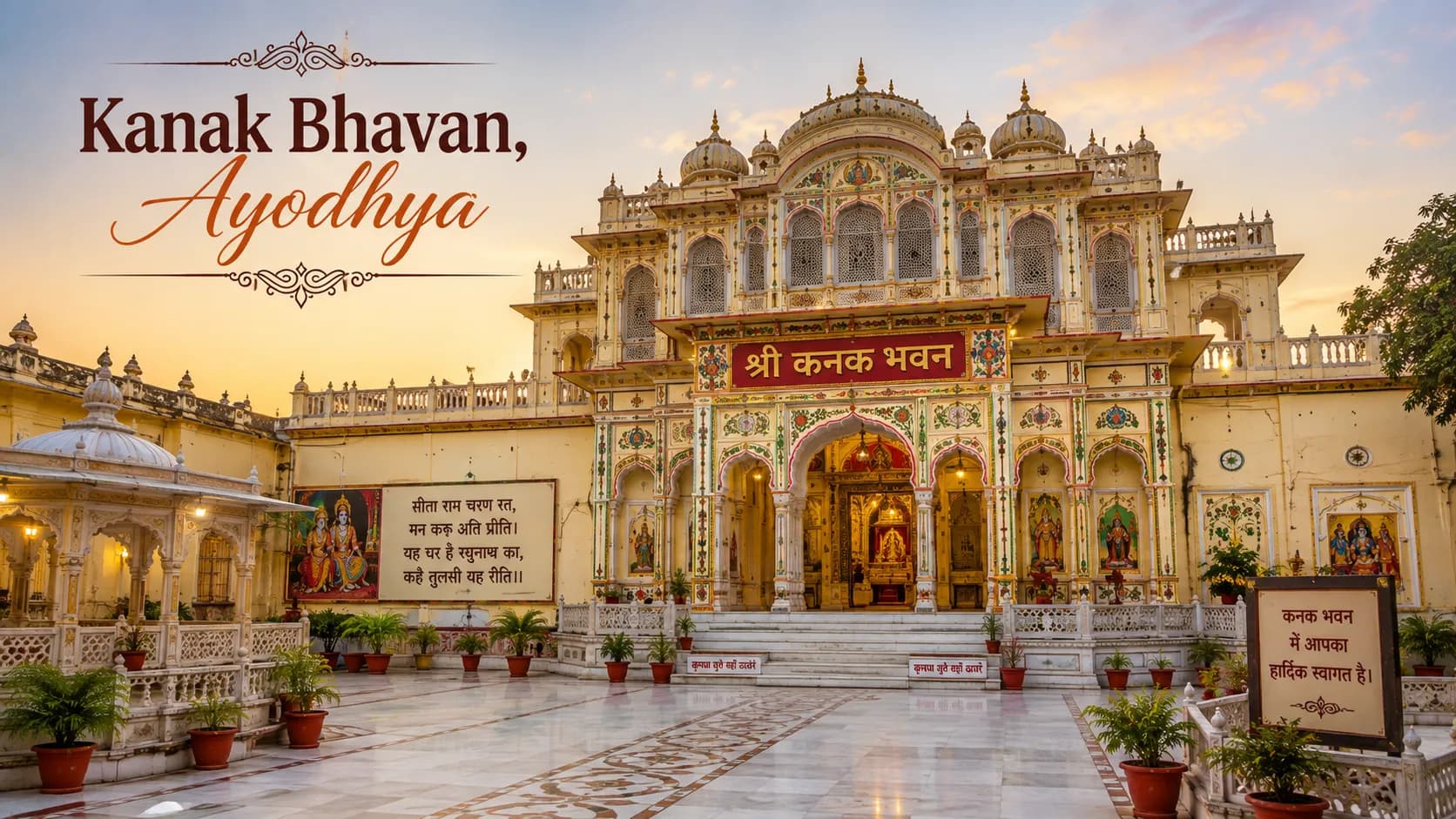
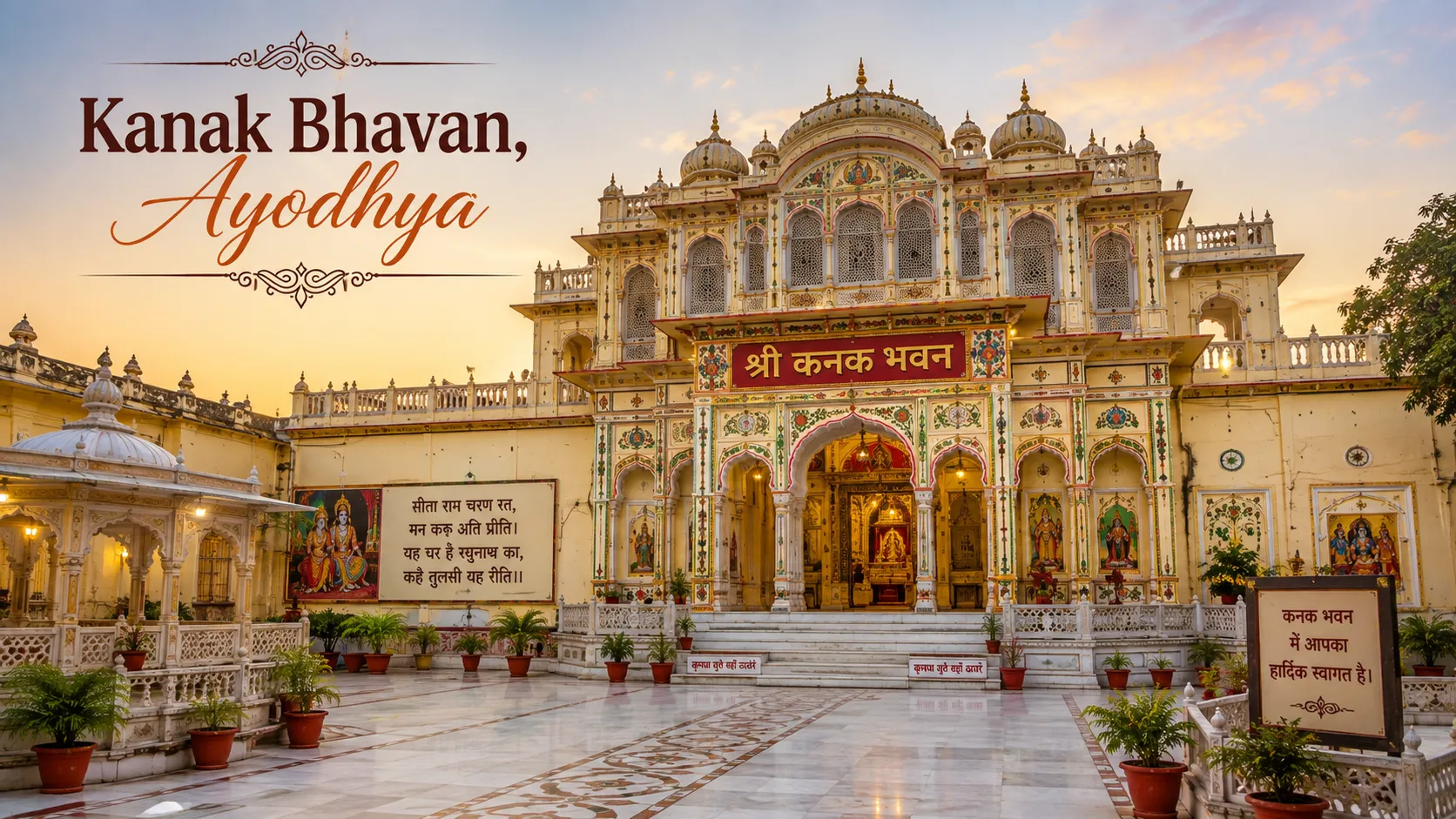
Kanak Bhavan
The golden palace of Sita, with gold-adorned idols of Sita and Ram.
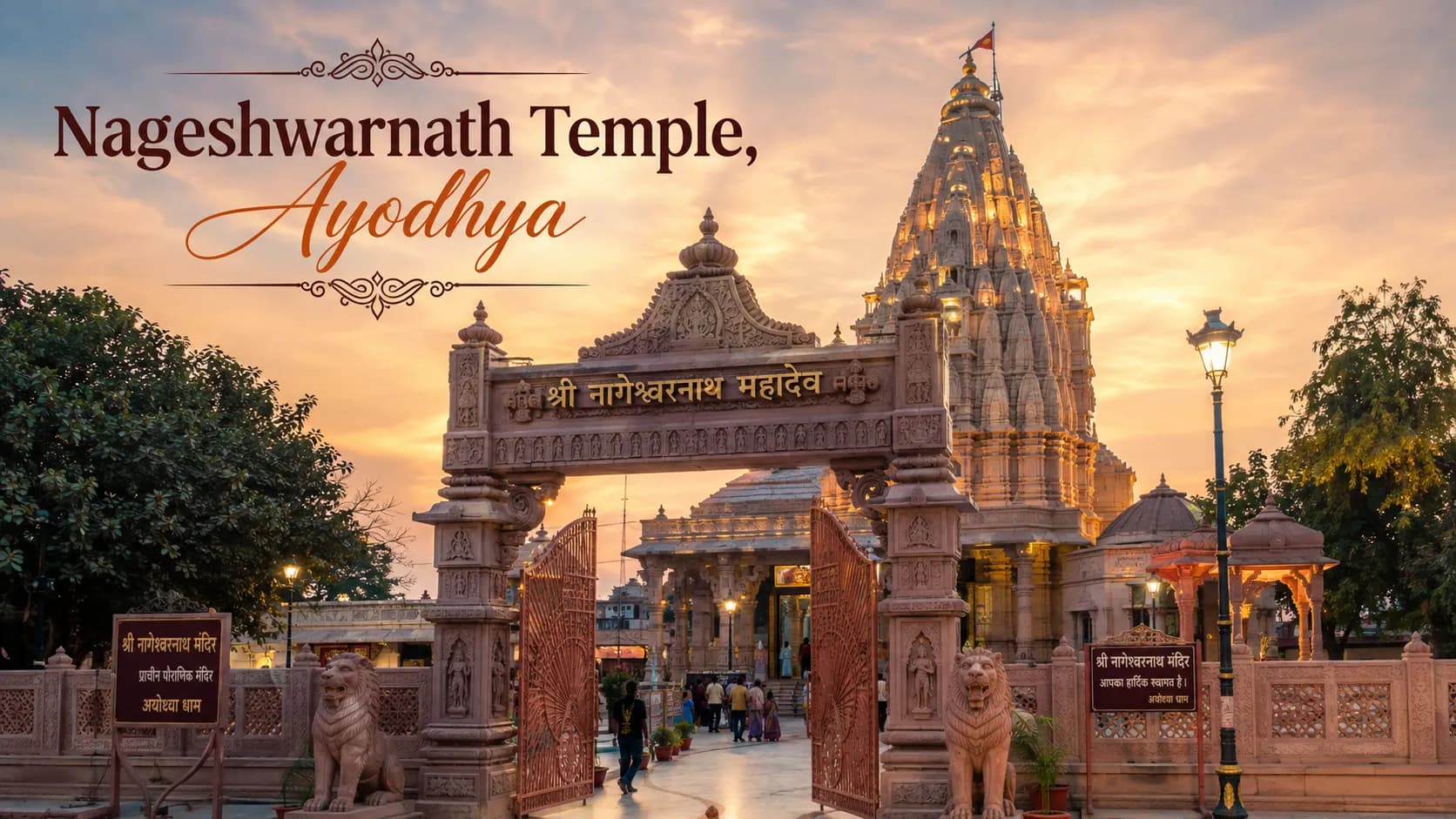
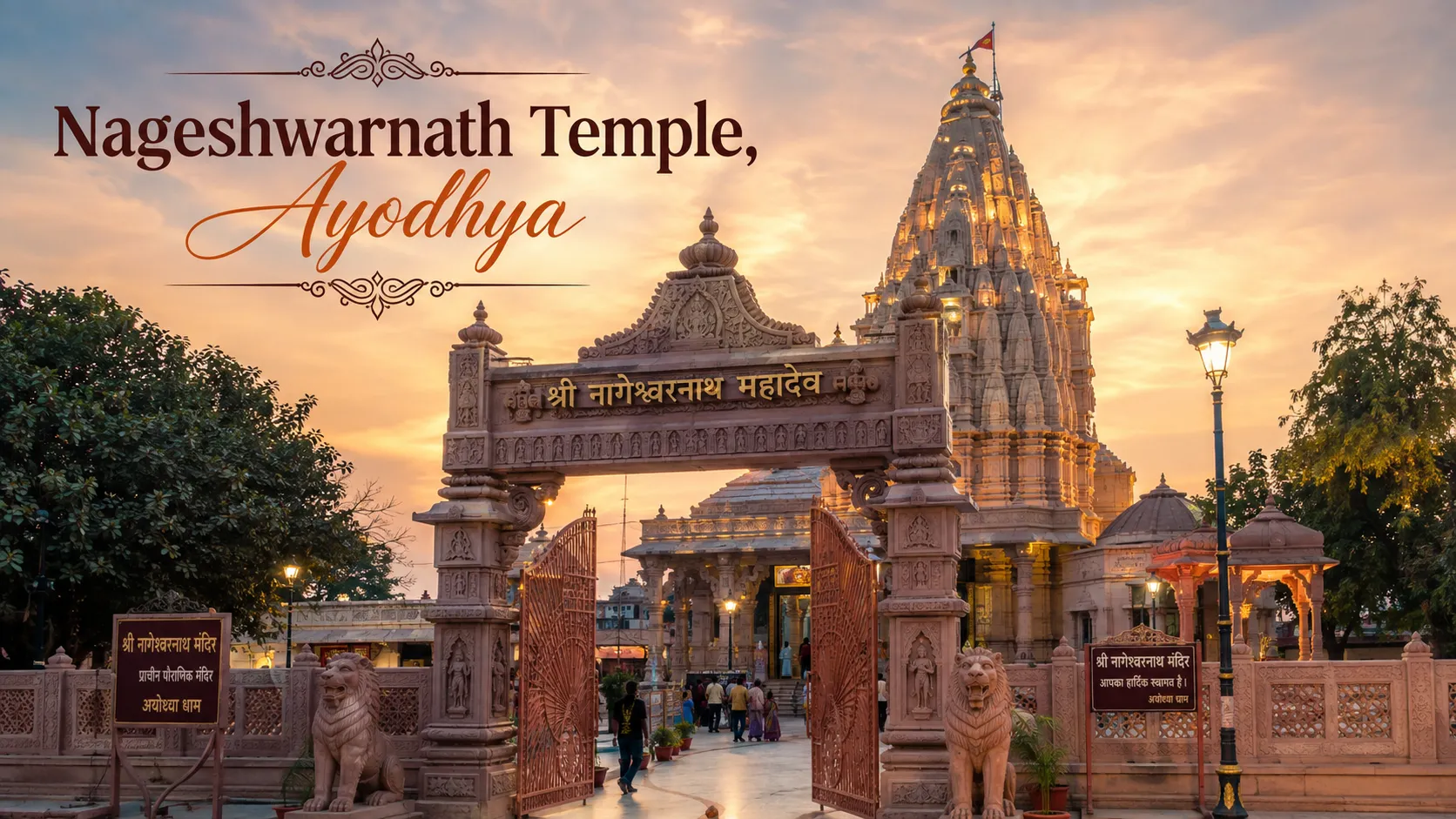
Nageshwarnath Temple
The ancient Shiva of Ayodhya, established by Kush, the son of Ram.
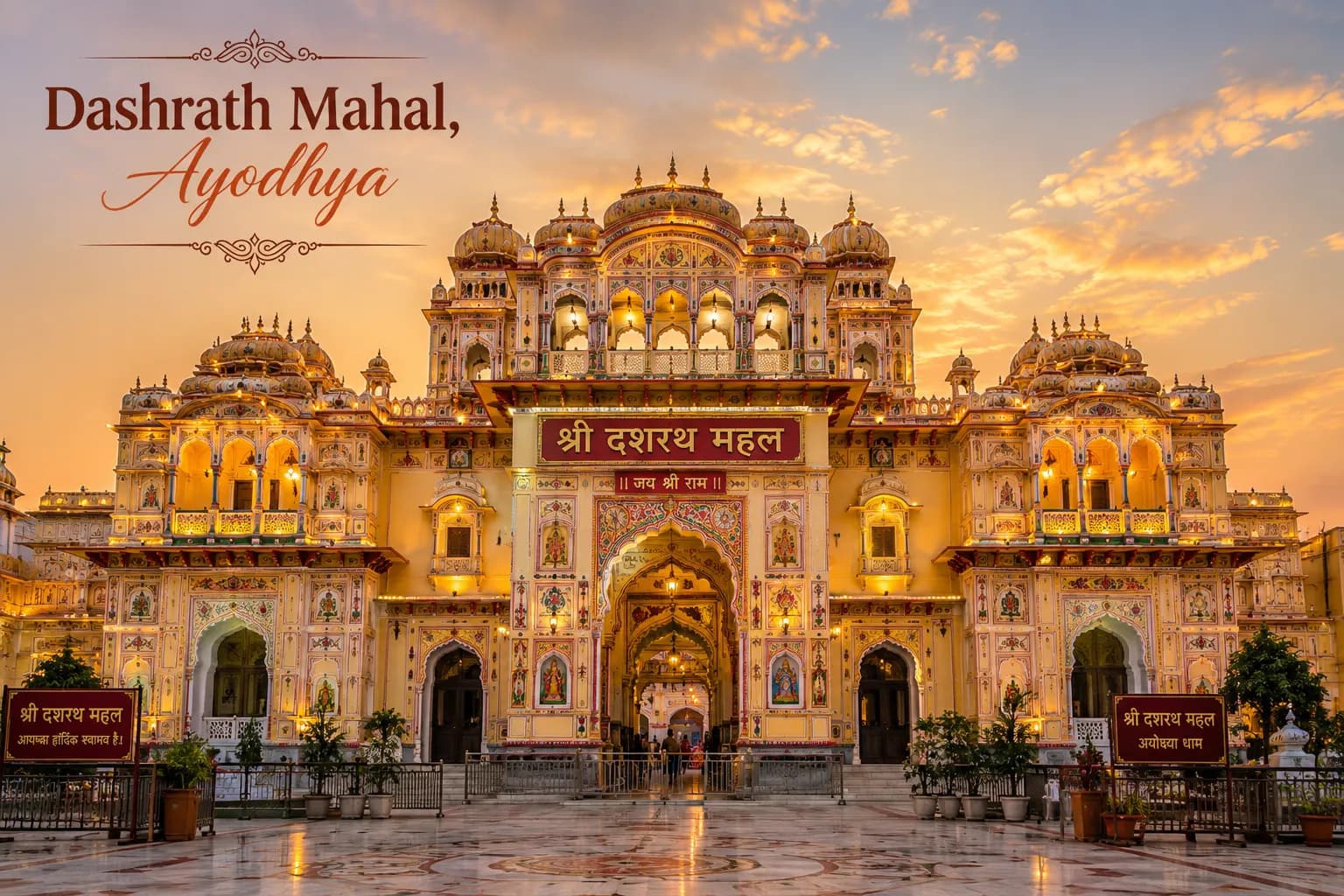
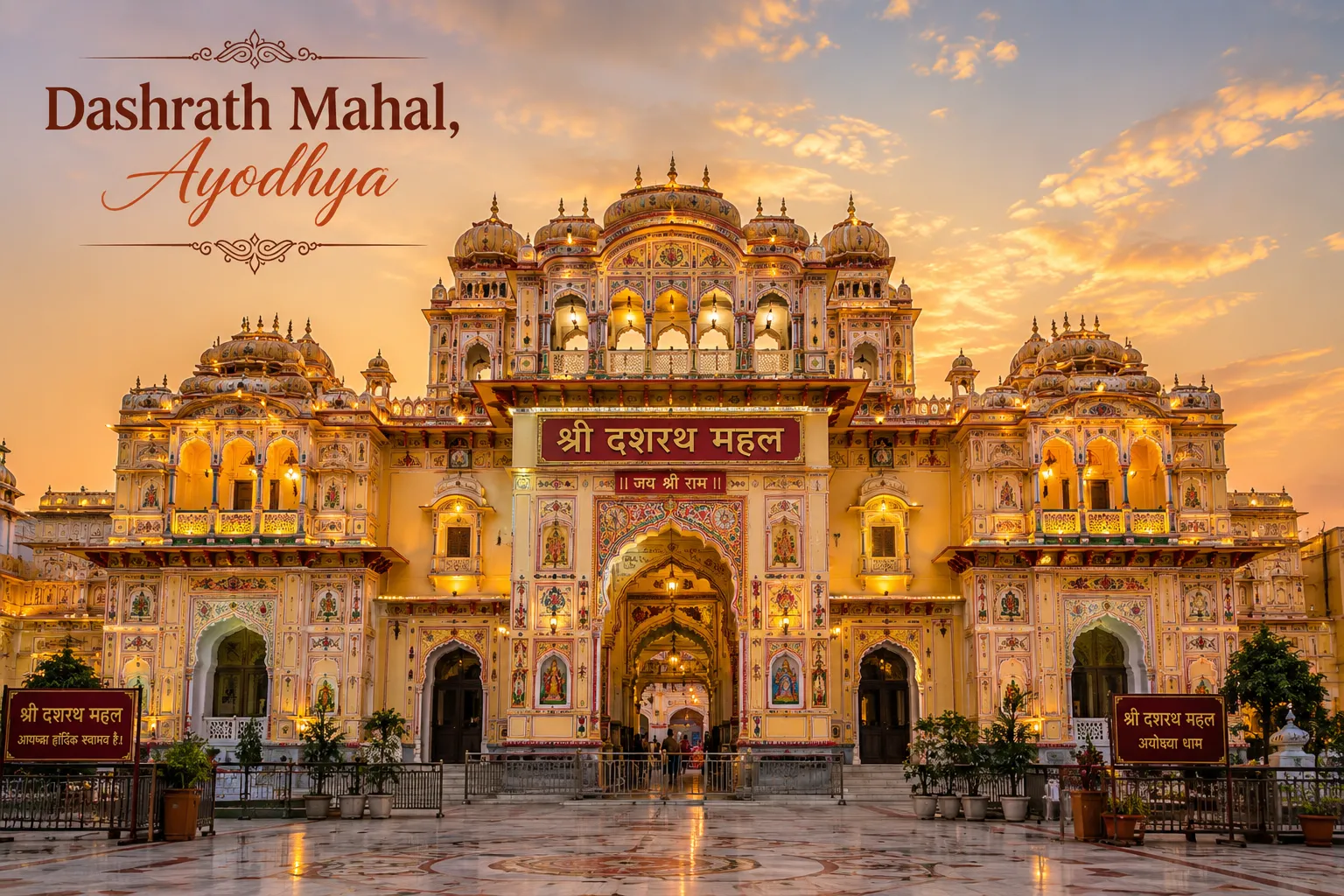
Dashrath Mahal
The palace of King Dashrath, the father of Lord Ram.
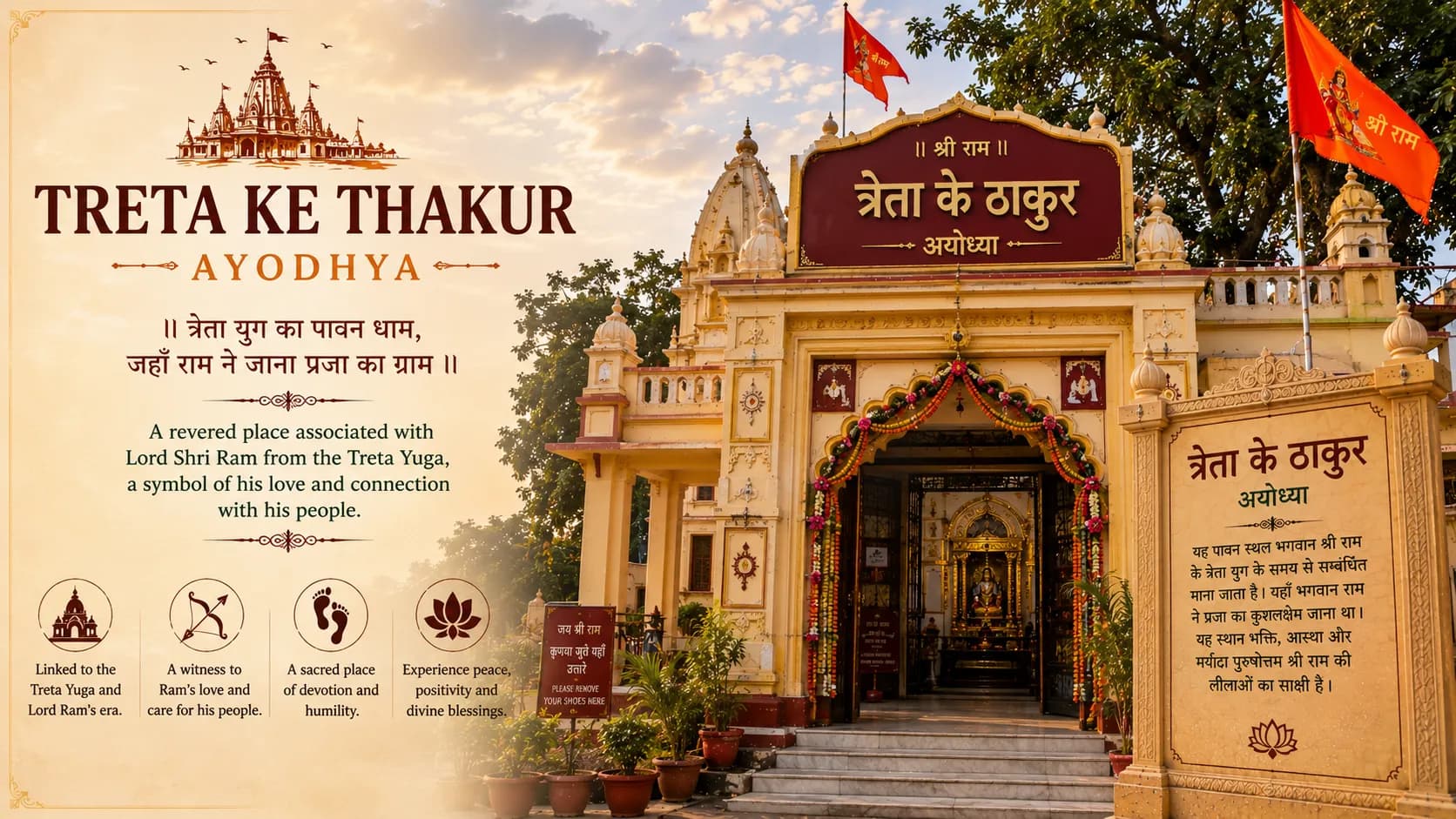
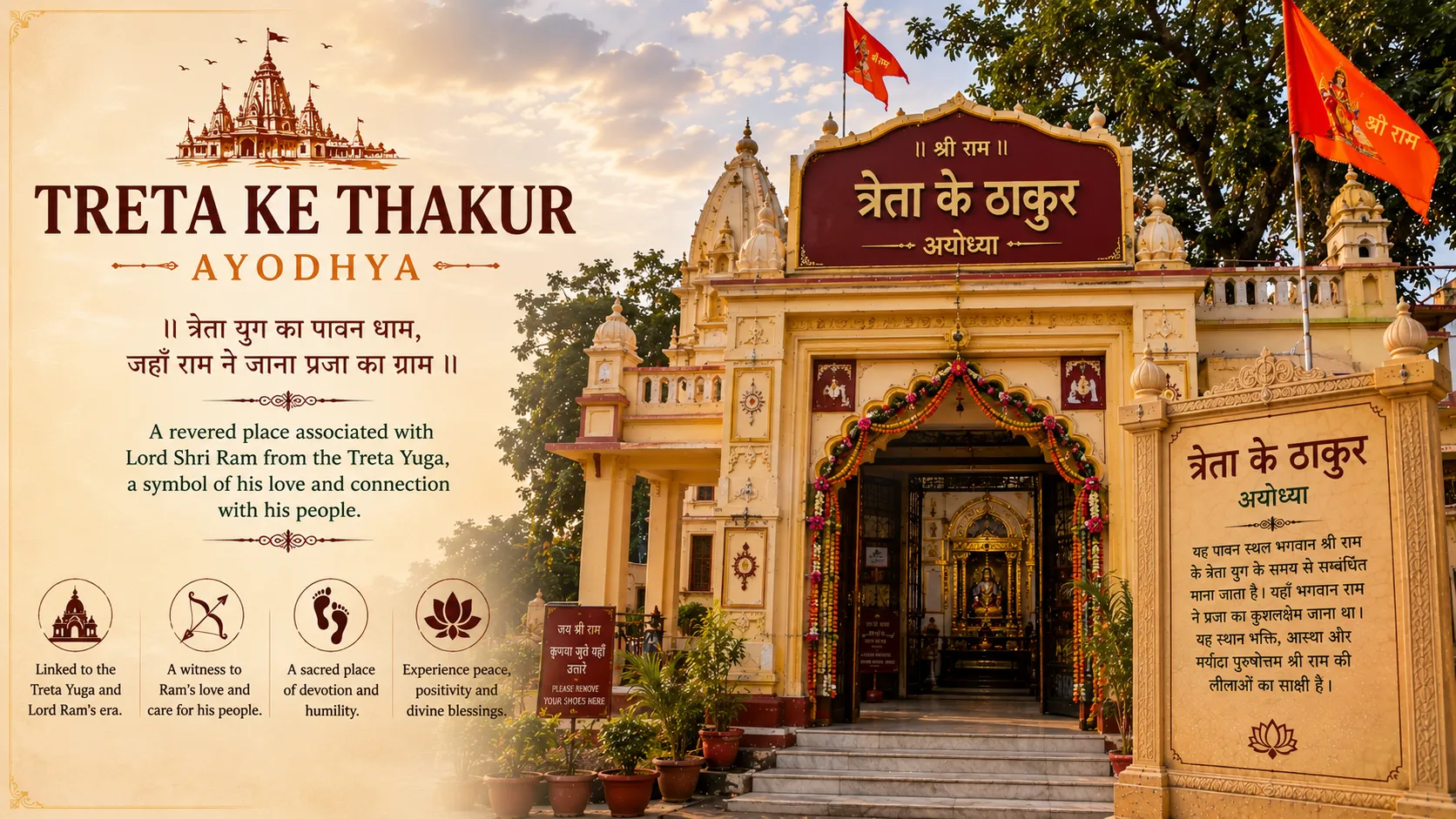
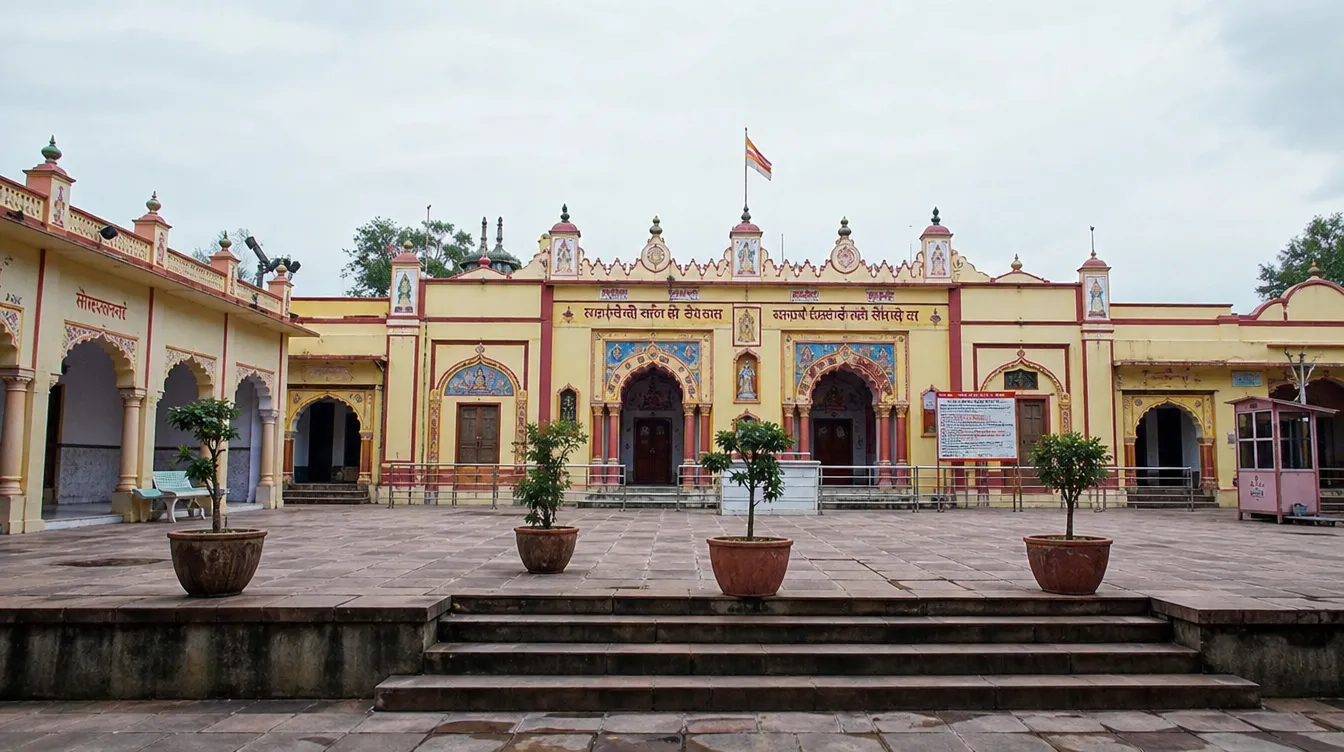
Treta Ke Thakur
The ancient temple at the site of Ram's Ashwamedha Yajna.
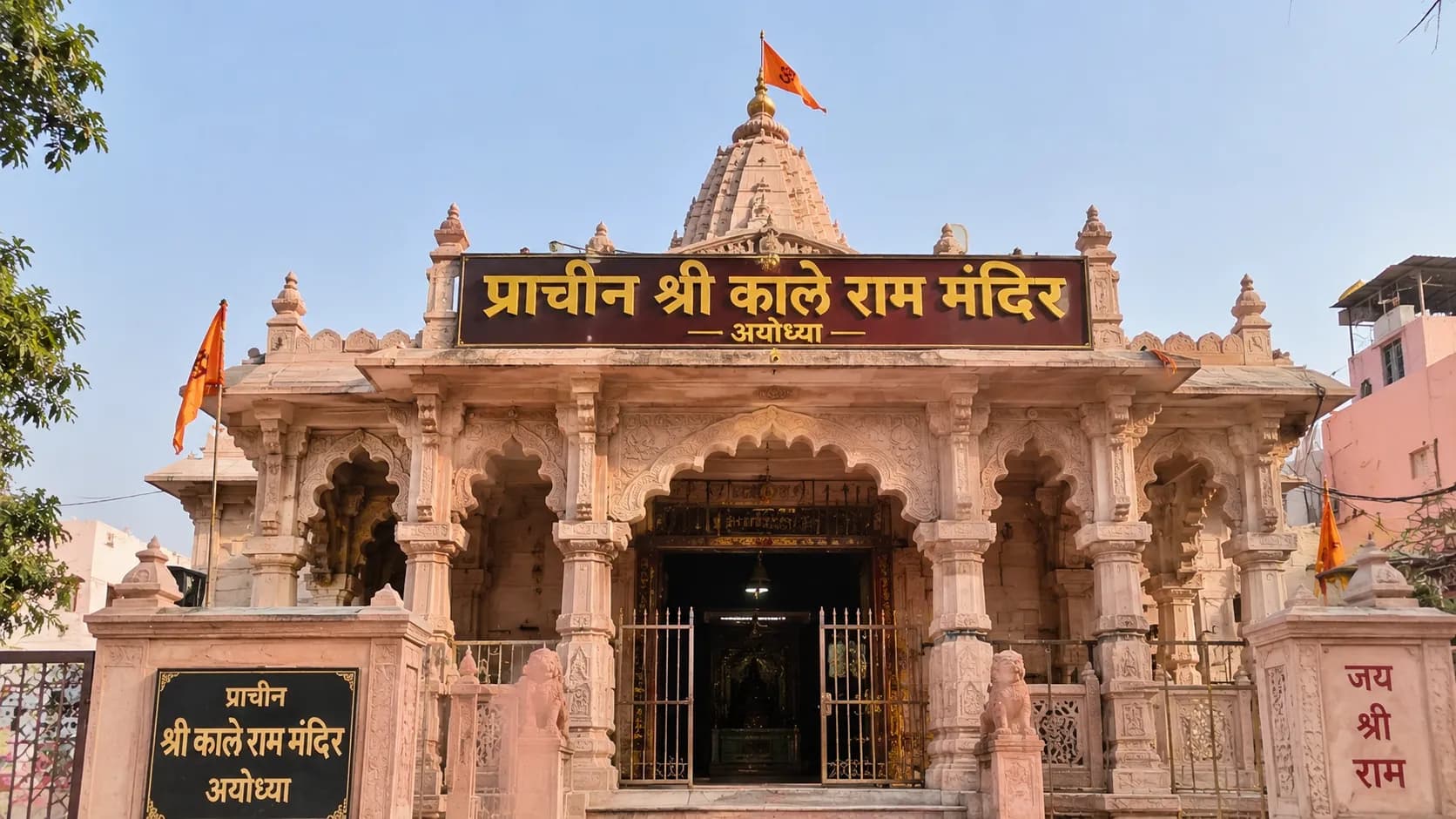
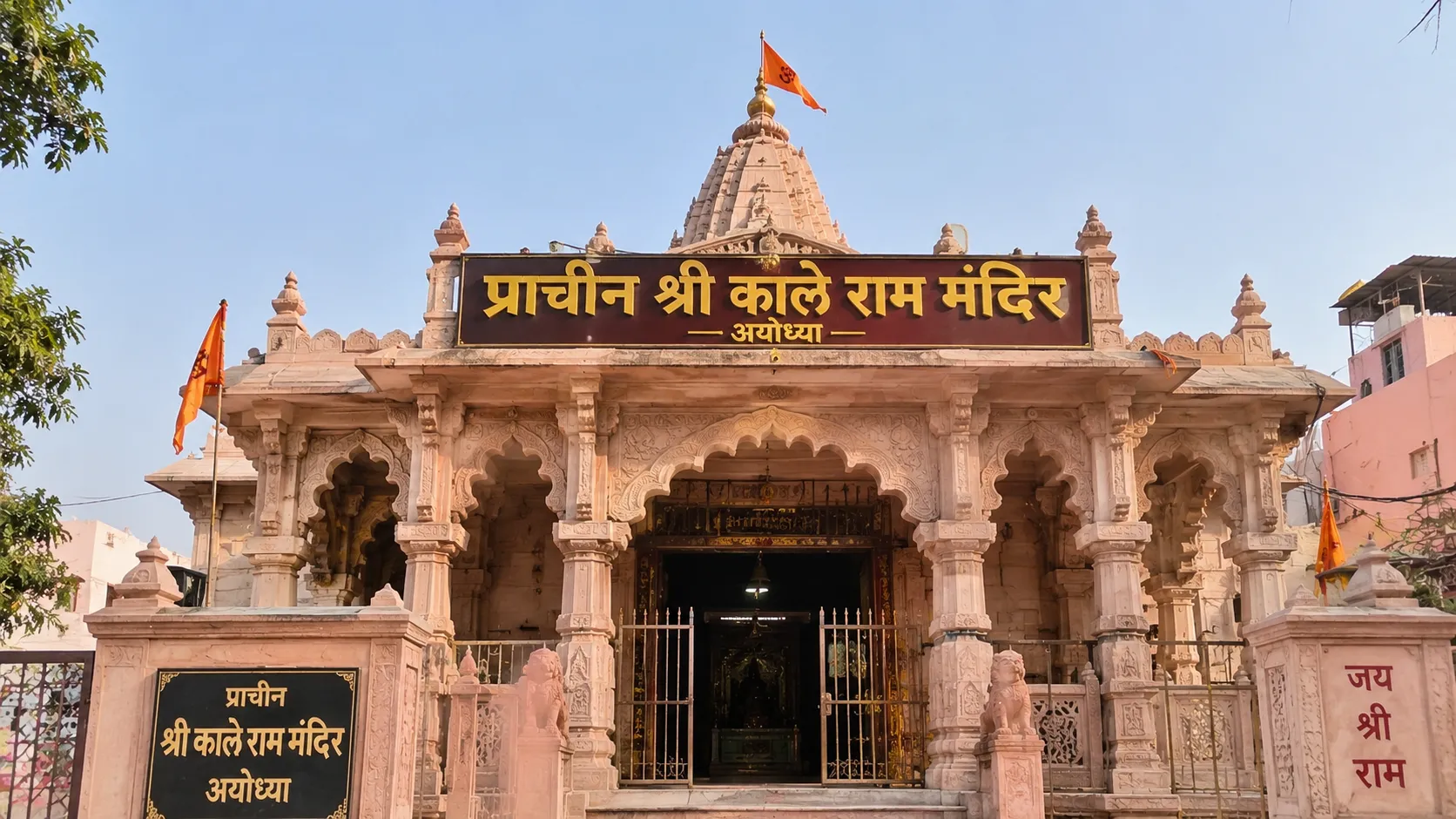
Kale Ram Temple
The temple of the black-hued idol of Lord Ram.
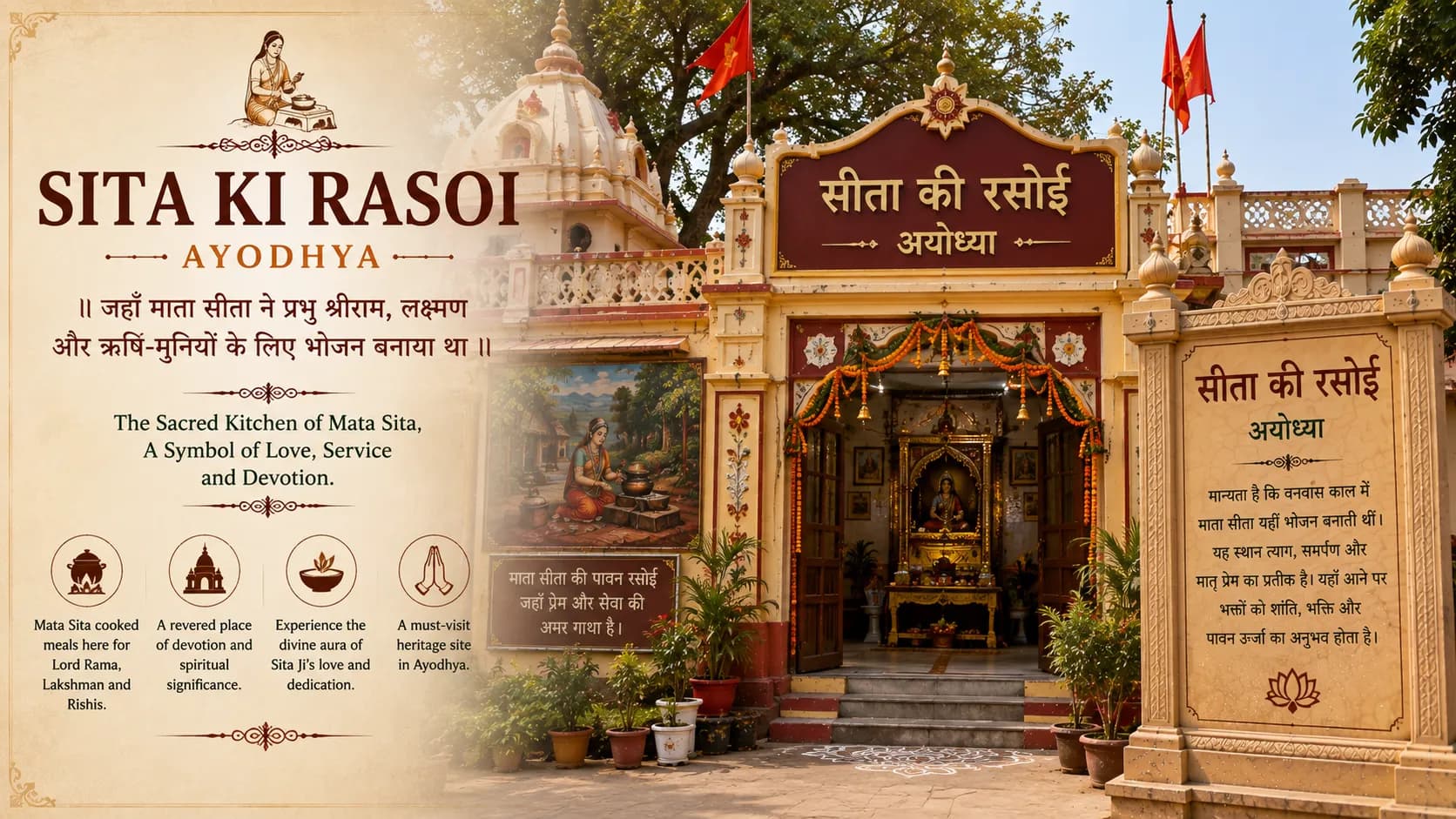
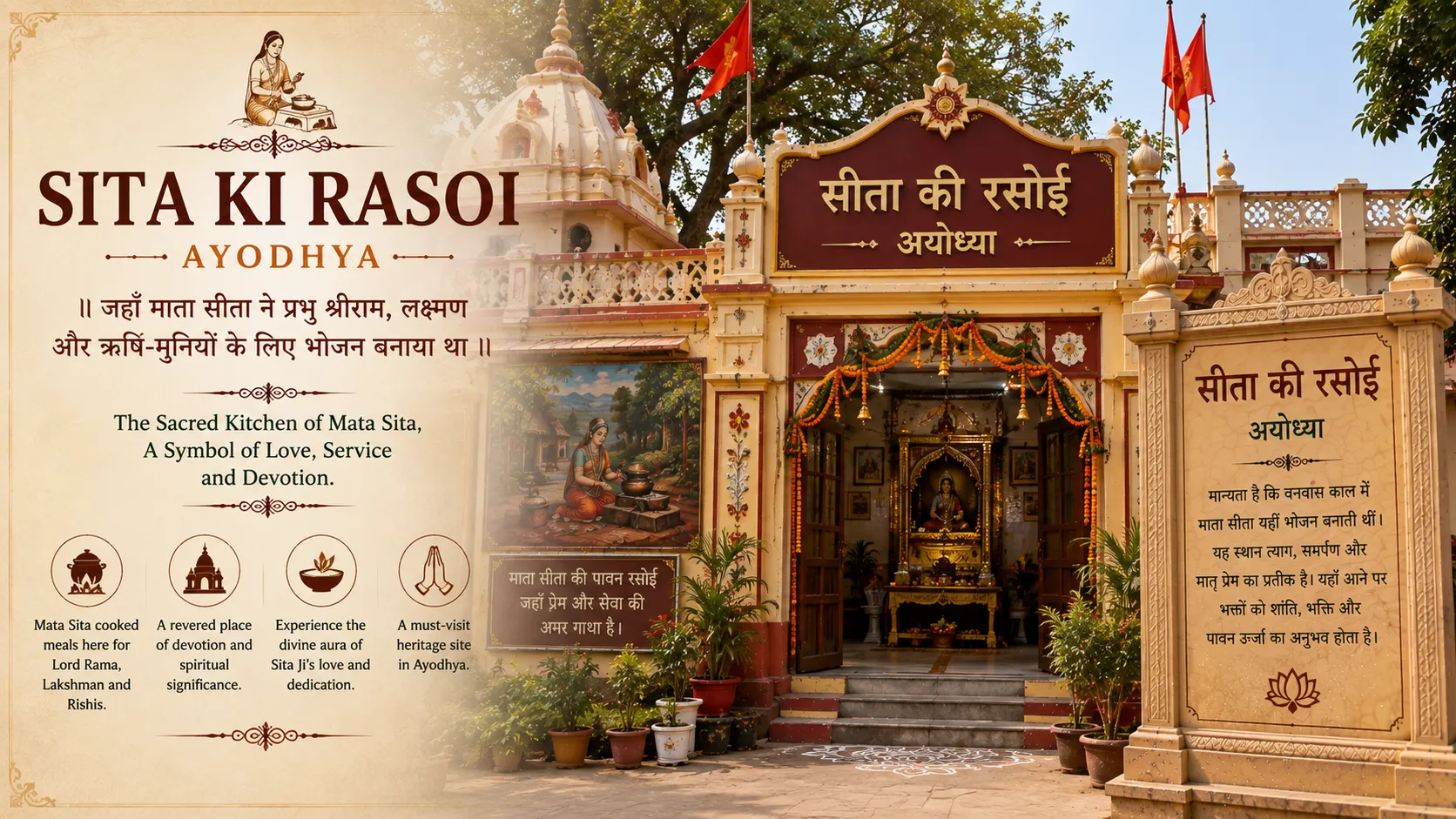
Sita ki Rasoi
The revered kitchen of Mata Sita.
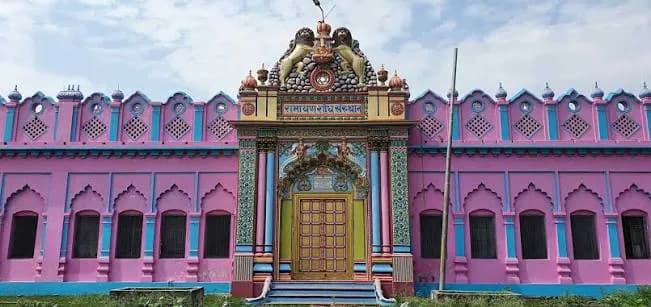
Amawa Ram Mandir
The temple of Amawa Ram, a beloved Ram shrine.
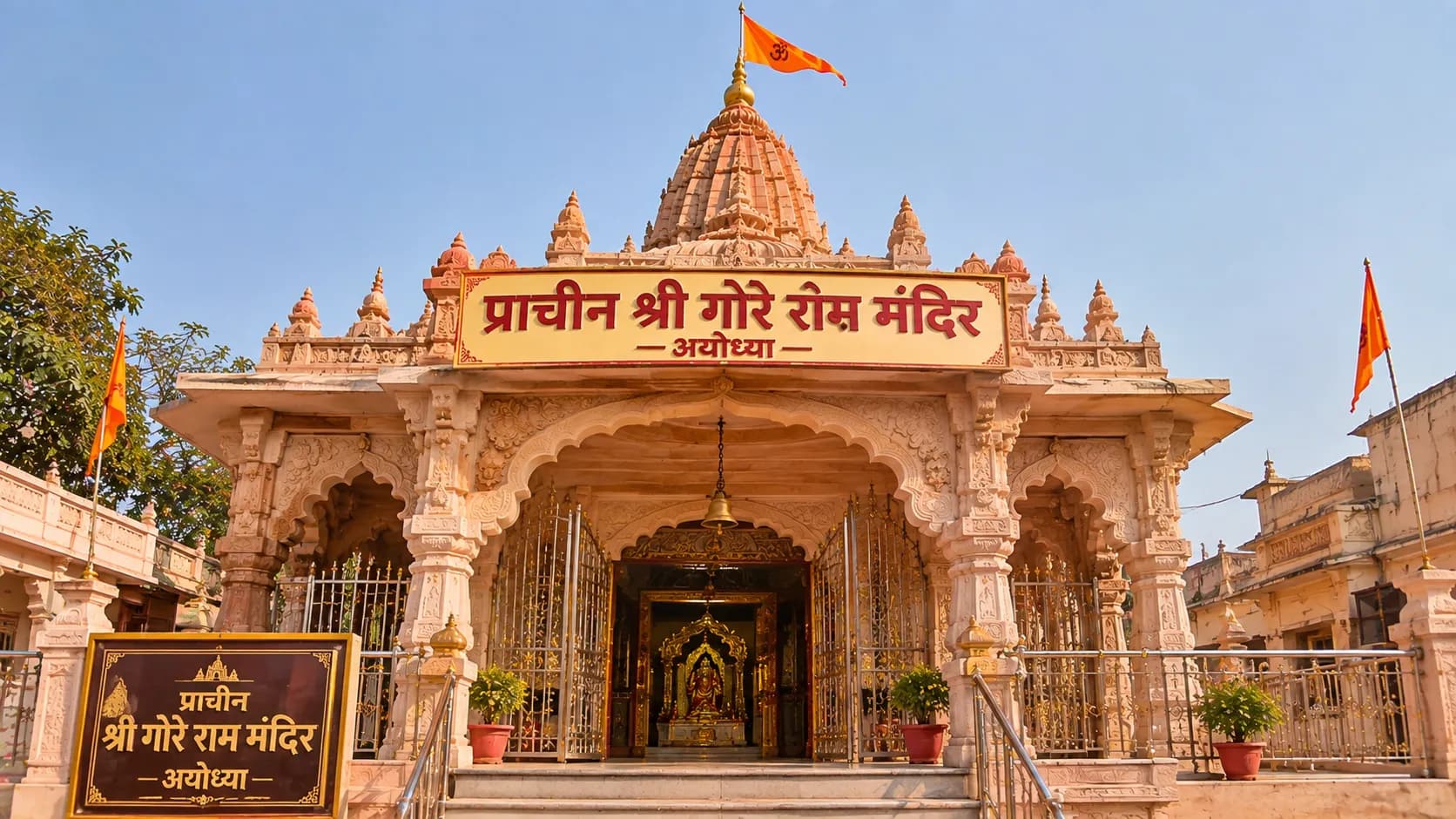
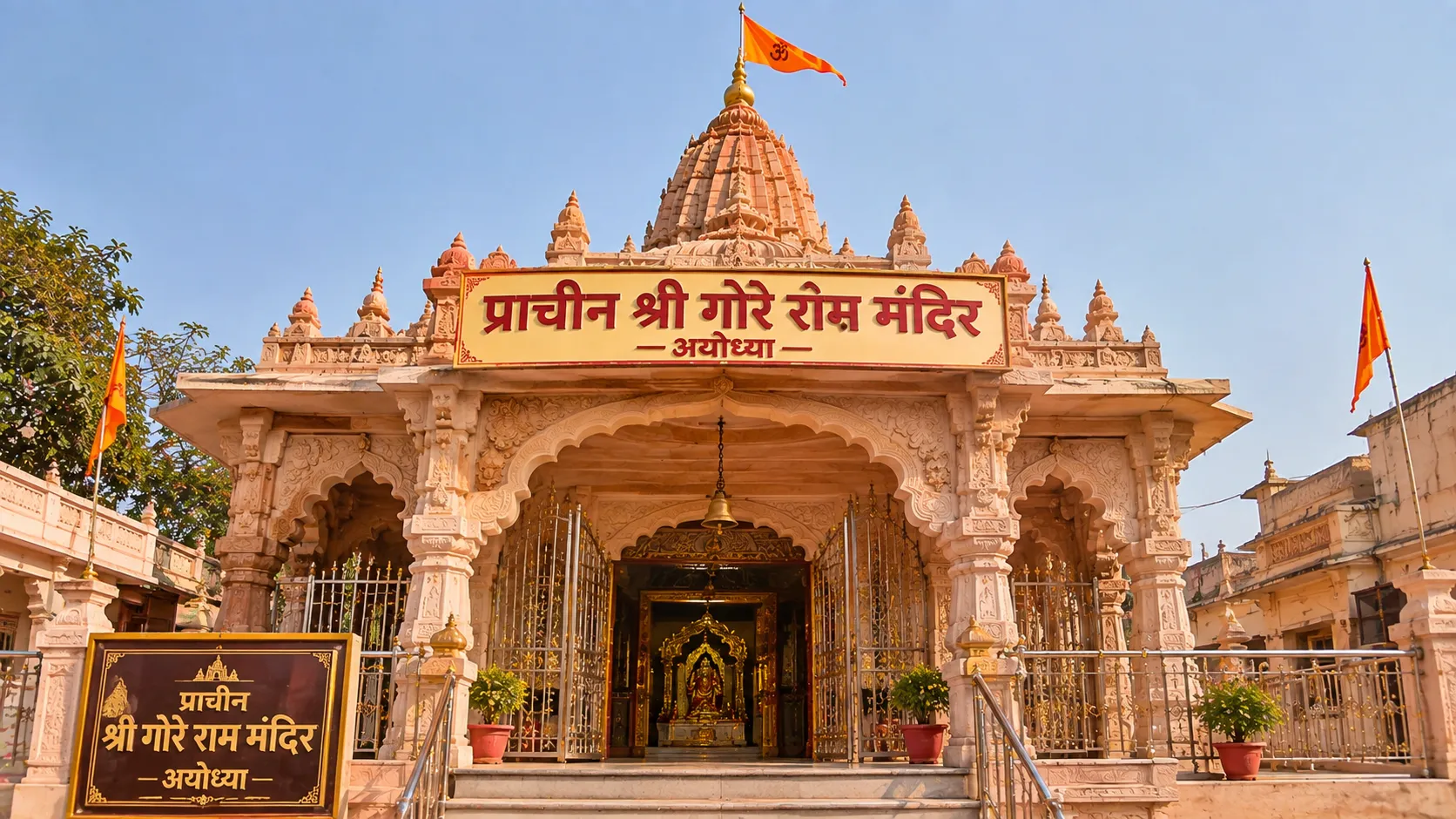
Gora Ram Temple
The temple of the fair-hued Lord Ram.
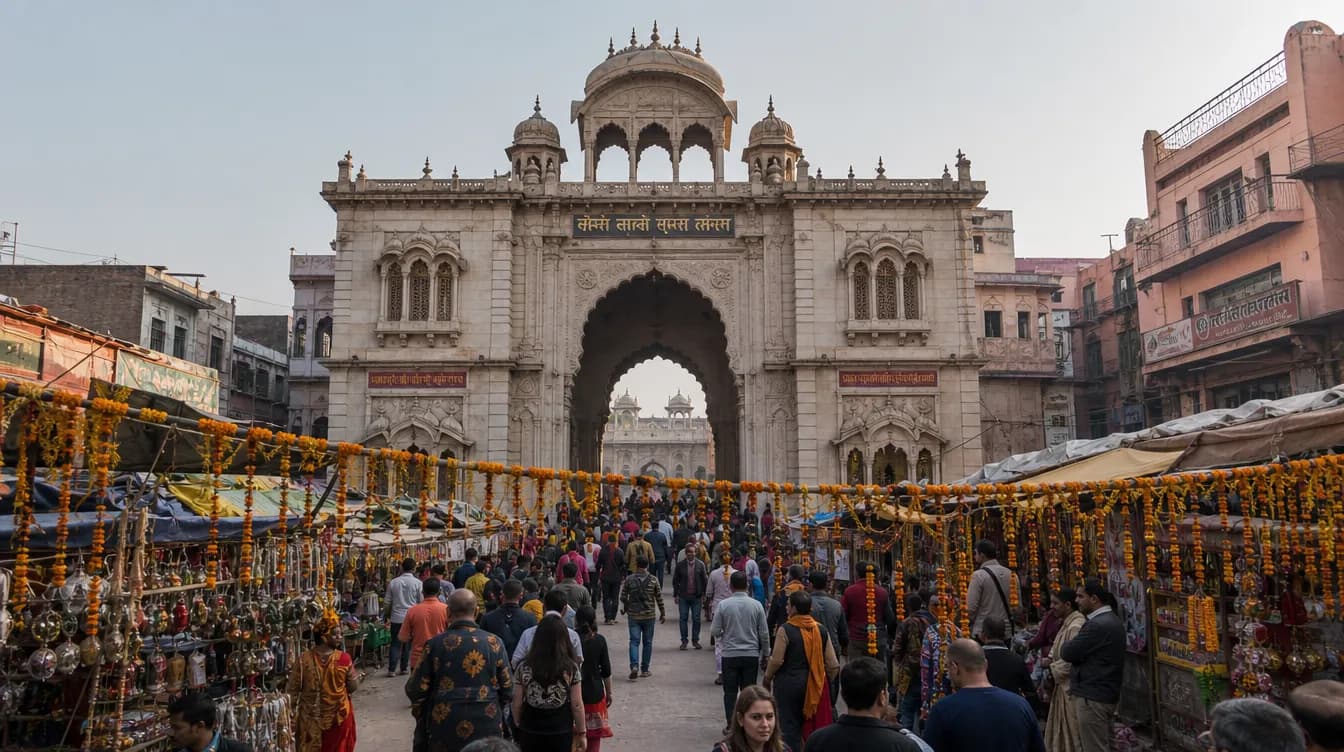
Raj Dwar Mandir
The temple at the royal gate of Ayodhya.
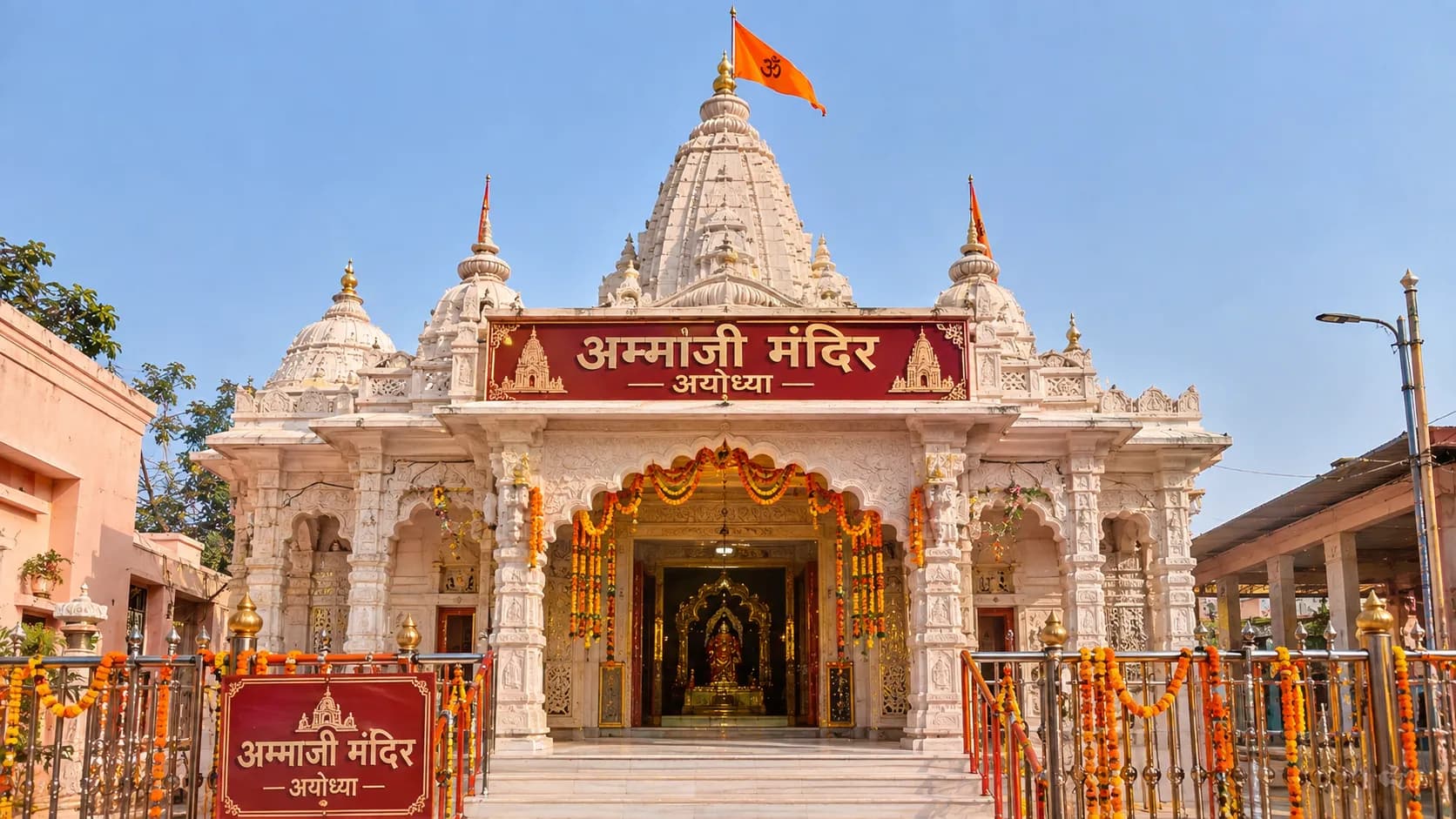
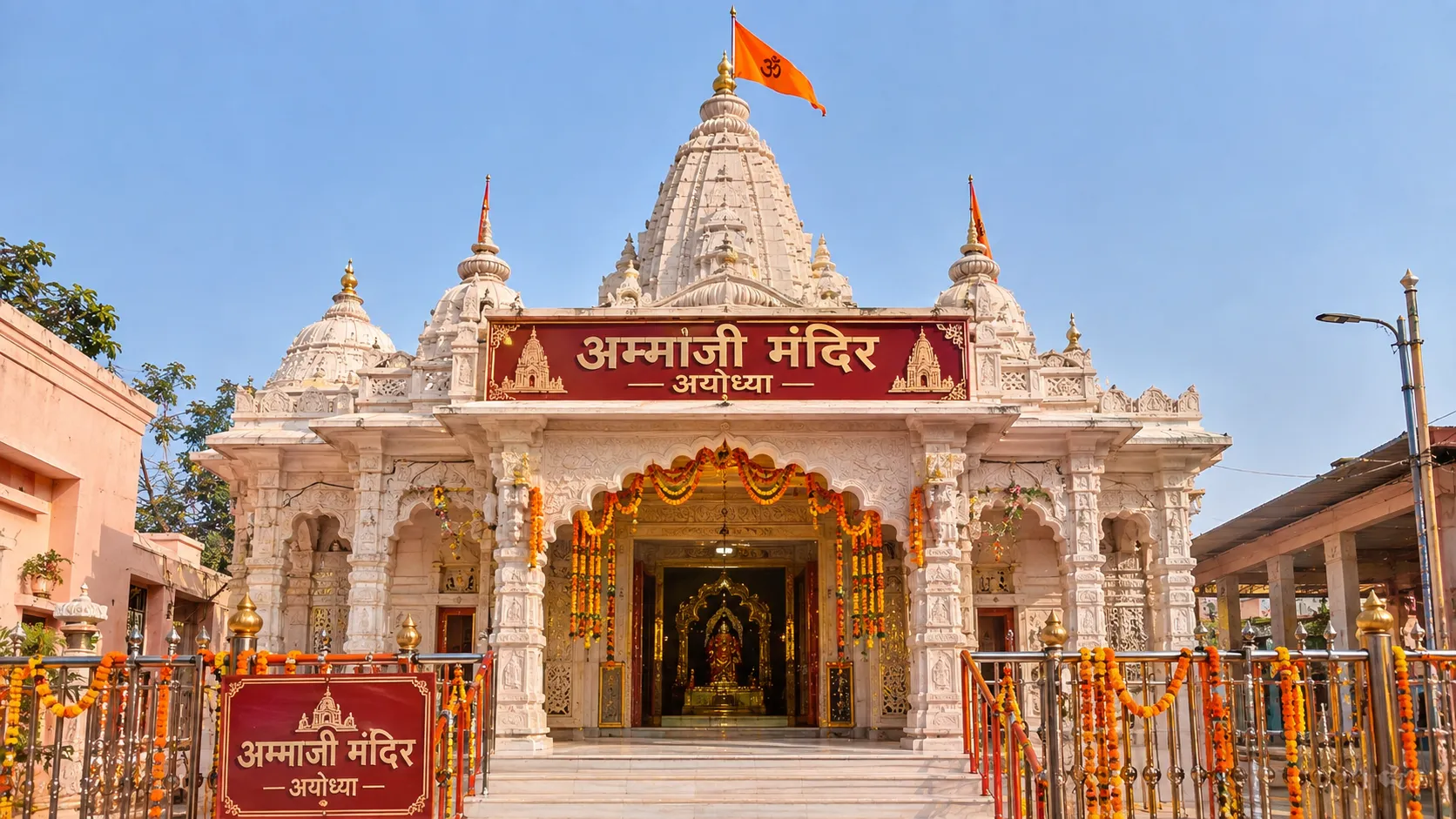
Ammaji Mandir
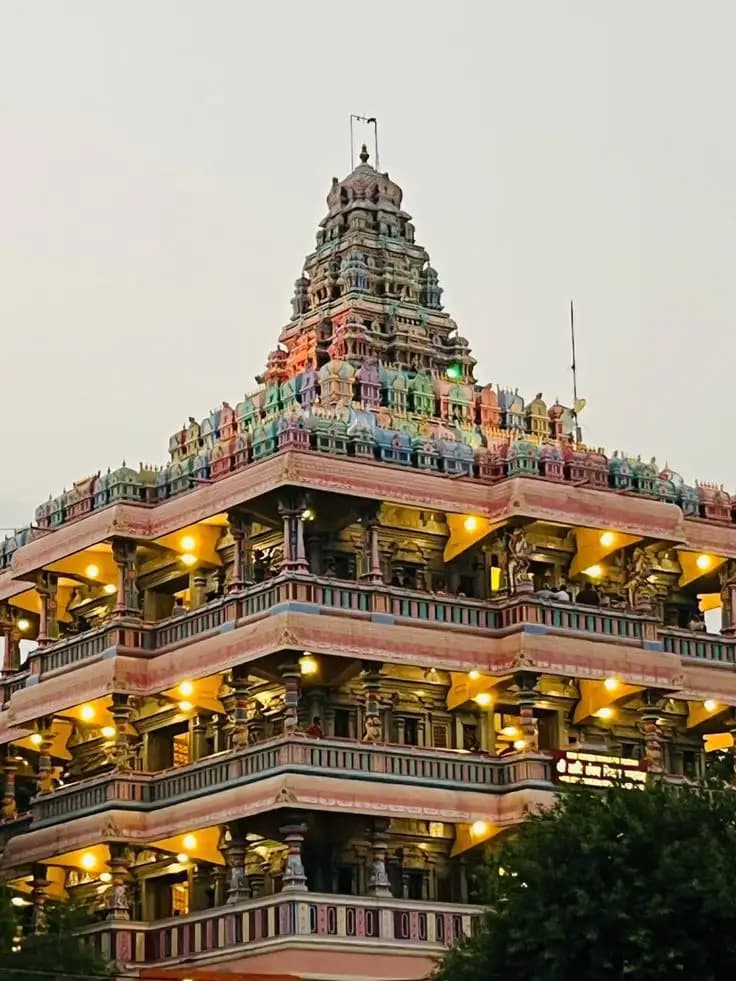
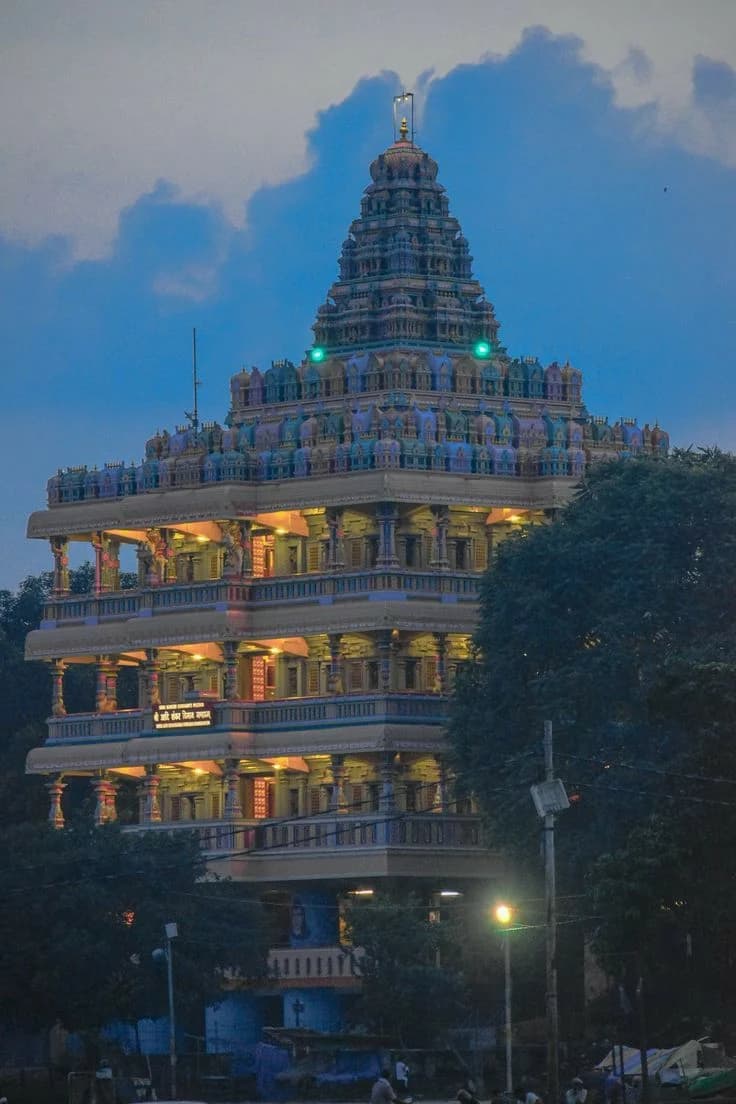
A Divya Desam temple of the South-Indian Vaishnava tradition.
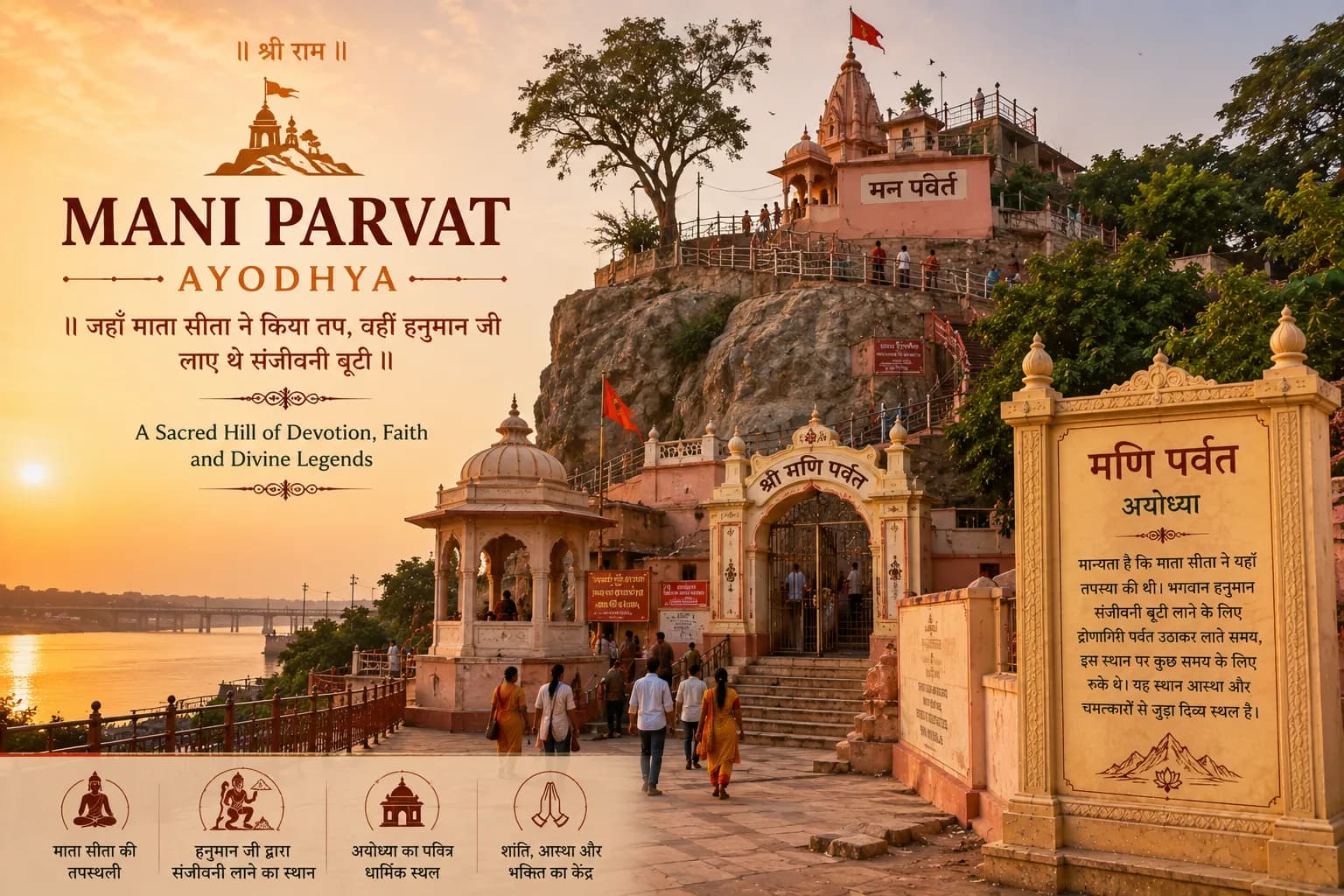
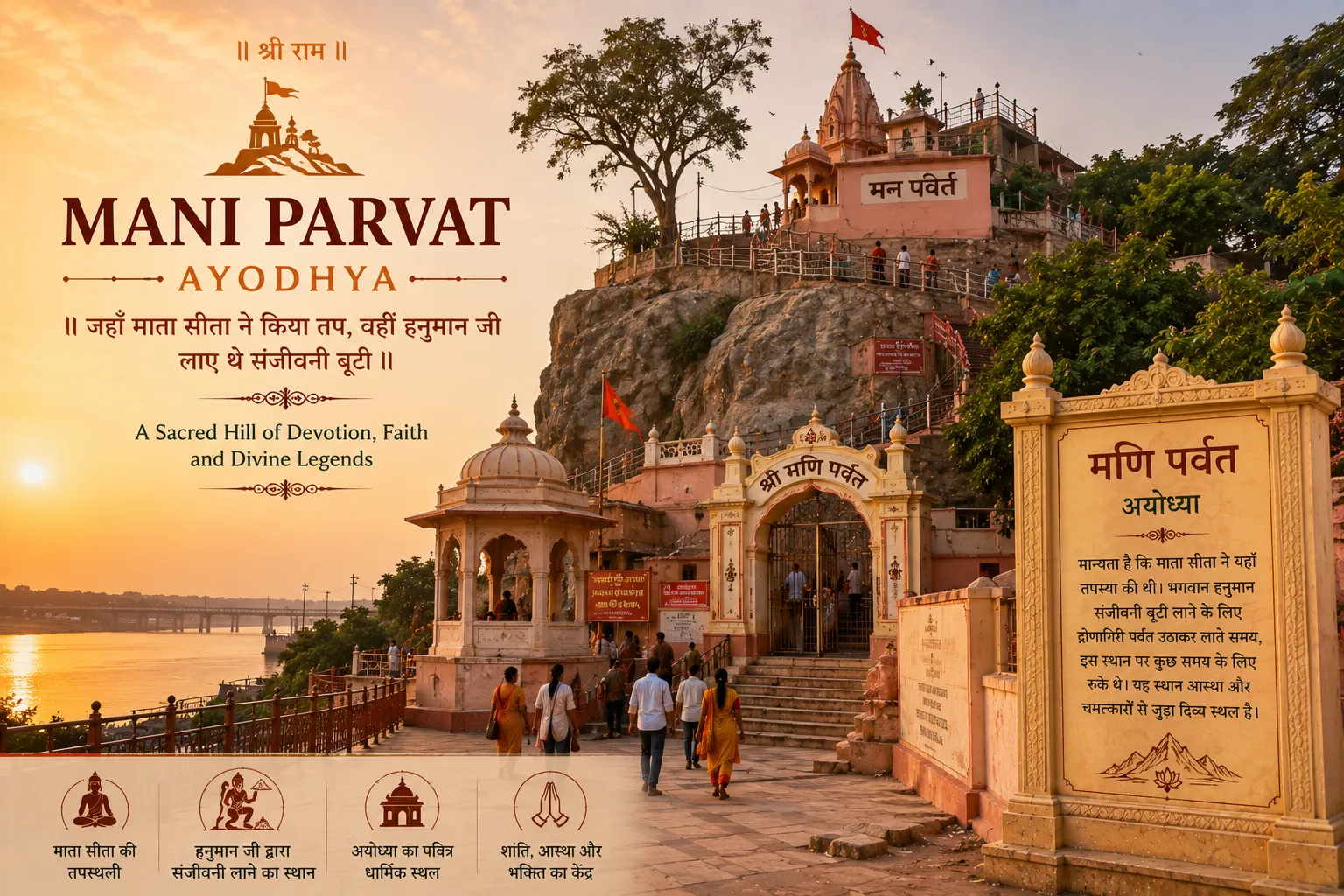
Mani Parvat
The sacred hill Hanuman is said to have carried.
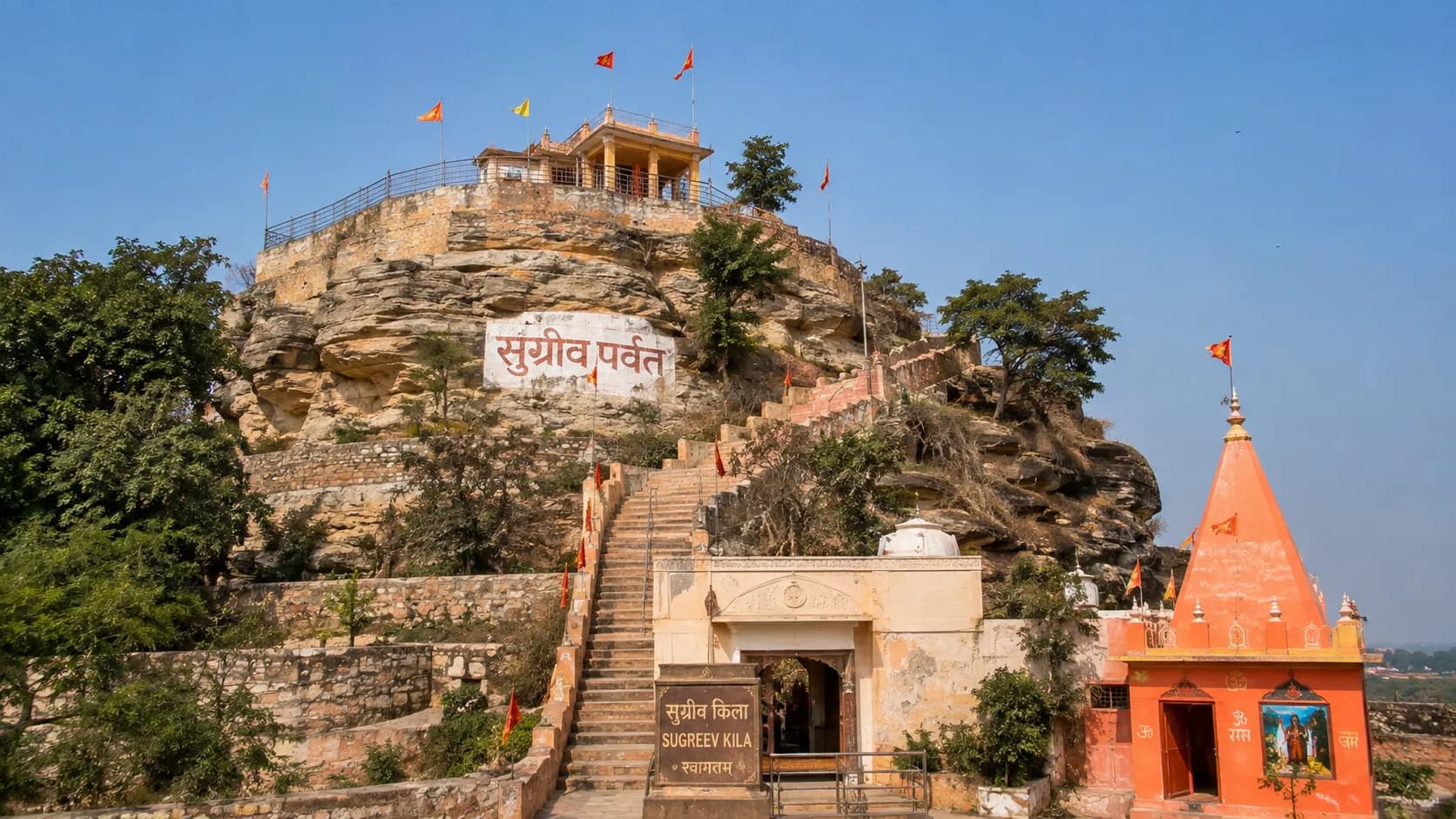
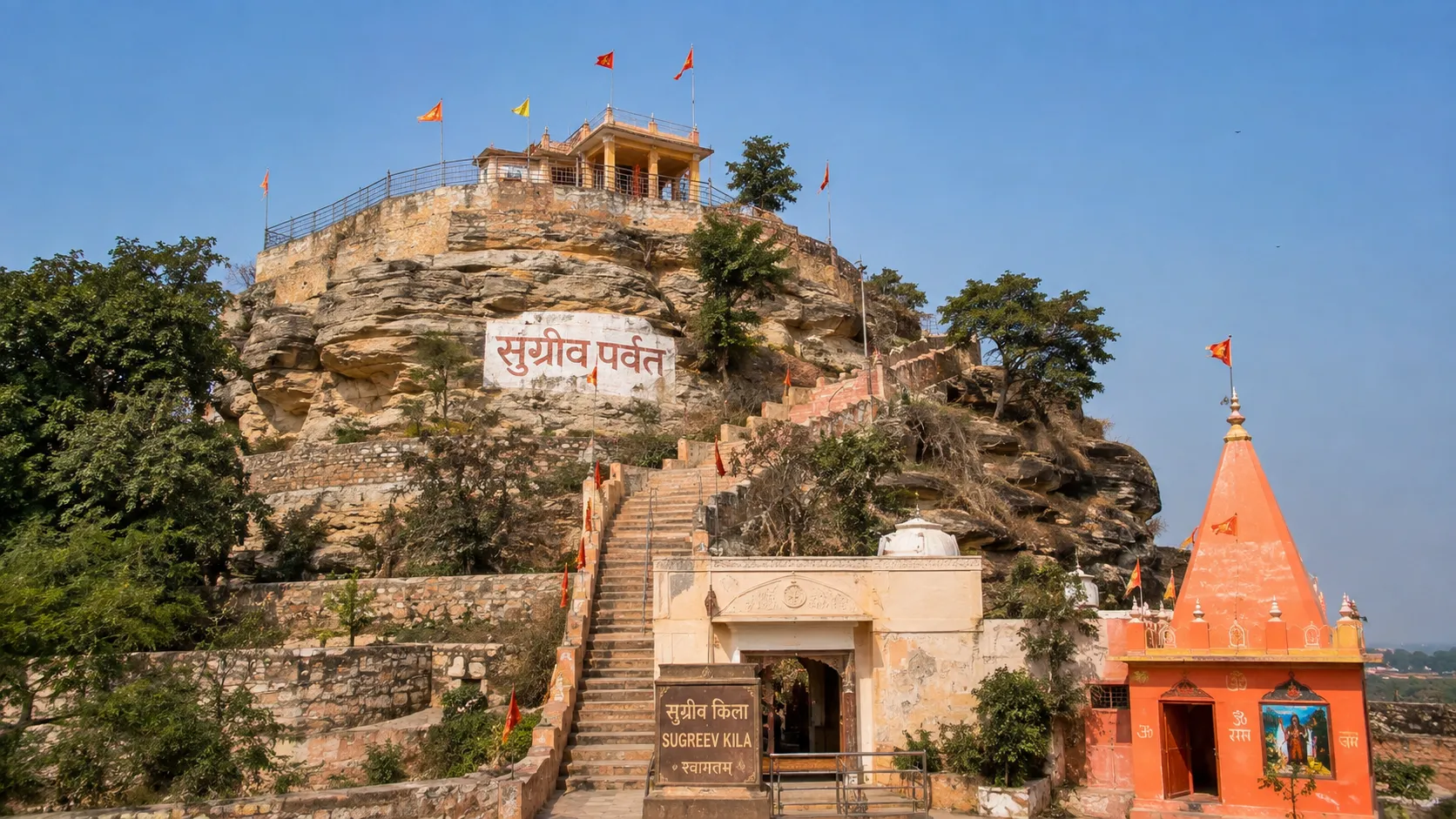
Sugriv Parvat
The hill of Sugriv, the vanara king of the Ramayana.
The Saryu river and the ghats
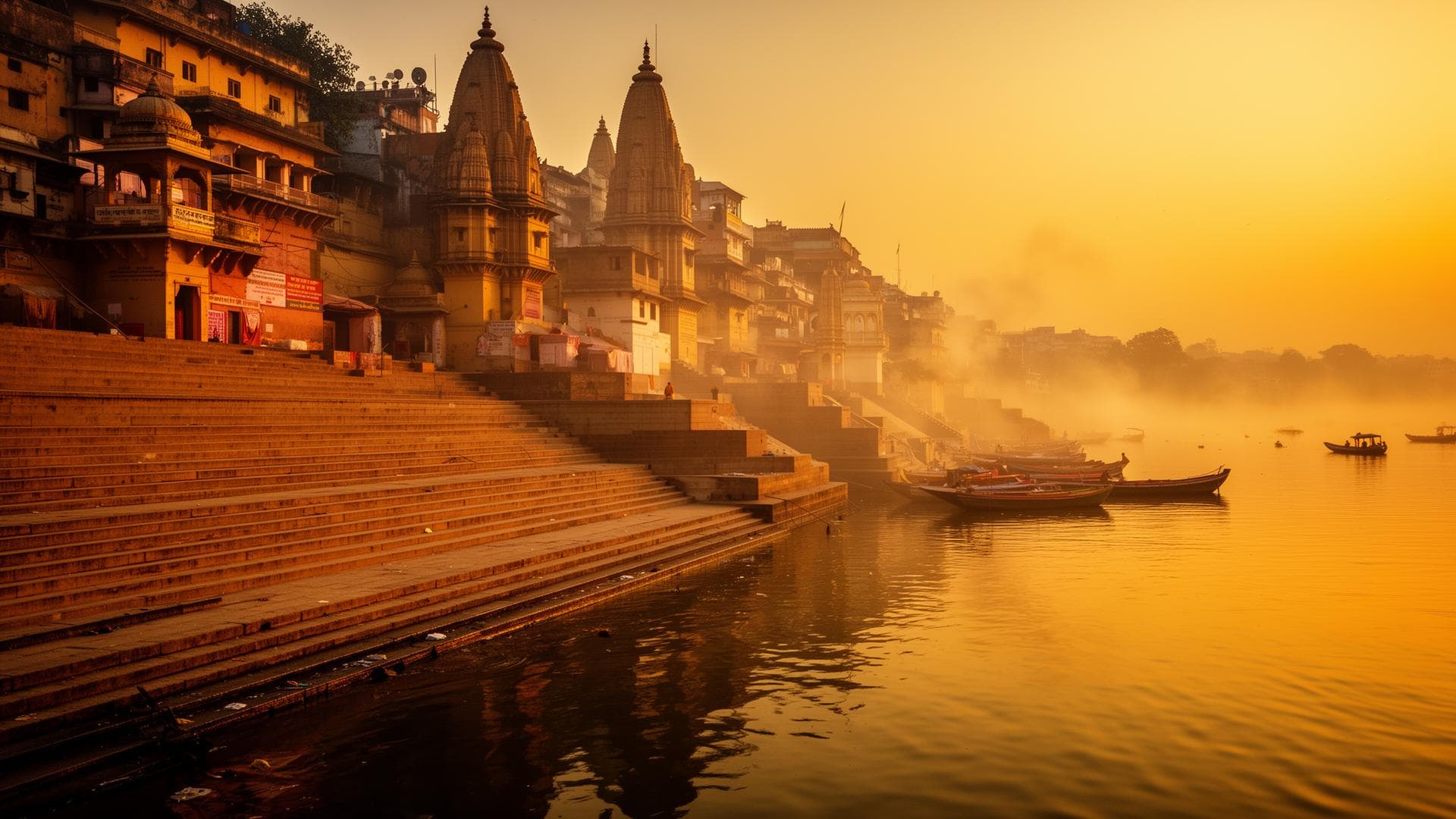
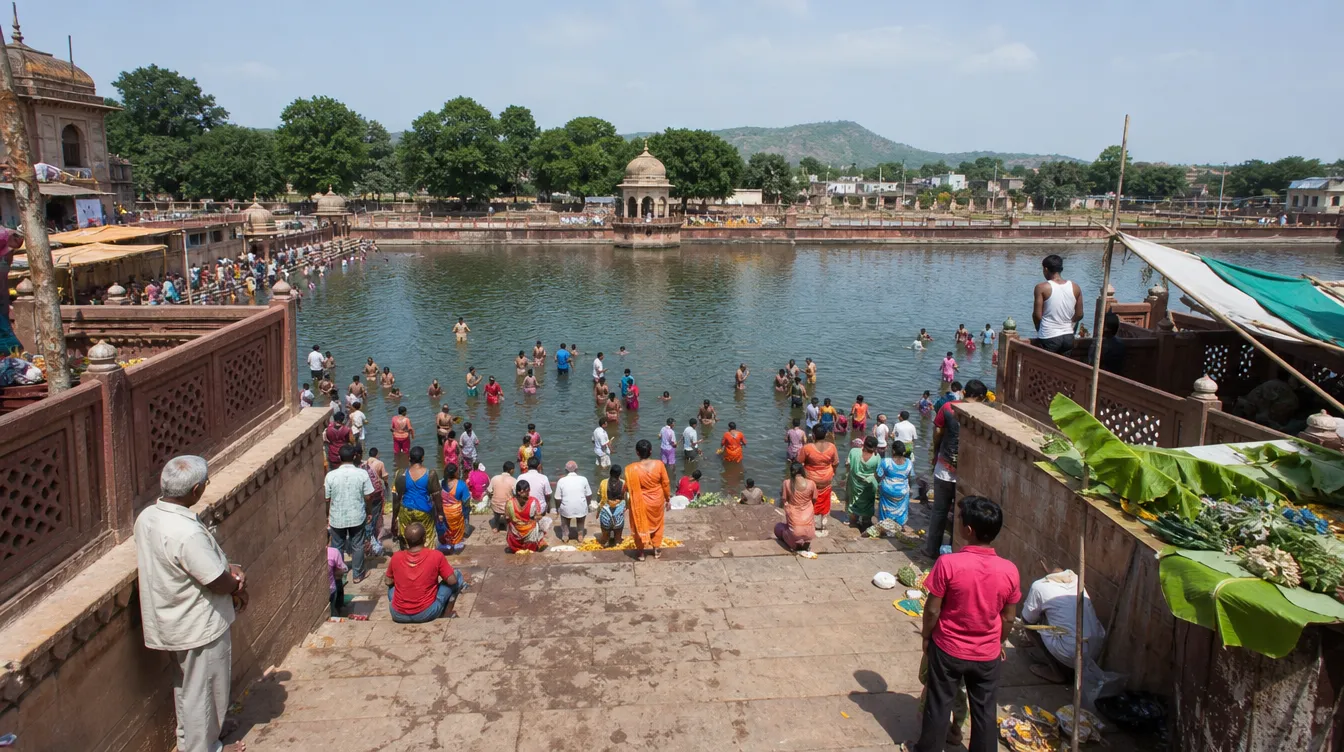
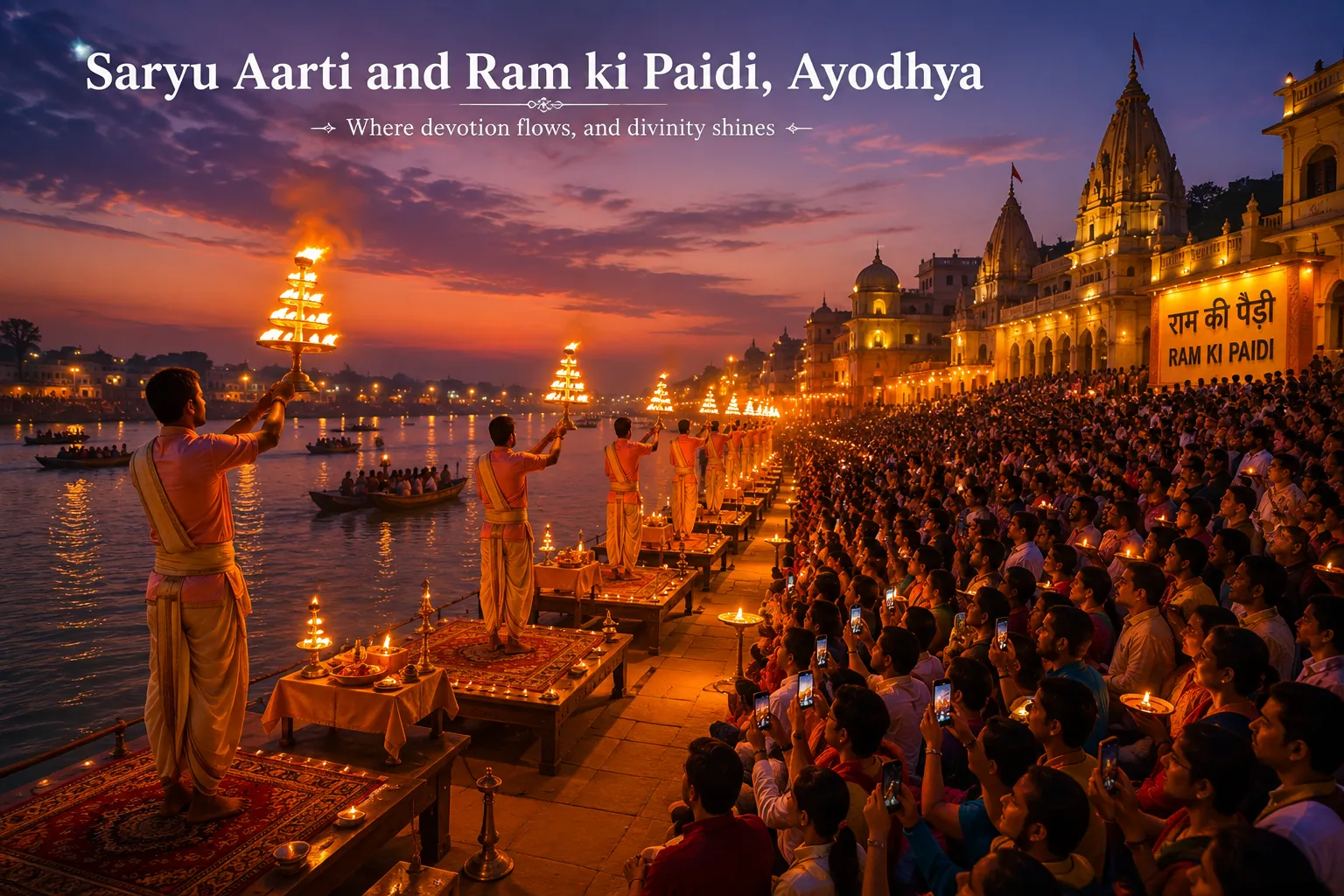
Ayodhya is a city of the river, and the holy Saryu is her soul; a bath in the Saryu is a sacred act of the pilgrimage. The heart of the riverfront is Ram ki Paidi, the great flight of ghats where, each evening, the beautiful Saryu aarti is performed to the river, the lamps and the chanting a sight to move any heart.
And along the river run the many sacred ghats, each with its own story and its own grace, from the ghat of Ram's final departure to the ghats of the queens and the sages.
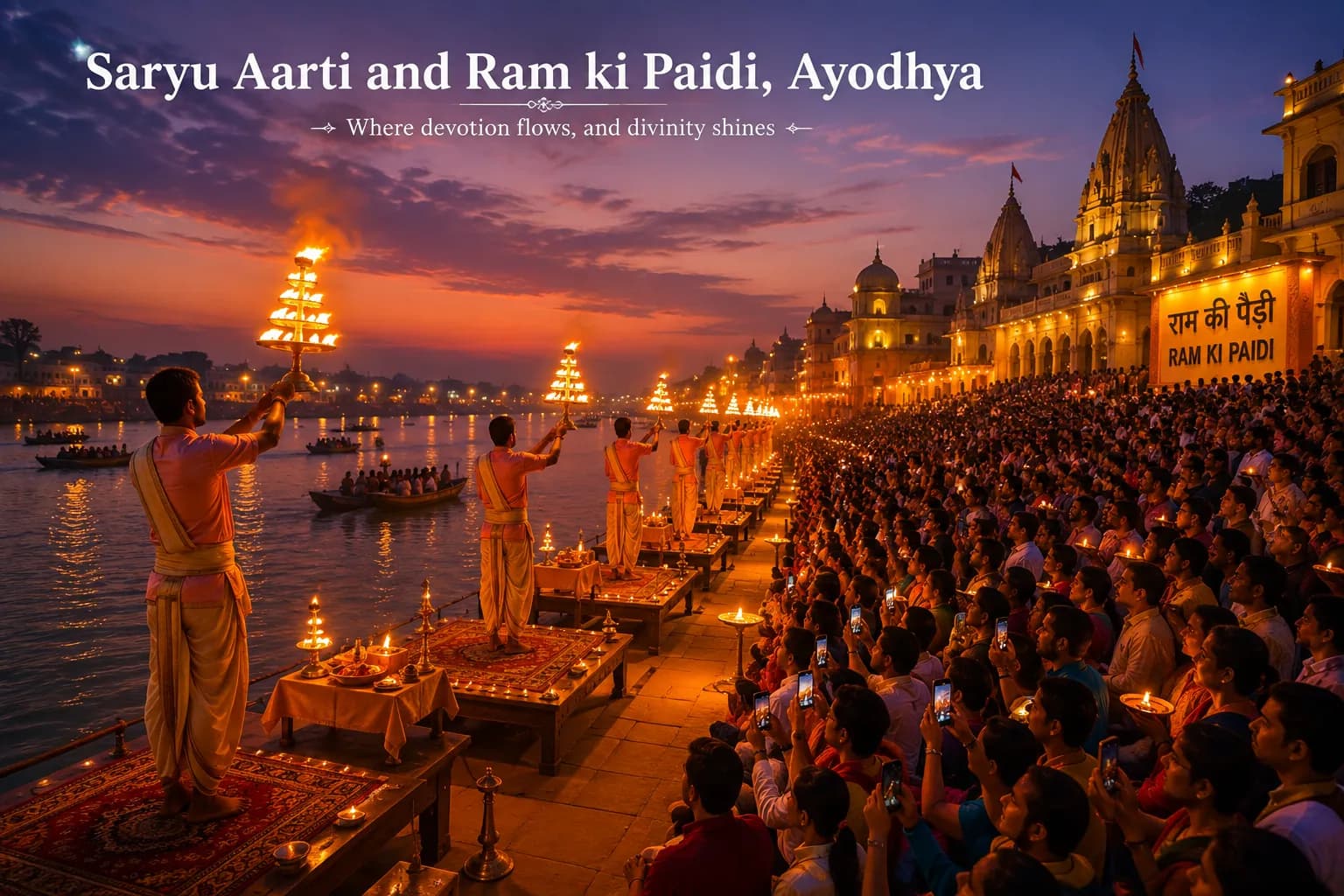
Ram ki Paidi (the Saryu aarti)
The great riverfront steps and the beautiful evening Saryu aarti.
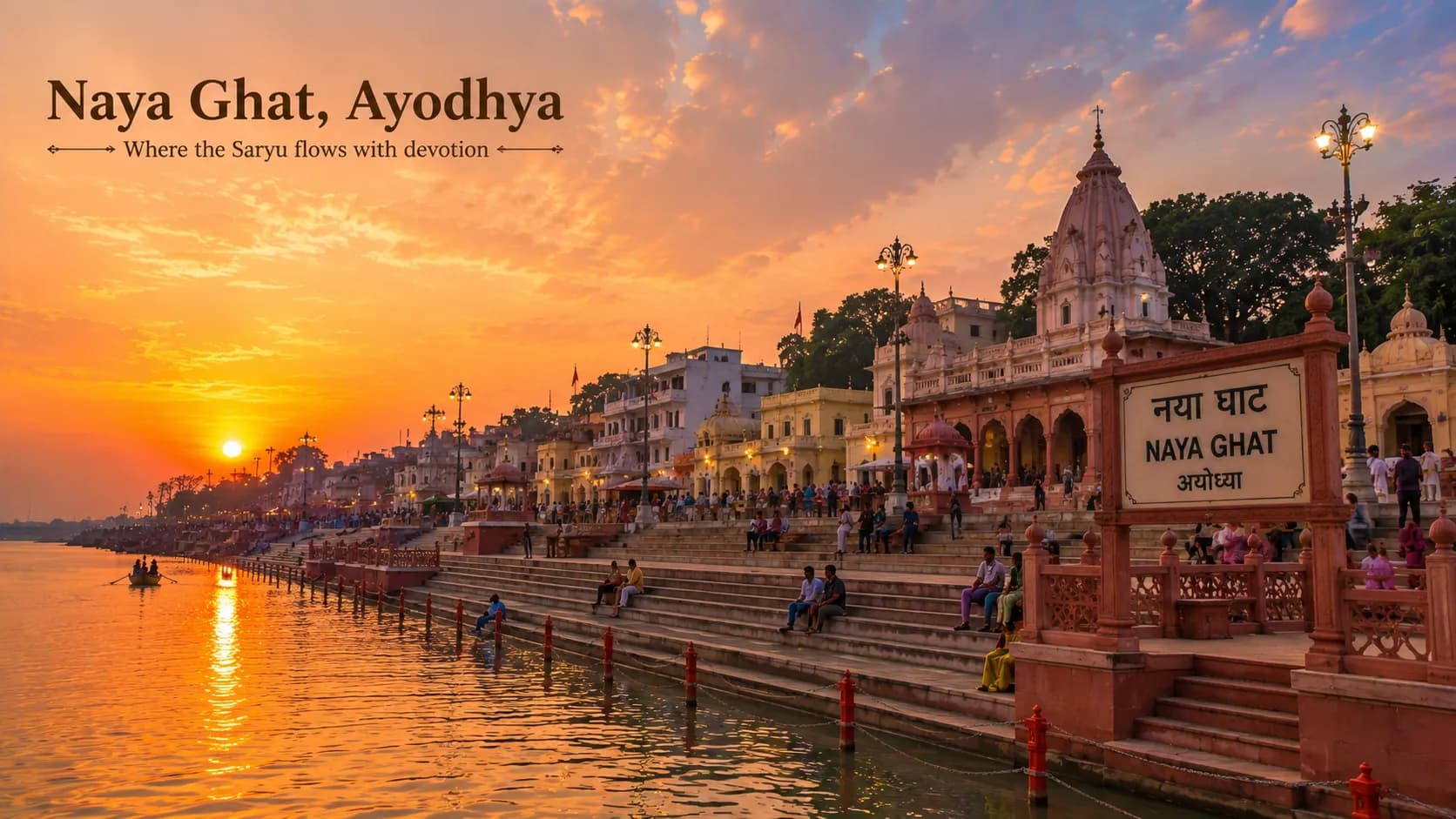
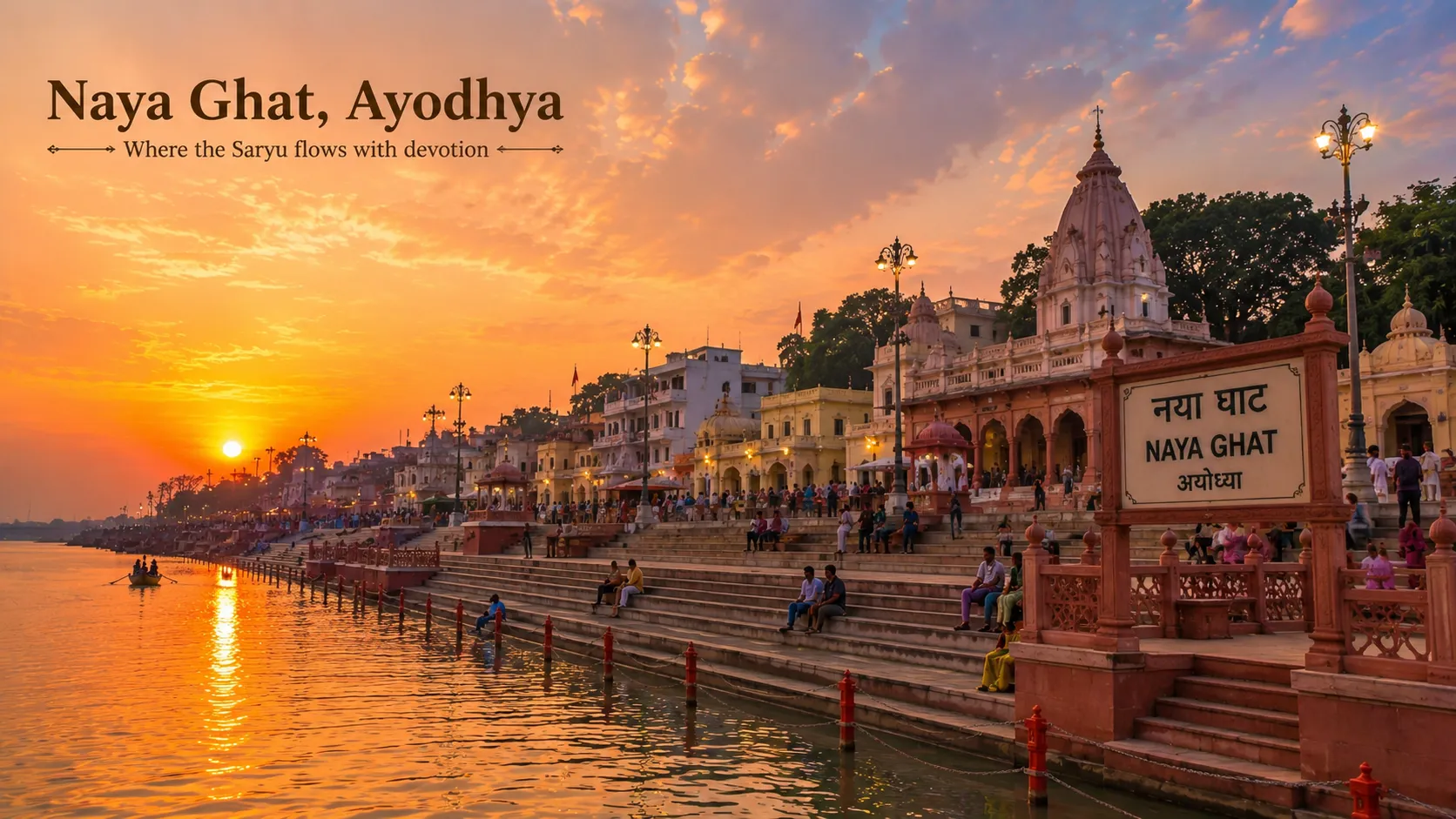
Naya Ghat
The main and busiest ghat of the Ayodhya riverfront.
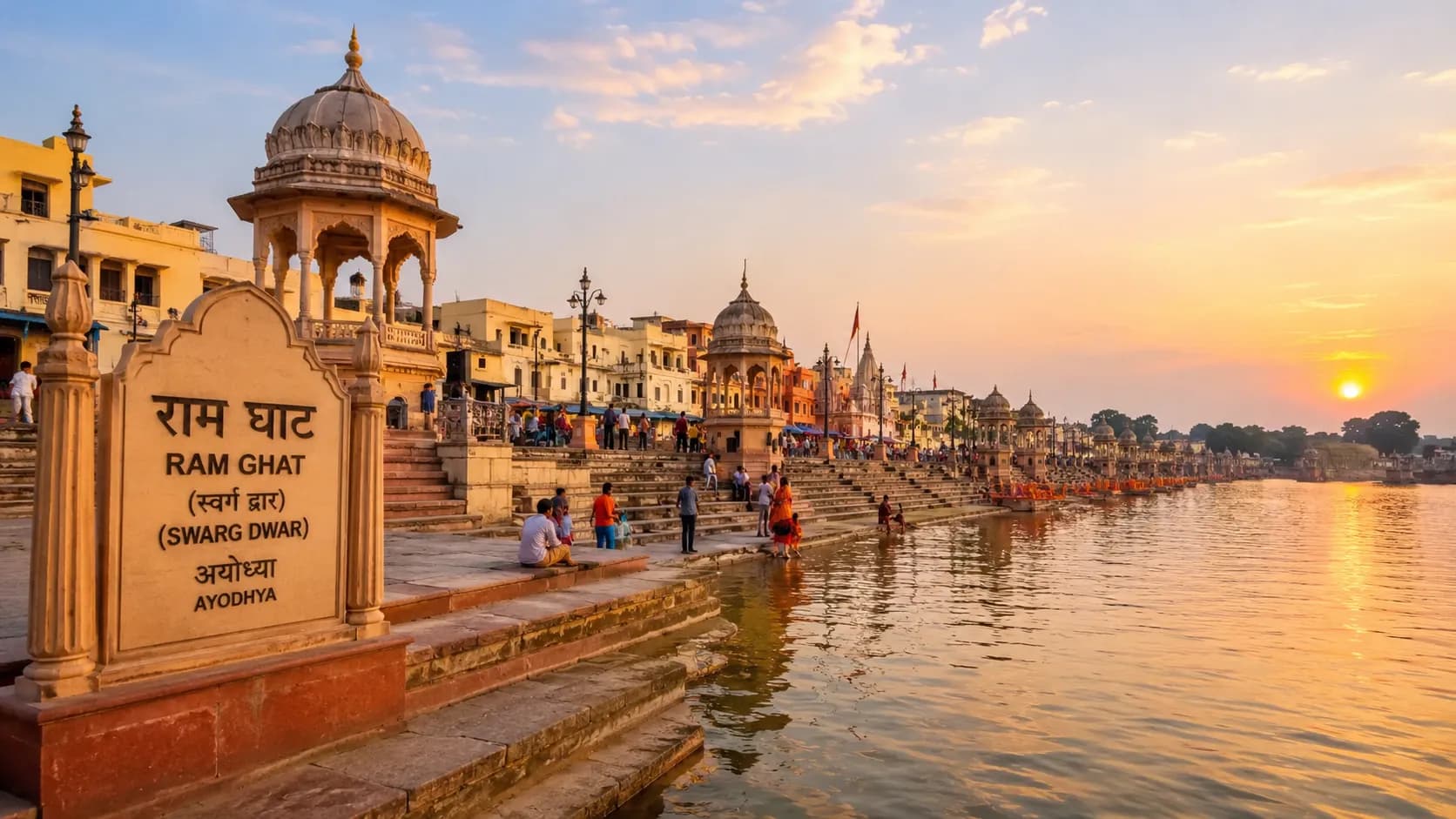
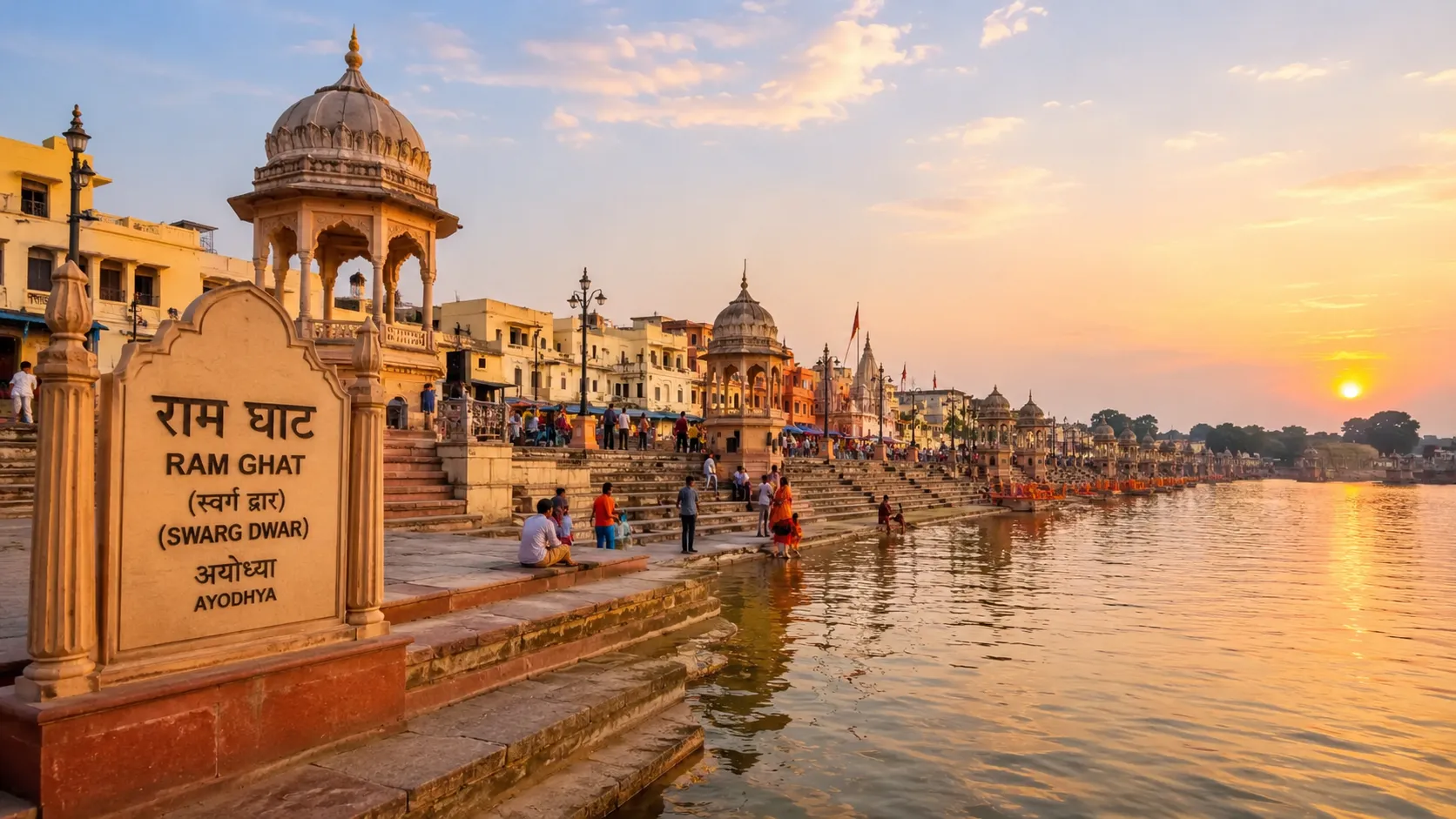
Ram Ghat
The central ghat, dear to the devotees of Ram.
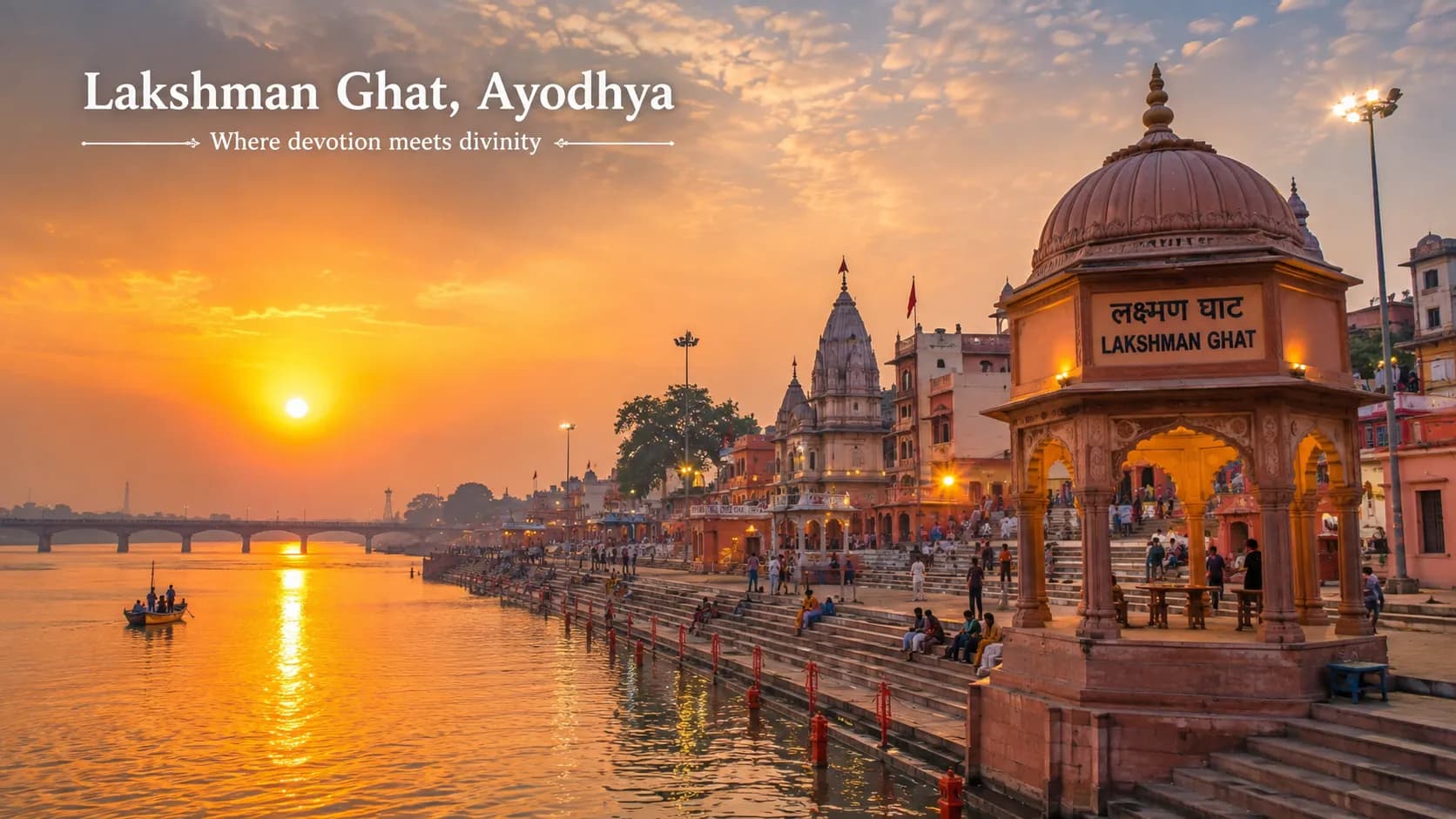
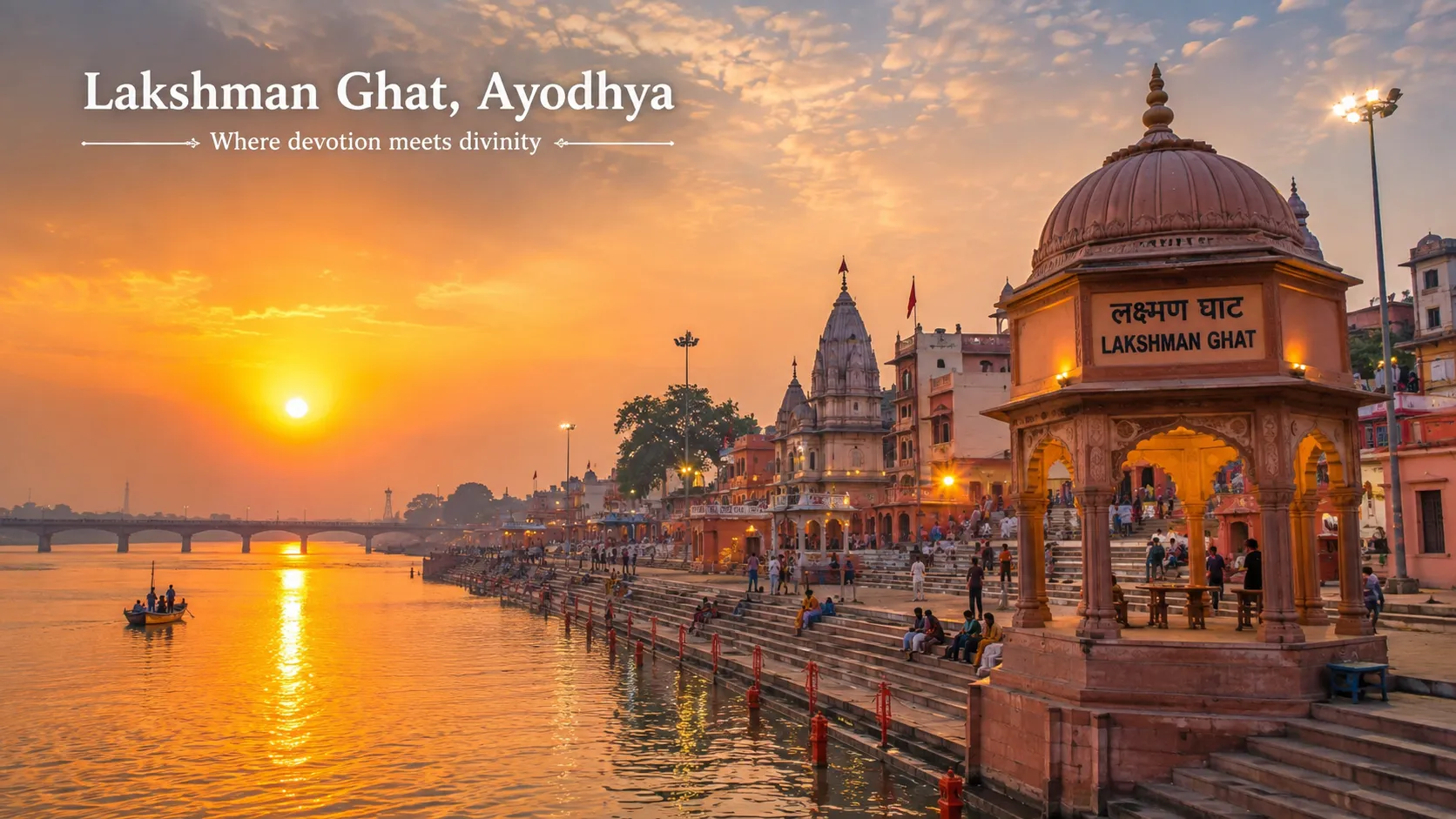
Lakshman Ghat
The ghat of Lakshman, the devoted brother of Ram.
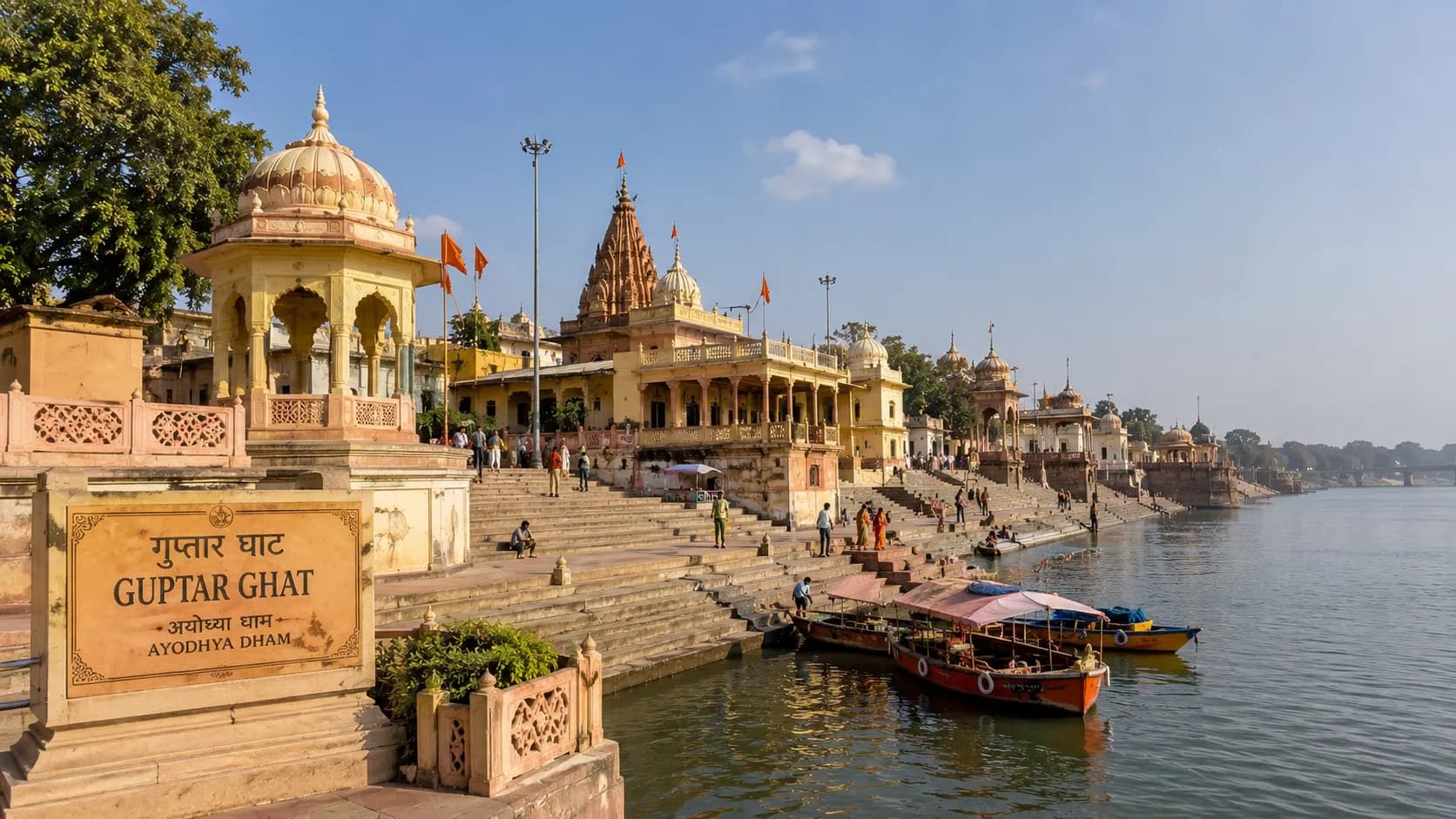
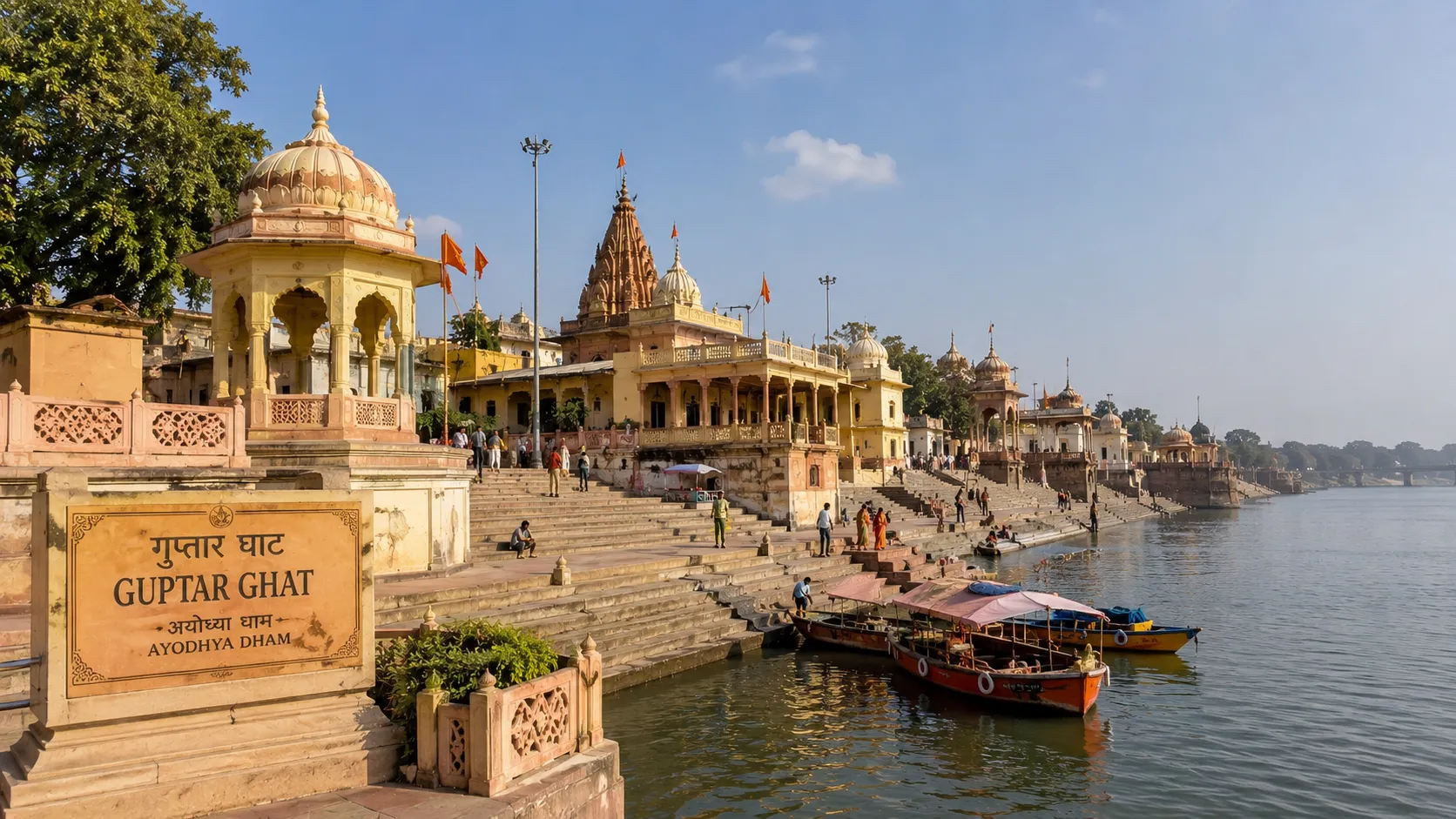
Guptar Ghat
The ghat of Lord Ram's final departure from the world (jal samadhi).
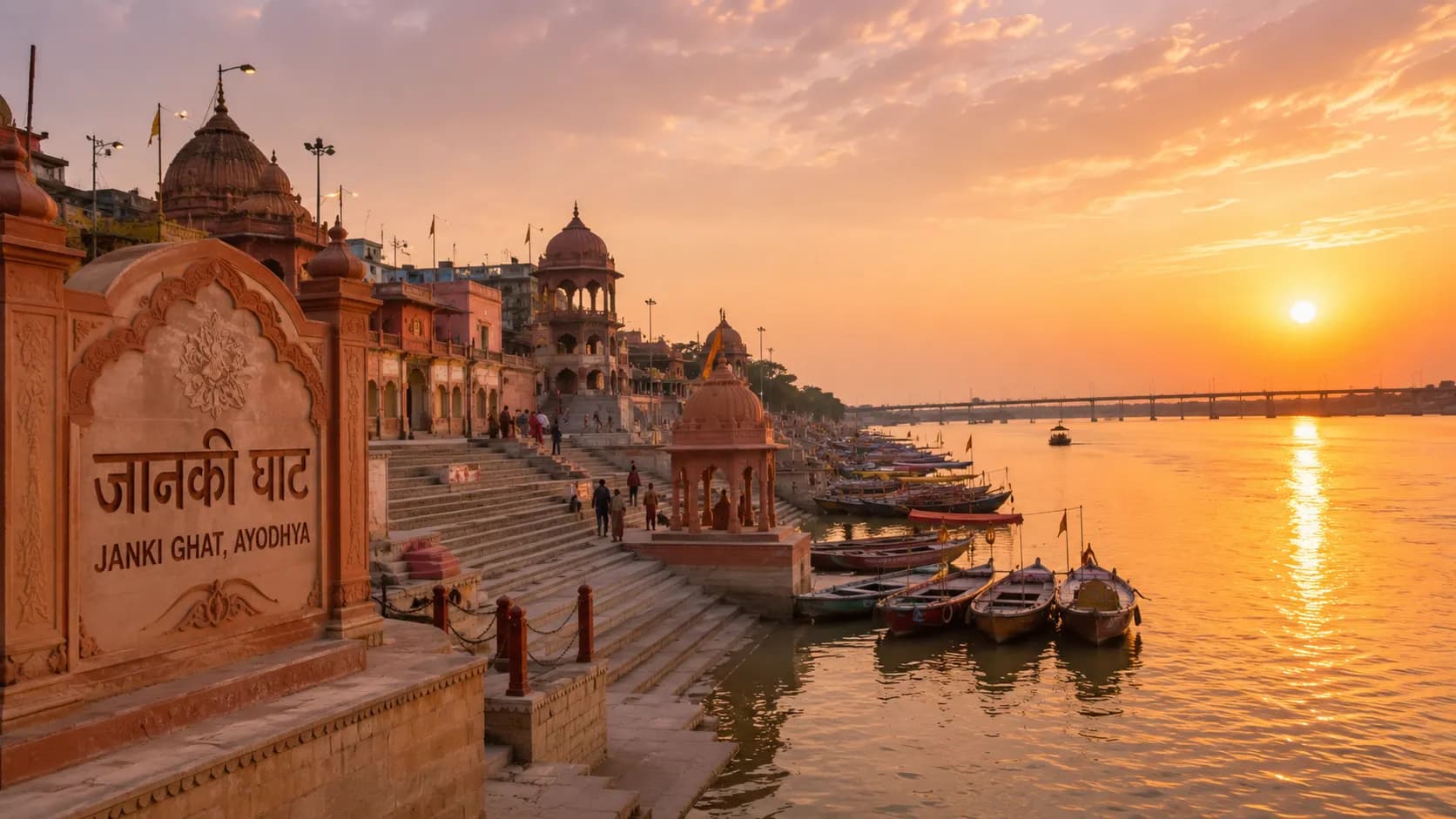
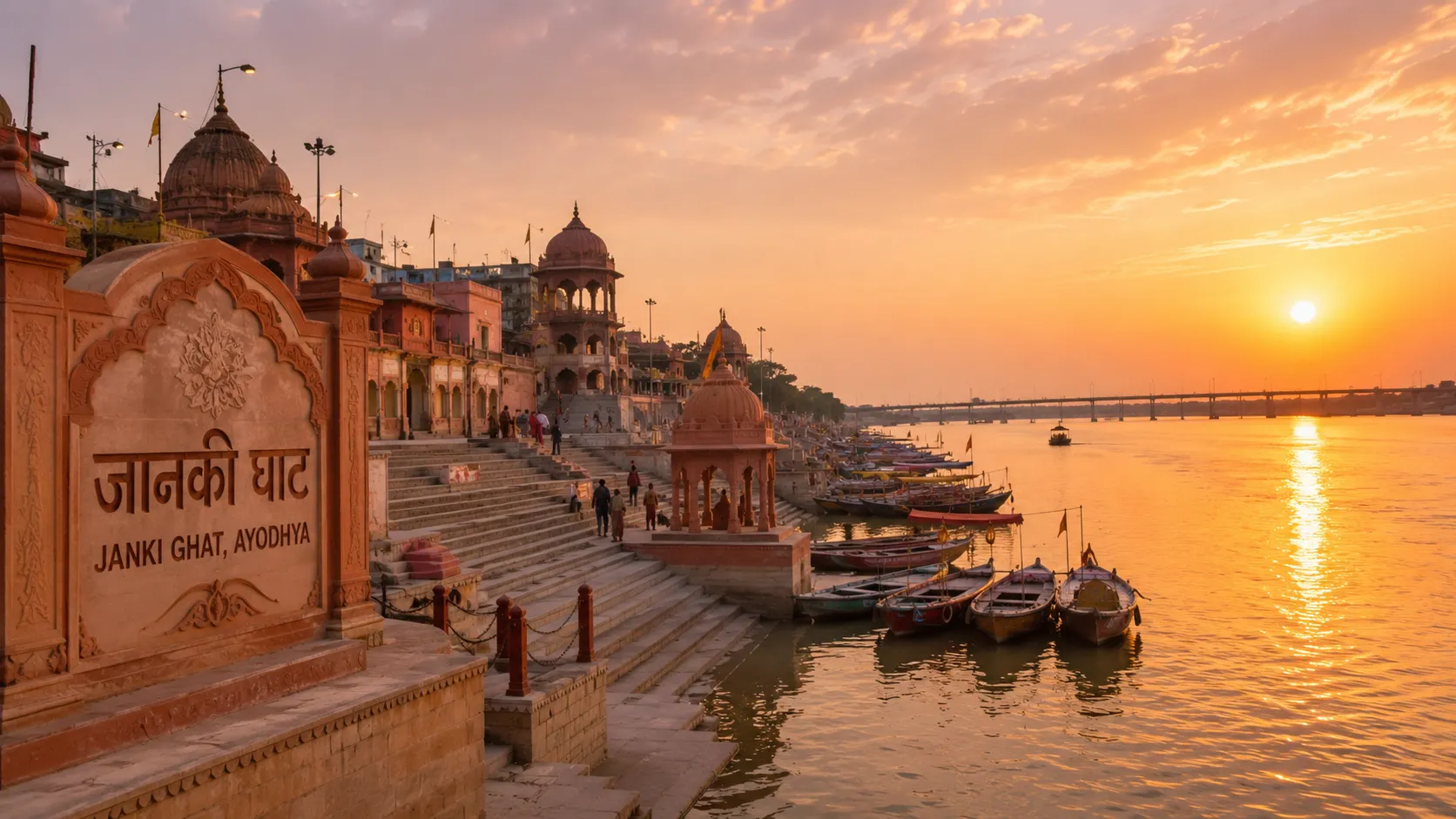
Janki Ghat
The ghat of Mata Janki (Sita).
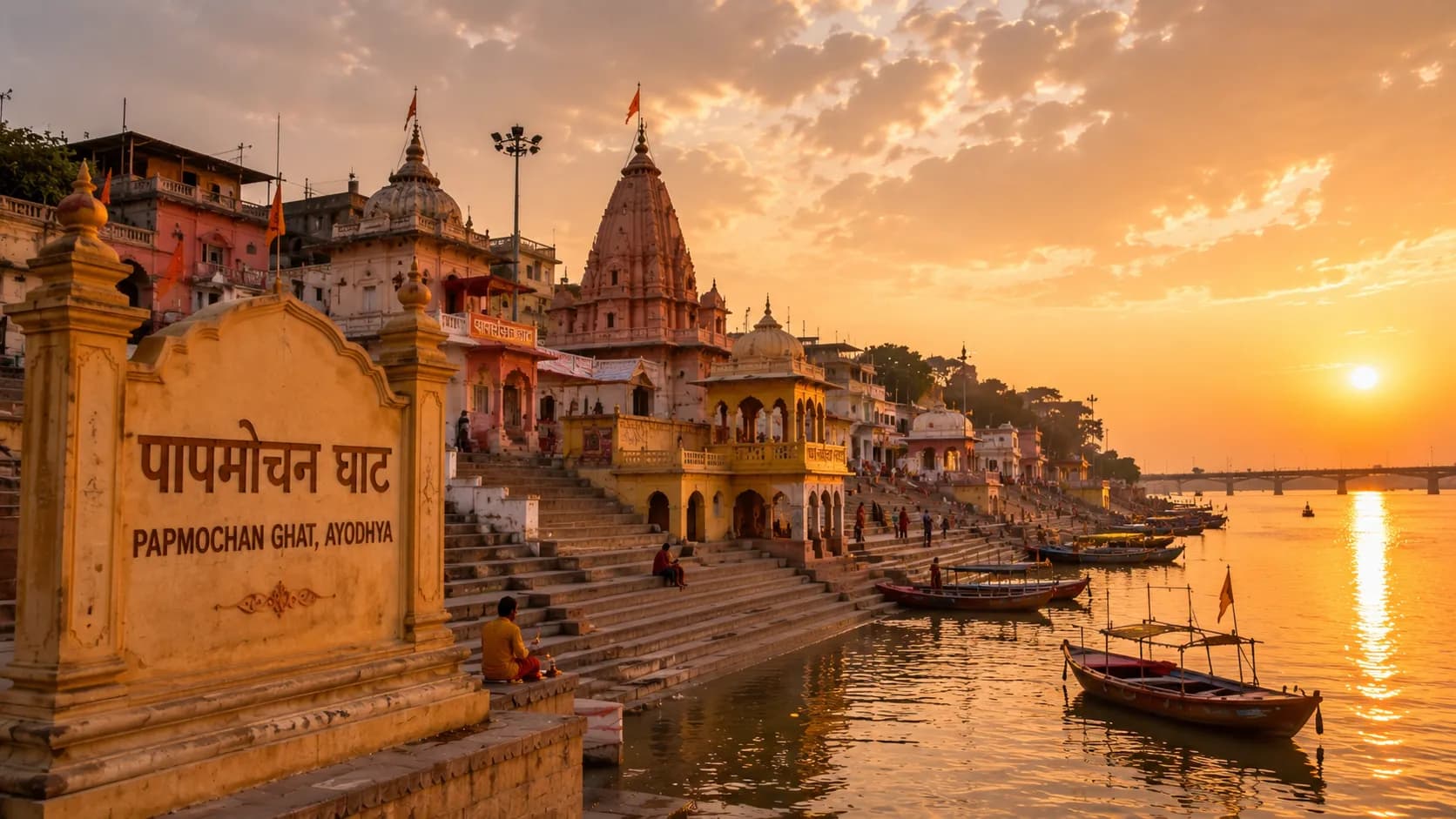
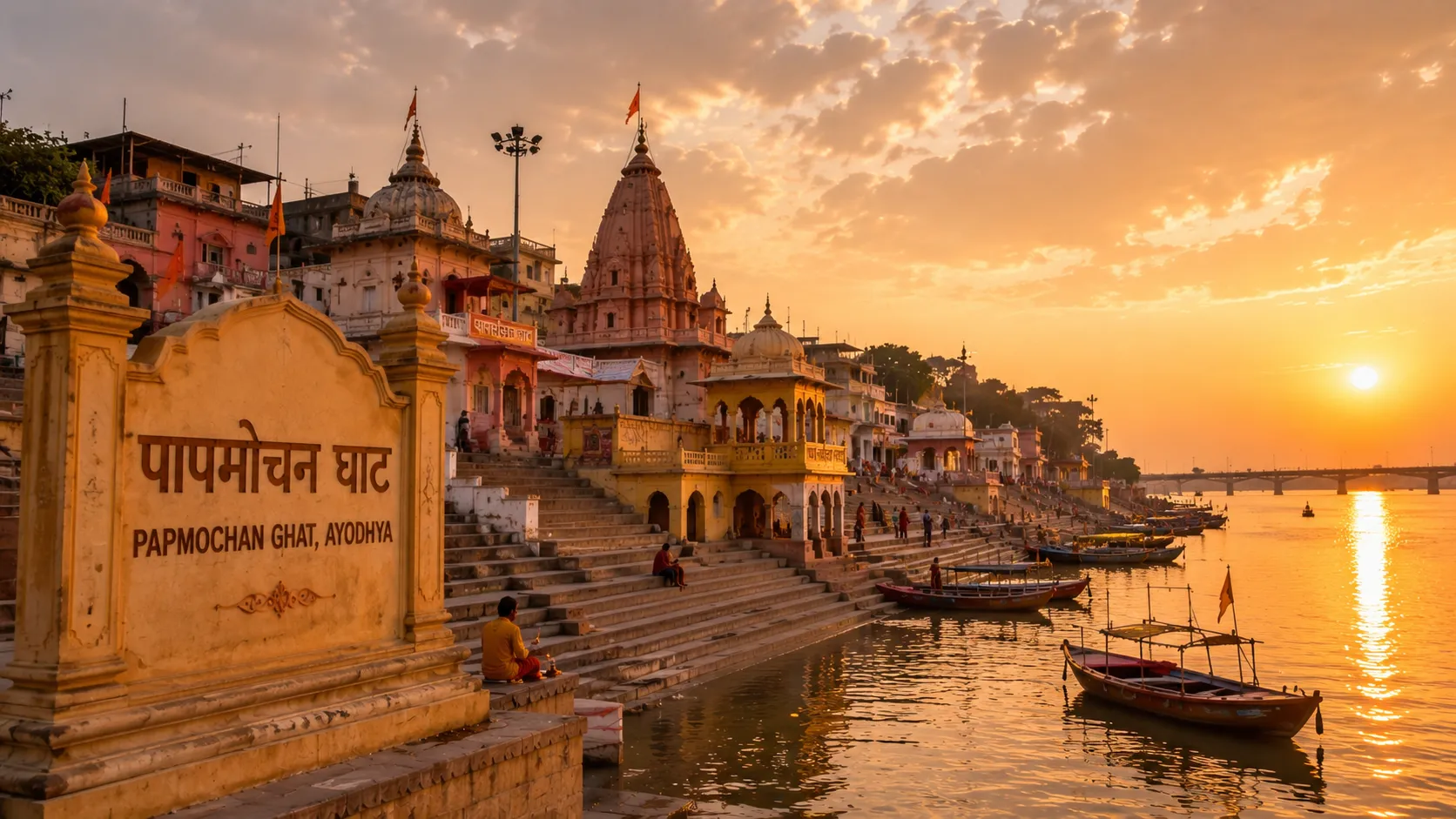
Papmochan Ghat
The ghat of liberation from sins.
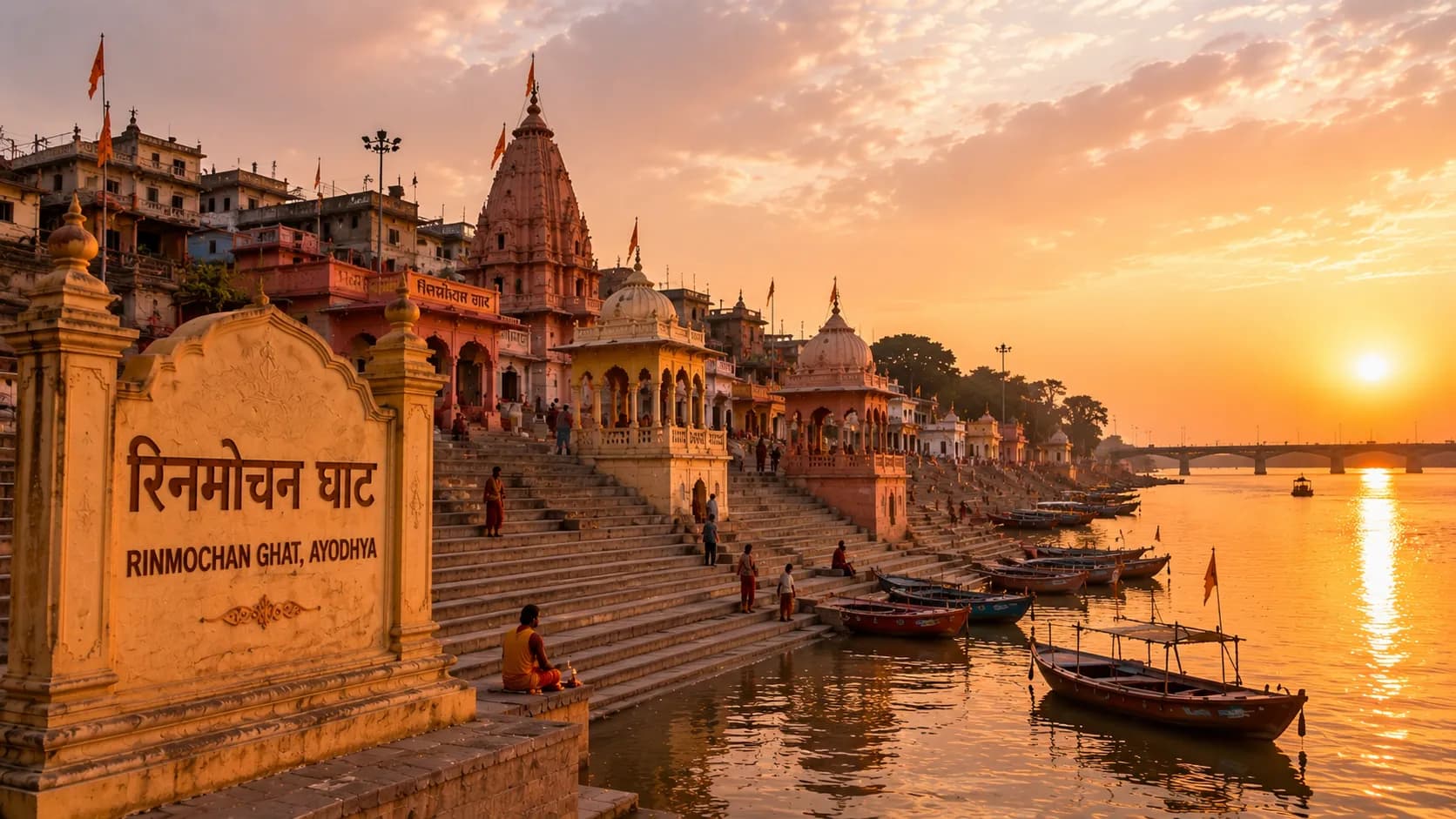
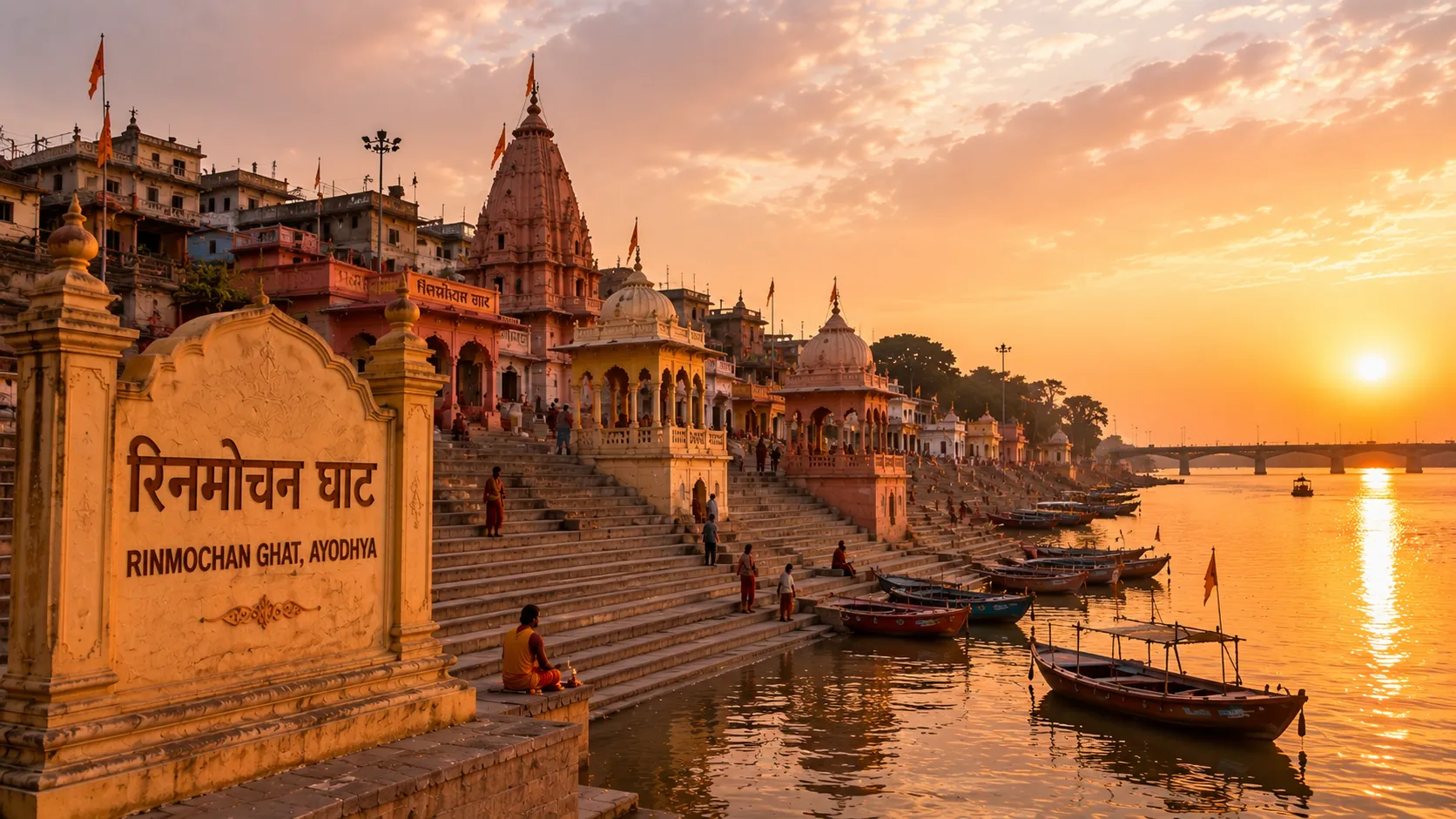
Rinmochan Ghat
The ghat of release from debts.
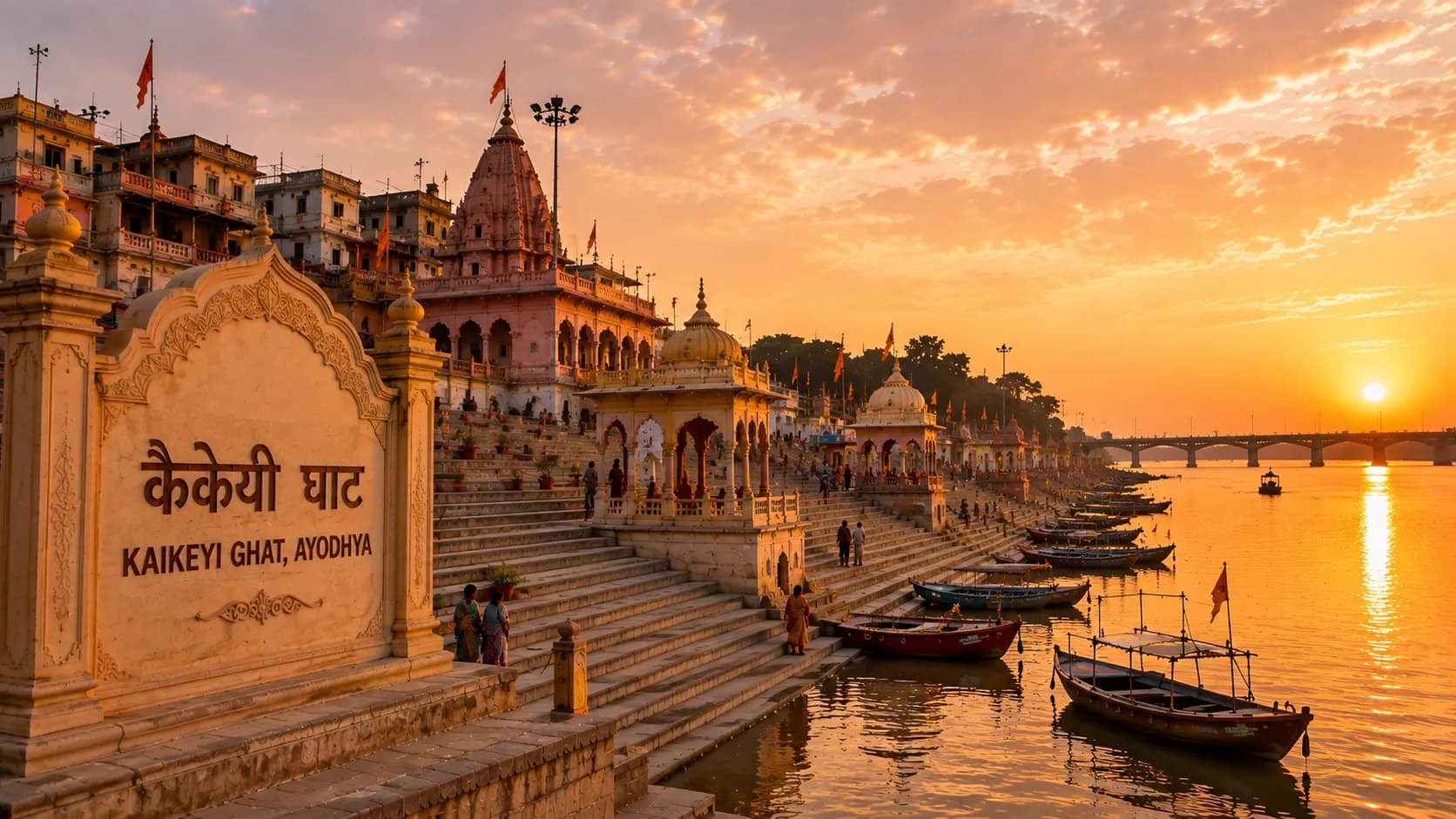
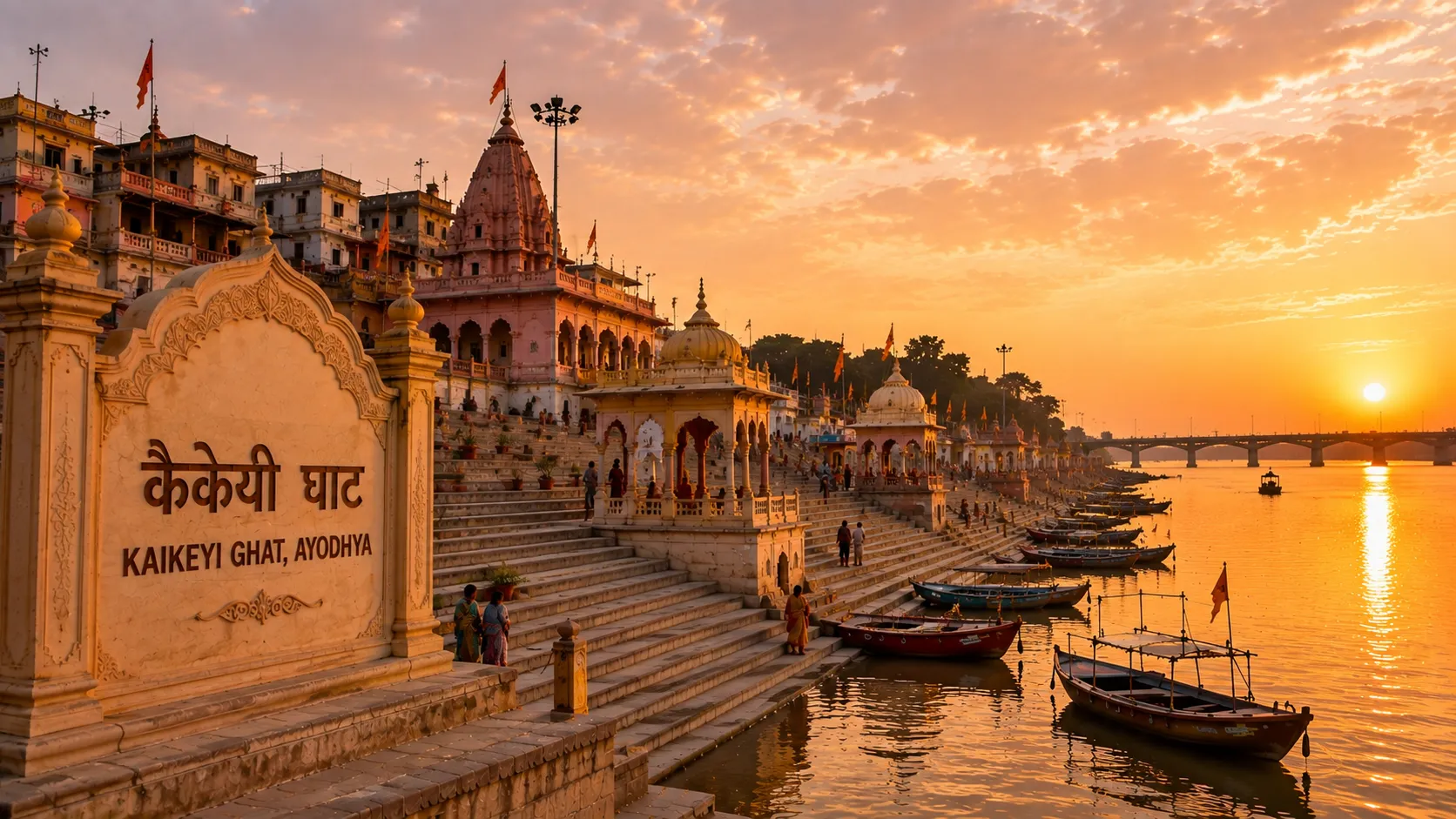
Kaikeyi Ghat
The ghat of Queen Kaikeyi of Ayodhya.
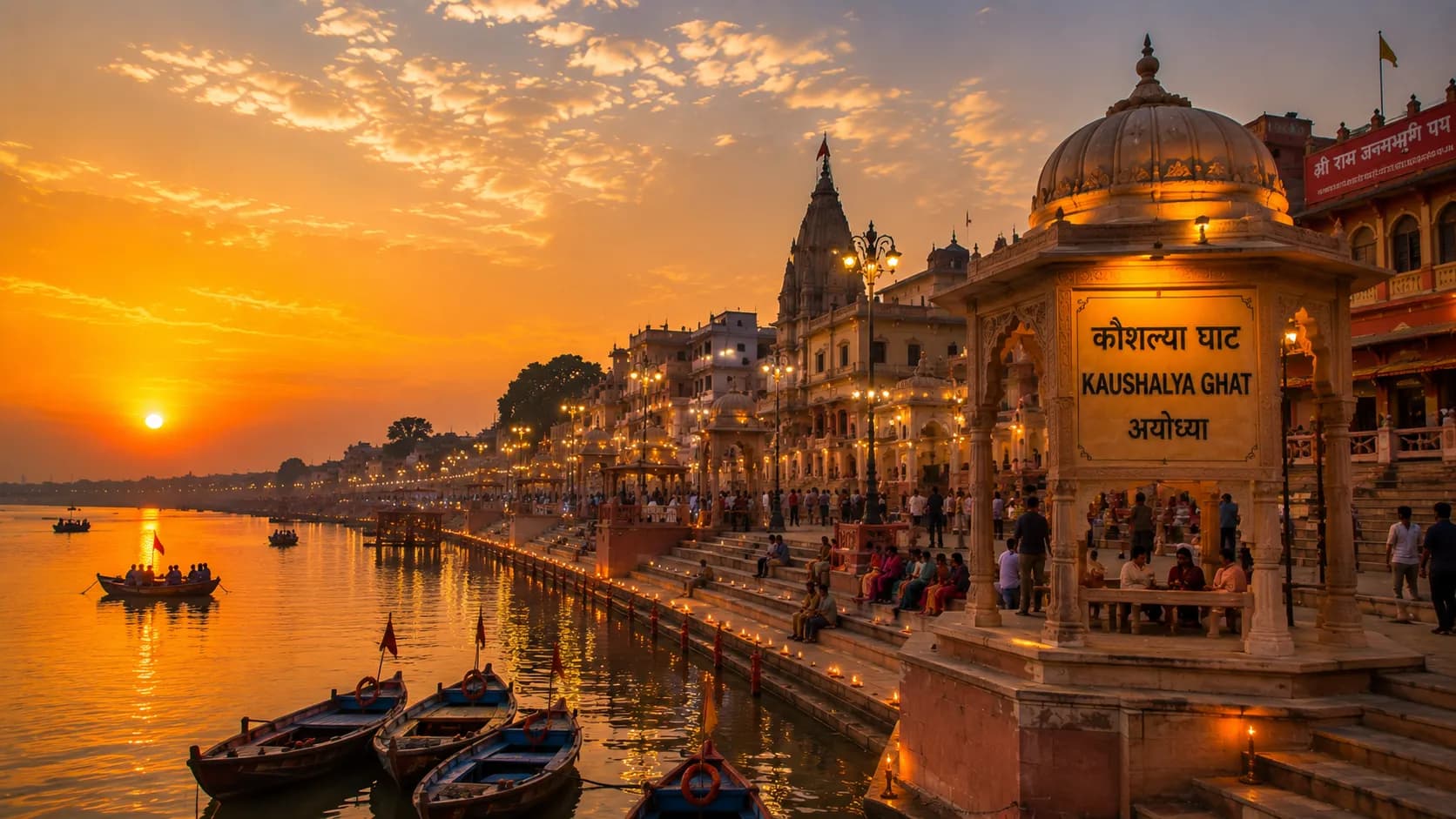
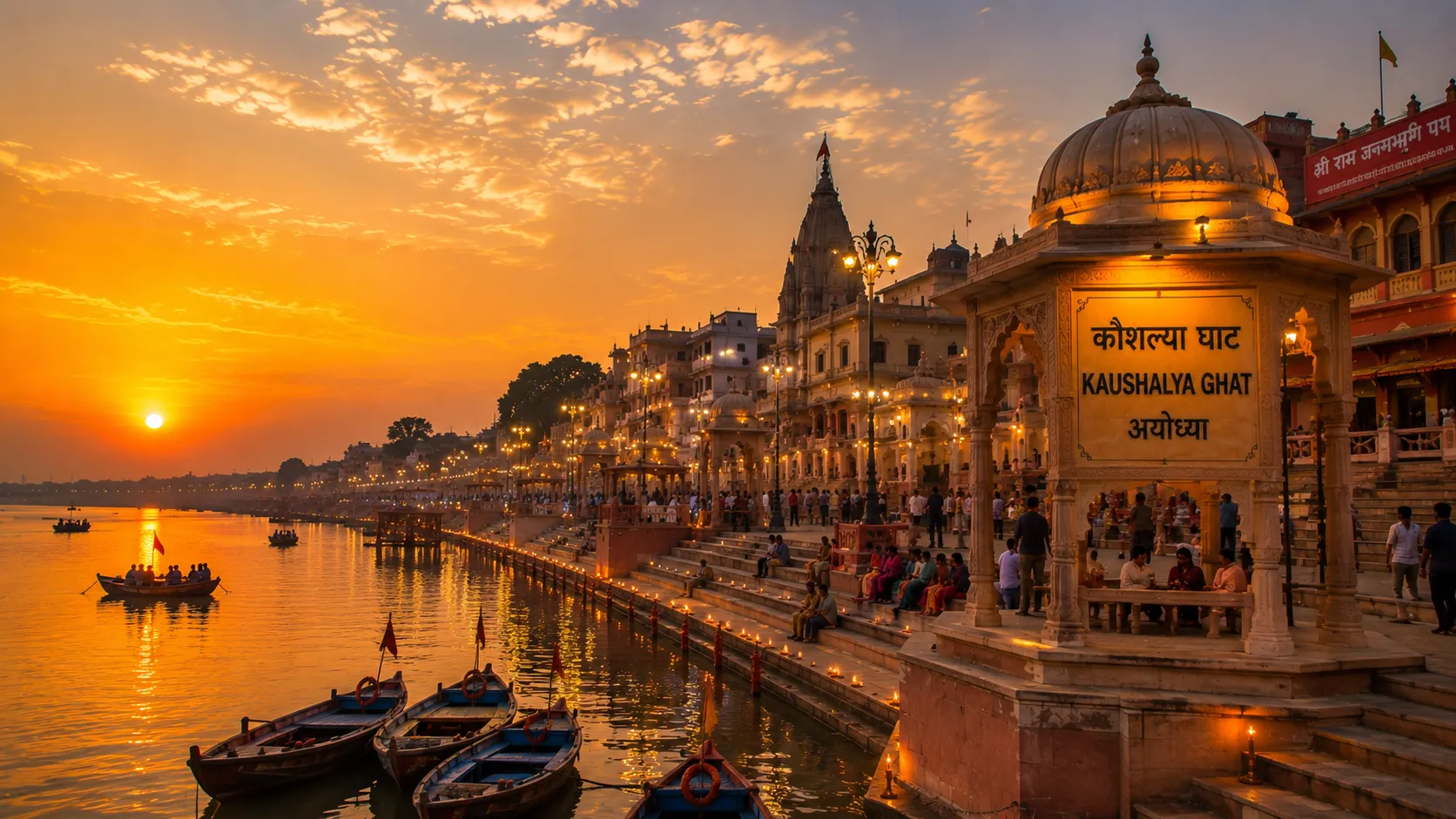
Kaushalya Ghat
The ghat of Queen Kaushalya, the mother of Ram.
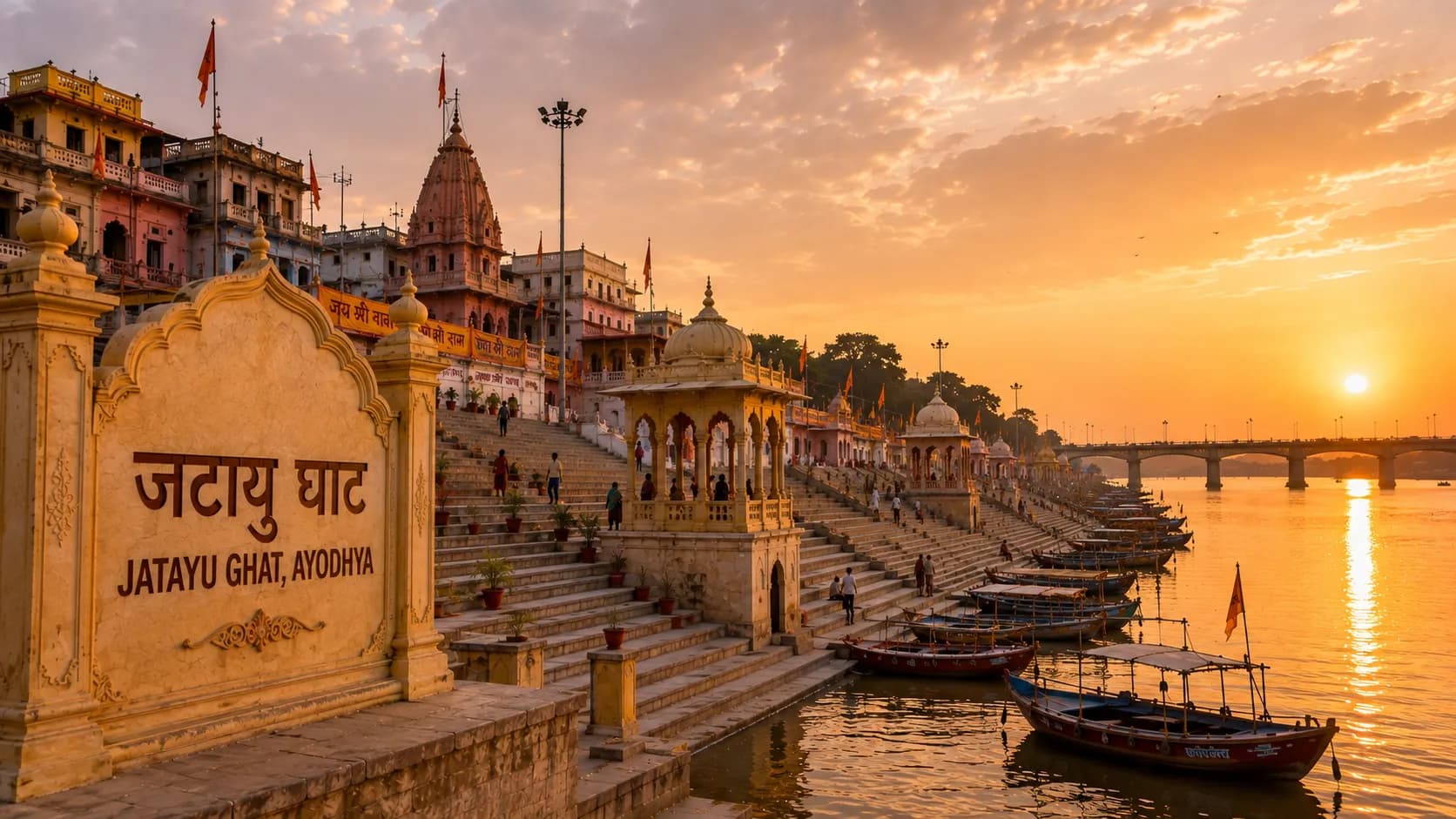
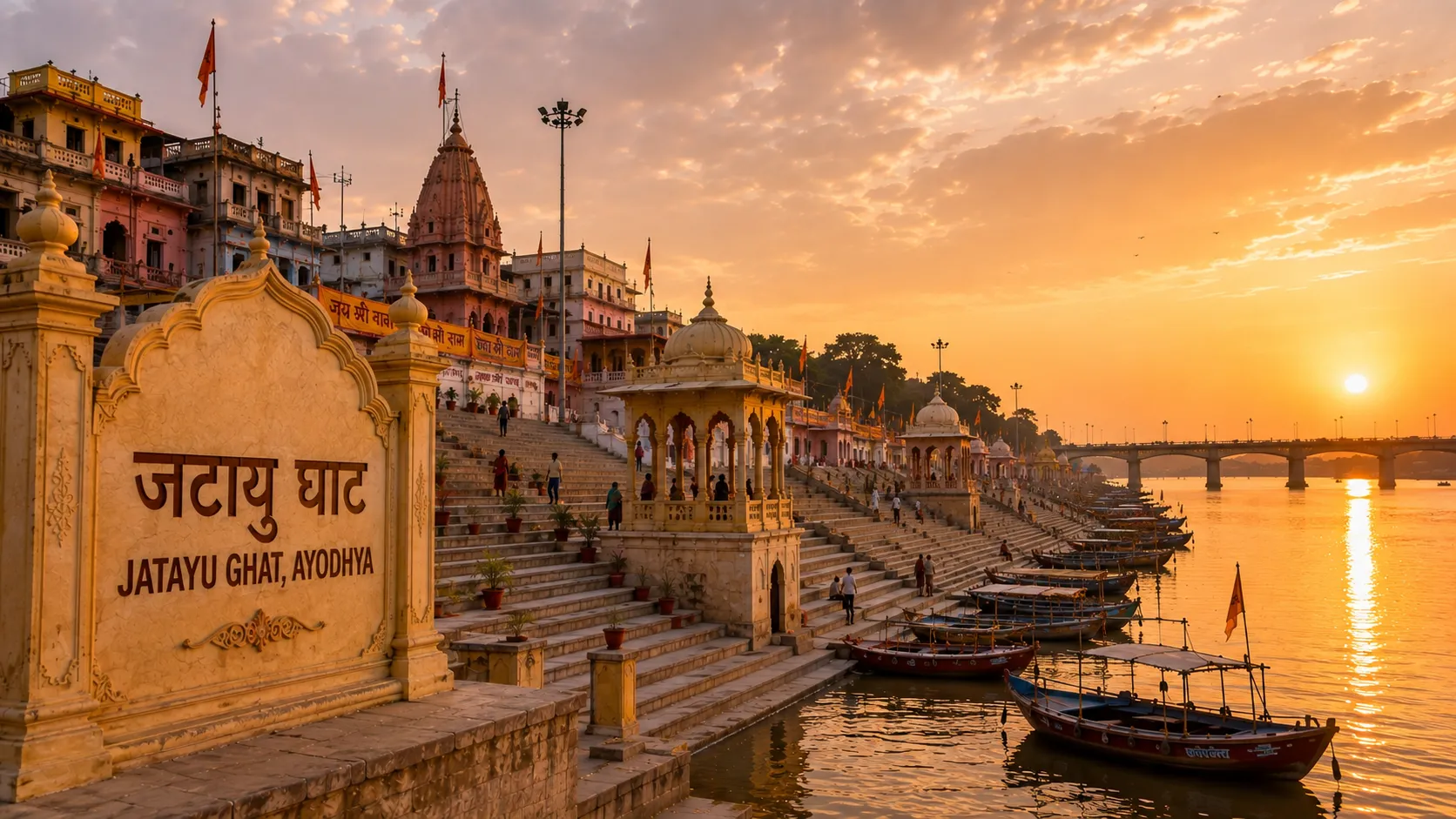
Jatayu Ghat
The riverfront ghat of Jatayu, who died for Sita.
The sacred kunds of Ayodhya
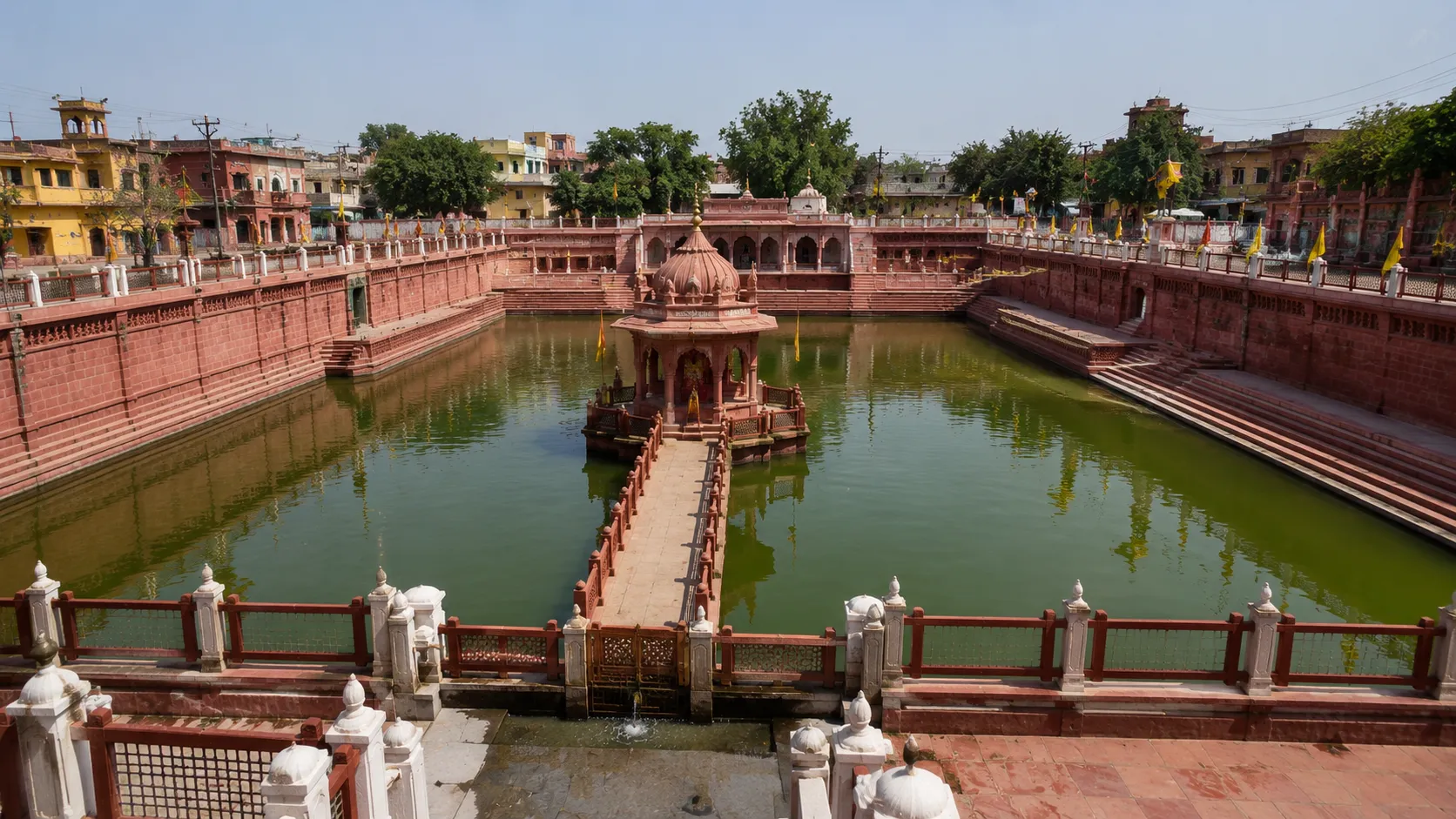
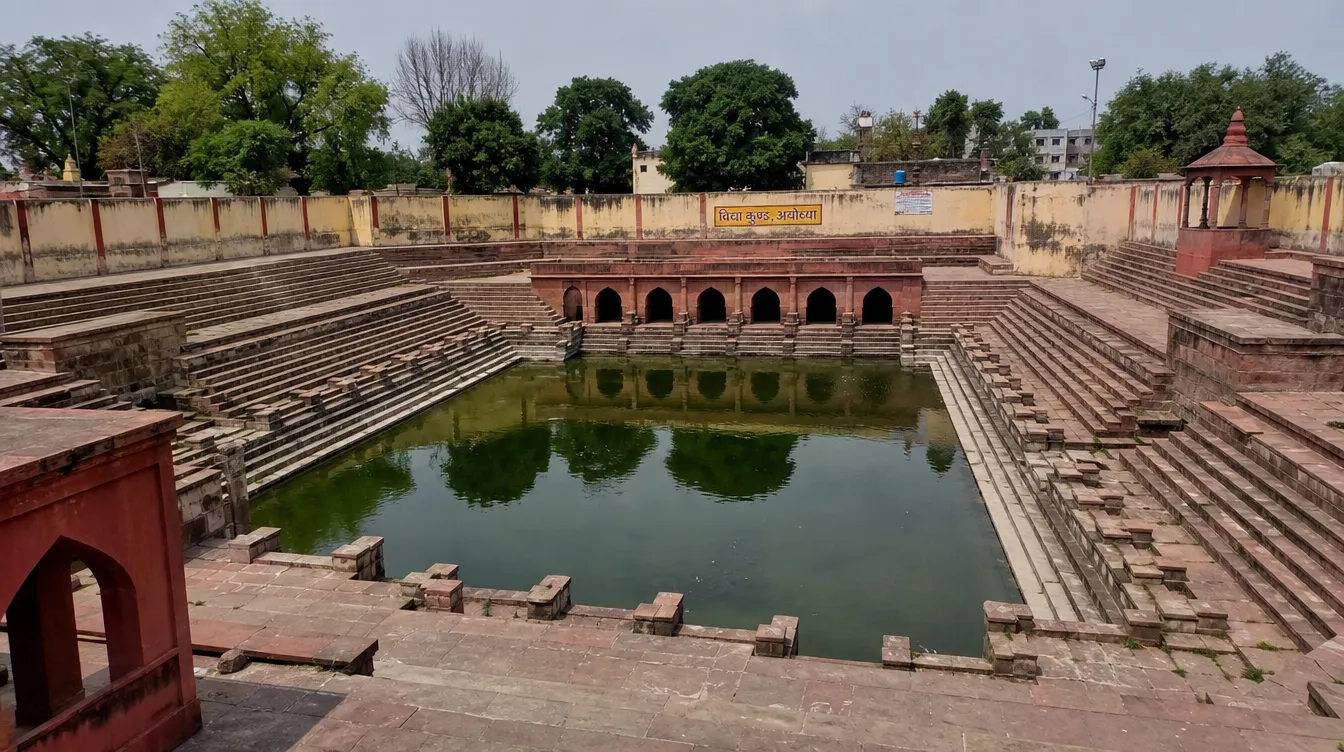
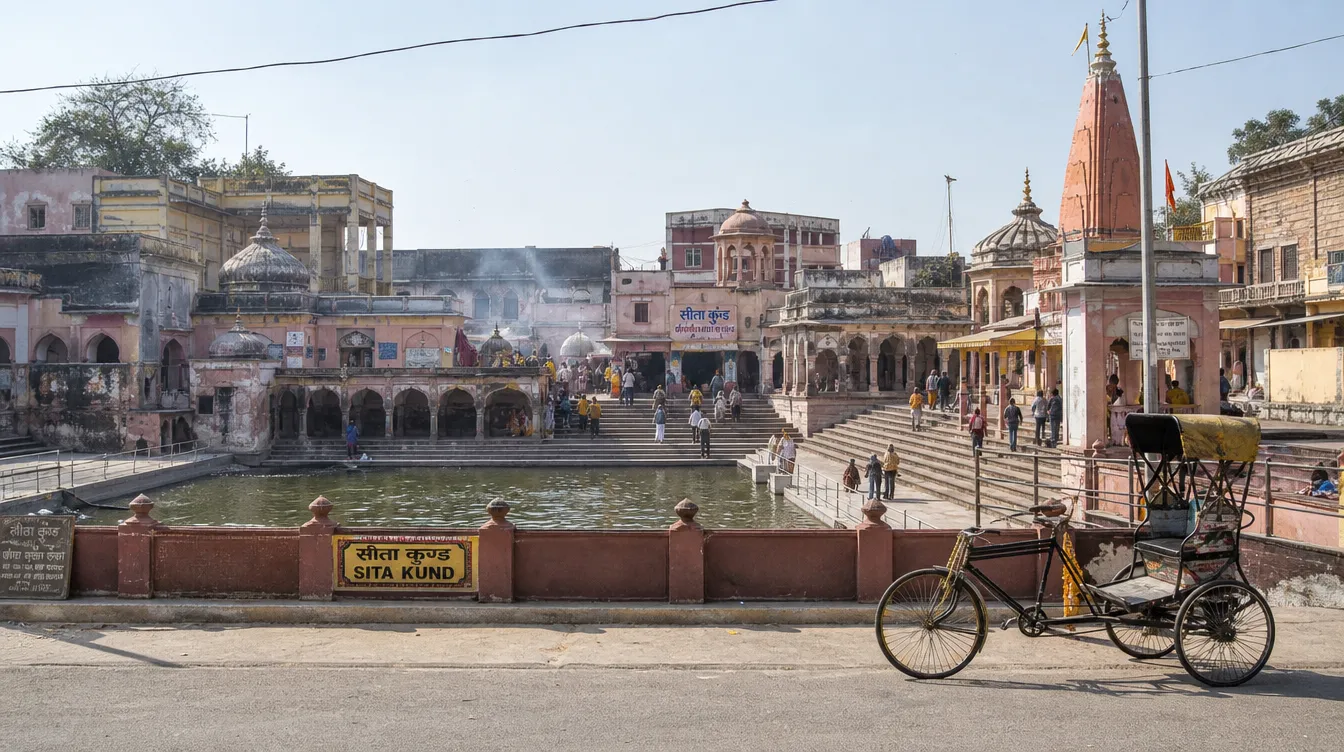
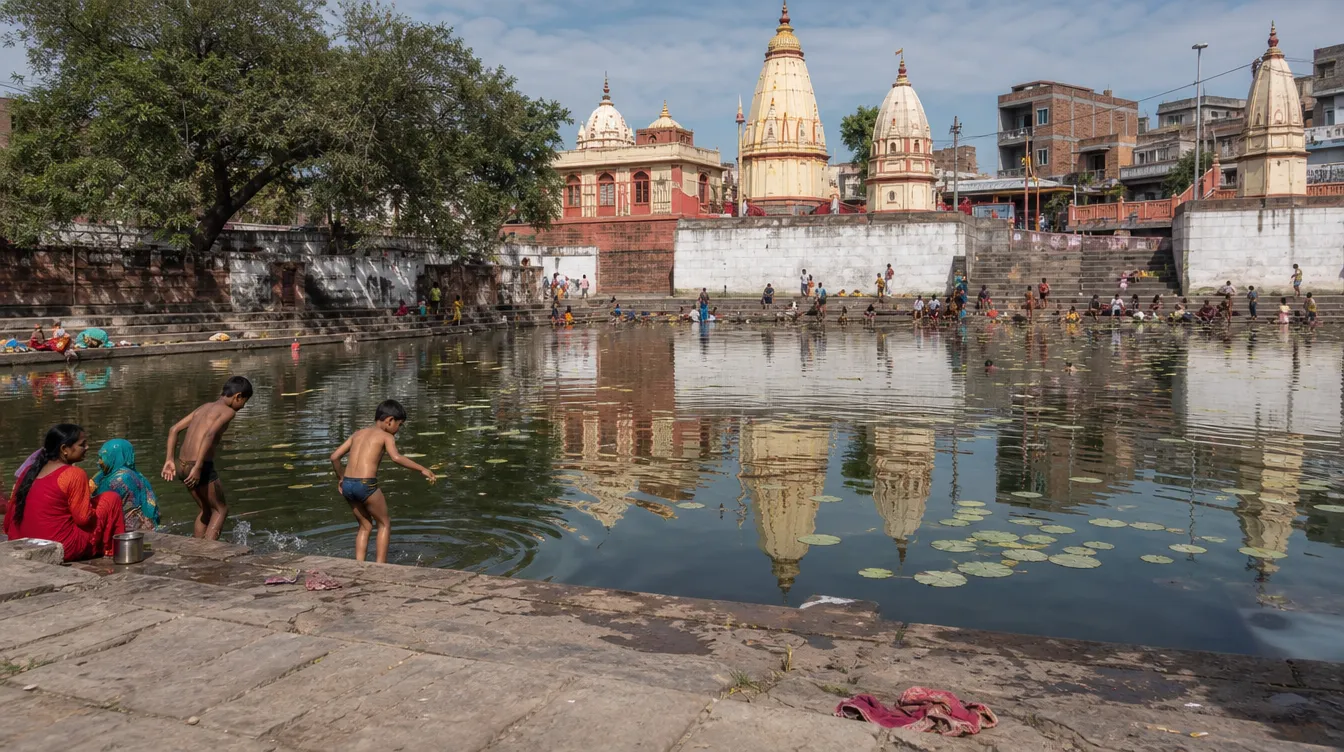
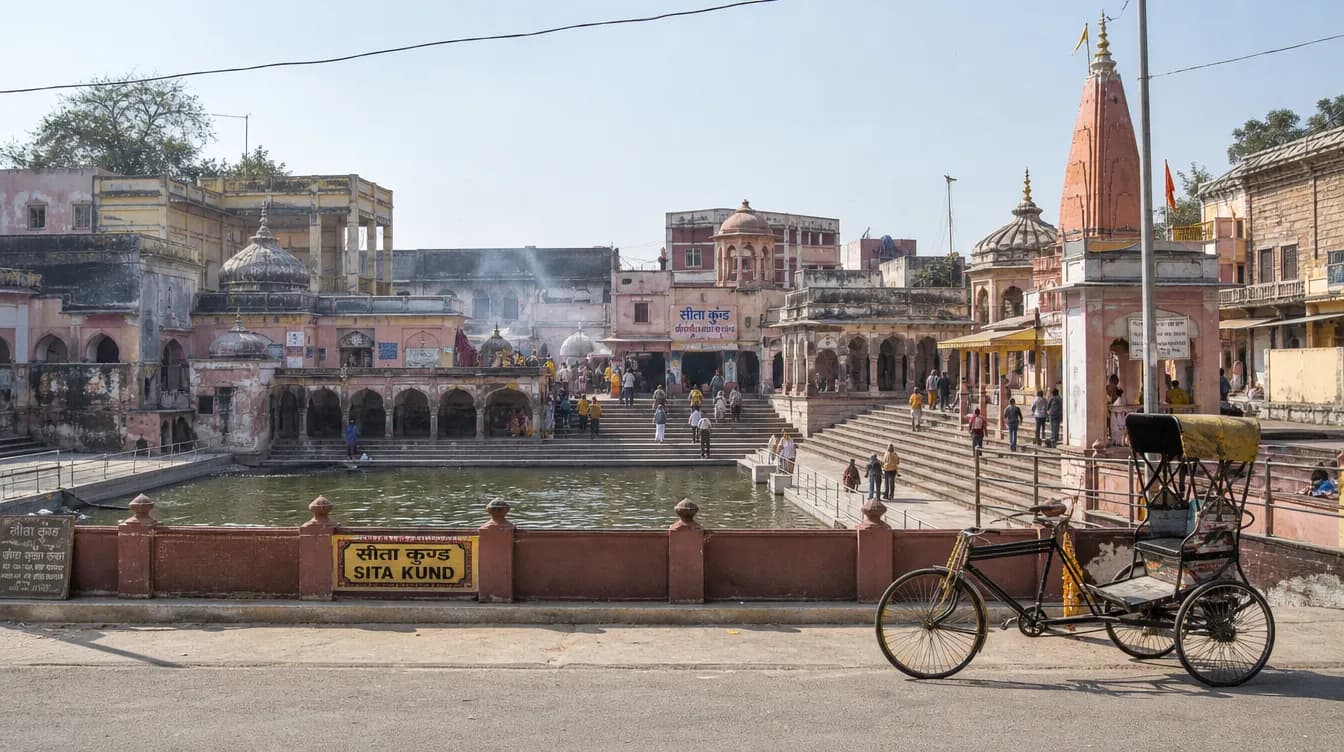
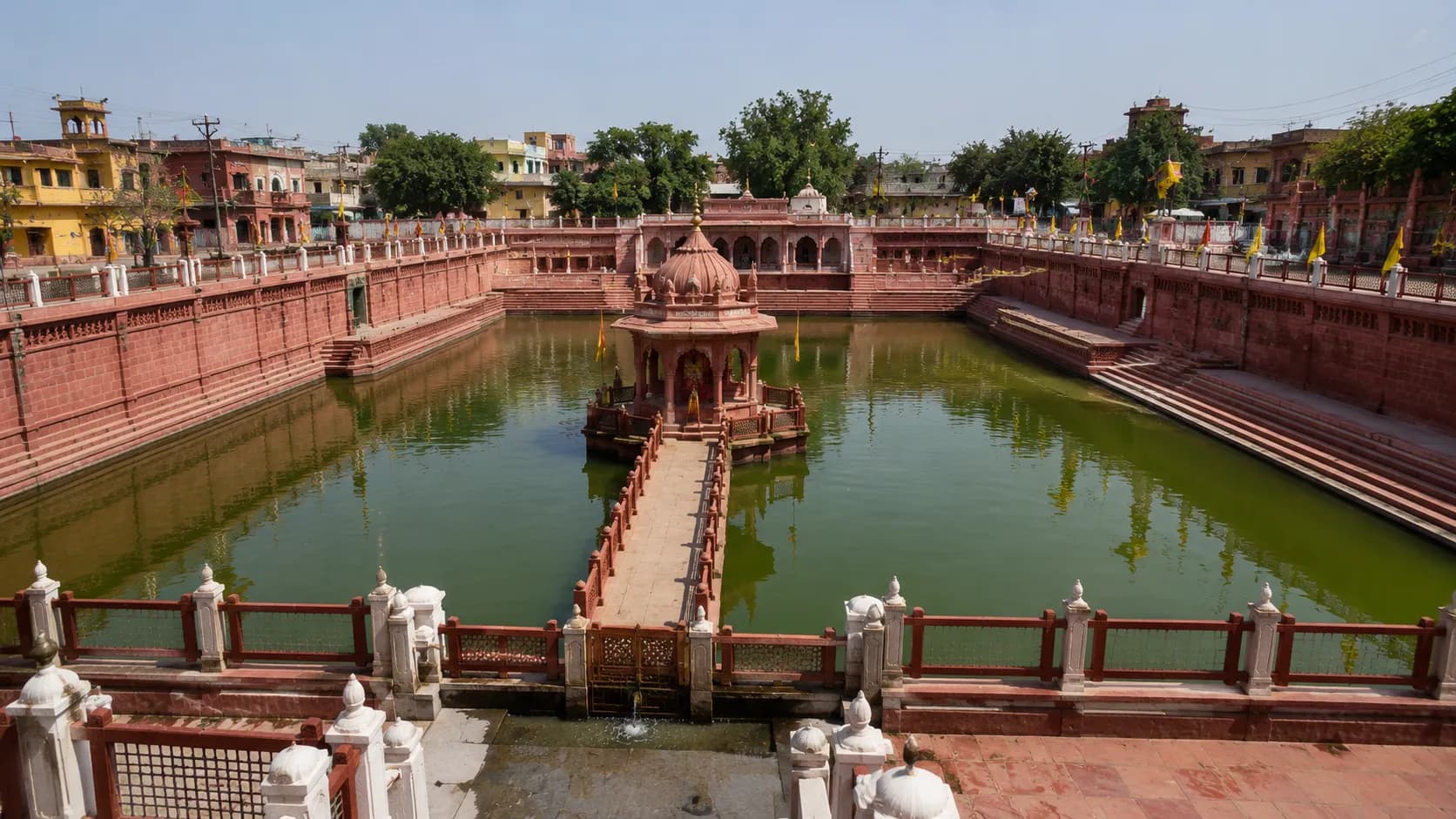
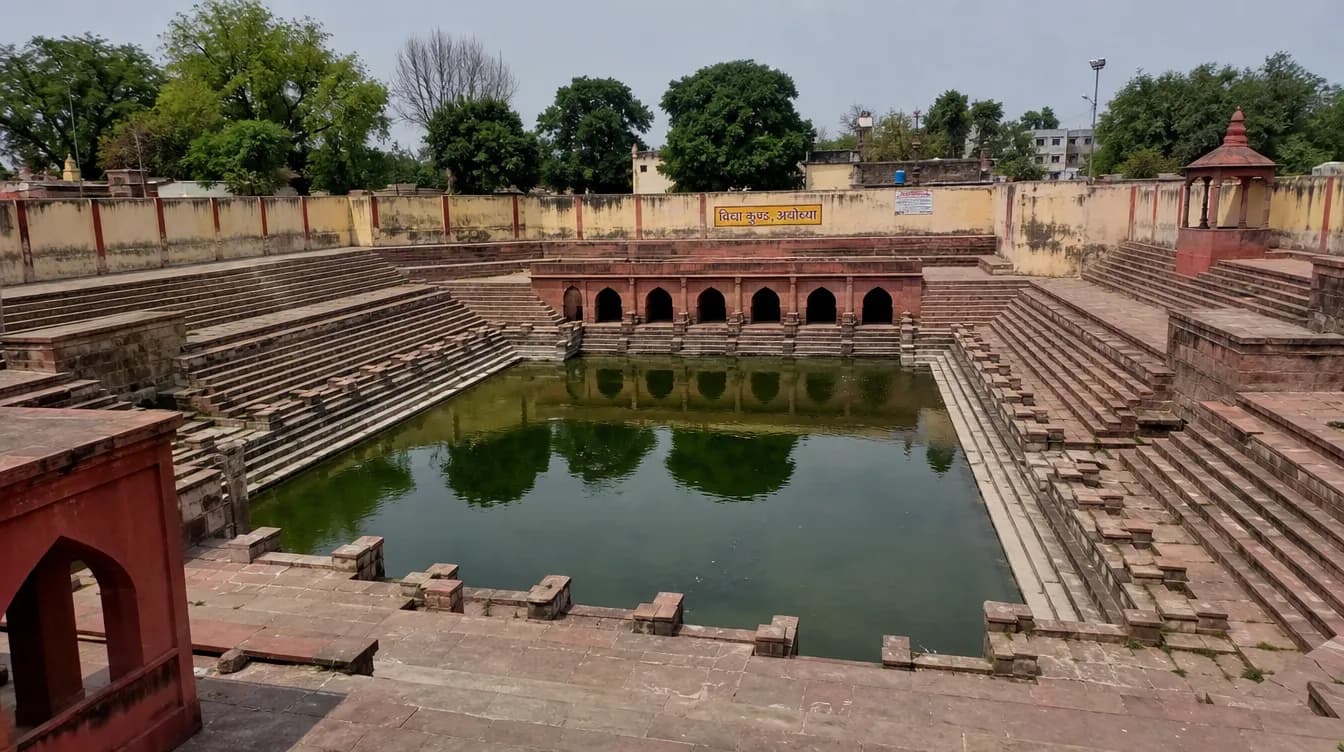
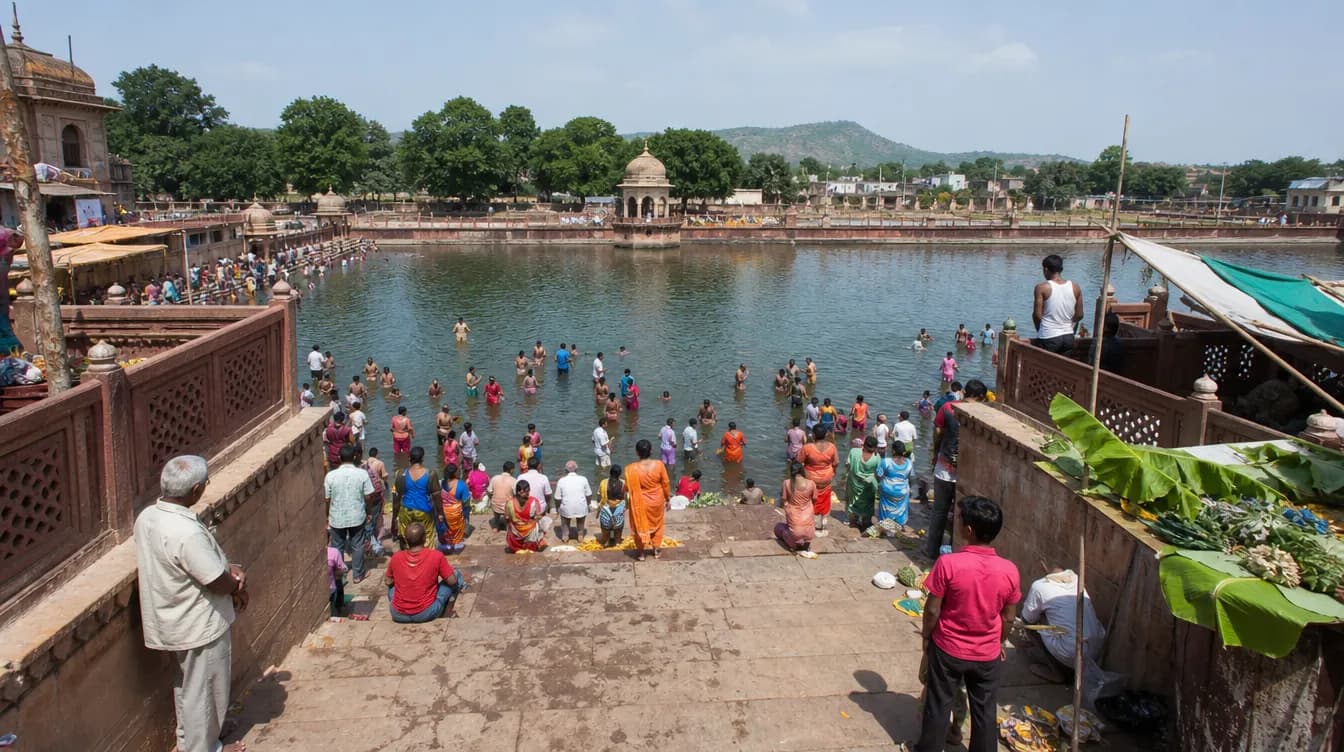
Ayodhya holds its sacred kunds, the holy tanks, each bound to the Ramayana: the Sita Kund, the Suraj Kund of the Sun, the Vidya Kund of learning, and the Vashishtha Kund of the family-priest sage Vashishtha.
The Devi temples of Ayodhya
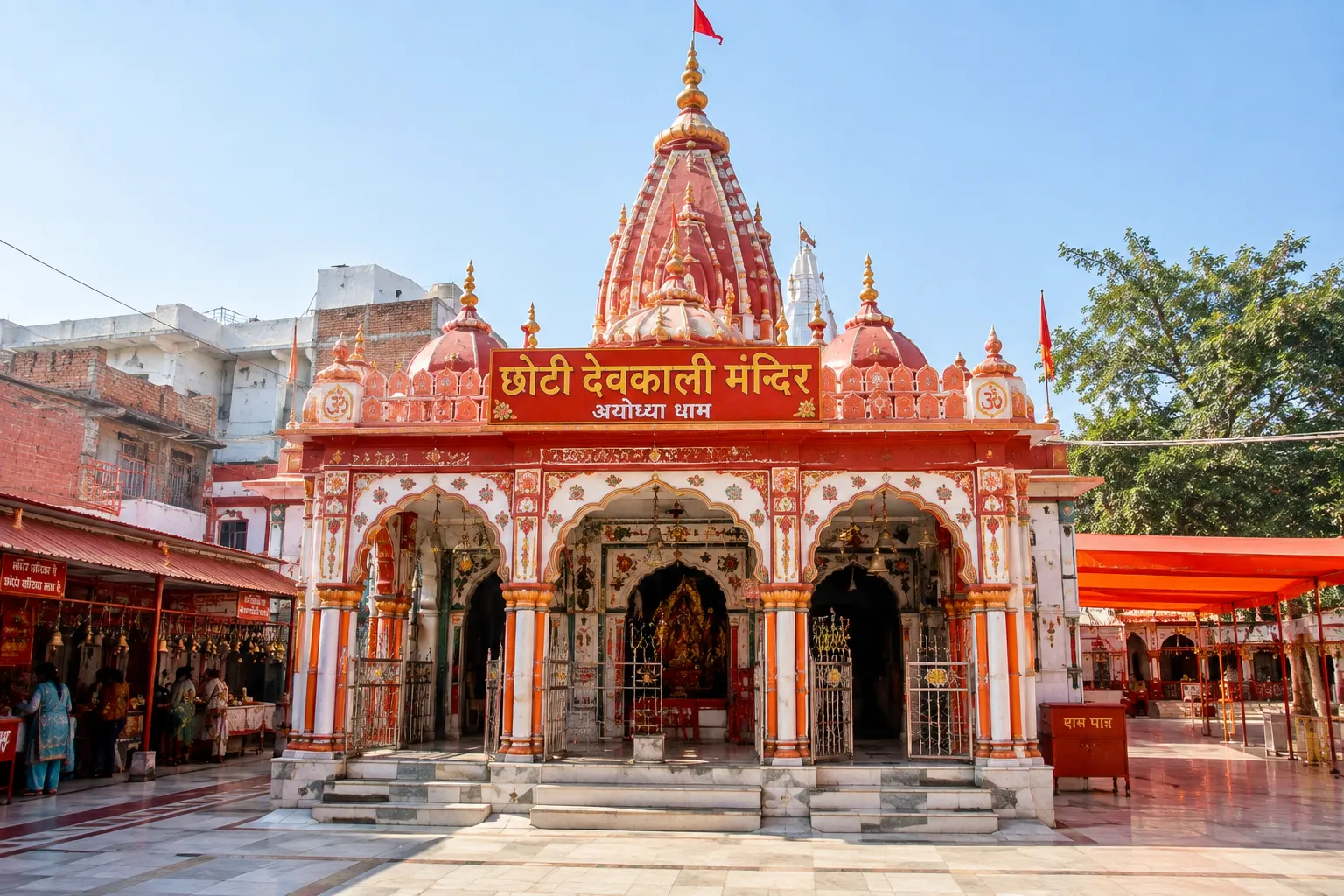
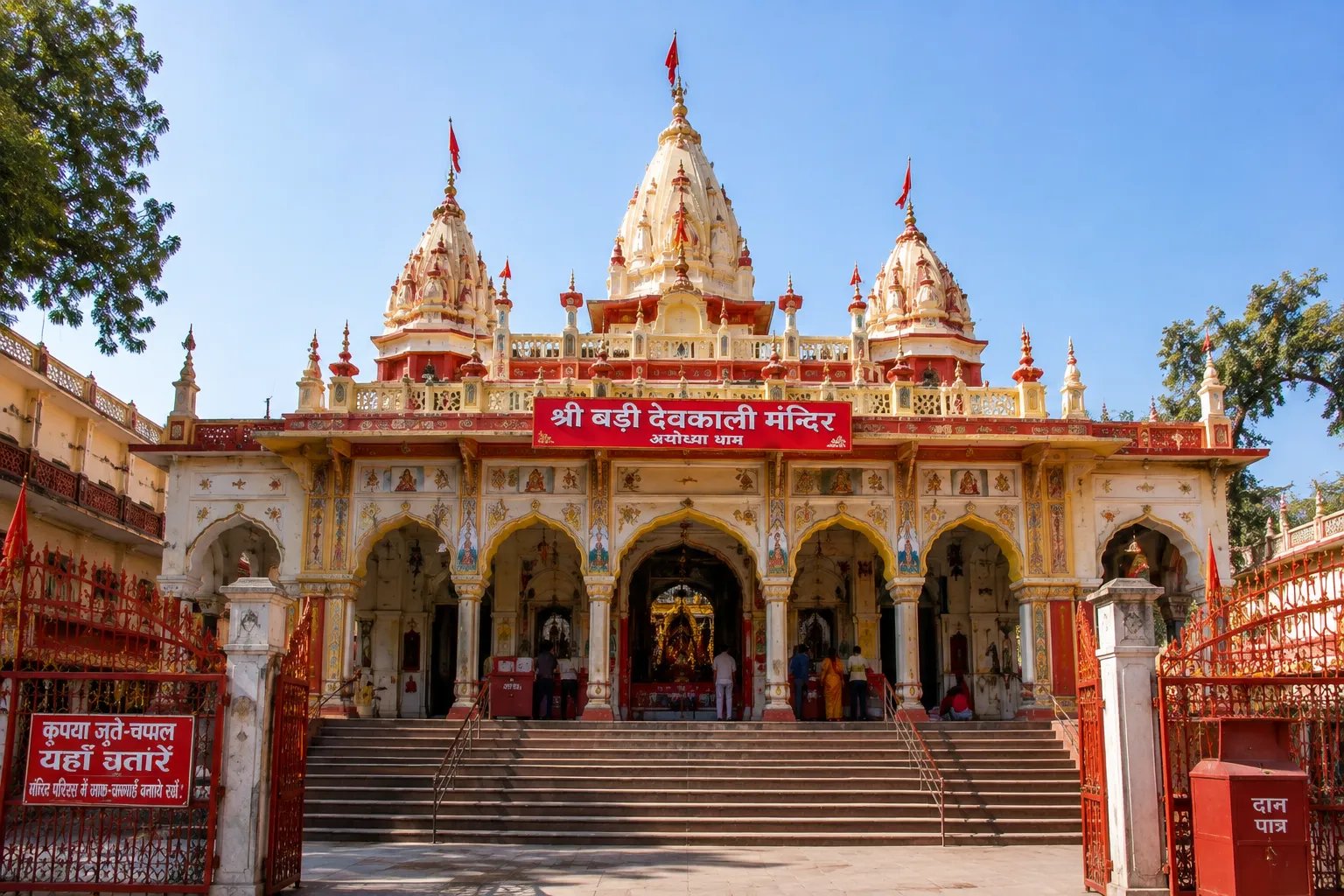
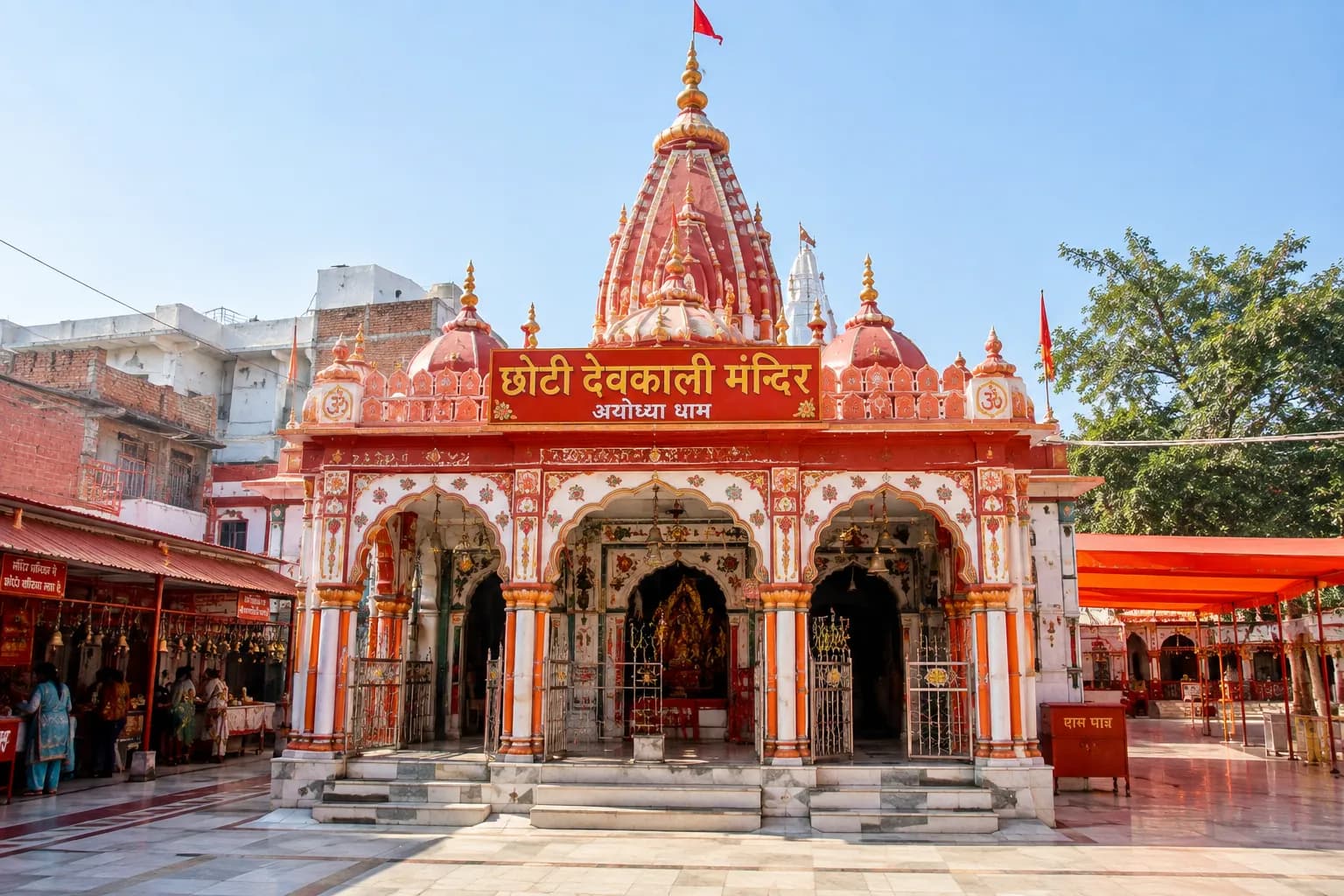
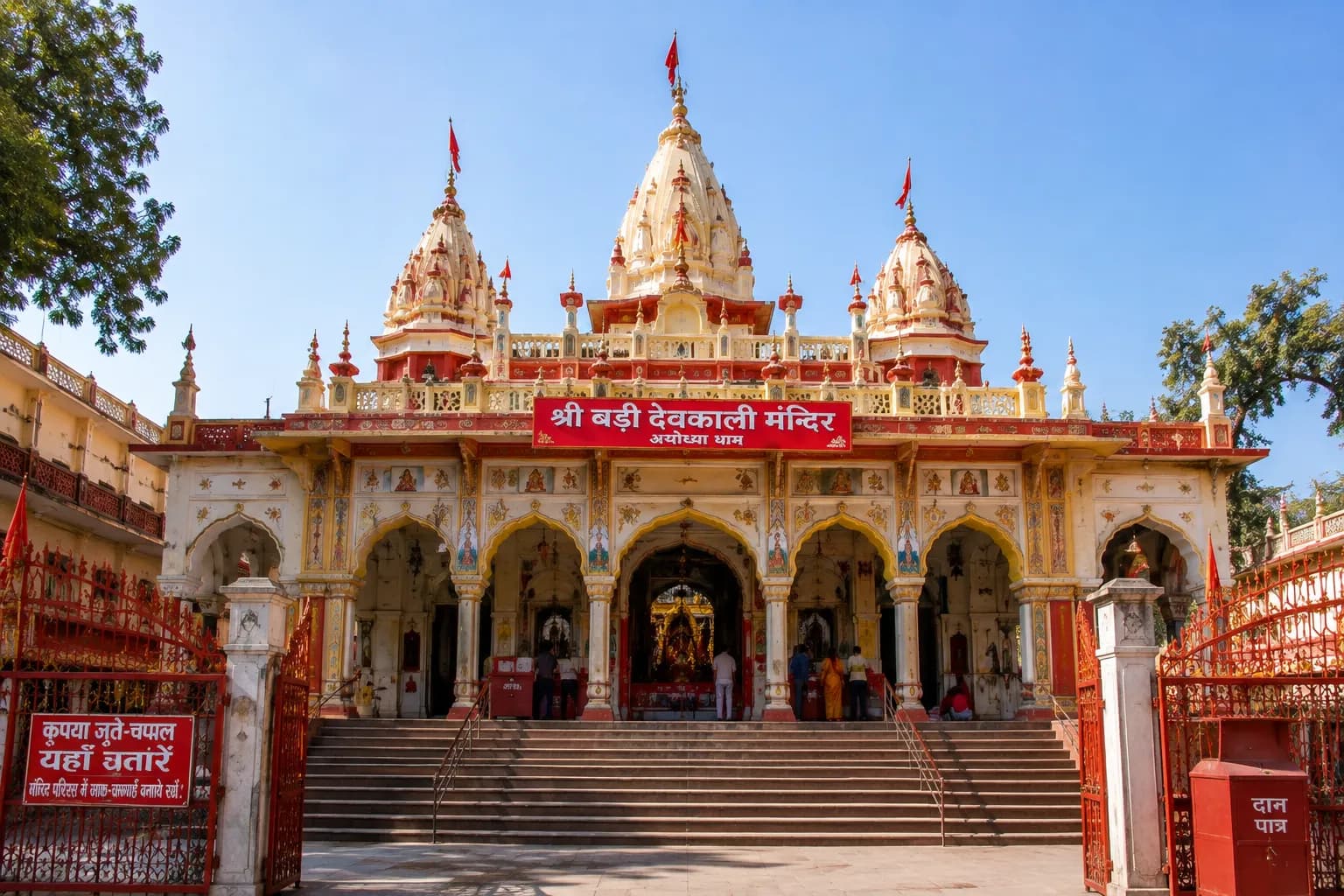
Ayodhya honours the Mother too, above all in the two Devkali temples, the family goddesses (kuldevi) of Mata Sita, worshipped since the days of the Ramayana.
Tulsidas, Valmiki and the Ram Katha
Ayodhya is the home of the telling of the Ram-story. Here the poet-saint Tulsidas lived and wrote, honoured at the Tulsi Chaura and the Tulsi Smarak Bhawan; here the sage Valmiki, the first poet, the author of the Ramayana, is remembered; and here the story of Ram is told and shown at the Ram Katha Museum and the Ram Katha Park.
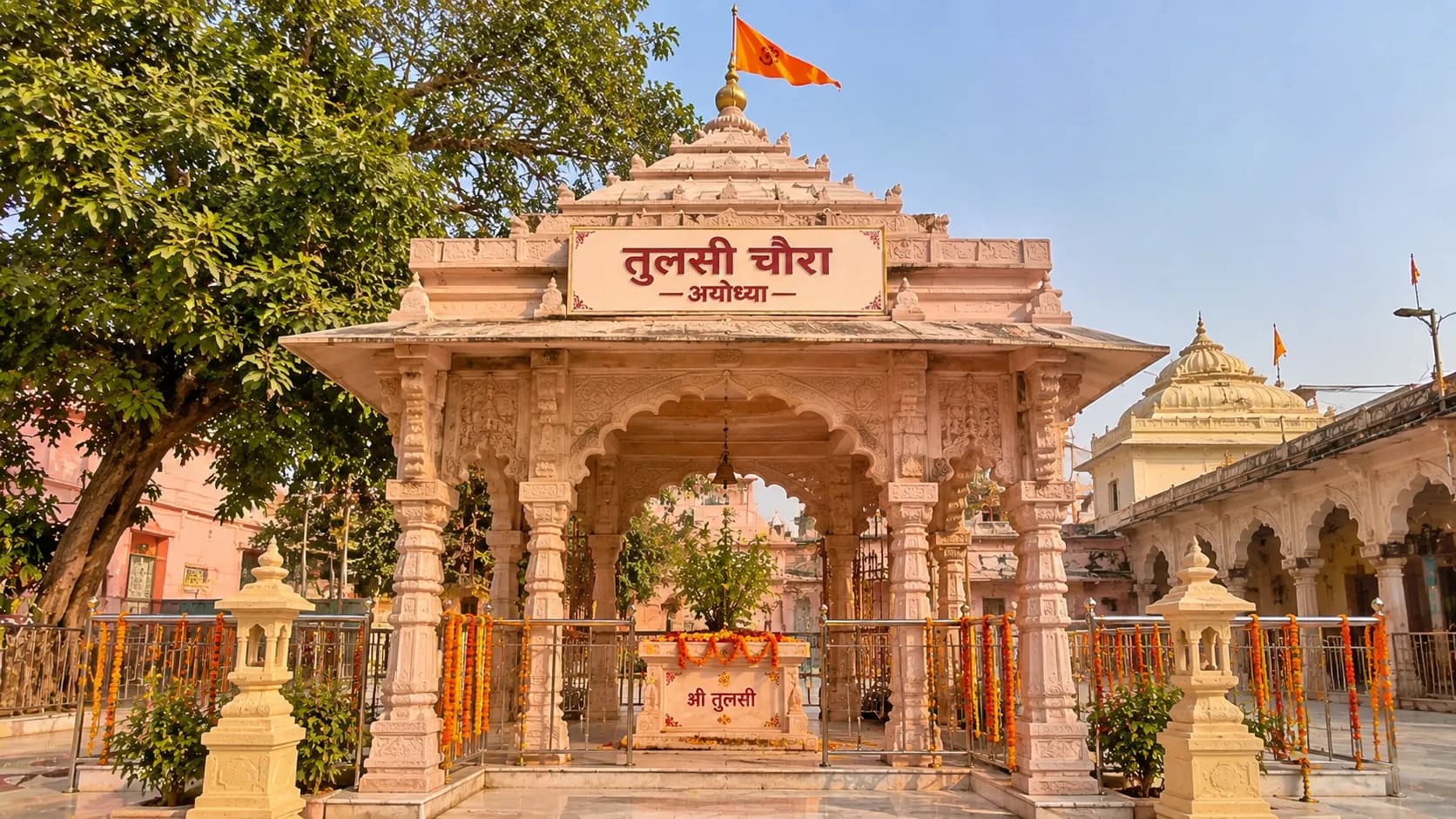
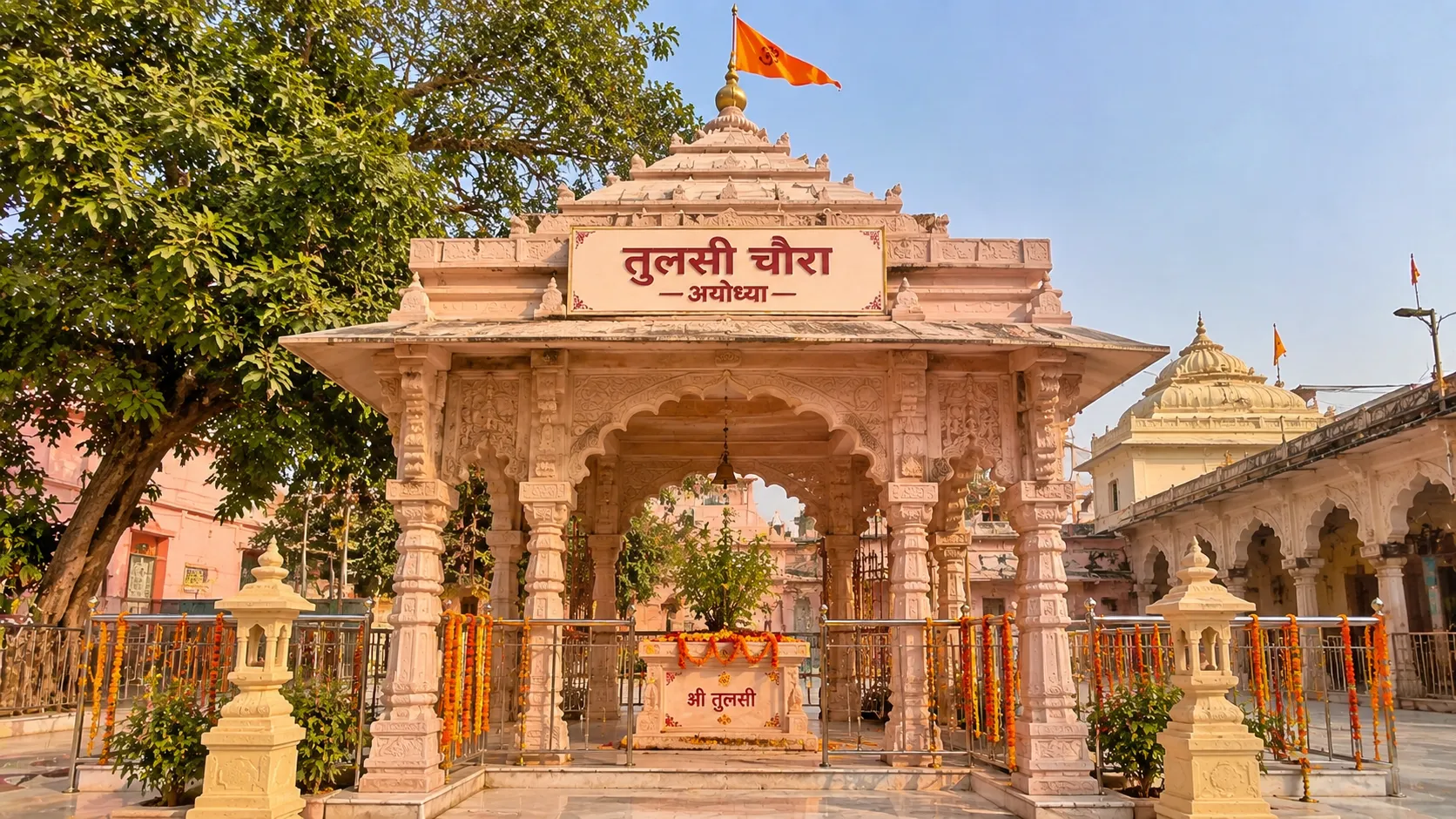
Tulsi Chaura
Where the poet-saint Tulsidas lived and composed in Ayodhya.
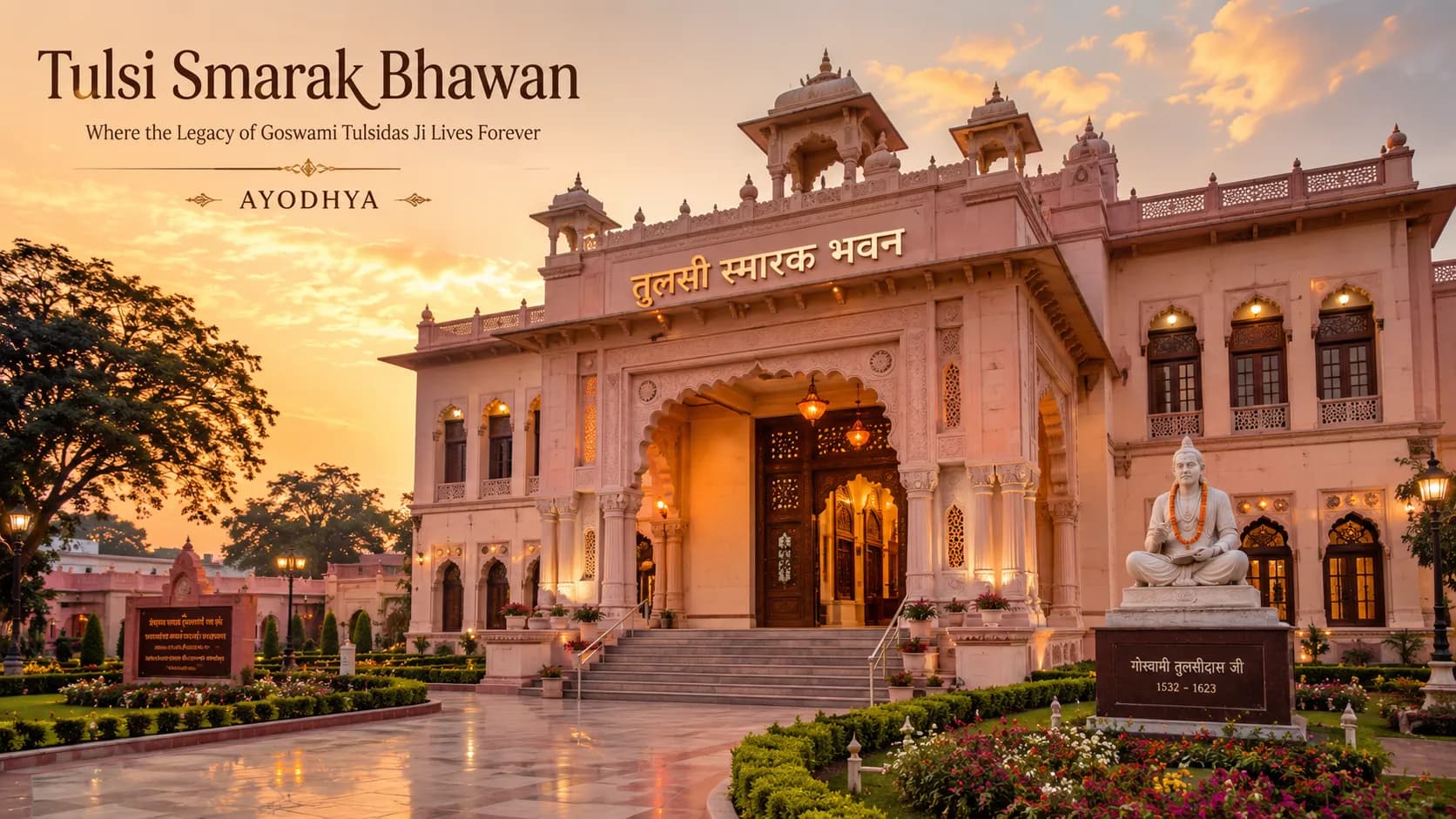
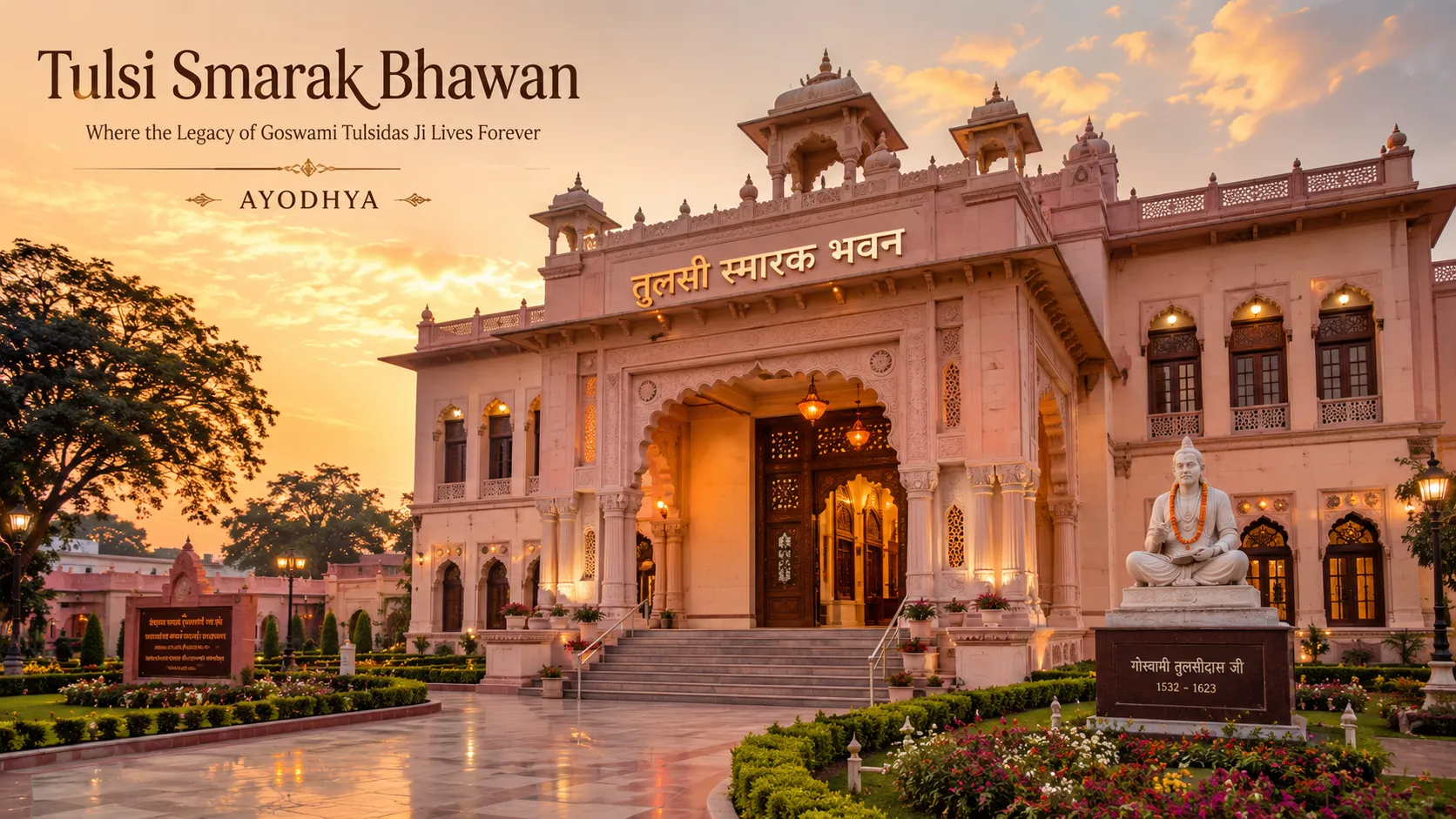
Tulsi Smarak Bhawan
The memorial to Tulsidas, with recitations of the Ramcharitmanas.
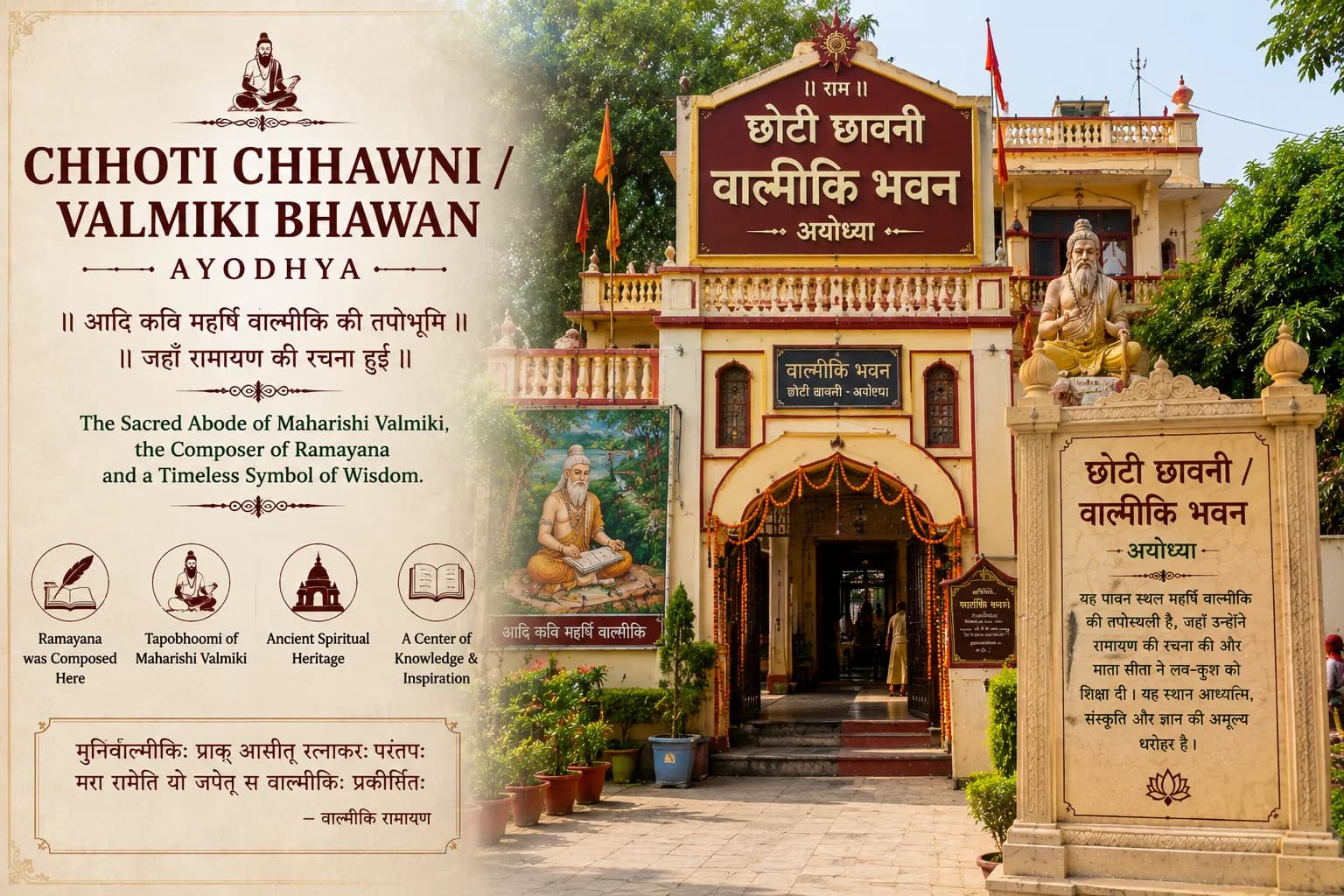
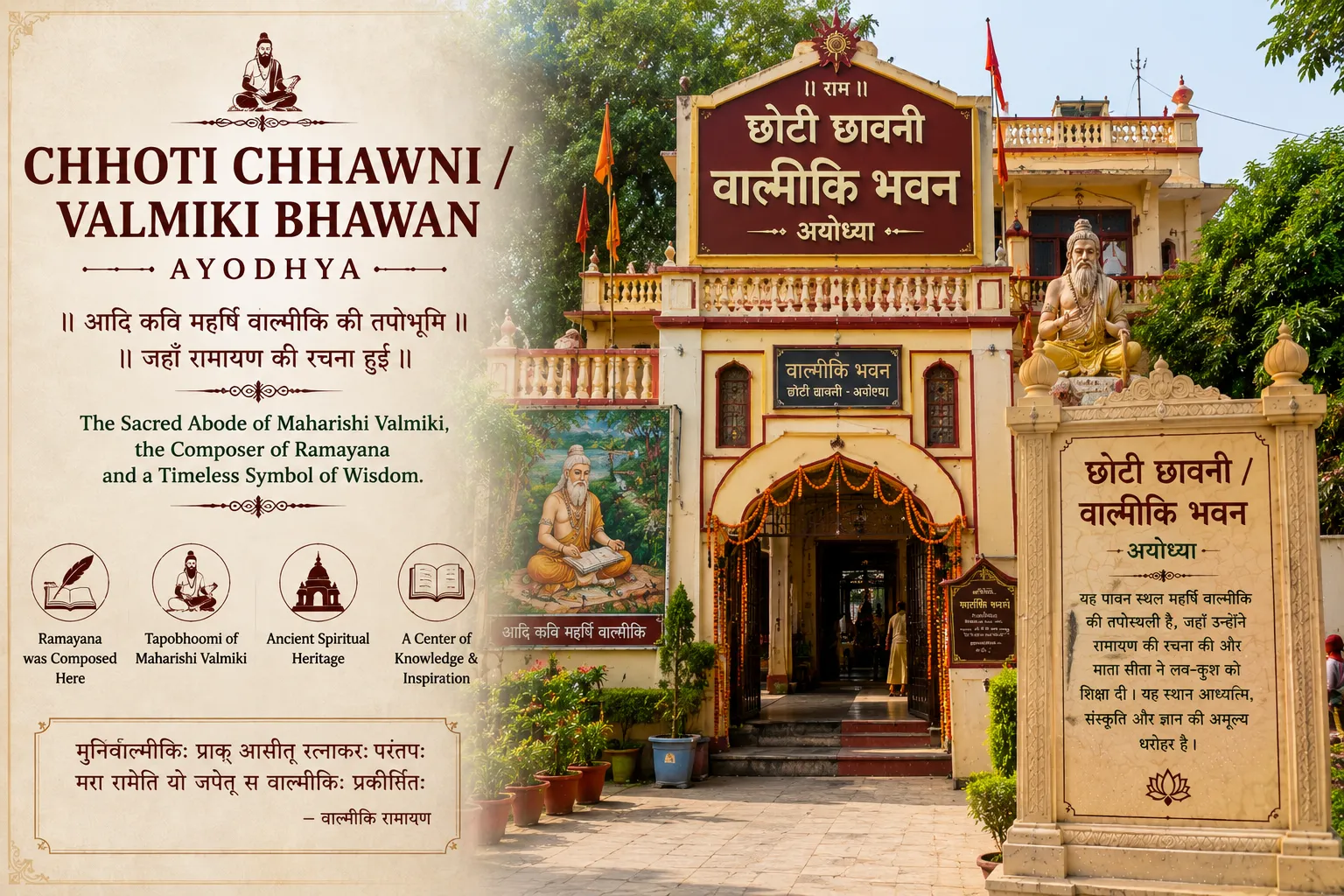
Valmiki Bhawan (Chhoti Chhawni)
The bhawan honouring the sage Valmiki, author of the Ramayana.
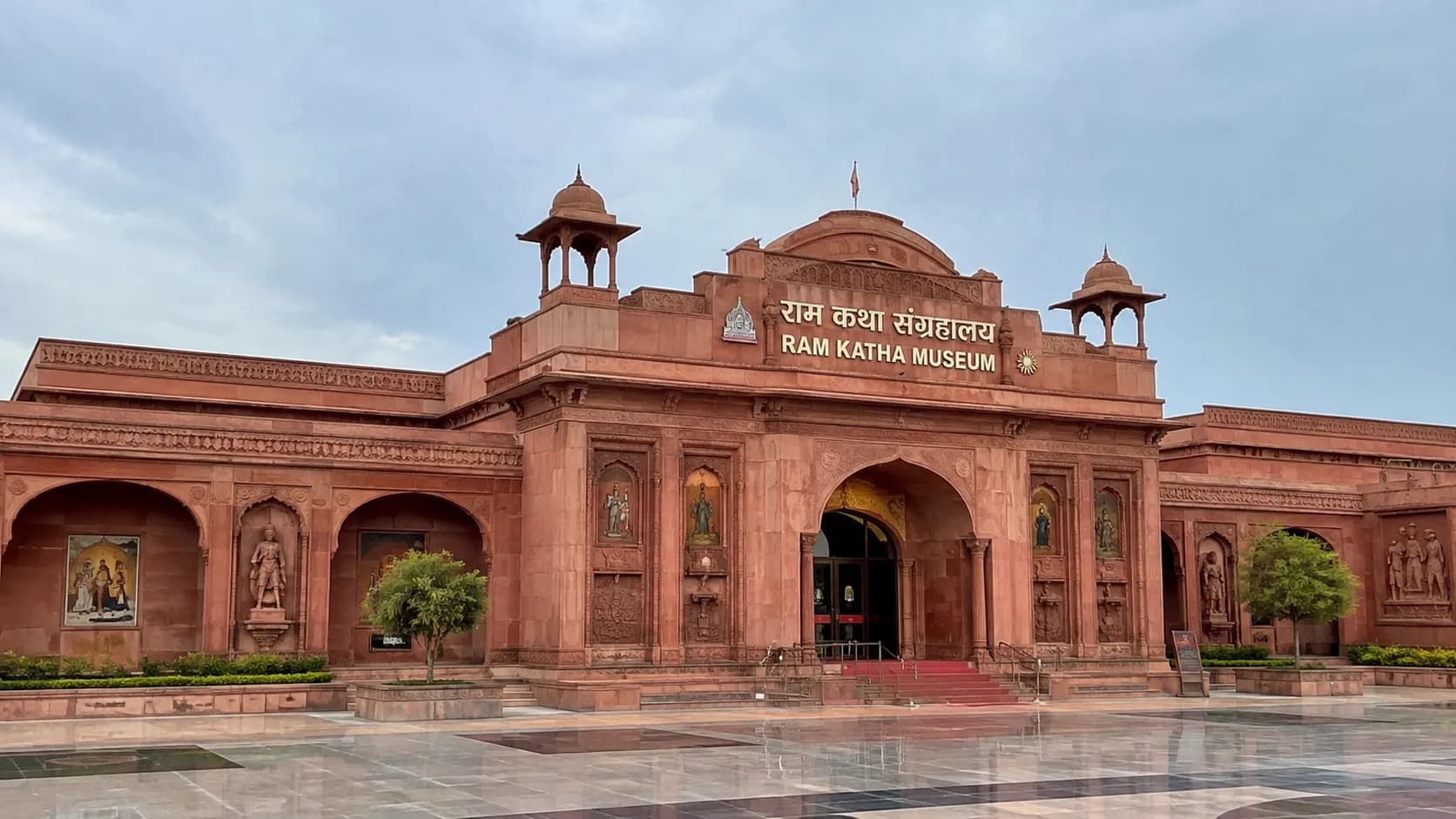
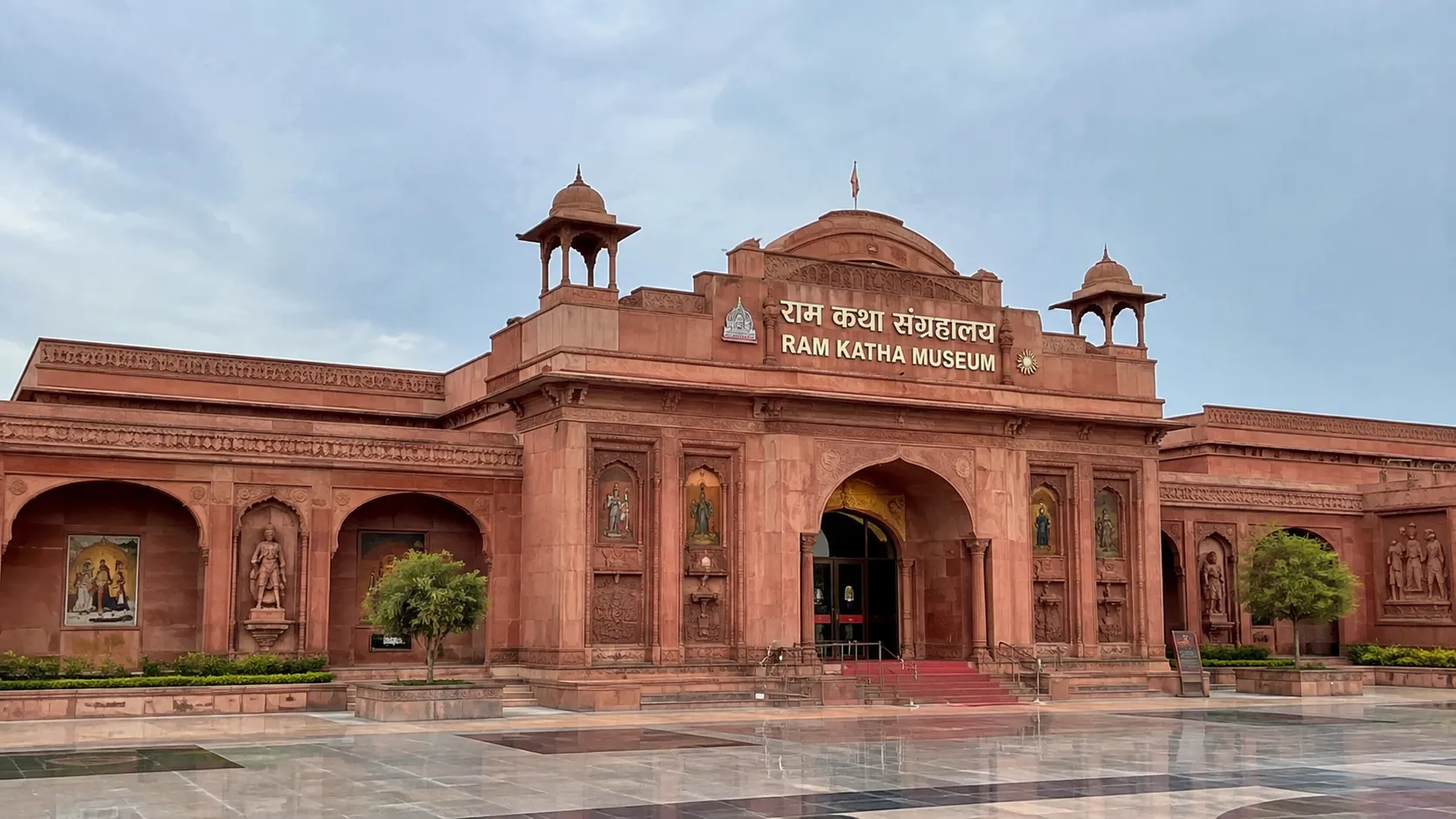
Ram Katha Museum
The museum of the story and heritage of Lord Ram.
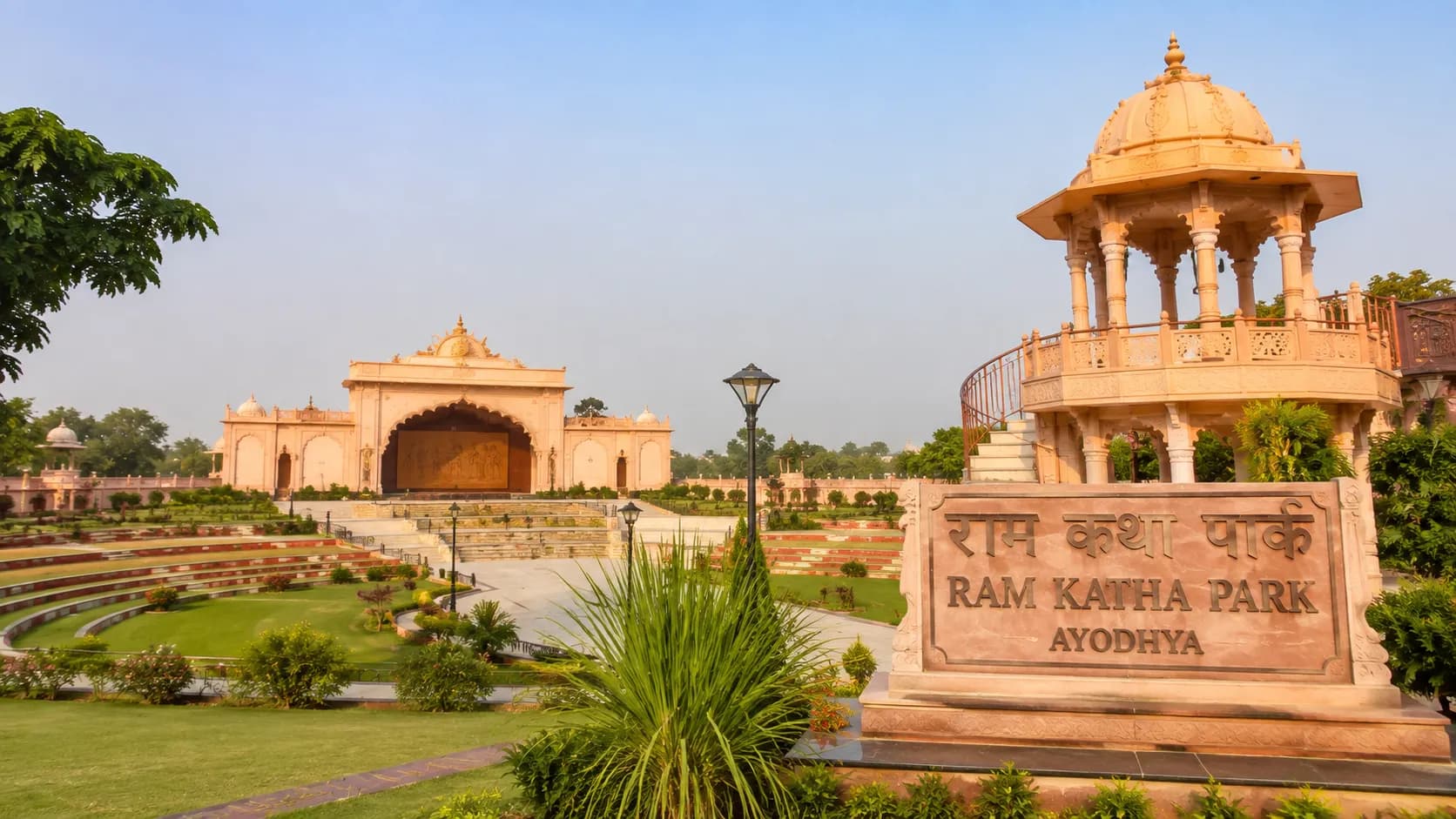
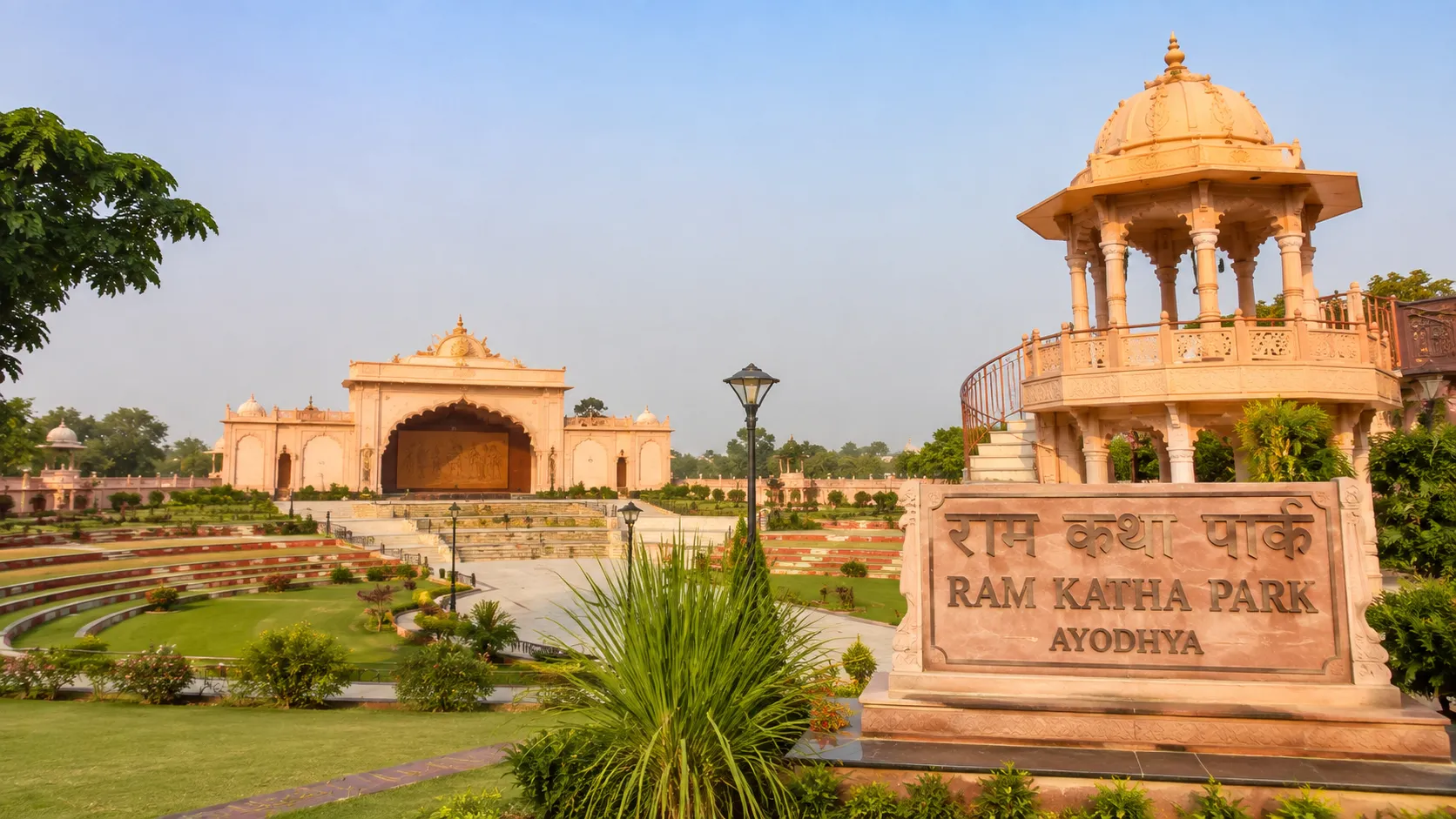
Ram Katha Park
The park and cultural stage of the Ram-story.
Bharat Kund and Nandigram
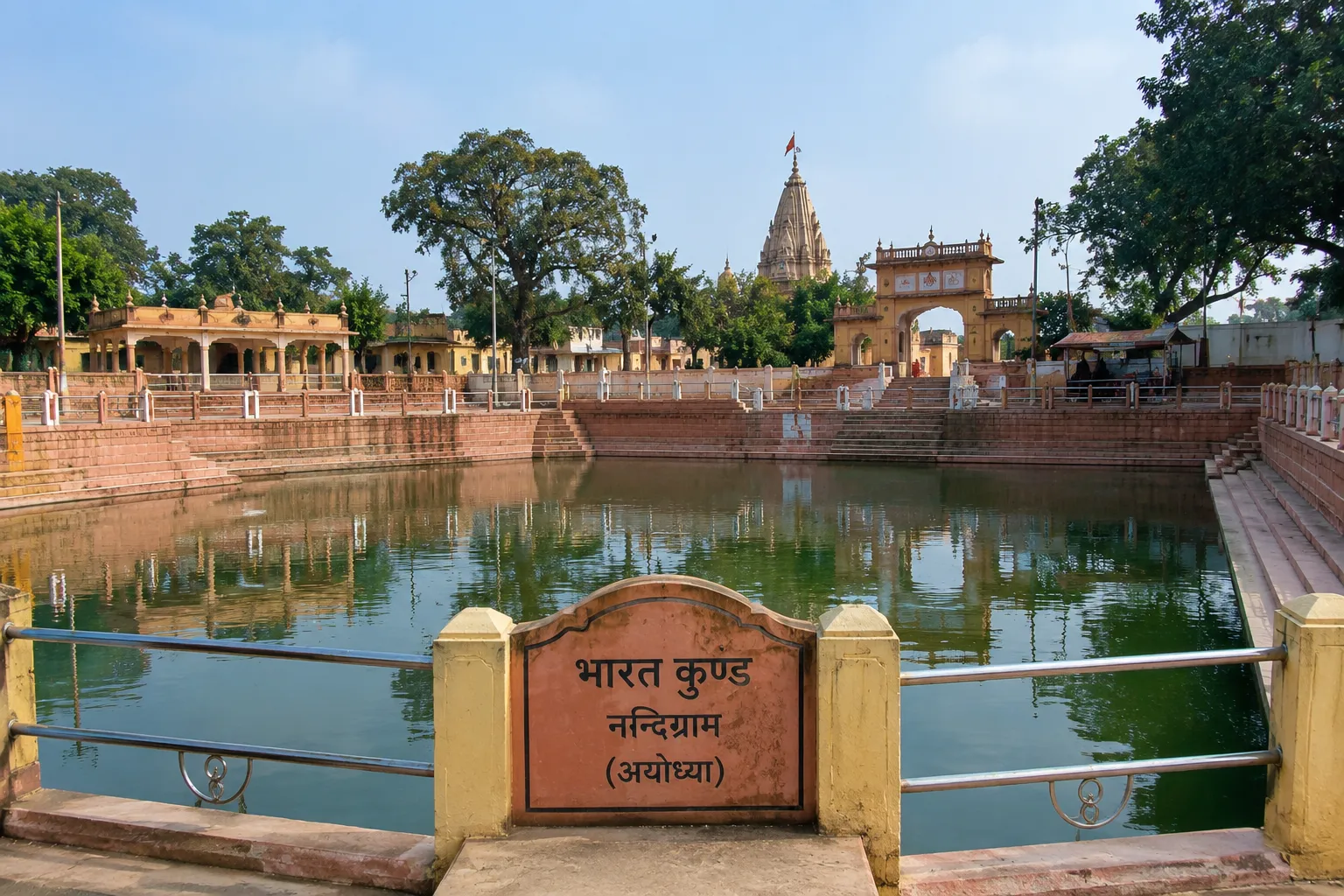
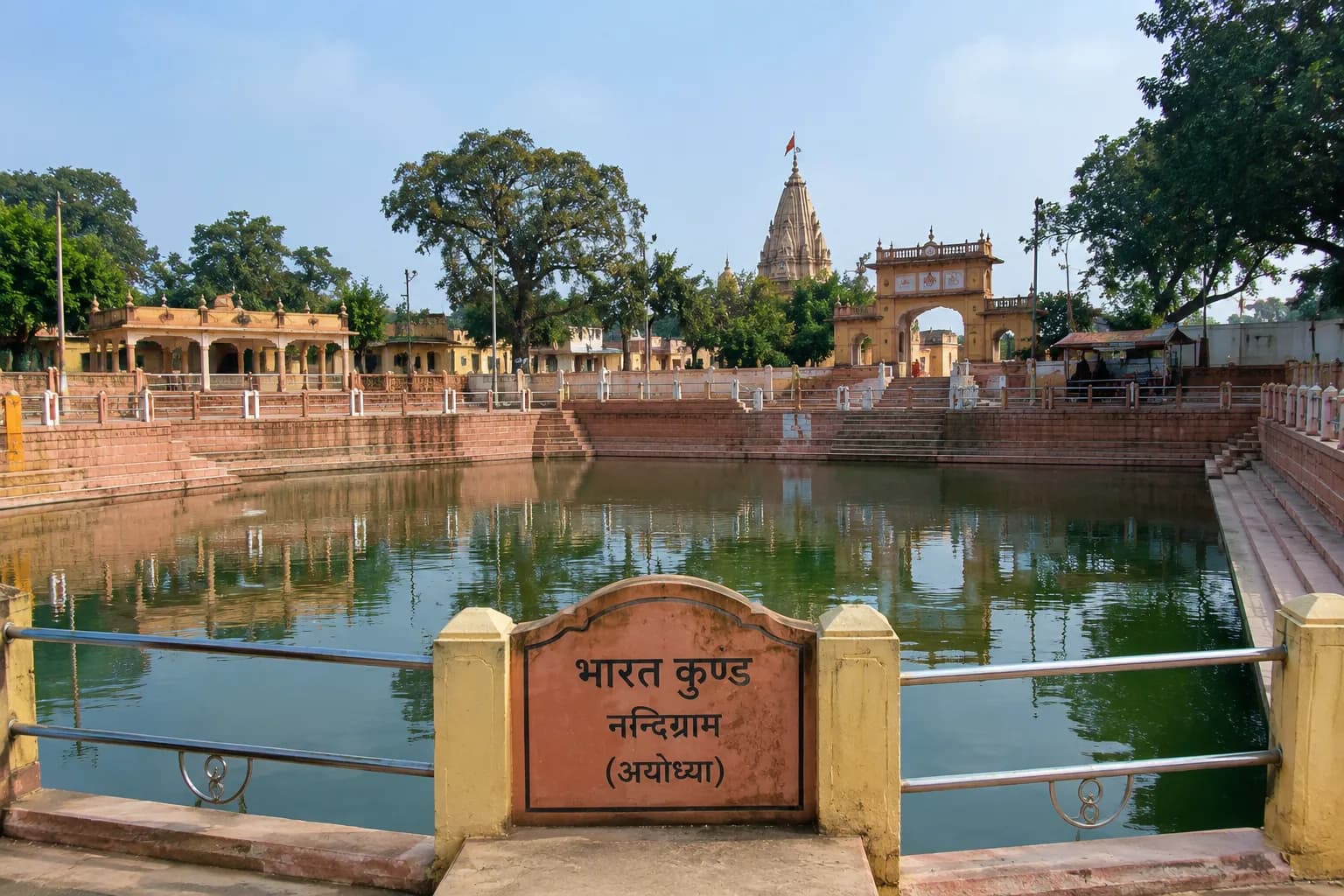
A little way from Ayodhya, at Nandigram, is the Bharat Kund, the hallowed place where Bharat, the noble brother of Ram, ruled as regent in Ram's absence, keeping Ram's sandals upon the throne and living the life of an ascetic until the Lord's return; a place of the deepest devotion.
Ayodhya, birthplace of five Tirthankaras
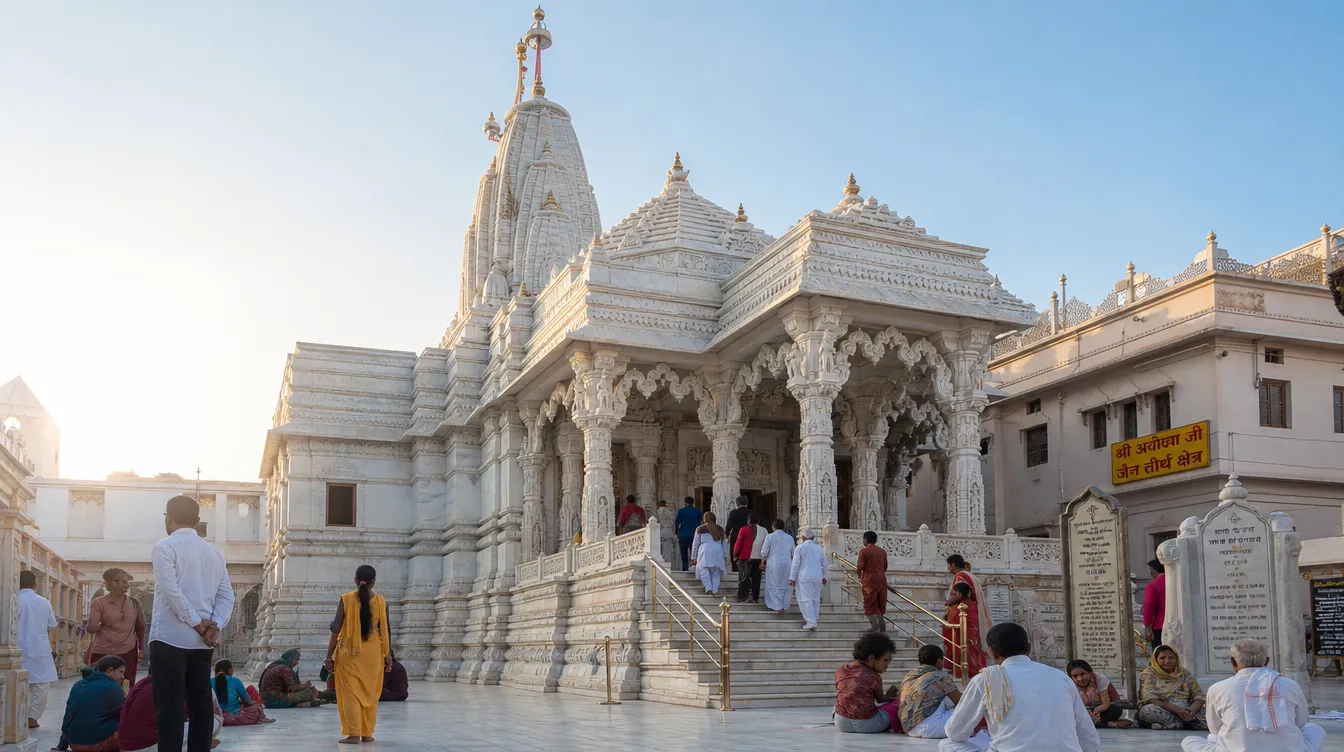
Ayodhya is holy not to the followers of Ram alone, but is one of the greatest of all the tirthas of the Jains; for it is the birthplace of five of the twenty-four Tirthankaras, the great teachers of Jainism, chief among them Rishabhanatha, or Adinath, the very first Tirthankara of this age.
The city and nearby Ratnapuri hold beautiful ancient Jain temples marking these sacred birthplaces.
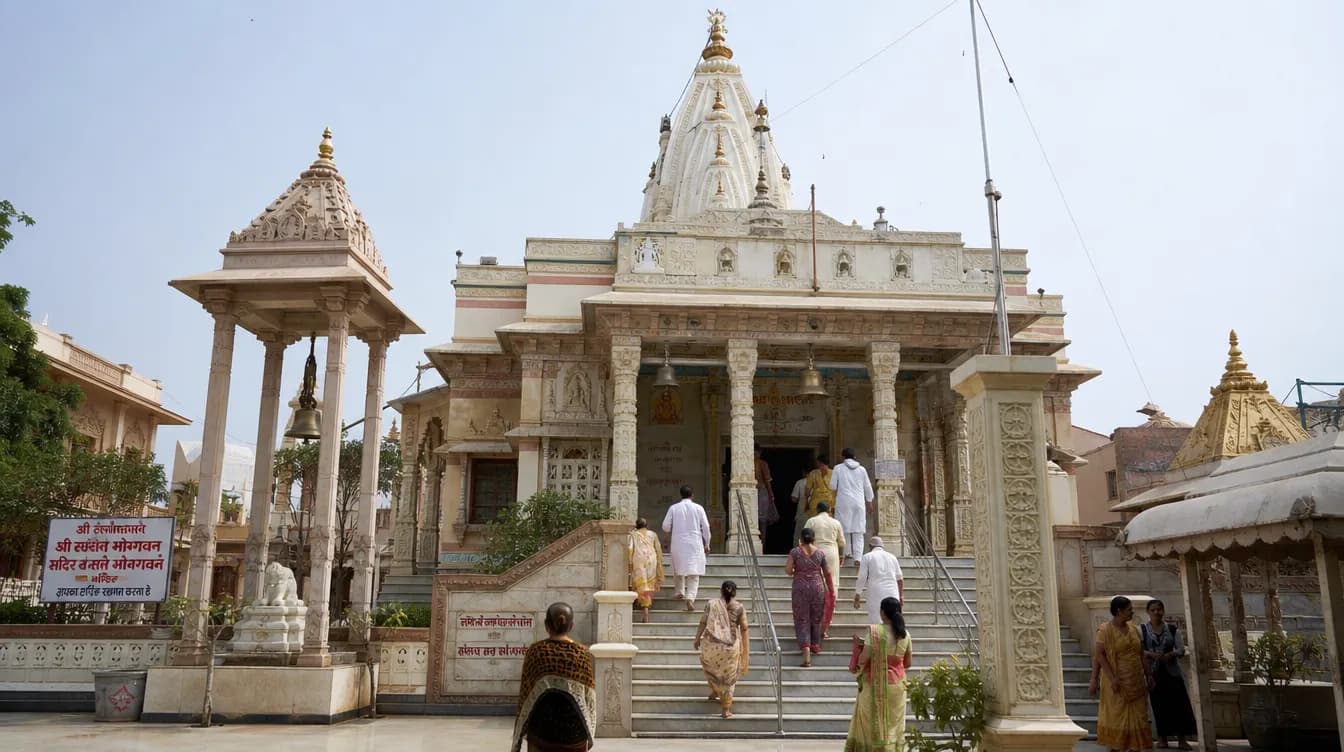
Rishabhdev (Adinath) Jain Mandir
The birthplace of Rishabhanatha, the first Tirthankara.
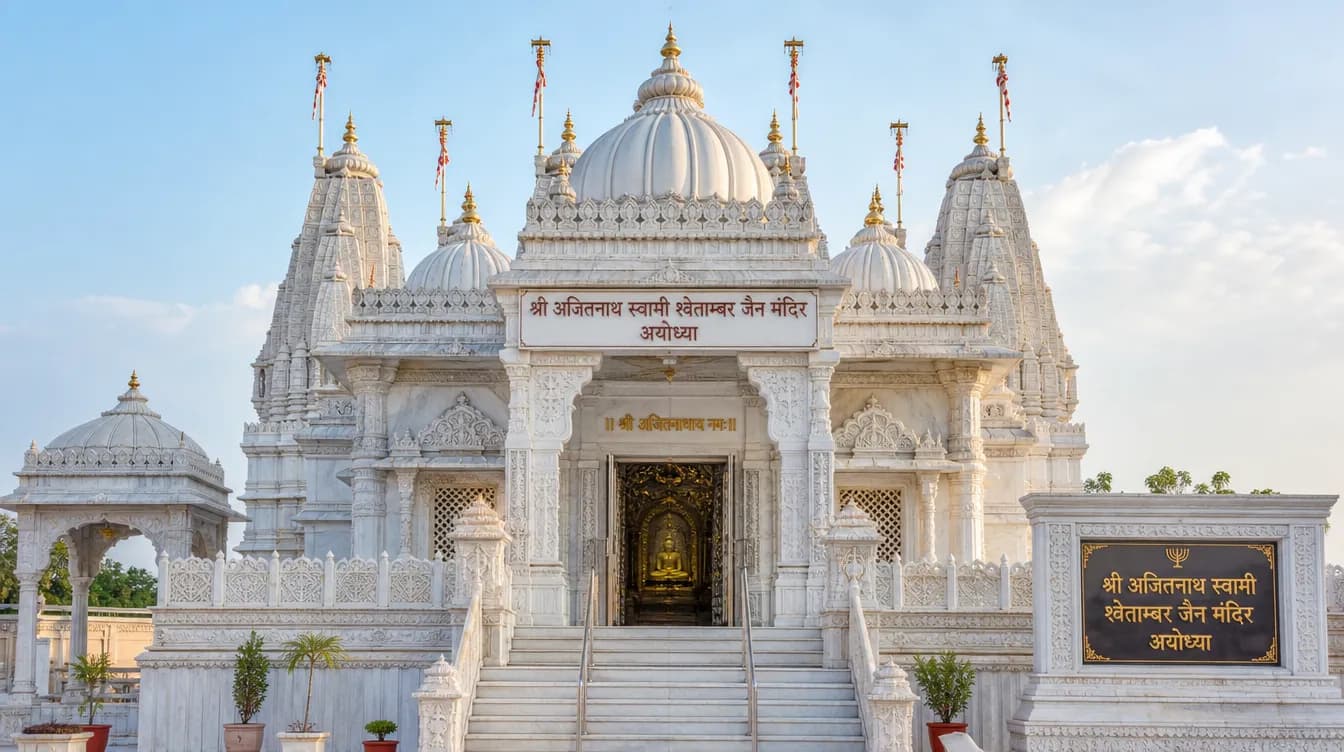
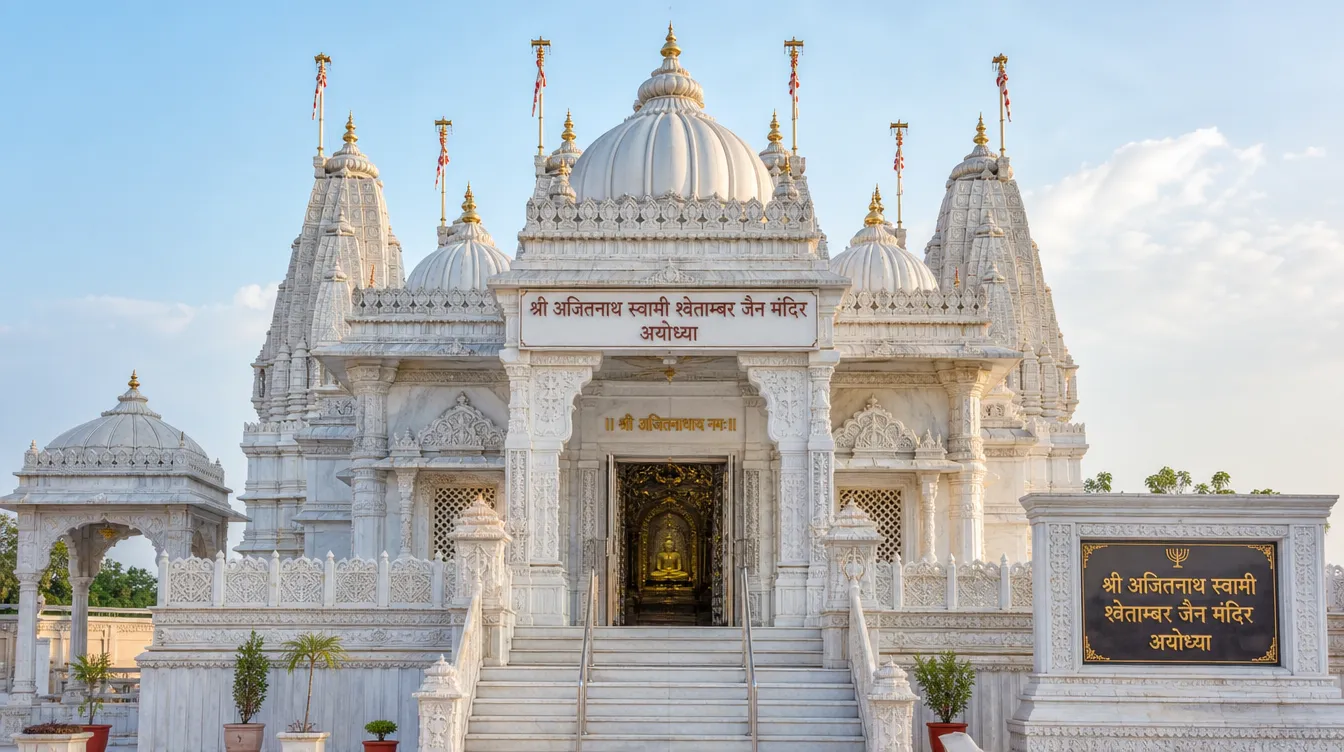
Ajitnath Jain Temple
The birthplace of Ajitnath, the second Tirthankara.
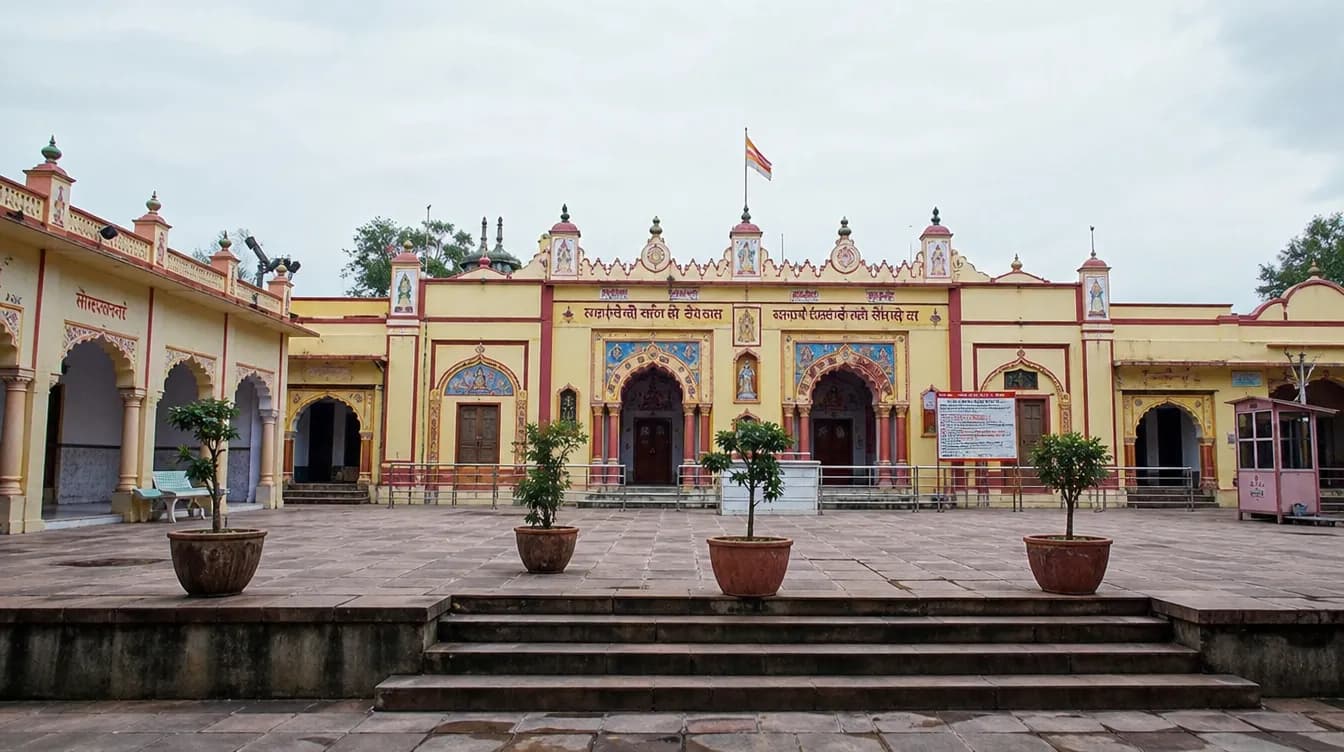
Abhinandannath Jain Temple
The birthplace of Abhinandannath, the fourth Tirthankara.
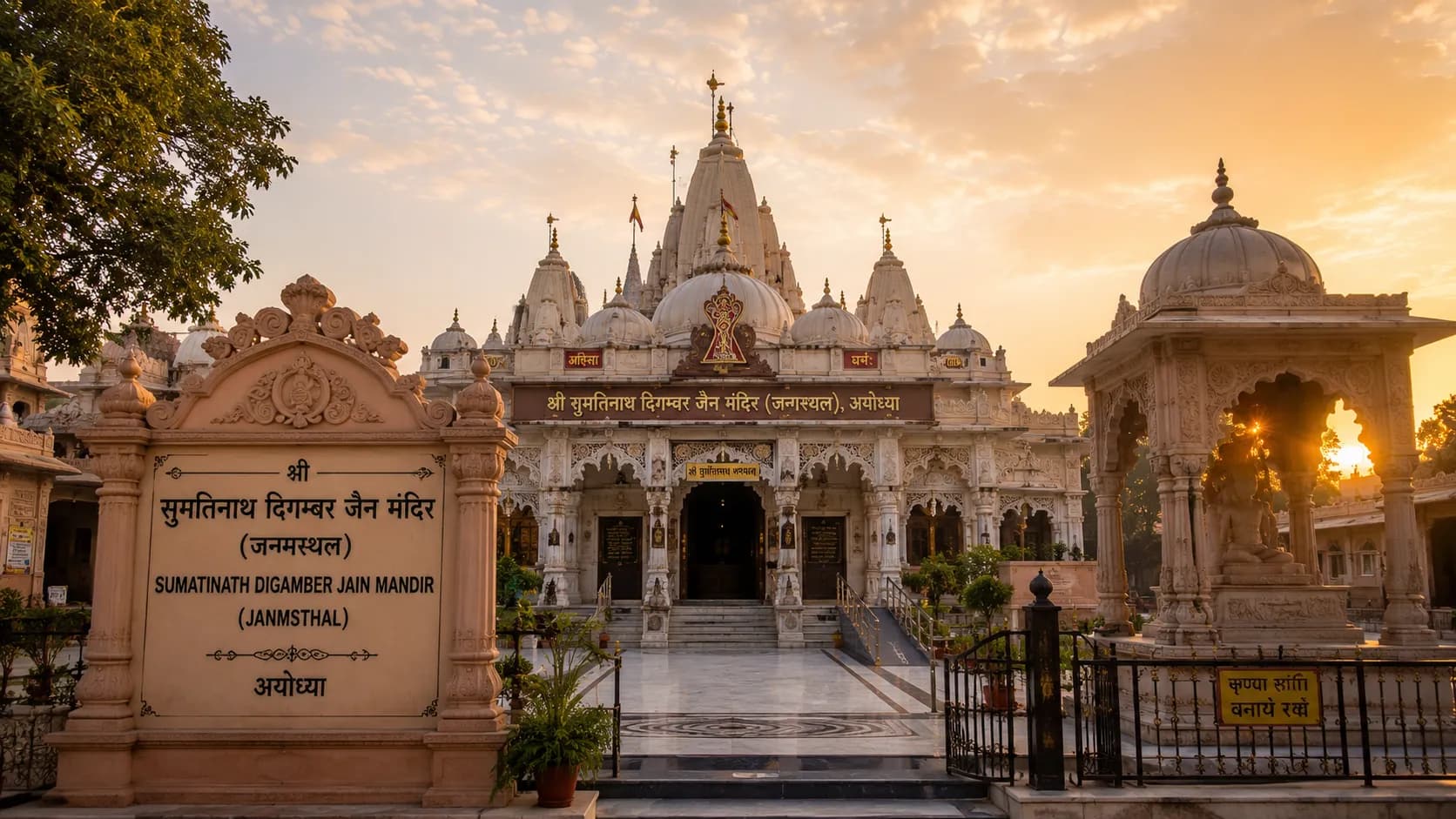
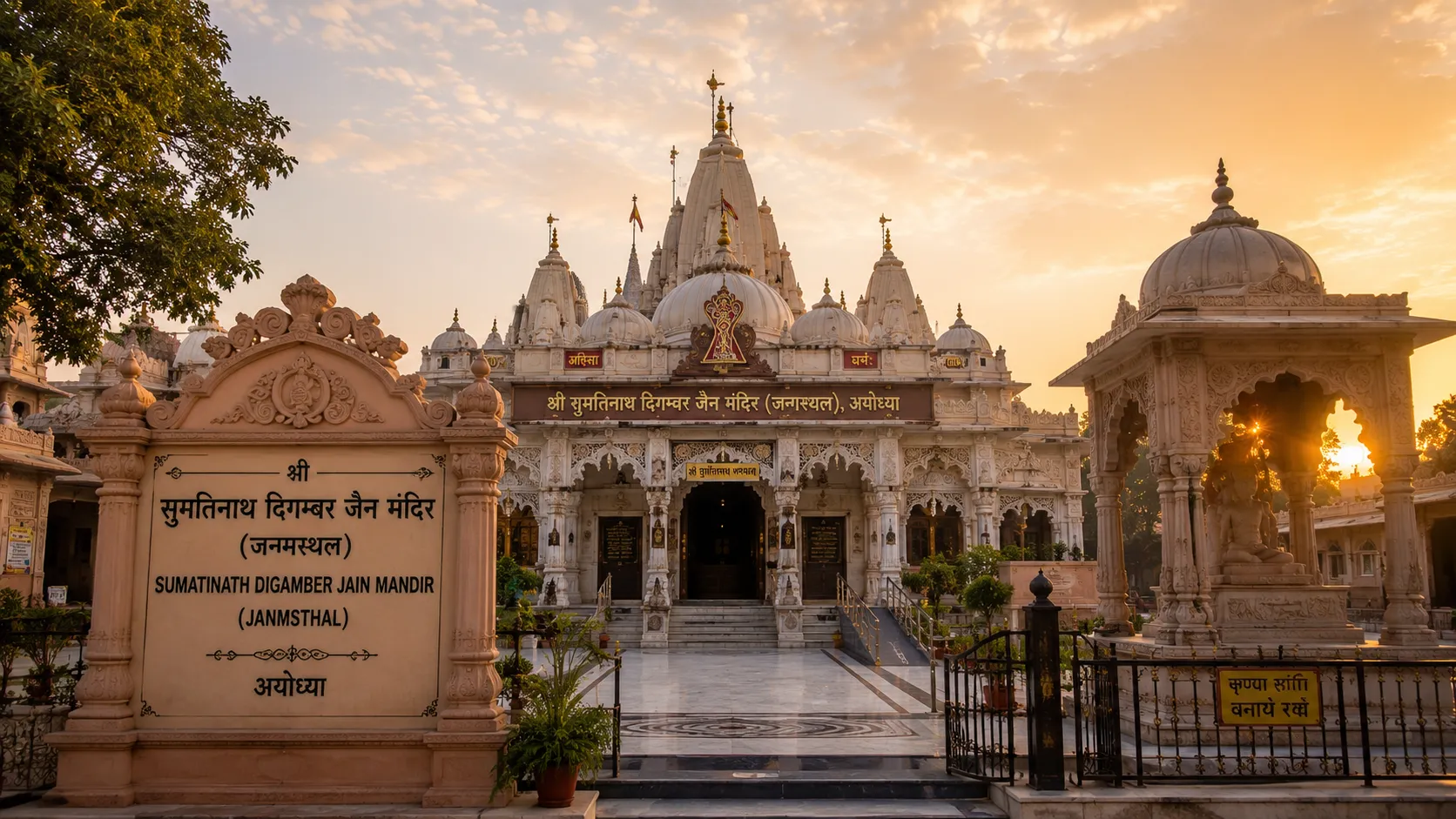
Sumatinath Jain Temple
The birthplace of Sumatinath, the fifth Tirthankara.
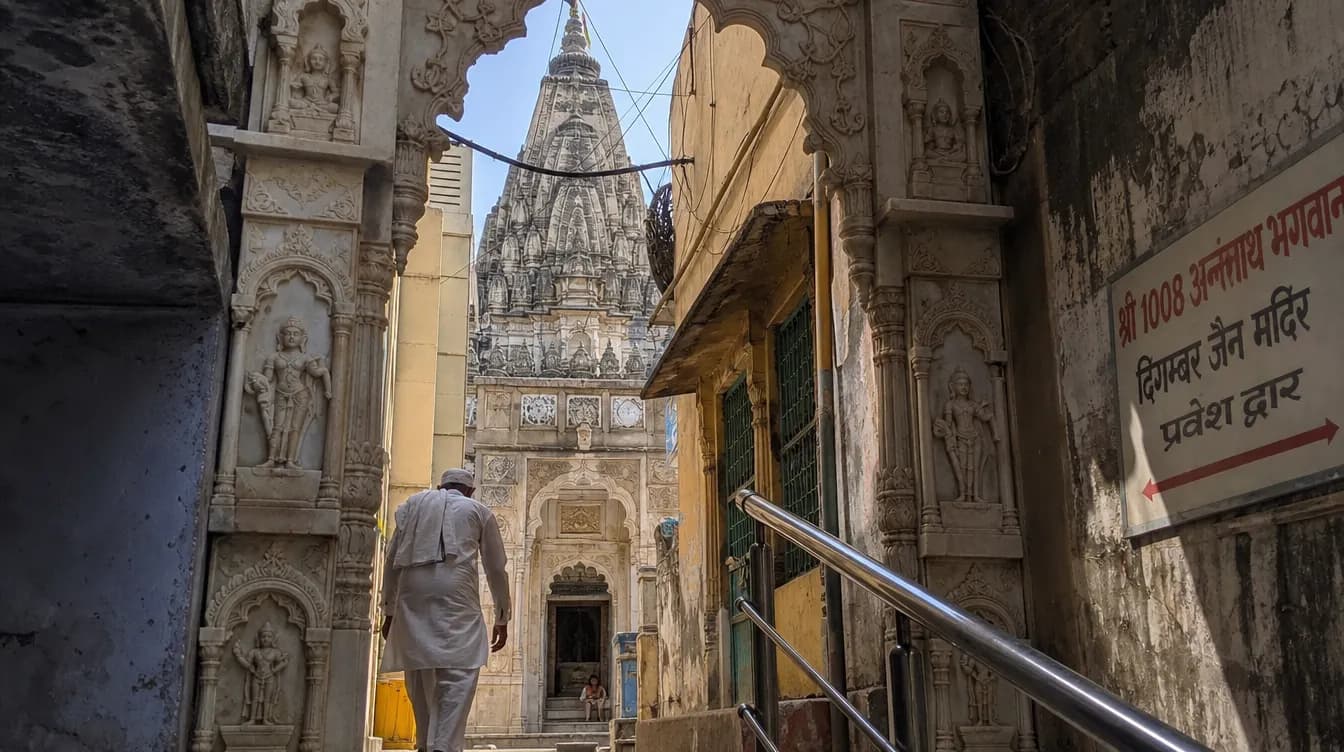
Anantnath Jain Temple
The birthplace of Anantnath, the fourteenth Tirthankara.
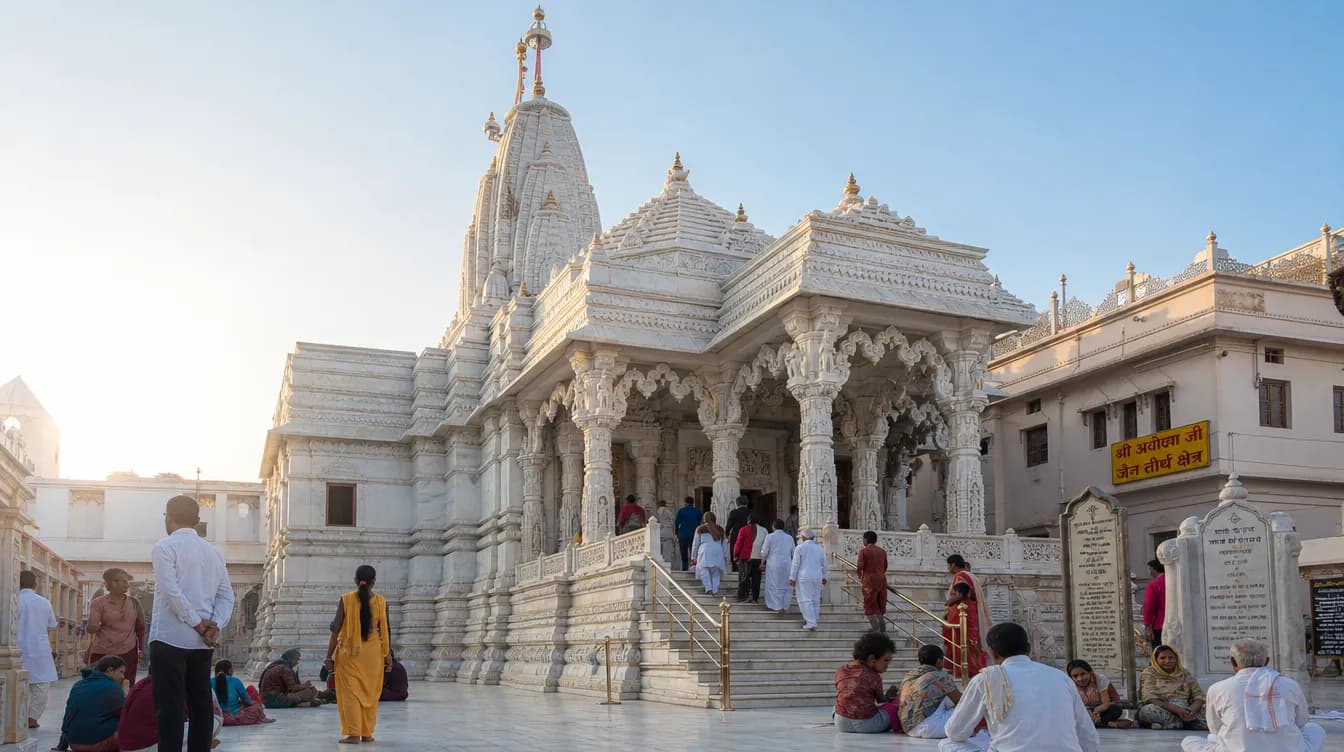
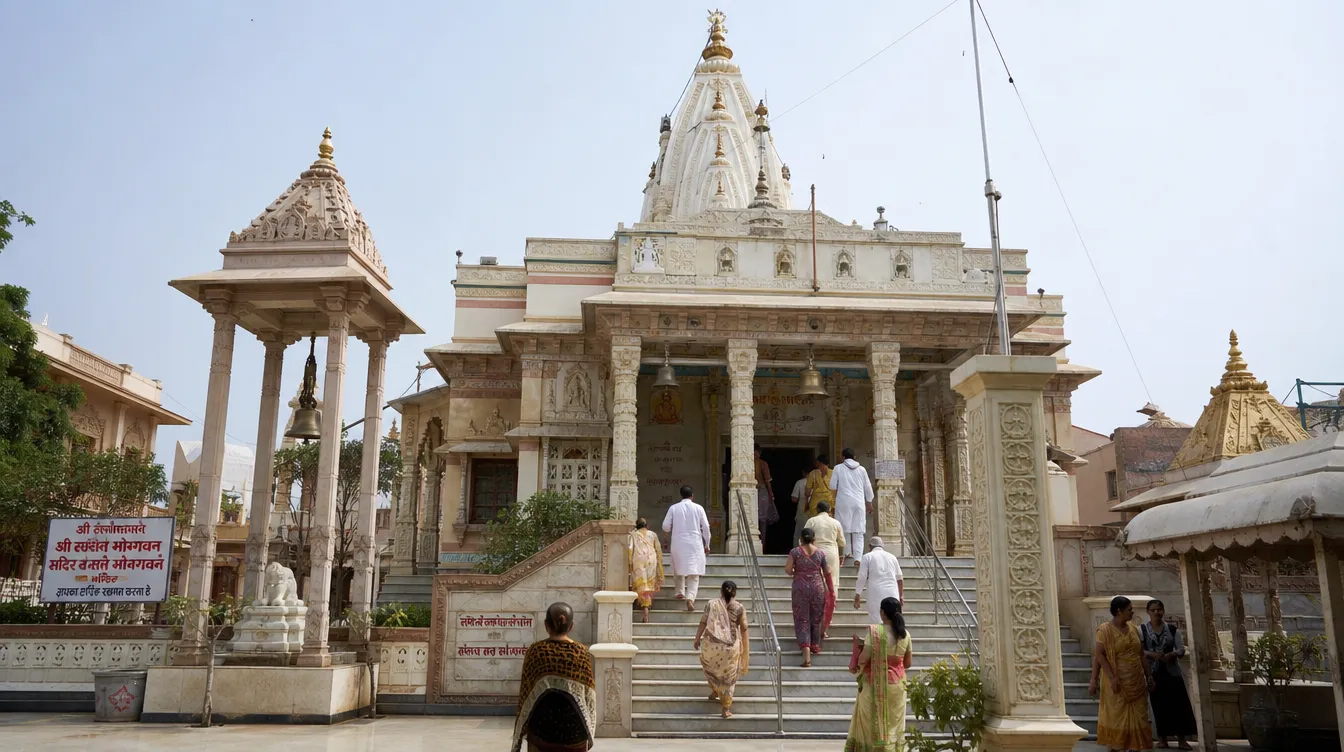
Shwetambar Jain Temple
The Jain temple of the Shwetambar tradition in Ayodhya.
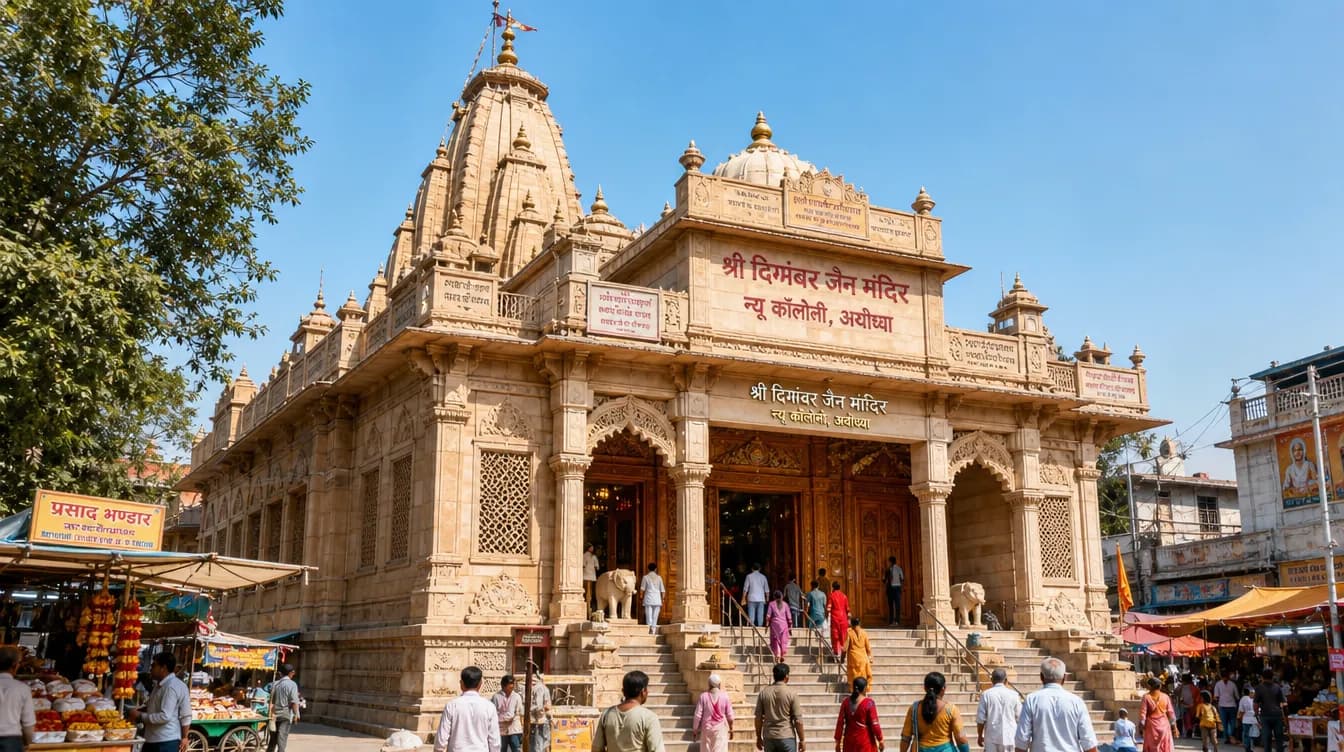
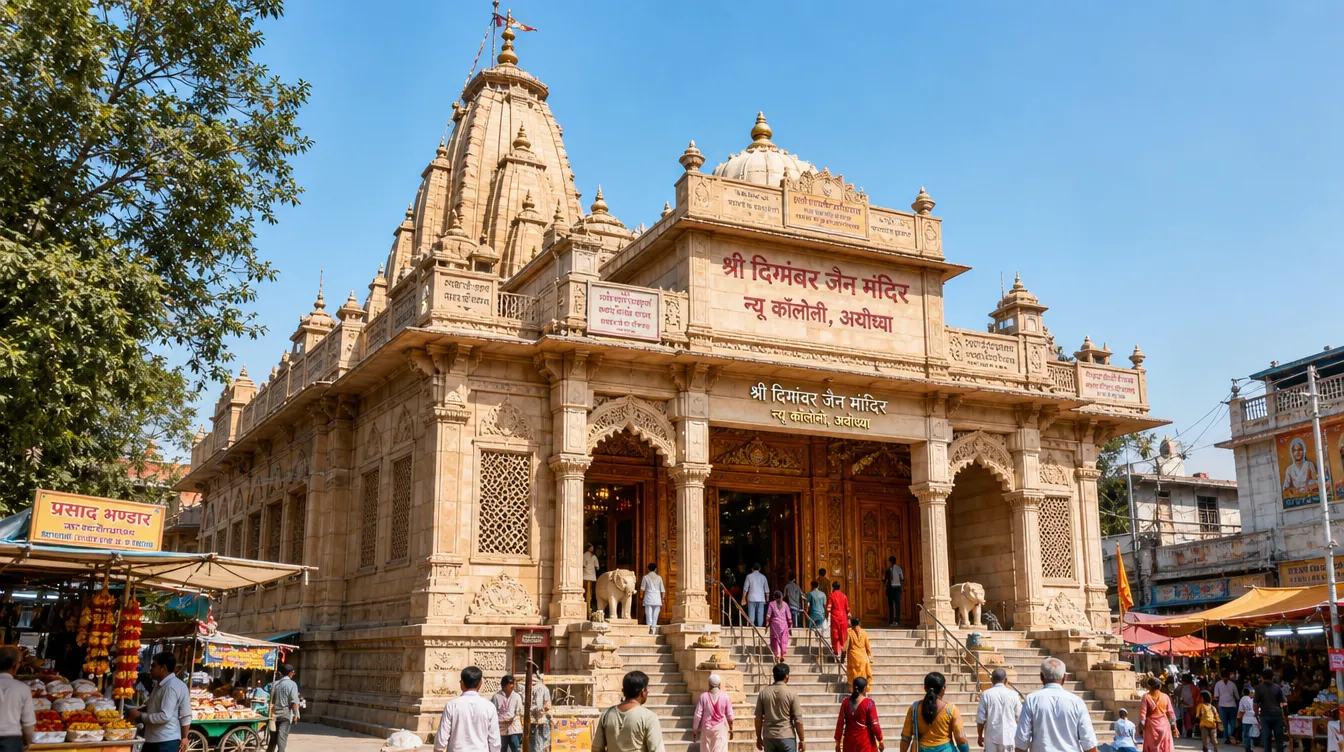
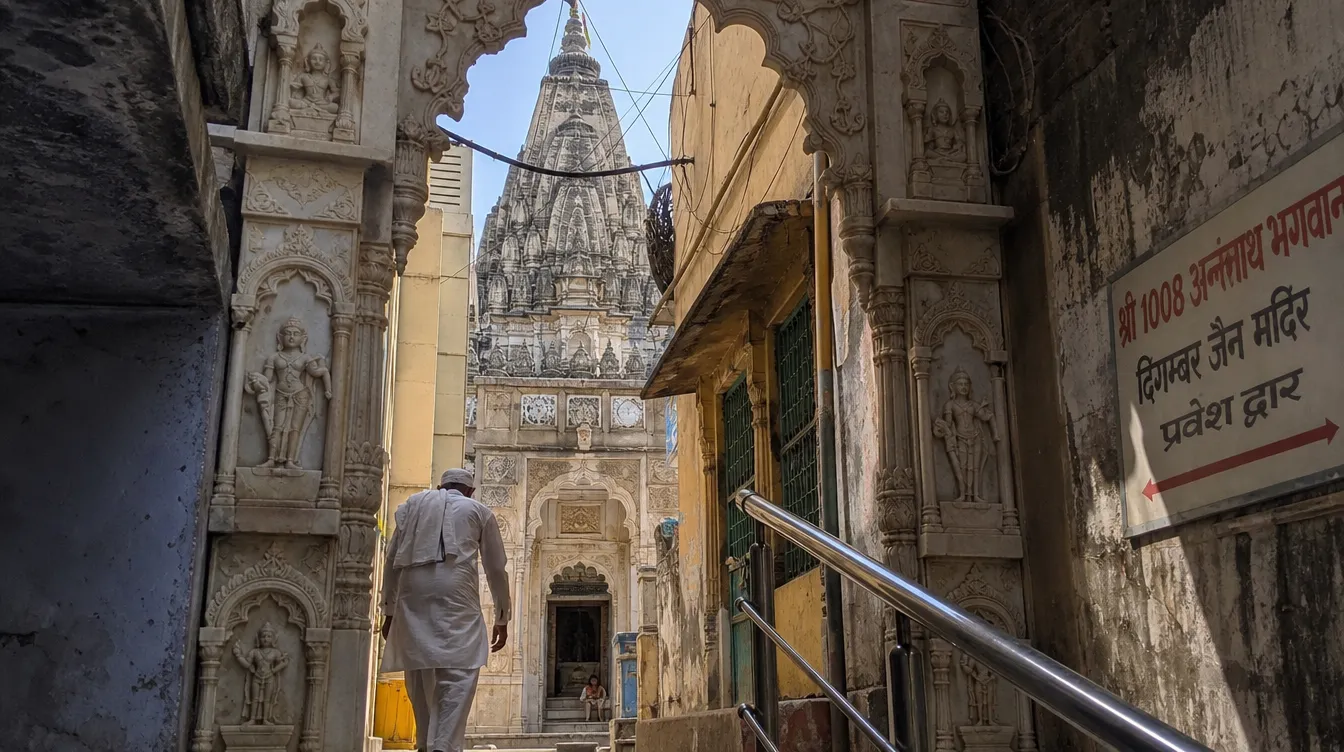
Digambar Jain Mandir
The Jain temple of the Digambar tradition, in New Colony.
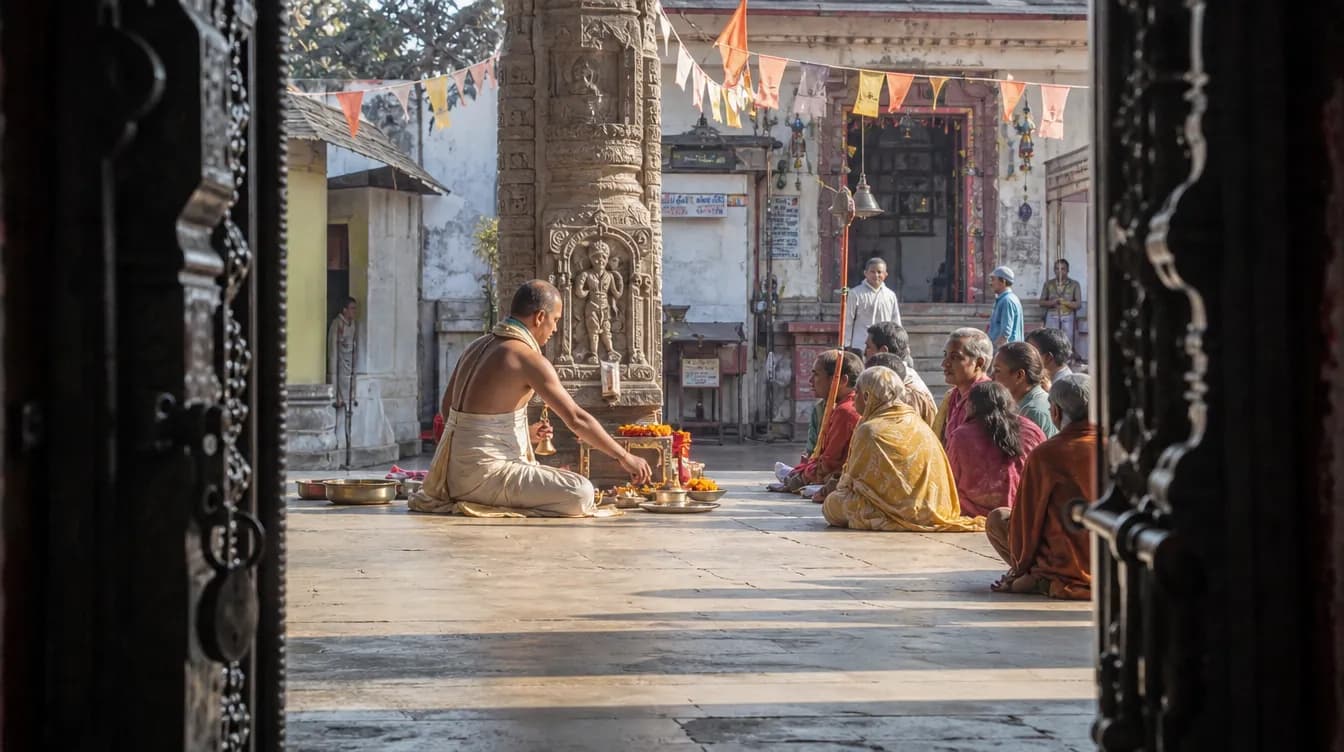
Ratnapuri
The nearby Jain tirtha, birthplace of Dharmanath, the fifteenth Tirthankara.
The many faiths of Ayodhya
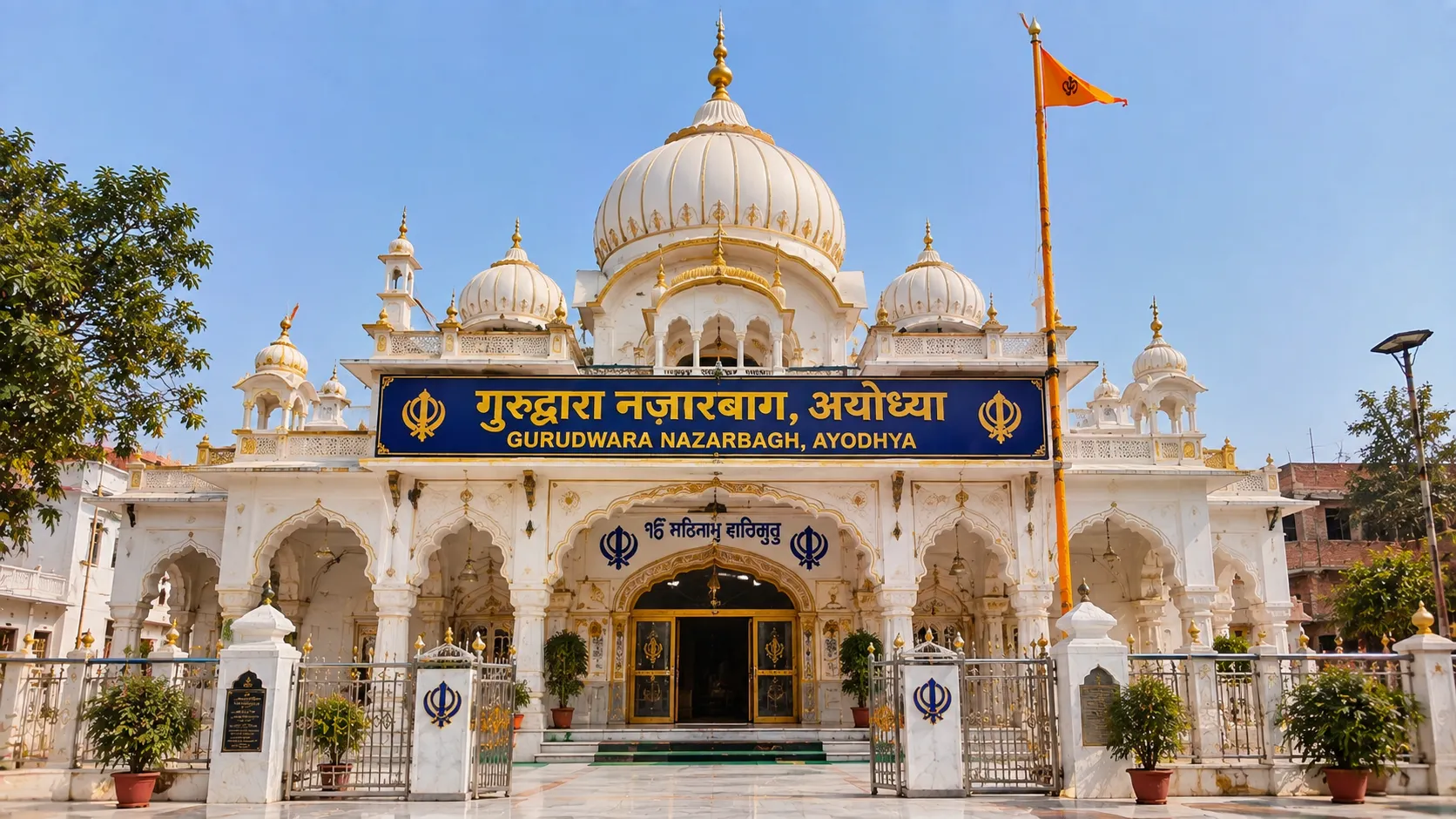
Ayodhya is a meeting-place of many devotions. The Sikh Gurus came here, honoured now at the gurudwaras of Brahm Kund and Nazarbagh; the Swaminarayan tradition reveres nearby Chhapaiya as the birthplace of Bhagwan Swaminarayan, and keeps a great temple in the city; and Ayodhya even holds a memorial to Queen Heo of Korea, believed in tradition to have been an Ayodhya princess who became a queen of ancient Korea, a bond that draws Korean pilgrims to this day.
Brahm Kund Gurudwara
The gurudwara at Brahm Kund, where the Sikh Gurus stayed.
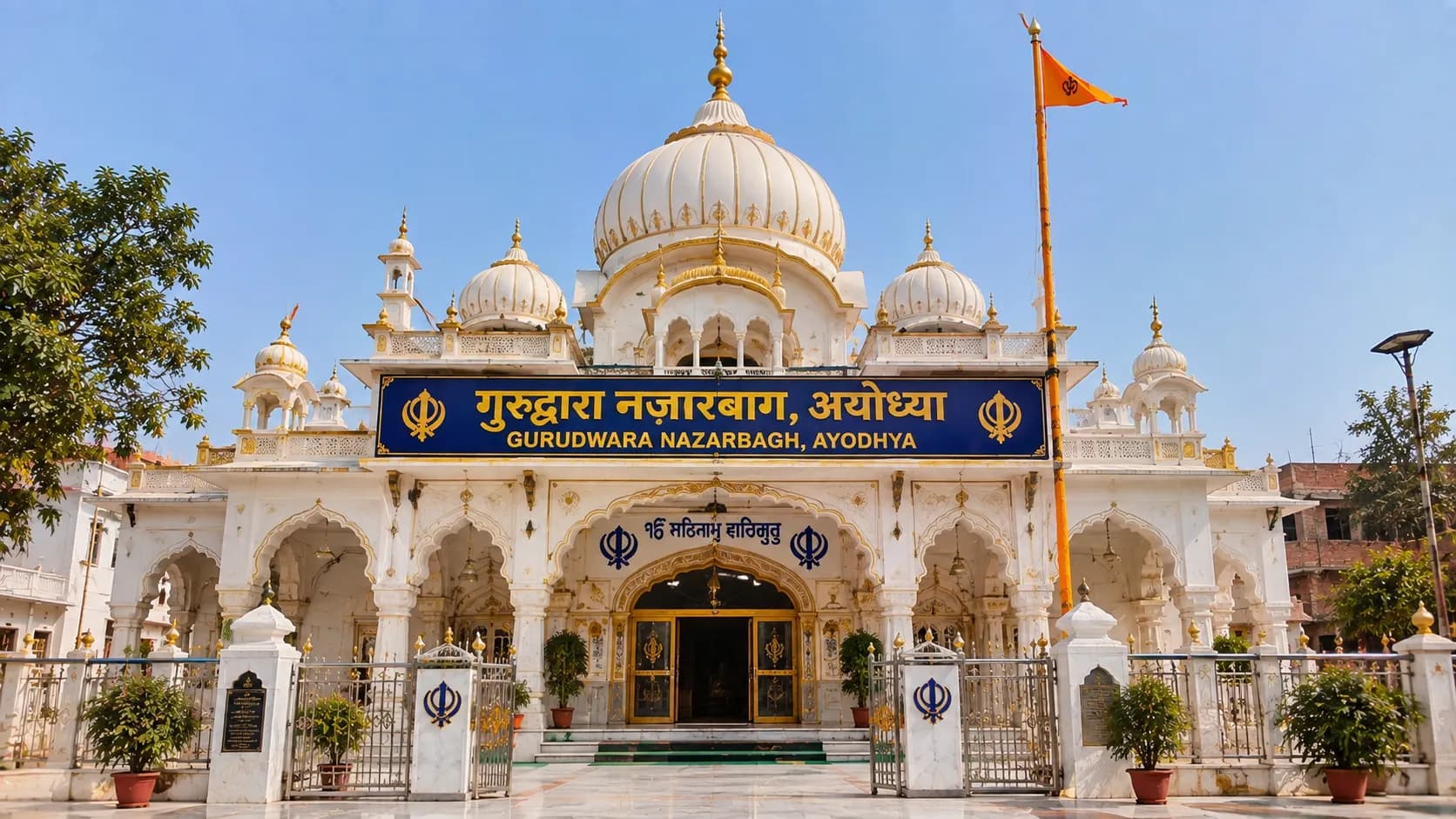
Nazarbagh Gurudwara
A historic gurudwara of Ayodhya.
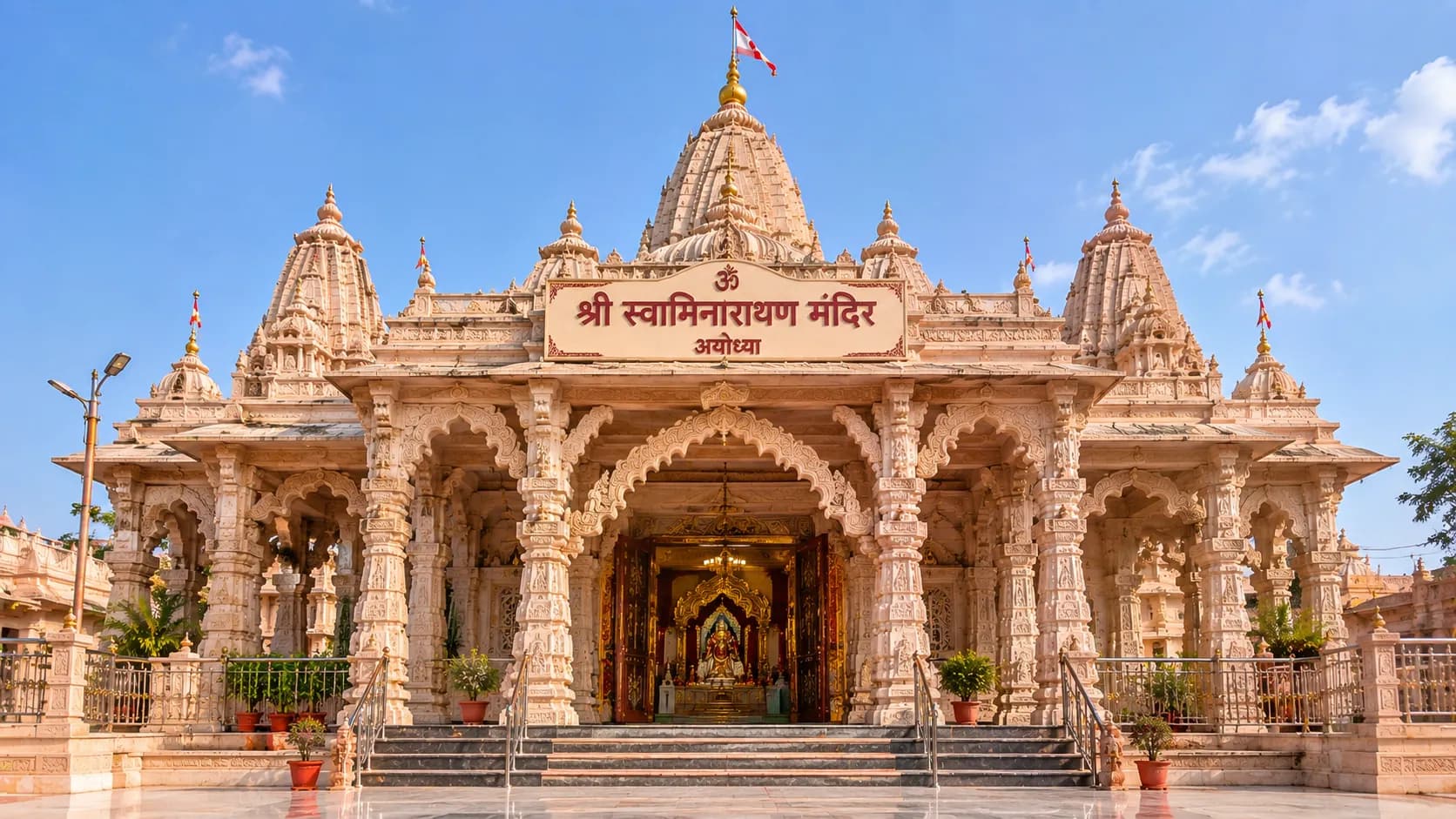
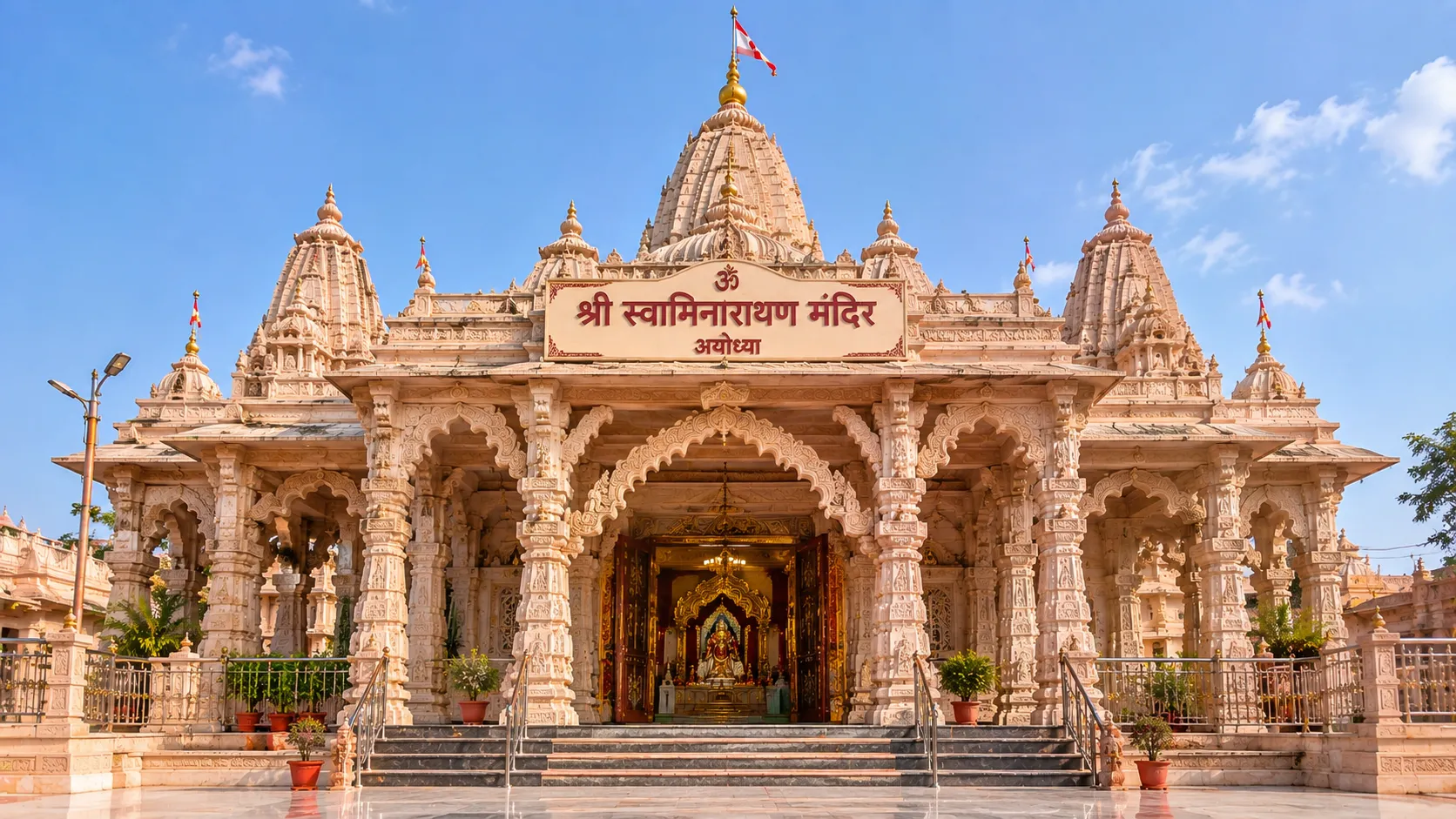
Swaminarayan Temple
The Swaminarayan temple of Ayodhya.
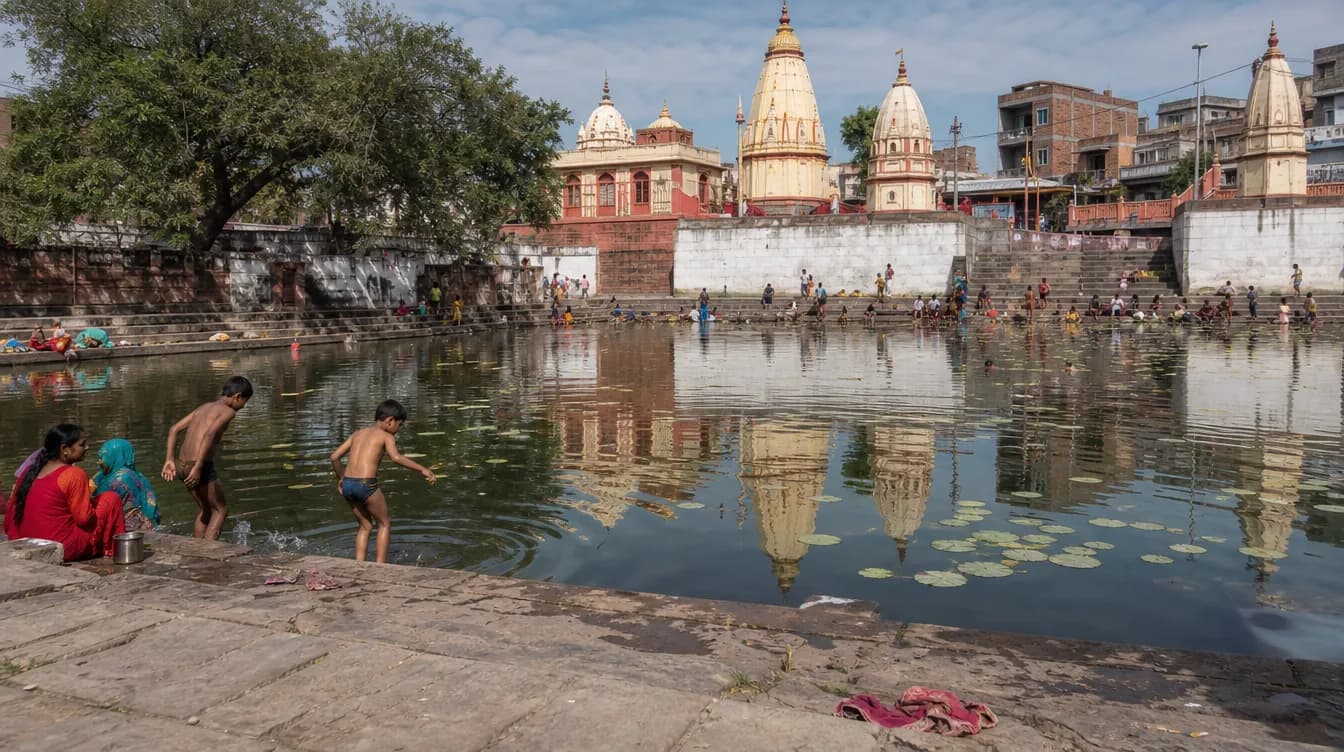
Chhapaiya
The birthplace of Bhagwan Swaminarayan, near Ayodhya.
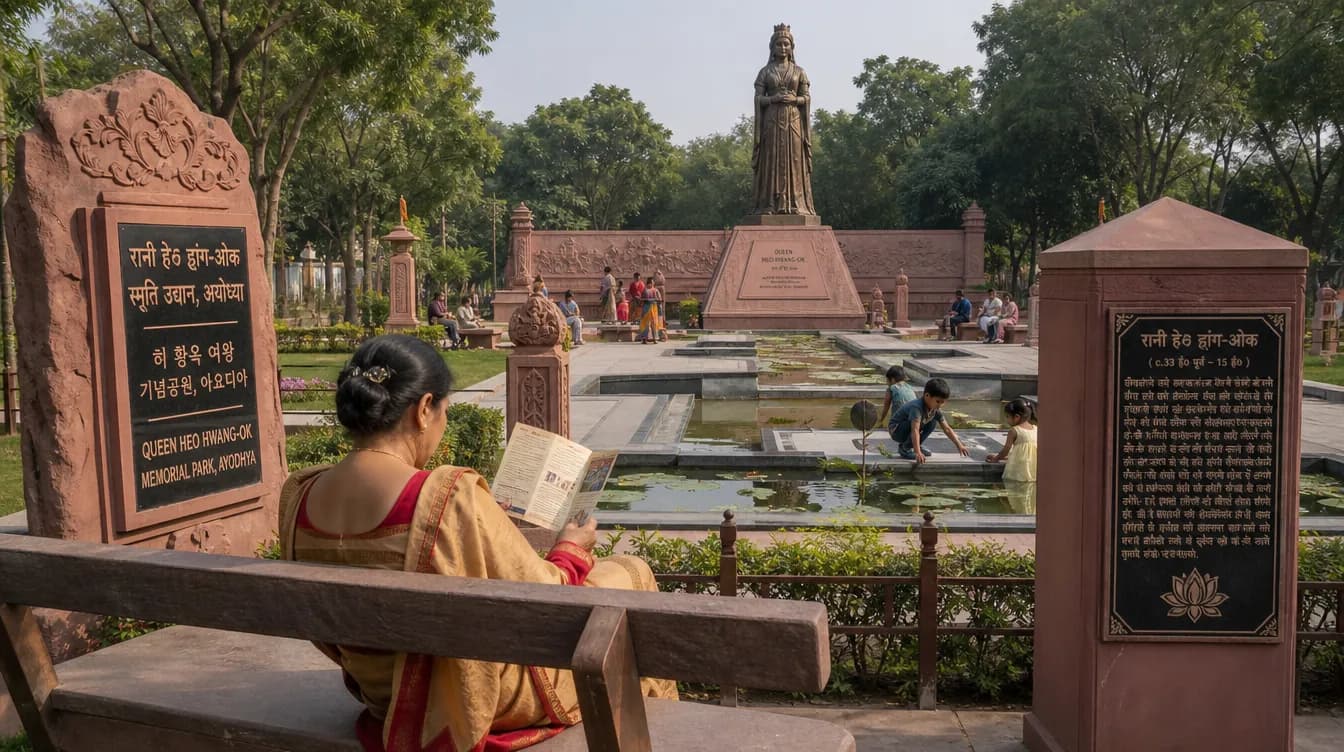
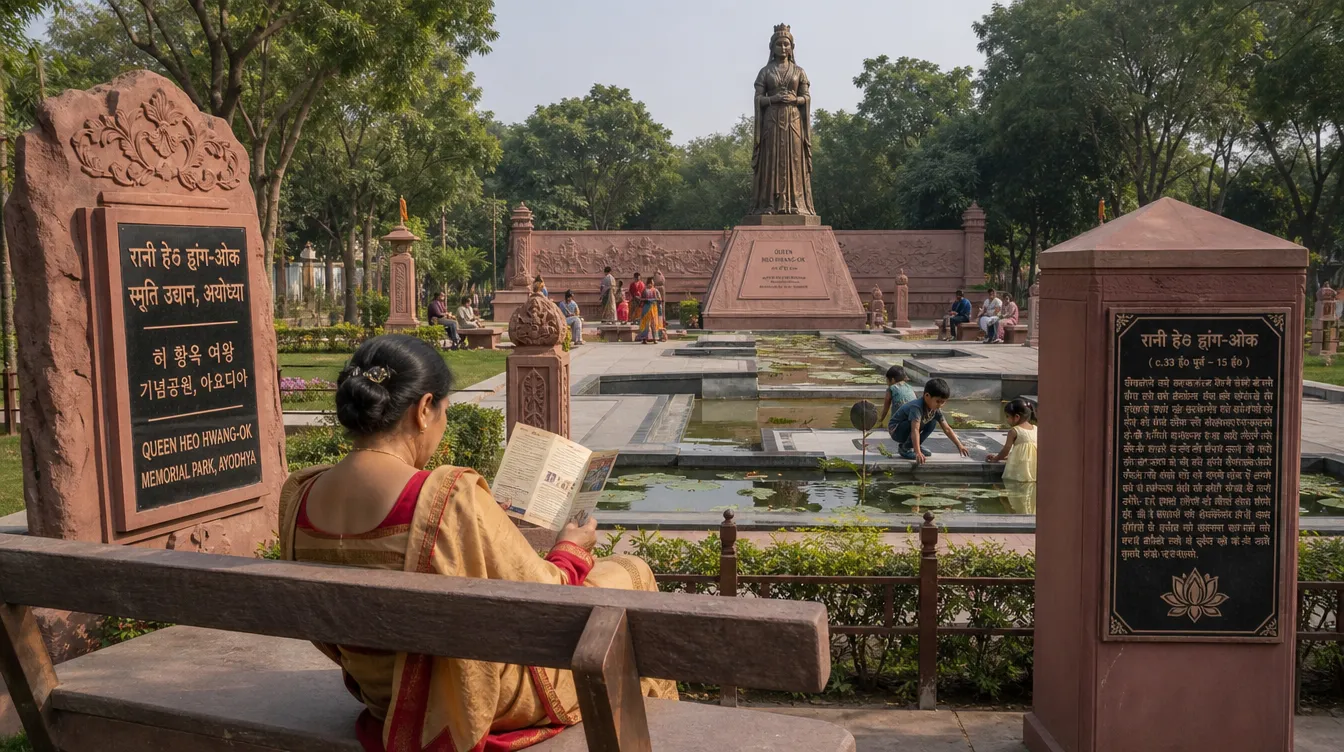
Queen Heo Memorial
The memorial to the Ayodhya princess honoured as a queen of ancient Korea.
The Nawabi heritage of Faizabad
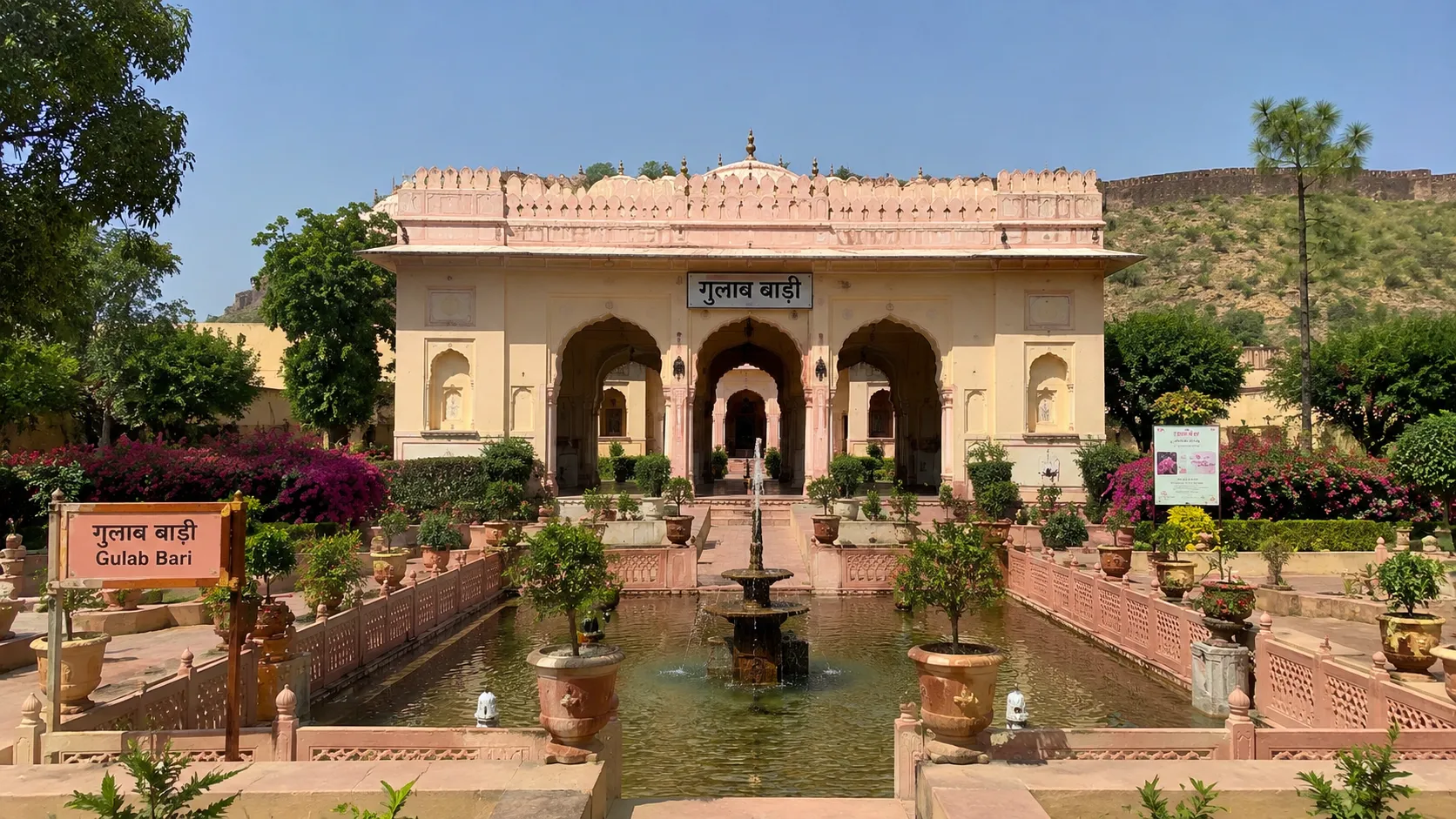
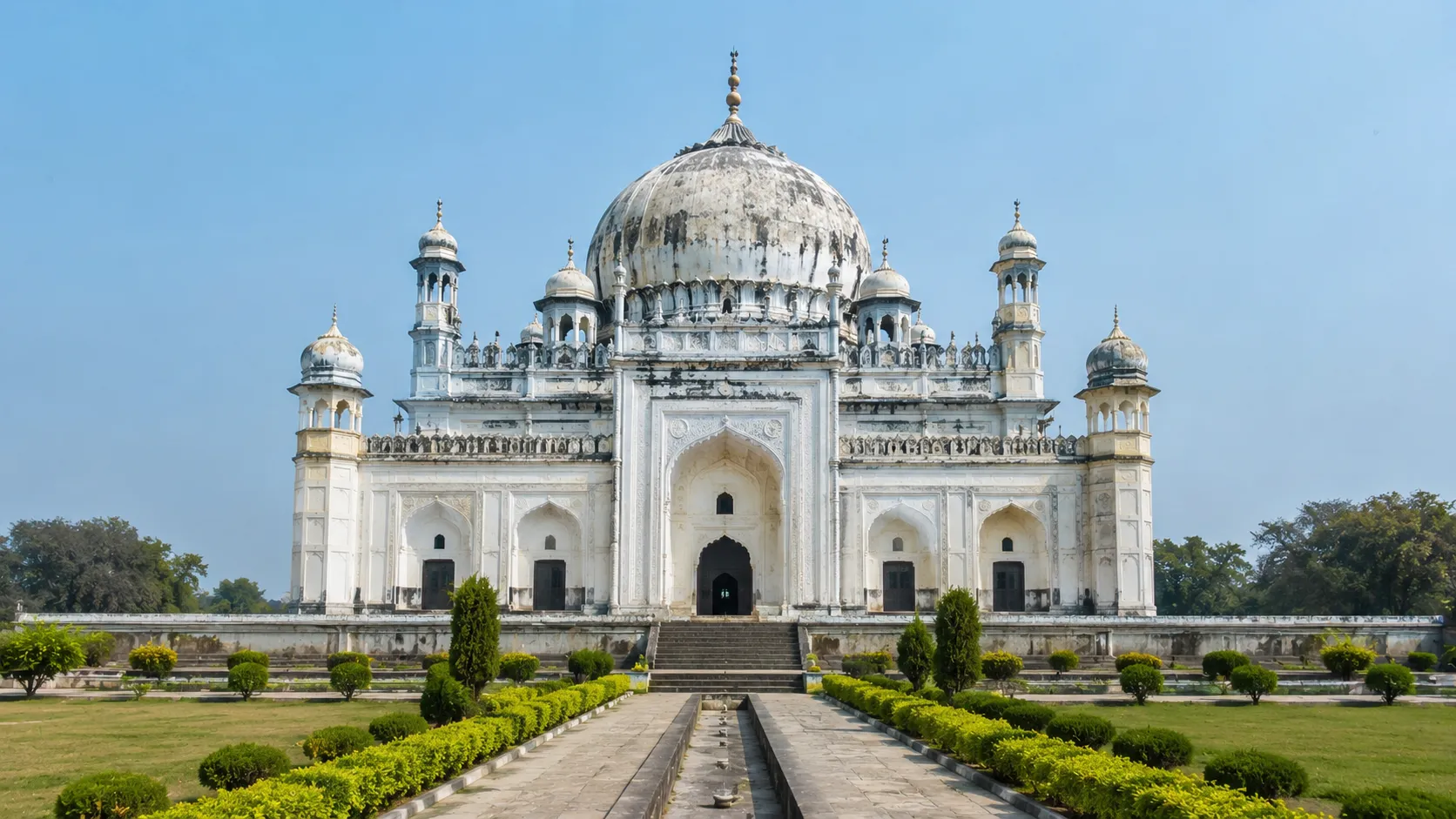
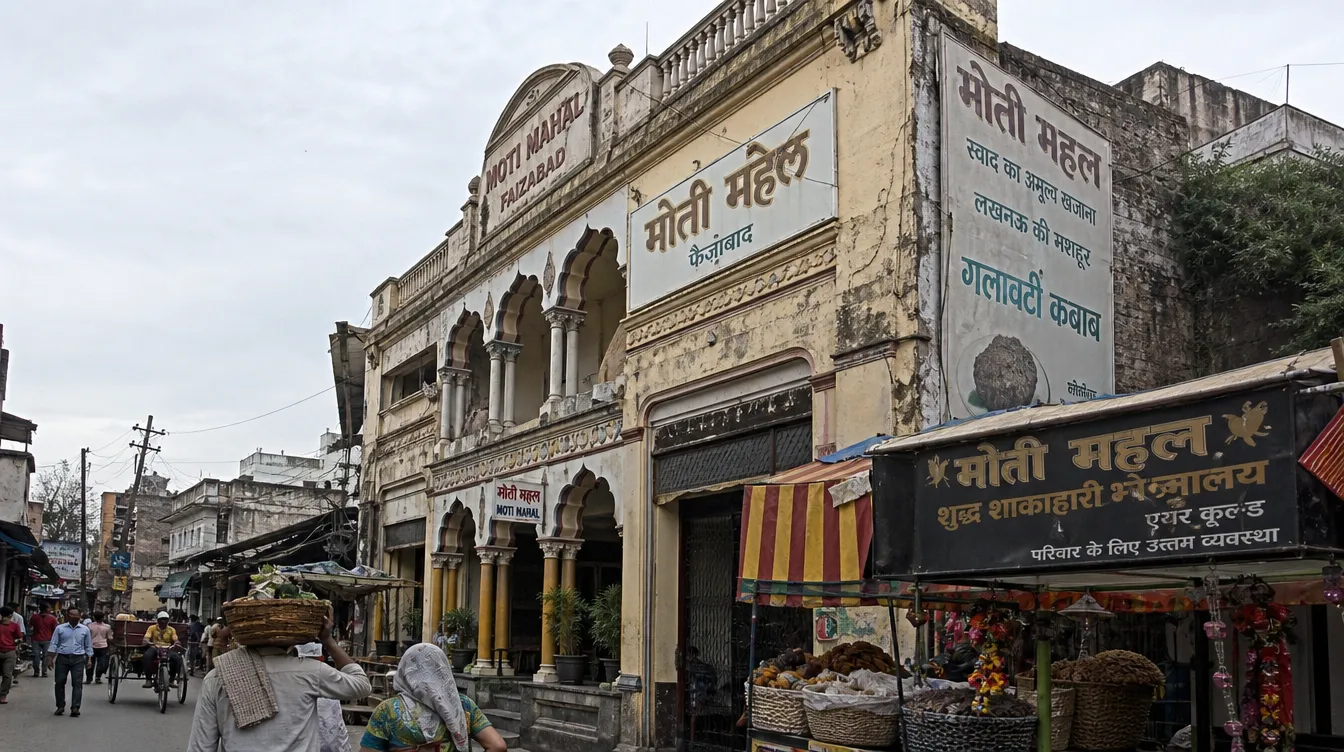
Adjoining Ayodhya is Faizabad, once the capital of the Nawabs of Awadh, and it keeps their graceful heritage: the great Bahu Begum ka Maqbara, one of the finest tombs of the region; the Gulab Bari, the garden-tomb amid its roses; and the Moti Mahal, the pearl palace. They are presented here as history, with respect for the age that raised them.
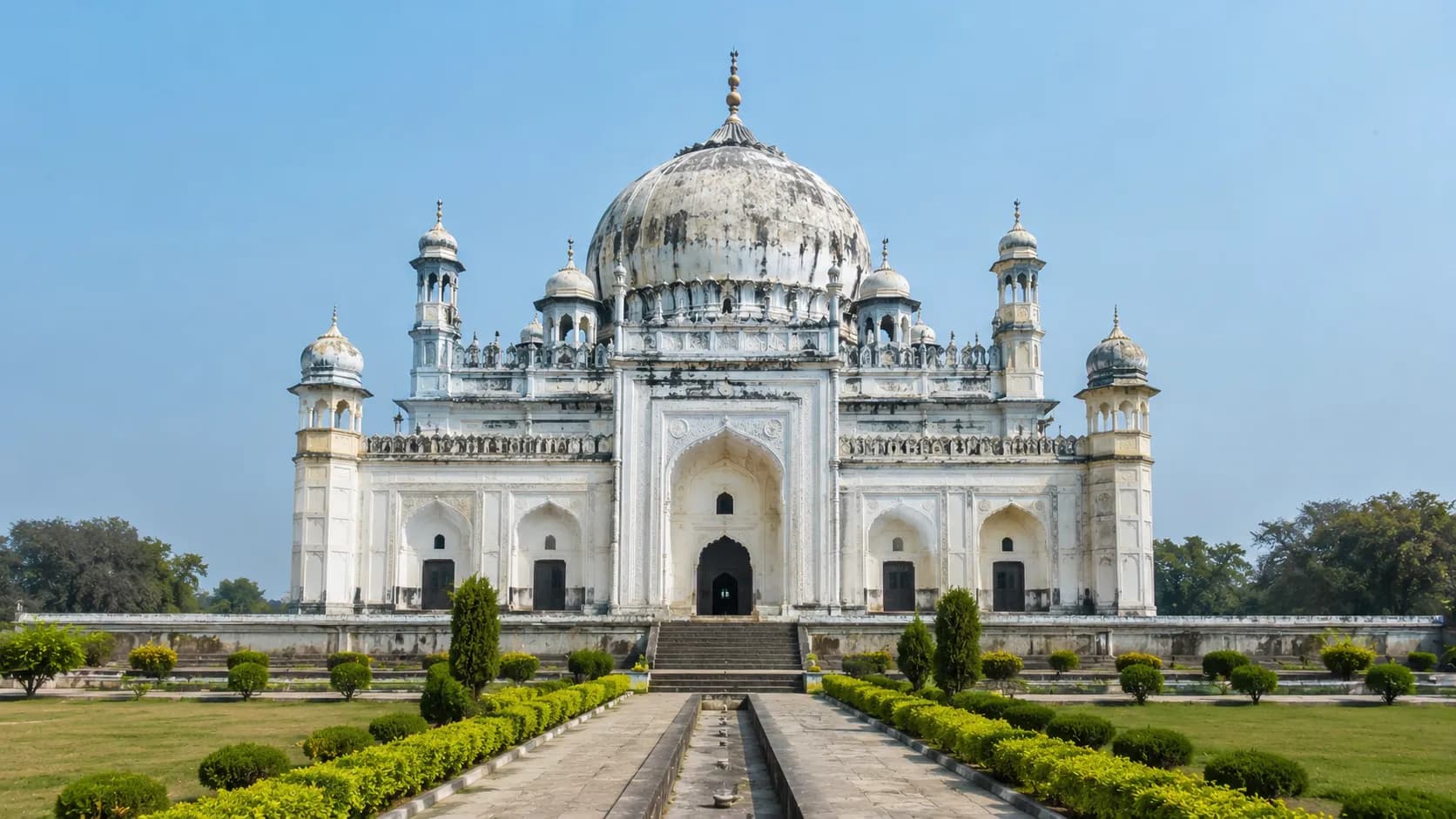
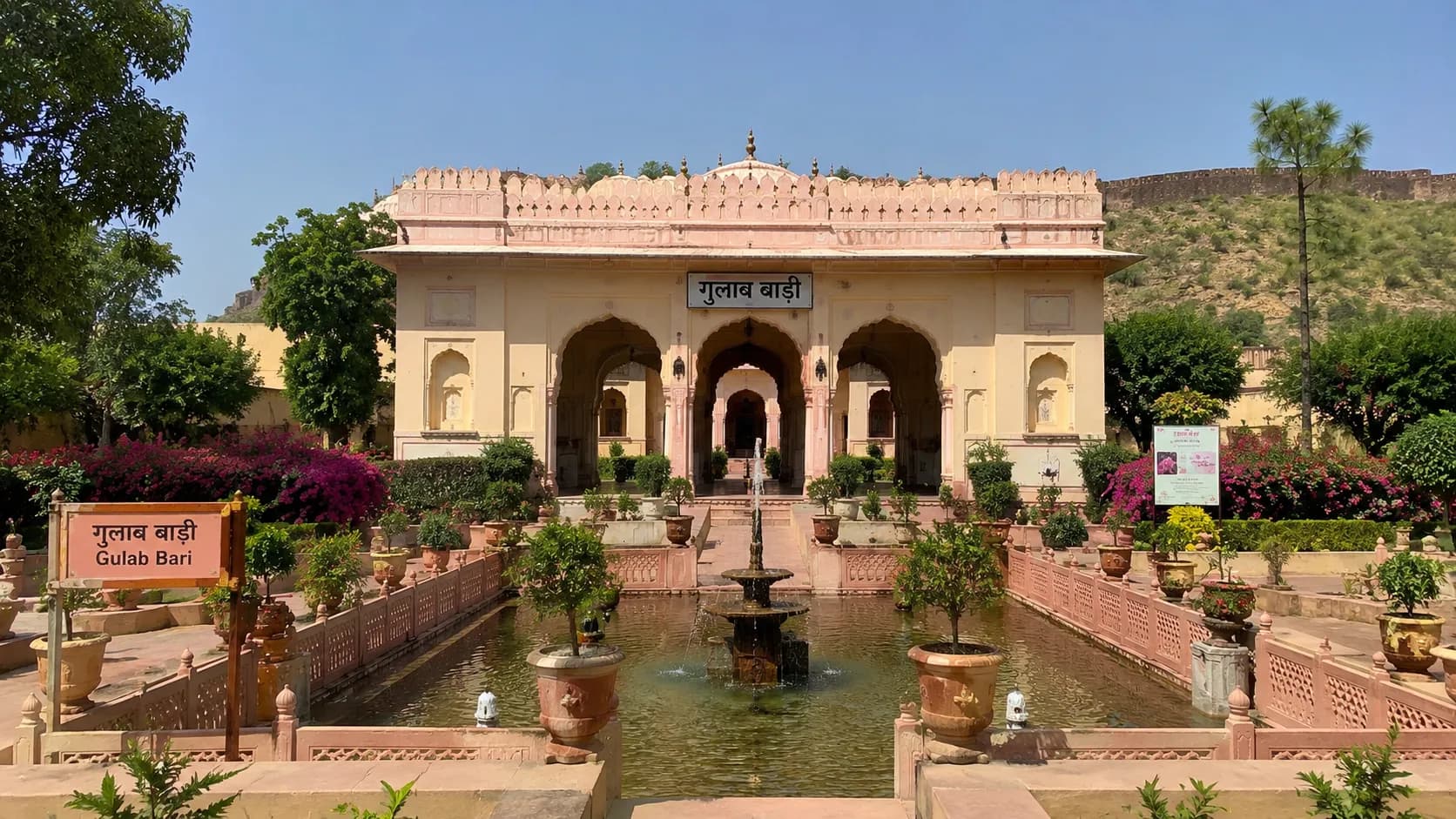
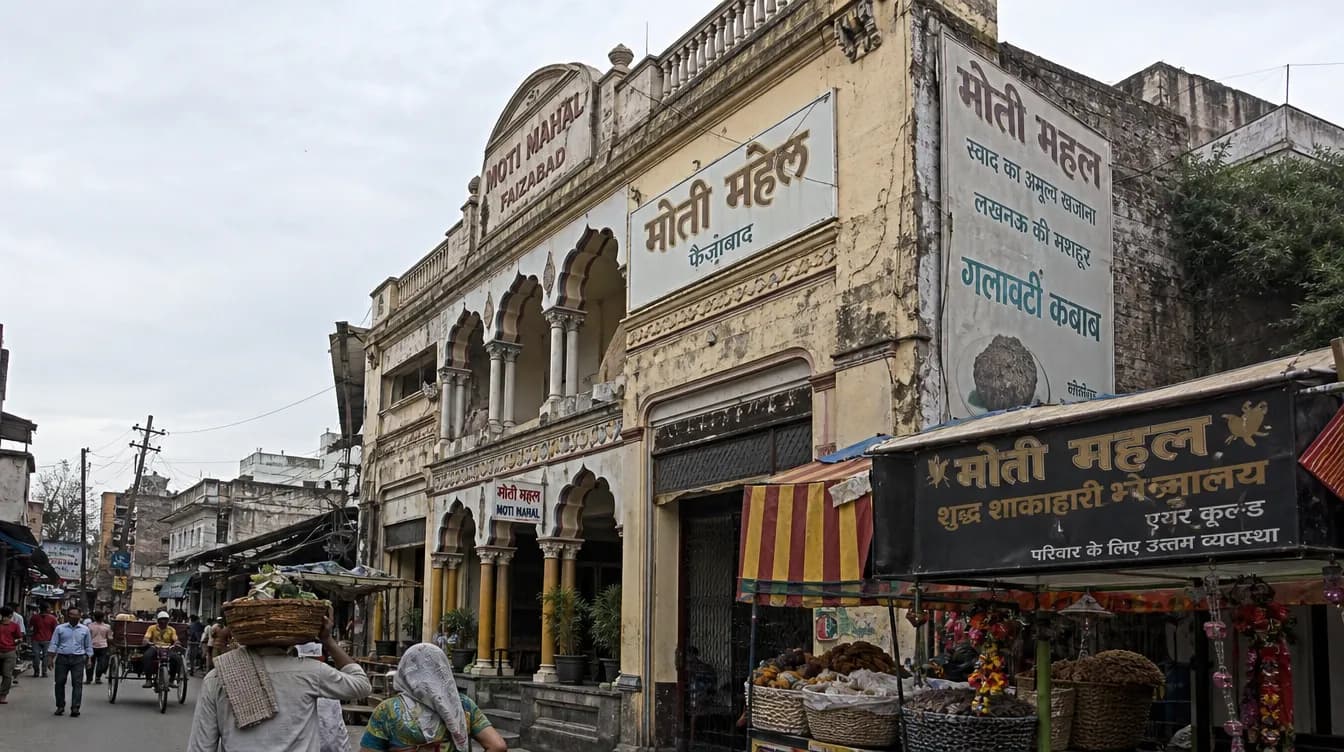
Ram Navami and the Deepotsav
Ayodhya's greatest days are two. Ram Navami, in the spring, is the birthday of Lord Ram, when the city fills with joy and the birthplace with pilgrims.
And the Deepotsav, on the eve of Diwali, is Ayodhya's own spectacular festival of lights, a re-enactment of the return of Lord Ram from exile, when millions upon millions of earthen lamps are lit along the Saryu and across the city, setting record after record, and the whole of Ayodhya glows as it must have on the night the Lord came home. To see Ayodhya at Deepotsav is unforgettable; ask us for the dates and plan well ahead.
Planning your visit to Ayodhya
October to March is the pleasant season; Ram Navami (March to April) and the Deepotsav (around Diwali, October to November) are the greatest and busiest days.
By air to the new Ayodhya (Maharishi Valmiki) airport; by rail to Ayodhya Dham Junction; by road from Lucknow (about 135 km), Varanasi and Prayagraj.
Two days for the Ram Janmabhoomi, the main temples and the Saryu aarti; three or more for the ghats, the Jain and heritage sites and Nandigram.
A growing range of hotels and dharamshalas in Ayodhya and Faizabad; book well ahead for festival days.
Ayodhya pairs naturally with Varanasi and Prayagraj in one great pilgrimage.
For Ayodhya, or a combined Kashi, Ayodhya and Prayagraj pilgrimage planned end to end, see our tour packages. See tour packages.
Our Ayodhya tours and the three-city pilgrimage
We are a Varanasi, Ayodhya and Prayagraj based operator, a unit of Experience My India, with more than forty years of guiding pilgrims across all three holy cities, and our own local guides and pandits in Ayodhya. Darshan everywhere is free; what we offer is the whole of it made smooth, meaningful and complete.
Ayodhya darshan tour
The Ram Janmabhoomi, the main temples, the Saryu aarti and the heritage, with a guide. Two to three days.
Janmabhoomi and Saryu aarti day
The birthplace darshan, Hanuman Garhi and the evening aarti, with a guide.
Deepotsav / Ram Navami
Ayodhya at its great festivals, with darshan and all arrangements.
Experience My India is a travel operator, not the temples' administration. Darshan is free; our charge is only for guiding, transport, the pandit and services. Inclusions and exclusions are stated up front, and no charge appears later that was not named. Timings, dates and rules are set by the temples and authorities and can change.
The city of Ram, in my own words
Guiding pilgrims in Ayodhya is one of the great joys of my life, and never more than now, when the whole world is coming to the birthplace of Lord Ram. I always take my guests first to Hanuman Garhi, to seek Hanuman's leave, and then to the great new Ram Janmabhoomi Mandir for the darshan of Ram Lalla, which brings tears to so many eyes.
From there the whole city of the Ramayana opens: the golden Kanak Bhavan, the Shiva that Ram's own son established, the kitchen of Mata Sita, the hills of the Ramayana, and in the evening the beautiful Saryu aarti at Ram ki Paidi. And I love to show my guests how much more Ayodhya holds: that it is one of the greatest Jain tirthas, the birthplace of the first Tirthankara; that the Sikh Gurus came here, and that a princess of Ayodhya is honoured as a queen of Korea; and that nearby Faizabad keeps the graceful heritage of the Nawabs.
Whether my guests come for a day or a week, for the Ram darshan or the great Deepotsav, I plan it all, and I love above all to be here when the millions of lamps are lit along the river and Ayodhya glows as it did the night the Lord came home. In more than forty years of guiding, sharing Ayodhya, the birthplace of Lord Ram, with those who come to it is among the greatest blessings of my life.
The three holy cities: Kashi, Ayodhya and Prayag
Ayodhya is one of the three great holy cities of the region, and pilgrims most often visit all three together in one journey.
Frequently asked questions
What is Ayodhya famous for?+
It is the birthplace of Lord Ram, the site of the Shri Ram Janmabhoomi Mandir, on the banks of the Saryu; one of the Sapta Puri, the seven cities that grant liberation, and a great Jain tirtha too.
What is the Ram Janmabhoomi Mandir?+
The grand temple raised at the sacred birthplace of Lord Ram, where the child-form Ram Lalla is enshrined; the heart of the Ayodhya pilgrimage.
What are the main temples of Ayodhya?+
The Ram Janmabhoomi, Hanuman Garhi (visited first), Kanak Bhavan, Nageshwarnath, Dashrath Mahal, Treta Ke Thakur and many more, with the Devkali Devi temples.
What is the Saryu aarti?+
The beautiful evening aarti to the holy Saryu river, performed at Ram ki Paidi, the great riverfront steps of Ayodhya.
Is Ayodhya a Jain pilgrimage site?+
Yes; it is one of the greatest Jain tirthas, the birthplace of five Tirthankaras, including Rishabhanatha (Adinath), the first Tirthankara of this age.
What is the Deepotsav?+
Ayodhya's spectacular festival of lights on the eve of Diwali, re-enacting the return of Lord Ram, when millions of lamps are lit along the Saryu.
How many days do I need in Ayodhya?+
Two days for the Ram Janmabhoomi, the main temples and the Saryu aarti; three or more for the ghats, the Jain and heritage sites, and Nandigram.
How do I reach Ayodhya?+
By air to the new Ayodhya (Maharishi Valmiki) airport, by rail to Ayodhya Dham Junction, or by road from Lucknow (about 135 km), Varanasi and Prayagraj.
What is at Faizabad, near Ayodhya?+
The graceful Nawabi heritage of Awadh: the Bahu Begum ka Maqbara, the Gulab Bari and the Moti Mahal.
Can I visit Varanasi and Prayagraj too?+
Yes; Ayodhya, Varanasi and Prayagraj are usually visited together in one great three-city pilgrimage, which we plan end to end.
Visiting Ayodhya?
Our guided packages bundle VIP darshan, a local guide, stays, and private transport across the whole circuit — so you spend the day at the temple, not in queues.
See tour packages →