All Varanasi temples
49 temples
Showing 12 of 49
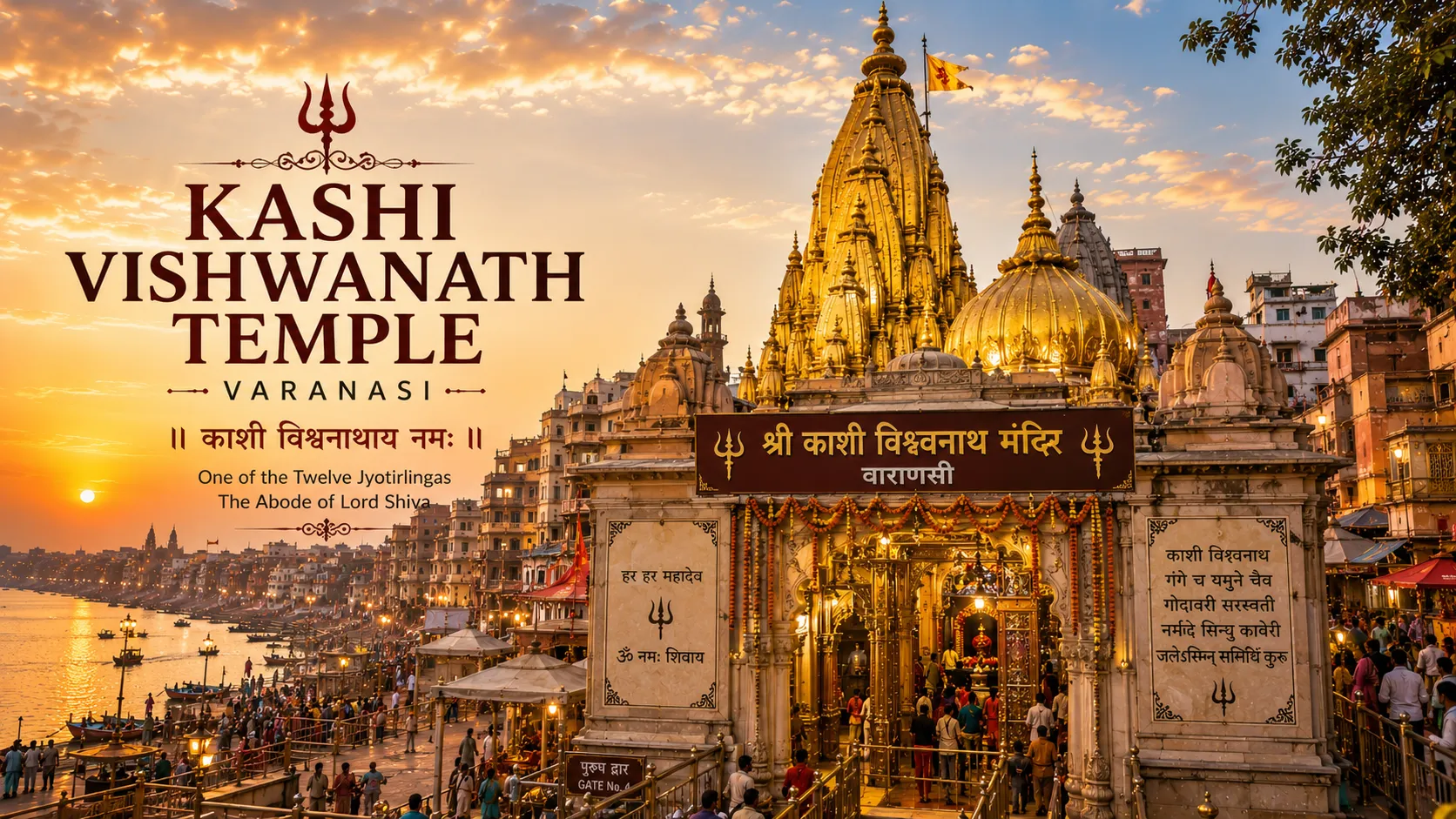
Kashi Vishwanath: the heart of Varanasi
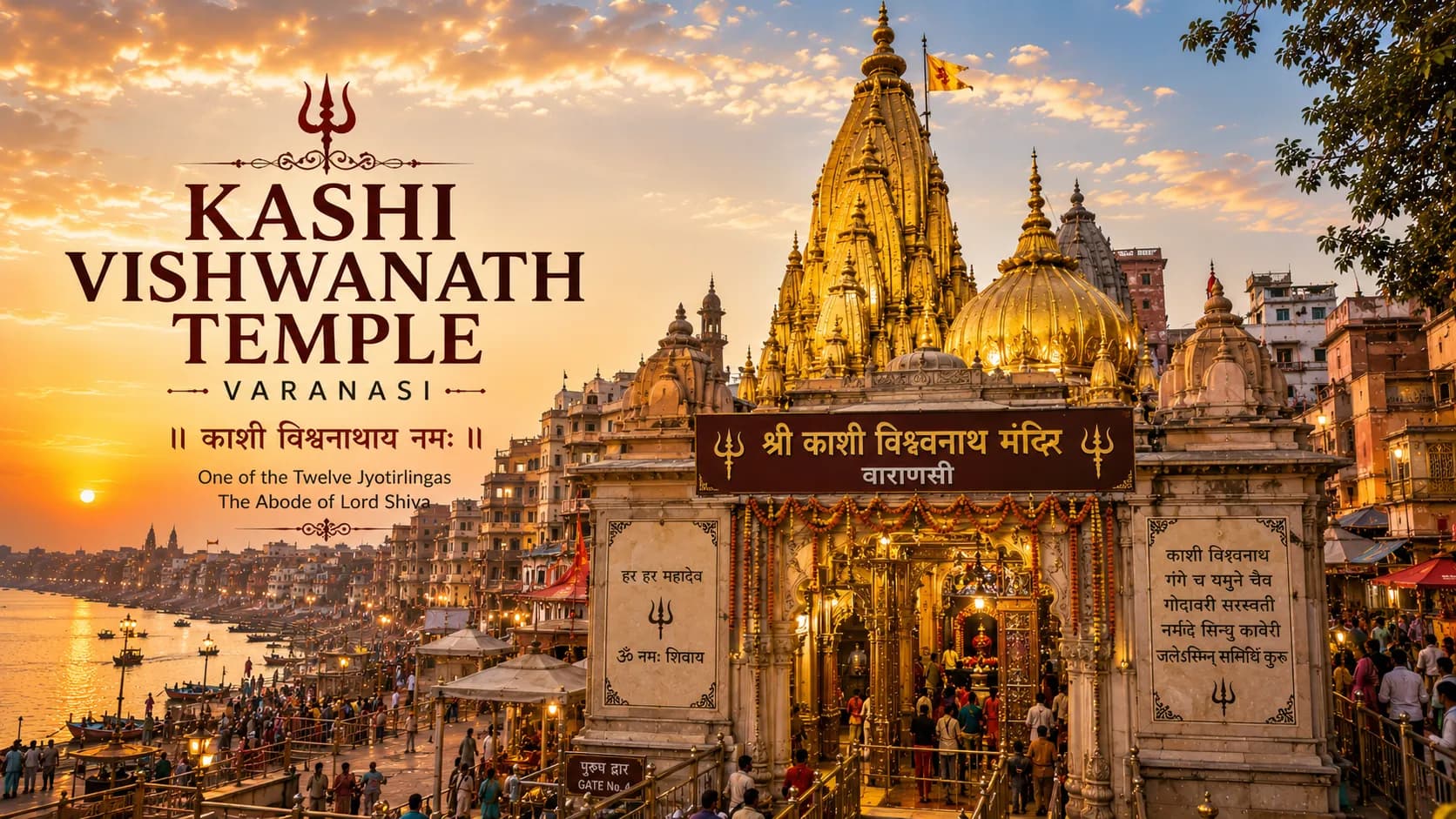
At the very heart of Kashi, and of the faith of every devotee of Shiva, is the Kashi Vishwanath temple, the shrine of Vishwanath, the Lord of the Universe, one of the twelve Jyotirlingas, the self-manifest lingams of light, and the holiest of all the temples of Shiva.
It is the goal of the whole Kashi pilgrimage, and, with the grand new Kashi Vishwanath Dham corridor that now opens the temple to the Ganga, its darshan is the first every pilgrim seeks. Begin here.
The great Shiva temples of Kashi
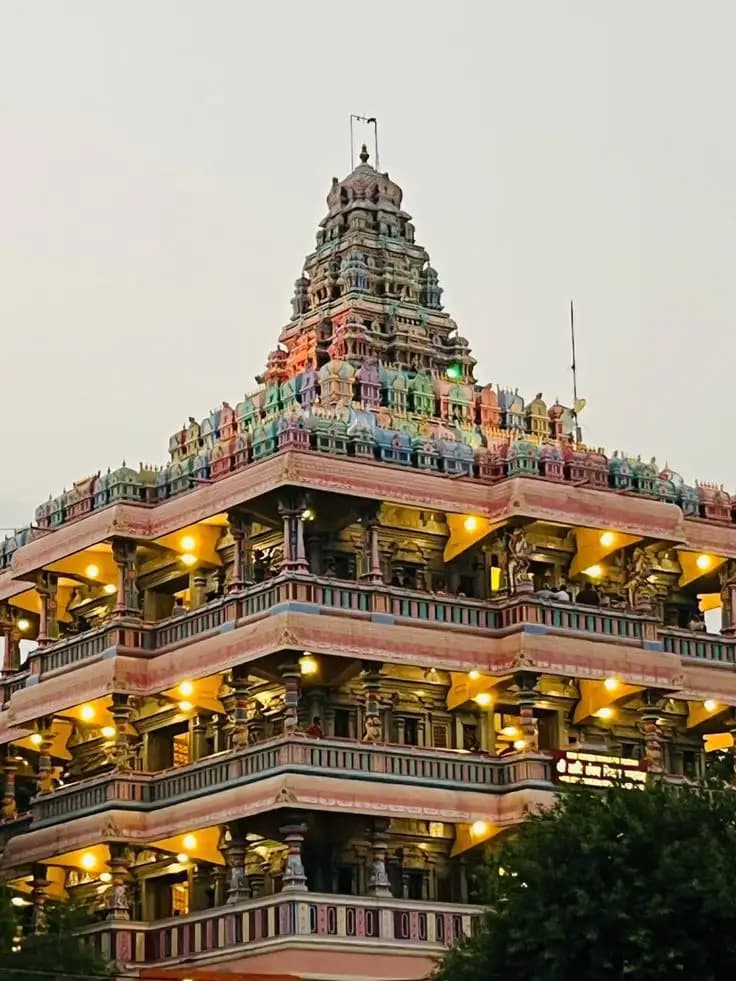
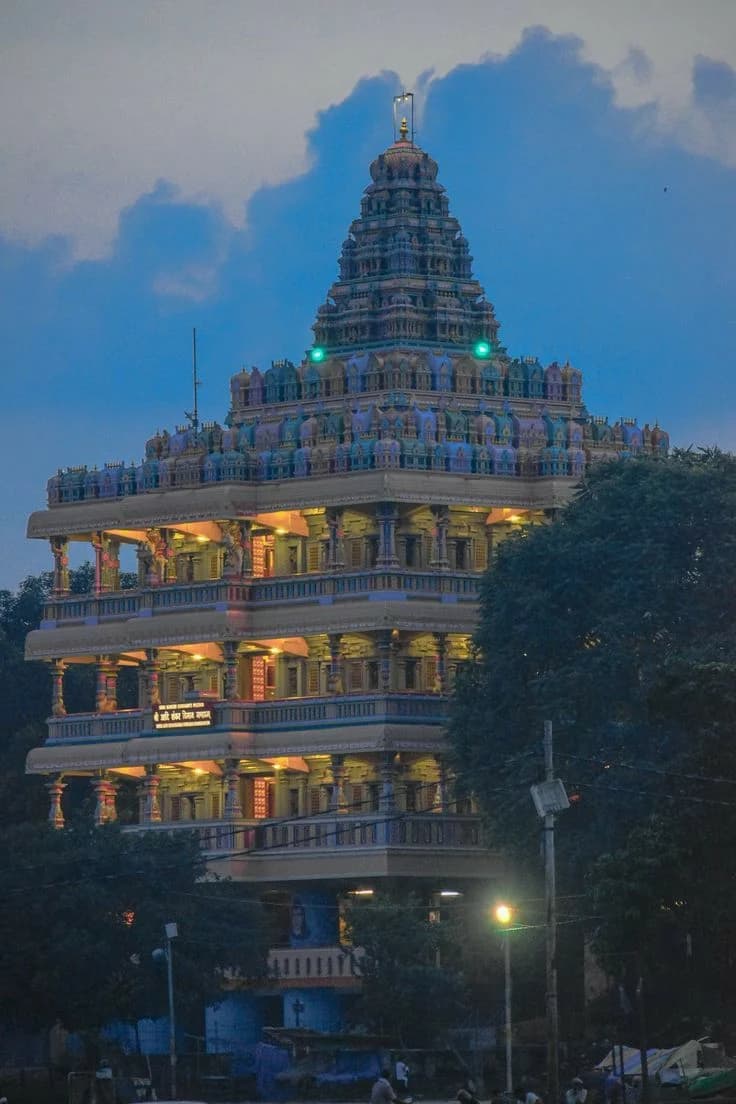
Kashi is a city of Shiva above all, and it holds his great temples beyond number, each a Mahadev of its own. Chief among them, after Vishwanath, is the Mrityunjay Mahadev, the conqueror of death; and there are the ancient Kardameshwar, the Trilochan of the three eyes, the Tilbhandeshwar, the leaning Ratneshwar, the Kedareshwar of Kedar Ghat, and the great new Vishwanath temple at the Banaras Hindu University.
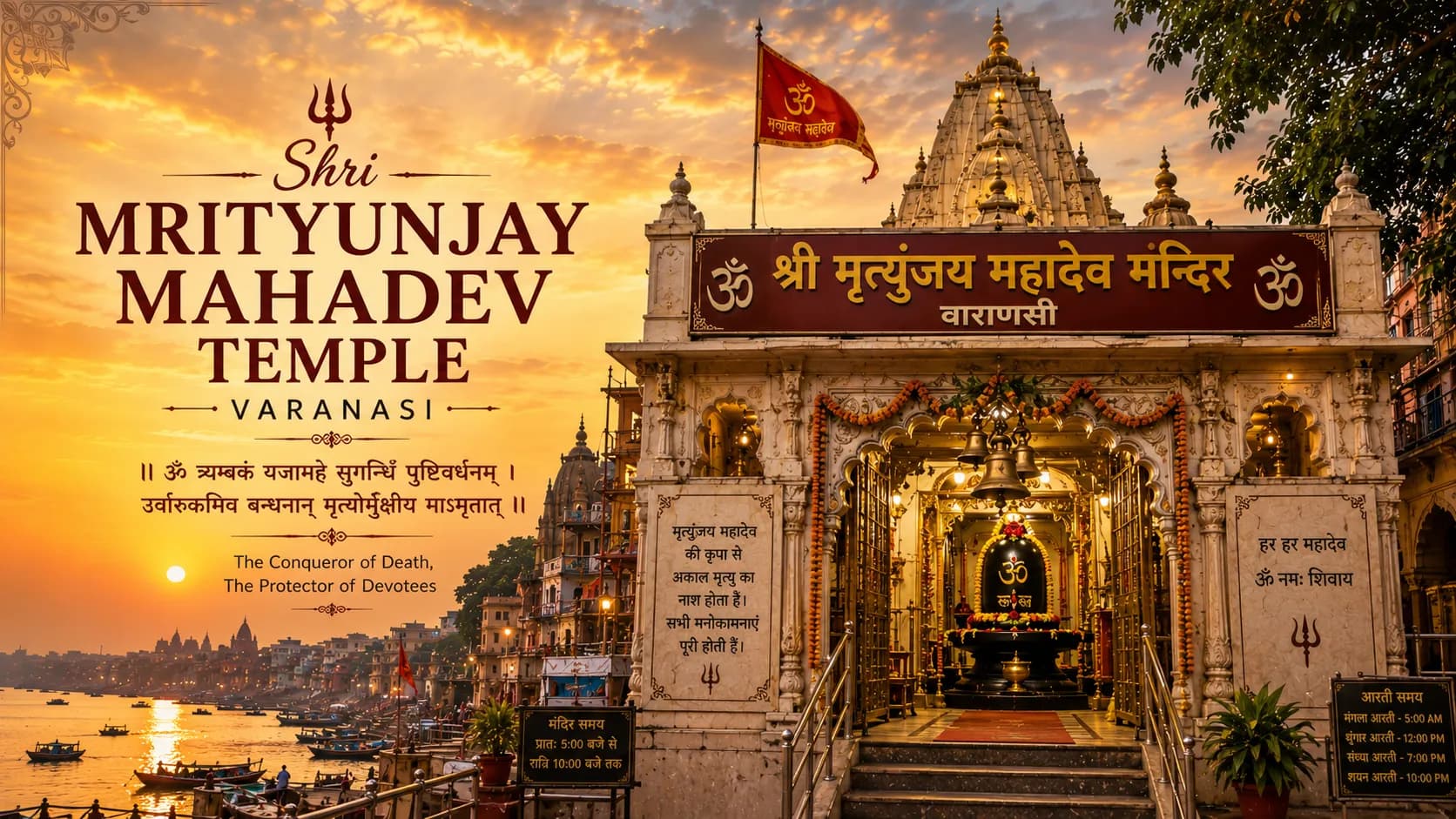
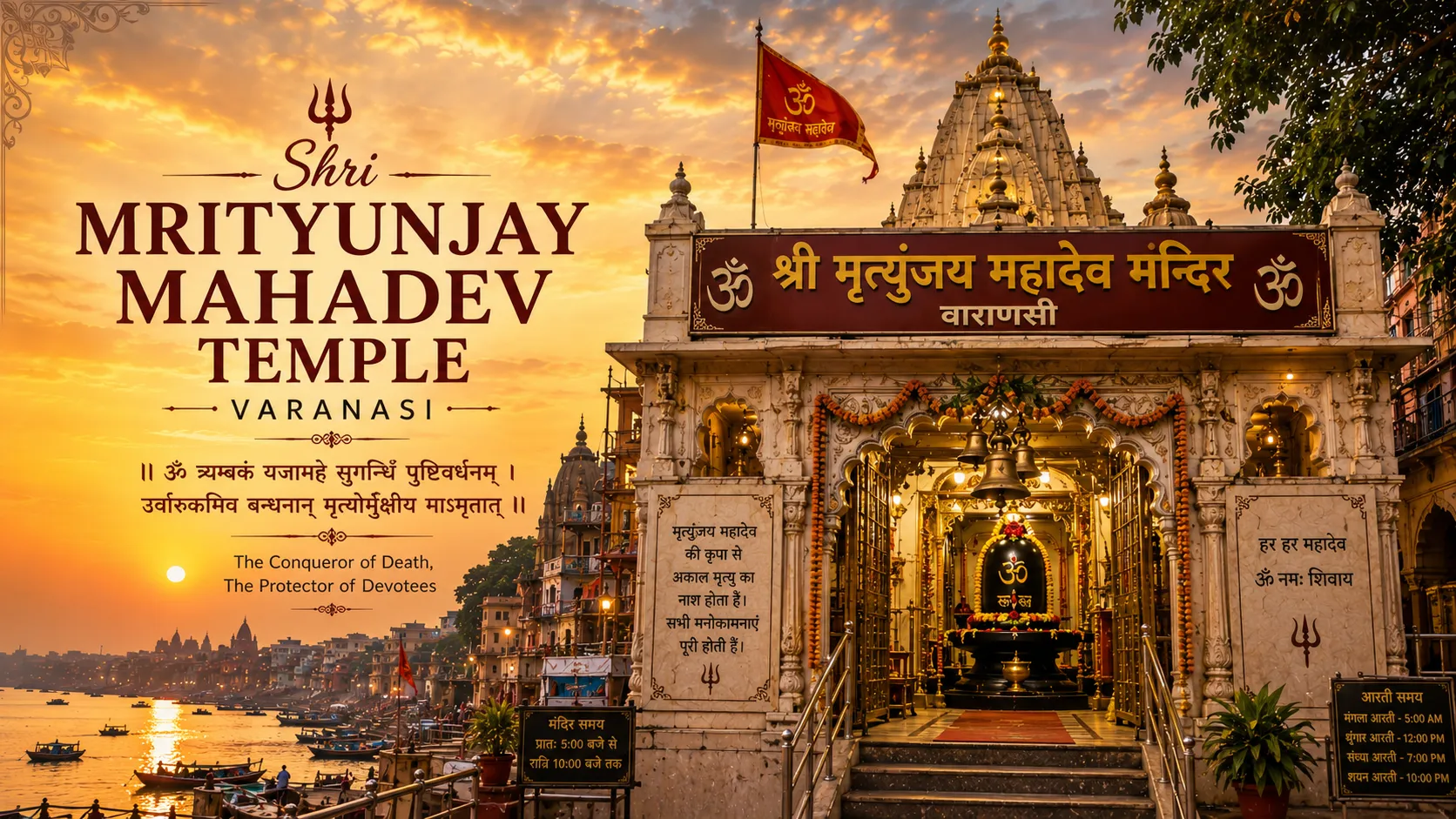
Mrityunjay Mahadev
The conqueror of death; sought against untimely death.
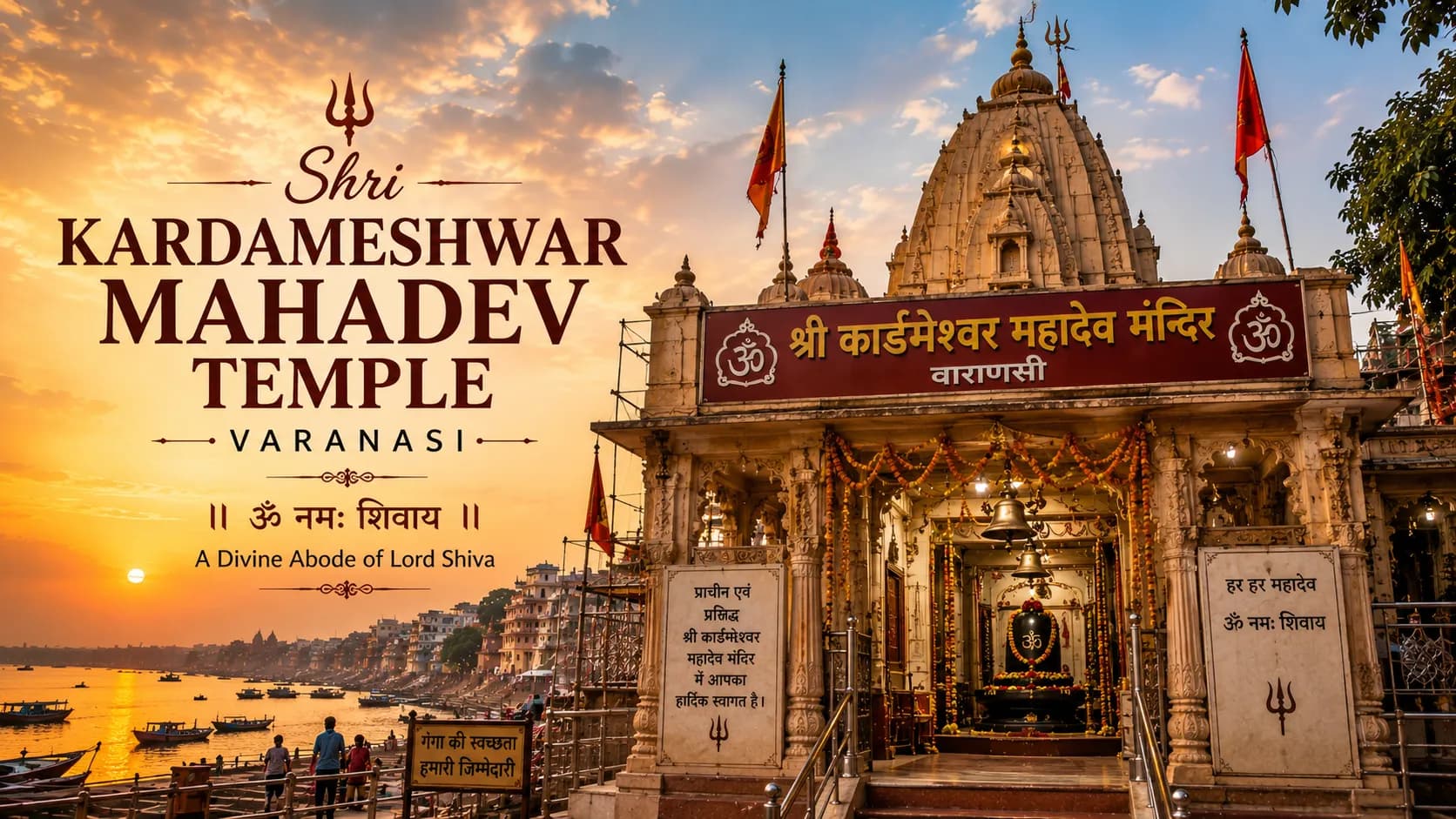
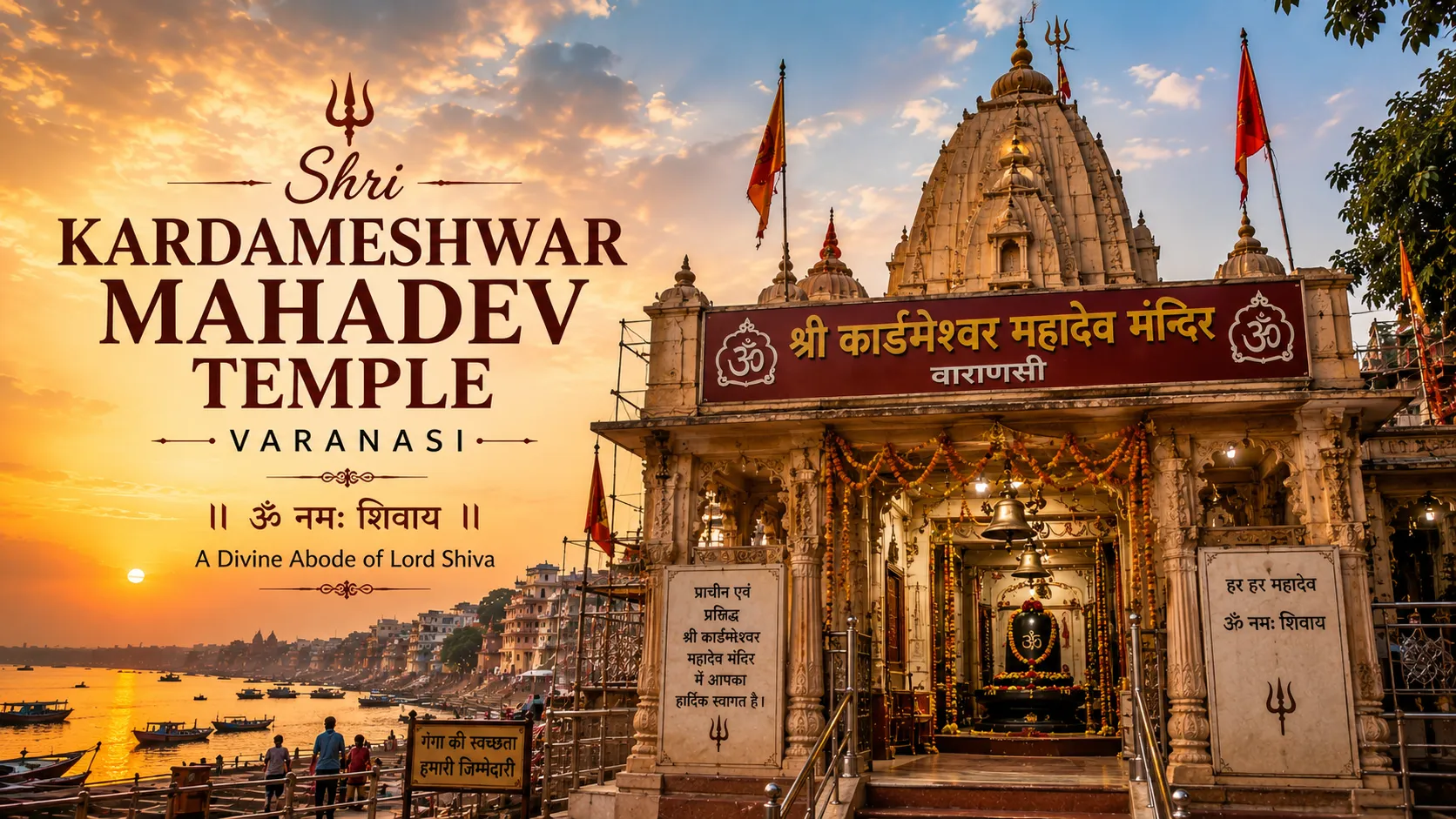
Kardameshwar Mahadev
One of the oldest temples of Kashi, on the Panchkroshi route.
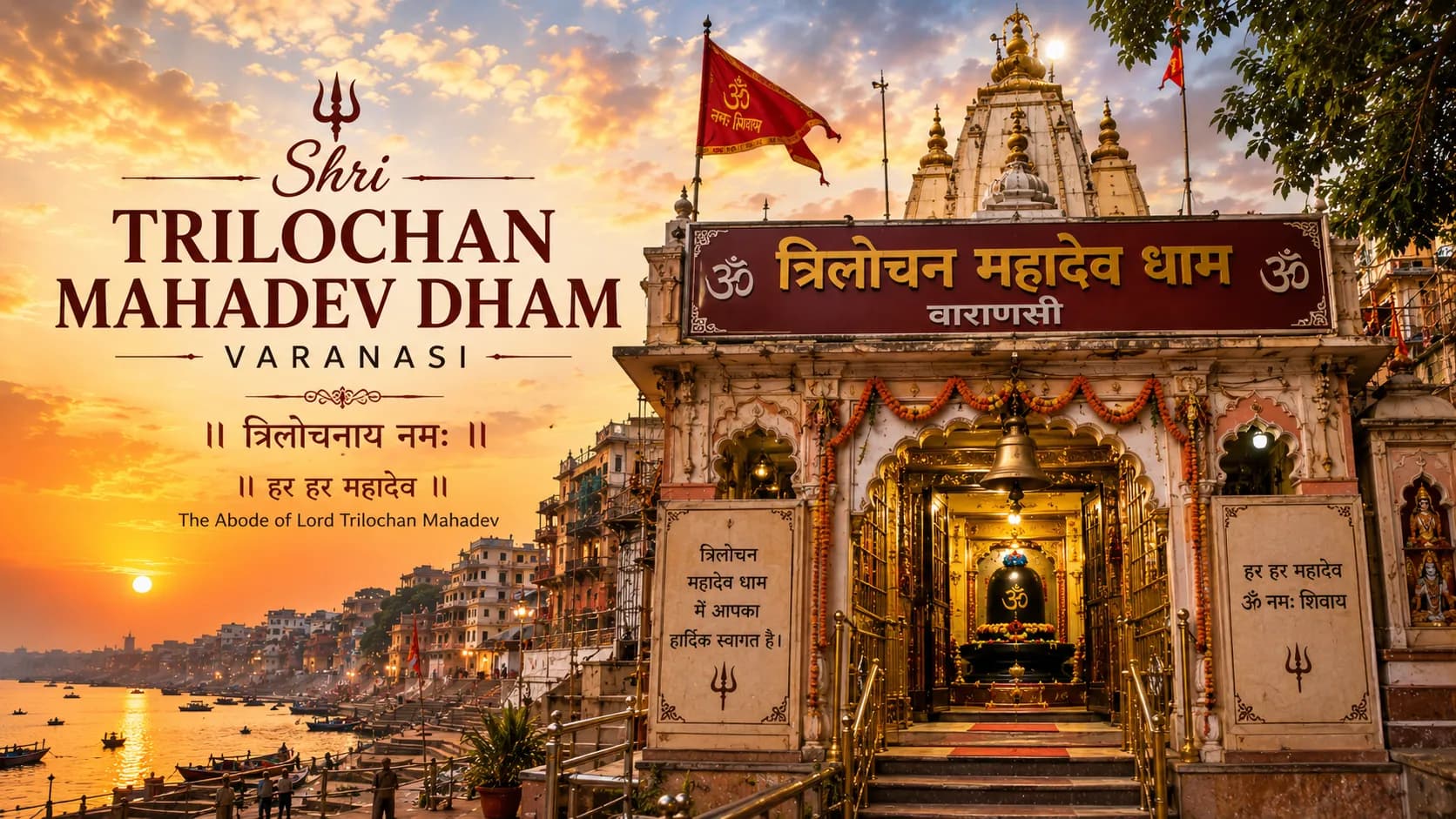
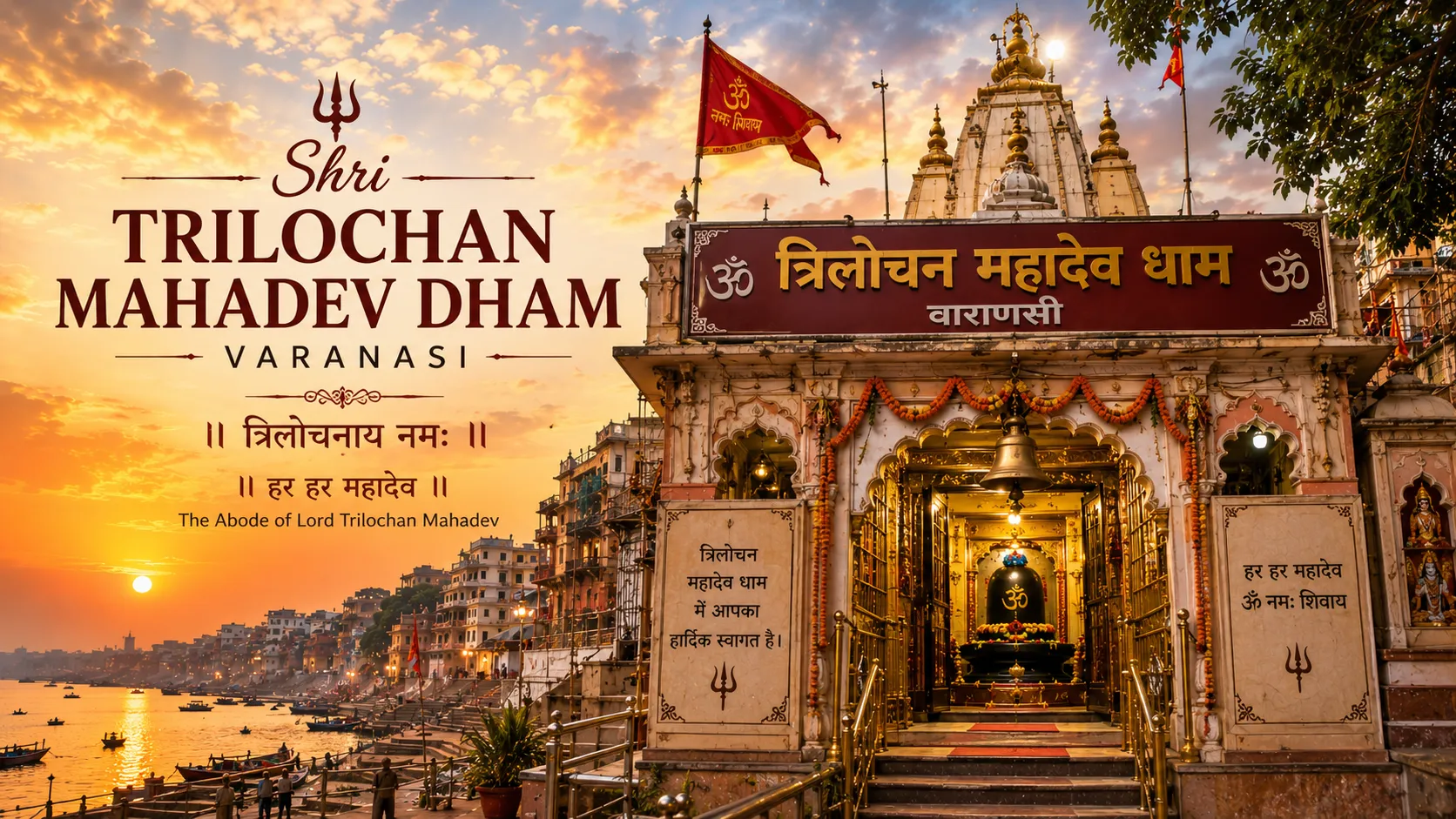
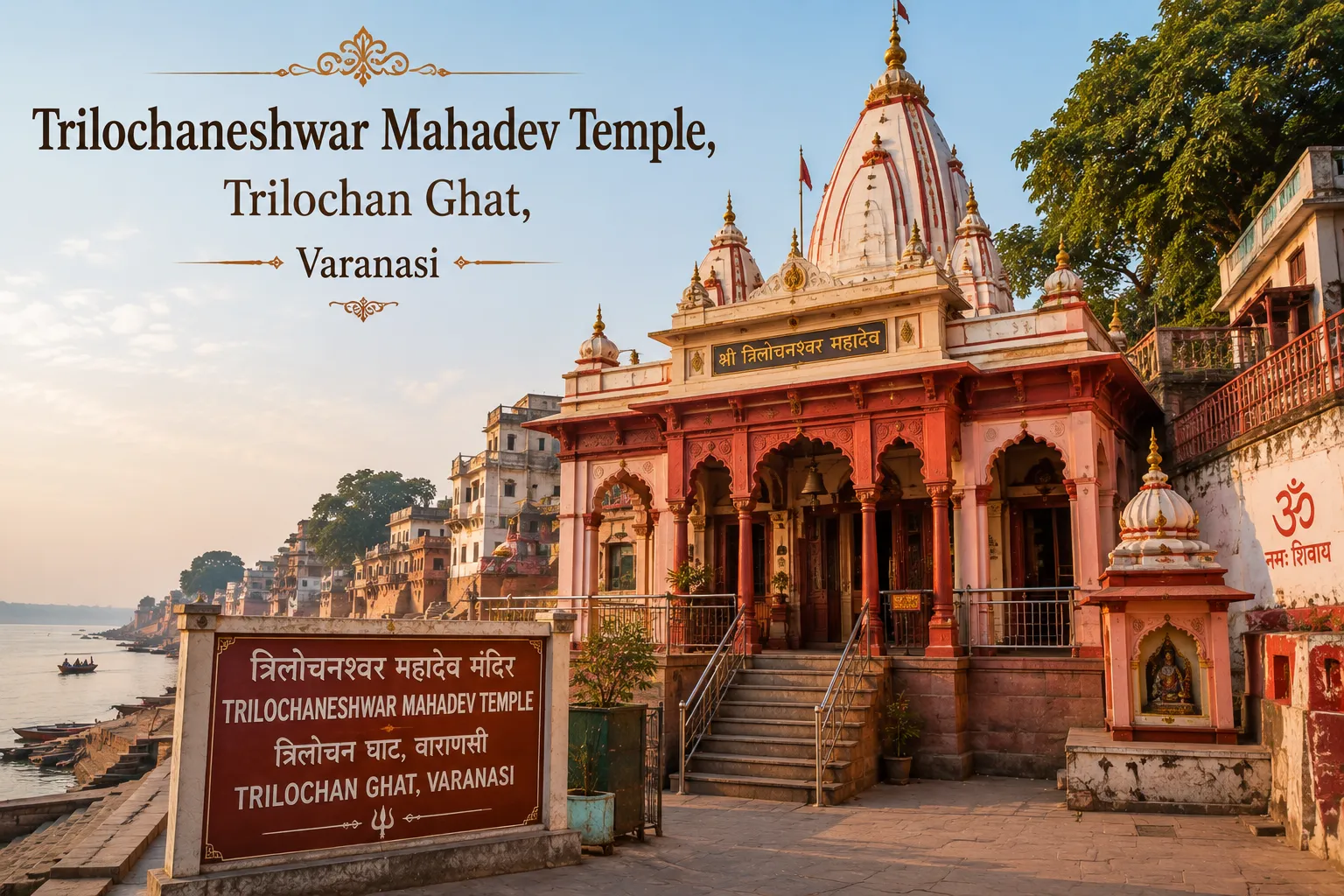
Trilochan Mahadev
The three-eyed Shiva, an ancient Mahadev of Kashi.
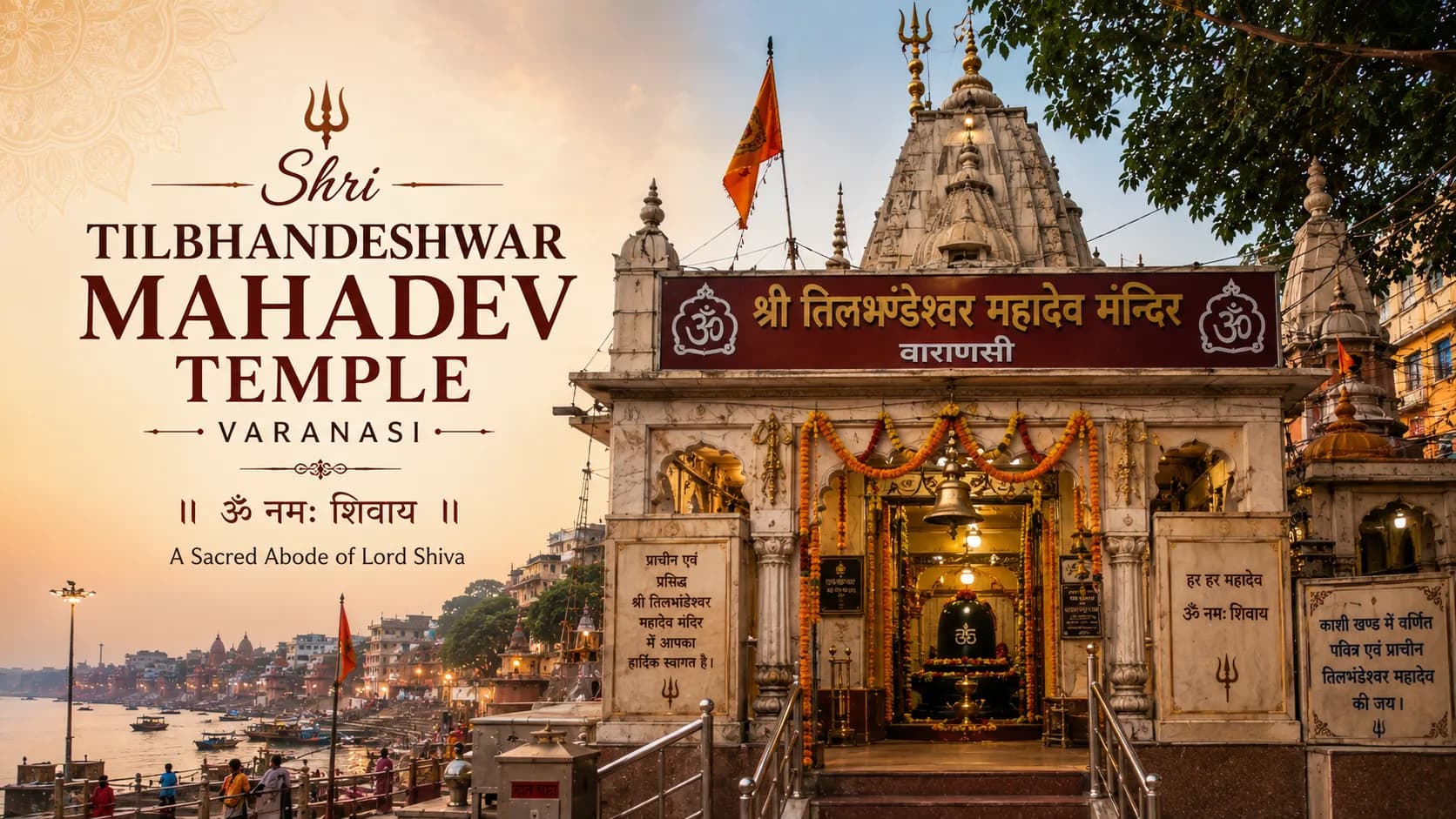
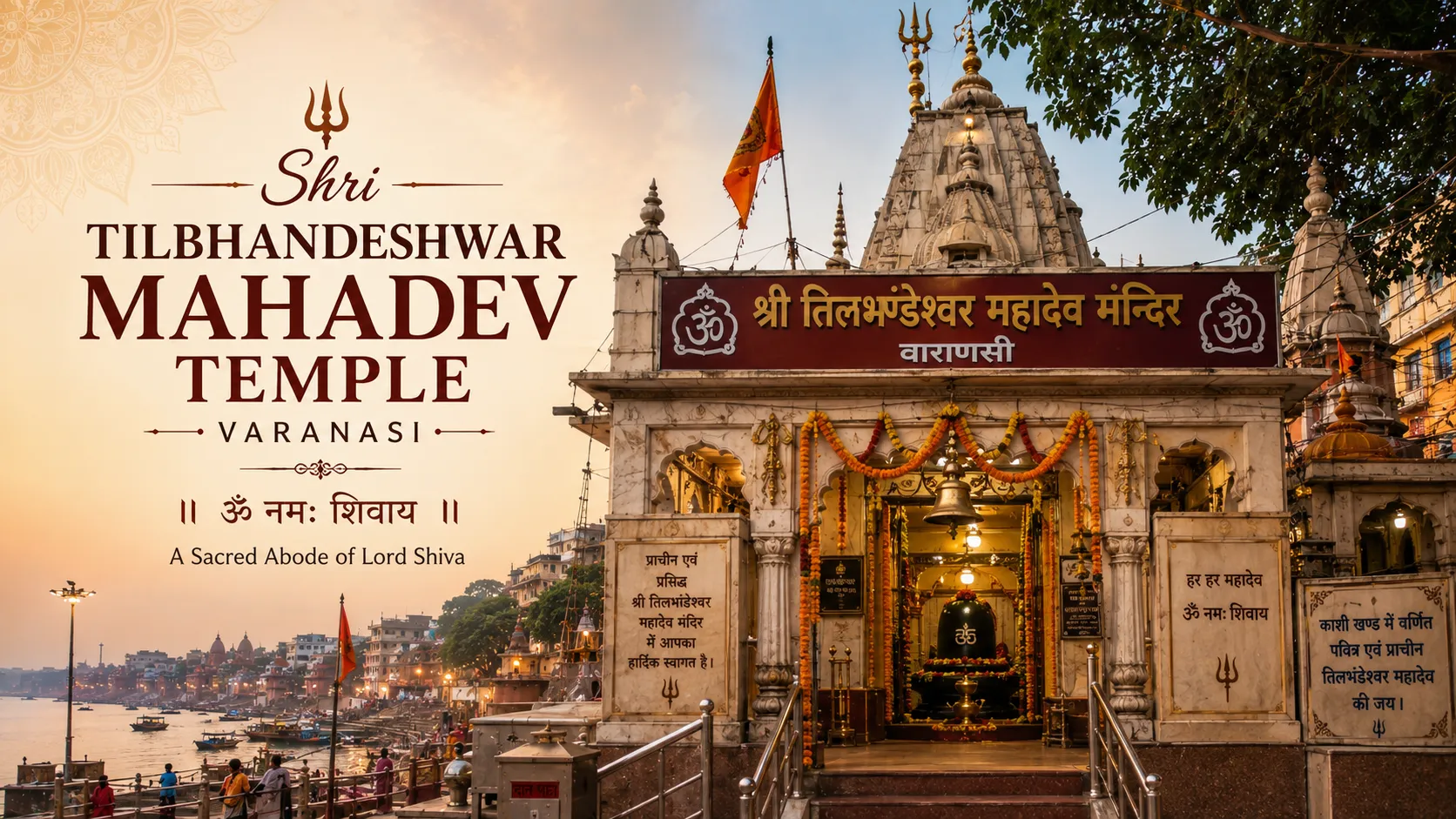
Tilbhandeshwar Mahadev
The Shiva said to grow by a sesame seed each day.
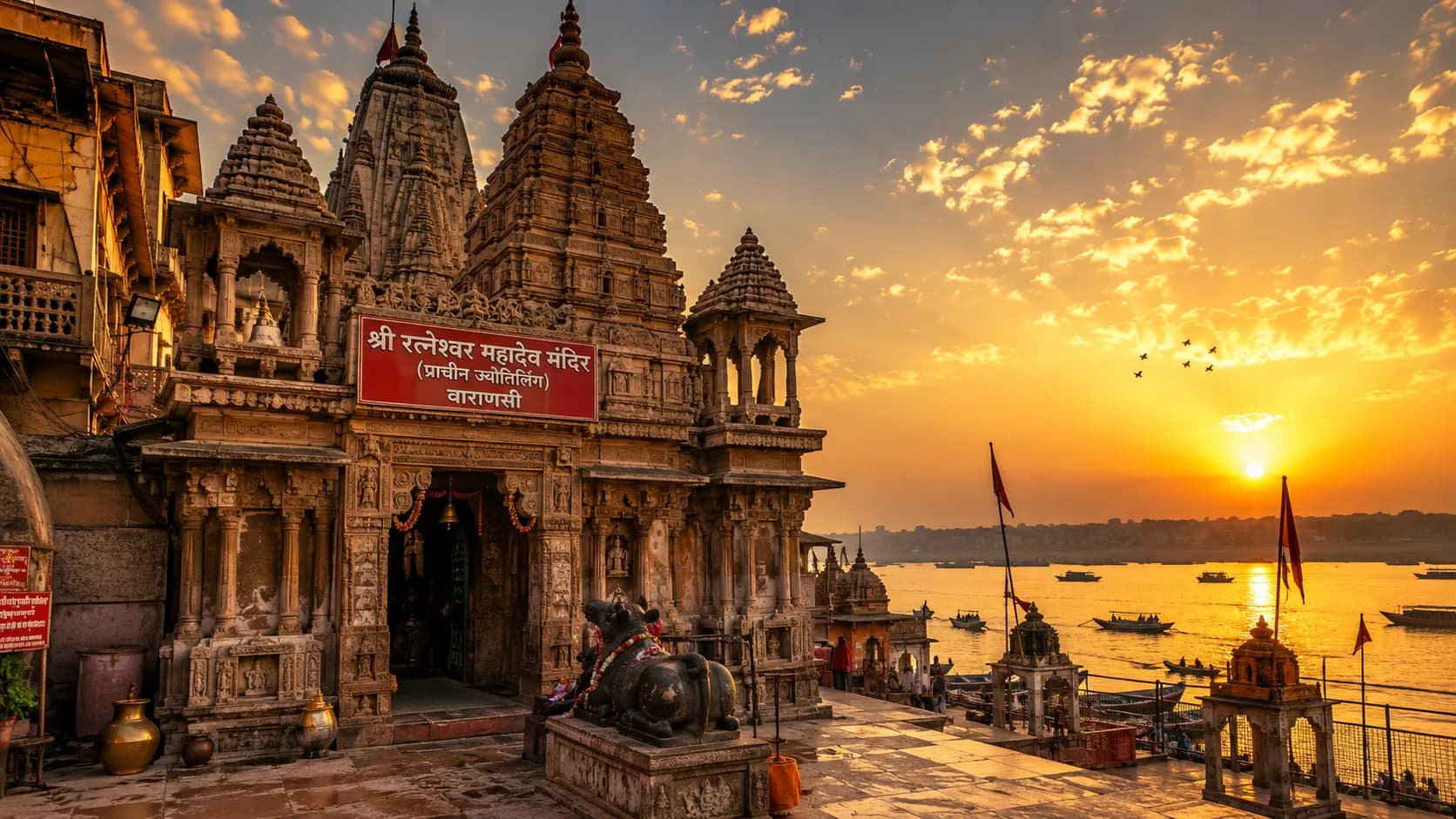
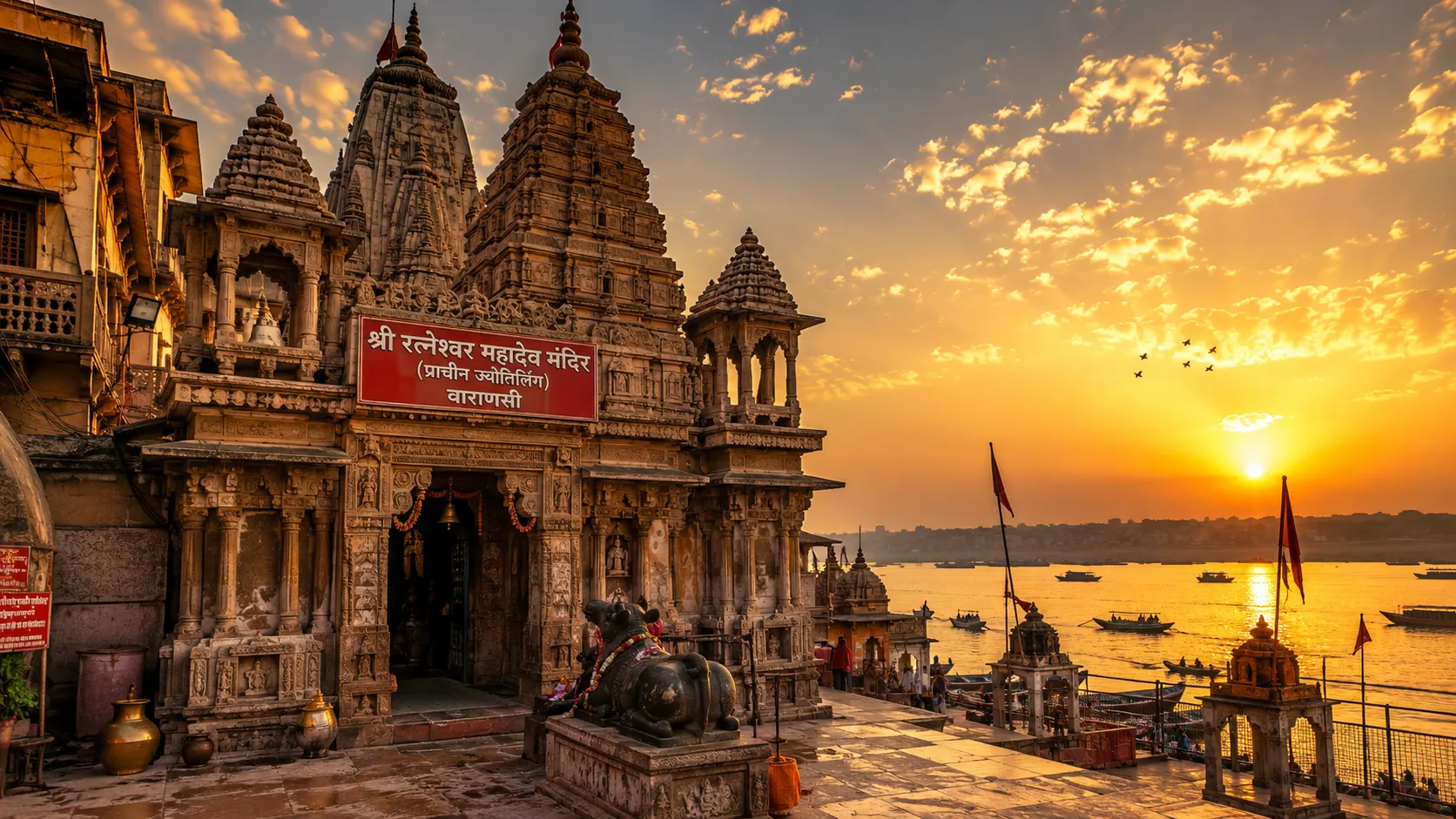
Ratneshwar Mahadev
The famous leaning temple by the Ganga.
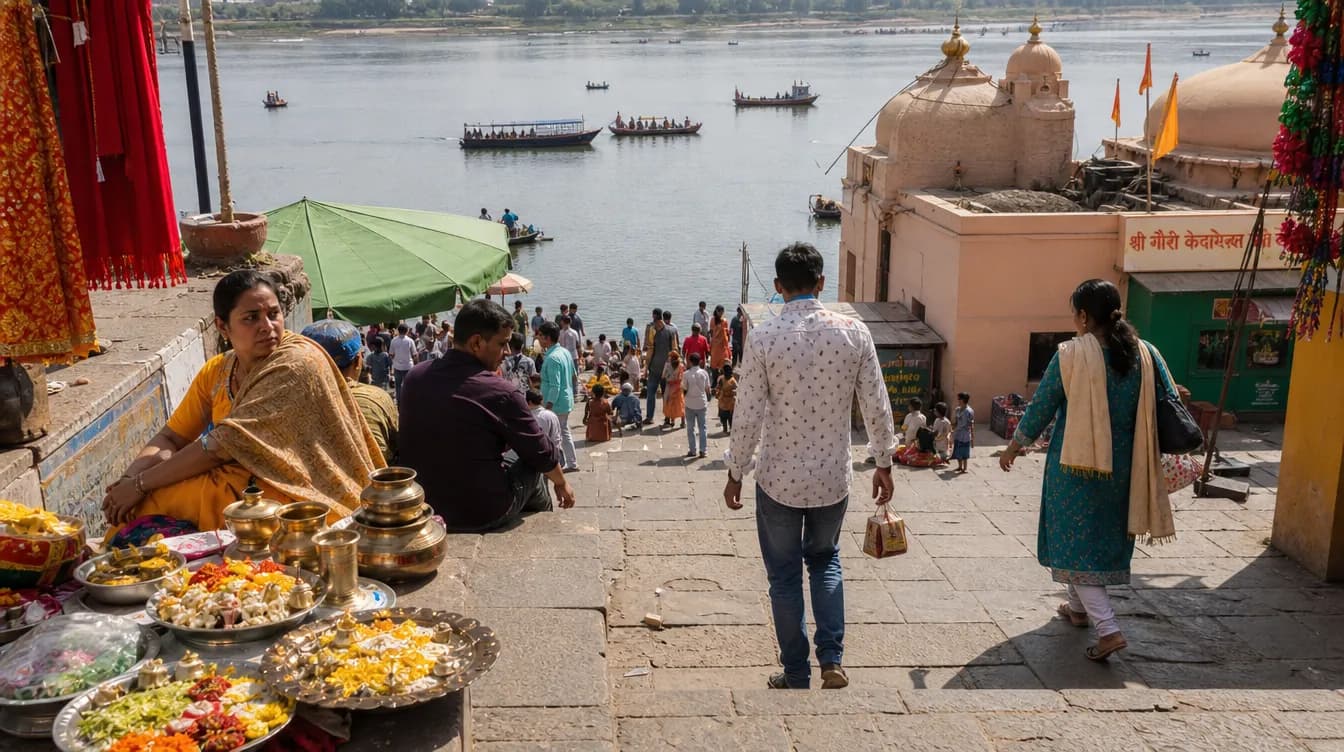
Kedareshwar Mahadev
The Shiva of Kedar Ghat, on the southern reach of the river.
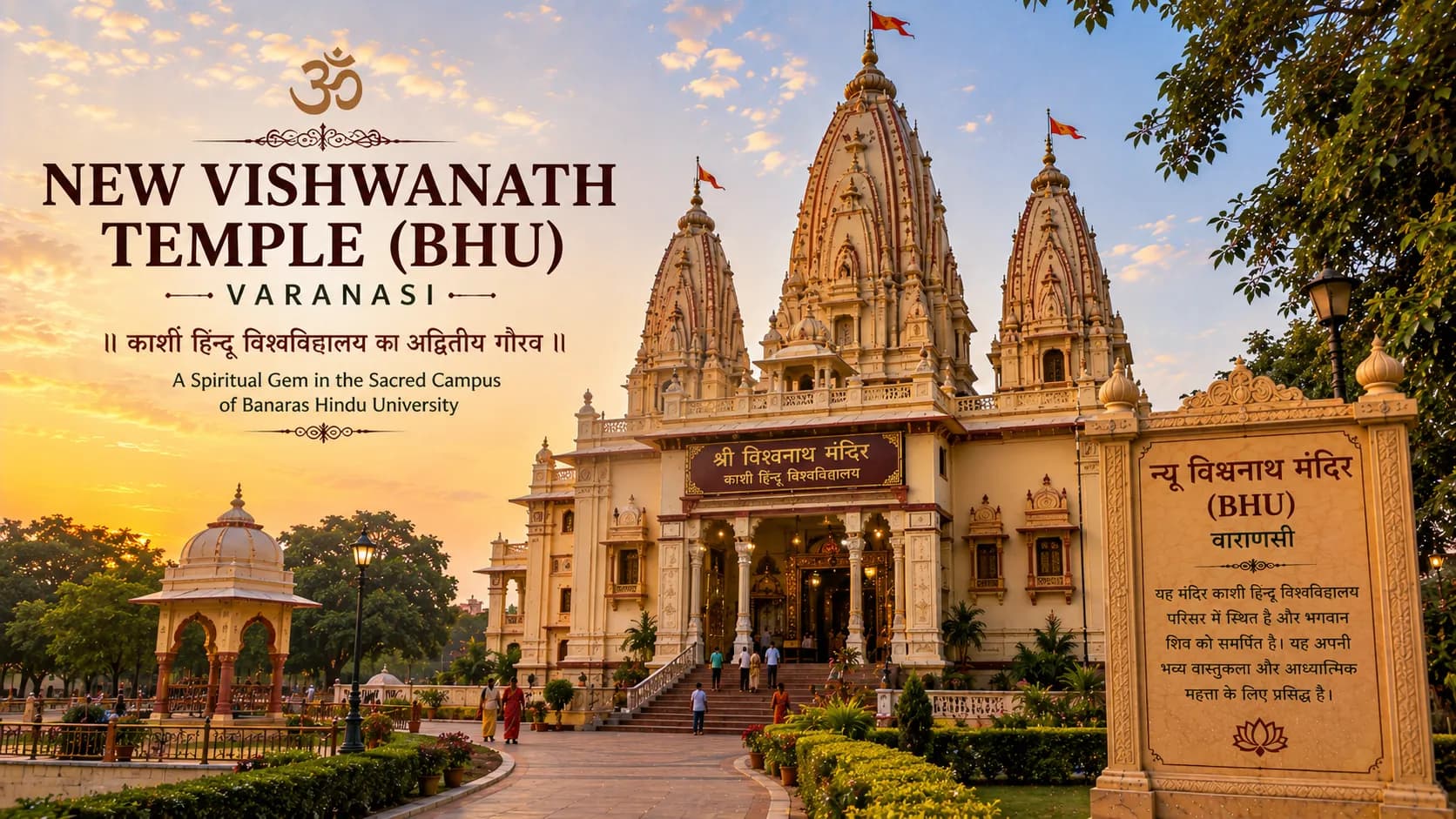
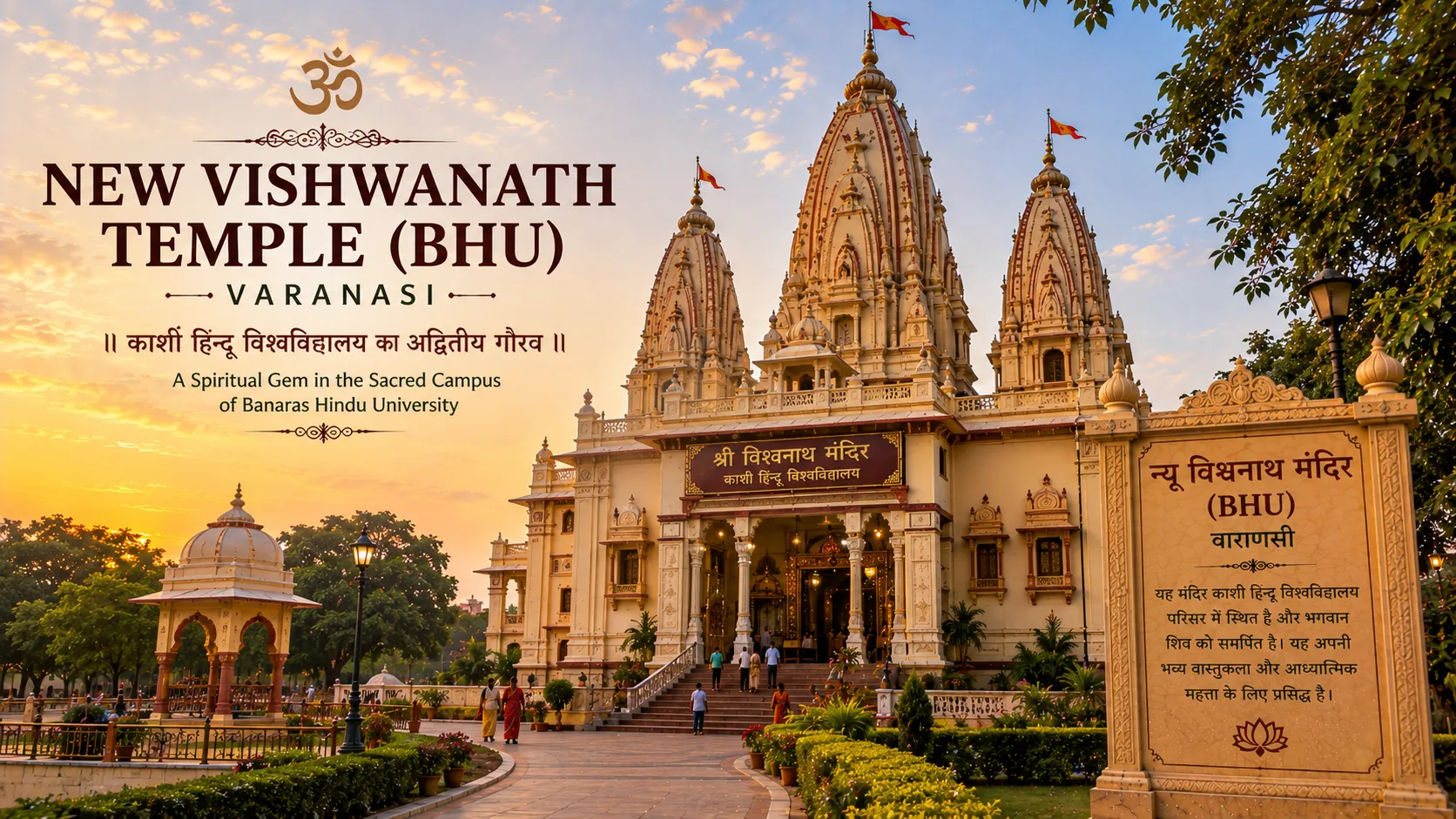
New Vishwanath Temple (BHU)
The great Birla temple at the Banaras Hindu University.
The Bhairavs: the guardians of Kashi
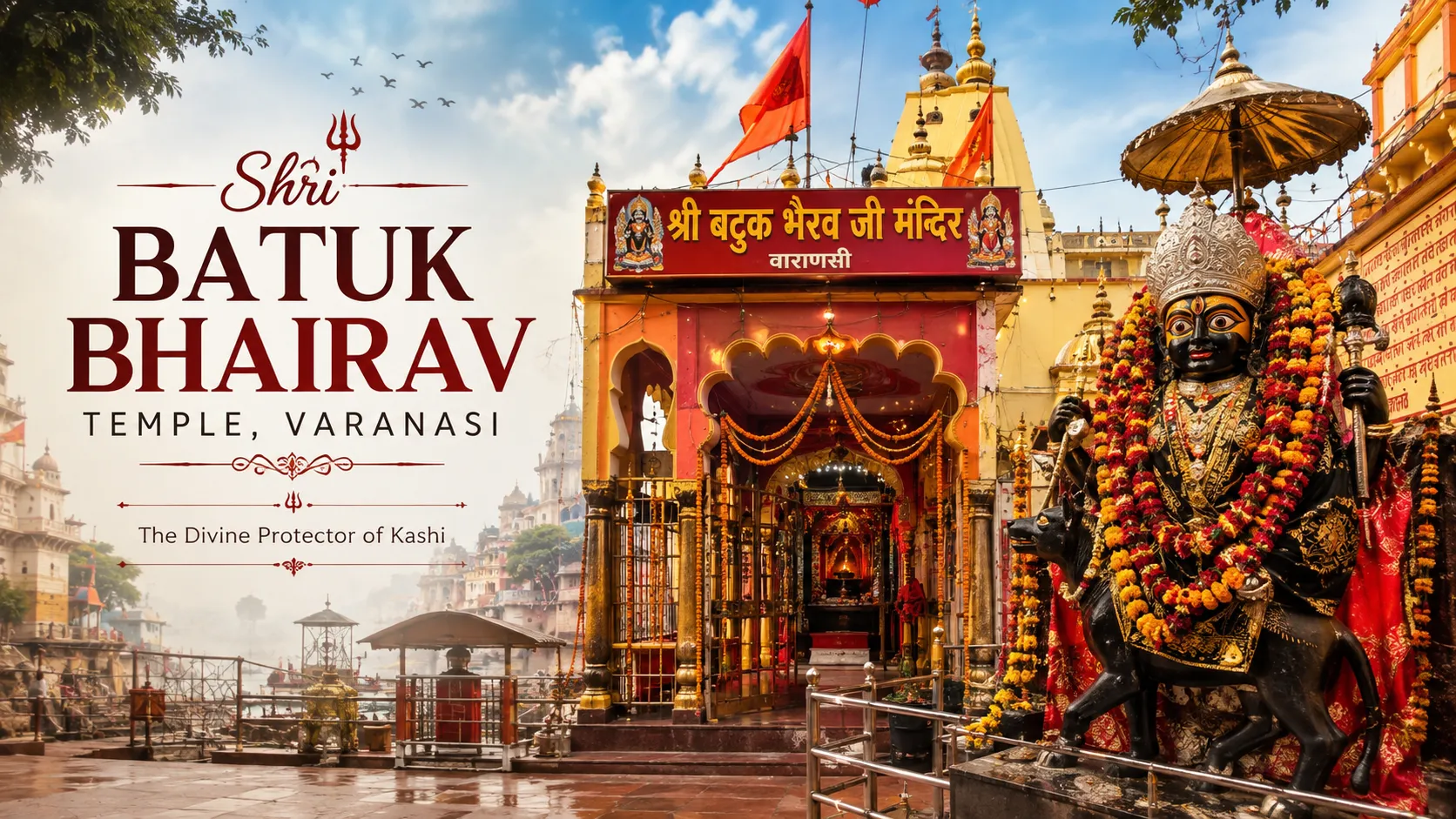
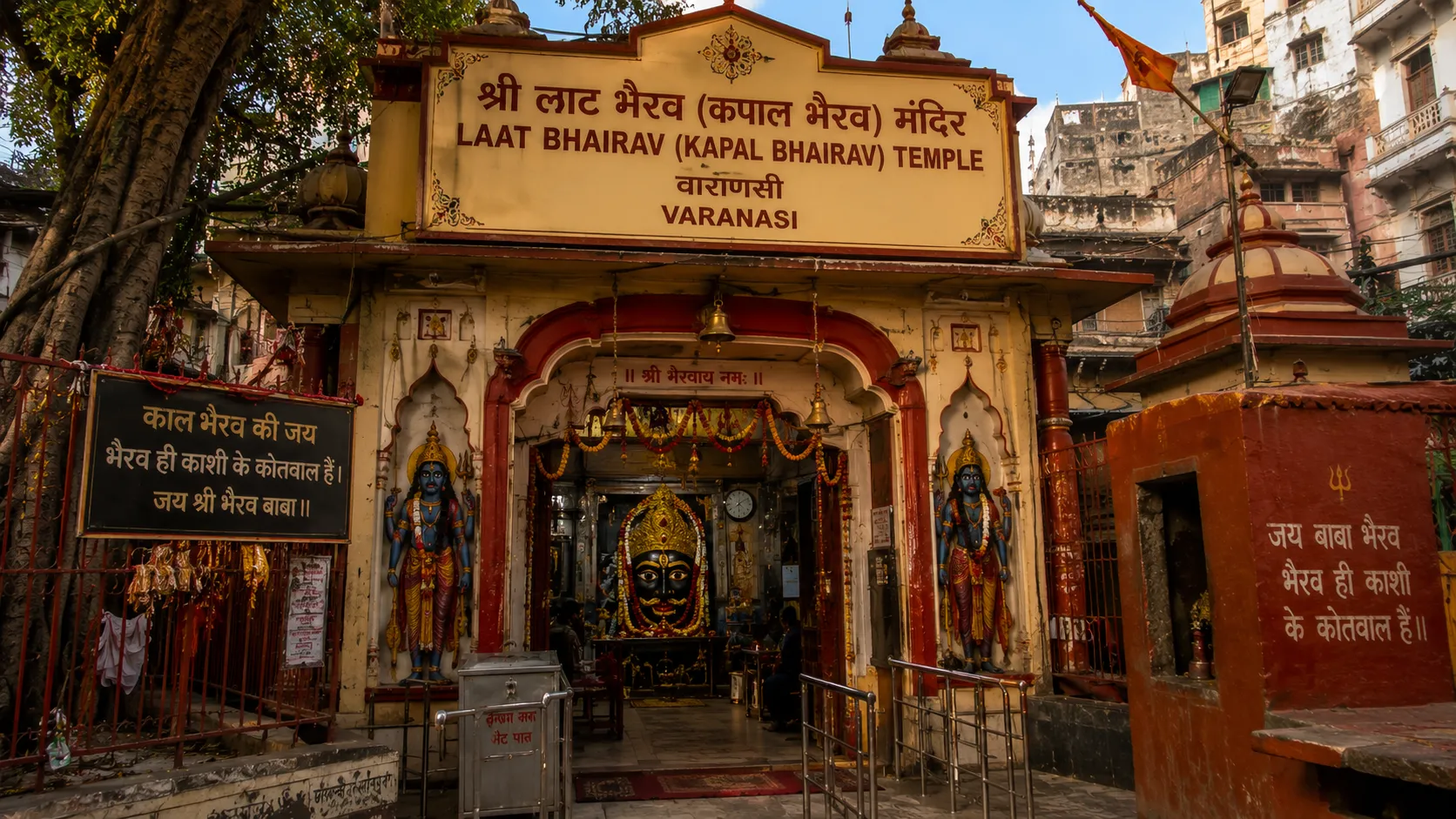
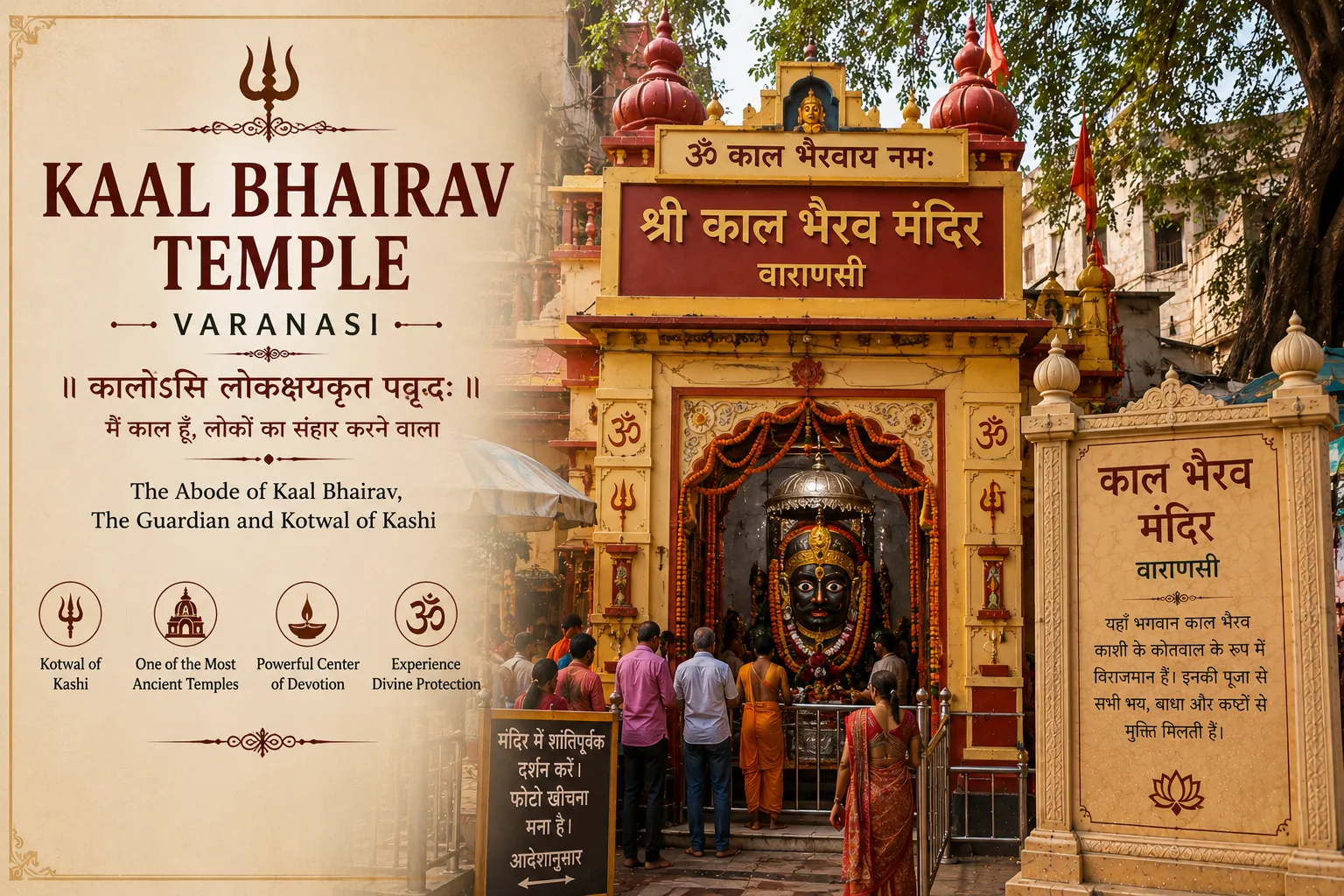
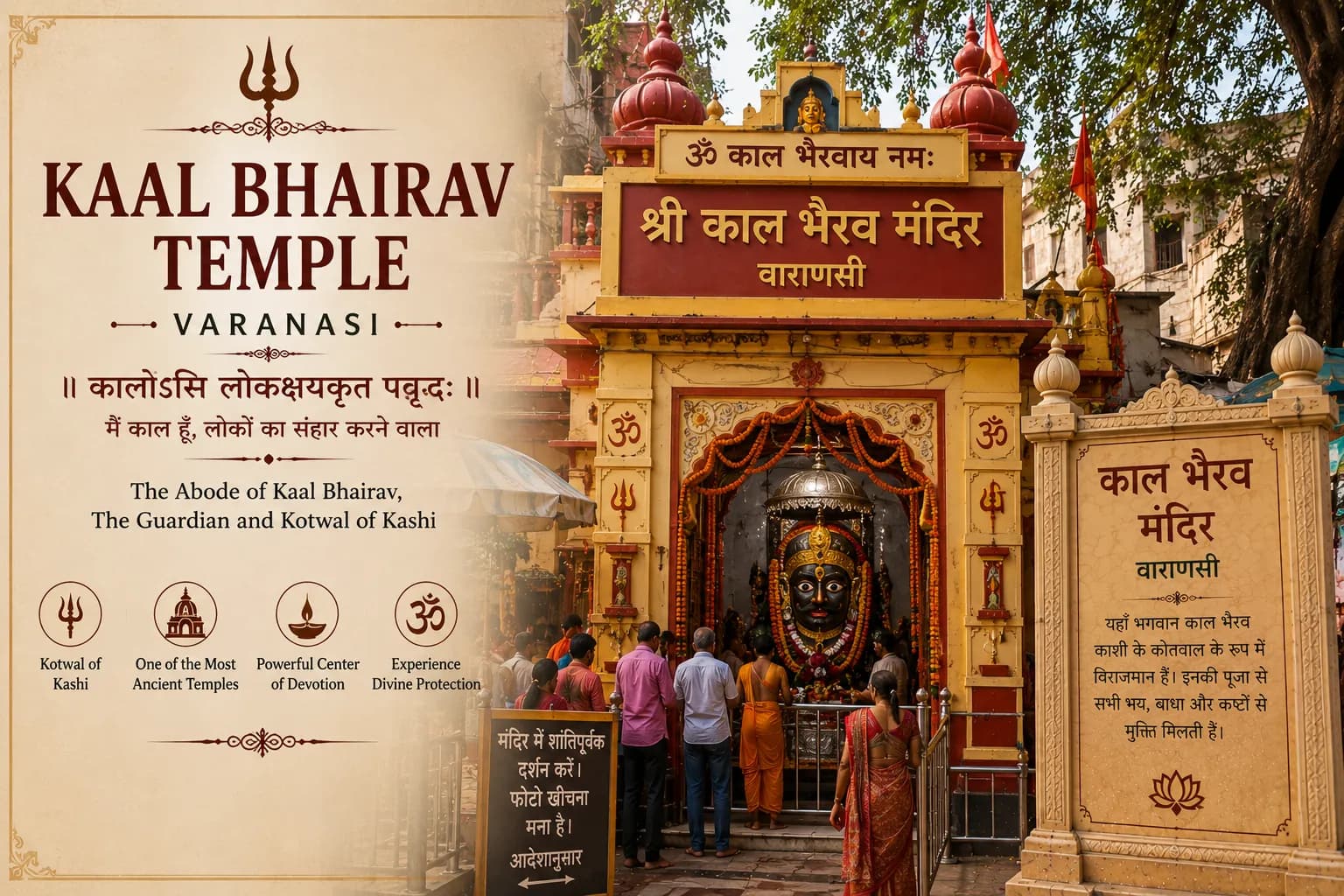
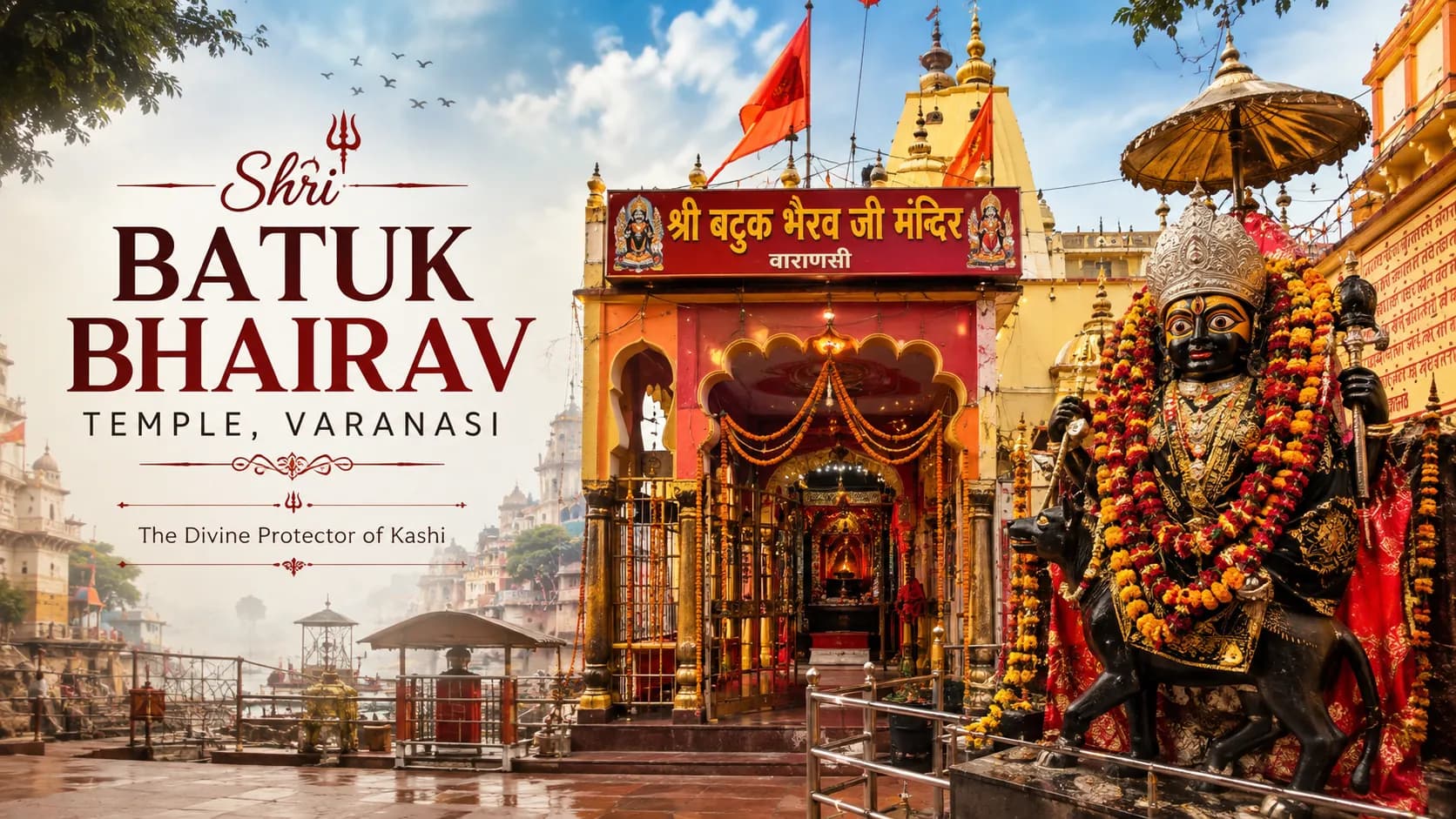
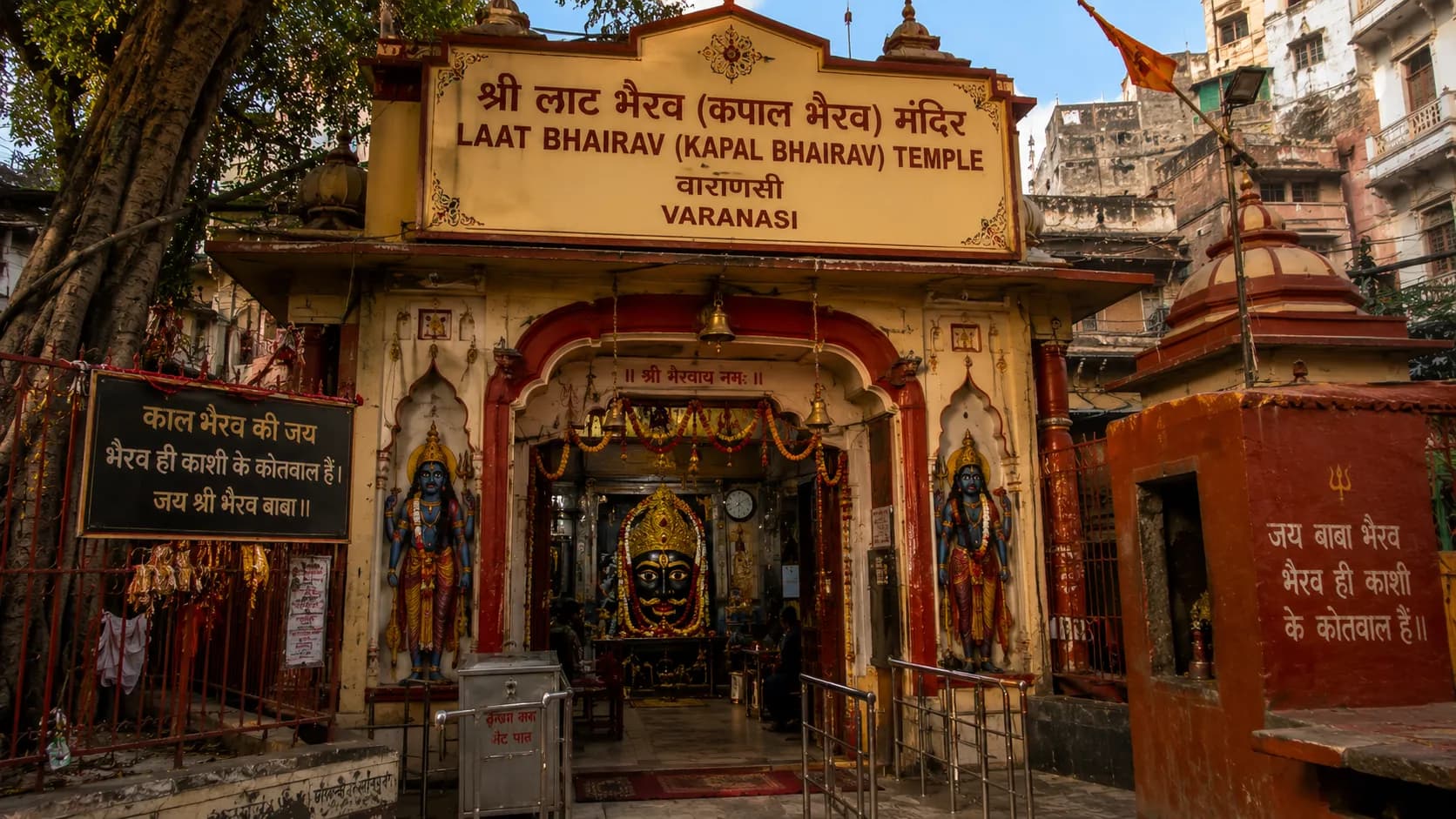
Kashi is guarded by the fierce forms of Shiva, the Bhairavs. Chief among them is the Kaal Bhairav, the Kotwal, the police-chief of the holy city, whose leave every pilgrim must seek; and there are the Batuk Bhairav and the Lat Bhairav, the guardians of the quarters.
The Devi temples of Kashi
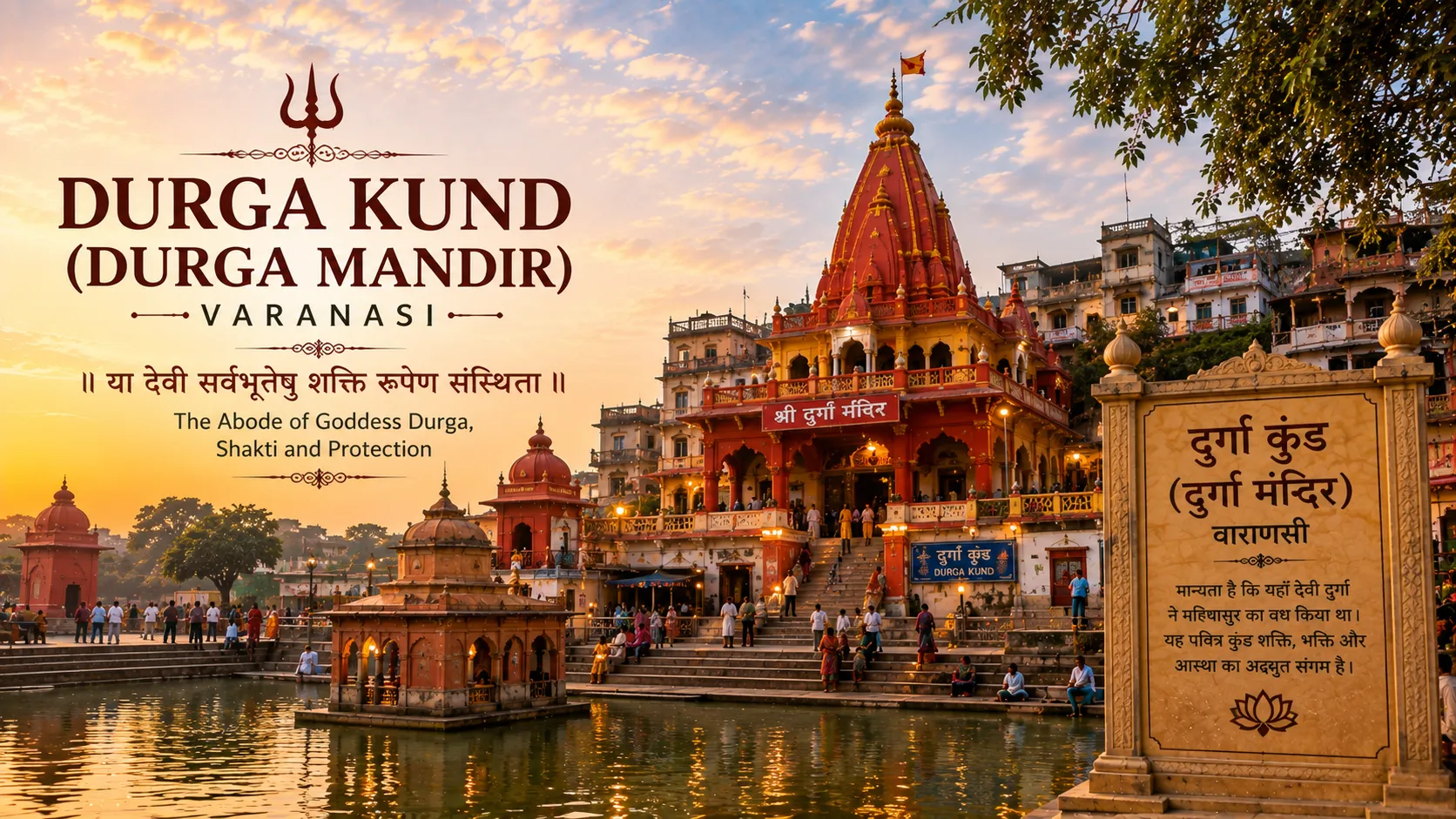
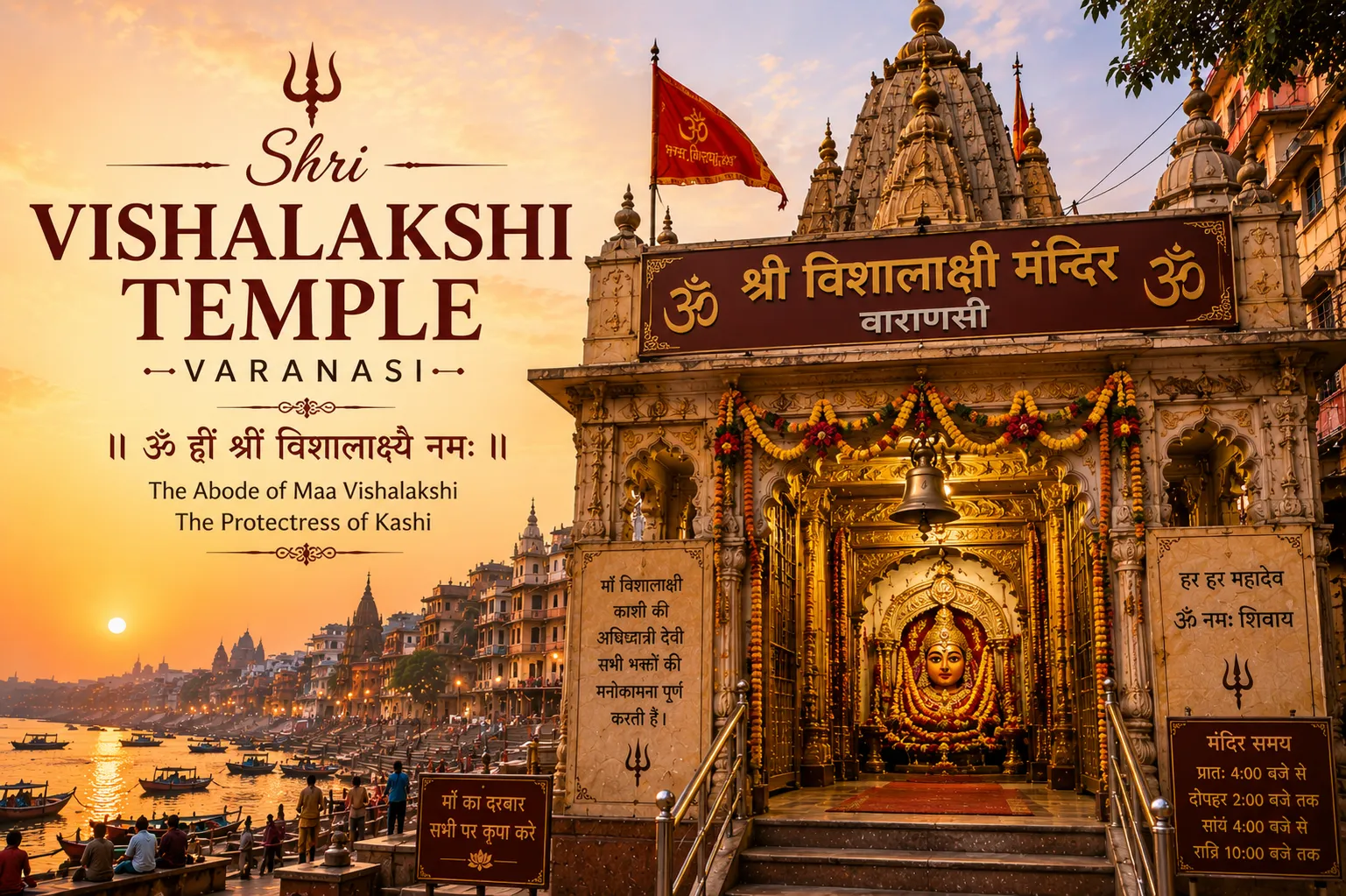
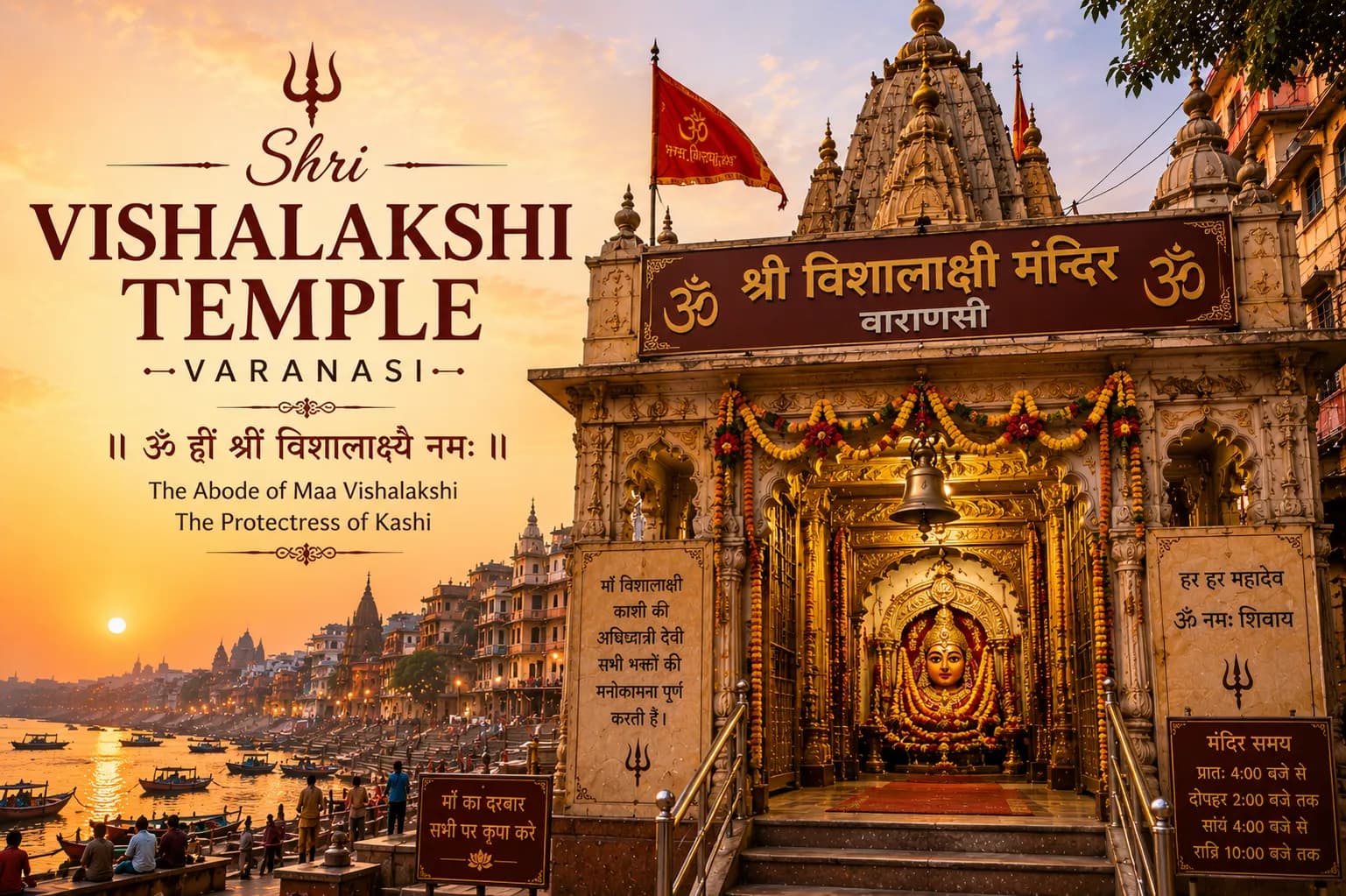
Kashi honours the Mother in her many forms: the Vishalakshi, the wide-eyed goddess, a Shakti Peeth where an earring of Sati fell; the Annapurna, the goddess of food, who feeds all Kashi; the Durga of Durga Kund; and the Sankata Devi, the reliever of troubles.
Vishalakshi Temple
A Shakti Peeth of Kashi, where an earring of Sati fell.
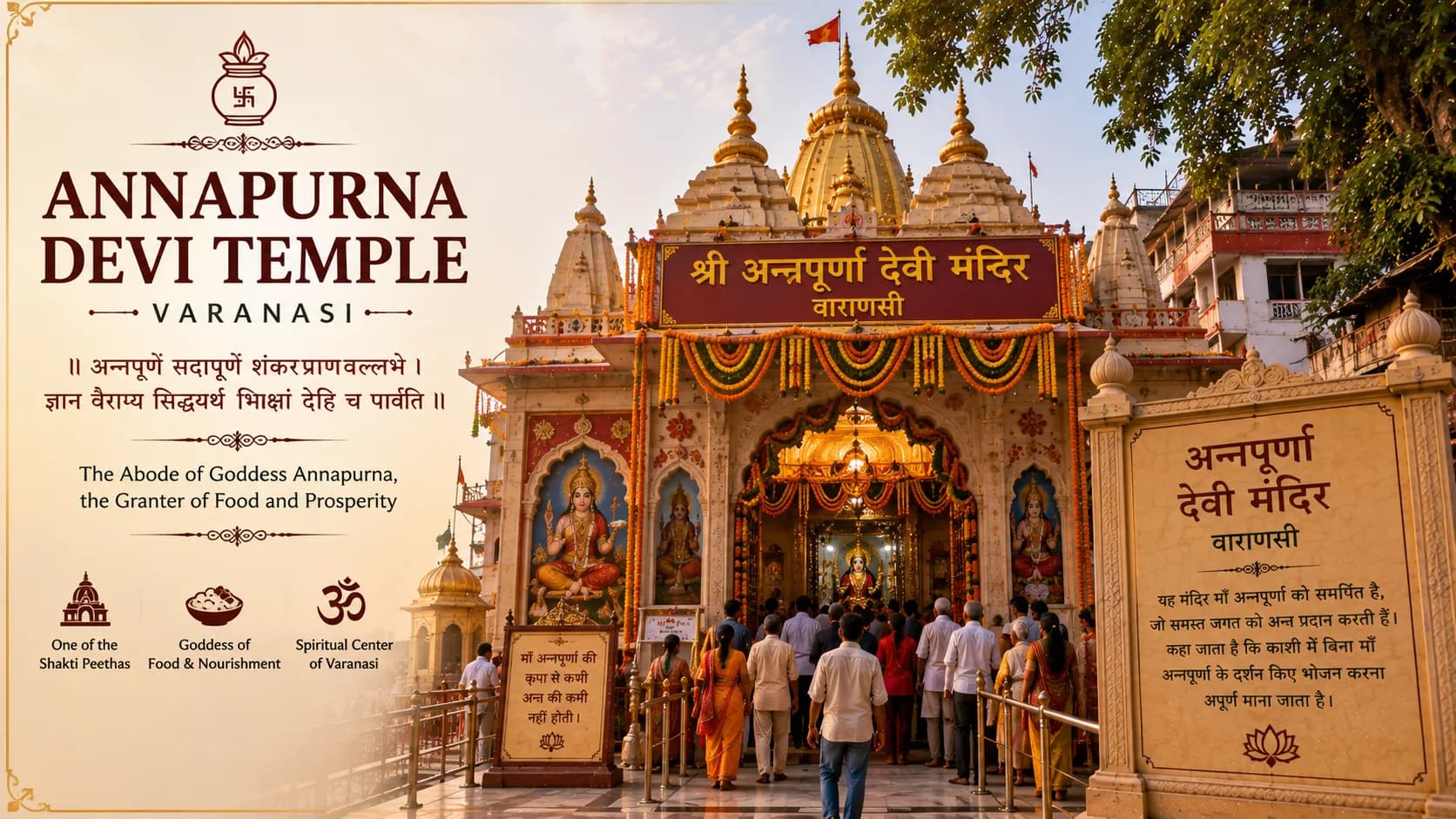
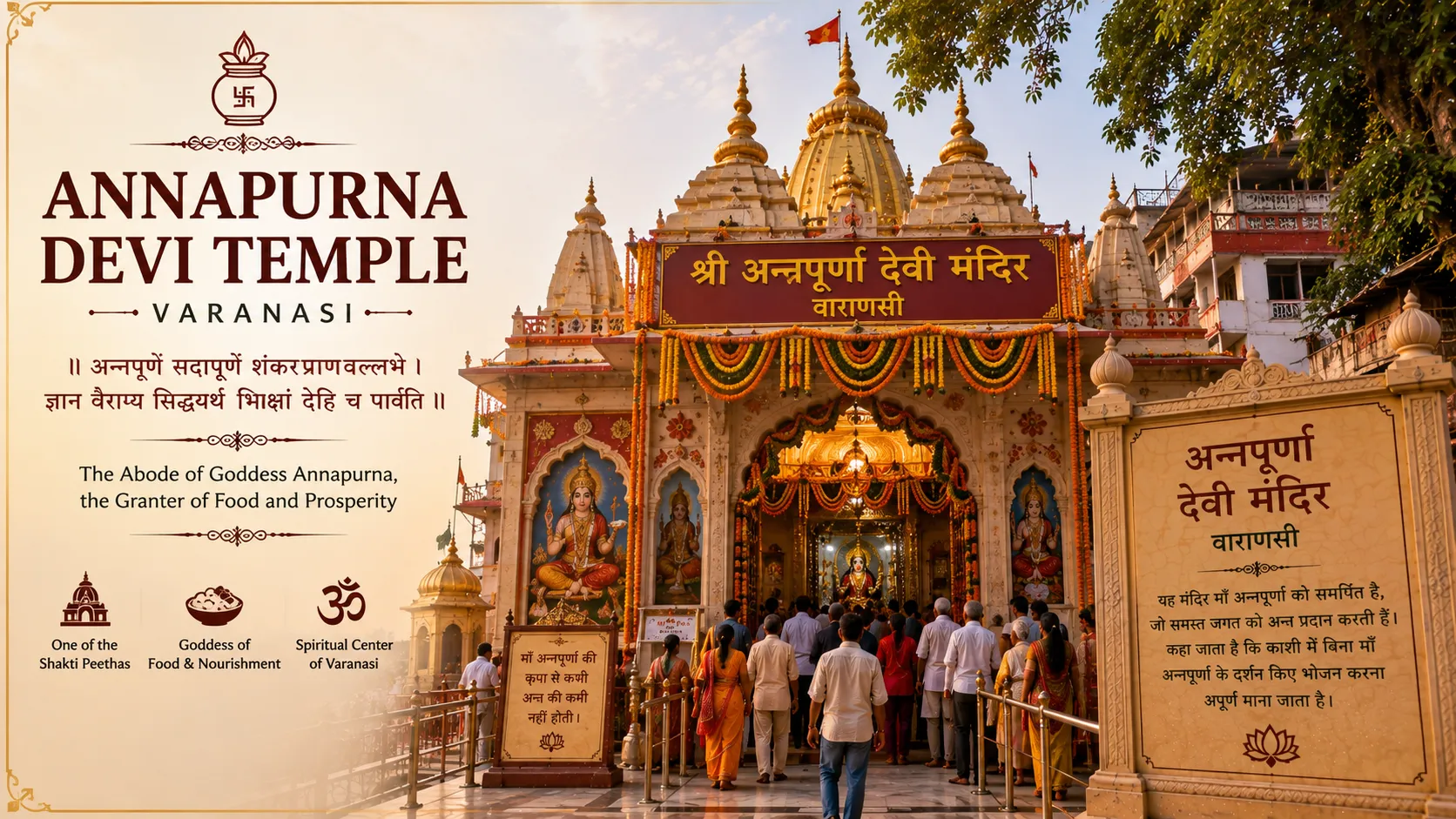
Annapurna Devi Temple
The goddess of food and plenty, who feeds all Kashi.
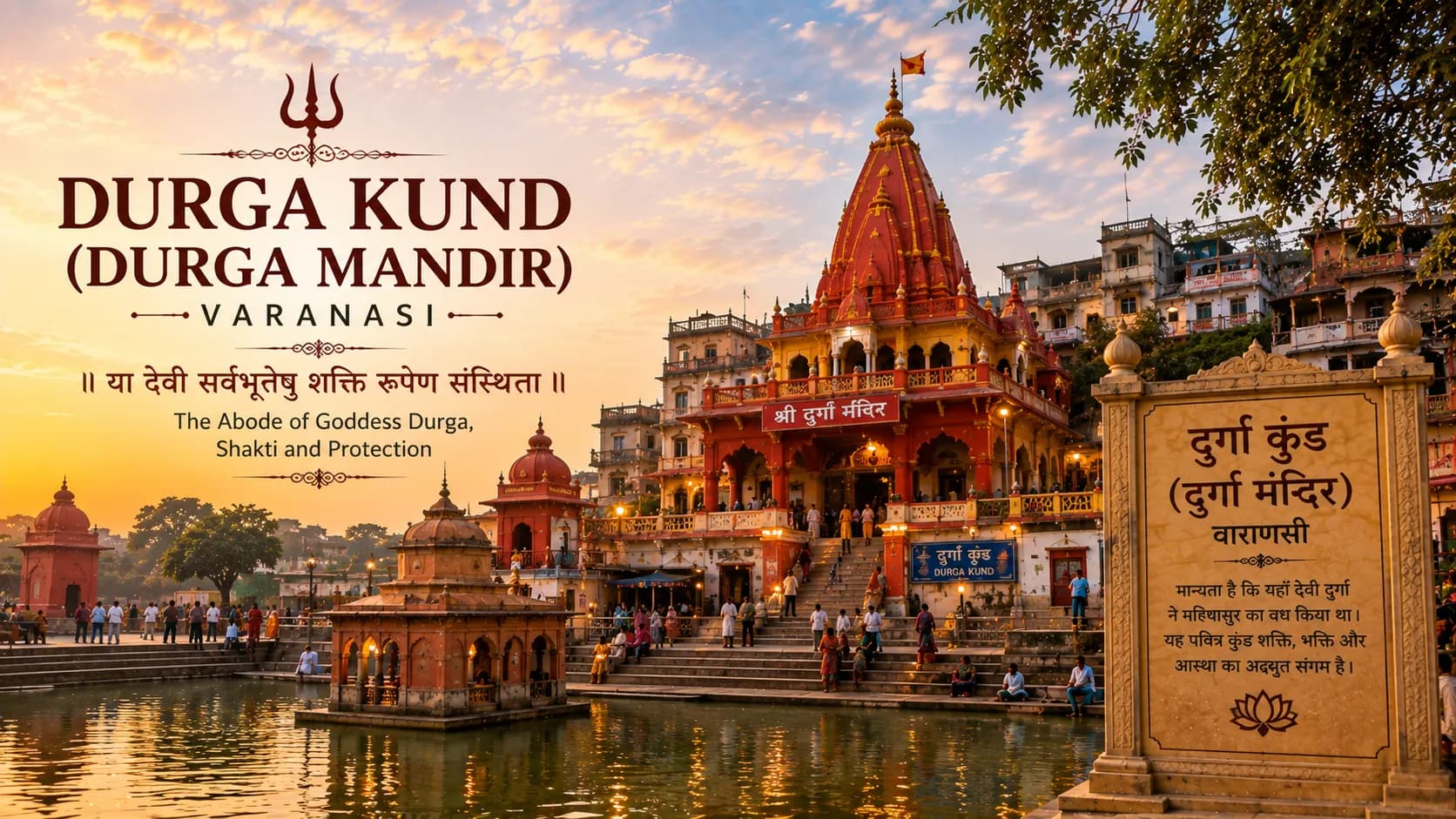
Durga Kund Mandir
The great Durga temple by its sacred kund.
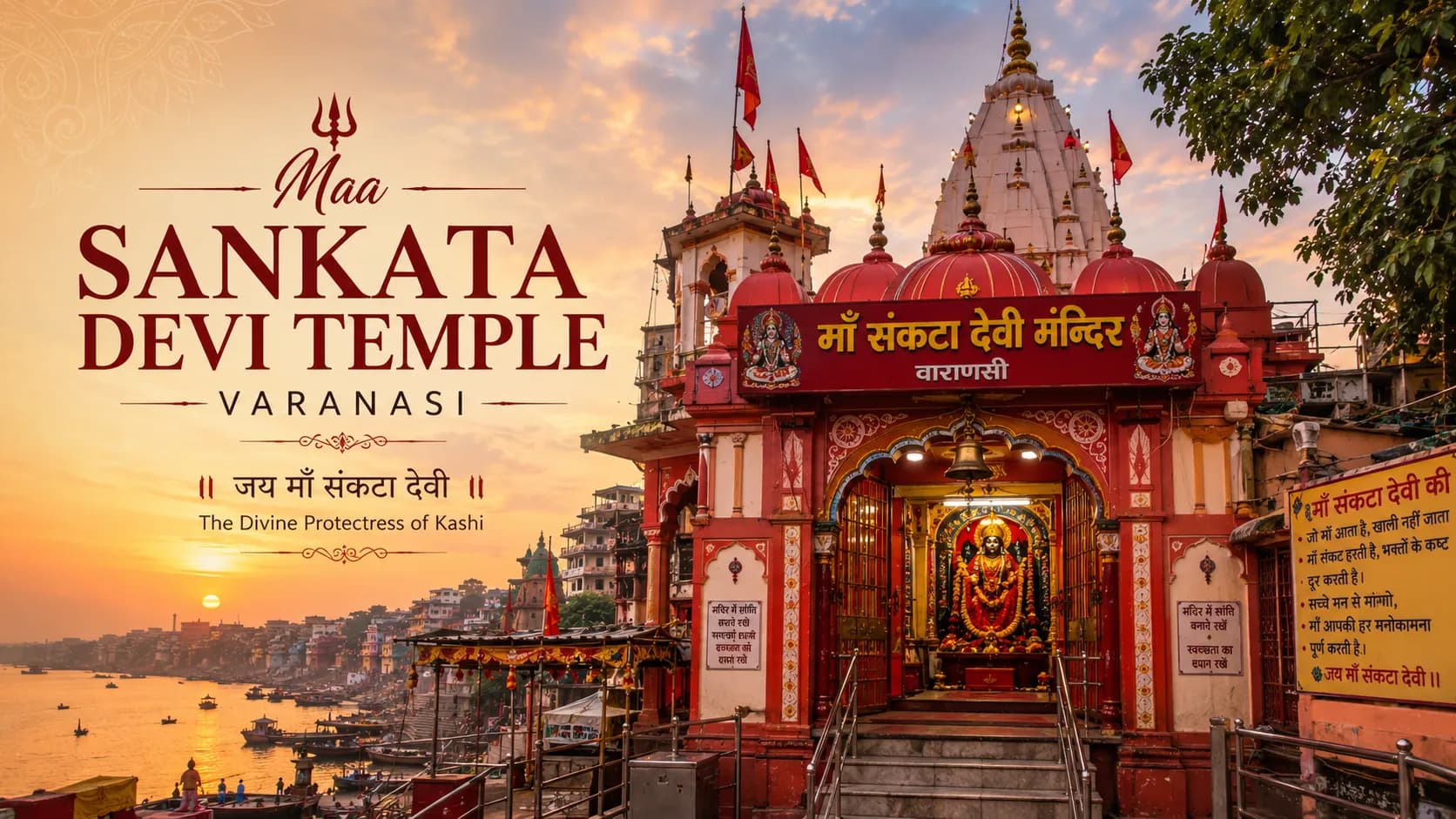
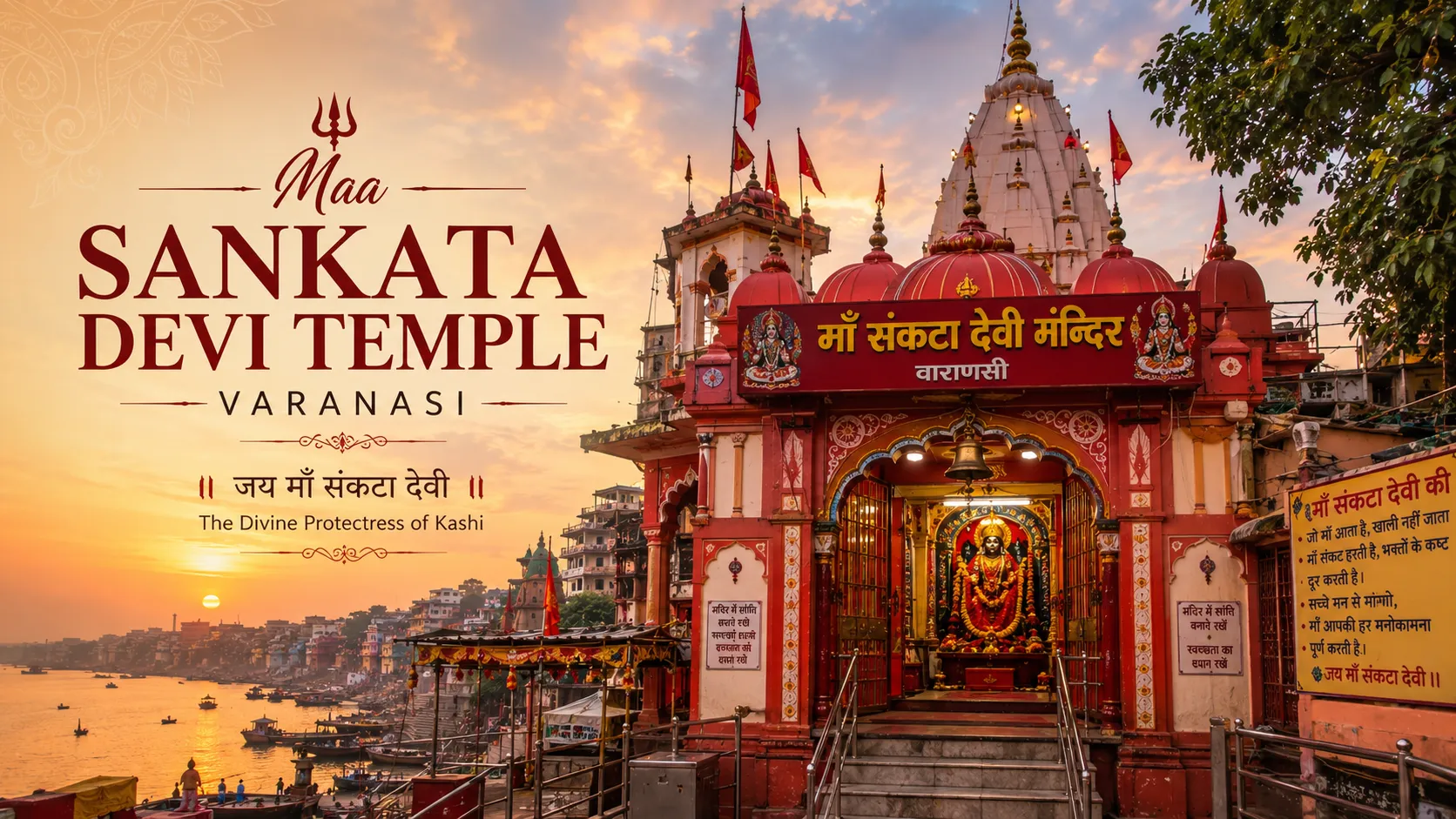
Sankata Devi Temple
The goddess who relieves troubles and distress.
The other great deities of Kashi
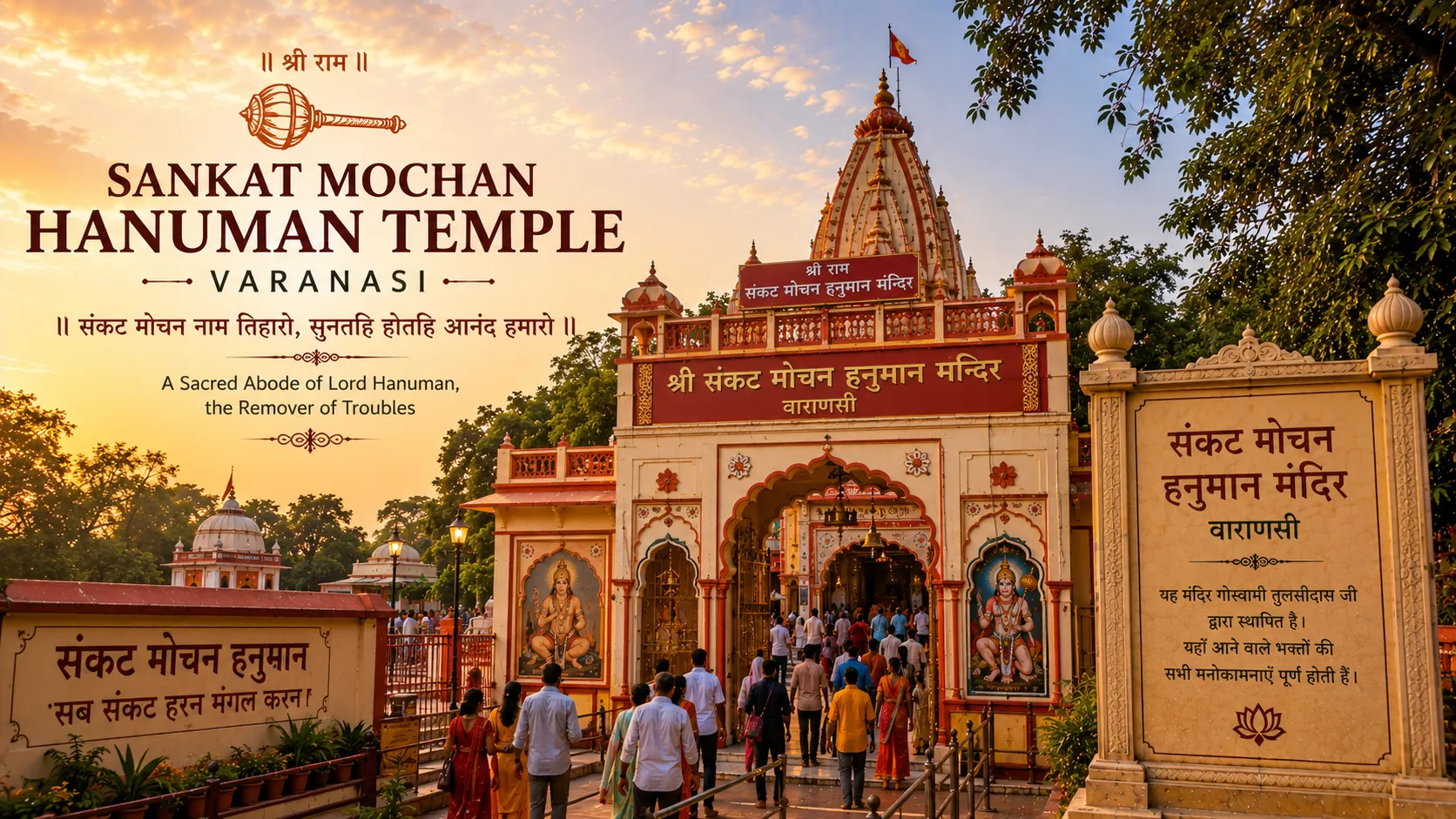
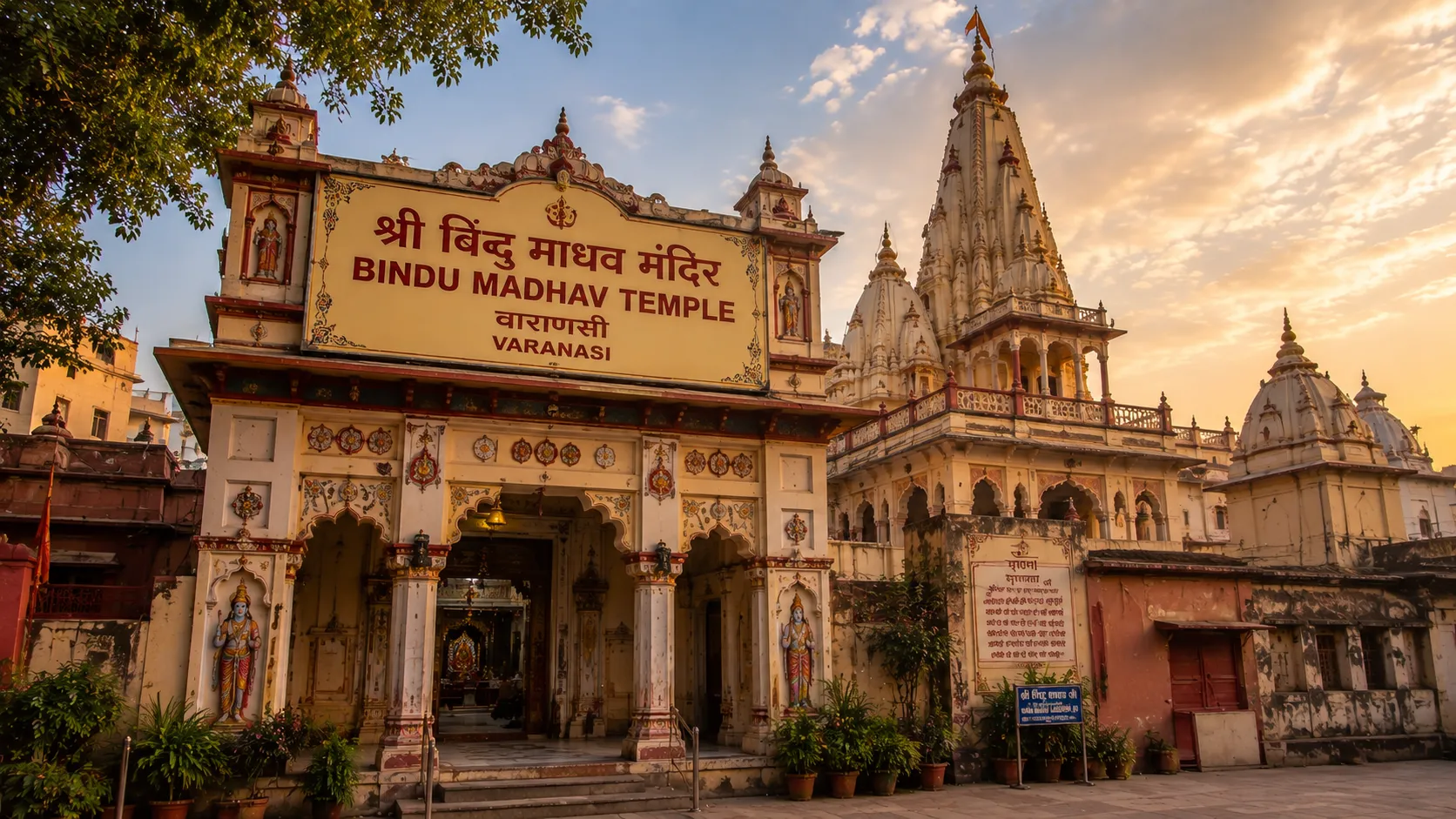
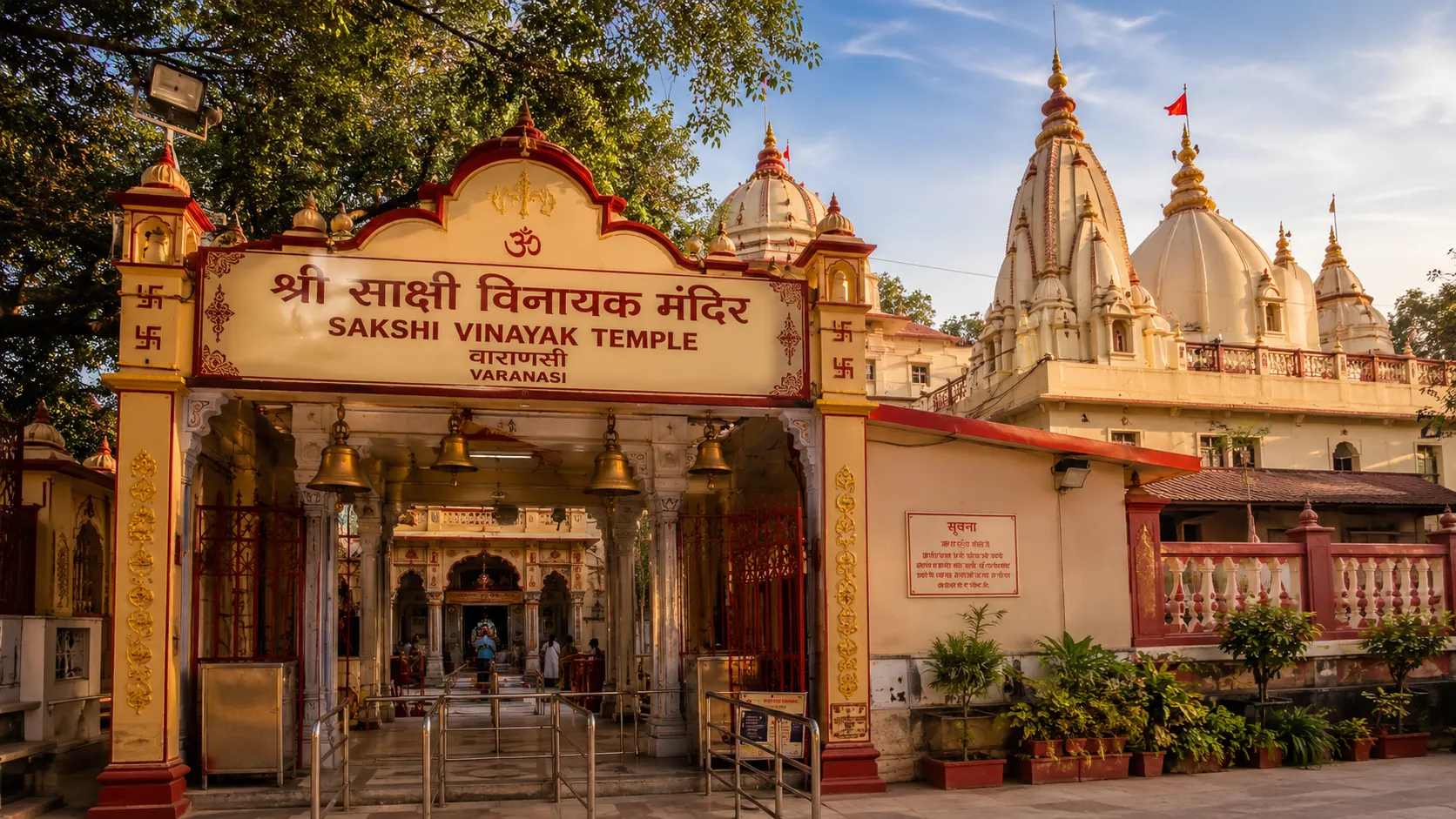
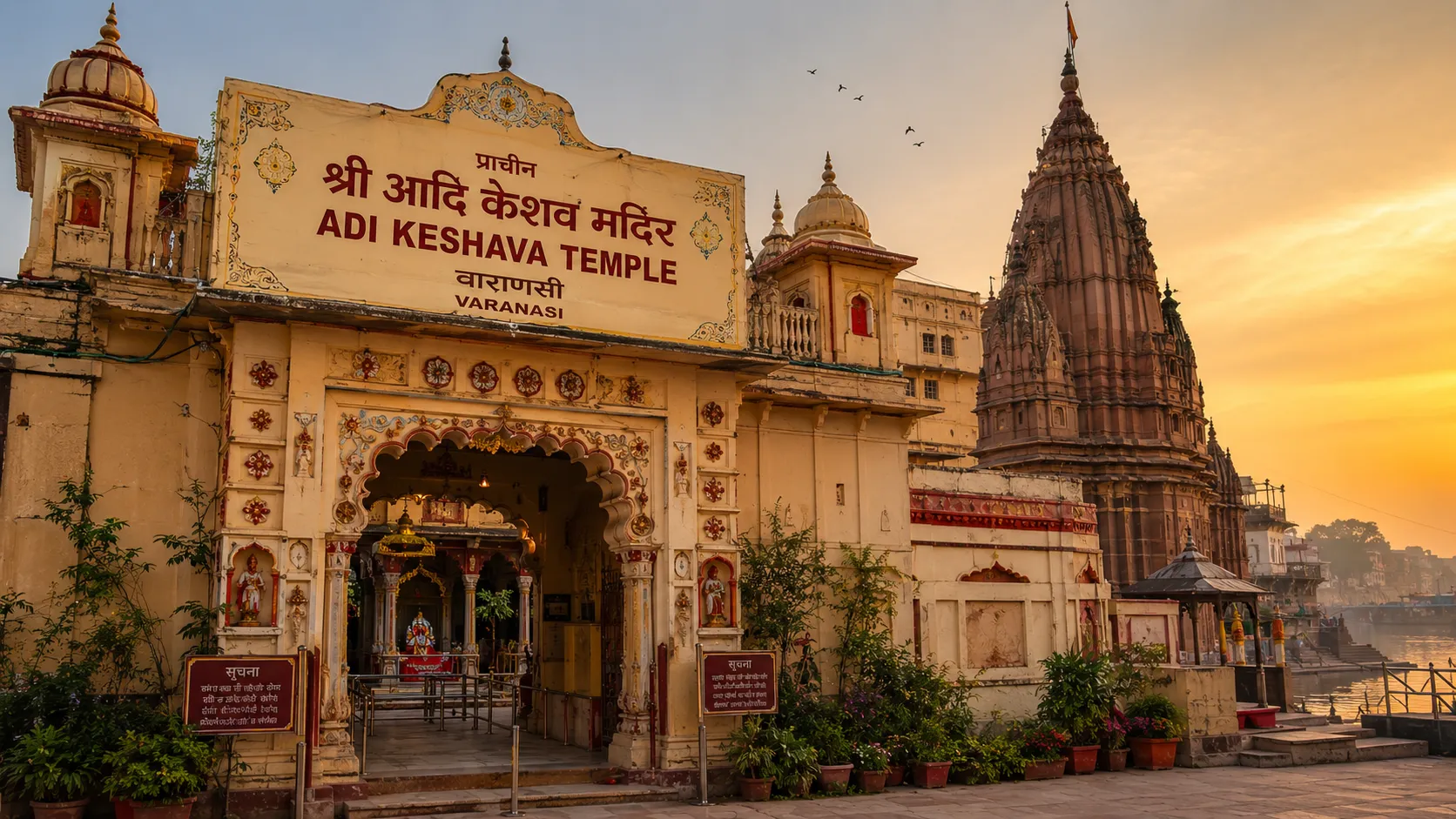
Kashi holds too the temples of the other great deities: the Sankat Mochan, the beloved Hanuman temple founded by Tulsidas; the Sakshi Vinayak, the witness-Ganesha; the Adi Keshava, an ancient Vishnu at the meeting of the Varuna and the Ganga; and the Bindu Madhav, the presiding Vishnu of Kashi on the Panchganga Ghat.
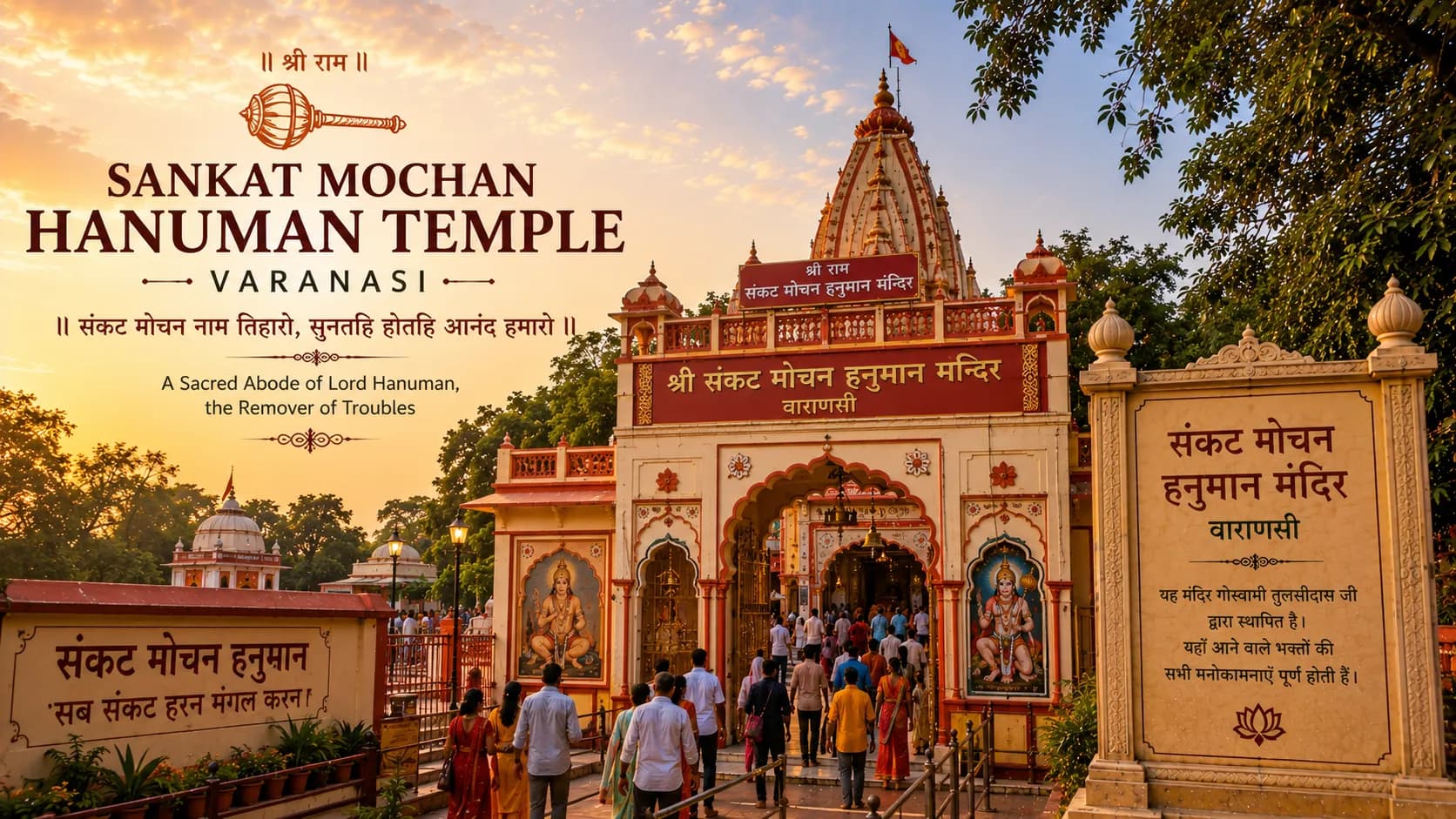
Sankat Mochan Hanuman
The beloved Hanuman temple founded by Tulsidas.
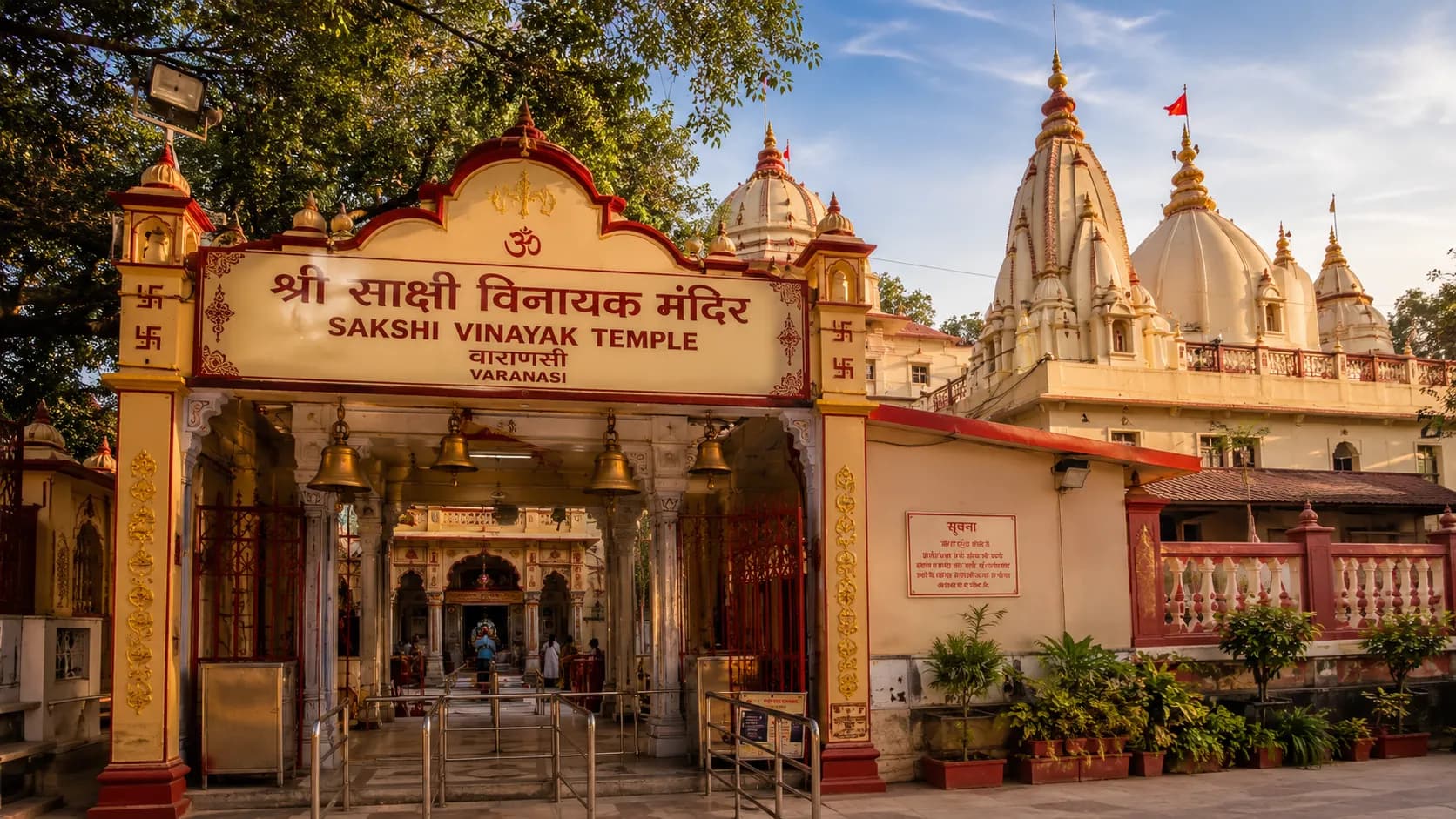
Sakshi Vinayak
The witness-Ganesha, who records a pilgrim's visit to Kashi.
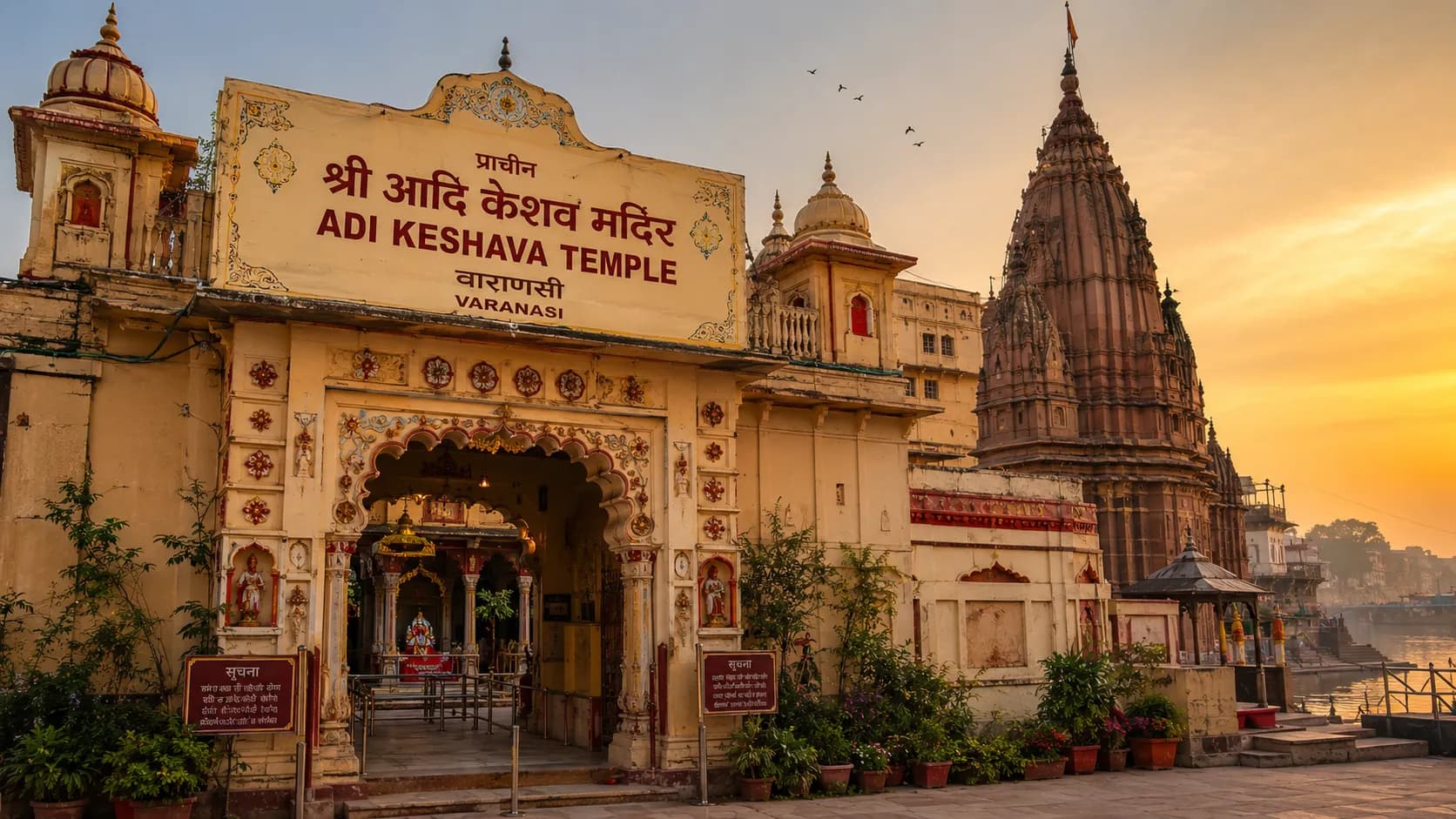
Adi Keshava
The ancient Vishnu at the meeting of the Varuna and the Ganga.
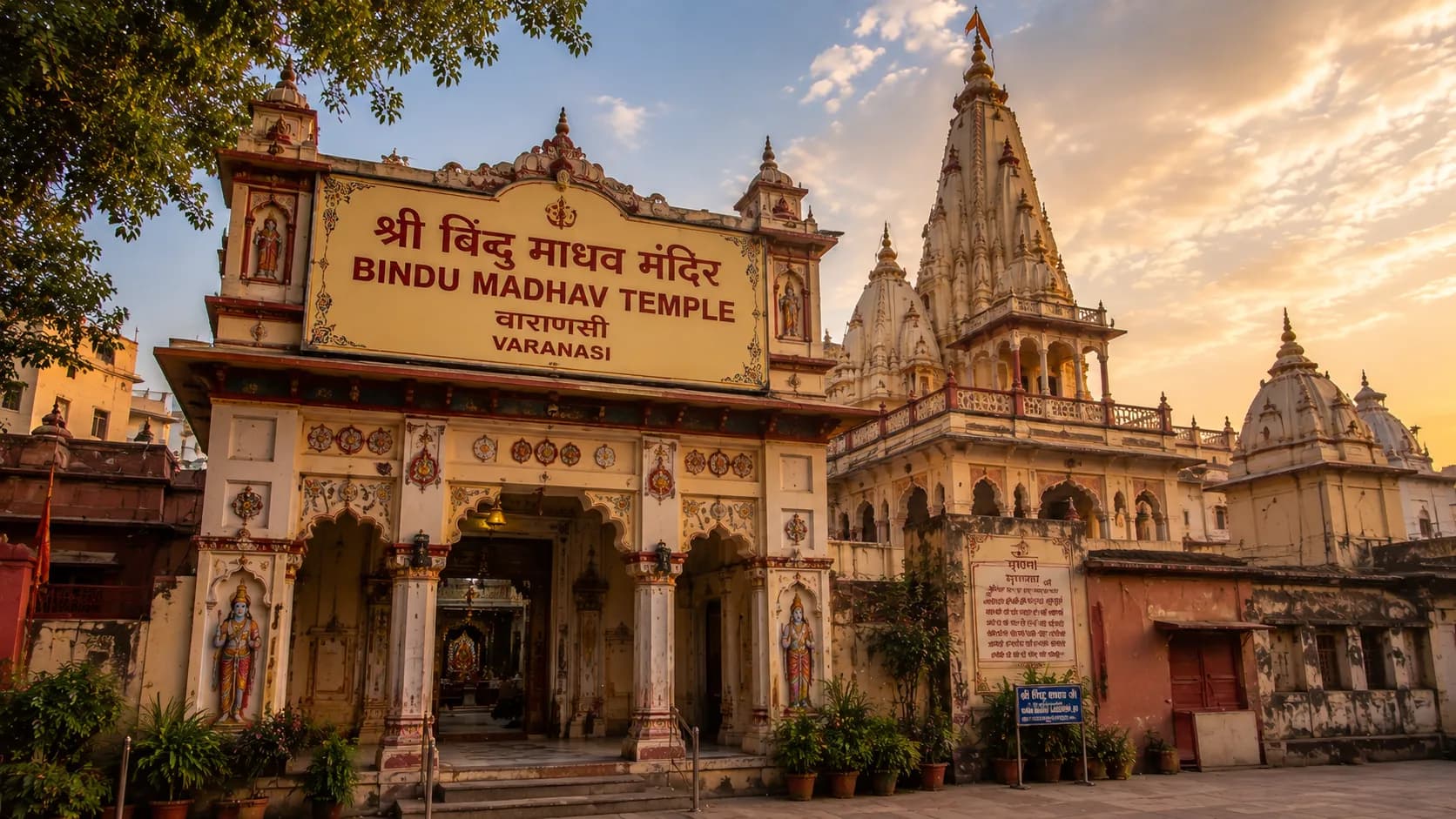
Bindu Madhav
The presiding Vishnu of Kashi, on the Panchganga Ghat.
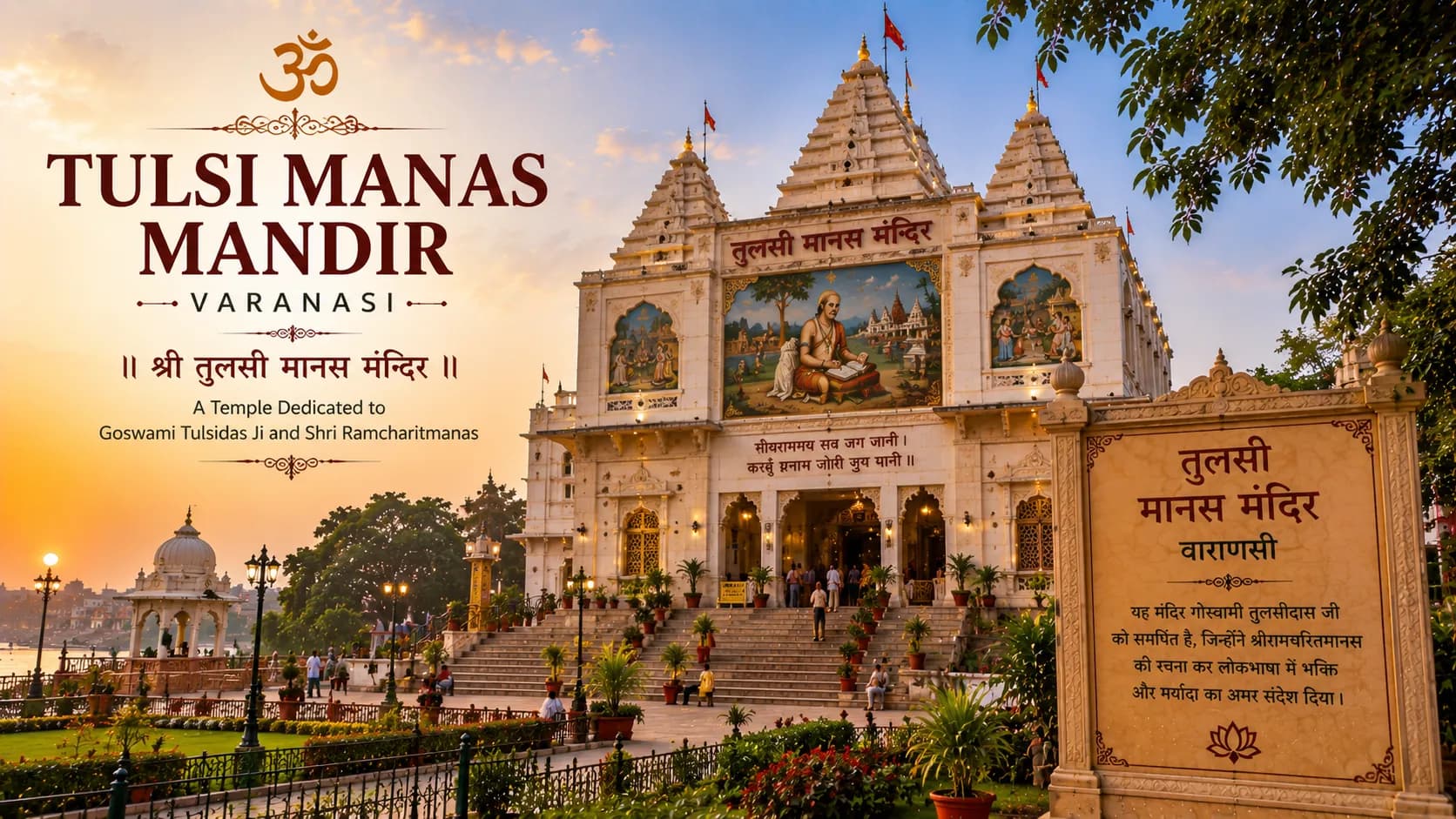
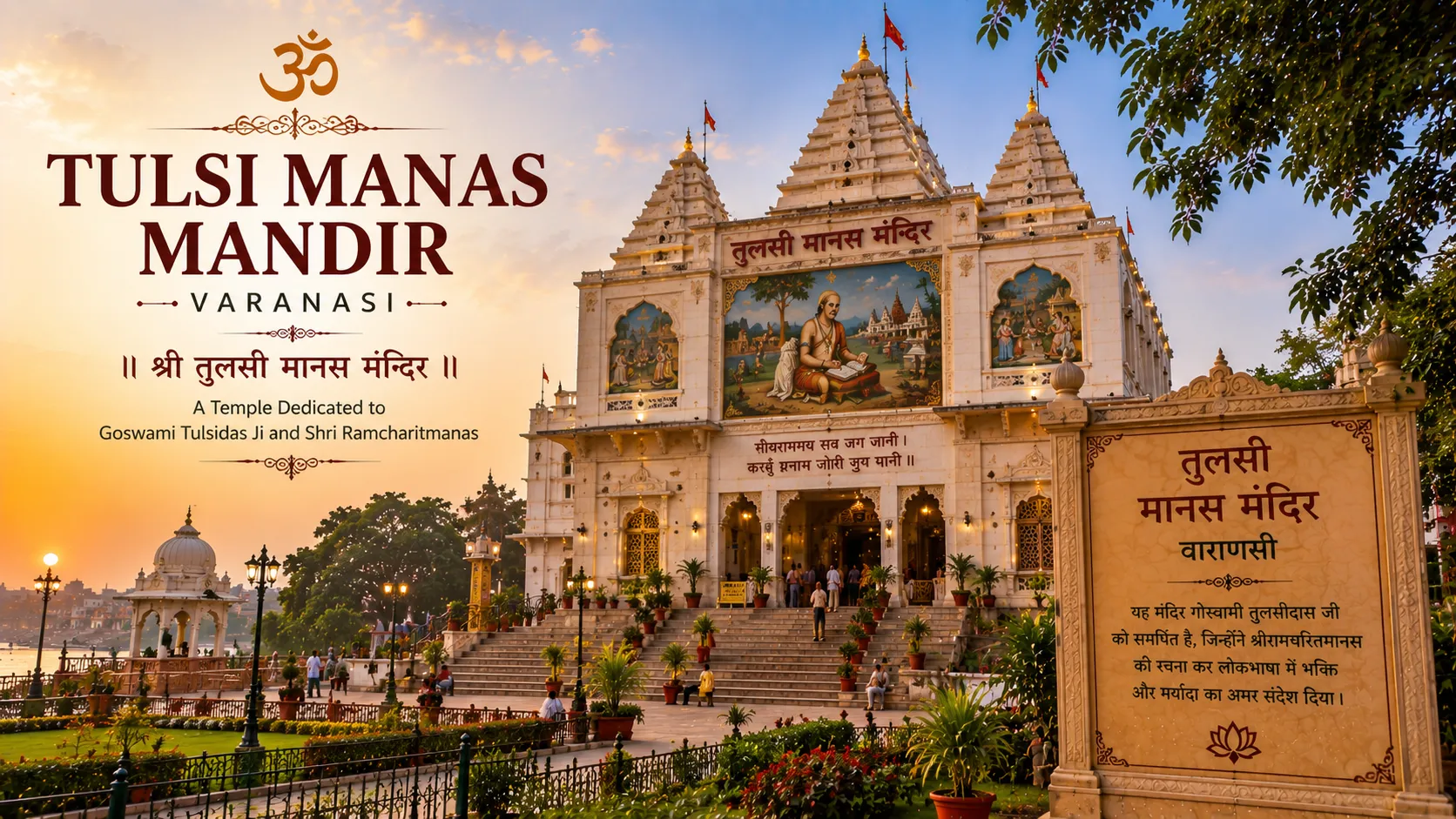
Tulsi Manas Mandir
The temple of the Ramcharitmanas of Tulsidas.
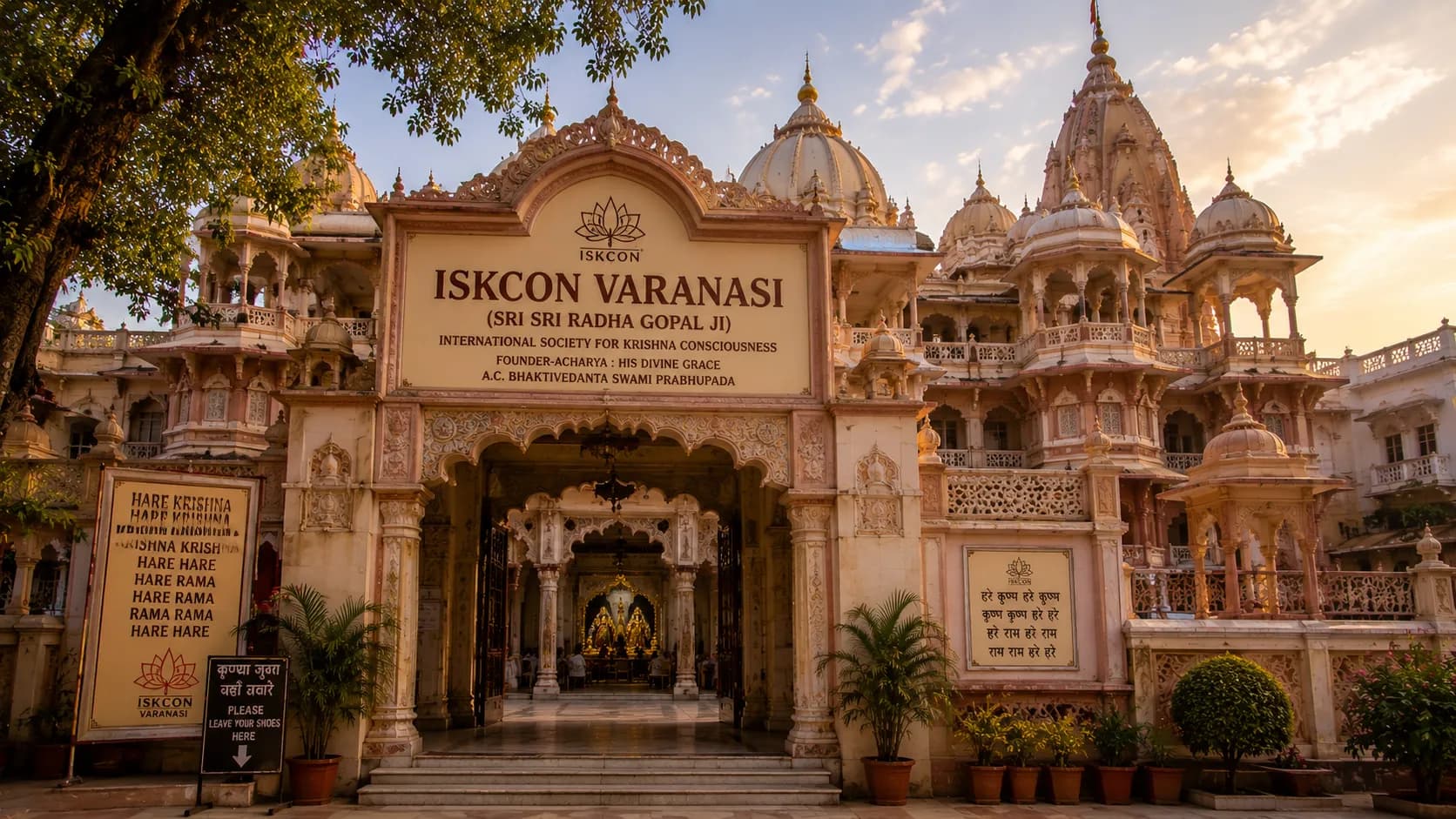
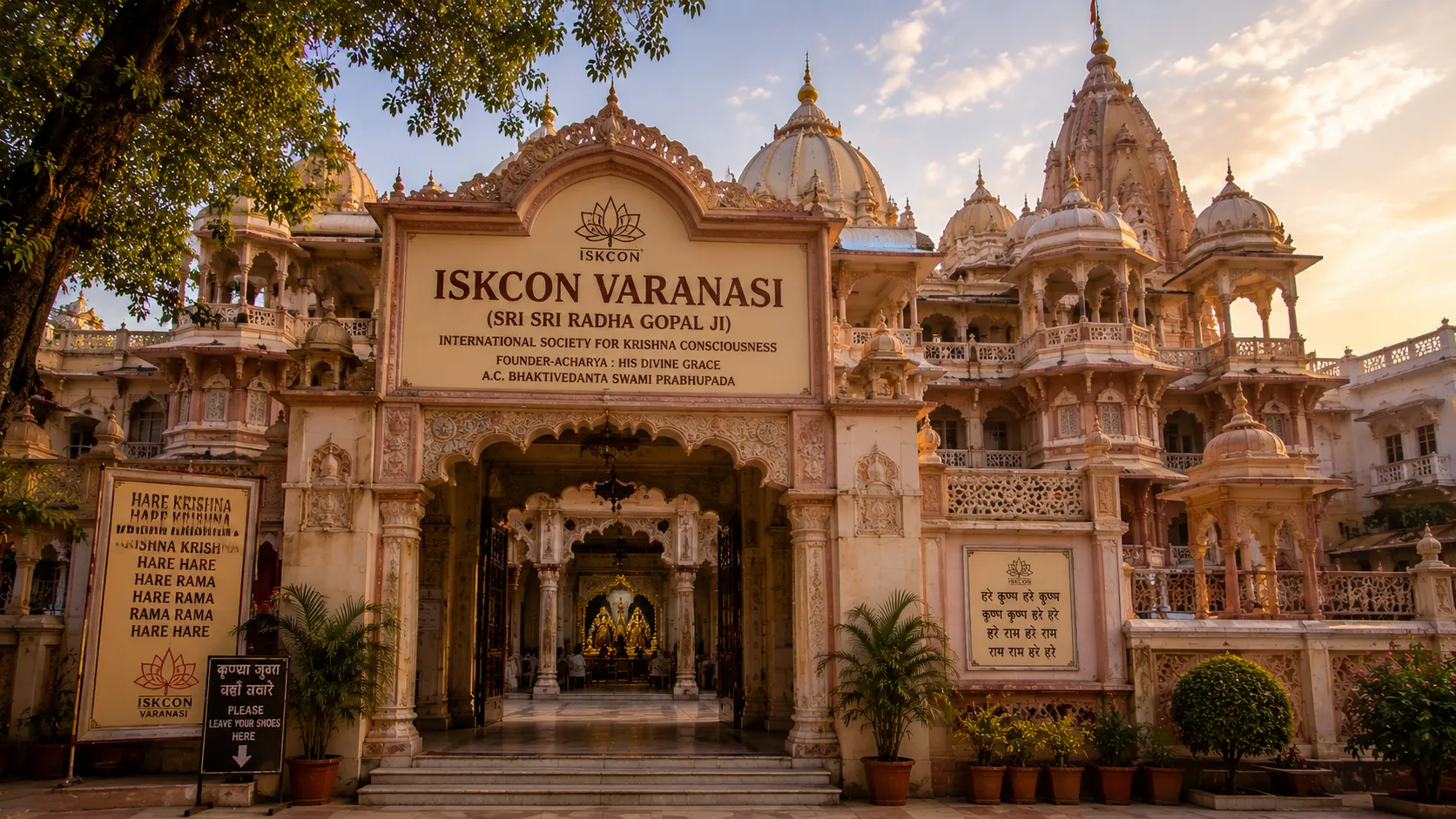
ISKCON Temple
The Krishna temple of the ISKCON tradition.
The Ganga ghats of Varanasi
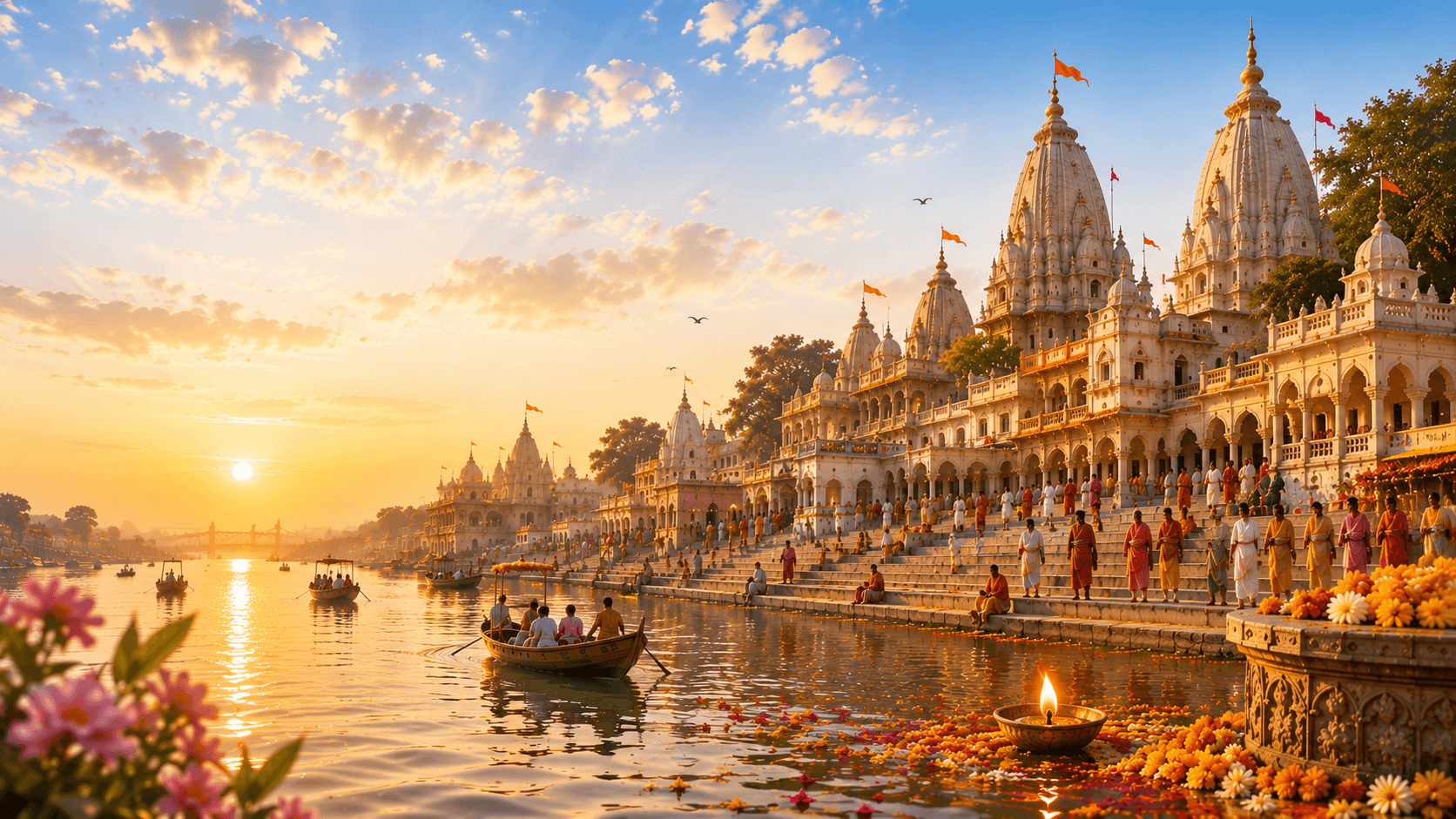
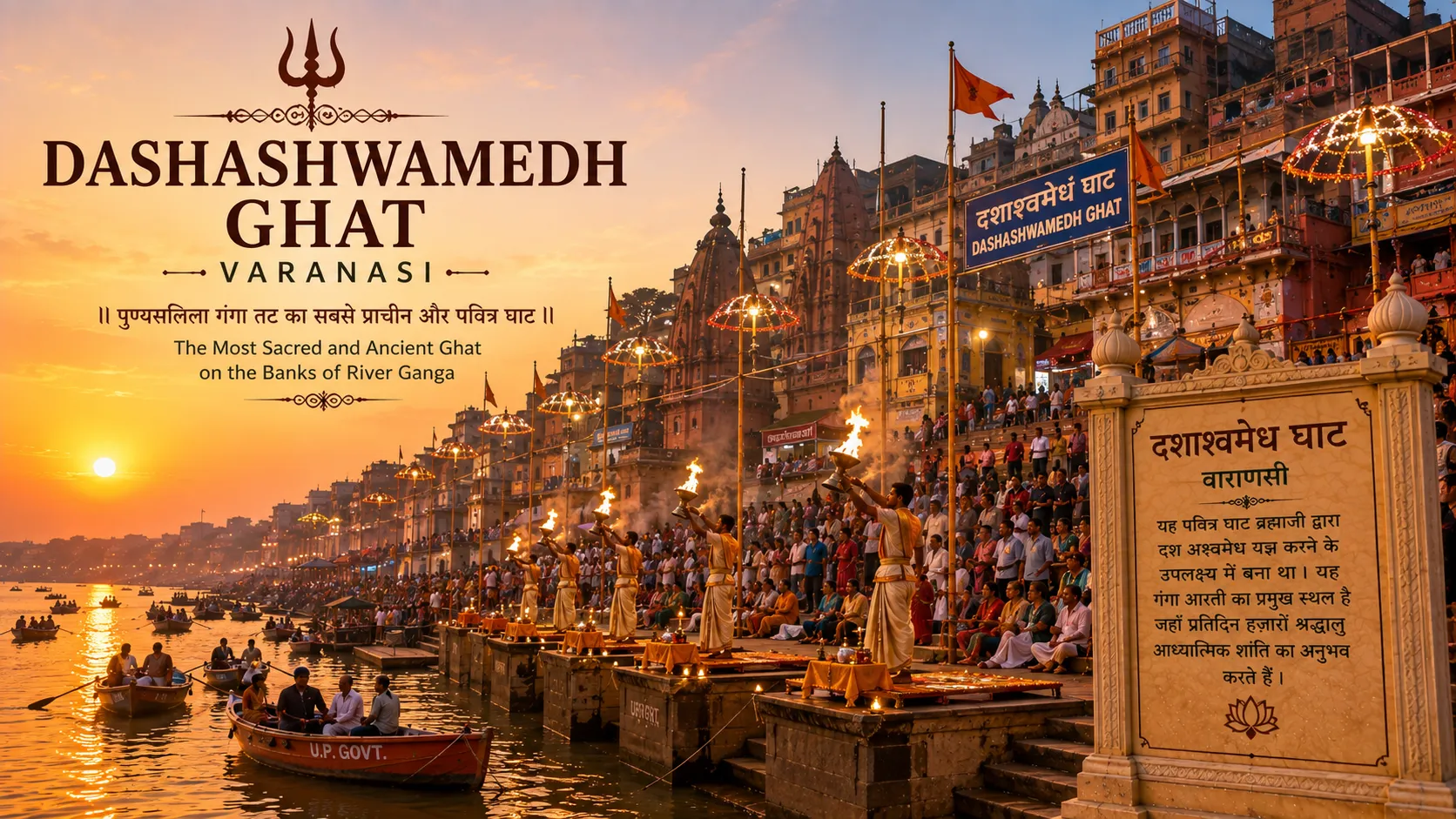
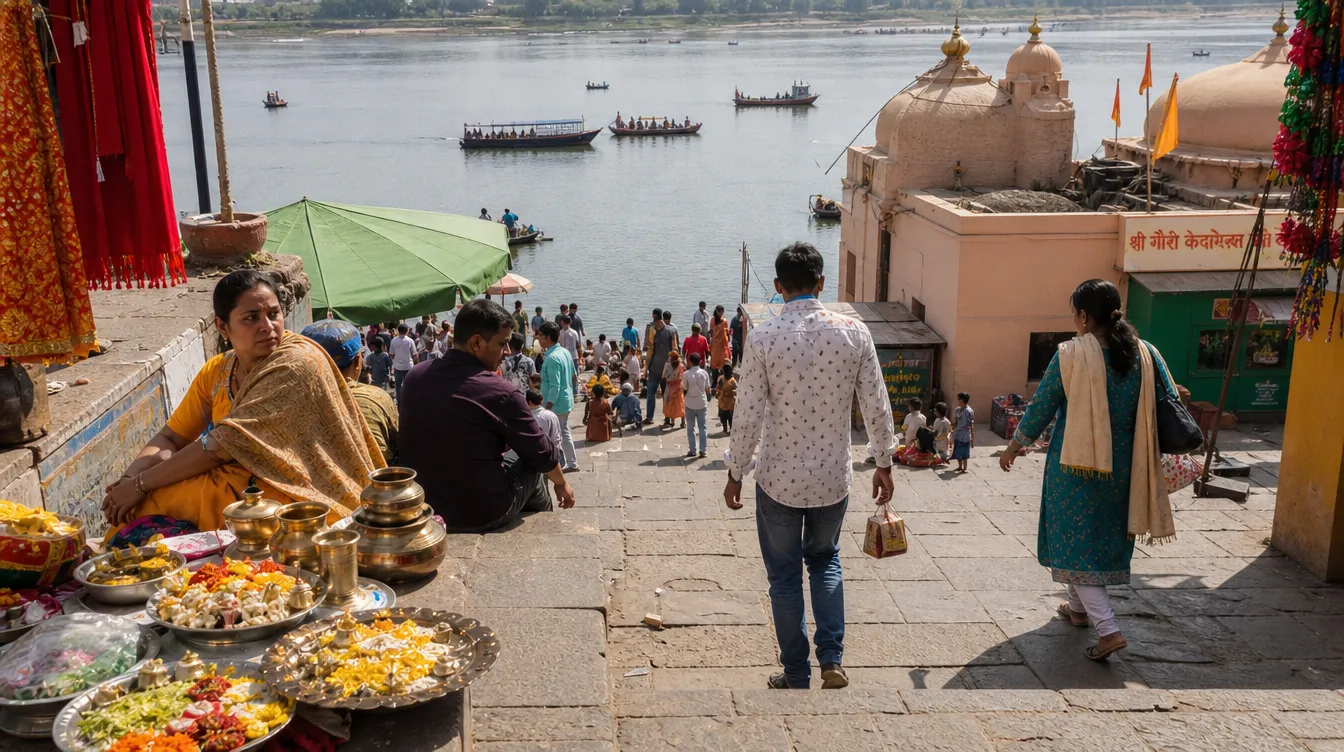
The soul of Kashi is the Ganga and her ghats, the great flights of steps that line the river for miles, where the whole life of the holy city, and its death, is lived. Chief among them is the Dashashwamedh Ghat, where the grand Ganga aarti is performed each evening; and the Assi Ghat of the morning; and the Manikarnika, the great cremation ghat, where the fire of moksha never dies.
Along the river run the many storied ghats, of the kings and the saints and the sages.
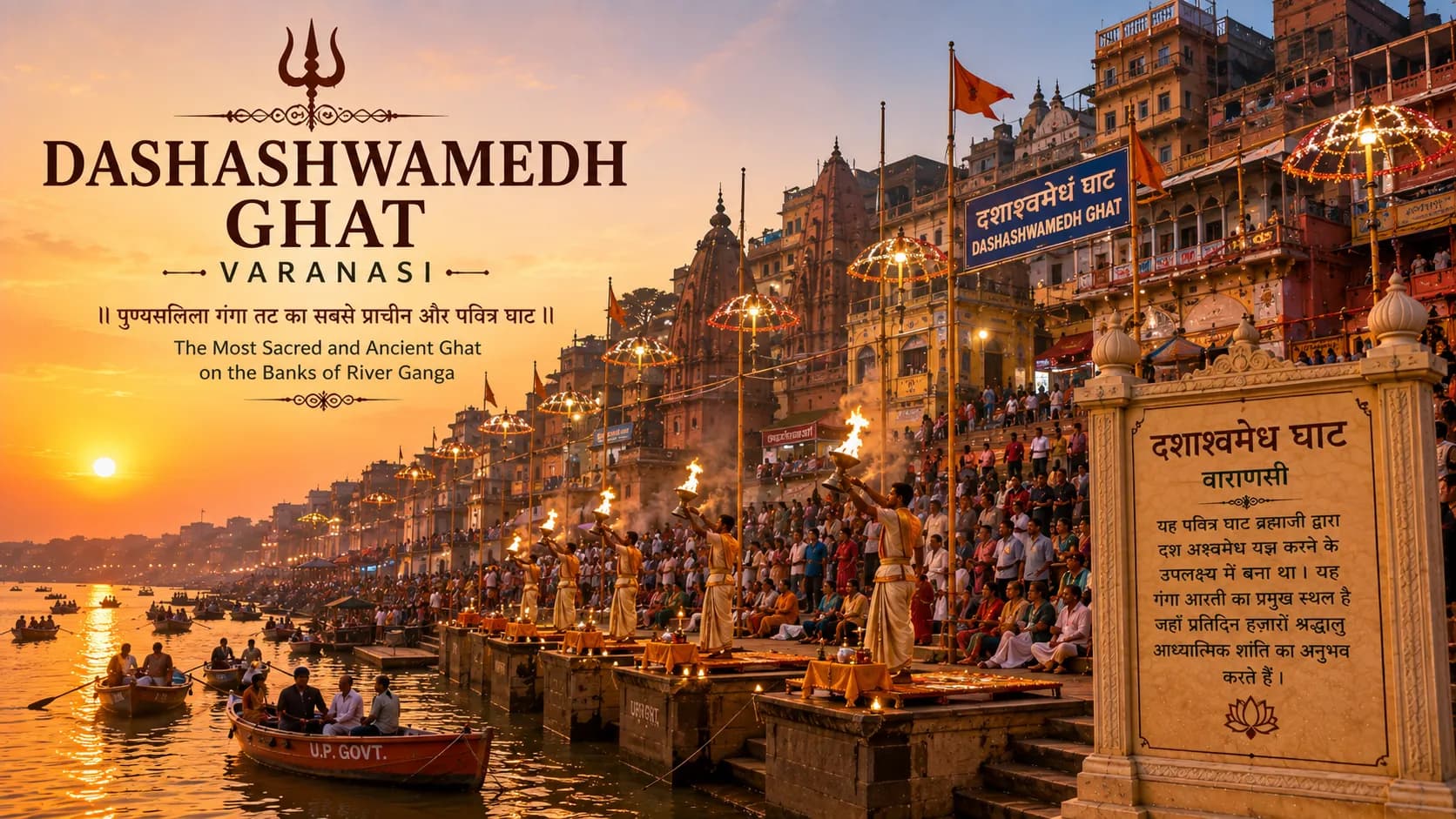
Dashashwamedh Ghat
The main ghat and the grand evening Ganga aarti of Kashi.
Assi Ghat
The southern ghat, of the morning aarti and the Subah-e-Banaras.
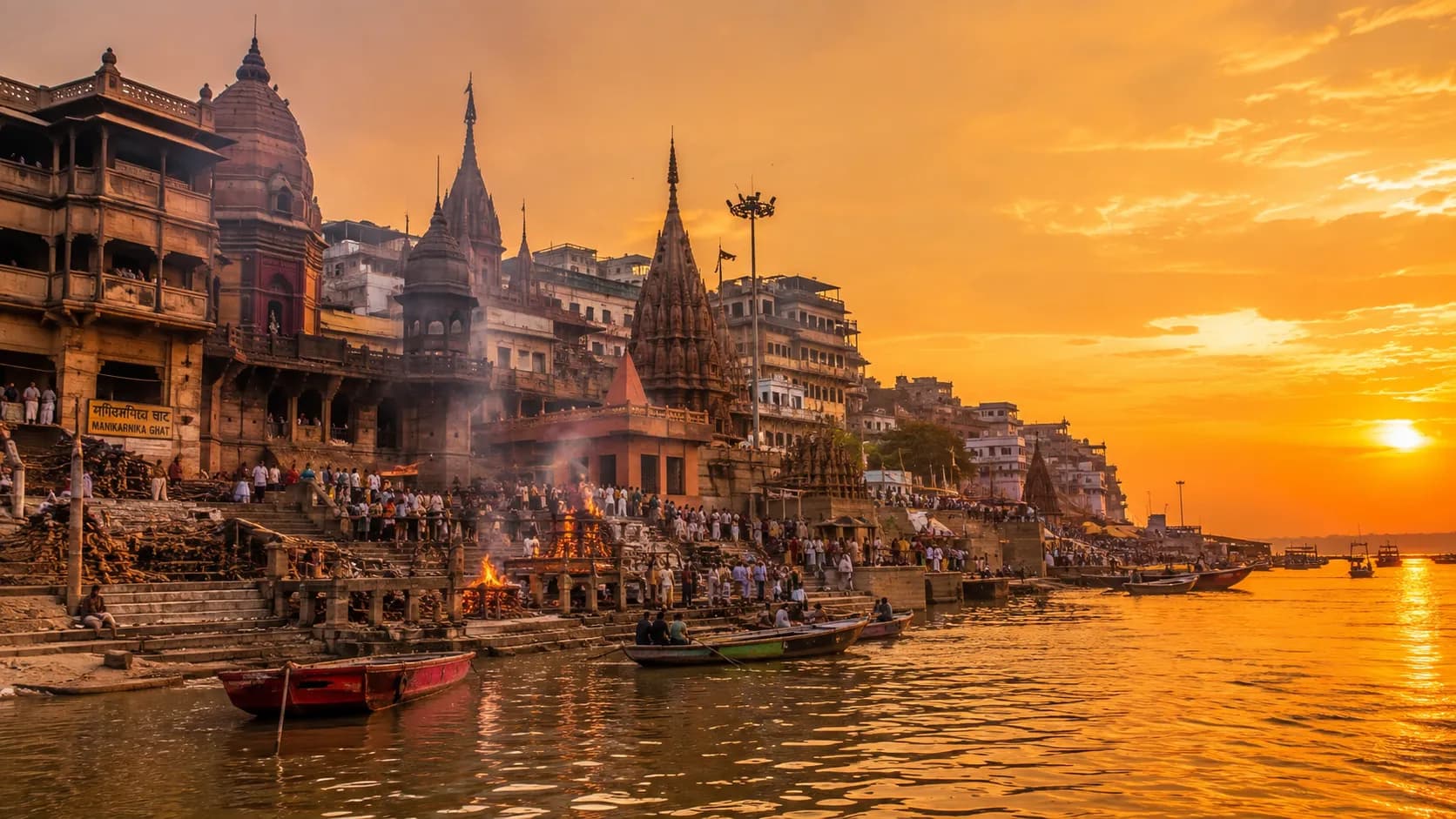
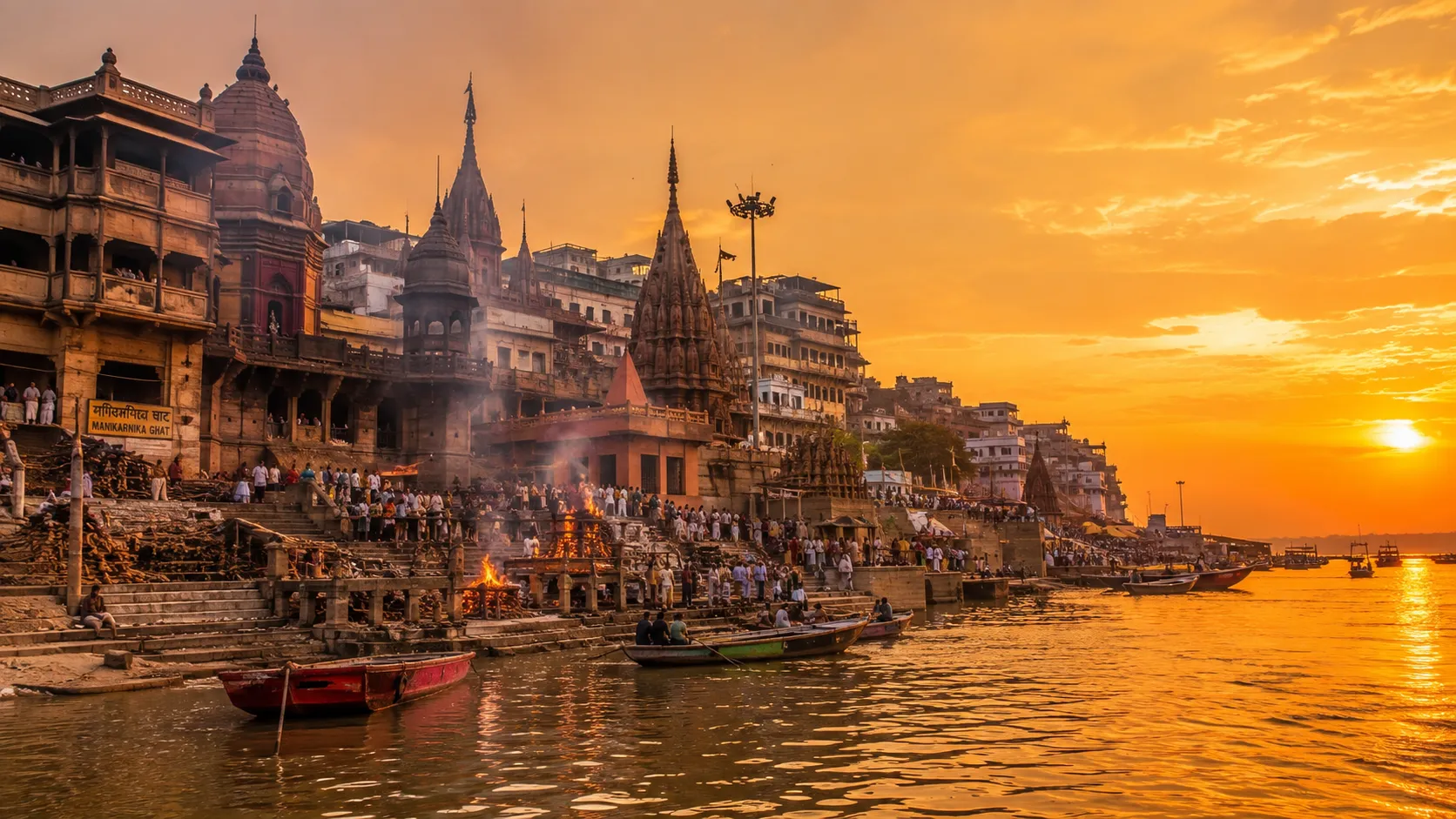
Manikarnika Ghat
The great cremation ghat, where the fire of moksha never dies.
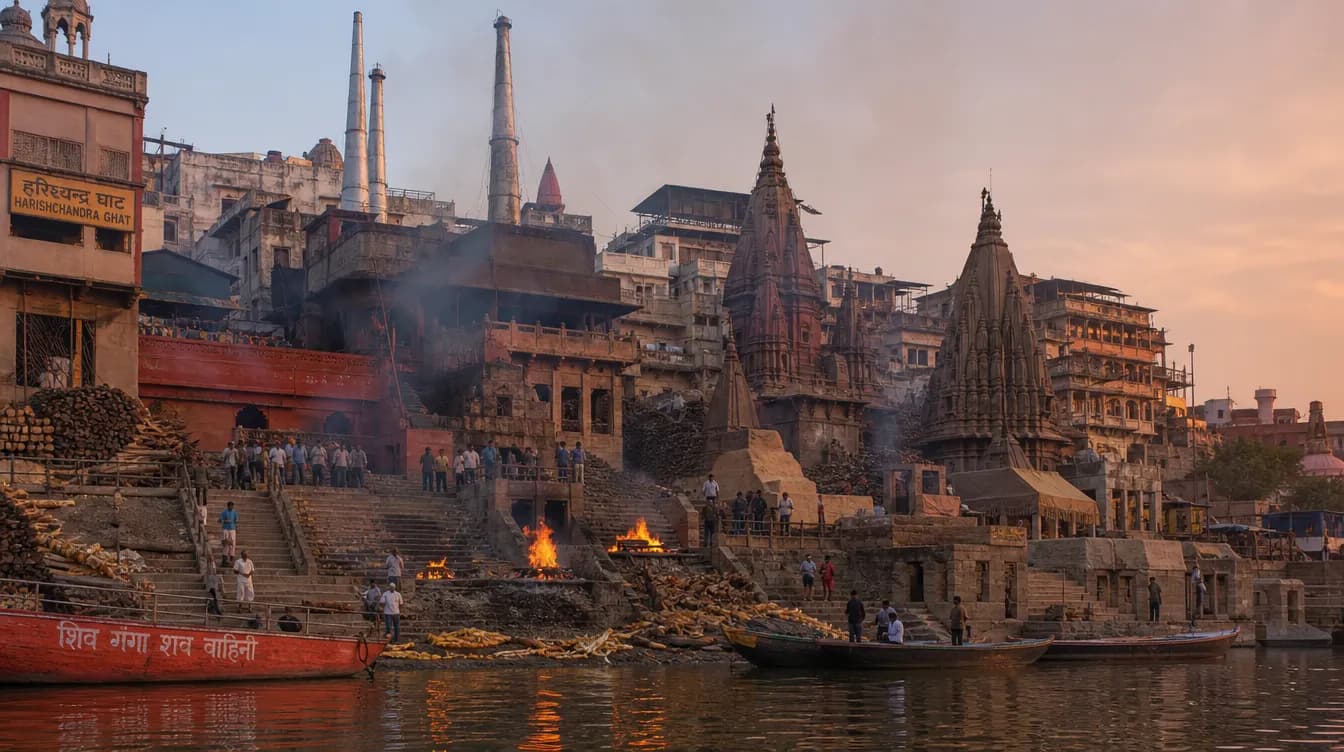
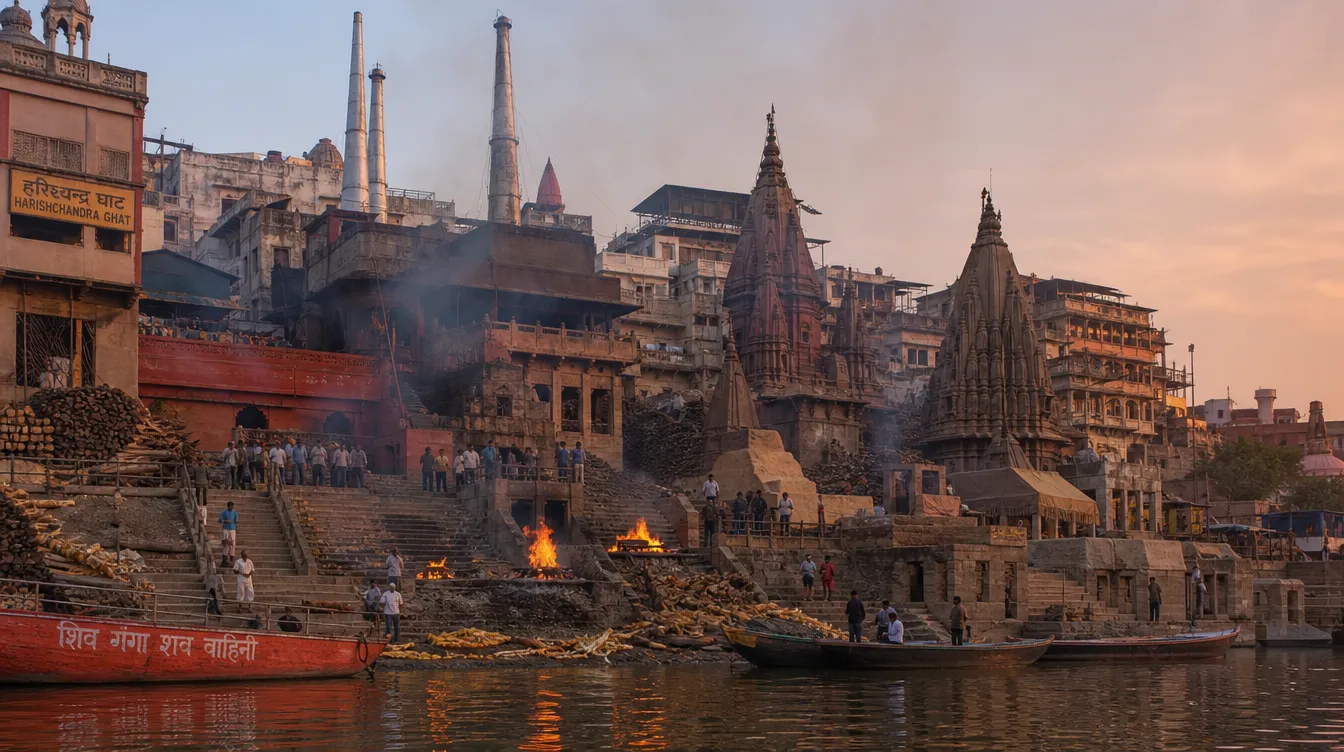
Harishchandra Ghat
The other ancient cremation ghat, of the legend of Harishchandra.
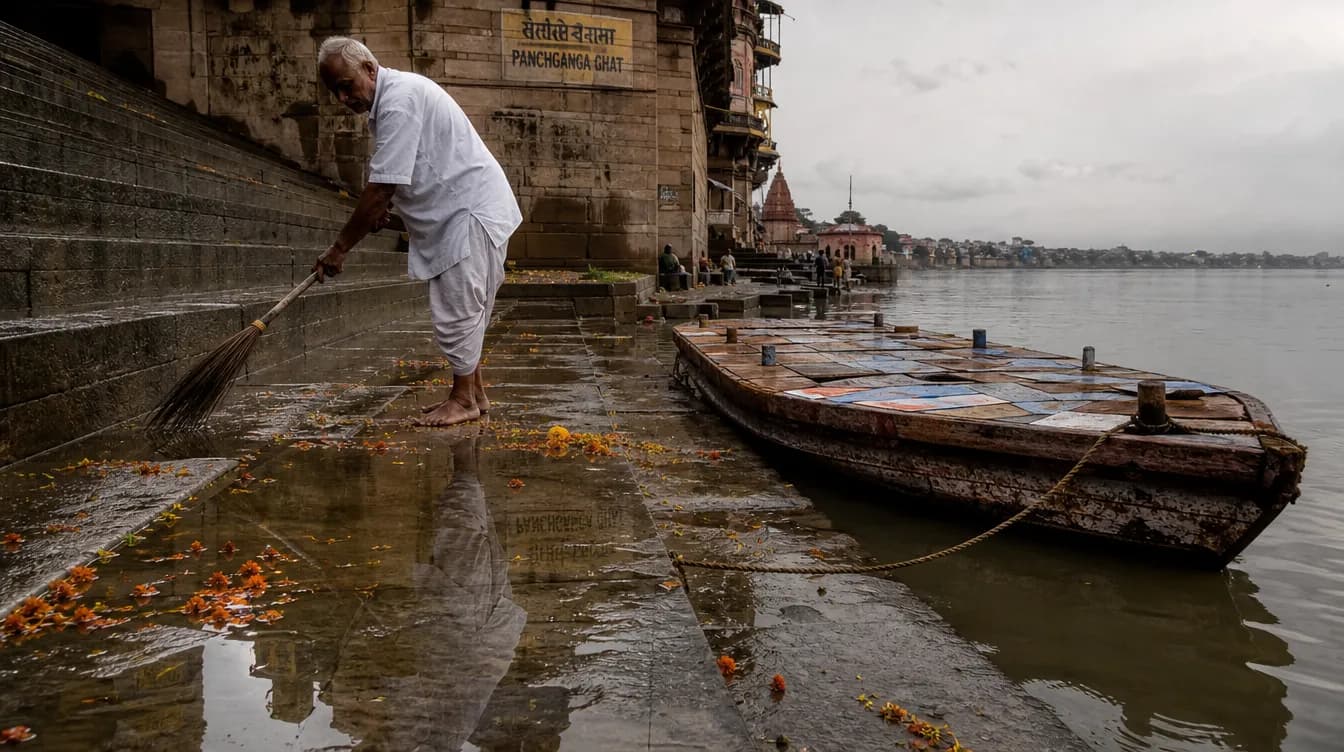
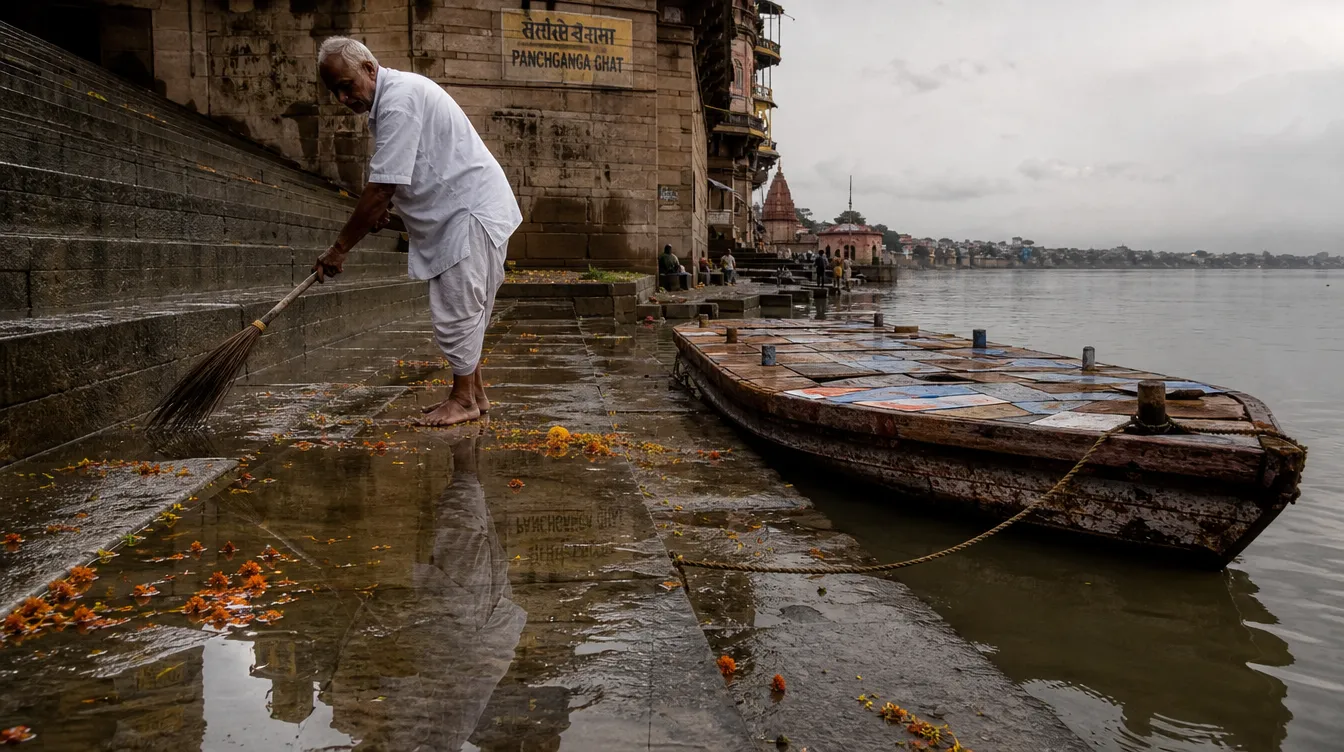
Panchganga Ghat
The ghat of the five rivers, with the Bindu Madhav.
Kedar Ghat
The ghat of the Kedareshwar Shiva.
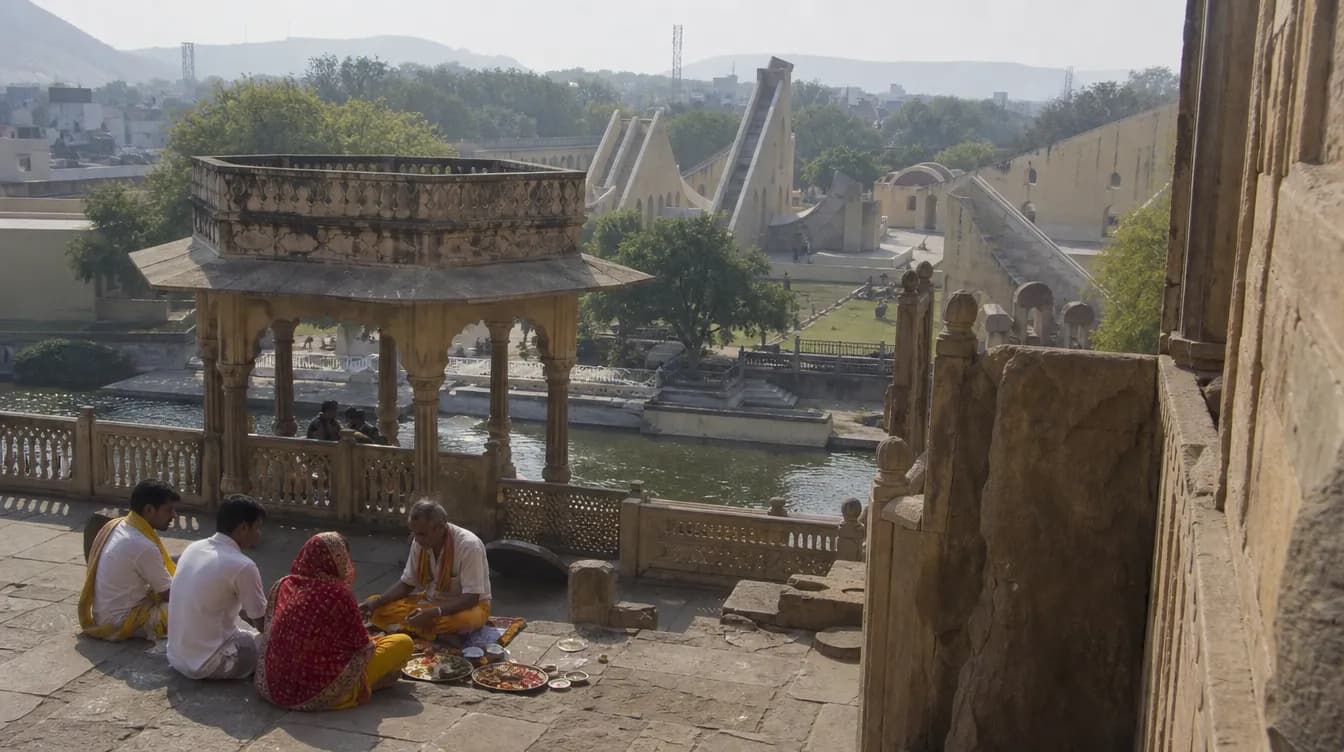
Man Mandir Ghat
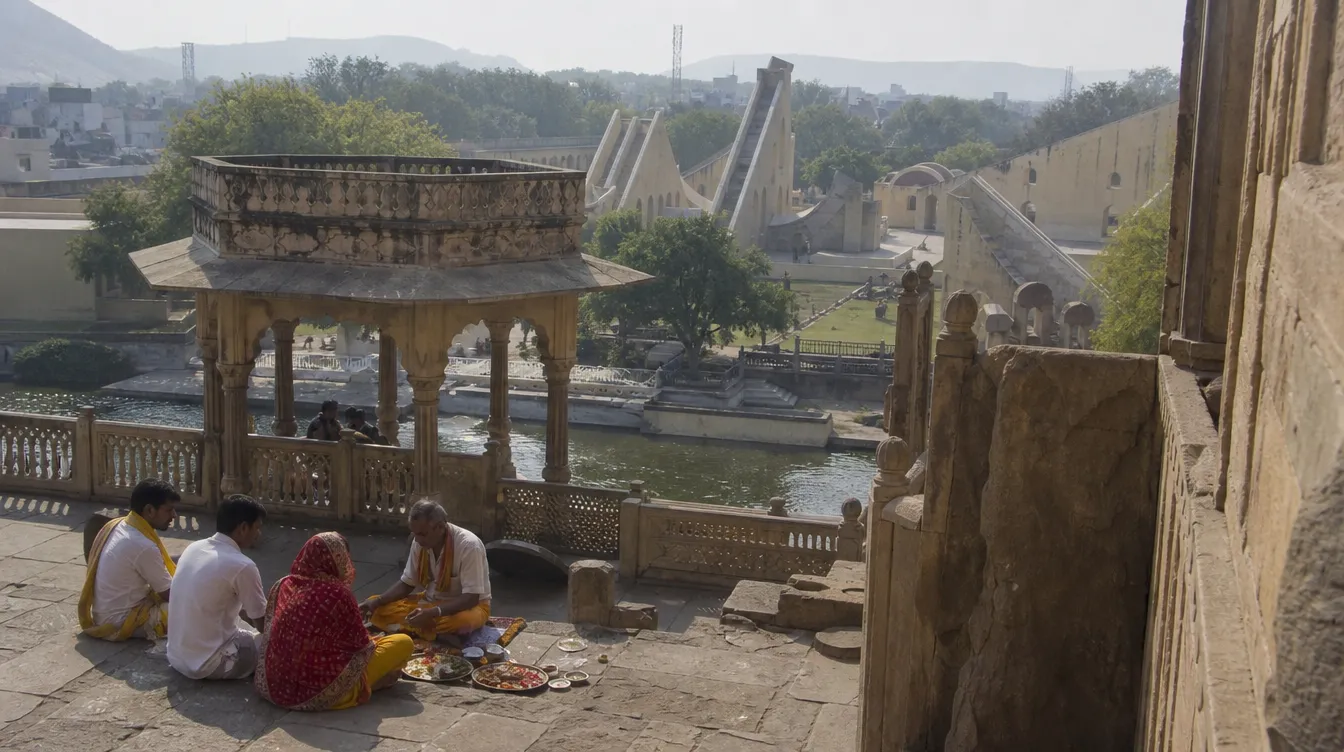
The ghat of Raja Man Singh's palace and observatory.
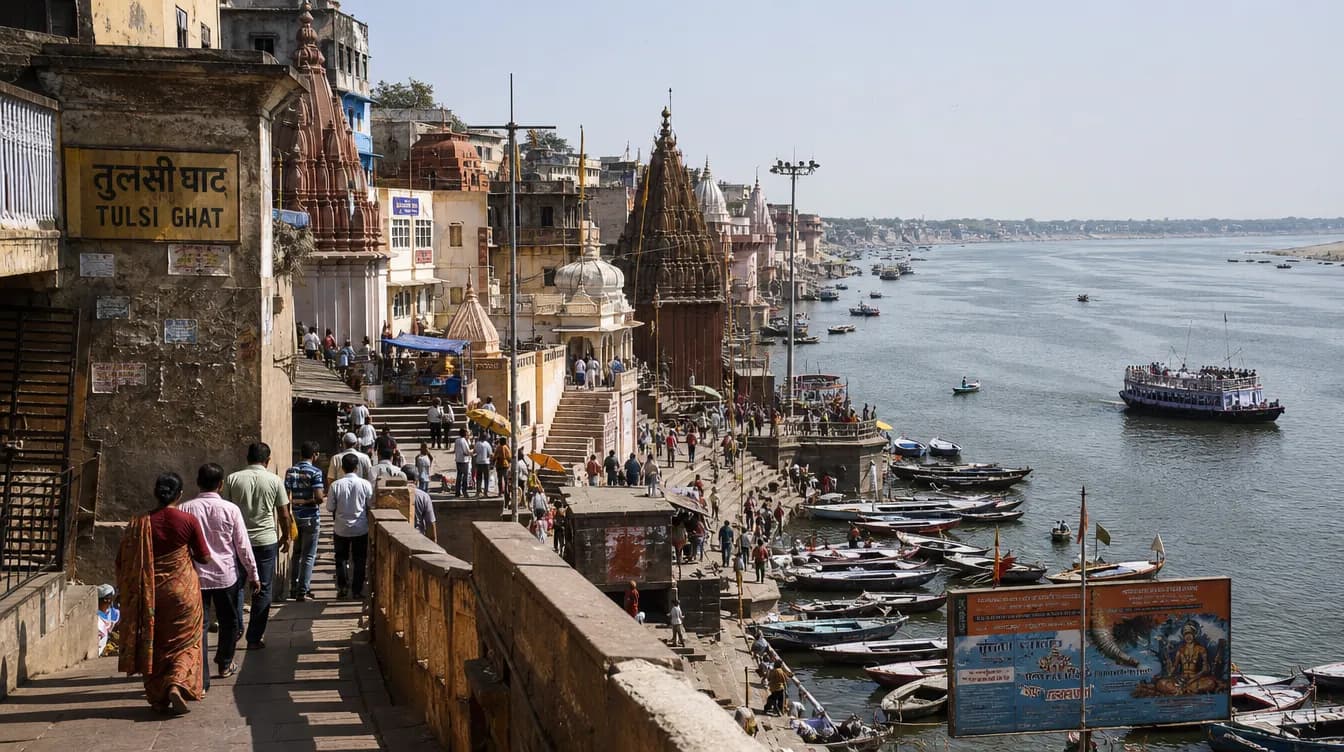
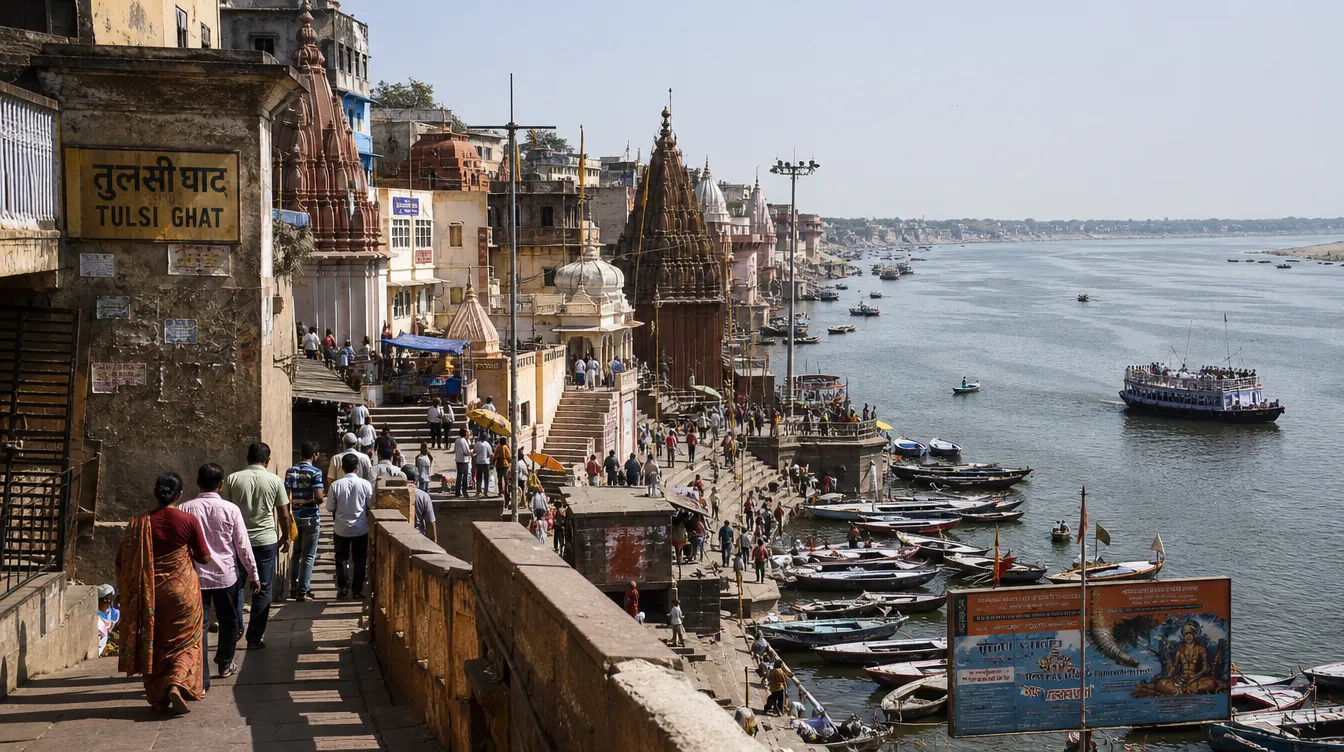
Tulsi Ghat
The ghat of the poet-saint Tulsidas.
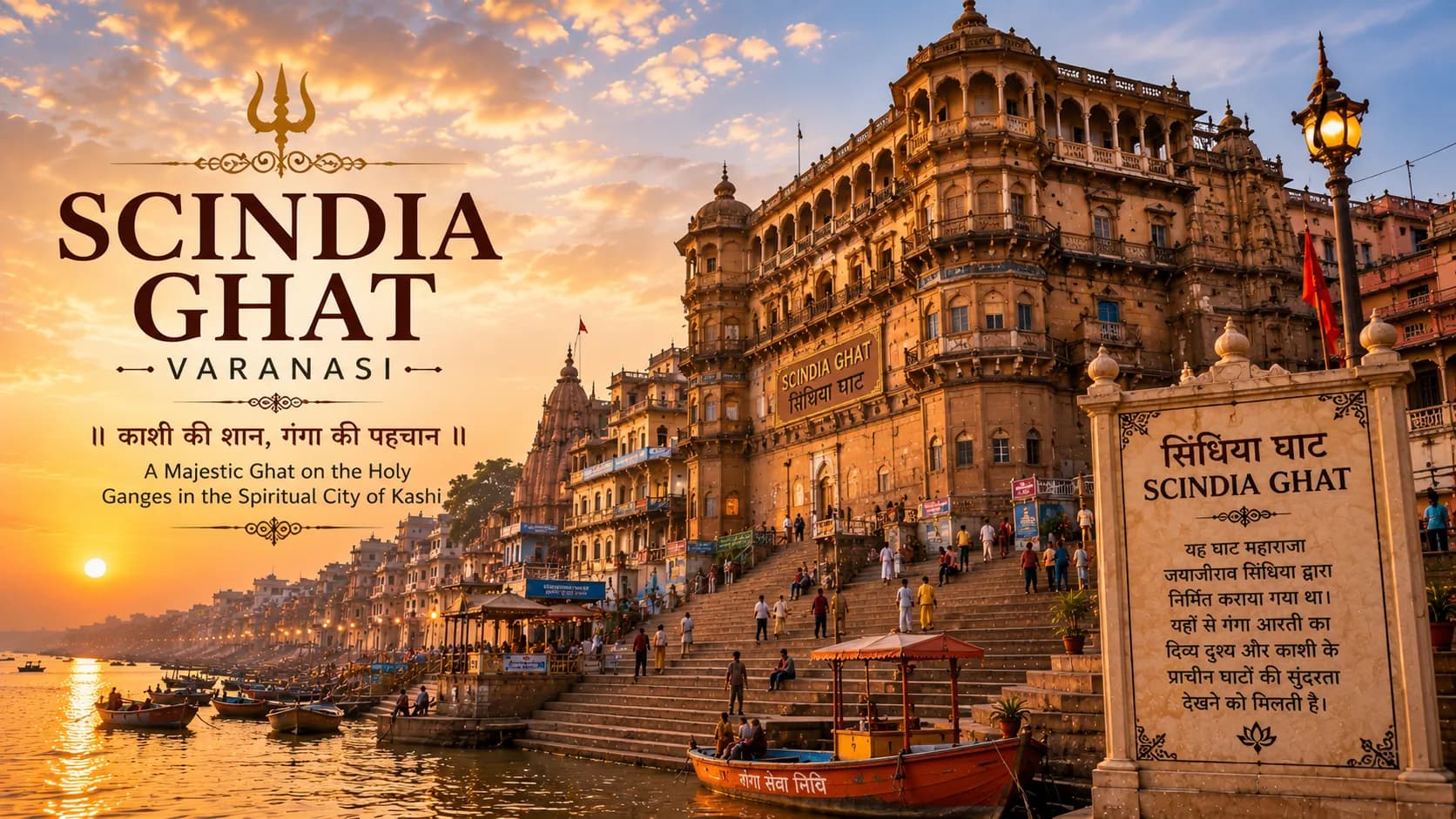
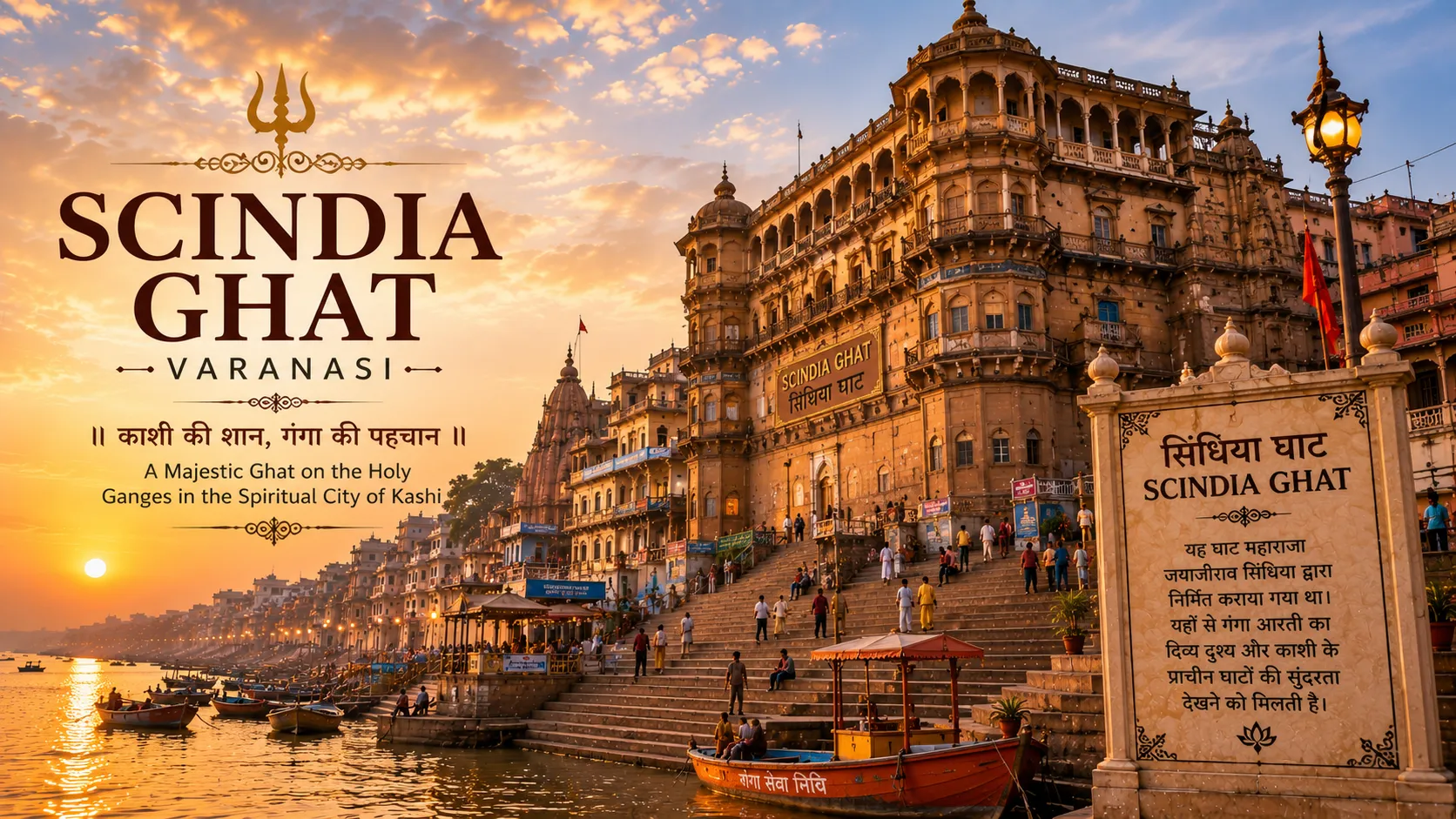
Scindia Ghat
The ghat of the Scindias, with its half-sunken Shiva shrine.
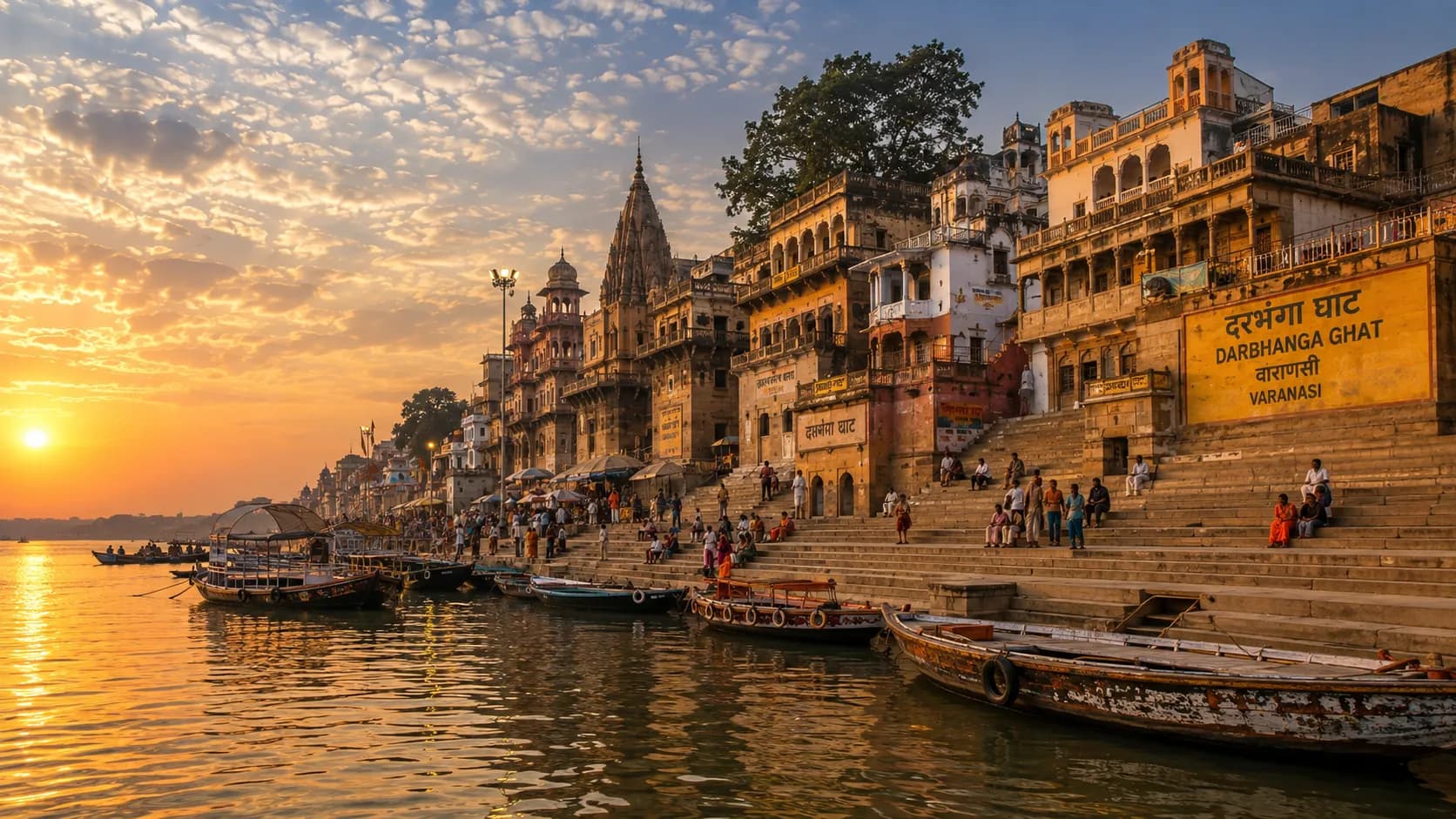
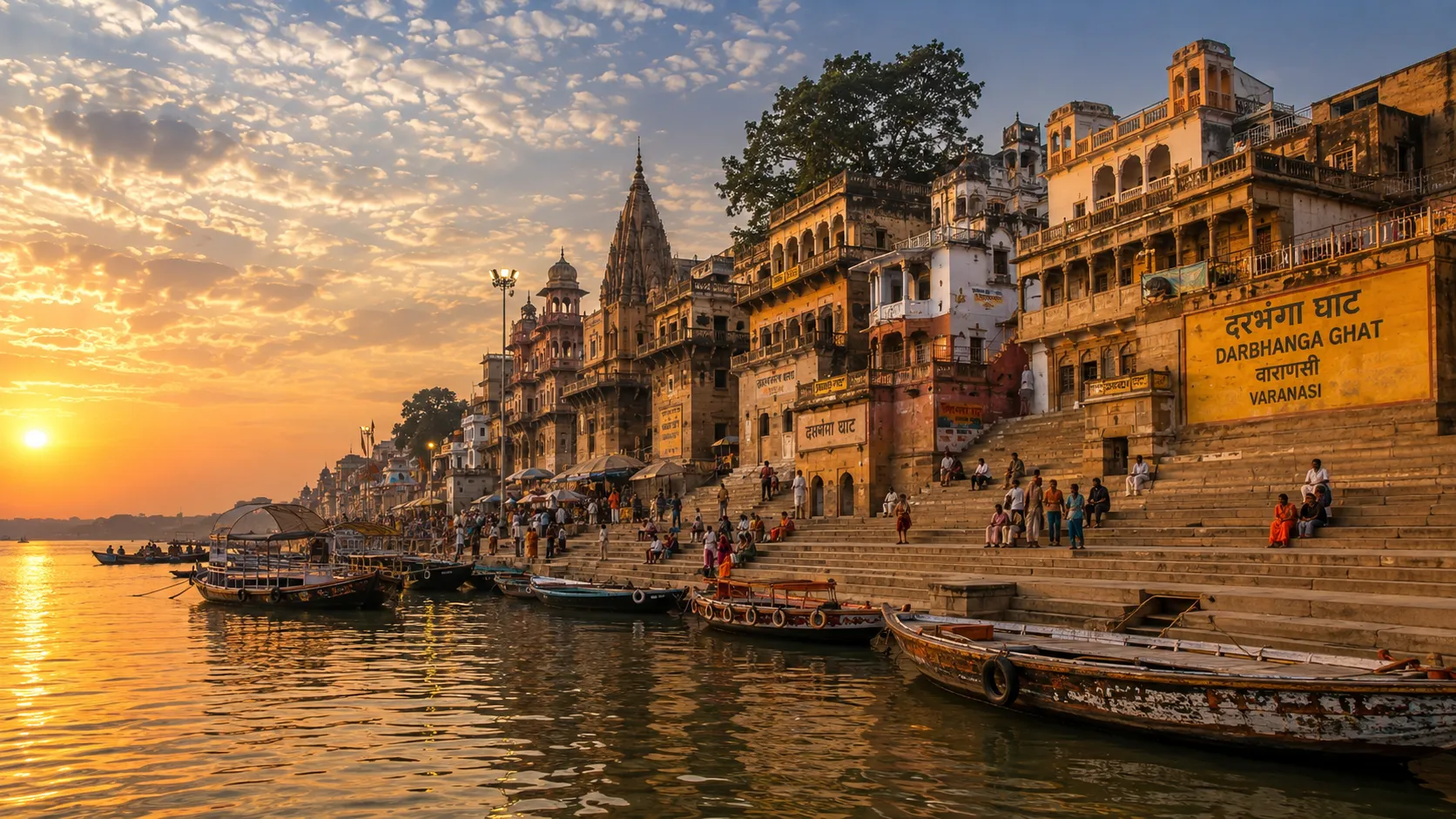
Darbhanga Ghat
The grand palace-ghat of the kings of Darbhanga.
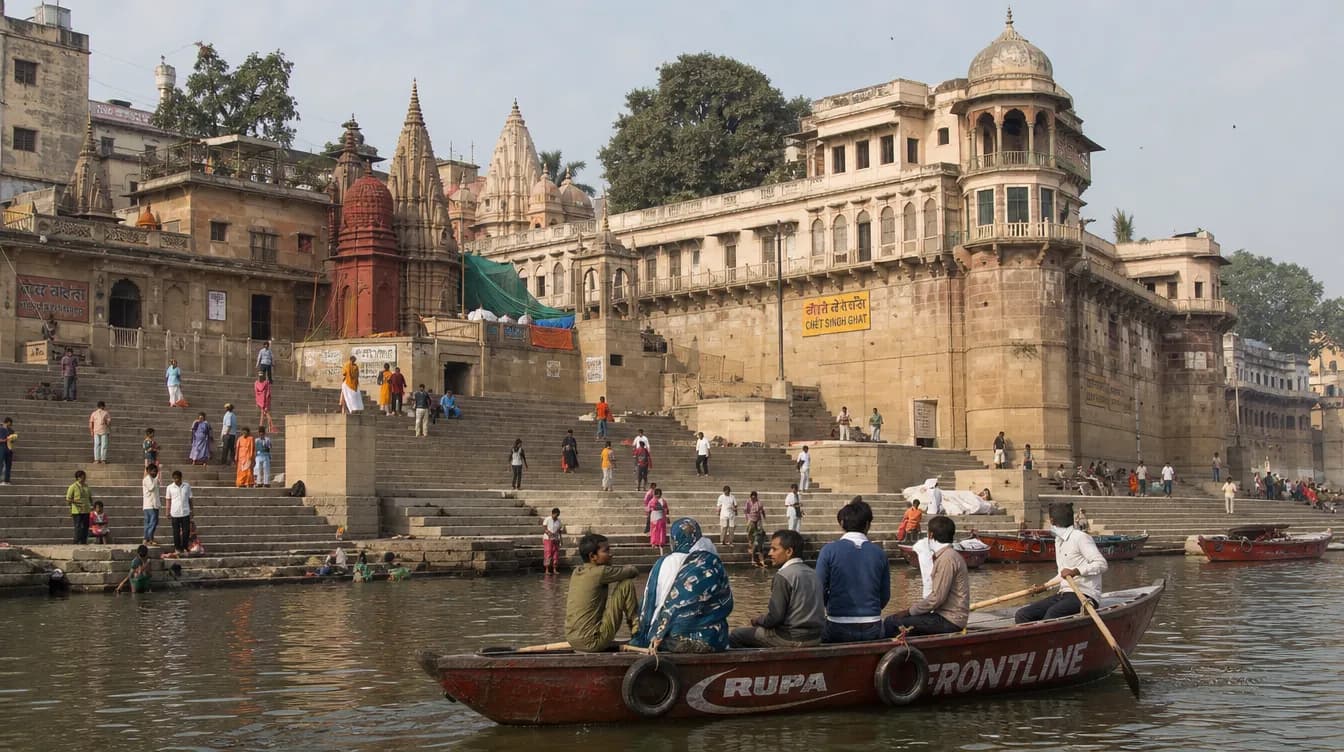
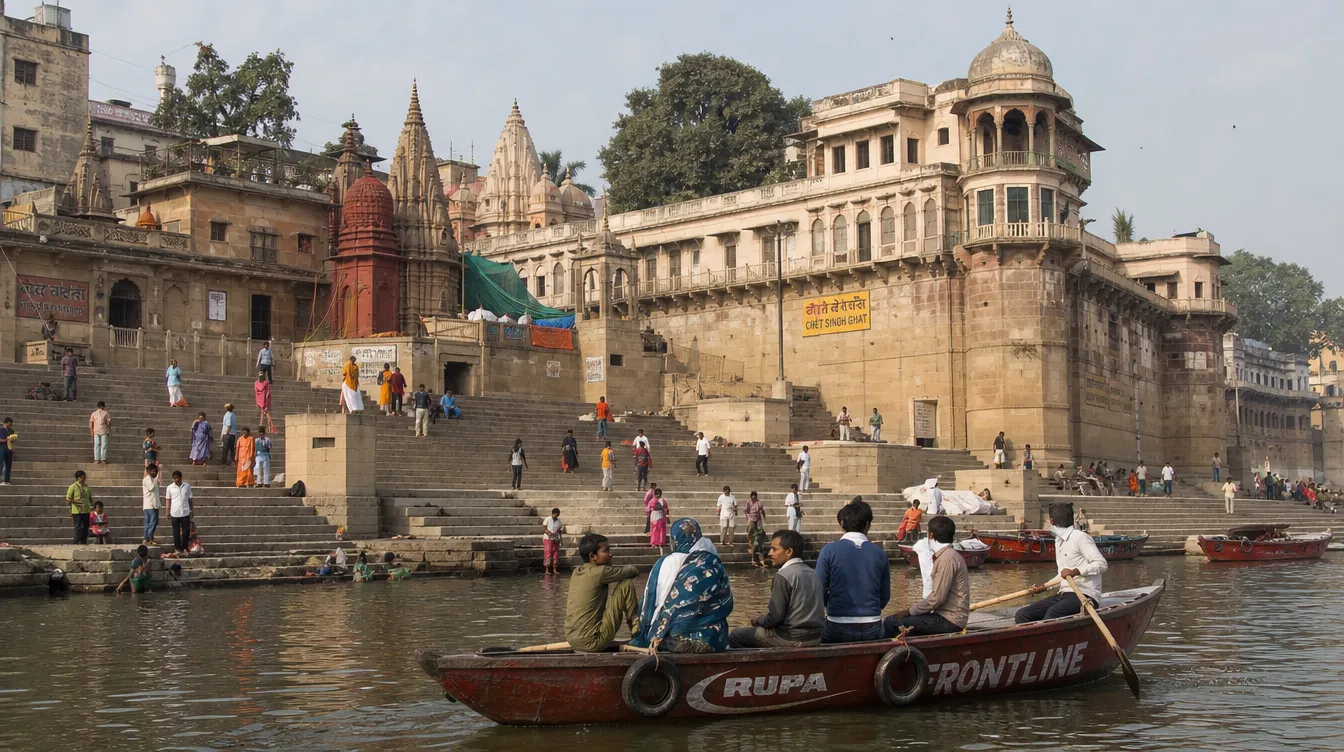
Chet Singh Ghat
The fortress-ghat of Raja Chet Singh of Banaras.
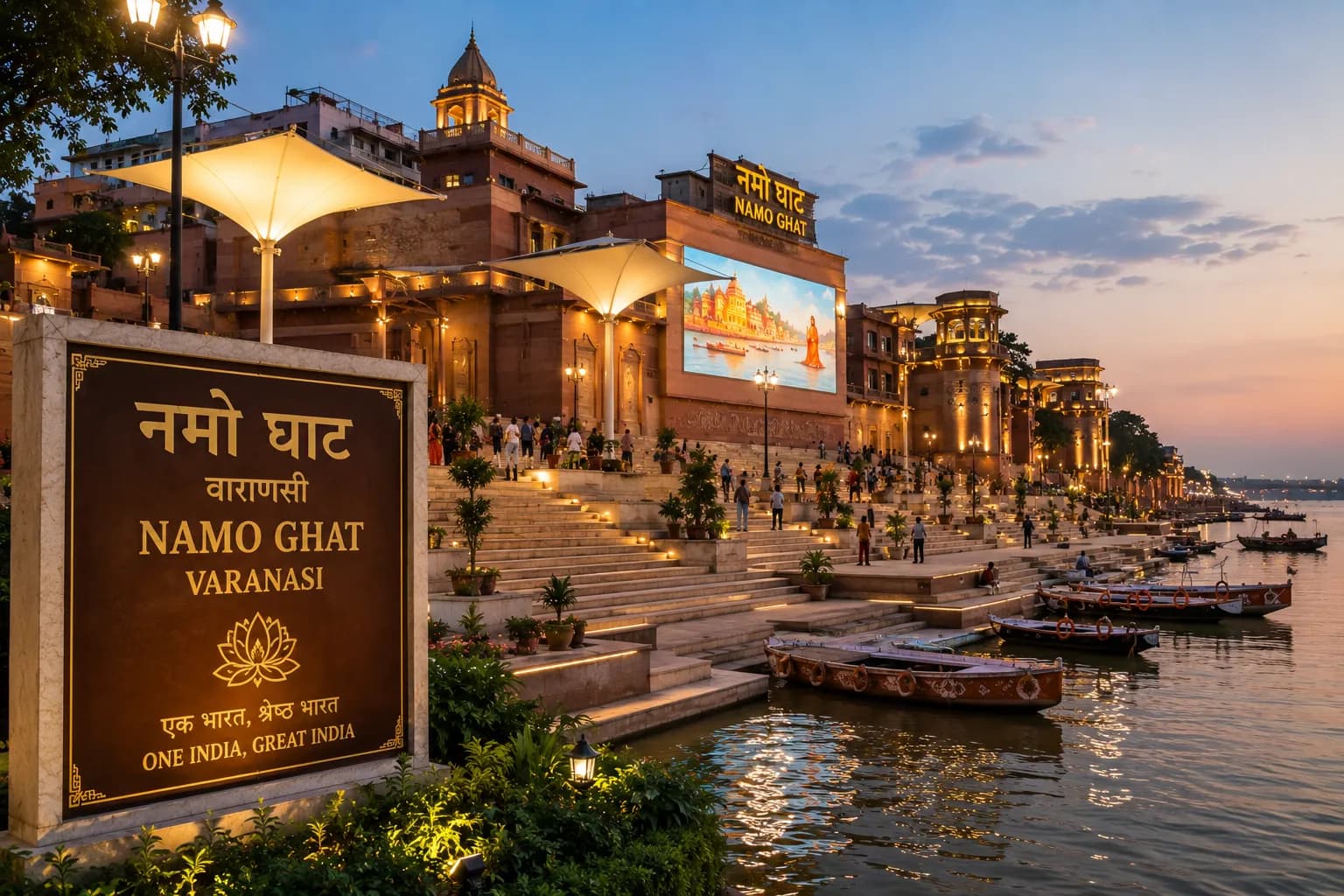
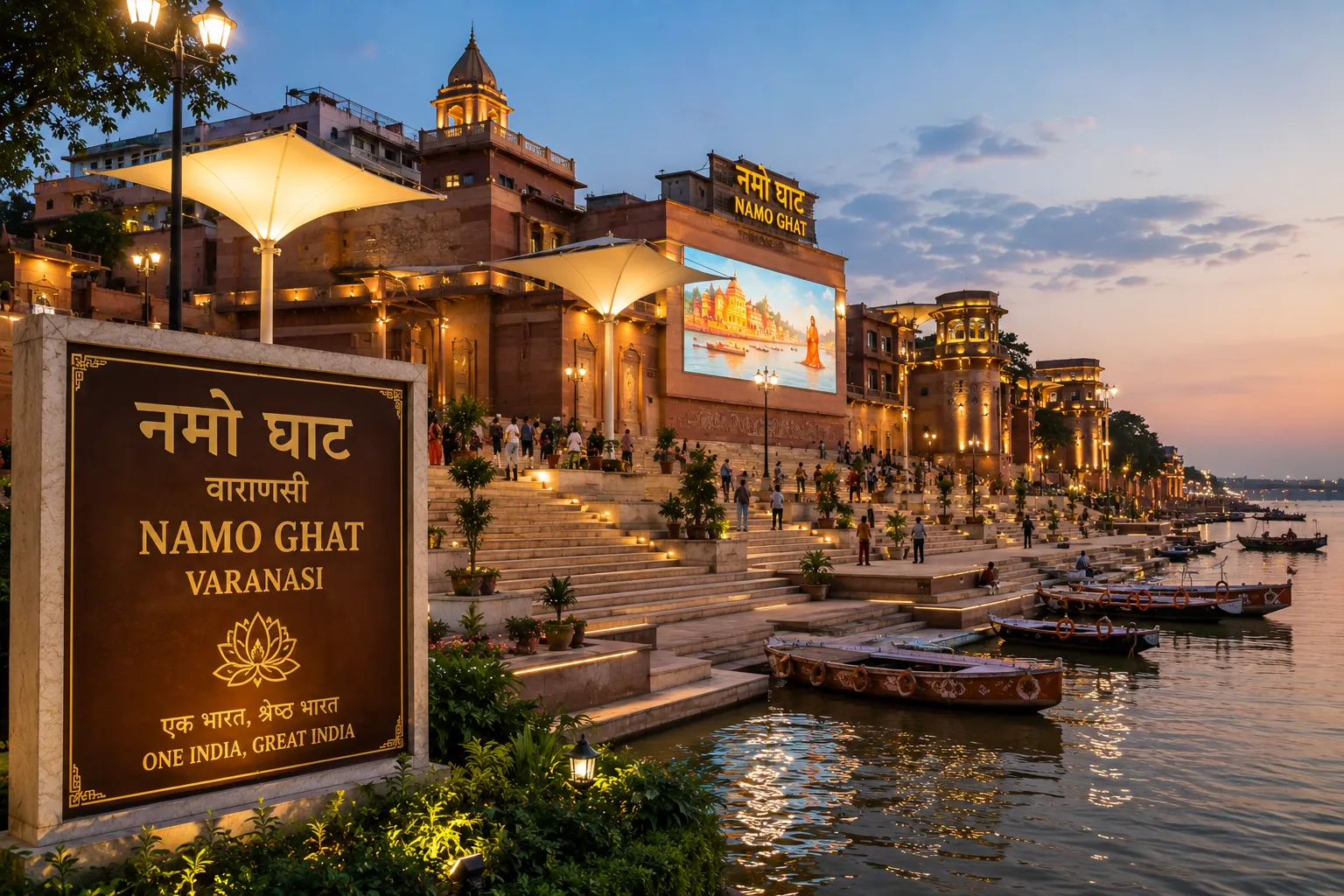
Namo Ghat
The newest ghat of the riverfront, of the great folded-hands sculptures.
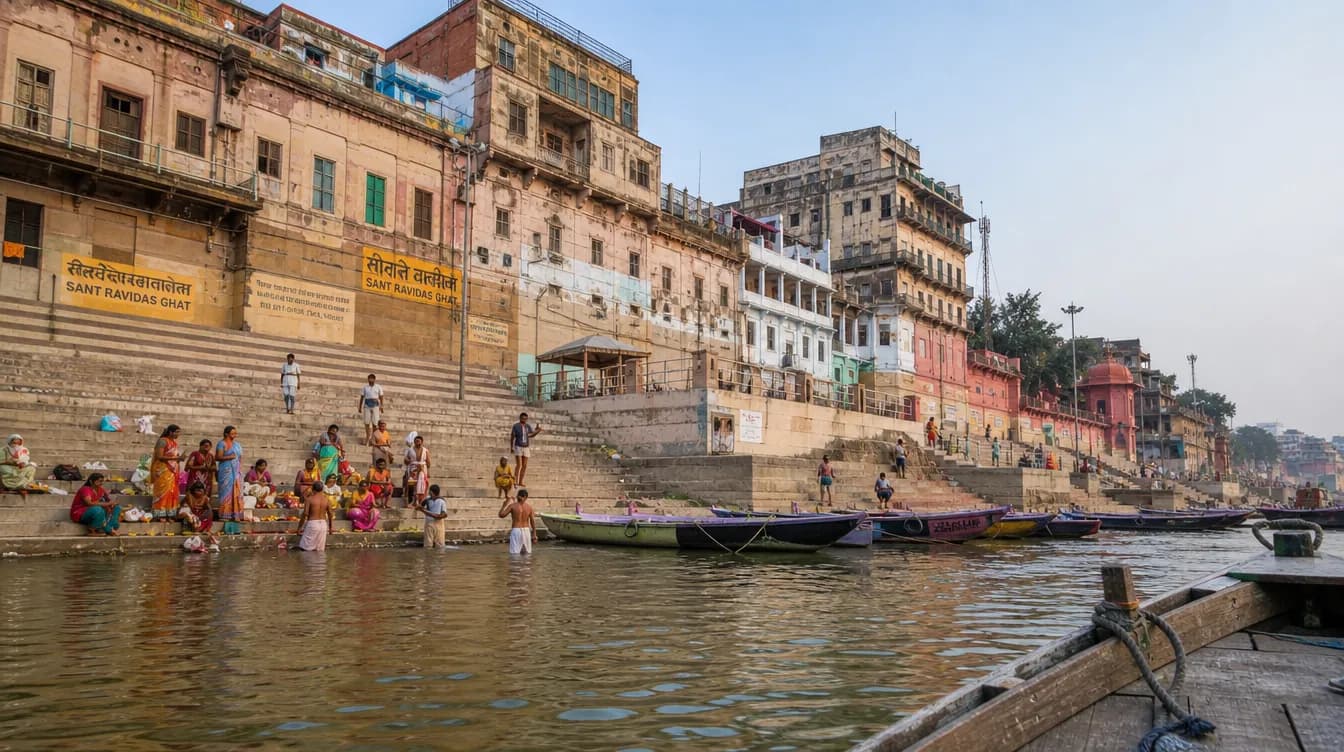
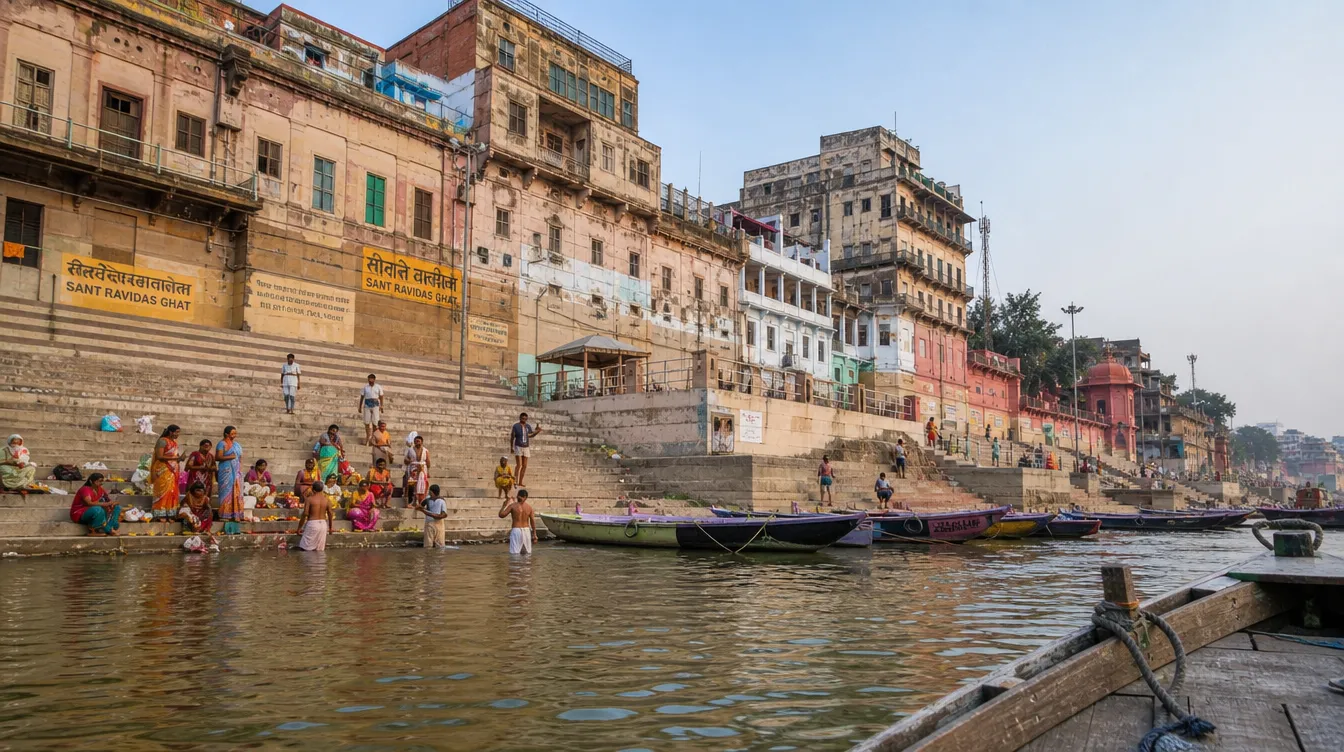
Ravidas Ghat
The southern ghat named for the great saint Ravidas.
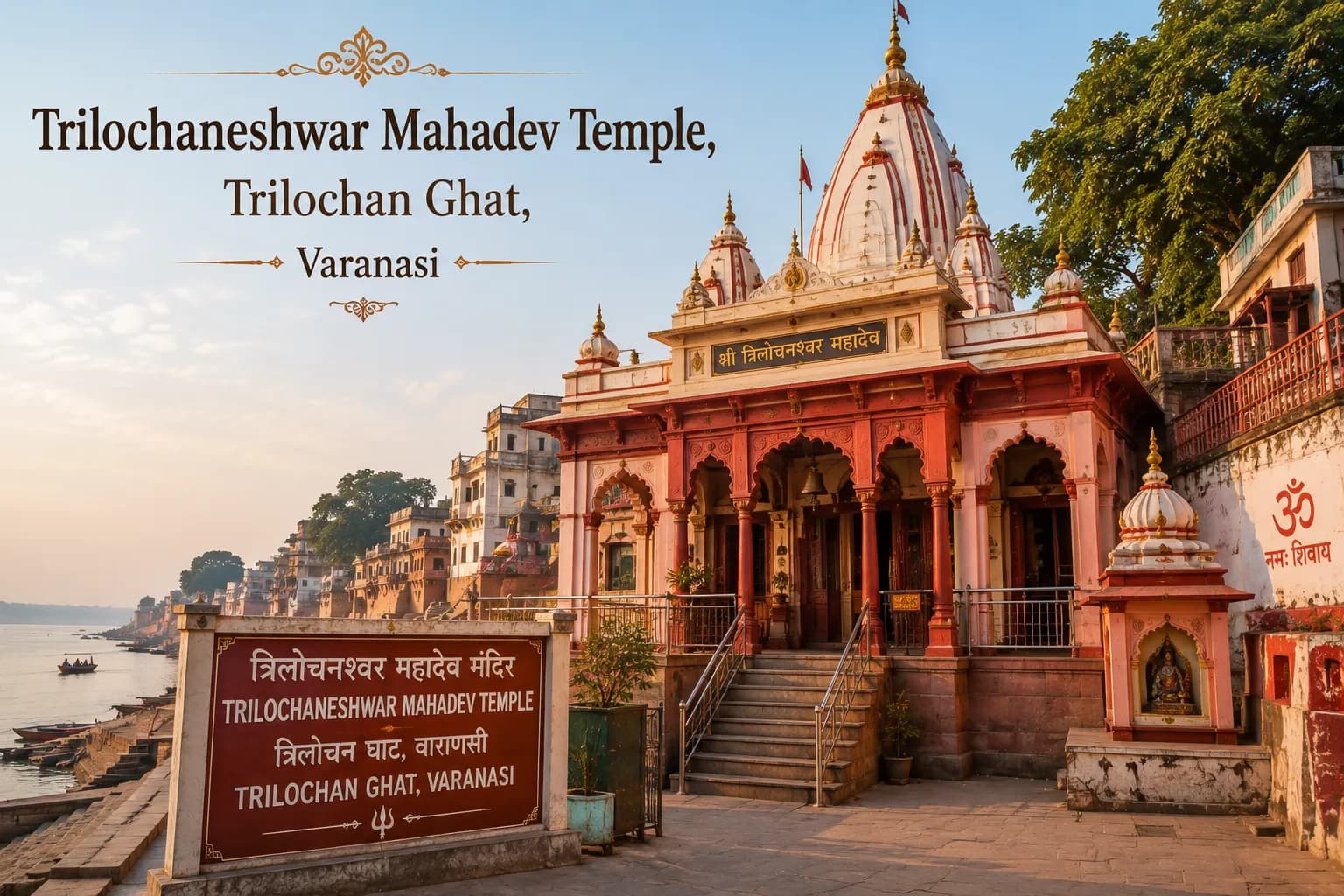
Trilochan Ghat
The northern ghat of the three-eyed Shiva.
The Ganga aarti: the great evening ritual
Above all the sights of Kashi is the Ganga aarti, the grand ritual of worship offered to Mother Ganga each evening at the Dashashwamedh Ghat, when the young priests in their rows raise the great flaming lamps to the river in a slow, majestic dance of fire and chant and bell, and thousands watch from the steps and the boats.
A gentler aarti is offered at the Assi Ghat, with the Subah-e-Banaras welcoming the dawn. To see the Ganga aarti is the unforgettable heart of any visit to Kashi.
Ganga aarti at Dashashwamedh
The grand evening aarti, with its rows of priests and great flaming lamps.
Morning aarti at Assi Ghat
The gentler dawn aarti and the Subah-e-Banaras.
Sarnath: where the Buddha first taught
A short way from Kashi is Sarnath, one of the four holiest places of the Buddhist world; for it was here, in the deer park, that Lord Buddha, after his enlightenment, first turned the Wheel of the Law, preaching his first sermon to his five disciples, and so set the Dharma in motion.
Sarnath holds the great Dhamek Stupa that marks the spot, the ancient ruins and the museum with the famous Lion Capital of Ashoka that is the emblem of India, and the beautiful temples raised by the Buddhist nations of the world.
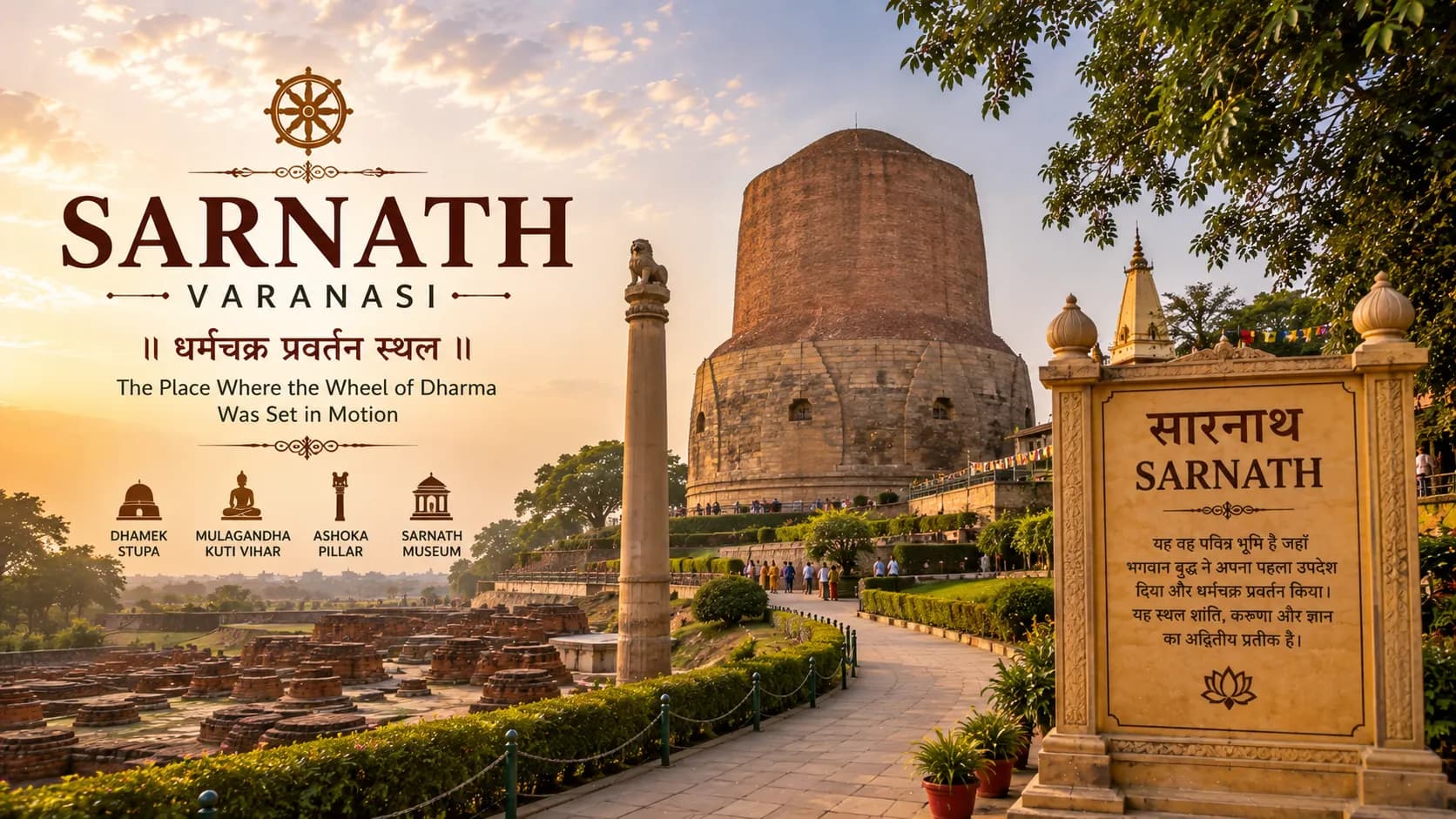
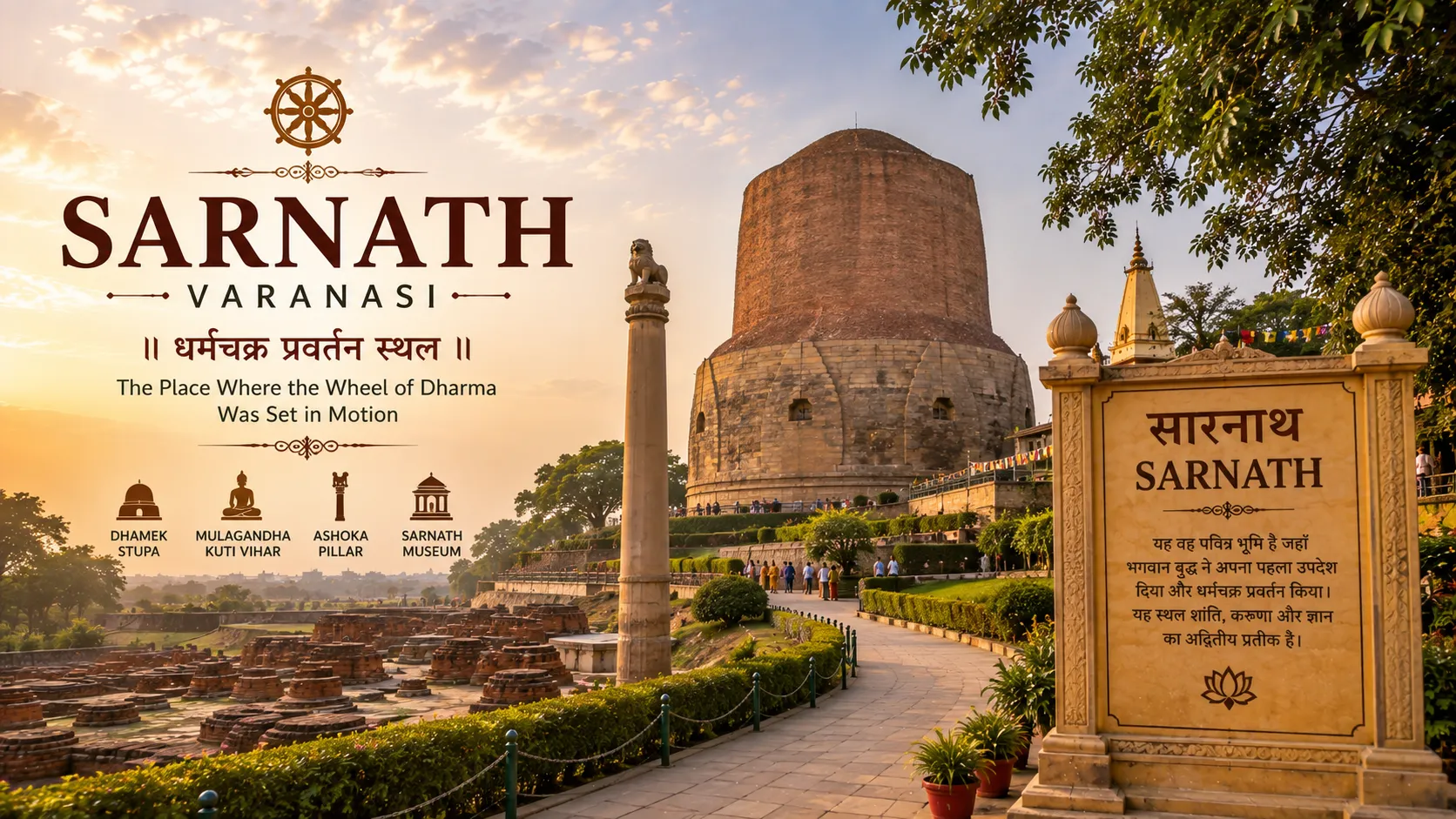
Sarnath
The deer park itself, and the complete guide to the site and its ruins.
Dhamek Stupa
The great stupa marking where the Buddha gave his first sermon.
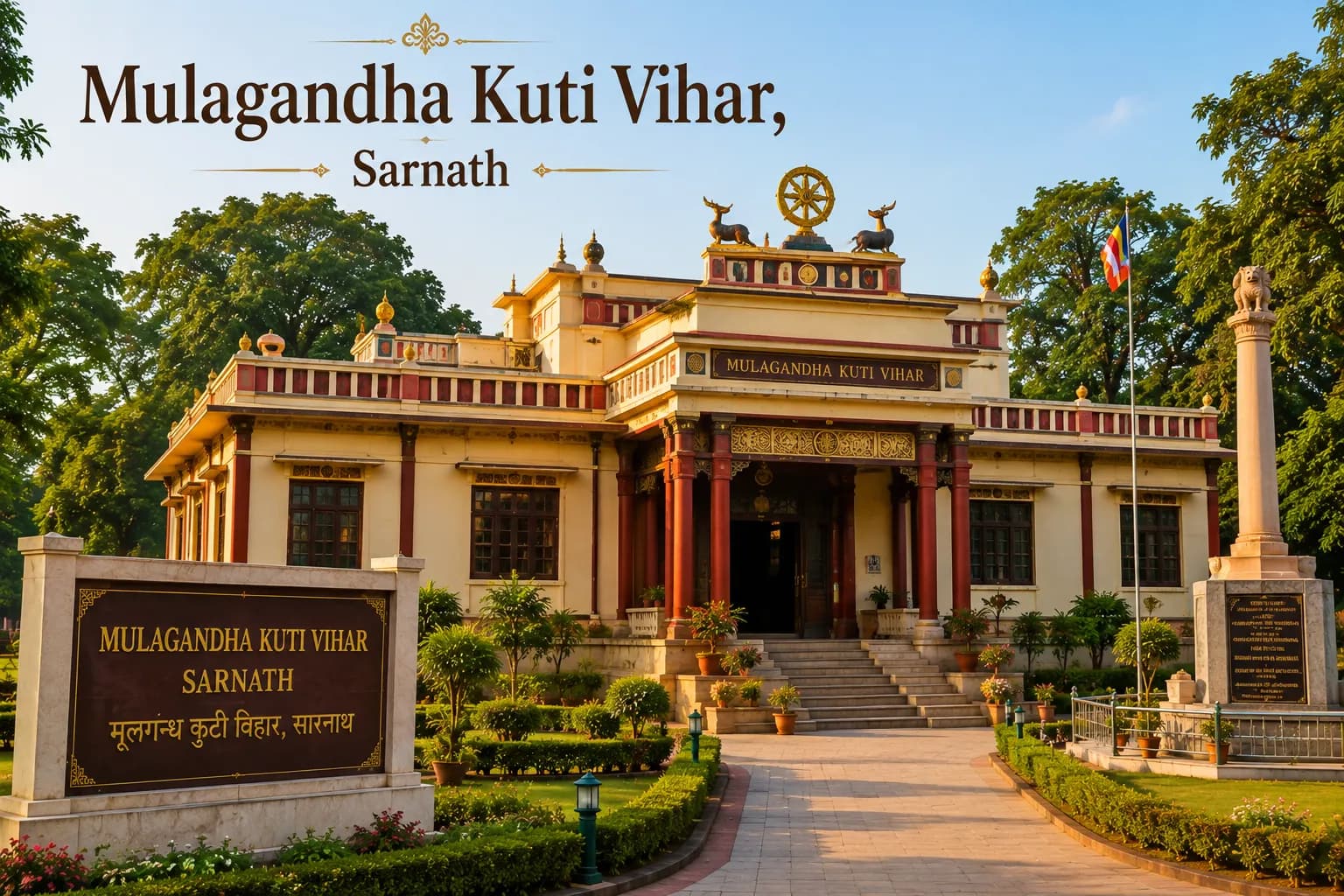
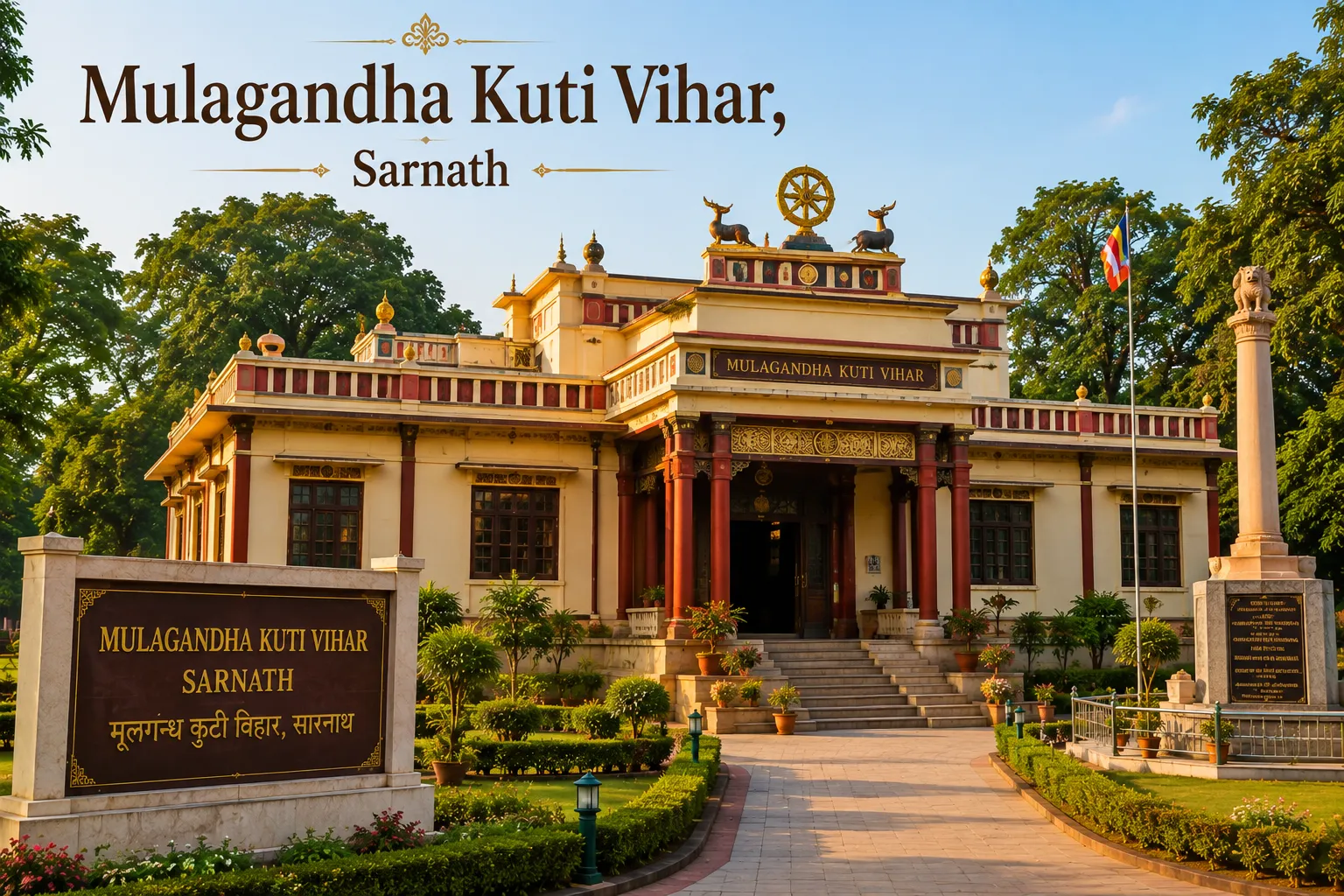
Mulagandha Kuti Vihar
The modern vihara with its beautiful frescoes of the Buddha's life.
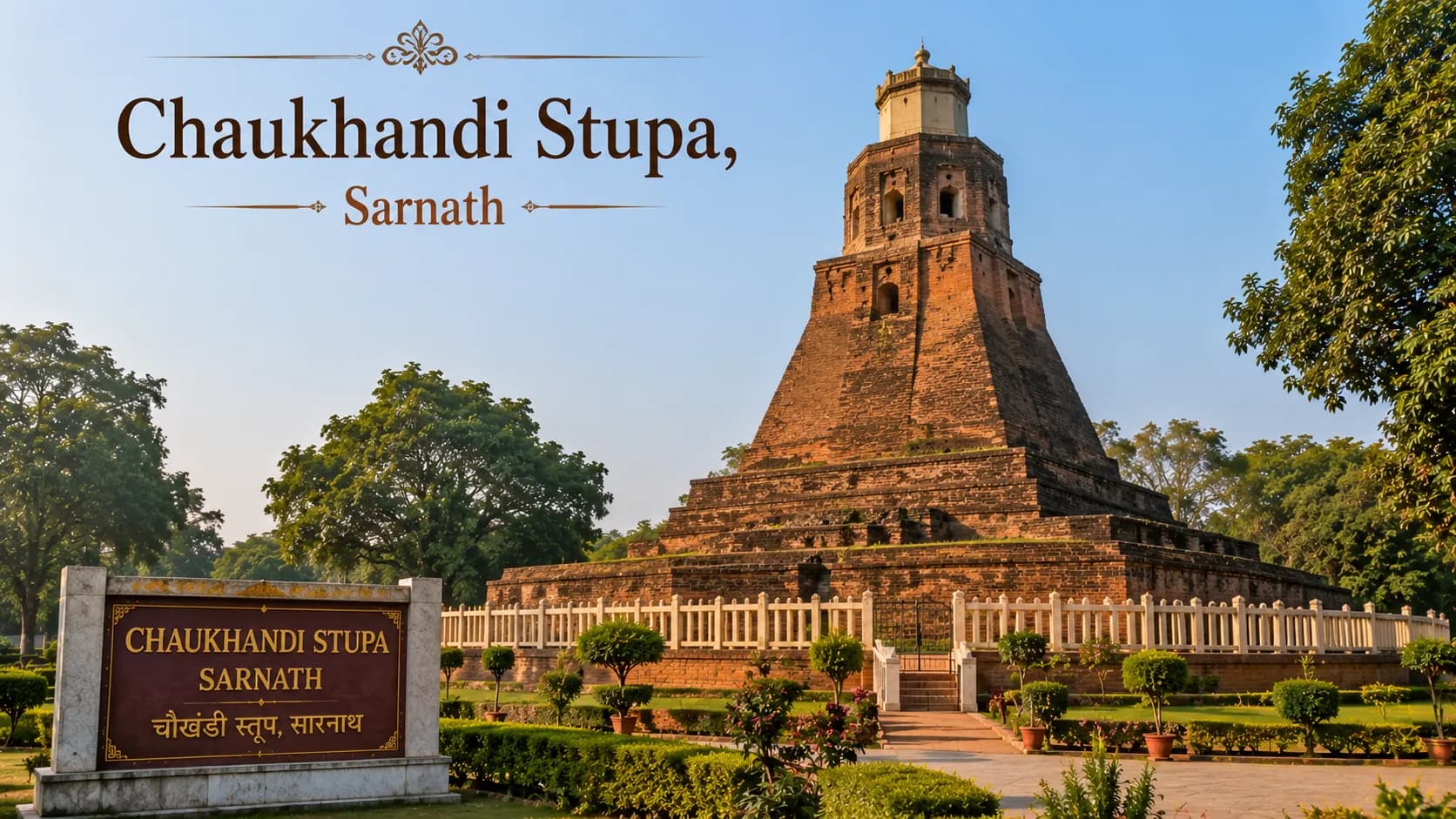
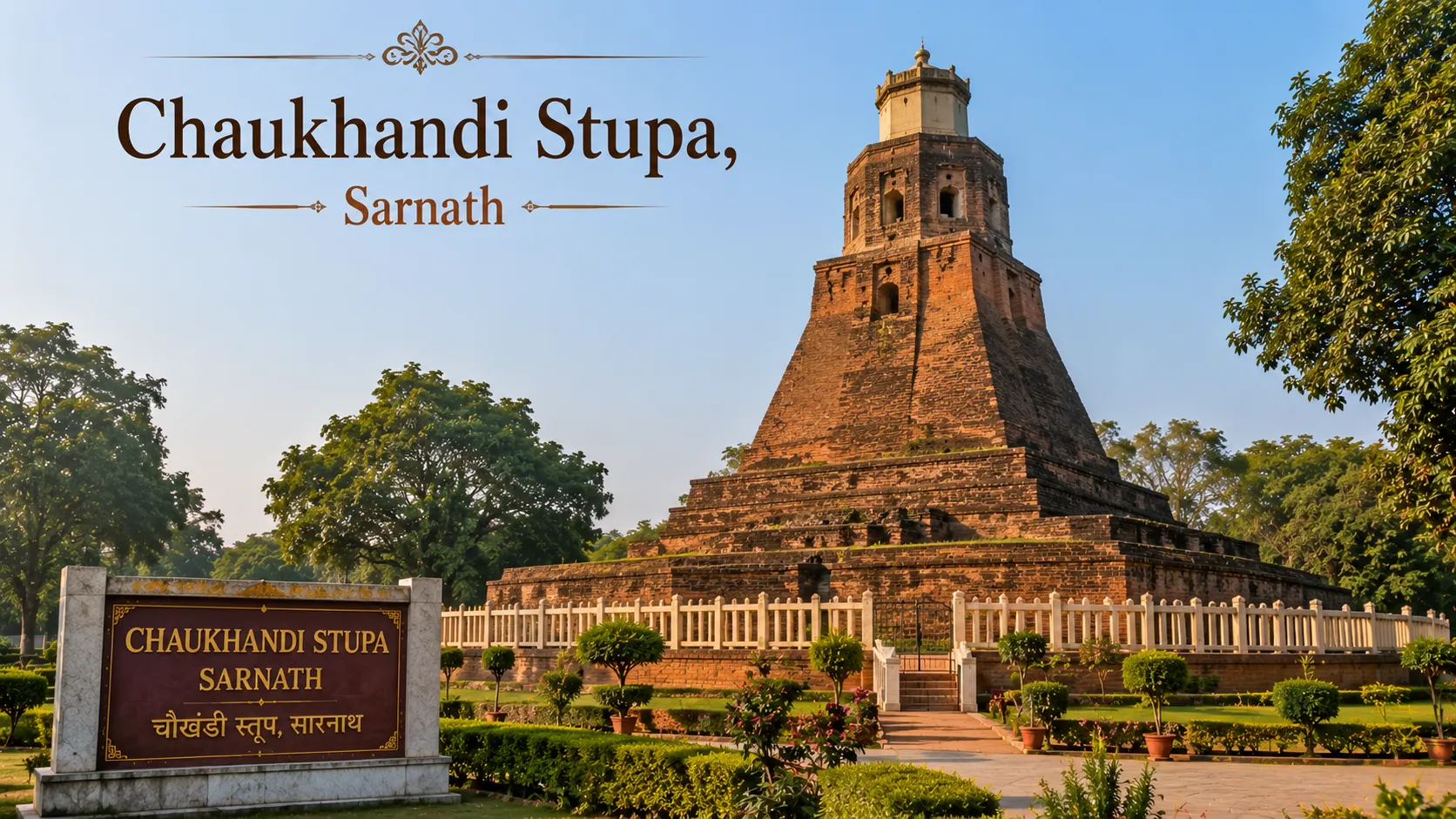
Chaukhandi Stupa
The stupa marking where the Buddha met his five disciples.
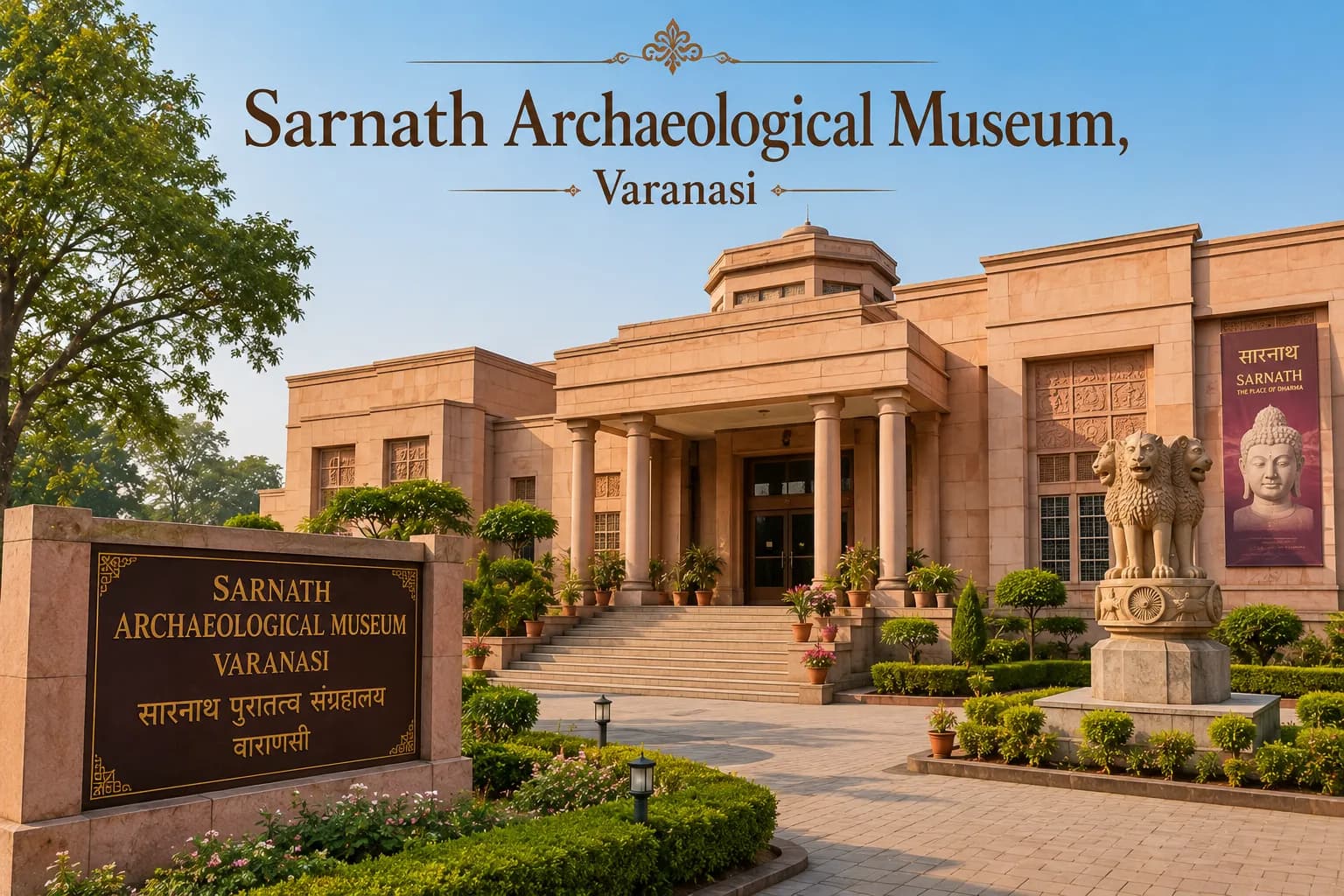
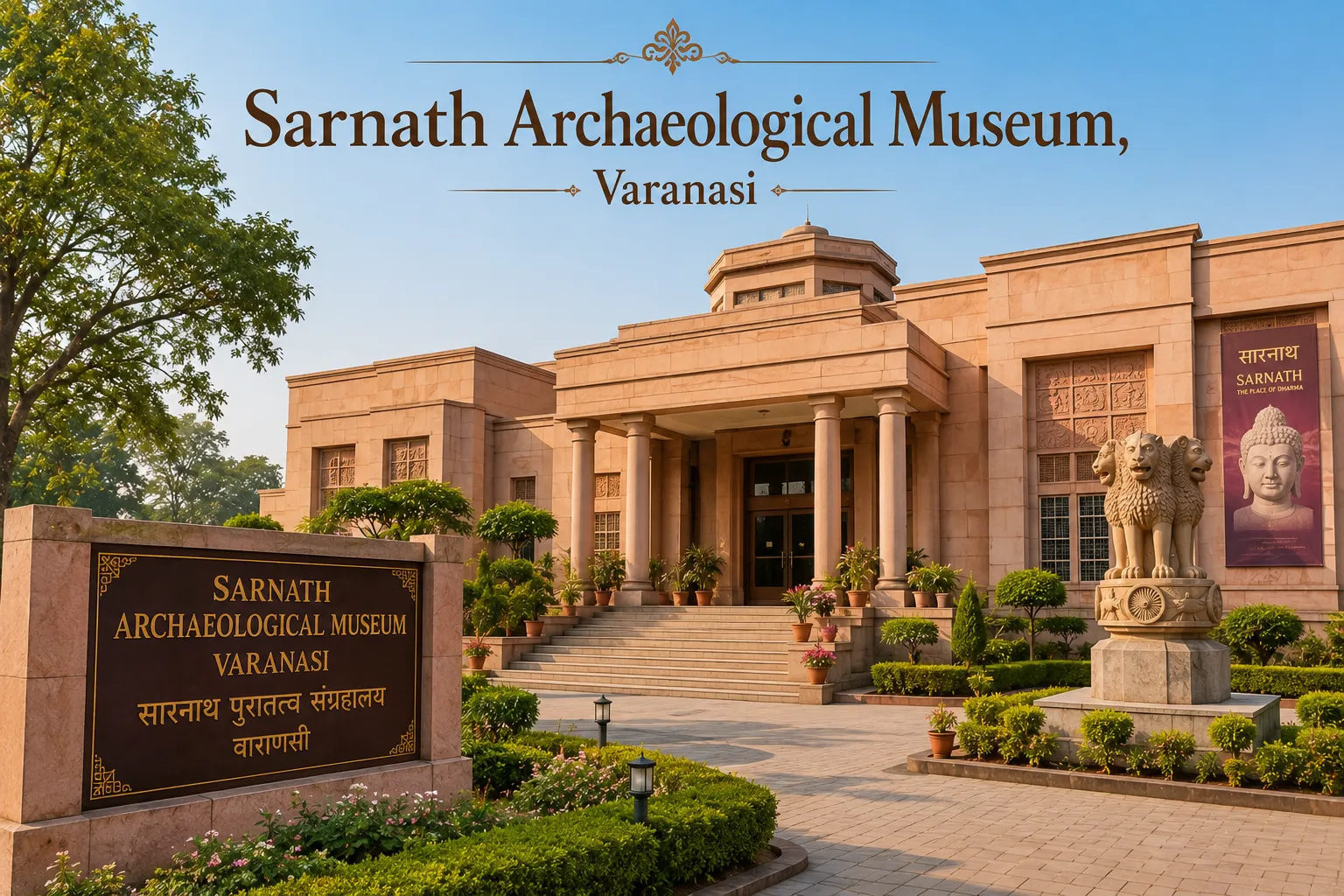
Sarnath Archaeological Museum
Home of the original Lion Capital of Ashoka, India's emblem.
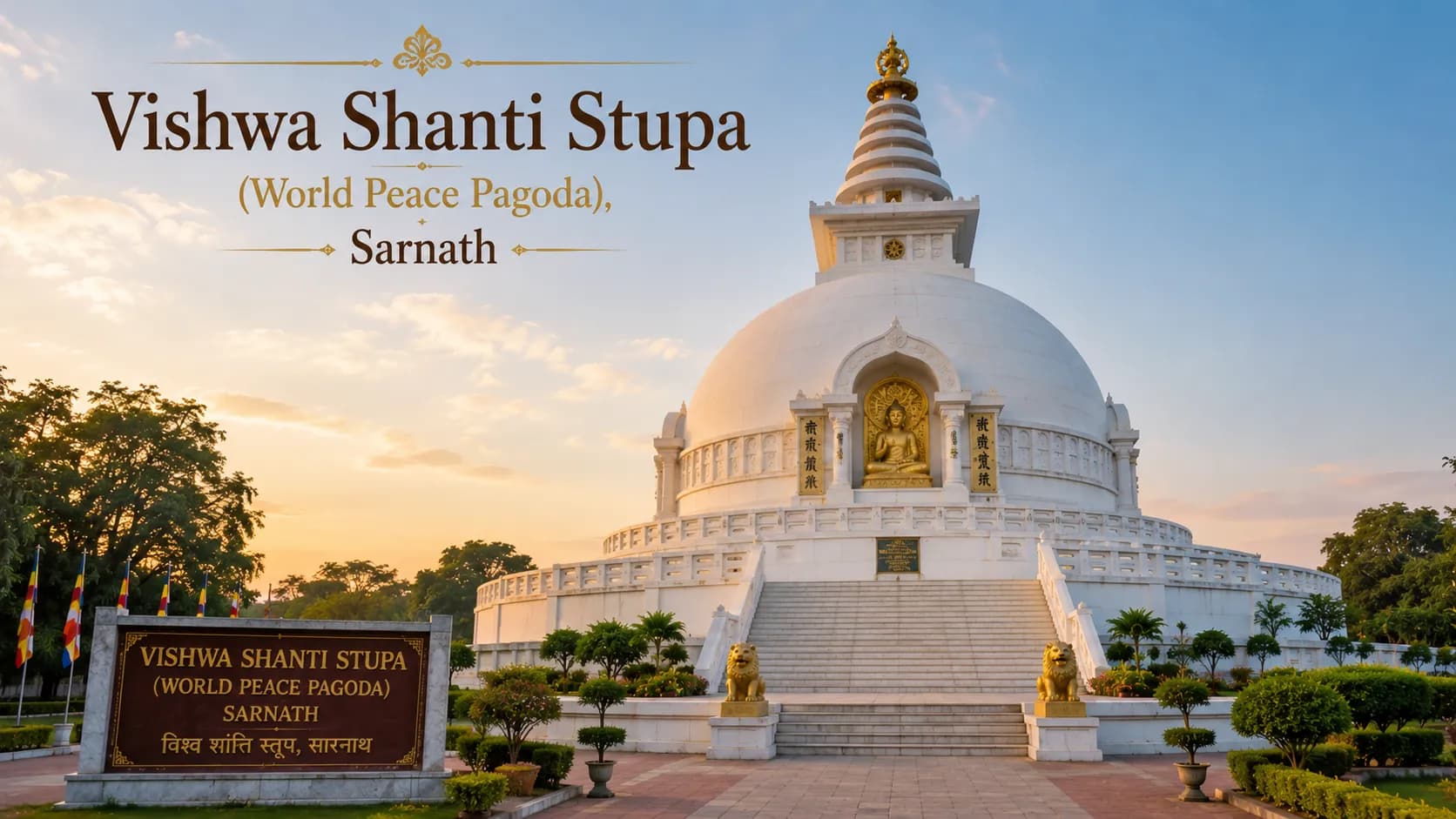
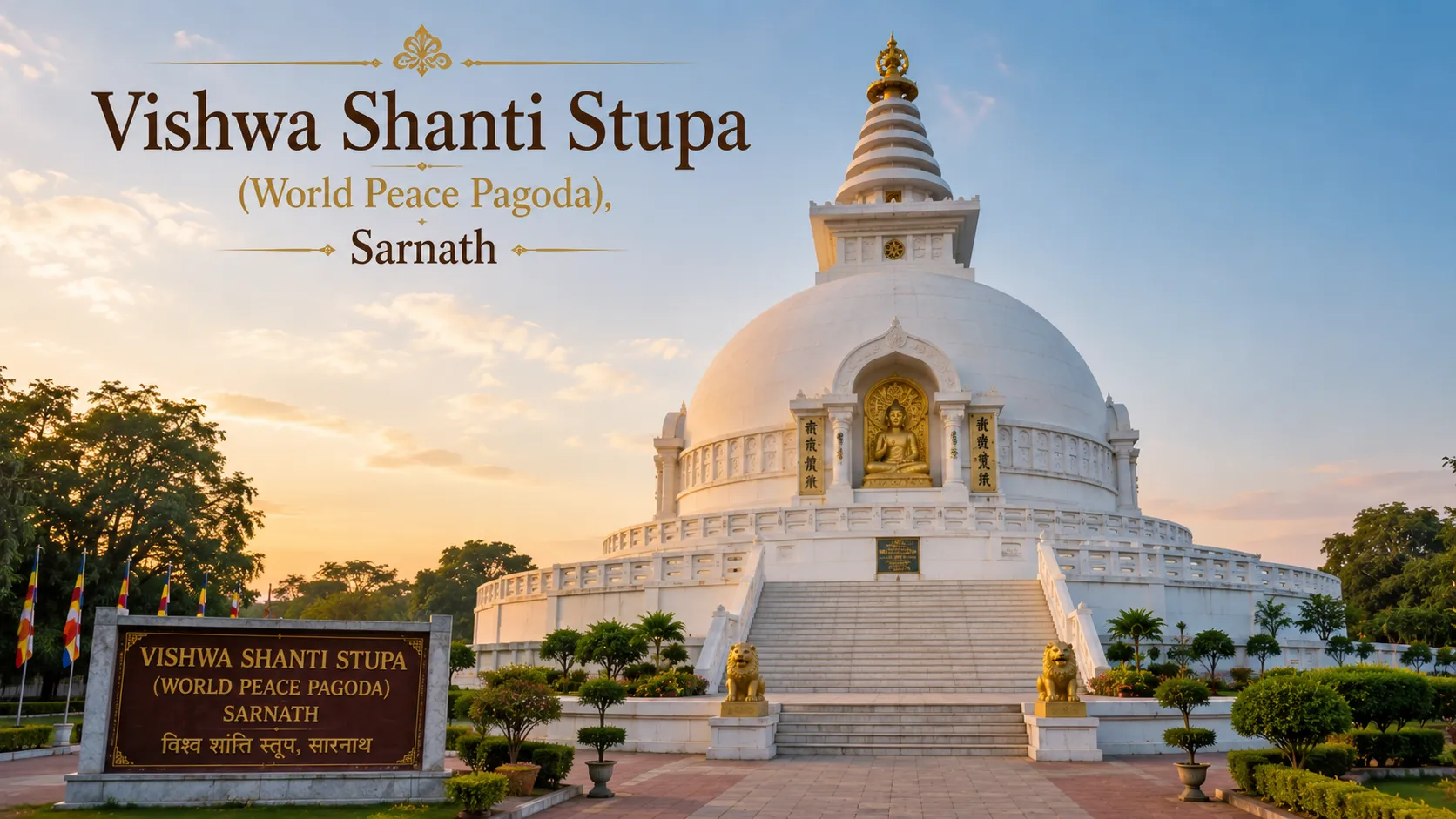
Vishwa Shanti Stupa
The peace stupa that crowns the Sarnath skyline.
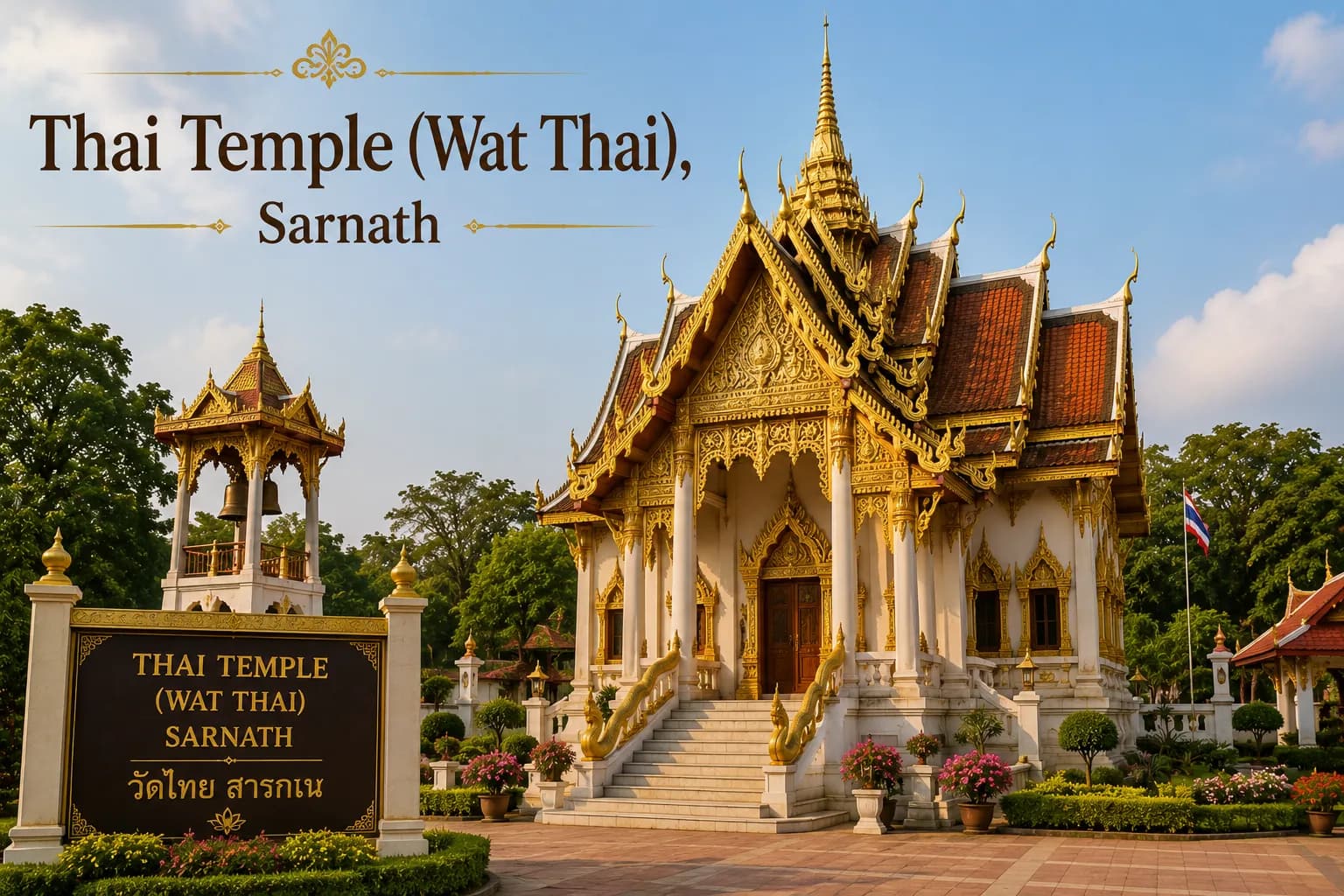
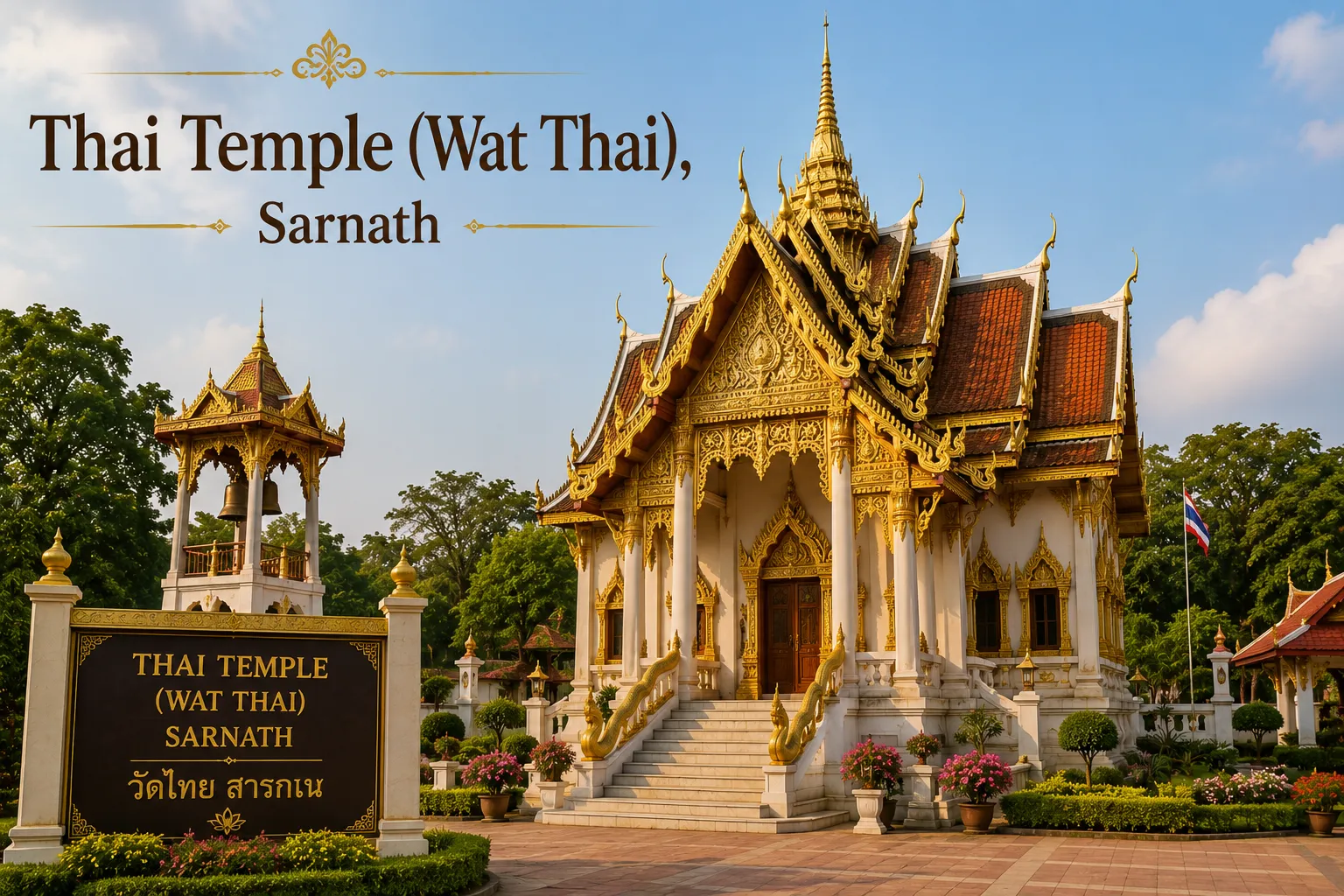
Thai Temple
The Thai monastery and its great standing Buddha.
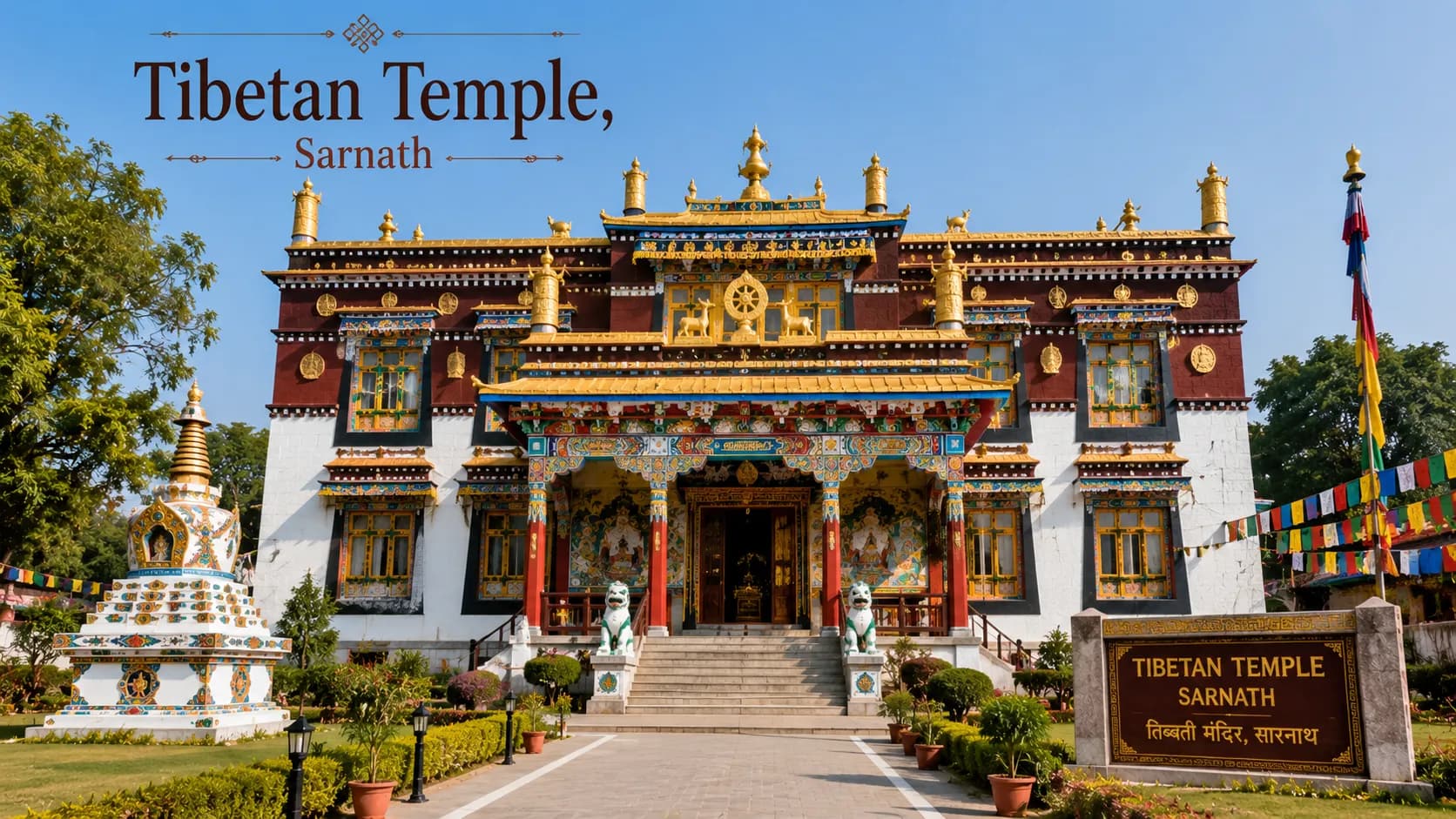
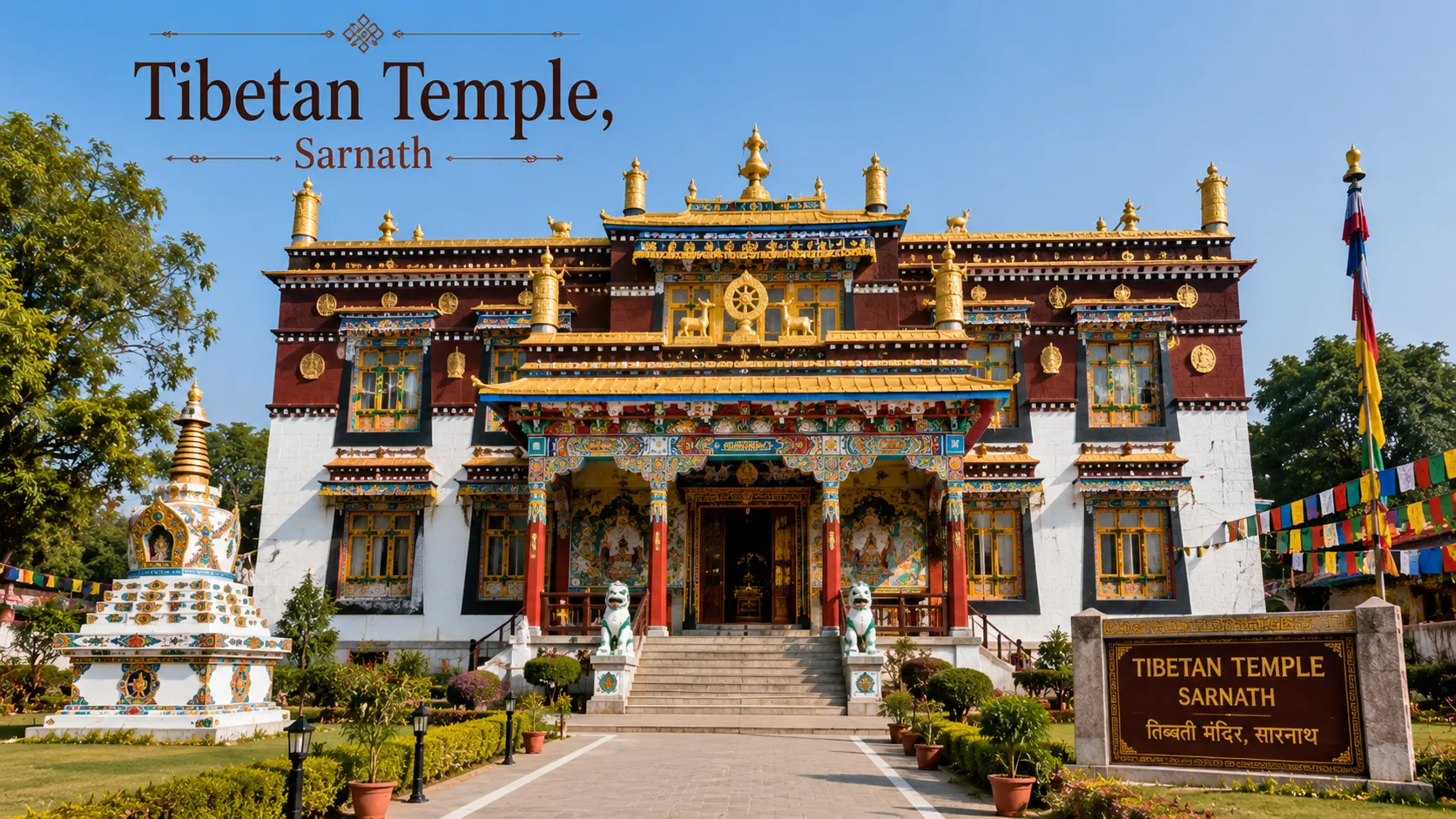
Tibetan Temple
The Tibetan monastery, of the prayer wheels and thangkas.
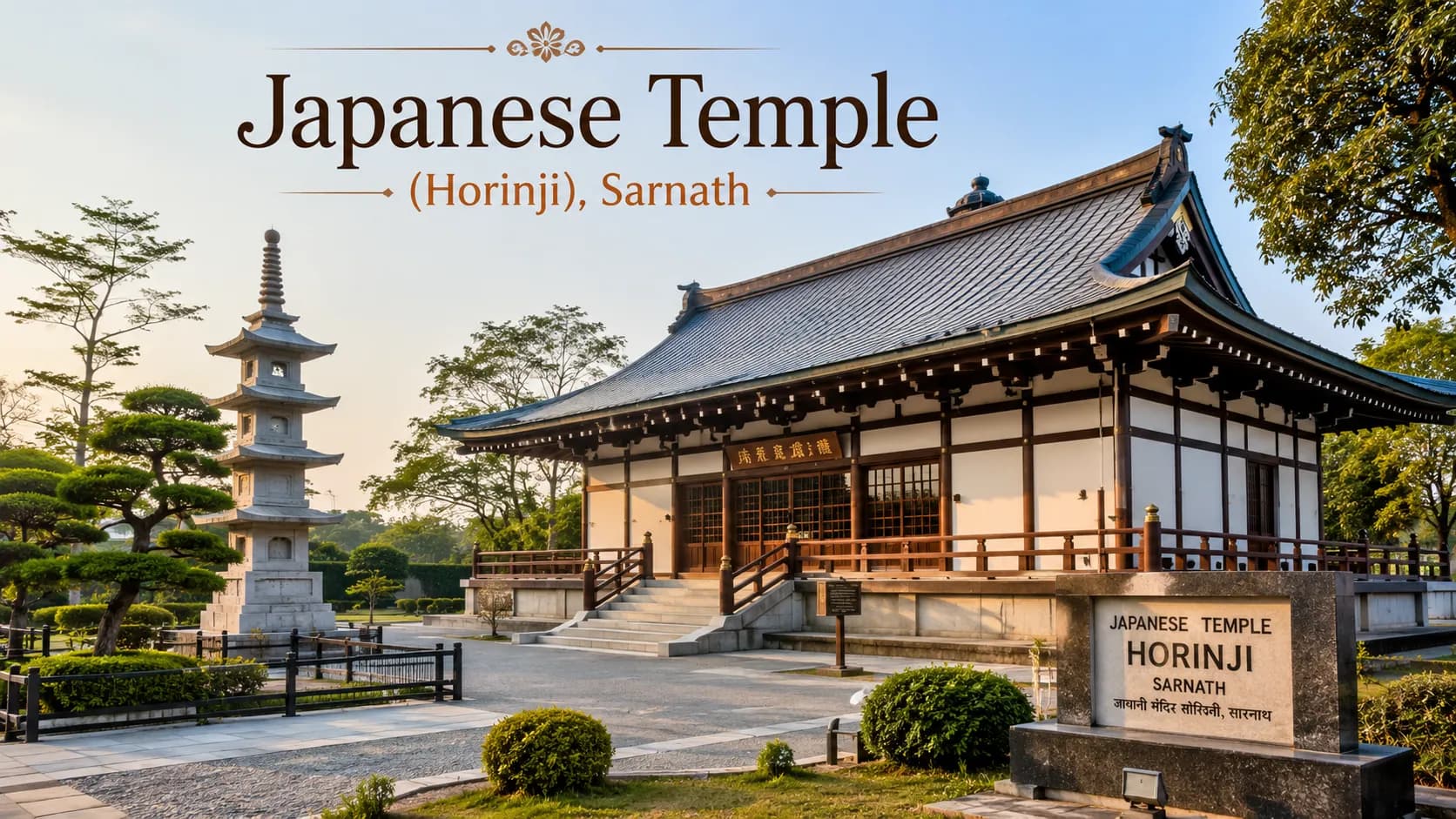
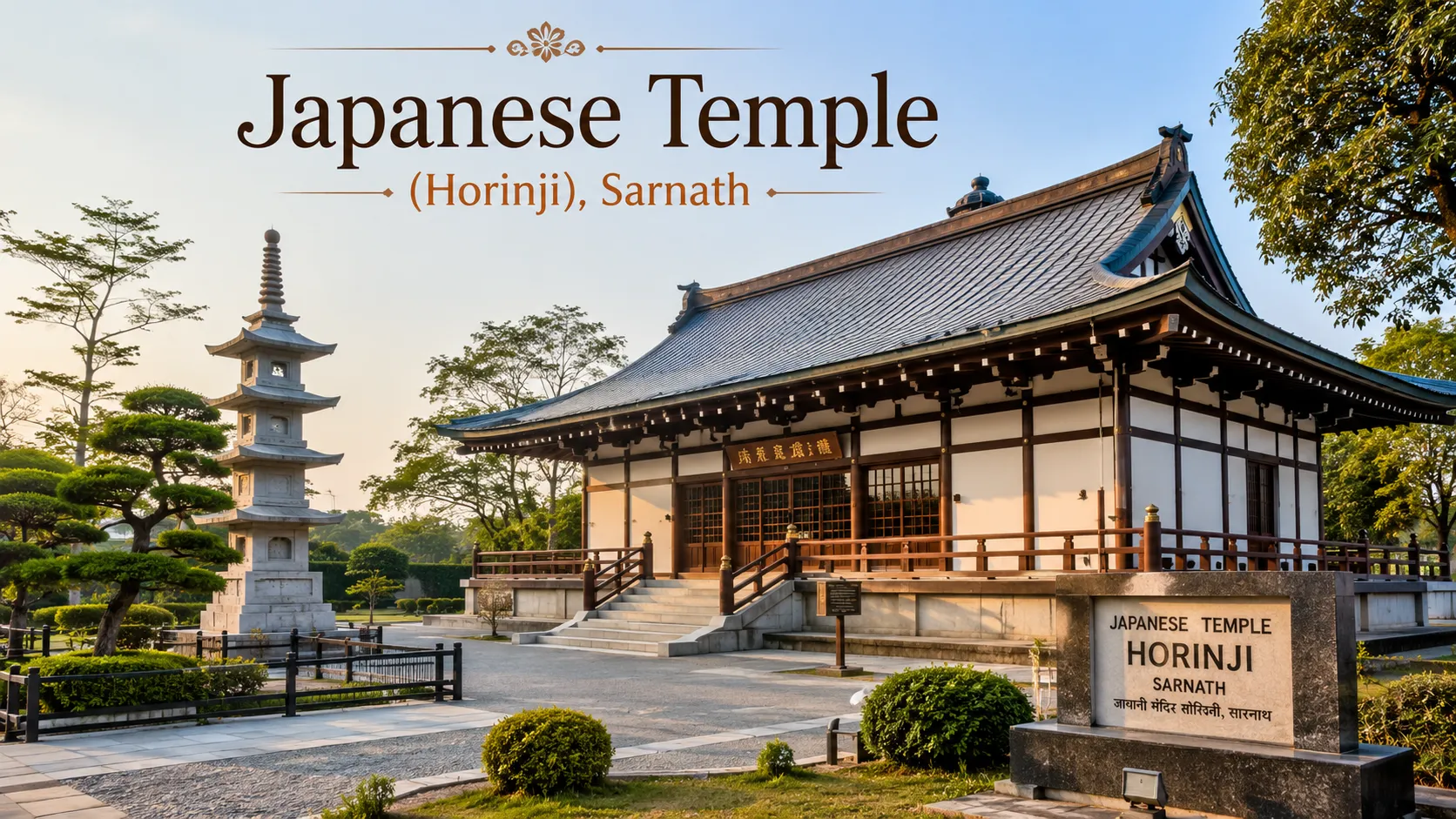
Japanese Temple
The Japanese temple of Sarnath, quiet and spare.
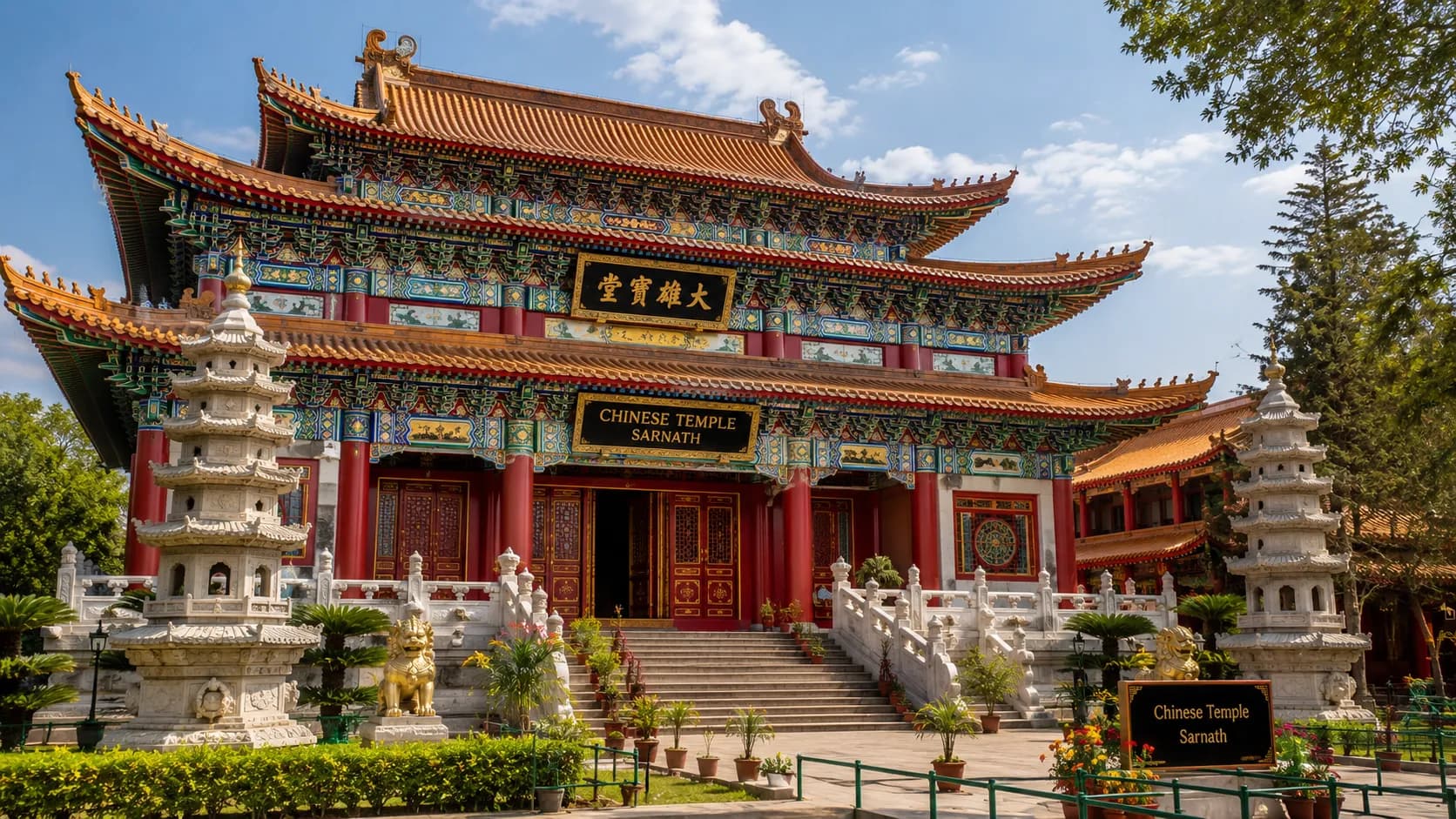
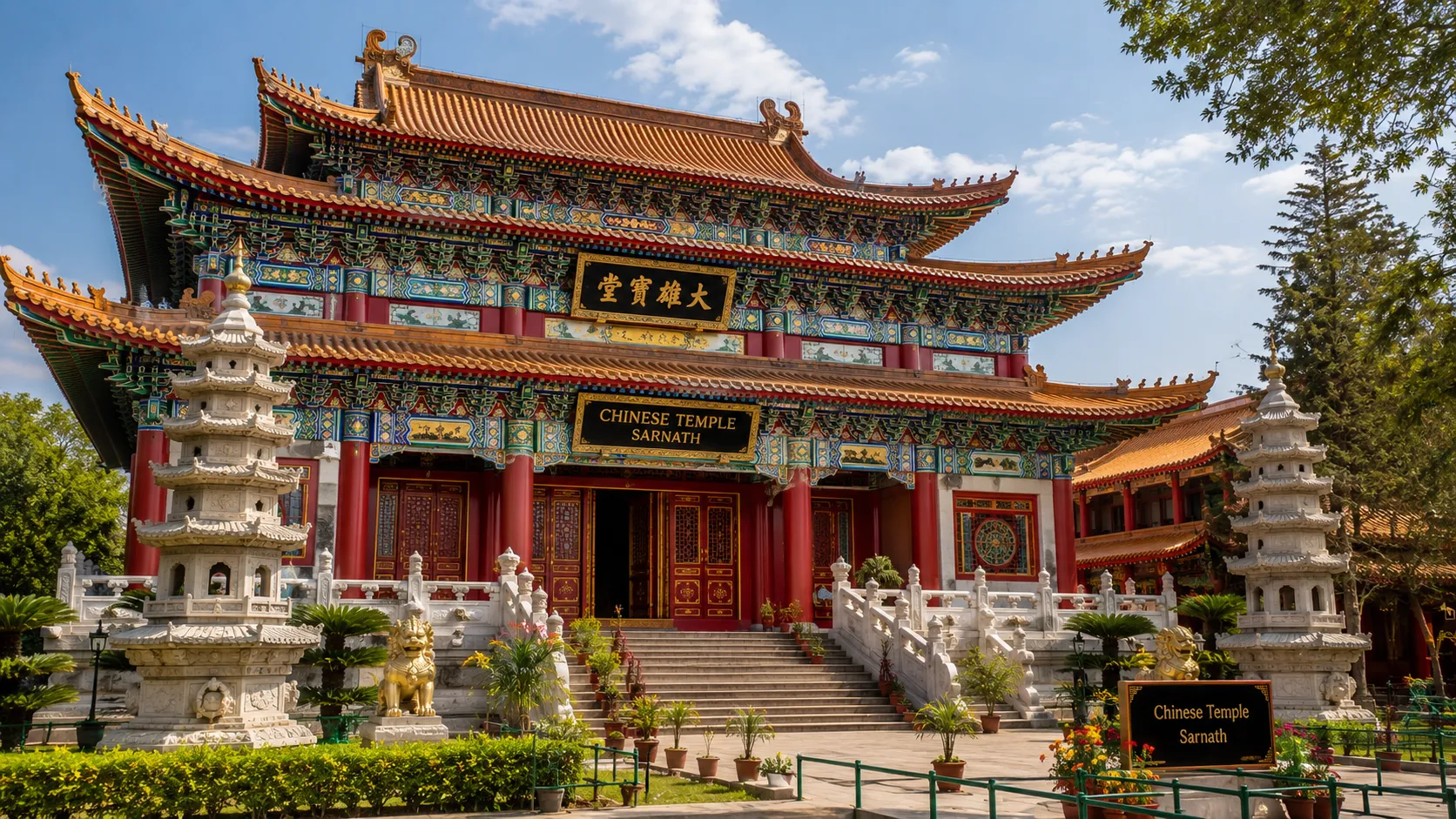
Chinese Temple
The Chinese Buddhist temple raised beside the deer park.
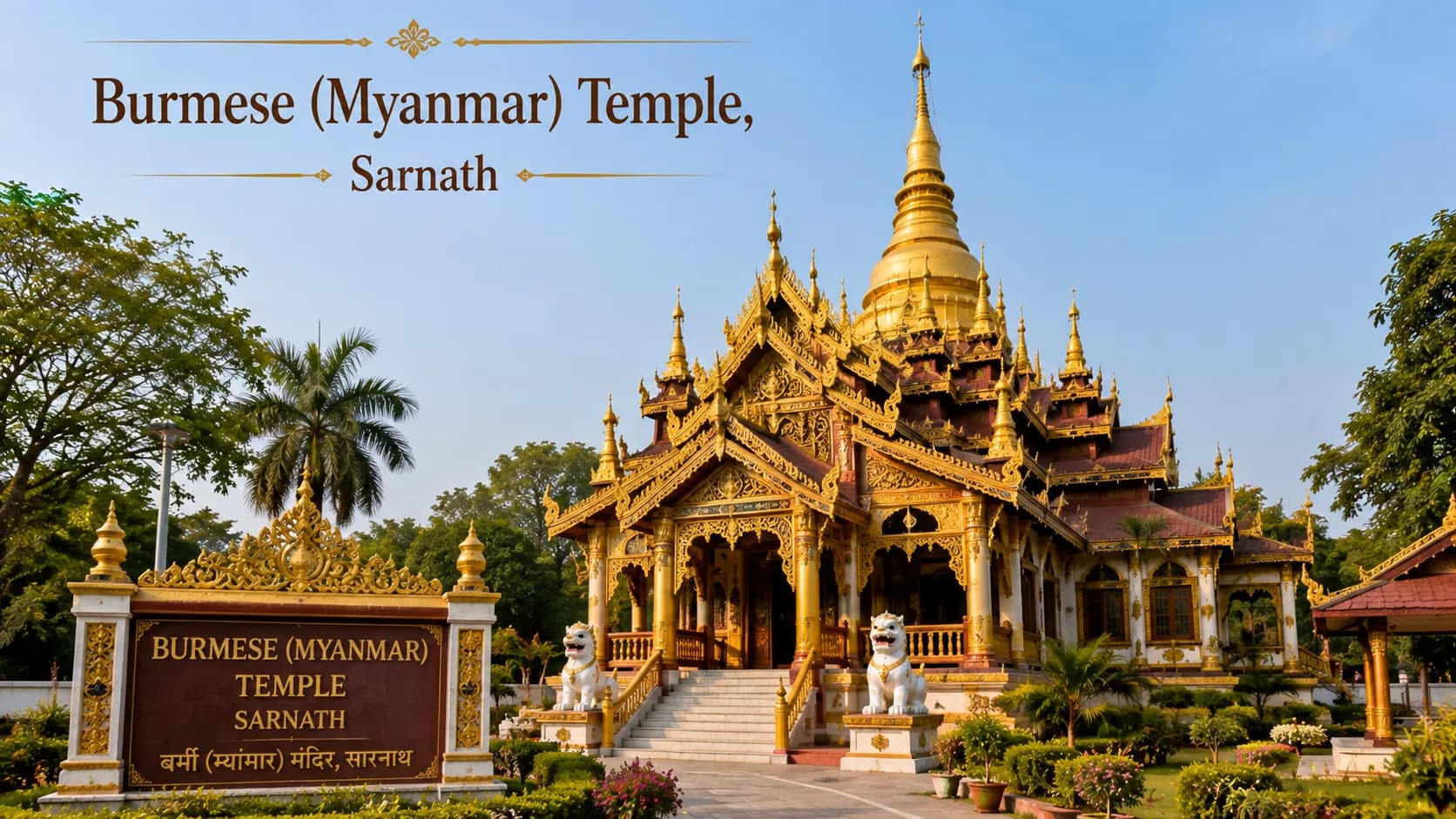
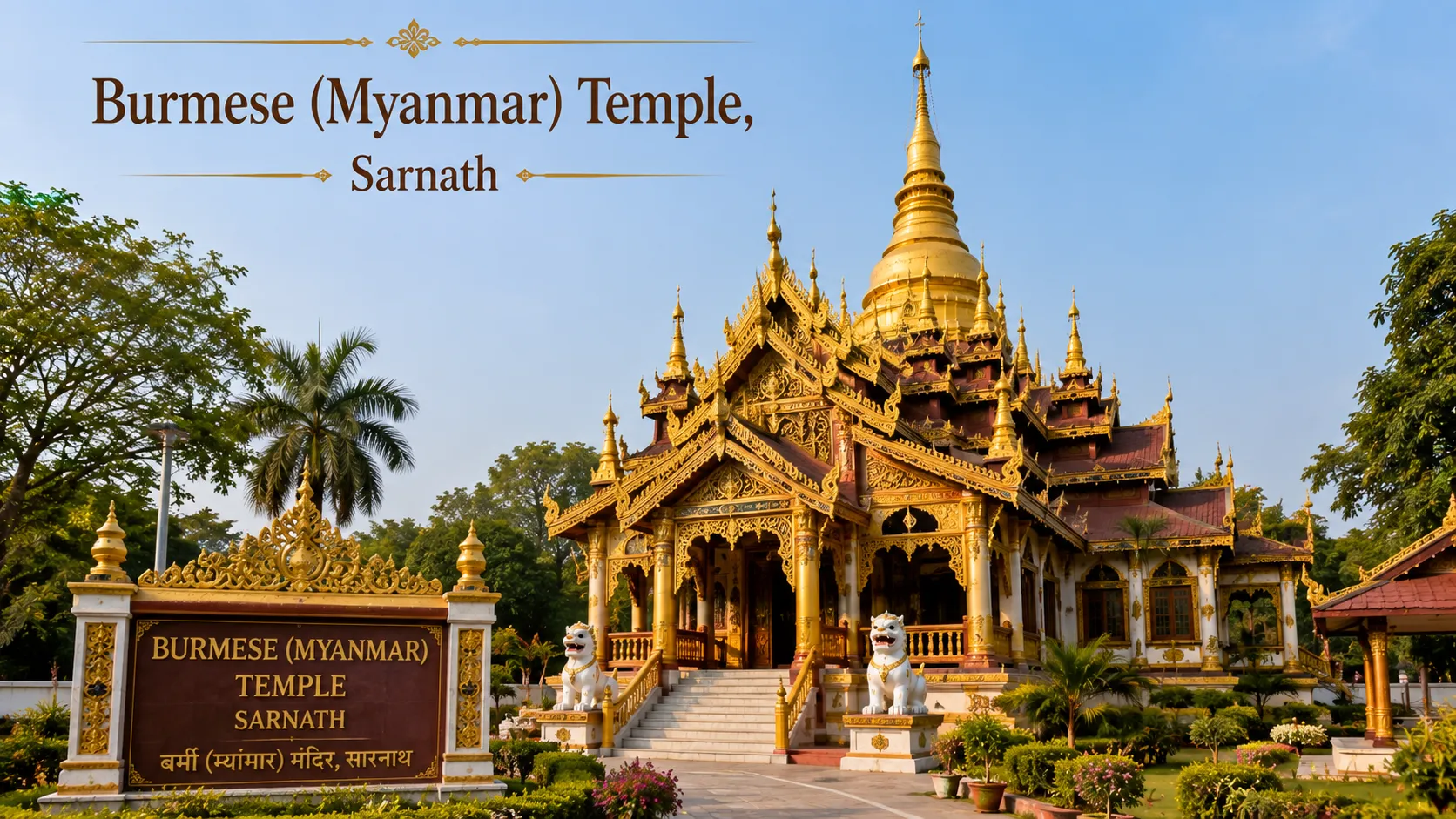
Burmese Temple
The Burmese monastery, of the golden Myanmar style.
The heritage of Kashi
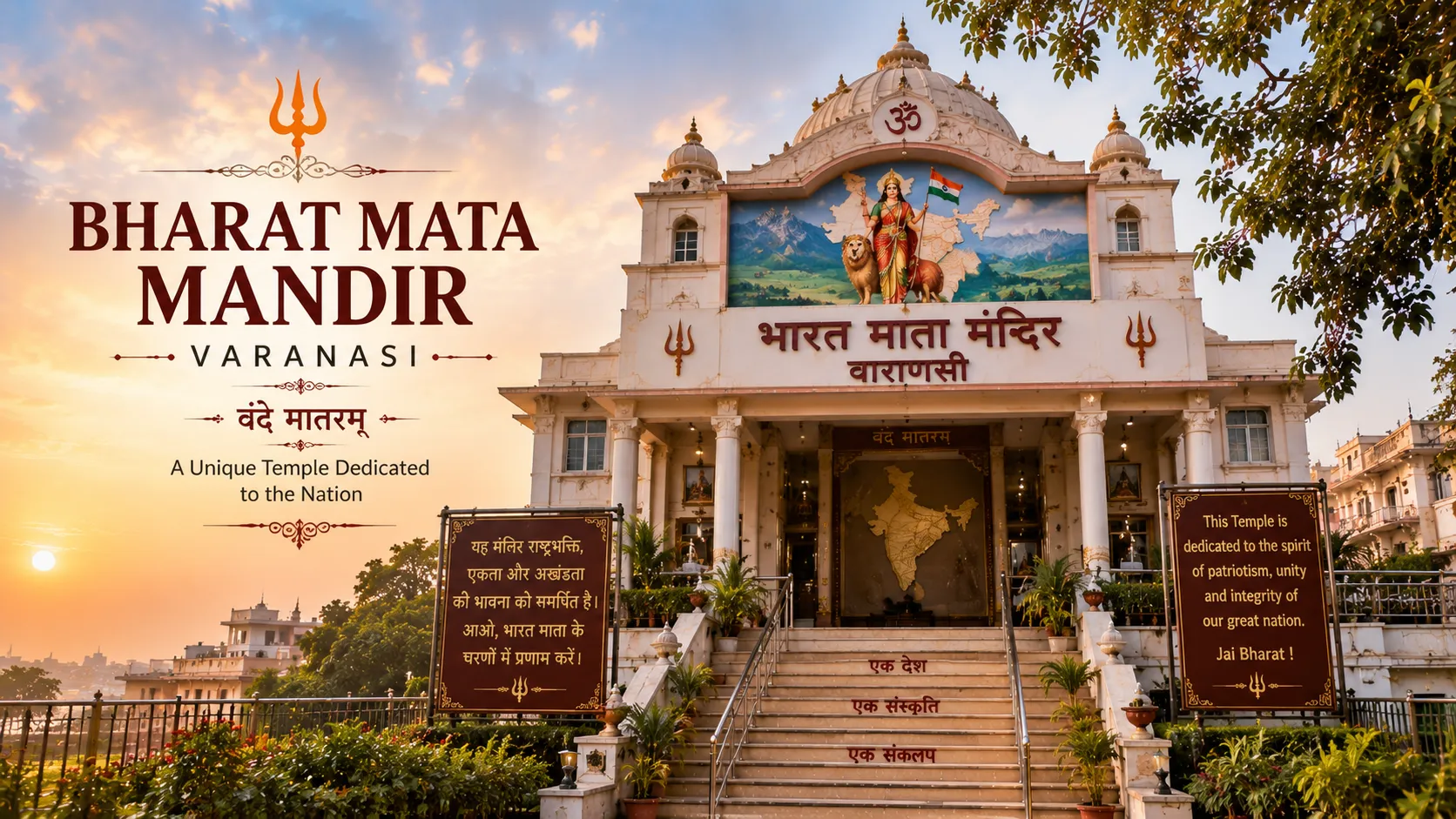
Kashi keeps its heritage too: the great Bharat Kala Bhavan, the art and history museum at the Banaras Hindu University; the Ramnagar Fort, the palace of the Maharaja of Banaras across the river; the Bharat Mata Mandir, the temple of Mother India with her marble-relief map; the beautiful wooden Nepali temple; and the birthplace-temple of the saint Ravidas.
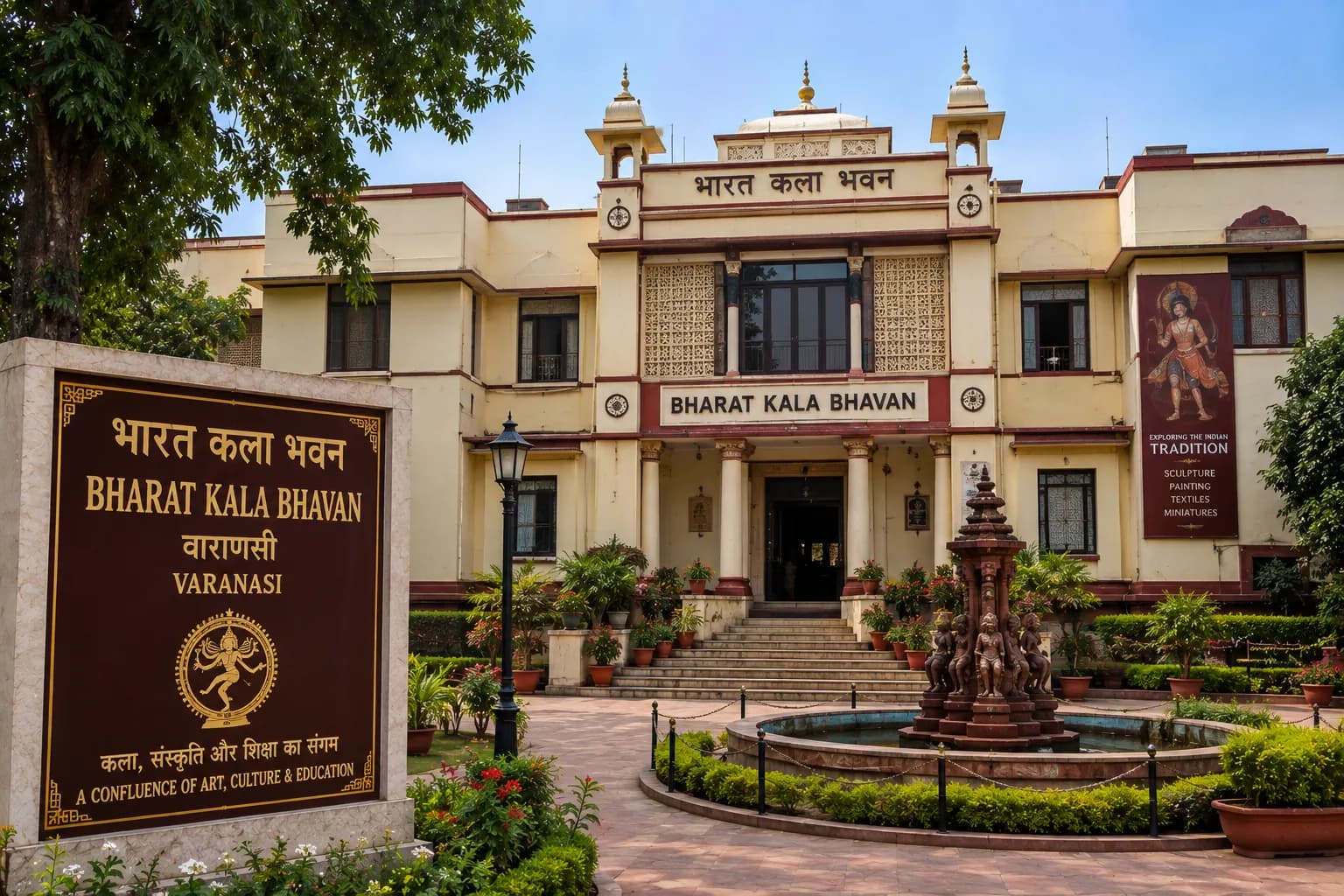
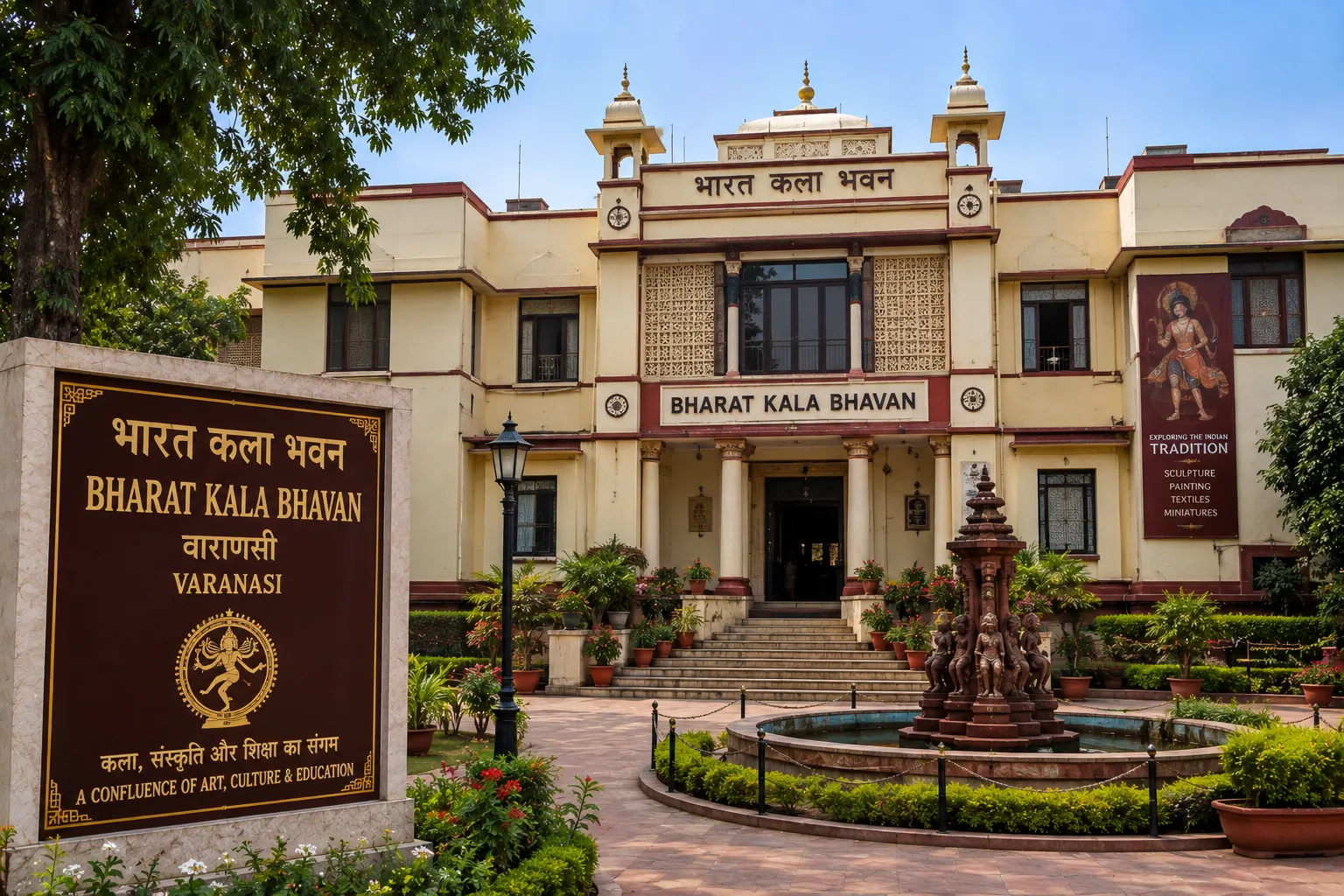
Bharat Kala Bhavan
The great art and history museum at the Banaras Hindu University.
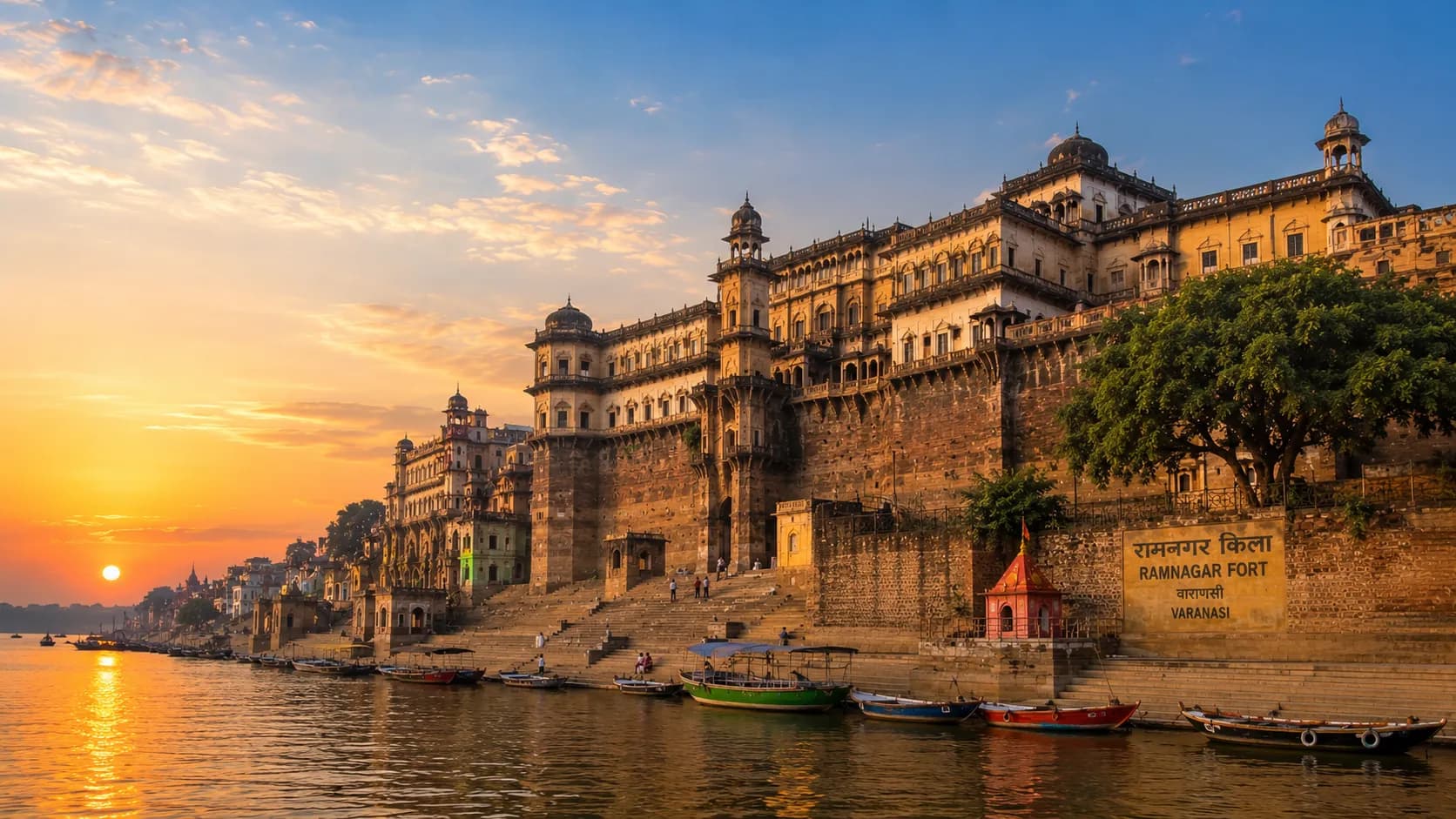
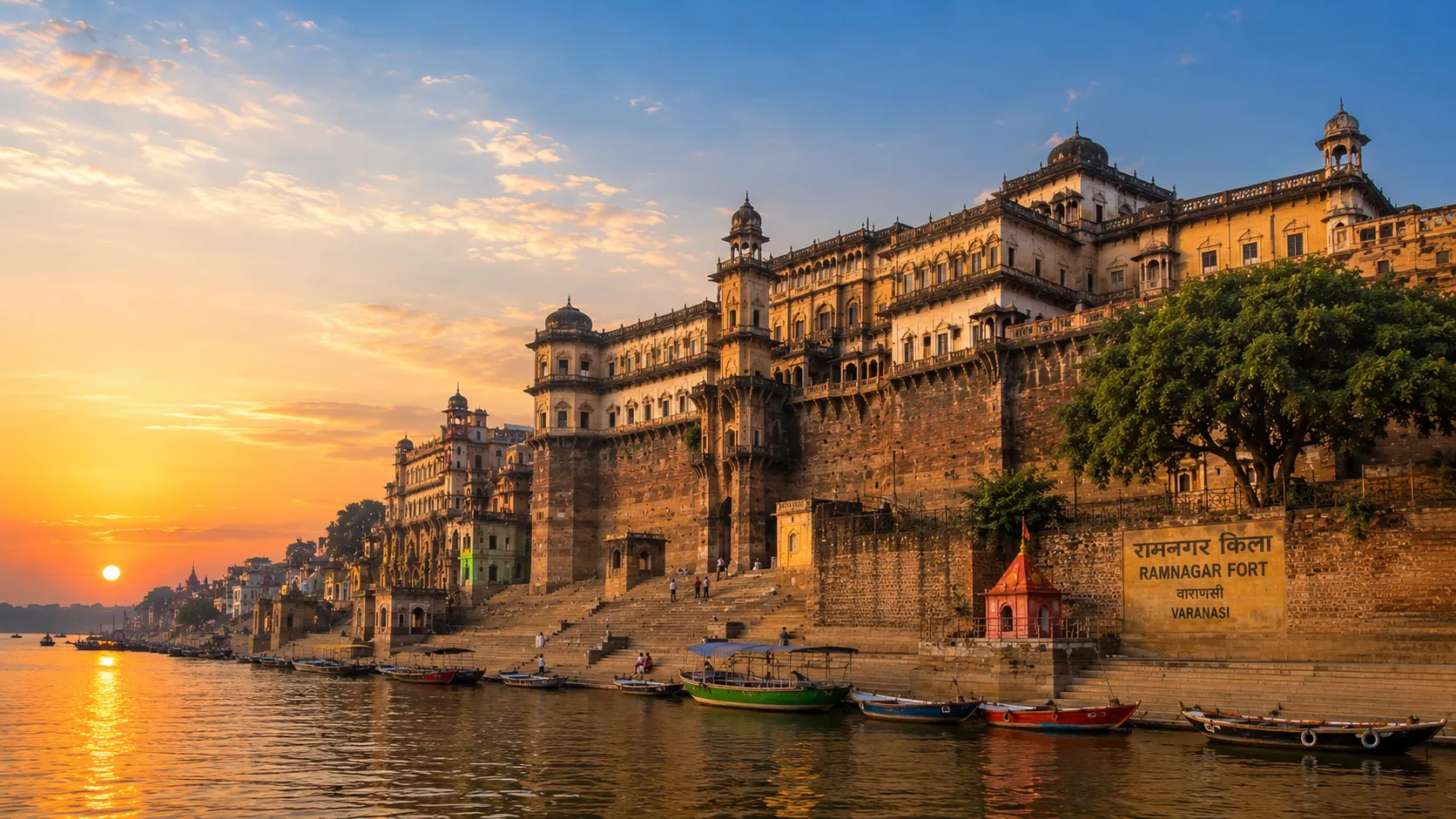
Ramnagar Fort
The riverside palace-fort of the Maharaja of Banaras.
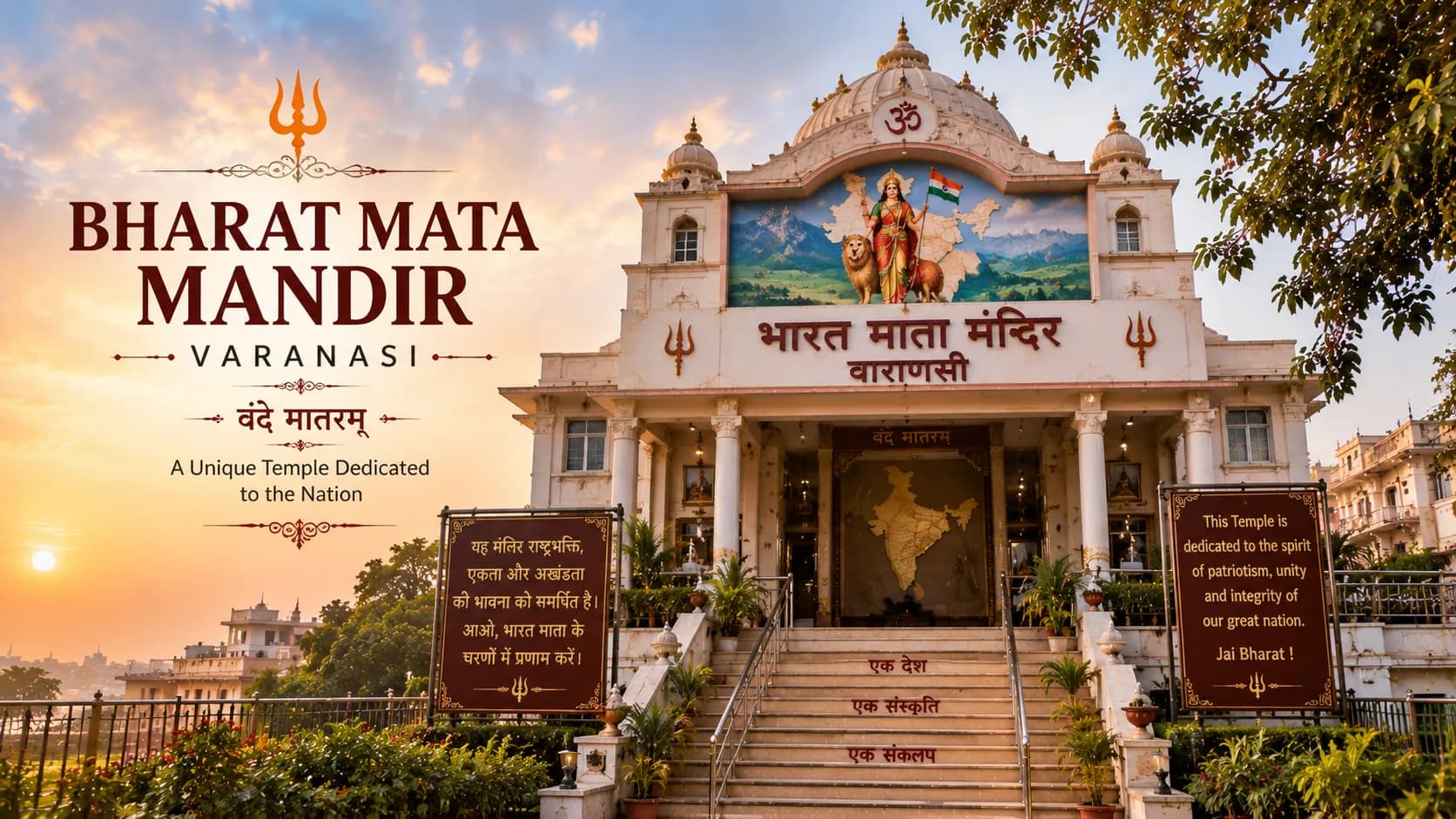
Bharat Mata Mandir
The temple of Mother India, with a marble-relief map of the land.
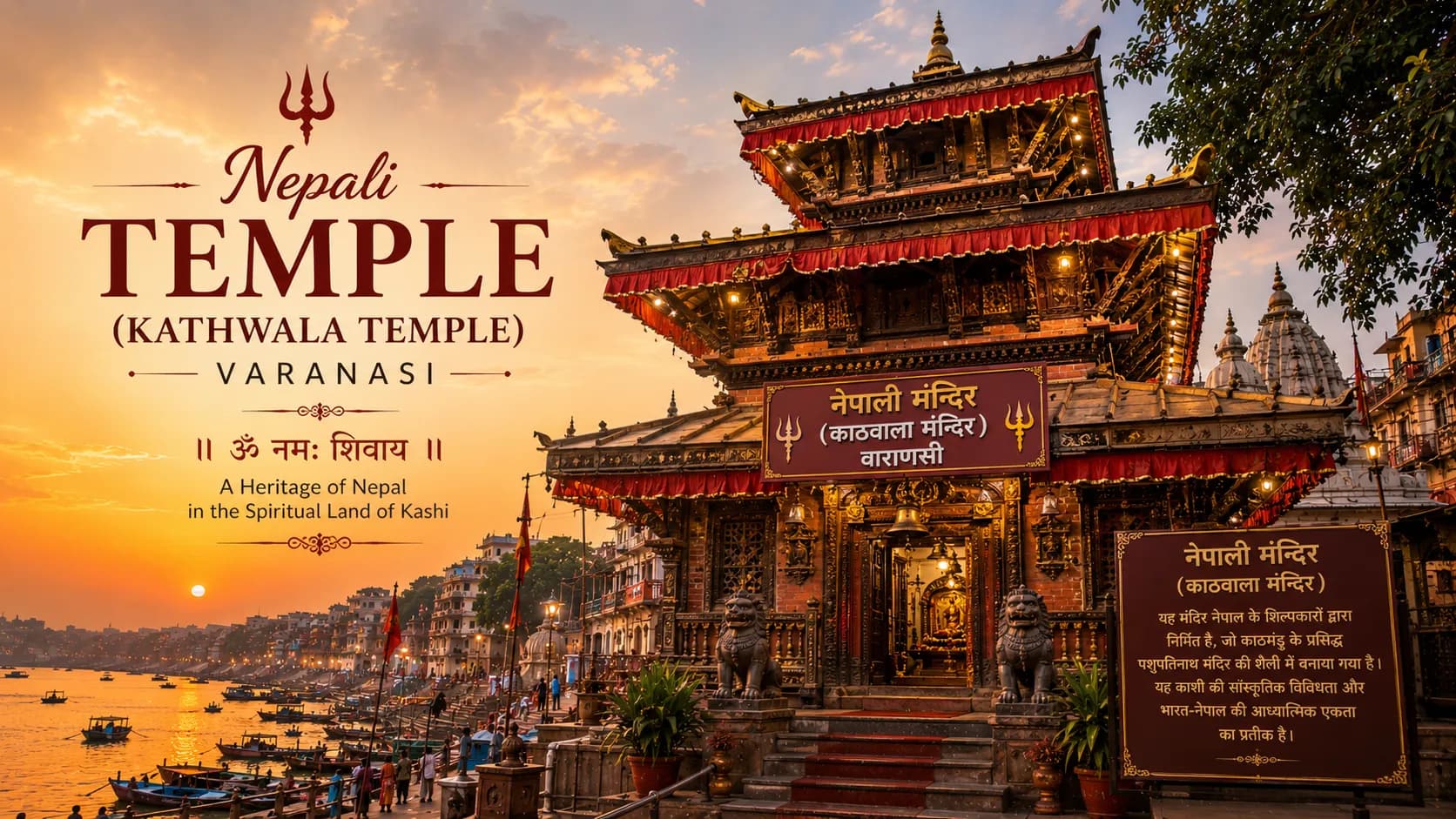
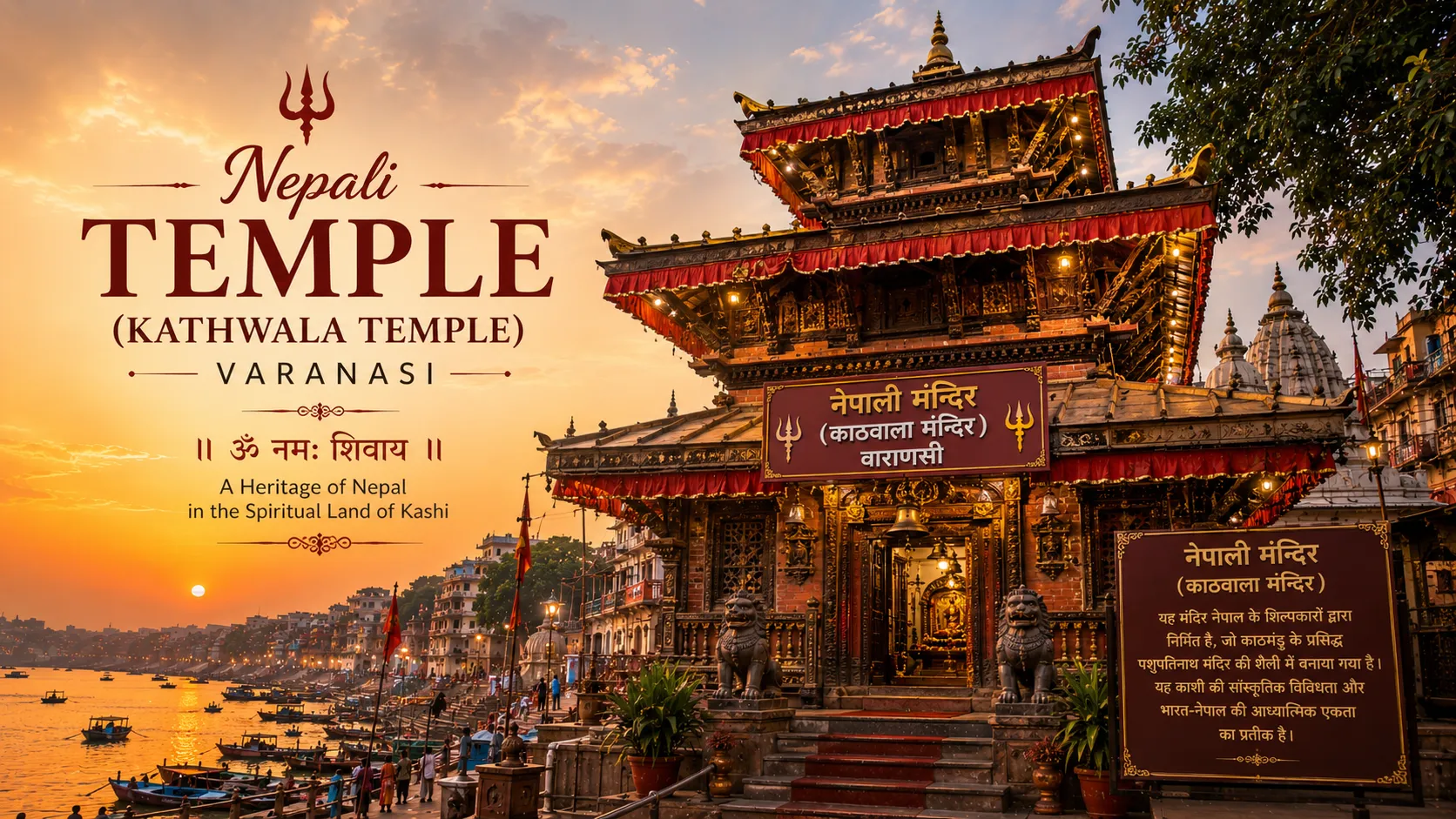
Nepali Temple (Kathwala)
The beautiful wooden Nepali-style temple by the Ganga.
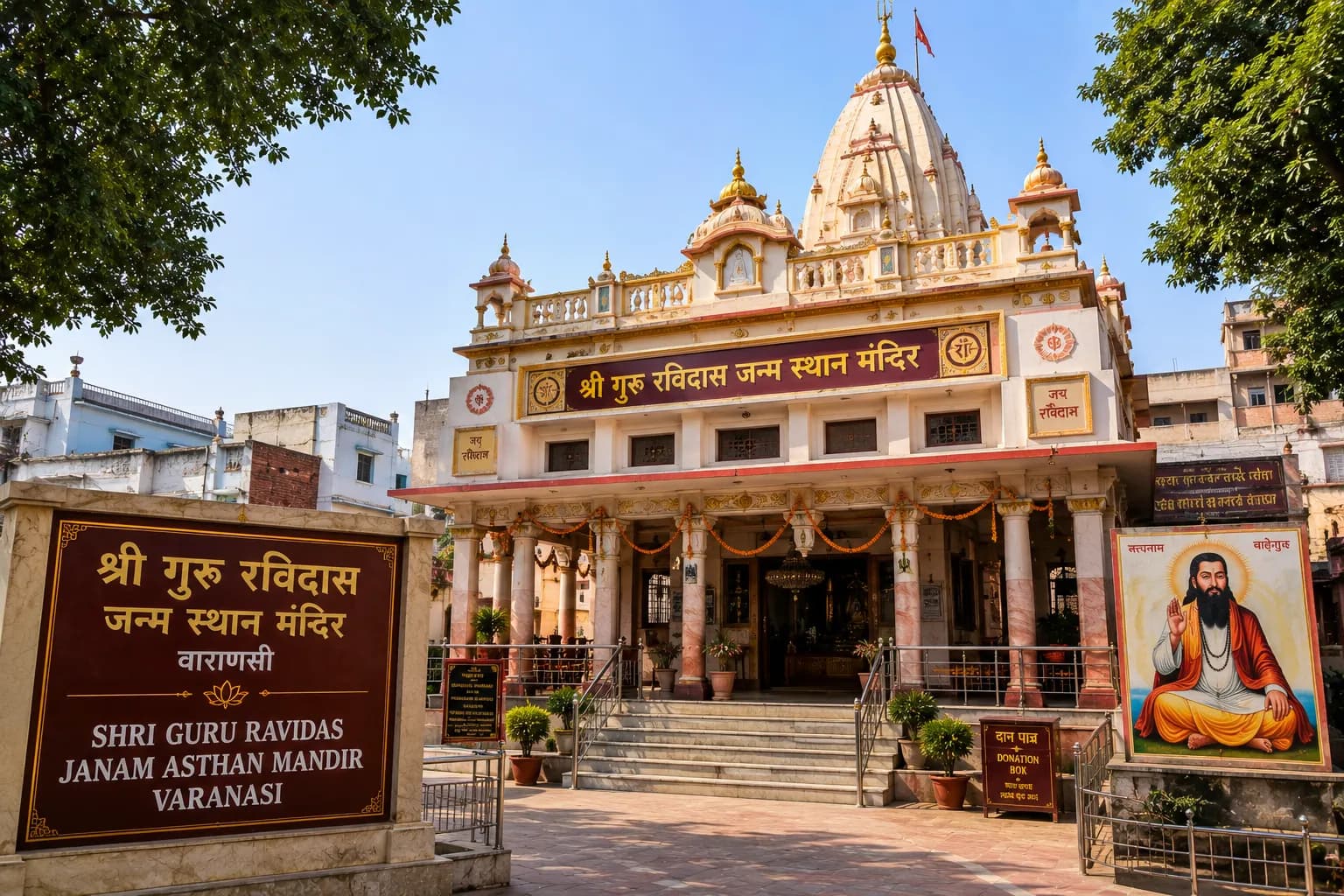
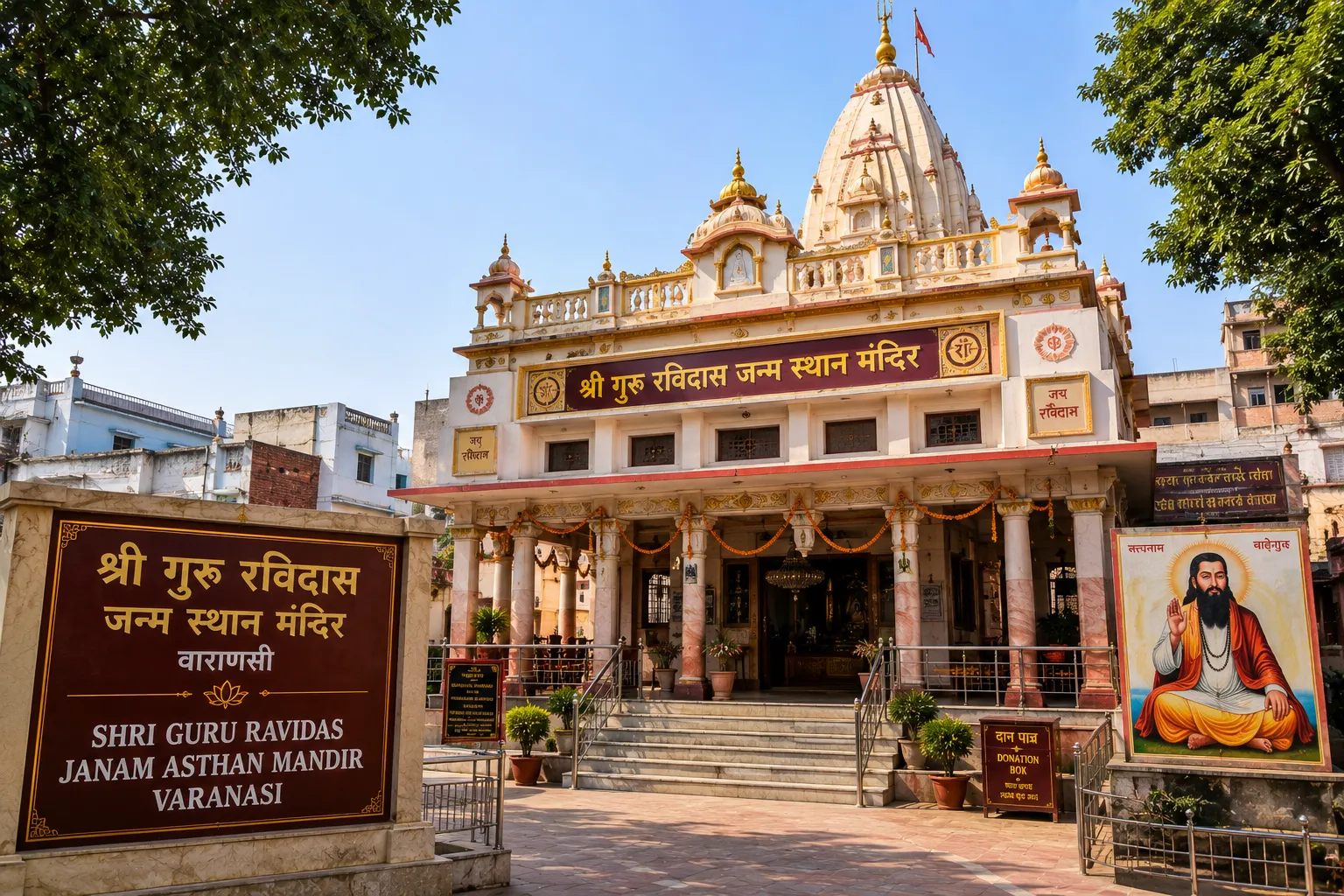
Guru Ravidas Birthplace Temple
The birthplace-temple of the great saint Ravidas.
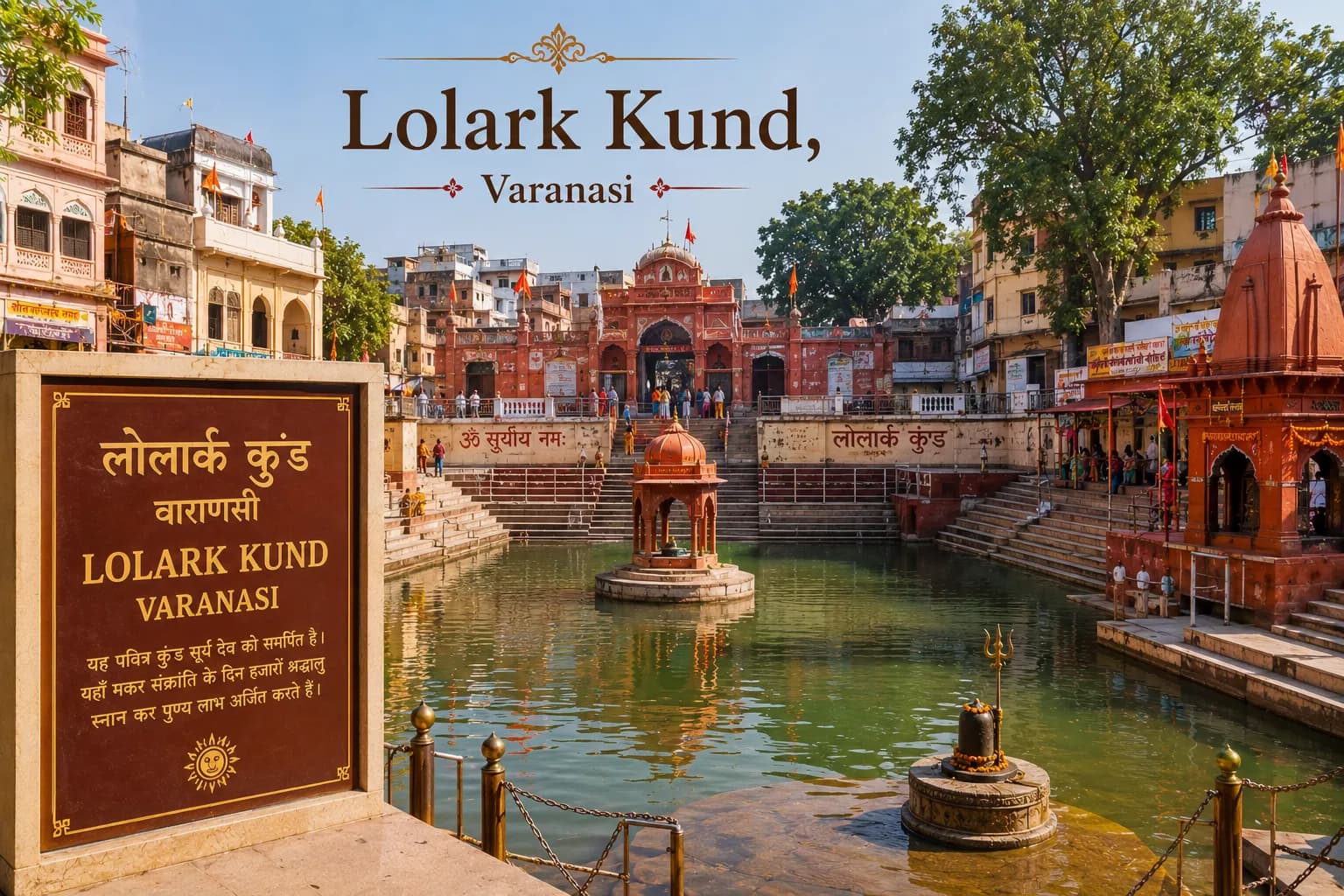
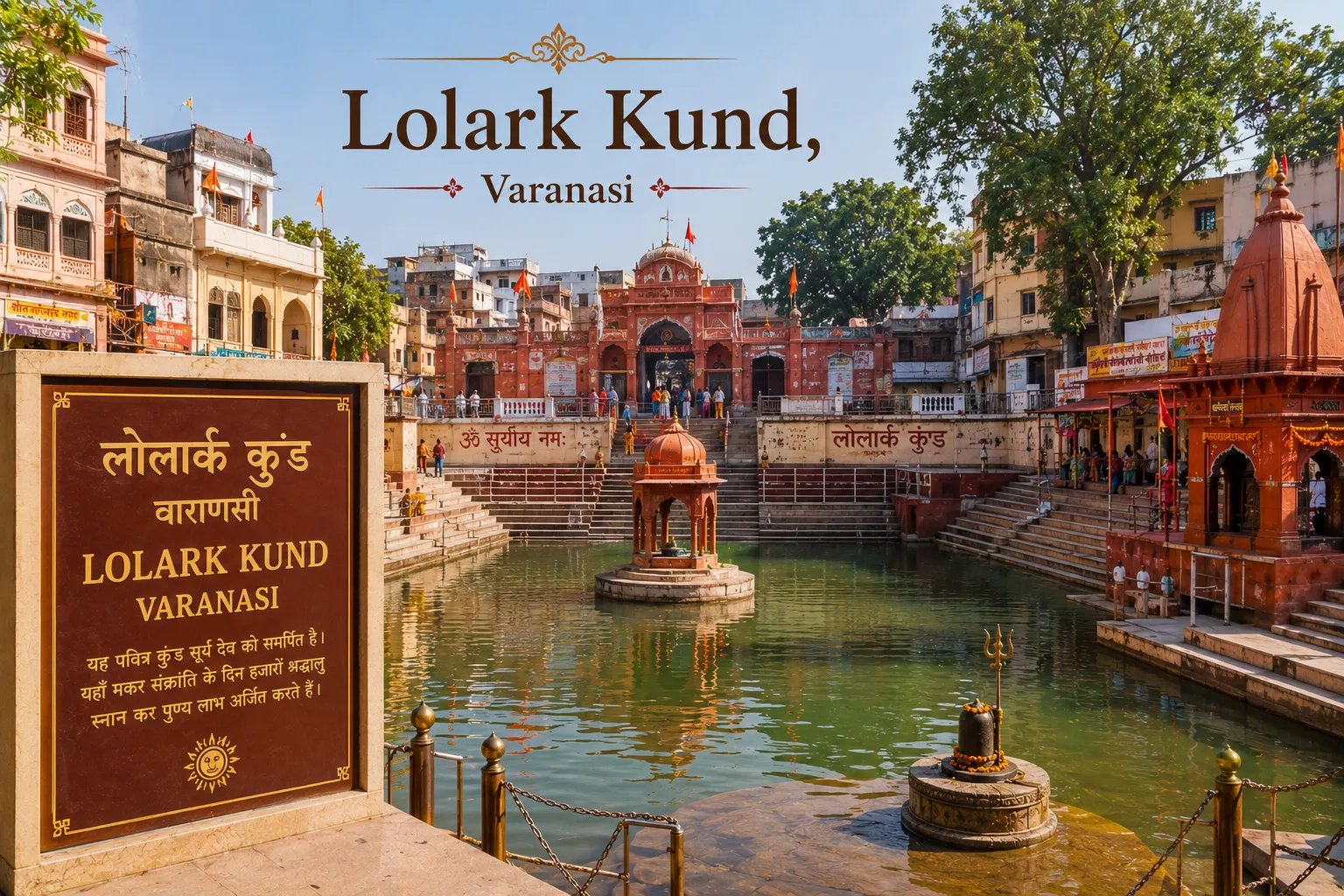
Lolark Kund
The ancient solar kund, sought for the boon of children.
Mahashivratri and Dev Deepawali
Kashi's greatest days are two above all. Mahashivratri, the great night of Shiva, is the supreme festival of the city of Shiva, when Kashi Vishwanath is thronged through the night.
And Dev Deepawali, the Diwali of the Gods, fifteen days after Diwali on the full moon of Kartik, is Kashi's own spectacular festival, when every one of the ghats along the Ganga is lit with countless earthen lamps, and the whole riverfront becomes a river of light, a sight beyond describing. Ask us for the dates and plan well ahead; these are the most beautiful and the busiest times to come.
Planning your visit to Varanasi
October to March is the pleasant season; Dev Deepawali (November) and Mahashivratri (February to March) are the greatest and busiest days; avoid the peak summer heat.
By air to Varanasi (Lal Bahadur Shastri) airport; by rail to Varanasi Junction and the other stations, a great railway hub; by road from Prayagraj (about 120 km), Lucknow and Ayodhya.
Two to three days for Kashi Vishwanath, the ghats and the Ganga aarti, the main temples and Sarnath; more for the Panchkroshi and a fuller visit.
A dawn boat ride on the Ganga past the ghats, and the evening Ganga aarti at Dashashwamedh.
Varanasi pairs naturally with Ayodhya and Prayagraj in one great pilgrimage.
For Varanasi, or a combined Kashi, Ayodhya and Prayagraj pilgrimage planned end to end, see our tour packages. See tour packages.
Our Varanasi tours and the three-city pilgrimage
We are a Varanasi, Ayodhya and Prayagraj based operator, a unit of Experience My India, with more than forty years of guiding pilgrims across all three holy cities, and our own local guides and pandits in Varanasi. Darshan everywhere is free; what we offer is the whole of it made smooth, meaningful and complete.
Varanasi darshan tour
Kashi Vishwanath, the ghats, the Ganga aarti, the main temples and Sarnath, with a guide. Two to three days.
Dawn boat and Ganga aarti
The sunrise boat on the Ganga and the evening aarti at Dashashwamedh, with a guide.
Dev Deepawali / Mahashivratri
Kashi at its great festivals, with darshan and all arrangements.
Experience My India is a travel operator, not the temples' administration. Darshan is free; our charge is only for guiding, transport, boats, the pandit and services. Inclusions and exclusions are stated up front, and no charge appears later that was not named. Timings, dates and rules are set by the temples and authorities and can change.
The eternal city, in my own words
Kashi is my own city, and I have guided pilgrims here for more than forty years, and I love it beyond words. I always begin with a dawn boat on the Ganga, when the sun rises over the river and the whole sweep of the ghats comes alight; there is nothing like it on earth. Then I take my guests to seek the leave of Kaal Bhairav, the Kotwal of Kashi, and to the darshan of Baba Vishwanath, our Jyotirlinga, now so beautiful with the new corridor down to the river.
From there the whole city opens: the Bhairavs and the Devi, the Annapurna who feeds us all, Sankat Mochan of our Tulsidas, the countless Mahadevs; and always, in the evening, the great Ganga aarti at Dashashwamedh. And I take my guests to Manikarnika, and I explain, gently, why people come from all over the world to die and be cremated in Kashi: because here, by the grace of Shiva, the soul is set free.
And I take them out to Sarnath, where the Buddha gave his first sermon, and to our great Dev Deepawali, when a million lamps turn the ghats to a river of light. In more than forty years of guiding, sharing Kashi, the eternal city of Lord Shiva, with those who come to it is the great work and joy of my life.
The three holy cities: Kashi, Ayodhya and Prayag
Varanasi is one of the three great holy cities of the region, and pilgrims most often visit all three together in one journey.
Frequently asked questions
What is Varanasi famous for?+
The Kashi Vishwanath Jyotirlinga, the Ganga ghats and the evening Ganga aarti, Manikarnika and the belief that dying in Kashi grants moksha, and its countless temples; and Sarnath nearby, where the Buddha first taught. It is one of the oldest living cities on earth.
What is Kashi Vishwanath?+
The temple of Vishwanath, the Lord of the Universe, one of the twelve Jyotirlingas and the holiest temple of Shiva; the heart of the Varanasi pilgrimage, now with its grand new corridor to the Ganga.
What is the Ganga aarti in Varanasi?+
The grand evening ritual of worship to Mother Ganga at Dashashwamedh Ghat, with rows of priests raising great flaming lamps to the river; a gentler aarti is offered at Assi Ghat.
What are the main ghats of Varanasi?+
Dashashwamedh (the Ganga aarti), Assi, Manikarnika (cremation and moksha), Harishchandra, Panchganga, Kedar, Man Mandir, Tulsi and many more, along miles of the riverfront.
Why do people come to die in Varanasi?+
It is believed that to die and be cremated in Kashi, above all at Manikarnika, grants moksha, liberation from the cycle of birth and death, by the grace of Shiva.
What is Sarnath?+
The deer park near Varanasi where Lord Buddha gave his first sermon, one of the four holiest Buddhist sites, with the Dhamek Stupa, the museum of the Lion Capital, and international temples.
What is Dev Deepawali?+
Kashi's own festival of lights, fifteen days after Diwali, when every ghat along the Ganga is lit with countless lamps and the whole riverfront becomes a river of light.
How many days do I need in Varanasi?+
Two to three days for Kashi Vishwanath, the ghats and the Ganga aarti, the main temples and Sarnath; more for a fuller visit or the Panchkroshi.
How do I reach Varanasi?+
By air to the Varanasi (Lal Bahadur Shastri) airport, by rail to Varanasi Junction, or by road from Prayagraj (about 120 km), Lucknow and Ayodhya.
Can I visit Ayodhya and Prayagraj too?+
Yes; Varanasi, Ayodhya and Prayagraj are usually visited together in one great three-city pilgrimage, which we plan end to end.
Visiting Varanasi?
Our guided packages bundle VIP darshan, a local guide, stays, and private transport across the whole circuit — so you spend the day at the temple, not in queues.
See tour packages →