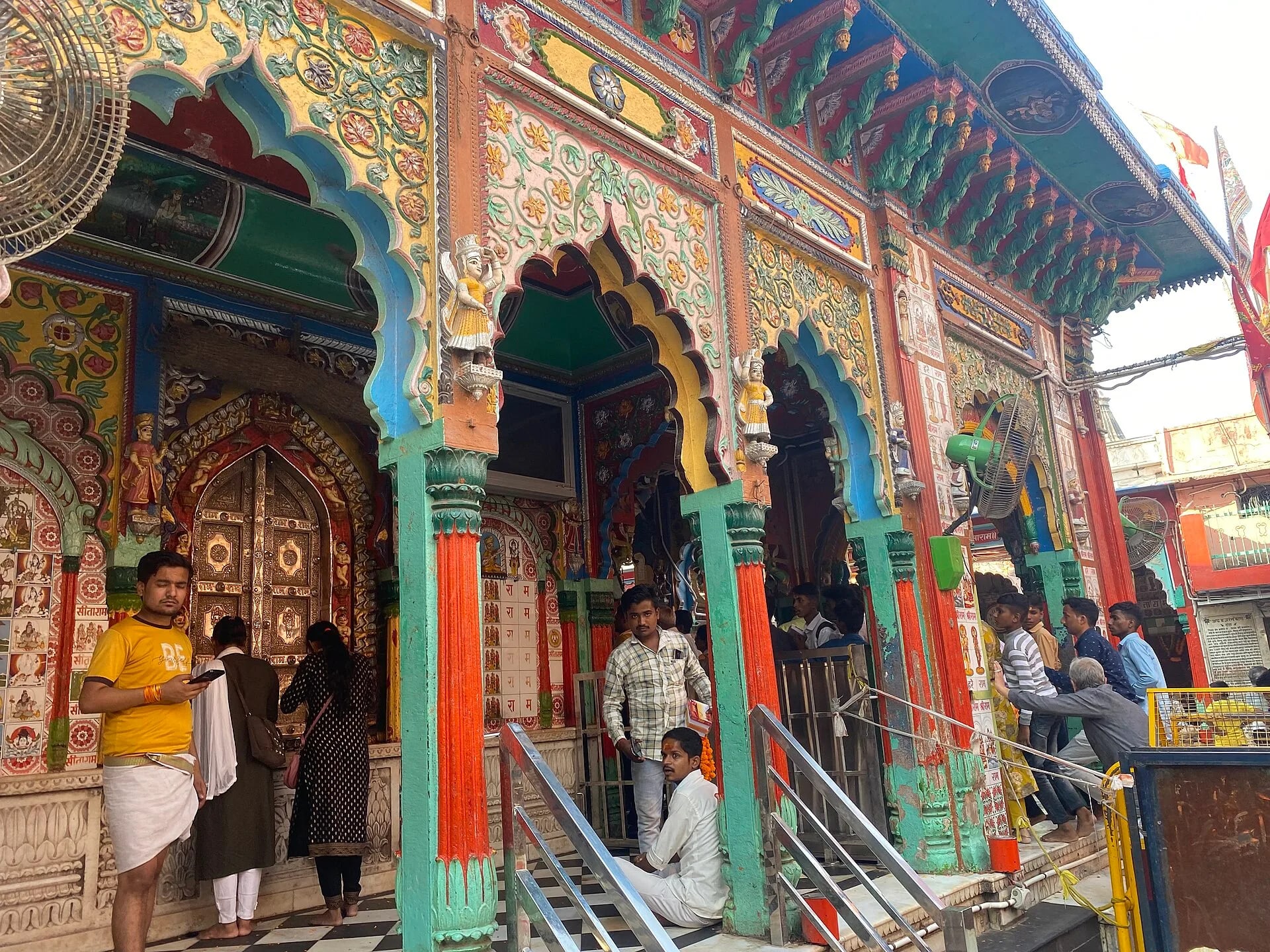
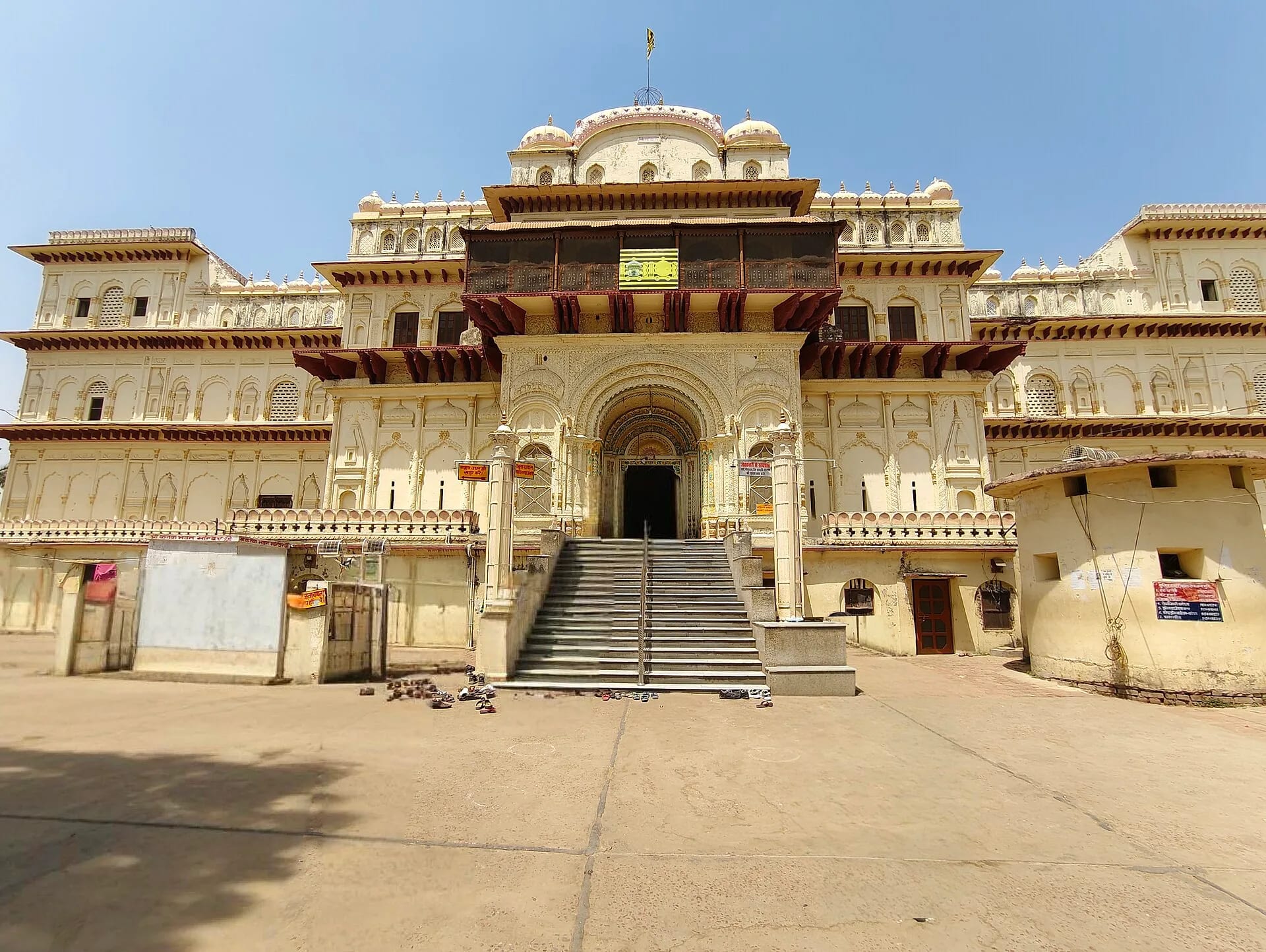
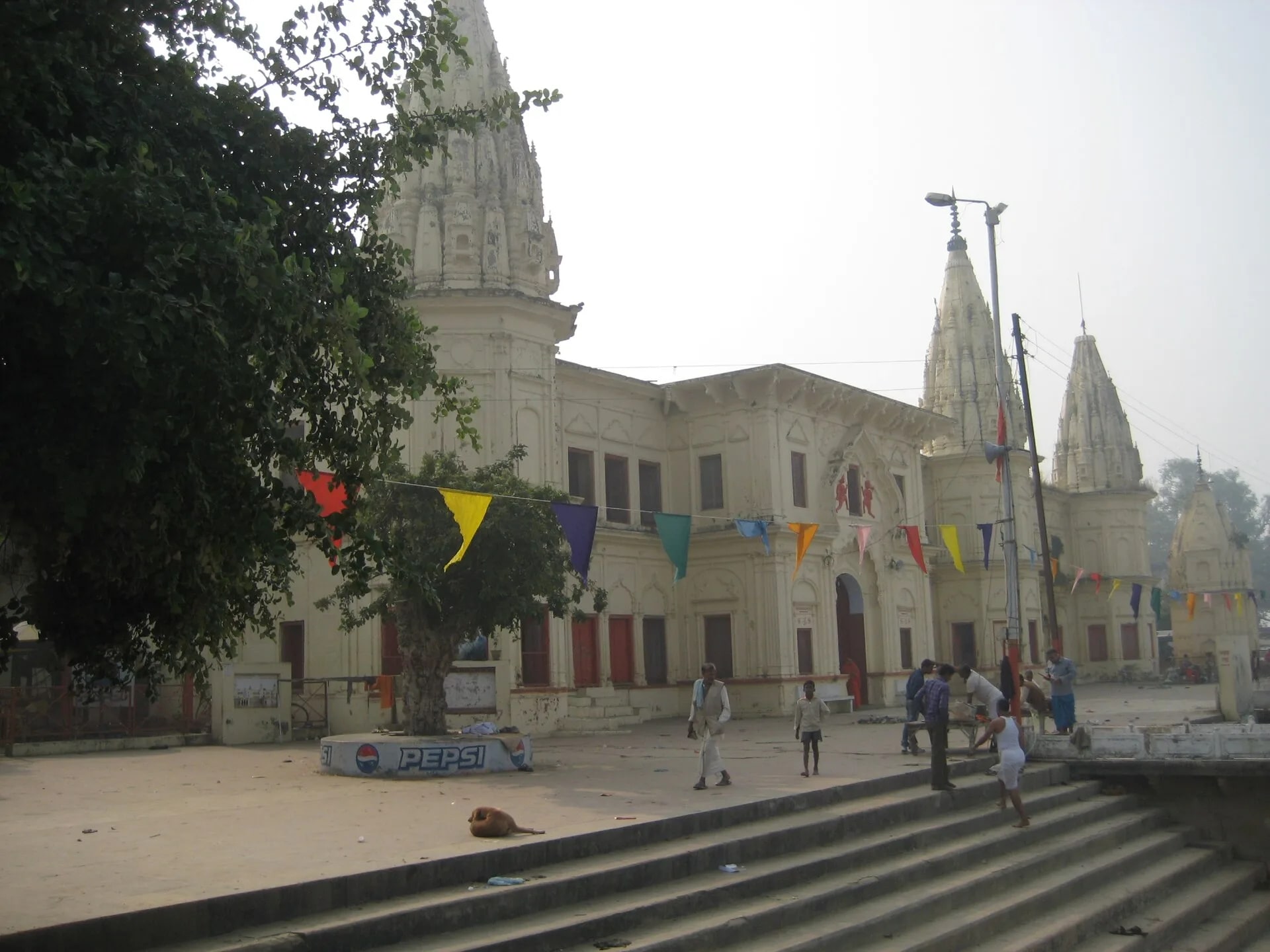
What makes Ayodhya different from almost any other pilgrimage is that the Ramayana did not happen somewhere else and get commemorated here - it is believed to have begun here, and the geography of the epic is still laid out across the district for anyone willing to travel it. Over four days you do not just visit a famous temple; you walk the arc of a whole story through the land that holds it.
It starts at the Janmabhoomi, the birth - the reason the city exists and the reason you have come. But a short drive away at Makhauda Dham is where the story really begins, at the yagna King Dashrath performed when he had no heir, the prayer that brought Ram and his brothers into the world. To stand at the cause and then at the birth, in the same trip, changes how the darshan feels.
Then comes the hardest chapter, told at Nandigram. When Lord Ram went into exile, Bharat refused the throne that was offered to him, placed Ram's wooden sandals upon it, and ruled for fourteen years as a servant of those sandals, living himself as an ascetic at Bharat Kund, waiting. There are few more moving ideas in all of Indian tradition - power held in trust, refused out of love - and to sit quietly at the kund where he kept that vigil is, for many pilgrims, the most affecting moment of the whole journey.
And it ends at Guptar Ghat, on a quiet bend of the Saryu, where Lord Ram is believed to have walked into the river and left the world he had set right. Birth, cause, sacrifice, departure - over four unhurried days you touch the beginning, the middle and the end of the Ramayana within a single district, in the order the story tells them. A one-day darshan cannot give you that shape; this is why the longer package exists.
Experience My India builds the four days precisely so the story reads in order, with the darshan of Ram Lalla as its living centre and the outlying sites arranged around it on either side. You come away not with a checklist of temples but with the whole arc of the Ramayana walked through with your own feet. Jai Shri Ram.