3 nights / 4 days
Pilgrimage
₹37,000
Starting From


Senior Citizen Kashi Ayodhya Yatra
Varanasi, Prayagraj & Ayodhya (Elders)|Pilgrimage
One City A Day Pace
Lift-Access Rooms
Daily Family WhatsApp
A 40-year guide to Ram Katha Park and the Ram Katha Museum in Ayodhya, the open-air cultural venue and the Ramayana art museum, with timings and what to expect.
Drop your details and we'll craft a personalized spiritual package.
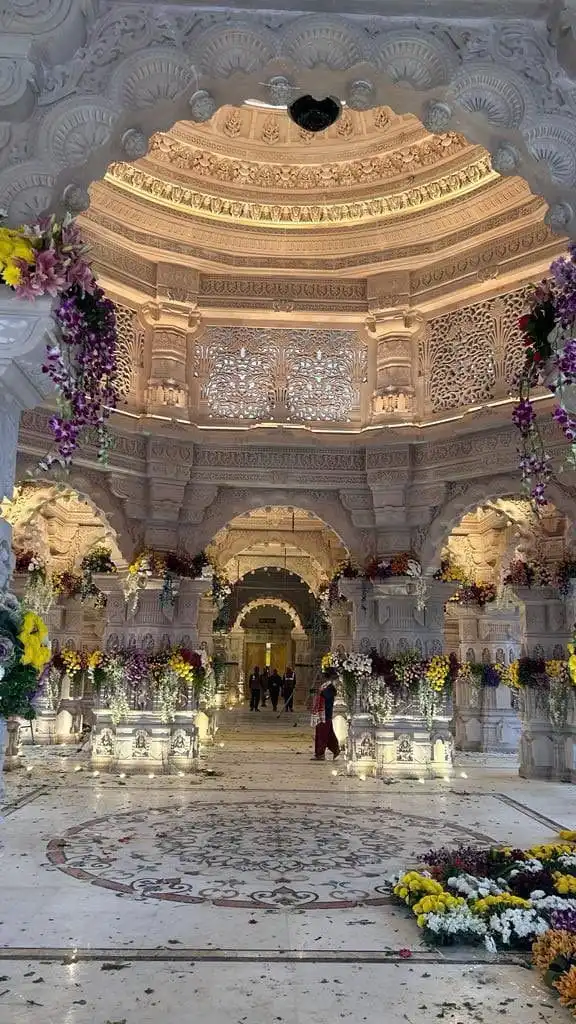
Home to the Ram Janmabhoomi temple, Hanuman Garhi, and Dashrath Mahal. The Saryu aarti at sunset is quieter than Varanasi's,it moves people who expected only the Ram Mandir to remember it most.
Ram Katha Park is a large open-air theatre and lawn complex in Ayodhya for katha, dance and devotional programmes, especially during festivals. Beside it, the Ram Katha Museum holds Ramayana art, artefacts and paintings. The park is free, open roughly 6:00 AM to 7:00 PM; the museum runs about 10:30 AM to 4:30 PM, closed Monday. It sits about 1 to 1.5 km from Ram Mandir.
I am Rajeev Sharma, a Varanasi-born guide of more than forty years. Ram Katha Park is where Ayodhya tells its own story in music, dance and recitation, and the museum beside it lets you see that story in art. Together they are the cultural counterpoint to the temples.
Ram Katha Park, in the Manjha Kala area, is a large open-air theatre and lawn complex built for cultural and devotional programmes: katha (storytelling of the Ramayana), classical and folk dance, music and recitation. It comes alive during festivals such as Deepotsav and Ram Navami, when it hosts the city's major cultural shows. On ordinary days it is a calm green space for a walk.
Beside the park, the Ram Katha Museum (Ram Katha Sangrahalaya) holds Ramayana art, artefacts, scriptures and paintings that trace the story and the history of Ayodhya. It is air-conditioned and family-friendly, a welcome cool break, and it deepens the context for everything else you see in the city.
By day, the museum's Ramayana art and artefacts and a stroll on the lawns. By evening, especially in festival season, the cultural programmes on the open-air stage, katha, dance and devotional music. Check what is scheduled during your visit, as the headline shows cluster around festivals.
From the ground: Most visitors treat Ayodhya as temples and nothing else, and miss this. If a katha or dance programme is on the evening you are here, go. Sitting on the lawns as the Ramayana is sung or danced, after a day of darshan, is a memory people thank me for more than any single temple.
Ram Katha Park sits about 1 to 1.5 km from Ram Mandir. The museum suits a daytime visit, the park an evening one, and both pair with the nearby Ram Ki Paidi Saryu aarti and Tulsi Smarak Bhawan for an evening of culture. See the full Ayodhya guide and the itinerary.
Take an e-rickshaw for the 1 to 1.5 km from Ram Mandir to Manjha Kala. Want your evening timed around a cultural programme and the aarti? See our Ayodhya packages or message me, Rajeev, on WhatsApp at +91 7302265809.
Curated itineraries featuring this divine destination.






Grouped for quick scanning
Everything you need to know about Ram Katha Park.
Topic 01
8 questions
Ram Katha Park is a large open-air theatre and lawn complex in Ayodhya for katha, dance and devotional programmes, especially during festivals. It is about 1 to 1.5 km from Ram Mandir, free, and open roughly 6:00 AM to 7:00 PM.
It is the cultural heart of Ayodhya, the main venue for the city's katha, dance and music programmes, and the stage for major festival shows during Deepotsav and Ram Navami. The Ram Katha Museum beside it adds Ramayana art and artefacts.
The Ram Katha Museum, or Ram Katha Sangrahalaya, holds Ramayana art, artefacts, scriptures and paintings tracing the epic and Ayodhya's history. It is air-conditioned and family-friendly, and sits beside Ram Katha Park.
Open-air cultural and devotional programmes: katha or Ramayana storytelling, classical and folk dance, music and recitation. It hosts the city's major cultural shows during festivals and is a calm green space otherwise.
Katha is the devotional storytelling of the Ramayana, recited and sung, often over several sessions. Ram Katha Park is built as the venue for these recitals and other cultural performances.
No, it is a cultural park and open-air theatre rather than a temple, dedicated to the storytelling and performance of the Ramayana. It complements the city's temples with music, dance and art.
Ramayana-themed art, artefacts, scriptures, paintings and exhibits on Ayodhya's history, displayed in an air-conditioned, family-friendly space. It gives context to the story behind the city's temples.
Yes, very. The open lawns, the cultural shows and the air-conditioned museum next door make it an easy, enjoyable stop for families with children and elders, away from temple queues.
Topic 02
6 questions
The park is open roughly 6:00 AM to 7:00 PM and entry is free. Cultural programmes are usually in the evening, especially during festivals. Verify exact hours and show schedules locally.
About 10:30 AM to 4:30 PM, and it is closed on Mondays. Verify current hours and any entry fee close to your visit, as these can change.
Yes, entry to the park is free. The museum may have its own hours and any applicable fee, so check separately. Special ticketed cultural events can also be held during festivals.
Yes, the museum is traditionally closed on Mondays, like many Indian museums. Plan a museum visit for another day, while the park itself stays open daily.
The museum by day, around late morning or early afternoon, and the park in the evening for cultural programmes, especially in festival season. Check the show schedule to time it well.
Mainly in the evenings, and most prominently during festivals such as Deepotsav and Ram Navami, when the headline programmes are staged. Confirm the current schedule during your visit.
Topic 03
6 questions
Open-air cultural and devotional programmes on the stage, the green lawns for a stroll, and the Ramayana art and artefacts in the adjoining museum. The mix of performance and exhibits is the draw.
The open lawns and the museum are largely accessible, more so than the stepped temples. Tell us your needs and we plan an easy route, which makes it a good stop for those with limited mobility.
Yes, the museum is air-conditioned, which makes it a welcome cool break during the warmer months and a comfortable, family-friendly stop.
Photography is generally fine in the park and on the lawns, but museum and performance photography may be restricted. Follow on-site signage and the staff's guidance.
Yes, the level lawns, seating for programmes and the air-conditioned museum make it comfortable for elderly visitors, a gentle cultural stop between temple visits.
Yes, when programmes are scheduled, you can watch katha, dance and devotional music on the open-air stage. The richest line-up is during festivals, so check what is on during your dates.
Topic 04
6 questions
About 1 to 1.5 km, in the Manjha Kala area. It is a short e-rickshaw ride and easy to fold into a day in the city.
Ram Ki Paidi and the Saryu aarti, Tulsi Smarak Bhawan with its nightly Ramleela, and the Lata Mangeshkar Chowk are all close, making for a full evening of riverside and culture.
Yes. The park and aarti are close, so a common evening plan is the Saryu aarti at sunset followed by a cultural programme at Ram Katha Park, or vice versa.
Both have their moment: the museum and lawns by day, the cultural programmes in the evening. If a show is scheduled, the evening is the highlight.
Yes, it is an evening or afternoon stop on the one-day and two-day plans, paired with the Saryu aarti and Tulsi Smarak Bhawan. See our day-by-day itinerary.
The Saryu aarti at Ram Ki Paidi and the nightly Ramleela at Tulsi Smarak Bhawan, all nearby. Together they make a rich cultural evening after the day's temples.
Topic 05
24 questions
Take an e-rickshaw for the 1 to 1.5 km from Ram Mandir to Manjha Kala. It is an easy, short ride within the city.
The park area is more accessible than the inner temple lanes, but e-rickshaws are still the easiest way through the city. Confirm vehicle access on busy festival days.
Parking is available in the area, with more crowd-management arrangements during festival programmes. Confirm locally on busy days.
Yes, it is safe and well managed, busier during evening shows and festivals. Take normal care of belongings in the crowd at major programmes.
The nearby central lanes and the Ram Path bazaar have pure-vegetarian eateries and sweet shops. Choose busy, clean places and bottled water.
Not strictly, but a guide helps you find what is scheduled, explains the museum's exhibits, and times your evening with the aarti and Ramleela nearby.
Yes, foreigners are welcome at both the park and the museum. The cultural programmes and the Ramayana art make it an accessible, engaging introduction to the story of Ayodhya.
Yes, especially if a cultural programme is on. The mix of open-air performance, green lawns and the Ramayana museum gives a side of Ayodhya the temples alone do not.
An evening cultural programme if one is scheduled, and the Ramayana art in the air-conditioned museum. Together they tell the story behind the city's temples.
We time the museum by day and a cultural programme in the evening, paired with the Saryu aarti and the Tulsi Smarak Bhawan Ramleela nearby. See our Ayodhya packages, or message me, Rajeev, on WhatsApp at +91 7302265809.
Yes, the city stages cultural and projection programmes, with a Ramayana sound-and-light show at Surya Kund and devotional shows during festivals. Ram Katha Park is the main open-air venue for the headline cultural performances.
During Deepotsav, Ram Katha Park hosts major cultural programmes, katha, dance and music, alongside the lamp-lighting on the nearby Saryu ghats. It is one of the busiest, most festive times to visit.
Ram Navami brings special devotional and cultural programmes to the park, marking Ramas birth. Expect large crowds and a charged atmosphere, in step with the festival at the Ram Mandir.
Allow about an hour for the museum and a stroll on the lawns, and longer in the evening if a cultural programme is on. It is easy to pair with the nearby aarti and Ramleela.
The park is free; the museum may charge a small fee and keeps its own hours, closed on Mondays. Verify the current fee and timings locally before your visit.
The park is open daily, roughly 6:00 AM to 7:00 PM, while the adjoining museum is closed on Mondays. Cultural programmes are mostly in the evenings and during festivals.
In the Manjha Kala area of Ayodhya, about 1 to 1.5 km from Ram Mandir and close to the Saryu riverfront, which makes it easy to combine with Ram Ki Paidi.
Yes, it is close to the Saryu riverfront and Ram Ki Paidi, so the park and the evening aarti combine naturally into one outing.
Ram Katha Park is a large open-air venue for varied cultural and devotional programmes, while Tulsi Smarak Bhawan is the Tulsidas memorial with a nightly Ramleela and a research library. Both make a rich cultural evening together.
Yes, the nearby Tulsi Smarak Bhawan stages a nightly Ramleela, roughly 6 to 9 PM. Ram Katha Park itself hosts cultural programmes, especially during festivals.
During events and festivals you will find stalls and refreshments nearby, and the central lanes a short ride away have pure-vegetarian eateries. Carry water on warmer days.
October to March, when the evenings are pleasant for open-air programmes, with the richest cultural calendar around Deepotsav and Ram Navami. The air-conditioned museum is comfortable year round.
Yes, the lawns, the cultural shows and the Ramayana museum make it engaging for children, and a welcome change of pace from temple queues.
Why is Ram Katha Park a good evening stop? Because after a day of darshan, an open-air katha or dance programme on the lawns, paired with the Saryu aarti nearby, gives a cultural close to the day that the temples alone do not offer.
Still have a question?
Message Rajeev on WhatsApp