3 nights / 4 days
Pilgrimage
₹37,000
Starting From


Senior Citizen Kashi Ayodhya Yatra
Varanasi, Prayagraj & Ayodhya (Elders)|Pilgrimage
One City A Day Pace
Lift-Access Rooms
Daily Family WhatsApp
A complete 40-year guide to the Annapurna Devi Temple in Varanasi, including the golden idol darshan during Annakut, khazana coins, and daily free food.
Drop your details and we'll craft a personalized spiritual package.
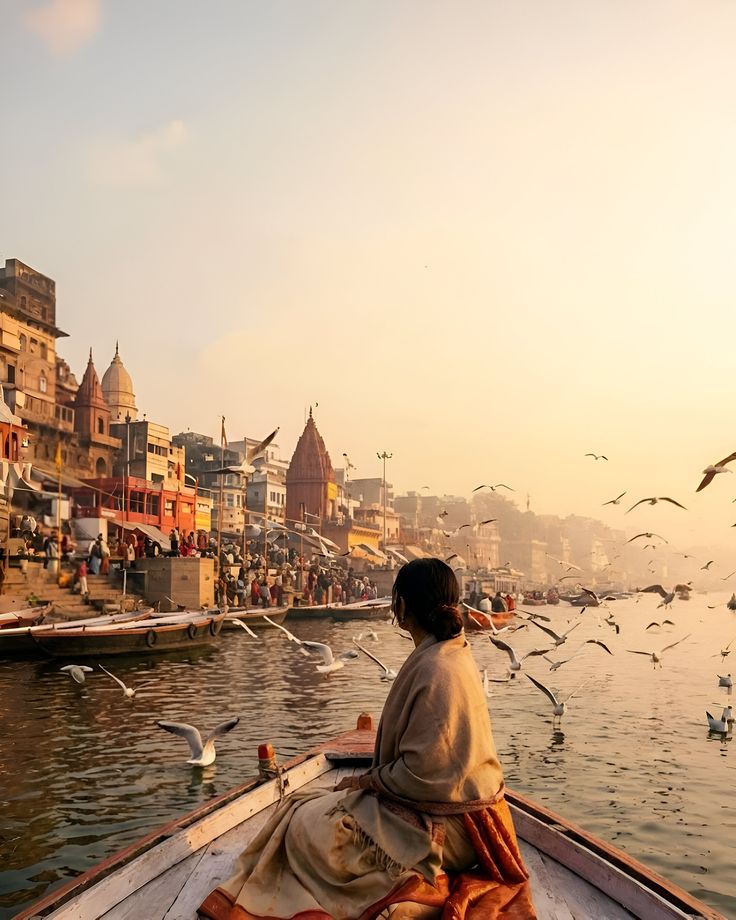
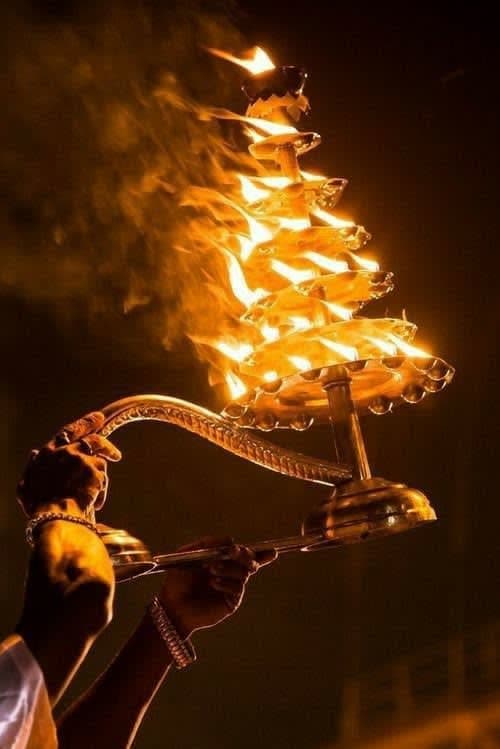
The Kashi Vishwanath Temple, the Dashashwamedh Ganga Aarti, a sunrise boat ride past the 80-plus ghats, and Sarnath, where the Buddha gave his first sermon
The Annapurna Devi Temple is one of Varanasi's most revered temples, dedicated to Annapurna, the goddess of food and nourishment, a form of Parvati. She is venerated as the Queen of Kashi, with Shiva as Vishwanath the King, and she is held to protect the city and ensure that no one in Kashi ever goes hungry. The temple stands right beside Kashi Vishwanath in the Vishwanath Gali lanes, and it is open to people of all faiths.
The name Annapurna comes from Sanskrit: “Anna” means food or grains, and “Purna” means complete or full, so Annapurna is “she who is full of food,” the goddess who ensures no one goes hungry. She is depicted holding a golden pot of food and a ladle, serving food, with Shiva standing before her with his begging bowl receiving alms by her hand. Locals also call her Bhavani Devi. The iconography captures her essence: the divine source of nourishment for all three worlds.
Several beautiful legends explain the temple's origin:
By tradition, Adi Shankaracharya composed the Annapurna Stotram here.
The sanctum houses two idols of Annapurna, and this is the temple's most distinctive feature:
Annakut, the day after Diwali, is the temple's great festival. A lavish “mountain of food” is offered to the goddess in gratitude for her nourishment, and food is shared with those in need. It is the one day the golden idol is shown. The temple's most famous tradition is the khazana, the treasure: coins, along with rice and bundles of grain, are distributed to devotees as prasad. By belief, keeping this coin in your safe or locker ensures you never face financial scarcity, as Annapurna, akin to Mahalakshmi, grants material prosperity. The Diwali and Annakut crowds are enormous, with long, patient queues.
From the ground: The khazana coin is one of the most cherished prasads in all of Kashi. If you visit around Diwali for the golden darshan, go very early and be ready to wait; the queues are long but the once-a-year darshan and the coin are worth it.
Every day, the temple distributes free food, annadanam, in its premises, typically at noon, to the elderly, the disabled and all devotees. This living embodiment of the goddess's promise, that no one in Kashi goes hungry, is one of the most moving aspects of the temple. By tradition, the goddess herself does not eat until her devotees have been fed. The daily annadan reflects the temple's message of sharing, compassion and abundance.
Within the temple are other revered deities, including a Bhavani Gauri shrine, especially worshipped during Navratri, and the Kashi Khandokta deities Satyanarayana and the Kubereshwara Shivalinga. Annapurna is also counted among the Nava-Gauri and Nava-Durga forms venerated across Kashi during Navratri, worshipped as Mahagauri on the eighth day. The temple is thus a focus of both Annapurna and broader goddess worship.
Devotees come to Annapurna to seek prosperity, abundance and freedom from want, in the belief that her blessing ensures their family never faces a scarcity of food, and, as she is akin to Mahalakshmi, material prosperity too. Those facing hardship in Kashi are advised by tradition to worship her. The Kashi Khand describes circumambulating Annapurna for great merit. She is sought as the nurturing mother who sustains all three worlds.
Annapurna and Kashi Vishwanath are the Queen and King of Kashi, and their temples stand side by side, about 15 metres apart. A Kashi pilgrimage naturally includes both: the Jyotirlinga of Shiva and the goddess of nourishment who sustains his city. Many pilgrims do darshan at Kashi Vishwanath and Annapurna together, often alongside Kaal Bhairav the Kotwal. See our Kashi Vishwanath darshan guide for the darshan process and the Varanasi itinerary for sequencing.
General timings and ritual details
The Annapurna Devi Temple is in the Vishwanath Gali lanes of the old city, about 15 metres from Kashi Vishwanath, roughly 350 metres from Manikarnika Ghat and near the Vishalakshi temple. It is around 5 to 6 km from Varanasi Junction. As with Kashi Vishwanath, no vehicle reaches the temple; you are dropped at Godowlia and walk through the lanes. See how to reach Varanasi.
We are Experience My India, rated 4.5 stars on TripAdvisor and Google, with 50,000+ guests served since 2018. We sequence Annapurna with your Kashi Vishwanath darshan and Kaal Bhairav in one smooth old-city circuit, with a guide who explains the goddess, the legends and the Annakut tradition, and navigates the lanes. For South Indian pilgrims, who come in large numbers for Swarna Annapurna, everything is in Telugu or Kannada. See our Varanasi packages or message Rajeev's team on WhatsApp at +91 7302265809. Plan from the Varanasi travel guide.
Curated itineraries featuring this divine destination.






Grouped for quick scanning
Everything you need to know about Annapurna Devi Temple.
Topic 01
8 questions
The Annapurna Devi Temple is one of Varanasi's most revered temples, beside Kashi Vishwanath, dedicated to Annapurna, the goddess of food and nourishment and a form of Parvati. She is the Queen of Kashi, held to ensure no one in the city goes hungry. The temple is famous for the Annakut festival, the khazana coin prasad and its daily free food.
Annapurna is the Hindu goddess of food and nourishment, a form of Parvati, the consort of Shiva. She is depicted holding a golden pot of food and a ladle, serving food to Shiva, and is revered as the divine mother who sustains all three worlds. In Varanasi she is the Queen of Kashi, ensuring her devotees never go hungry.
The name comes from Sanskrit: "Anna" means food or grains, and "Purna" means complete or full. Together, Annapurna means "she who is full of food," the goddess who ensures that no one goes hungry. The name captures her role as the divine source of nourishment and abundance, which is the heart of her worship at this temple.
Annapurna is called the Queen of Kashi because, just as Shiva as Vishwanath is the King of Kashi, she is the goddess who nourishes and protects the city, ensuring no one in Kashi goes hungry. Their temples stand side by side, the King and Queen of the sacred city, and a Kashi pilgrimage naturally honours both.
Yes, Annapurna is a form of Goddess Parvati, the consort of Shiva, in her aspect as the goddess of food and nourishment. The temple's legends explain how Parvati took the Annapurna form to demonstrate the importance of food and to feed the world. As Annapurna, she embodies abundance, generosity and the sustenance of all life.
By the temple's legends, Parvati took the form of Annapurna to show that food is not mere illusion but vital to life, feeding Shiva and the world by her own hand and establishing a kitchen in Kashi. She thus became the goddess of food and nourishment, ensuring no one goes hungry. Her worship centres on abundance, gratitude and sharing.
Annapurna is depicted holding a golden pot of food in one hand and a ladle in the other, in the act of serving food, often seated on a lotus, with Shiva standing before her holding his begging bowl to receive alms by her hand. This iconography expresses her role as the divine source of nourishment and Shiva's humble acknowledgement of food's importance.
Yes, unlike some shrines, the Annapurna Devi Temple is open to people of all faiths, making it welcoming to visitors of every background. Dress modestly and observe the customs respectfully. Its message of nourishment, sharing and compassion is universal, and the daily free food embodies that openness to all who come.
Topic 02
6 questions
Shiva once told Parvati that the whole world, including food, is maya, illusion. Angered, Parvati made all food on earth disappear to show its importance, and the world starved. Shiva came to her with a begging bowl and acknowledged food's importance; Parvati joyfully fed him by her own hand and set up a kitchen in Kashi, becoming Annapurna, the goddess of food.
By this legend, Parvati lost her fair Gauri form, becoming dark, and asked Shiva how to regain it. He advised her to perform anna dan, the donation of food, in Kashi. Taking the Annapurna form with a golden pot and ladle, she gave food to all, and through this act of nourishment she regained her Gauri Rupa. It is one of the temple's origin stories.
By this legend, a great famine struck Kashi and people were dying of hunger. Shiva meditated and concluded that only Annapurna could save the city, so he went to her as a beggar for alms. Pleased, she gave him food and promised that no one in Kashi would ever again go hungry. This promise is the heart of her worship.
By the legends, after demonstrating the importance of food, Parvati as Annapurna set up a kitchen in Kashi to feed her devotees and the world, ensuring no one would go hungry. This act made Kashi the city of the goddess of nourishment. The temple's daily free food continues this tradition, embodying her promise across the centuries.
By tradition, Annapurna promised Shiva that no one in Kashi would ever go hungry, a promise that defines her role as the Queen and nourisher of the city. The temple's daily free food and the abundance of the Annakut feast are living expressions of this promise. It is one of the most cherished beliefs of Kashi.
By tradition, yes, Adi Shankaracharya is said to have composed the Annapurna Stotram, a hymn in praise of the goddess, at this temple. The hymn extols Annapurna as the giver of food and the source of abundance. Its association with the temple adds to the shrine's spiritual and literary significance in the tradition.
Topic 03
9 questions
The sanctum houses two idols of Annapurna: one made of brass, available for daily darshan throughout the year, and one made of gold, the golden Annapurna seated on a lotus with her pot and ladle, which can be seen only once a year, on Annakut day around Diwali. This pairing is the temple's most distinctive feature.
The brass idol is available for daily darshan throughout the year, so on any normal visit you have darshan of this form of the goddess. The golden idol is kept from view except on Annakut. So a regular visit gives you the brass Annapurna; only the once-a-year Annakut darshan reveals the golden one.
The golden idol, Swarna Annapurna, can be seen only once a year, on Annakut day, around Diwali. [VERIFY exact days.] On that day the golden goddess is displayed, by tradition flanked by Lakshmi and Bhu Devi, and devotees queue in enormous numbers for this rare darshan. If you wish to see it, plan your visit for the Annakut and Diwali period and expect long queues.
Annakut, the day after Diwali, is the temple's great festival, when a lavish "mountain of food" is offered to Annapurna in gratitude for her nourishment, and food is shared with those in need. It is the one day the golden idol is shown and the khazana coin prasad is given. It draws huge crowds and is the high point of the temple's year.
Annakut is celebrated the day after Diwali, around the Govardhan Puja, in October or November depending on the year. [VERIFY date.] As it follows the lunar Diwali date, confirm it for your travel year. If you wish to see the golden Annapurna and receive the khazana coin, this is the time to visit, with the understanding that crowds are very large.
The khazana, meaning treasure, is the temple's famous Annakut prasad: coins, along with rice and bundles of grain, distributed to devotees. By belief, keeping this coin in your safe or locker ensures you never face financial scarcity, as Annapurna, akin to Mahalakshmi, grants prosperity. It is one of the most cherished prasads in all of Kashi.
The belief is that the khazana coin, received as prasad on Annakut, carries the blessing of Annapurna, the goddess of abundance and akin to Mahalakshmi, so that keeping it in your safe or locker ensures lasting prosperity and freedom from financial scarcity. Devotees worship the coin for a successful, prosperous life. It is a treasured token of the goddess's grace.
By tradition, yes, devotees keep the khazana coin received on Annakut in their safe or money locker, believing it ensures lasting prosperity and that they will never face a scarcity of wealth or food. It is a matter of faith and devotion. Many families treasure the coin year after year as a blessing of the goddess of abundance.
By the temple's tradition, the golden Annapurna is revealed only on Annakut, the day after Diwali, making the darshan rare and especially auspicious. A folk belief even warns that the sanctum of the golden idol should not be opened except on this day. The rarity is part of what draws enormous crowds for the once-a-year Swarna Annapurna darshan.
Topic 04
6 questions
Yes, the temple distributes free food, annadanam, in its premises every day, typically at noon, to the elderly, the disabled and all devotees. This embodies the goddess's promise that no one in Kashi goes hungry. By tradition, Annapurna herself does not eat until her devotees are fed. The daily annadan is one of the temple's most moving features.
Annadanam is the daily distribution of free food at the temple, a charitable tradition central to Annapurna's worship as the goddess of nourishment. Provided to all who come, especially the needy, it expresses her message of sharing and abundance. The food is offered as prasad and as a gift, sustained by donations, continuing the promise that none go hungry in Kashi.
Beyond Annapurna, the temple houses a Bhavani Gauri shrine, especially worshipped during Navratri, and the Kashi Khandokta deities Satyanarayana and the Kubereshwara Shivalinga. Annapurna is also counted among the Nava-Gauri and Nava-Durga forms of Kashi, worshipped as Mahagauri during Navratri. So a visit allows darshan of several revered deities in one place.
People visit to seek the goddess's blessing of prosperity, abundance and freedom from want, in the belief that her grace ensures their family never faces a scarcity of food, and material prosperity too, as she is akin to Mahalakshmi. Those facing hardship in Kashi are advised to worship her. She is sought as the nurturing mother who sustains all life.
Yes, in her role as the giver of abundance, Annapurna is considered akin to Mahalakshmi, the goddess of prosperity, for she grants not only food but material wellbeing. This is why the khazana coin received on Annakut is kept for prosperity. Worshipping Annapurna is believed to bring both nourishment and wealth, freedom from scarcity of every kind.
By tradition, yes, the Kashi Khand advises that devotees facing hardship in Kashi should worship Annapurna to be blessed with prosperity and relief from want. As the goddess of nourishment and abundance, she is sought by those in difficulty. Her worship, including circumambulation and the Annakut darshan, is held to bring her sustaining grace.
Topic 05
4 questions
Annapurna and Kashi Vishwanath are the Queen and King of Kashi: she the goddess of nourishment, he Shiva as the Jyotirlinga. Their temples stand side by side, about 15 metres apart. A Kashi pilgrimage naturally honours both, the lord of the city and the goddess who feeds it. Their pairing is central to the spiritual life of Kashi.
Yes, the two are right beside each other, about 15 metres apart, and most pilgrims do darshan at both together, often alongside Kaal Bhairav the Kotwal. Honouring the King and Queen of Kashi together completes the heart of a Kashi pilgrimage. We sequence Annapurna, Kashi Vishwanath and Kaal Bhairav into one smooth old-city circuit.
The Annapurna temple is right beside Kashi Vishwanath, about 15 metres away, in the Vishwanath Gali lanes. They are effectively part of the same sacred precinct, so you walk from one to the other in moments. This makes it easy and natural to have darshan of both the King and Queen of Kashi in a single visit.
Yes, easily, as the two temples are right beside each other in the old-city lanes. Most pilgrims have darshan at Kashi Vishwanath and Annapurna in the same visit, walking the short distance between them, often adding Kaal Bhairav. We arrange the darshan sequence so you cover the King, the Queen and the Kotwal of Kashi smoothly.
Topic 06
9 questions
The temple is open daily from early morning, commonly cited from about 4:00 AM, to night, with a midday break, and several aartis through the day. Sources differ on the exact hours, so confirm locally. For a calm darshan, come early in the morning. During Diwali and Annakut, hours and crowds change greatly.
Several aartis are performed daily, by some accounts in the early morning, at noon, in the evening and at night. Exact times vary by source and on festivals. Confirm the current schedule locally. The morning aarti is a peaceful time to visit, while Annakut around Diwali is the temple's grandest occasion.
No, entry is free, and the temple is open to people of all faiths. Carry some cash for prasad and offerings. The temple is known for its daily free food and for sharing the Annakut feast. There may be nominal charges for specific offerings, but darshan itself is free and open to all who come respectfully.
During Navratri, in October or November, the temple is decorated and illuminated and draws large gatherings, as Annapurna is counted among the Nava-Gauri and Nava-Durga forms of Kashi, worshipped as Mahagauri on the eighth day, with the Bhavani Gauri shrine especially venerated. It is one of the temple's major festival periods after Annakut.
Beyond Annakut and Navratri, the temple observes Akshaya Tritiya, a day of prosperity and abundance, Makar Sankranti, and Annapurna Jayanti, the goddess's appearance day. [VERIFY dates.] Each draws devotees seeking her blessings of nourishment and prosperity. Annakut, the day after Diwali, remains the grandest and most important, with the golden darshan and the khazana coin.
It is in the Vishwanath Gali lanes of the old city, about 15 metres from Kashi Vishwanath, roughly 350 metres from Manikarnika Ghat and near the Vishalakshi temple. It is around 5 to 6 km from Varanasi Junction. The temple sits in the dense old-city precinct, reached on foot through the lanes from Godowlia.
As with Kashi Vishwanath, no vehicle reaches the temple; you take an auto or cab to Godowlia and walk the final stretch through the Vishwanath Gali lanes, where the temple sits right beside Kashi Vishwanath. A guide helps you navigate the maze of lanes. We sequence it with your Kashi Vishwanath and Kaal Bhairav darshan.
South Indian pilgrims come in large numbers, especially for the rare Swarna Annapurna darshan on Annakut, as Annapurna worship is deeply cherished in the South. The goddess of food and abundance holds a special place for many from Tamil Nadu, Andhra Pradesh, Telangana and Karnataka. We guide South Indian pilgrims here with explanation in Telugu or Kannada.
Yes. We sequence Annapurna with your Kashi Vishwanath darshan and Kaal Bhairav in one smooth old-city circuit, with a guide who explains the goddess, the legends, the Annakut tradition and the khazana coin, and navigates the lanes. For South Indian pilgrims, everything is in Telugu or Kannada. Message us on WhatsApp at +91 7302265809.
Topic 07
11 questions
Early morning is best for a calm darshan of the brass idol, before the old-city crowds build. The cool months of October to March are most comfortable. The grandest time is Annakut, the day after Diwali, for the rare golden darshan and the khazana coin, but crowds are then enormous and queues long. Navratri is also a major period.
On a normal day, darshan takes a short while, often under half an hour, and it sits right beside Kashi Vishwanath, so the two are visited together quickly. During Diwali and Annakut, with the golden darshan, expect long queues and much more time. Clustered with Kashi Vishwanath and Kaal Bhairav, the old-city core makes a focused morning.
Common offerings are flowers, sweets and items bought from the shops in the Vishwanath Gali lanes, offered to the goddess of nourishment. Food and grains are especially fitting given her nature. On Annakut, the khazana coin and grains are received as prasad. Carry small-denomination cash, and follow the temple's guidance on what may be taken into the sanctum.
Yes, though it lies in the dense old-city lanes reached on foot from Godowlia, which can be tiring, so a guide and a sensible pace help. It is right beside Kashi Vishwanath, so the two are darshan together with little extra walking. For Annakut crowds, elders should be prepared for long queues. We assist with the lanes and the sequence.
By the Kashi Khand, circumambulating Annapurna is held to bring great merit: doing so 108 times during a particular day of Chaitra is said to equal circumambulating the whole world, and devotees are advised to circumambulate her eight times a day. The circumambulation is an act of devotion to the goddess of nourishment, seeking her sustaining grace and prosperity.
Yes. Annapurna sits beside Kashi Vishwanath, a short walk from Dashashwamedh Ghat, so a natural plan is morning darshan at Kashi Vishwanath, Annapurna and Kaal Bhairav, then the evening Ganga Aarti at Dashashwamedh, with a sunrise boat earlier. The old-city core and the riverfront are close together. We sequence it all into one smooth day.
Photography inside the sanctum is generally restricted, as at most active temples, and you should not photograph the deity or rituals without permission. [VERIFY current rules.] Follow the temple's guidance and the example of other devotees, and keep phones put away during darshan. Given the dense lanes and crowds, carry only what you need and keep valuables secure.
That Annapurna worship is deeply cherished in the South, and many South Indian pilgrims make a point of the rare Swarna Annapurna darshan on Annakut, around Diwali. The temple sits beside Kashi Vishwanath, easily combined with the King and the Kotwal. A guide who explains the goddess, the legends and the Annakut tradition in Telugu or Kannada makes the visit richer.
Yes, central to Annapurna's worship, the temple distributes free food daily and conducts food-donation drives, embodying the goddess's promise that no one in Kashi goes hungry. The Annakut feast extends this to a grand scale. This tradition of annadan, the giving of food, is one of the temple's defining and most admired features, sustained by devotees' donations.
Yes, a conservative dress code is expected, with shoulders and legs covered. Men may wear a dhoti or long trousers with a shirt, and women a saree, salwar kameez or other traditional attire that covers the shoulders and legs. Avoid shorts, skirts and sleeveless tops. Shoes are removed before the sanctum. Dress as you would for any sacred shrine in Kashi.
The temple is built in the Nagara, North Indian, style, with a sanctum and a large pillared porch, and a square plan with graduated projections giving a cruciform shape. Paintings on its walls depict Annapurna feeding Shiva. The architecture is traditional and dignified, in keeping with its 18th-century construction and its standing as one of the great temples of Kashi.
Still have a question?
Message Rajeev on WhatsApp