3 nights / 4 days
Pilgrimage
₹37,000
Starting From


Senior Citizen Kashi Ayodhya Yatra
Varanasi, Prayagraj & Ayodhya (Elders)|Pilgrimage
One City A Day Pace
Lift-Access Rooms
Daily Family WhatsApp
A 40-year guide to Mrityunjay Mahadev Temple in Varanasi, the ancient Shiva temple of healing, the Dhanvantari well, timings and how to visit.
Drop your details and we'll craft a personalized spiritual package.
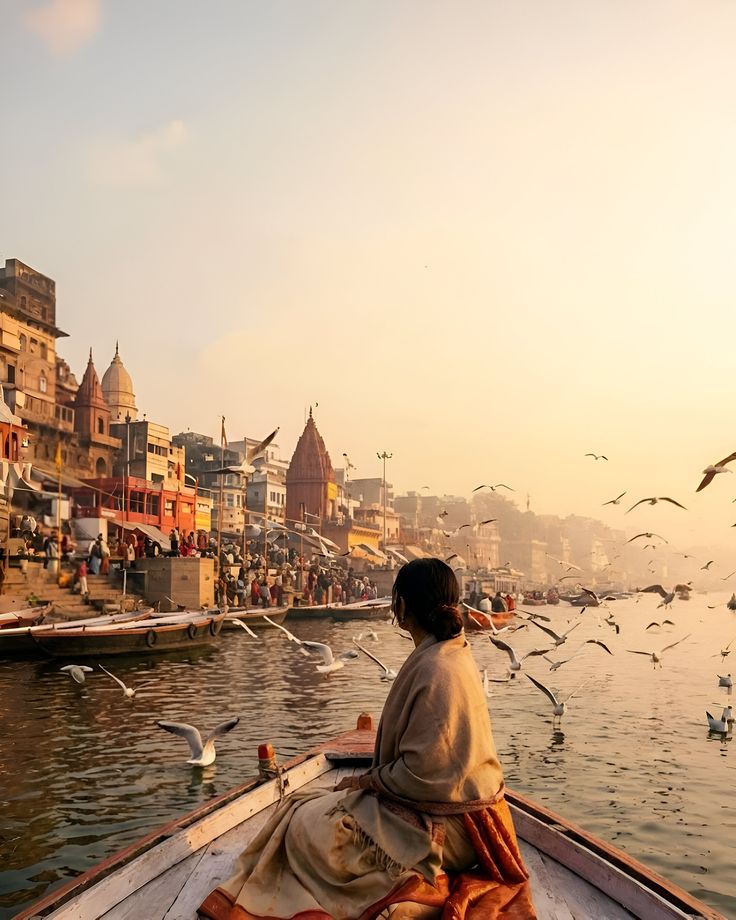
The Kashi Vishwanath Temple, the Dashashwamedh Ganga Aarti, a sunrise boat ride past the 80-plus ghats, and Sarnath, where the Buddha gave his first sermon
Mrityunjay Mahadev Mandir is one of the oldest and most revered Shiva temples in Varanasi, dedicated to Shiva in his form as Mahamrityunjaya, the one who is victorious over death. Some of its smaller shrines are held to be very ancient, while the present building dates to the 18th century. It is a temple of healing and protection, where the air carries the chanting of the Mahamrityunjaya Mantra, and it holds both a self-manifested Shiva lingam and the ancient Dhanvantari well at its heart. It sits in the old-city core, north of Kashi Vishwanath.
Mrityunjay comes from “Mrityu,” death, and “jay,” victory, so Mrityunjay Mahadev means the great god who is victorious over death. In the Kashi Khand, this form of Shiva is also called Apa Mrityu Hareshwar, the Lord who wards off untimely and unnatural death. It is this promise, protection from premature death and from life-threatening illness and calamity, that draws devotees, especially those who fear for their health or whose horoscopes suggest danger. The temple is among the most important shrines in Kashi associated with longevity and protection.
At the heart of the temple is a Shiva lingam held to be swayambhu, self-manifested, not installed by human hands but emerged on its own. It is continuously anointed with milk, water, honey and flowers. Worshipping this lingam is believed to protect a devotee from untimely death and serious calamities, and it is one of the most powerful lingams in a city full of them. By one tradition the temple has no Nandi statue, so that devotees may approach Mahadev directly, without an intermediary.
The temple's most distinctive feature is the ancient well within the complex, known as the Kalodak Kup or Dhanvantari Kup. By legend, Dhanvantari, the divine physician and father of Ayurveda, held to be an incarnation of Vishnu, poured medicinal herbs and preparations into this well and asked Shiva to be present here as Mahamrityunjaya. Devotees therefore hold the well's water to have healing properties, and they sprinkle it on themselves or take it as a blessing while seeking relief from illness. By tradition the water is also a confluence of several underground streams, and it is said to taste different when drawn from different directions. These are matters of faith and devotion rather than medical fact, and the well's water is no substitute for medical care.
Central to the temple is the Mahamrityunjaya Mantra, the great “victory over death” mantra, which by tradition Shiva himself composed and revealed to Parvati, and this temple is held to be the place of that revelation. The mantra, beginning “Om Tryambakam Yajamahe,” invokes the three-eyed Lord who nourishes all, asking to be freed from the bondage of death into immortality. Devotees and Brahmins chant it continuously at the temple and the well, and it is recited for protection from untimely death, for longevity, and for relief from serious and chronic illness.
Devotees perform various rituals here for protection and healing:
The temple is linked to the story of Markandeya, the boy destined to die at sixteen, who, when the messengers of death came, embraced the Shiva lingam and chanted the mantra, and so conquered death. The story embodies the very promise of Mrityunjay Mahadev.
The temple complex holds many shrines beyond the main lingam, including a Markandeya Mahadev lingam, and shrines and seats for deities such as Hanuman, Kali, Bhairav, Shani and Ganesha, so that a full visit can take in many forms of the divine. Some local traditions associate further sacred lingams with the complex; we present these as devotional belief rather than settled fact. A peepal tree within the premises adds to its sanctity. There is also a quiet place to sit and meditate, which many devotees find deeply calming.
People come to Mrityunjay Mahadev above all for protection and healing: to seek freedom from the fear of untimely death, longevity, and relief from serious illness, and to find peace. Those whose horoscopes are read to suggest danger to life, or who face grave illness, come to perform the prescribed rituals and chant the mantra. Many simply come for the temple's powerful, meditative atmosphere. Whatever one's belief, it is a place of hope and solace, and its association with conquering death gives it a special place in the city of liberation.
Practical details for your visit
Mrityunjay Mahadev Temple is in the Daranagar area of the old city, north of Kashi Vishwanath, on the way toward the Kaal Bhairav temple. It sits within the maze of old-city lanes, so the final approach is on foot. This places it naturally alongside Kashi Vishwanath, Kaal Bhairav and Annapurna in an old-city temple circuit. See how to reach Varanasi.
We are Experience My India, rated 4.5 stars on TripAdvisor and Google, with 50,000+ guests served since 2018. We include Mrityunjay Mahadev in an old-city temple walk alongside Kashi Vishwanath, Kaal Bhairav and Annapurna, with a guide who explains the Mahamrityunjaya tradition and the well, navigates the lanes, and can arrange a puja or homa. For South Indian pilgrims, everything is in Telugu or Kannada. See our Varanasi packages or message Rajeev's team on WhatsApp at +91 7302265809. Plan your days with our Varanasi itinerary.
Curated itineraries featuring this divine destination.


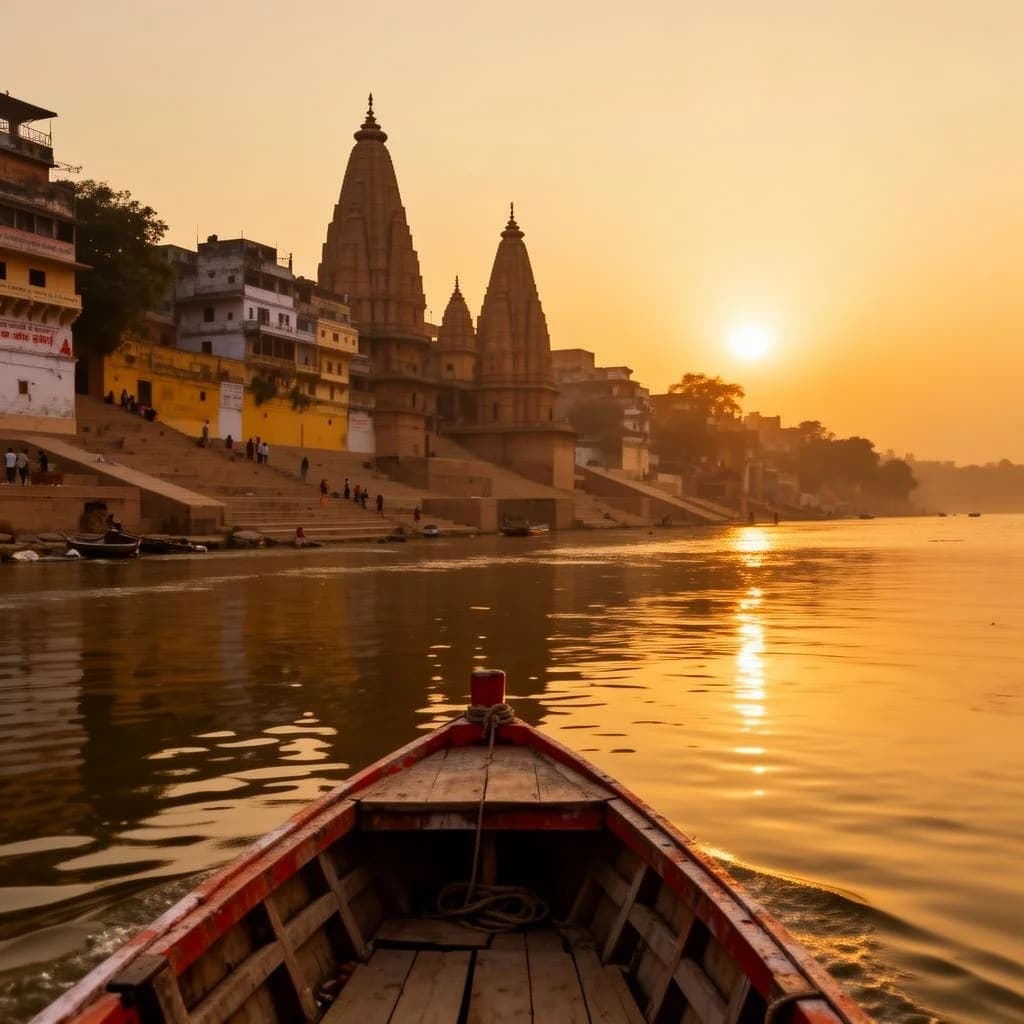


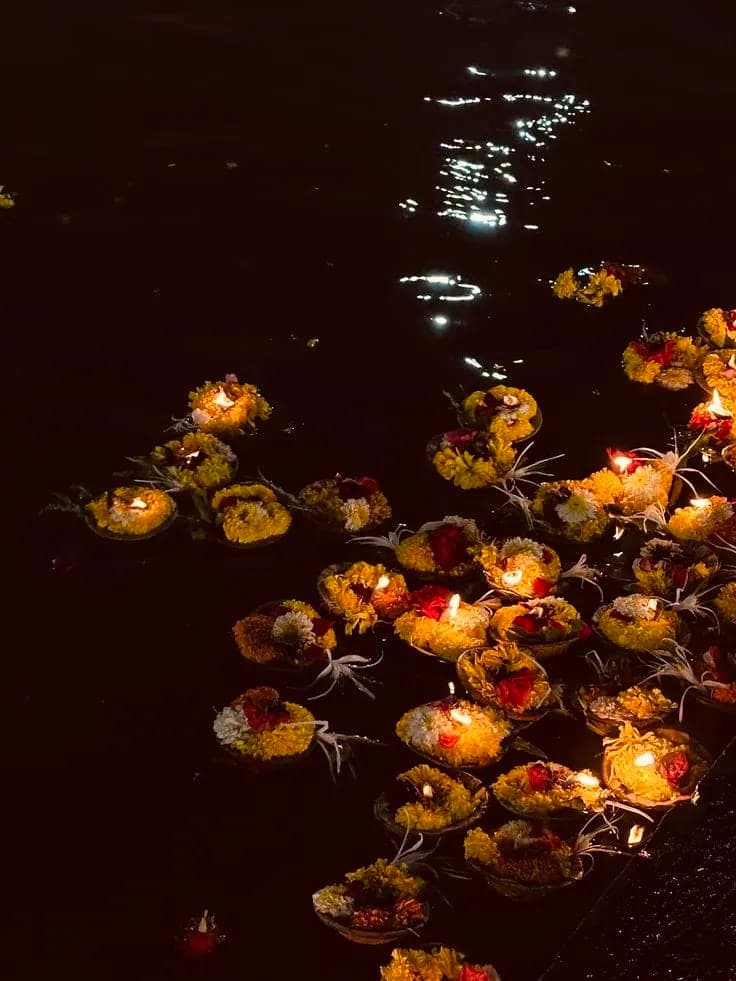


Grouped for quick scanning
Everything you need to know about Mrityunjay Mahadev Temple.
Topic 01
8 questions
Mrityunjay Mahadev is an ancient and powerful Shiva temple in the old city of Varanasi, where Shiva is worshipped as Mahamrityunjaya, the conqueror of death. Devotees come for protection from untimely death, longevity and relief from illness, chanting the Mahamrityunjaya Mantra. The temple holds a self-manifested lingam and the ancient Dhanvantari healing well. It is one of Kashi's most revered shrines.
Mrityunjay comes from "Mrityu," meaning death, and "jay," meaning victory, so it means victory over death. Mrityunjay Mahadev is therefore the great god, Shiva, who is victorious over death. This name expresses the temple's central promise: protection from untimely death and the conquering of the fear of death, which is why devotees seeking longevity and healing come to worship here.
Mahamrityunjaya means the great conqueror of death, a form of Shiva who overcomes death itself. The famous Mahamrityunjaya Mantra is named for this form, invoking Shiva's power to free devotees from the bondage of death and grant longevity and health. At this temple, Shiva is worshipped in precisely this form, as the great victor over death, which is the source of its significance.
The temple is dedicated to Lord Shiva in his form as Mahamrityunjaya, the conqueror of death, worshipped as a swayambhu Shiva lingam. It is one of the most powerful Shiva temples in Kashi, associated with longevity, health and protection from untimely death. The complex also holds shrines to other deities, but Shiva as Mrityunjay Mahadev is the presiding deity.
Apa Mrityu Hareshwar is the name by which this form of Shiva is referred to in the Kashi Khand, meaning the Lord who wards off untimely and unnatural death. It is another name for Mrityunjayeshwar, the deity of this temple. The reference in the Kashi Khand underlines the temple's ancient standing and its specific association with protection from premature death in the sacred geography of Kashi.
Yes, by tradition the temple's deity, Mrityunjayeshwar or Apa Mrityu Hareshwar, is described in the Kashi Khand, the section of the Skanda Purana devoted to Kashi, as the Lord who wards off untimely death, with the nearby Kalodak well able to cure disease. This scriptural mention reflects the temple's deep roots in the sacred lore of Varanasi as a place of healing and protection.
It is often described as a uniquely powerful temple of Mahamrityunjaya, the conqueror of death, with its swayambhu lingam, the Dhanvantari healing well and its association with the revelation of the Mahamrityunjaya Mantra. Some sources claim there is no other temple of Mahamrityunjaya like it; we present such claims as devotional belief. Either way, it holds a distinctive place among Kashi's many Shiva temples.
Some of the temple's smaller shrines are held to be very ancient, with traditions linking the site to a remote past, while the present building dates to the 18th century. The exact age of the original shrine is unknown, as with many ancient Kashi temples. Its antiquity and its mention in the Kashi Khand mark it as one of the old and important shrines of the city.
Topic 02
8 questions
By belief, yes, the Shiva lingam at the heart of the temple is swayambhu, self-manifested, held to have emerged on its own rather than being installed by human hands. This adds to its sanctity and power. Worshipping the swayambhu lingam is believed to protect devotees from untimely death and serious calamities. As with such beliefs, it is a matter of faith for those who worship here.
By tradition, worshipping the swayambhu lingam of Mrityunjay Mahadev protects a devotee from untimely and unnatural death and from serious calamities, and grants longevity, health and peace. Devotees offer milk, water, honey and flowers, and chant the Mahamrityunjaya Mantra. This is a matter of faith. Many find the worship and the temple's atmosphere a source of profound hope and reassurance.
It is an ancient well within the temple complex, known as the Kalodak Kup or Dhanvantari Kup, whose water devotees hold to have healing properties. By legend, the divine physician Dhanvantari poured medicinal preparations into it. Devotees sprinkle the water on themselves or take it as a blessing while seeking relief from illness. It is one of the temple's most distinctive and sacred features.
Dhanvantari is the divine physician of Hindu tradition, regarded as the father of Ayurveda and held to be an incarnation of Vishnu. By legend, he poured medicinal herbs and preparations into the well at this temple and asked Shiva to be present here as Mahamrityunjaya, which is why the well's water is held sacred and healing. He is worshipped as the deity of medicine and health.
By legend, Dhanvantari, the father of Ayurveda, infused medicinal preparations into the well, and by tradition the water is also a confluence of several underground streams, so devotees hold it to have healing properties and to relieve illness. These are matters of faith and devotion rather than medical fact. The well's water is a blessing sought by devotees, not a substitute for medical care.
Devotees take the well's water as a blessing and sprinkle it on themselves while seeking healing, and it is used in rituals. If you wish to receive it as devotees do, follow the temple's guidance. Bear in mind it is well water taken as a sacred blessing rather than treated drinking water, and it is no substitute for medical treatment for any illness. Approach it as faith, not medicine.
By tradition, the well is a confluence of several underground water streams, and devotees say that water drawn from different directions tastes different, which adds to its mystique. It is a piece of the temple's living lore rather than a documented fact. Whatever the explanation, the well and its waters are central to the temple's identity as a place of healing and blessing.
Yes, the temple complex includes a sacred peepal tree, which adds to its sanctity, alongside the Shiva lingam and the Dhanvantari well. The peepal is revered in Hindu tradition, and its presence is part of the temple's atmosphere of ancient sacred power. Many devotees pay their respects at the tree as part of their visit, in keeping with old custom.
Topic 03
7 questions
The Mahamrityunjaya Mantra is the great "victory over death" mantra, beginning "Om Tryambakam Yajamahe," which invokes the three-eyed Shiva who nourishes all and asks to be freed from the bondage of death into immortality. It is recited for protection from untimely death, for longevity, and for relief from serious illness. It is central to all worship at this temple.
By tradition, Shiva himself composed the Mahamrityunjaya Mantra and revealed its secrets to Parvati, as described in the Shiva Purana. This temple is held to be the very place of that revelation, which is part of its great significance. The mantra has been chanted by devotees ever since for protection, longevity and healing, and it is recited continuously here.
By tradition, yes, this temple is held to be the place where Shiva revealed the Mahamrityunjaya Mantra to Parvati, which makes it a place of pilgrimage for Shiva devotees and seekers across the world. This association, with the mantra of victory over death, is central to the temple's identity and to why so many come here to chant it and seek protection.
By tradition, the mantra wards off the fear of untimely death, increases longevity, and grants relief from serious and chronic illness, along with blessings of health, peace and protection. Devotees chant it, often a set number of times, with deep faith. These are matters of belief. Many find that the practice of reciting it brings them calm, focus and reassurance in difficult times.
Mrityunjay Path is the recitation of the Mahamrityunjaya Mantra, performed as a devotional practice for protection and healing. Some devotees chant it for 40 consecutive Mondays, Shiva's day, or recite it 1.25 lakh times, to overcome danger, disease and the fear of death. People come from across India to perform the Path here. The temple priests can guide or perform the recitation.
The Mahamrityunjaya Homa is a fire ritual, a yagna, performed for the healing of the critically ill, with offerings made while the mantra is chanted. Devotees may take home the sacred ash afterward for an ailing relative. It is one of the most significant rituals at the temple, sought by those facing grave illness. We can help arrange a homa in advance for those who wish it.
Markandeya was a boy destined to die at sixteen. When the messengers of death came for him, he embraced the Shiva lingam and chanted the Mahamrityunjaya Mantra, and so conquered death, granted long life by Shiva. The story embodies the very promise of Mrityunjay Mahadev, and the temple complex holds a Markandeya Mahadev lingam. It is one of the great tales of devotion overcoming death.
Topic 04
6 questions
By one tradition, the temple has no Nandi statue because Mahadev wished devotees to approach him directly, without an intermediary. Nandi, the bull, is Shiva's mount and usually faces the lingam in Shiva temples, so his absence here is notable and meaningful. It expresses the idea of an unmediated, direct connection between the devotee and the conqueror of death.
Beyond the main Mrityunjay lingam, the complex holds many shrines, including a Markandeya Mahadev lingam and shrines or seats for deities such as Hanuman, Kali, Bhairav, Shani and Ganesha, along with a sacred peepal tree. A full visit can take in many forms of the divine. Some local traditions associate further sacred lingams with the complex, which we note as devotional belief.
By tradition, through the Markandeya story and Shiva's form as the conqueror of death, the temple carries an association with Mahakal, and some hold a darshan here to be especially powerful in that spirit. We present this as devotional belief rather than equivalence with the Ujjain Mahakaleshwar Jyotirlinga, which is a distinct and major shrine. The connection is one of theme and reverence.
People visit to seek protection from untimely death, longevity, and relief from serious illness, and to find peace and freedom from the fear of death. Those facing grave illness or whose horoscopes are read to suggest danger come to perform the prescribed rituals and chant the mantra. Many come simply for the temple's powerful, meditative atmosphere. It is a place of hope and solace.
Yes, those whose horoscopes are read by astrologers to suggest danger to life or health often come to Mrityunjay Mahadev to perform prescribed rituals and chant the Mahamrityunjaya Mantra for protection. The temple is associated with relief from such forebodings and from afflictions like the Kal Sarpa Dosha. These are matters of faith and tradition; the temple is a place many turn to for reassurance.
It is regarded as one of the most powerful and spiritually charged Shiva temples in Varanasi, owing to its swayambhu lingam, the Dhanvantari healing well, its association with the Mahamrityunjaya Mantra, and its theme of conquering death. Devotees describe a deep, meditative stillness here. Whatever one's belief, its atmosphere and its place in Kashi's sacred lore make it a profound temple to visit.
Topic 05
12 questions
The temple is open daily with morning and evening aartis, likely with a midday break, though specific hours are not consistently published online. It is best to confirm the current timings locally before your visit. For a calm darshan and to hear the chanting of the mantra at the well, come early in the morning. Confirm hours especially if visiting around midday.
Yes, morning and evening aartis are performed daily, with the beating of drums, the glow of lamps and the chanting of Vedic hymns and the Mahamrityunjaya Mantra, creating a powerful atmosphere. The exact times are not consistently published, so confirm locally. The aarti is a moving experience at this temple of healing and protection. The morning is also a peaceful time to visit.
No, entry for general darshan is free. There may be charges for specific sevas such as a Rudrabhishek, the Mrityunjay Path recitation by priests, or a Mahamrityunjaya Homa, arranged at the temple. Carry some cash for offerings and any seva. The temple is open to all devotees. We can arrange particular rituals in advance for those who wish them.
Early morning is best for a calm darshan and to experience the chanting of the mantra at the well, in the cool months of October to March. Mahashivratri and the month of Shravan are the most powerful but the most crowded times. For a peaceful, meditative visit, choose an ordinary weekday morning rather than a festival day.
Mahashivratri, the great night of Shiva in February or March, is the temple's biggest and busiest occasion, when devotees from across the world come to fast and offer milk, water and flowers to the lingam through the day and night. [VERIFY date.] It is a powerful but very crowded time. For a calm experience of the temple, choose an ordinary day instead.
During Shravan, or Sawan, the month dedicated to Shiva in July or August, an endless stream of devotees visits the temple, and the participation of Naga Sadhus is a striking feature. It is a devotionally intense and crowded period. If you wish to witness the Shravan fervour, it is a remarkable time, but expect large crowds and long waits for darshan.
It is in the Daranagar area of the old city, north of Kashi Vishwanath, on the way toward the Kaal Bhairav temple. It lies within the maze of old-city lanes, so the final approach is on foot. This places it naturally alongside Kashi Vishwanath, Kaal Bhairav and Annapurna in an old-city temple circuit, which is how we sequence it on a temple walk.
Take an auto, e-rickshaw or cab to a nearby point in the old city around Daranagar, then walk the final stretch through the lanes, as vehicles cannot reach the temple. It is near Kashi Vishwanath and on the way to Kaal Bhairav. A guide is genuinely helpful for navigating the lanes, which we provide as part of an old-city temple walk.
It sits in the old-city core near Kashi Vishwanath, the Kaal Bhairav temple and the Annapurna temple, with Manikarnika Ghat not far off. These are naturally visited together in an old-city temple walk through the lanes, which is exactly how we sequence them. The cluster lets pilgrims take in several of Kashi's most powerful shrines in one route.
There is no strict dress code, but modest, respectful attire is expected, with shoulders and knees covered, and shoes removed before the sanctum. Maintain a quiet, respectful manner, especially around the chanting and rituals. Comfortable clothing and easy footwear suit the visit and the walk through the lanes. Dress as you would for any sacred Shiva temple.
Yes, the temple welcomes all visitors who come with respect. Dress modestly, remove your shoes before the sanctum, and observe the customs and the example of other devotees. The temple's atmosphere of chanting and healing, and its theme of conquering death, make it a profound visit for travellers of any background. Follow the priests' guidance during darshan and any rituals.
Yes. We include Mrityunjay Mahadev in an old-city temple walk alongside Kashi Vishwanath, Kaal Bhairav and Annapurna, with a guide who explains the Mahamrityunjaya tradition and the well, navigates the lanes, and can arrange a Rudrabhishek, Mrityunjay Path or homa in advance. For South Indian pilgrims, everything is in Telugu or Kannada. Message us on WhatsApp at +91 7302265809.
Topic 06
12 questions
A darshan takes around 20 to 40 minutes on an ordinary day, longer if you stay for an aarti, take in the other shrines, or perform a ritual at the well. Mahashivratri and Shravan are far busier and slower. Visiting early in the morning keeps it calm and unhurried. As part of an old-city temple walk, allow more time for the lanes and the neighbouring shrines.
Yes. Devotees come to perform the Mrityunjay Path or a Mahamrityunjaya Homa for the healing of an ailing relative, and some take home the sacred ash afterward. These are devotional rituals undertaken in faith. We can help arrange a puja or homa in advance with the temple priests. We would gently add that such rituals are a source of hope and should accompany, not replace, proper medical care.
The temple itself is a calm place well suited to quiet prayer and meditation, but it lies within the old-city lanes, which involve walking and uneven ground, so the approach can be tiring for the elderly. A guide and a vehicle that drops as close as possible help a great deal. Tell us any mobility needs and we plan the temple walk gently and accordingly.
Yes, and it is the natural way to visit. Mrityunjay Mahadev is near Kashi Vishwanath, on the way to Kaal Bhairav, so the three, with Annapurna, form an old-city temple walk through the lanes. We sequence them into one route with a guide who navigates the lanes and explains each shrine, often paired with a Ganga boat ride or the evening aarti at the riverfront.
Yes, many devotees find it a deeply meditative temple, with a quiet place to sit, the steady chanting of the Mahamrityunjaya Mantra, and an atmosphere of stillness that visitors describe as profound. Its theme of conquering the fear of death lends itself to reflection. An early-morning visit, before the day's crowds, is the best time for quiet meditation here.
Devotees offer milk, water, honey and flowers to the Shiva lingam, the traditional offerings of Shiva worship, and chant the Mahamrityunjaya Mantra. Some perform a Rudrabhishek or take the water of the Dhanvantari well as a blessing. You can buy offerings near the temple. Carry a little cash for offerings and any seva. The temple priests guide devotees in the rituals.
That it is one of Kashi's most powerful Shiva temples, dedicated to the conqueror of death, associated with the Mahamrityunjaya Mantra and the Dhanvantari healing well, and sought for protection and longevity. It sits in the old-city core near Kashi Vishwanath. A guide who explains the tradition and arranges any puja in Telugu or Kannada makes the visit meaningful, which we provide for South Indian pilgrims.
On ordinary days it is busy with steady devotion but manageable, calmer than the great Kashi Vishwanath nearby, and an early-morning visit is peaceful. It becomes very crowded on Mahashivratri, through the month of Shravan, and on Mondays, the days most associated with Shiva worship. For a quiet, reflective visit, choose an ordinary weekday morning outside these peak times.
Photography inside the sanctum is generally restricted, as at most active temples, and you should not photograph the deity or rituals without permission. [VERIFY current rules.] Follow the temple's guidance and the example of other devotees, and keep phones away during darshan and the aarti. Approach the sacred well and the chanting Brahmins with respect rather than as a photo opportunity.
Kalodak Kup is the name of the ancient well within the temple complex, also known as the Dhanvantari Kup, whose water devotees hold to have healing properties. The name appears in connection with the Kashi Khand, which describes a well near Mrityunjayeshwar able to cure disease. It is one of the temple's most sacred features, central to its identity as a place of healing and protection.
Because Shiva is worshipped here as Mahamrityunjaya, the conqueror of death, and the Mahamrityunjaya Mantra recited here is held, by tradition, to ward off untimely death and increase longevity. The Markandeya story, of a boy who conquered death through the mantra, reinforces this theme. Devotees seeking long life, health and protection from premature death come here to worship and chant the mantra.
While Kashi has many Shiva temples, Mrityunjay Mahadev is distinguished by its specific form of Shiva as the conqueror of death, its association with the revelation of the Mahamrityunjaya Mantra, the Dhanvantari healing well in its complex, and the Markandeya story. Its themes of protection from untimely death and healing, and its meditative atmosphere, give it a character distinct from the city's other Shiva shrines.
Still have a question?
Message Rajeev on WhatsApp