3 nights / 4 days
Pilgrimage
₹37,000
Starting From


Senior Citizen Kashi Ayodhya Yatra
Varanasi, Prayagraj & Ayodhya (Elders)|Pilgrimage
One City A Day Pace
Lift-Access Rooms
Daily Family WhatsApp
A complete 40-year guide to Subah-e-Banaras, the morning dawn programme at Assi Ghat, featuring timings, rituals, classical music, yoga, and planning tips.
Drop your details and we'll craft a personalized spiritual package.
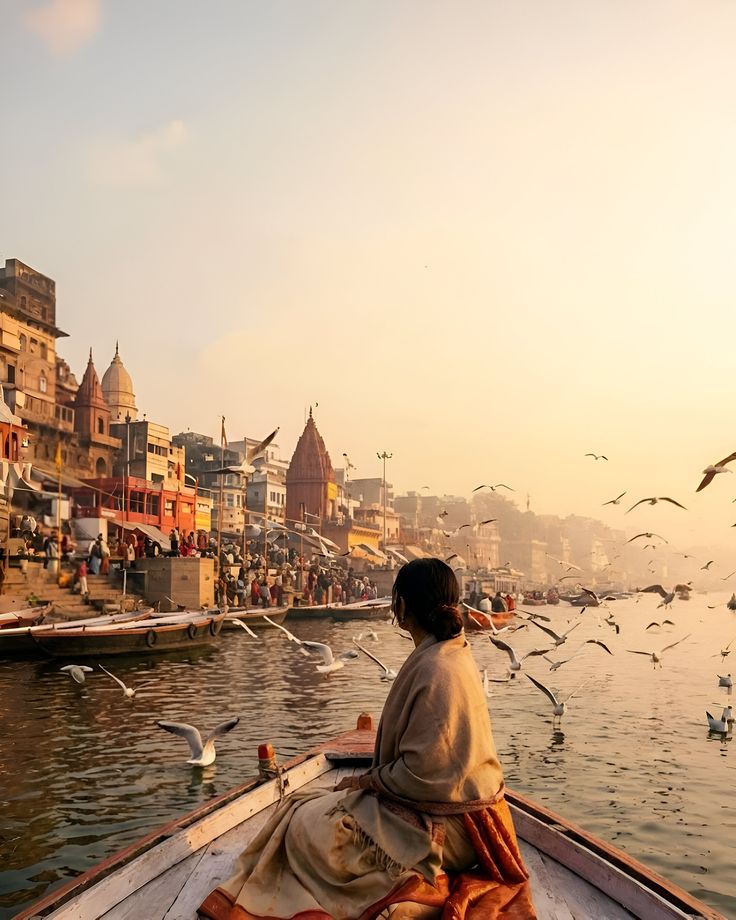
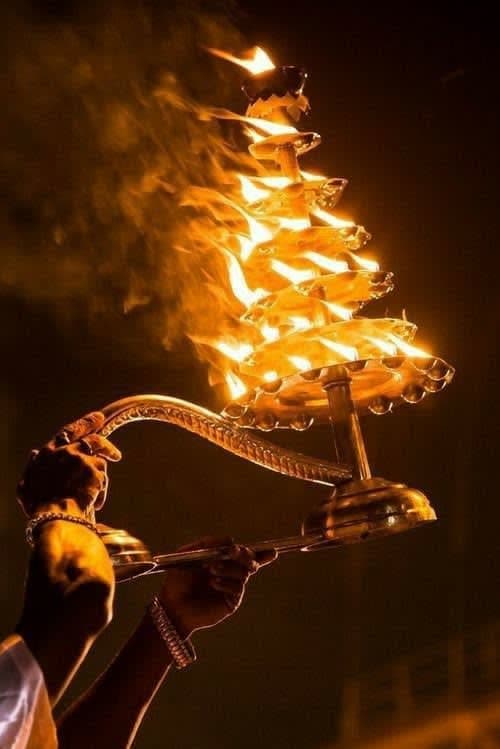
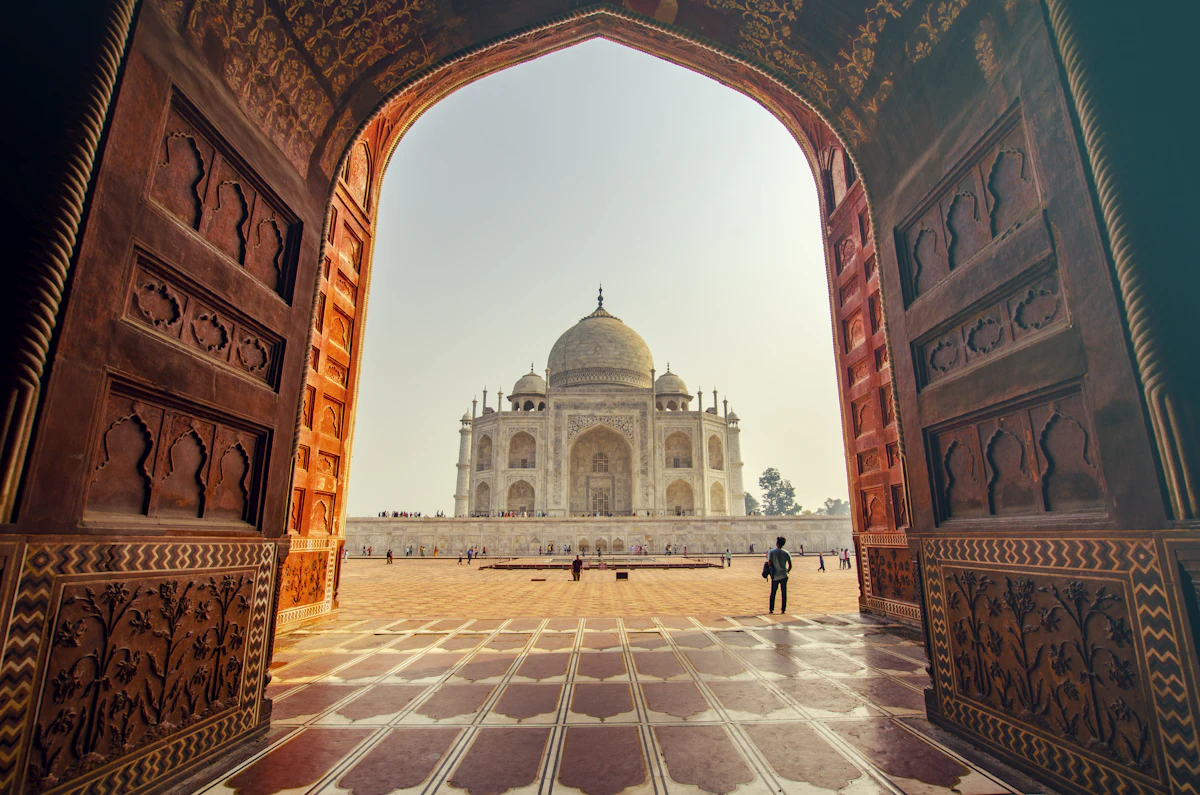
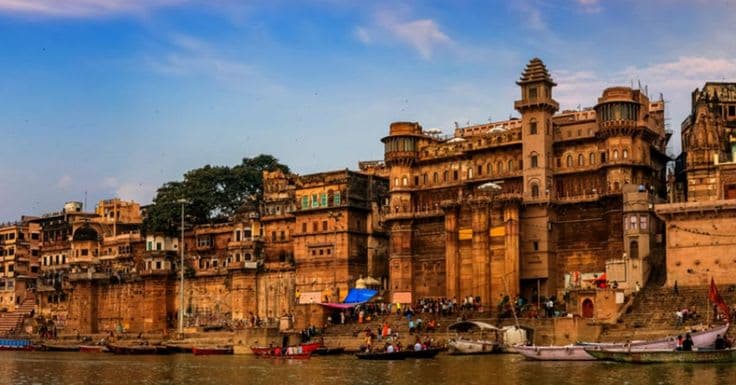
The Kashi Vishwanath Temple, the Dashashwamedh Ganga Aarti, a sunrise boat ride past the 80-plus ghats, and Sarnath, where the Buddha gave his first sermon
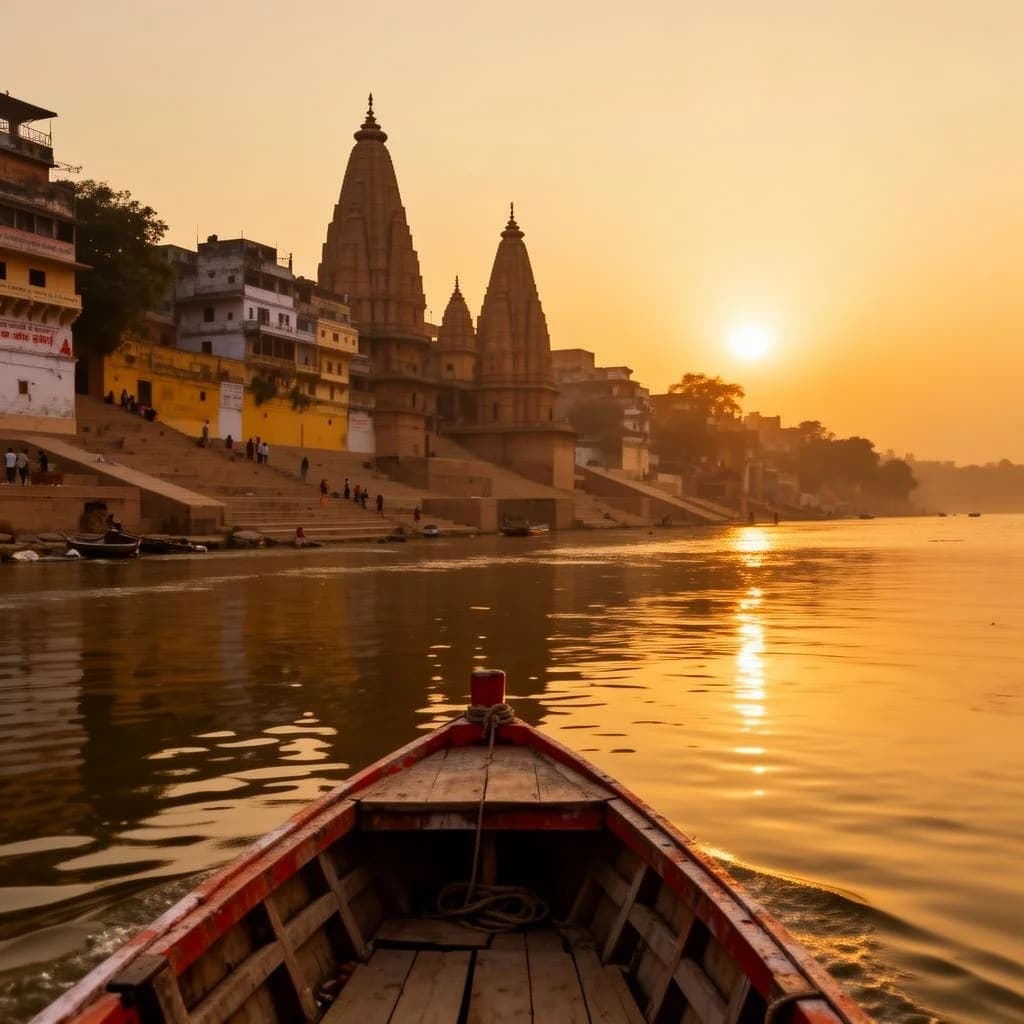
Subah-e-Banaras is a morning cultural and spiritual programme held every day at Assi Ghat, the southernmost of the great ghats. It was started on 24 November 2014 as a community initiative to welcome the day on the Ganga, and it has become one of the most loved morning experiences in the city, especially for a younger generation of Varanasi and for visitors who want a calm, participatory dawn rather than a crowded spectacle. Locals, sadhus and yoga students share the steps, and anyone may join.
The programme unfolds in the blue hour before and around sunrise, roughly in this order:
The exact order can vary a little day to day, but these are the elements that make up the programme.
Seasonal programme schedules
Comparing the two signature aartis
Assi Ghat is the southernmost ghat, about 3 km from Kashi Vishwanath, around 6.5 km from Varanasi Junction and close to Banaras Hindu University. By auto or e-rickshaw, ask for “Assi Ghat main chowk”; from BHU's main gate it is an easy 15-minute walk. For pre-dawn arrivals, a pre-booked car is the surest option, as autos are scarce at 4:30 AM. See how to reach Varanasi.
A few points of respect and care:
Arrive about 20 to 45 minutes before the listed start to claim a good spot. The second and third steps near the centre give the best balance of view and closeness to the river and the stage. Because the programme is smaller than the evening aarti, you are never far from the action, and the acoustics from the ground are richer than from a boat. Bring a thin mat or cushion, as the stone steps are hard and cold at dawn.
Subah-e-Banaras and a sunrise boat ride pair beautifully at Assi. You can take the boat first and return for the programme, or attend the programme and step onto a boat as it ends, gliding north along the waking ghats in the morning light. For the morning programme itself, the ground vantage is closer and the sound richer; the boat is best for the wider ghat sweep. See our Ganga boat ride guide.
We are Experience My India, rated 4.5 stars on TripAdvisor and Google, with 50,000+ guests served since 2018. We arrange your pre-dawn transport to Assi, a good seat for Subah-e-Banaras, and a vetted sunrise boat after, all sequenced with your darshan and the evening aarti. For South Indian pilgrims, your guide explains the chants and rituals in Telugu or Kannada. See our Varanasi packages or message Rajeev's team on WhatsApp at +91 7302265809. Plan your days with our Varanasi itinerary and explore the ghats.
Curated itineraries featuring this divine destination.






Grouped for quick scanning
Everything you need to know about Subah-e-Banaras.
Topic 01
8 questions
Subah-e-Banaras is a daily dawn programme at Assi Ghat in Varanasi, a community initiative that welcomes the day on the Ganga with Vedic chants, a havan, the morning aarti, live morning-raga music and a public yoga session. It is meditative, participatory and free, and it has become one of the city's most loved morning experiences.
Subah-e-Banaras means "the morning of Banaras," Banaras being another name for Varanasi or Kashi. The name captures the idea of beginning the day on the ghats with prayer, music and yoga as the sun rises over the Ganga. It is also sometimes written Subah-e-Banaras or referred to simply as the Assi Ghat morning programme.
It takes place at Assi Ghat, the southernmost of Varanasi's great ghats, near Banaras Hindu University, about 3 km south of Kashi Vishwanath. Assi Ghat is calmer and more relaxed than the central ghats, which suits the programme's meditative character. The steps by the river serve as the open-air venue.
Subah-e-Banaras was started on 24 November 2014 as a community initiative to celebrate the morning on the Ganga. A committee was formed to organise and promote it, and it has run daily since, growing into one of Varanasi's signature dawn experiences. It is relatively recent compared with the ancient evening aarti tradition.
It was launched in 2014 as a public initiative, associated with the state administration and a dedicated organising committee, to bring together people from all walks of life for a morning programme on the ghat. It is run by this committee with local artists, priests and yoga teachers, and it relies partly on small donations from attendees.
Yes, it is held daily, all year, though the exact timing shifts with the season and the programme can be relocated or trimmed in heavy rain. The organisers post any last-minute adjustments the evening before. It is a dependable daily ritual, which is why locals treat it as a community wellness routine.
Yes, attending Subah-e-Banaras is free and open to all. A small diya costs about ₹20, and any donation you offer supports the organisers and the classical-music troupe. There is no ticket or entry fee for the programme, the yoga, or the aarti. It is one of the most rewarding free experiences in Varanasi.
Very much so, especially if you prefer a calm, participatory dawn over a crowded spectacle. Many visitors call it the highlight of their trip, more intimate than the grand evening aarti, with yoga, chanting, a havan and live music on the river at sunrise. Paired with the evening aarti, it gives you the complete Banaras experience.
Topic 02
8 questions
The programme opens with Vedic chants and the conch, then a havan or fire ritual, the morning aarti supported by hymns, about half an hour of live morning-raga classical music, and an open-air yoga and pranayama session. It is a broad cultural and spiritual programme, not just an aarti, unfolding around sunrise on the ghat.
Roughly: Vedic chanting and conch first, then a havan with offerings, then the brief morning aarti, then live classical music in the morning ragas, and a yoga session, all around dawn. The exact order can vary a little day to day, but these are the core elements. The whole programme spans about an hour.
Yes, a free, open-air yoga and pranayama session is part of the programme, drawing yoga students and locals alongside pilgrims. It is gentle and open to all, a public wellness practice on the ghat at dawn. Unless heavy rain forces the ceremony to relocate, the yoga runs daily as part of the morning.
The havan, or yagya, is a fire ritual in which a small fire is lit in a traditional kunda and priests chant Vedic mantras while offerings of flowers, ghee and rice are made into the flames, with "Swaha" sounded at the end of each mantra. It is offered for inner purity and world peace, and anyone may participate, traditionally after a holy dip.
Yes, a morning aarti is part of the programme, but it is smaller and more intimate than the grand evening ceremony at Dashashwamedh, lasting about ten to fifteen minutes, supported by Vedic hymns rather than a synchronized multi-priest performance. It is more meditative than spectacular, in keeping with the dawn mood.
Live Indian classical and semi-classical music in the morning ragas, performed for about half an hour by expert artists, reflecting Varanasi's rich musical gharanas. In its early years, remarkably, a new artist performed each morning without repetition for a long stretch. The music is one of the programme's most beloved elements.
The full programme lasts roughly an hour, spanning the elements of chanting, havan, aarti, music and yoga around sunrise. You can attend the whole thing or join for the parts that draw you most. Many visitors stay for the aarti and the music, then step onto a sunrise boat as the programme winds down.
You are welcome to participate. Anyone may join the yoga, the chanting and the havan, and many attendees take a holy dip in the Ganga beforehand. It is a participatory community ritual, not a performance to watch from a distance, which is a large part of its appeal. Join in respectfully and at your own comfort.
Topic 03
8 questions
Roughly between 5 and 6:30 AM, shifting with the season as it is timed to sunrise and the Brahma Muhurta. In summer it is earlier, around 4:45 to 5:45 AM; in winter, around 5:30 to 6:15 AM. Always confirm the exact time the evening before, as it moves by ten to fifteen minutes through the year.
In summer, roughly April to June, the programme runs earlier with the early sunrise, commonly around 4:45 to 5:45 AM. Arrive about 20 to 30 minutes before the start. The early hour is worth it, as summer days heat up fast and the dawn on the river is the coolest, most beautiful part of the day.
In winter, roughly October to March, the programme runs a little later with the later sunrise, commonly around 5:30 to 6:15 AM. Come wrapped up, as winter dawns can be in single digits with mist over the river. The misty winter light makes the morning especially atmospheric.
Arrive about 20 to 45 minutes before the listed start to claim a good spot on the second or third step near the centre. Earlier is better in peak season and on weekends. Reaching the ghat early also lets you settle in, take in the pre-dawn calm and, if you wish, take a holy dip before the programme.
Yes. The timing is tied to sunrise, so it shifts by ten to fifteen minutes through the year, earlier in summer and later in winter. It can also shift if the river is high or there is a weather alert. The organisers post adjustments the evening before, so always confirm the night before rather than relying on old listings.
Because the programme is timed to the changing sunrise and is adjusted seasonally for river safety, so a single fixed time is never accurate, and many old blog listings are out of date. The reliable approach is to confirm the current timing the evening before through the organisers or your hotel, rather than trusting a years-old figure online.
Confirm it the evening before through the organisers, your hotel, or a local guide, as the timing shifts seasonally and can change at short notice for weather or river conditions. If you are travelling with us, we confirm the exact time for your morning and arrange your pre-dawn transport so you arrive comfortably ahead.
It runs daily through the year, but in heavy rain the ceremony may be relocated, shortened or trimmed, and high river levels in the monsoon can affect it. The yoga and some elements continue unless the weather is severe. Confirm the night before in the rainy season, as the programme adapts to conditions.
Topic 04
6 questions
Subah-e-Banaras is a meditative, intimate, participatory morning programme with yoga, chanting, a havan, the morning aarti and live music, attended mostly by locals and yoga students. The Dashashwamedh evening aarti is a grand, dramatic, multi-priest fire spectacle drawing thousands. One is reflective and hands-on, the other unmissable and theatrical.
Neither is better; they are opposites that complete each other. If you want a calm, participatory dawn, choose Subah-e-Banaras; if you want the grand spectacle, choose the evening aarti. The ideal is to attend both, the meditative morning and the dramatic evening, for the complete Banaras experience. Most visitors who do both are glad they did.
If you can manage early mornings, do both: Subah-e-Banaras at Assi at dawn and the Ganga Aarti at Dashashwamedh in the evening. If you must choose one, the evening aarti is the unmissable spectacle, while Subah-e-Banaras is the more intimate and reflective. They are different enough that doing both does not feel repetitive.
Yes, and many visitors do, bookending the day with the meditative Subah-e-Banaras at dawn and the grand Dashashwamedh aarti at dusk, with temples, the boat and Sarnath in between. It makes for a full but deeply rewarding day. We sequence both into our itineraries with the right transport and timing.
It is calmer and far less crowded than the evening Dashashwamedh aarti, with a community feel and mostly locals, sadhus and yoga students rather than large tourist crowds. You get closer seats and a more participatory experience. It can be busier on weekends and festival mornings, so arrive a little earlier then.
The morning Subah-e-Banaras, with its yoga, chanting, havan and gentler aarti, is the more meditative and reflective, suited to those seeking inner calm. The evening aarti is powerful but dramatic and crowded. For a contemplative experience on the river, the dawn programme at Assi is the one to choose.
Topic 05
5 questions
Assi Ghat is the southernmost ghat, near BHU, about 6.5 km from Varanasi Junction. Take an auto or e-rickshaw and ask for "Assi Ghat main chowk," or walk 15 minutes from BHU's main gate. For a pre-dawn arrival, a pre-booked car is surest, as autos are scarce at 4:30 to 5 AM. We arrange your morning transport.
Assi Ghat is about 6.5 km from Varanasi Junction, roughly a 20 to 30 minute auto or taxi ride depending on traffic. From Banaras (Manduadih) station it is closer. From BHU or the Lanka area it is very close, sometimes walkable. For an early Subah-e-Banaras start, arrange transport the night before.
If you are staying near Assi, BHU or Lanka, yes, it is an easy walk, including a lamp-lit 15-minute walk from BHU's main gate. From the central ghats it is about 3 km along the riverside, a pleasant walk but a long one before dawn. Most visitors take an auto or pre-booked car for the early start.
The second and third steps near the centre give the best balance of a clear view and closeness to the river and the stage. Because the programme is smaller than the evening aarti, every seat is reasonably close. Arrive 20 to 45 minutes early to claim your spot, and bring a thin mat for the hard, cold stone.
There is limited parking near the road above the ghat, which can fill at peak times, and no vehicles reach the ghat steps themselves. Most visitors arrive by auto, e-rickshaw or pre-booked car and walk the last short stretch. If you drive, come early for the pre-dawn programme, when parking is easier.
Topic 06
7 questions
Dress modestly, as it is a sacred space, with shoulders and knees covered, and warmly in winter, when the dawn can be cold and misty. Comfortable clothing suits the yoga session if you join it. A shawl or light layer is useful year-round for the early river breeze. Footwear should be easy to slip off near the water.
Yes, absolutely. Subah-e-Banaras is open to everyone regardless of faith, and it is attended by both Hindu and non-Hindu locals, yoga students and visitors from around the world. The yoga, music and dawn atmosphere have a universal appeal. Join in respectfully, and you are warmly welcome at this community programme.
Yes, photography of the general programme is welcome, and the dawn light, yoga silhouettes and the river make for beautiful images. Be respectful: avoid flash near the yoga mats and during quiet, meditative moments, and do not intrude on people in prayer. Keep your phone or camera secure near the water's edge.
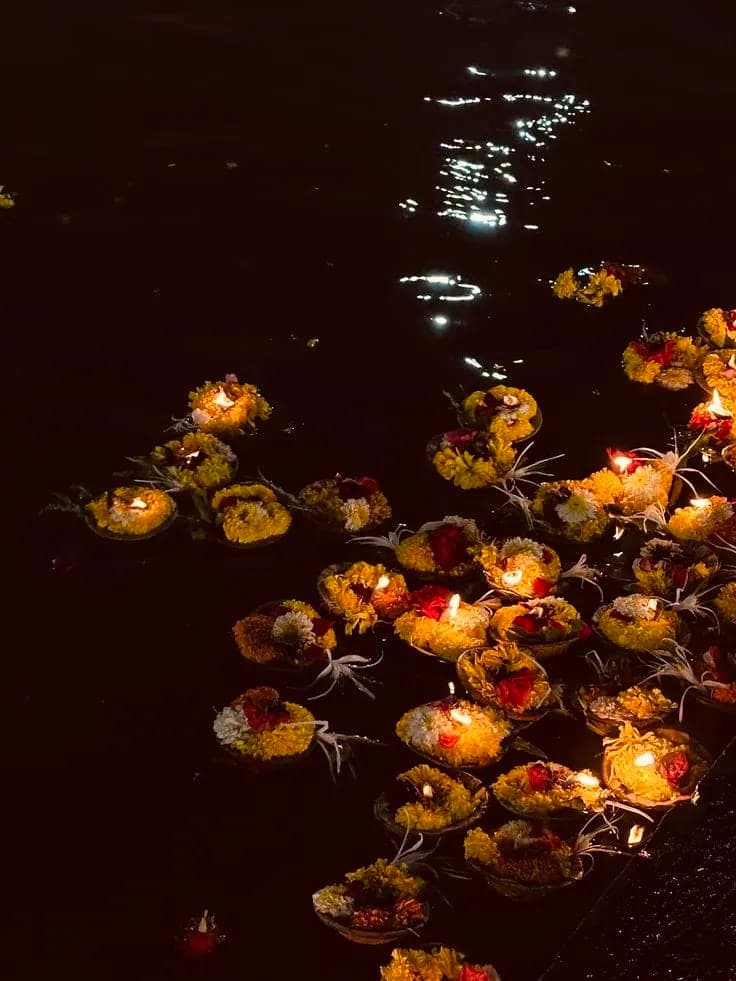
Many pilgrims bring a copper pot to collect the first Ganga water of the day, which is considered especially sacred, to carry home for worship or rituals. The early morning at Assi, during Subah-e-Banaras, is a favoured time for this. It is one of the small, living traditions that give the dawn programme its texture.
A holy dip is traditional before joining the havan and offerings, and many attendees take one, but it is not required to attend or watch. If you wish to dip, use the designated bathing steps, mind your footing, and do not swallow the water. You can take part in the yoga, chanting and music without bathing.
Yes, Assi Ghat is considered safe, especially during the busy Subah-e-Banaras hours when locals, students and visitors fill the steps. Take normal precautions with your belongings in any crowd, and use a vetted auto or pre-booked car for the pre-dawn journey. The dawn programme is one of the safest, calmest times on the ghats.
Yes, it is family-friendly and gentler than the crowded evening aarti, with space to sit comfortably and a calm atmosphere. For elders, the second or third step is easiest, with a mat to sit on, and a pre-booked car for the early transport. Children usually enjoy the music and the dawn on the river.
Topic 07
7 questions
Yes, they pair beautifully at Assi. Take a sunrise boat first and return for the programme, or attend the programme and step onto a boat as it ends, gliding north along the waking ghats. For the programme itself the ground vantage is closer and the sound richer, while the boat is best for the wider ghat sweep.
Yes, Assi Ghat is a popular and peaceful place to start a sunrise boat ride, and boats are readily available there at dawn. Many visitors combine the boat with Subah-e-Banaras. Agree the fare, duration and route before boarding, and insist on life jackets, or book a vetted boat in advance. See our Ganga boat ride guide.
Yes. A natural plan is Subah-e-Banaras at Assi at dawn, then a boat north to the central ghats, then a walk to Kashi Vishwanath for morning darshan. It fills the early hours beautifully before the heat and the crowds build. We sequence the dawn programme, the boat and your darshan into one smooth morning.
With us, yes. For South Indian pilgrims, we provide a guide who explains the chants, the havan and the rituals in Telugu or Kannada, so the meaning of the morning is clear, not just the spectacle. This is part of why many pilgrims from Andhra Pradesh, Telangana and Karnataka choose to experience the dawn programme with us.
Budget about an hour for the programme itself, plus travel time to reach Assi before dawn, so roughly two hours from leaving your hotel to the end. If you add a sunrise boat ride, allow another hour. It is an early but unhurried morning, best followed by chai and breakfast in the old city afterward.
October to March is most comfortable, with cool, atmospheric, often misty dawns, though the programme runs all year. Winter mornings are especially beautiful but cold, so dress warmly. Summer dawns are earlier and hot soon after; the monsoon can bring rain that trims the programme. The cool season is the easiest and loveliest time.
Yes. We arrange pre-dawn transport to Assi, a good seat for the programme, and a vetted sunrise boat after, sequenced with your darshan and the evening aarti, with the timing confirmed for your morning. For South Indian pilgrims, your guide narrates in Telugu or Kannada. Message us on WhatsApp at +91 7302265809.
Topic 08
4 questions
Yes, Assi Ghat has its own evening Sandhya Aarti, smaller and with a youthful, musical feel compared with the grand Dashashwamedh ceremony, commonly around 6:30 to 7:30 PM depending on the season. It offers closer seats and a calmer vibe. Many visitors enjoy the morning Subah-e-Banaras and the Assi evening aarti as a gentler pair.
No, the programme itself is free and open to all, with no booking required. What is worth arranging in advance is your pre-dawn transport and, if you want it, a sunrise boat and a guide, since autos are scarce before dawn. We arrange the transport, seat and boat so your early morning runs smoothly.
Yes, the yoga session is gentle and open to all levels, including complete beginners, with simple stretches and breathing rather than advanced postures. Join in at your own comfort, or simply watch. It is a relaxed, public practice on the ghat, not a formal class, so there is no pressure to keep up.
Yes, the dawn light, the mist over the river, the yoga silhouettes and the lamps make it a wonderful subject, and it is calmer than the crowded evening aarti, so you have room to compose. Be respectful: no flash near the yoga mats or during quiet moments, and keep your camera secure near the water's edge.
Still have a question?
Message Rajeev on WhatsApp