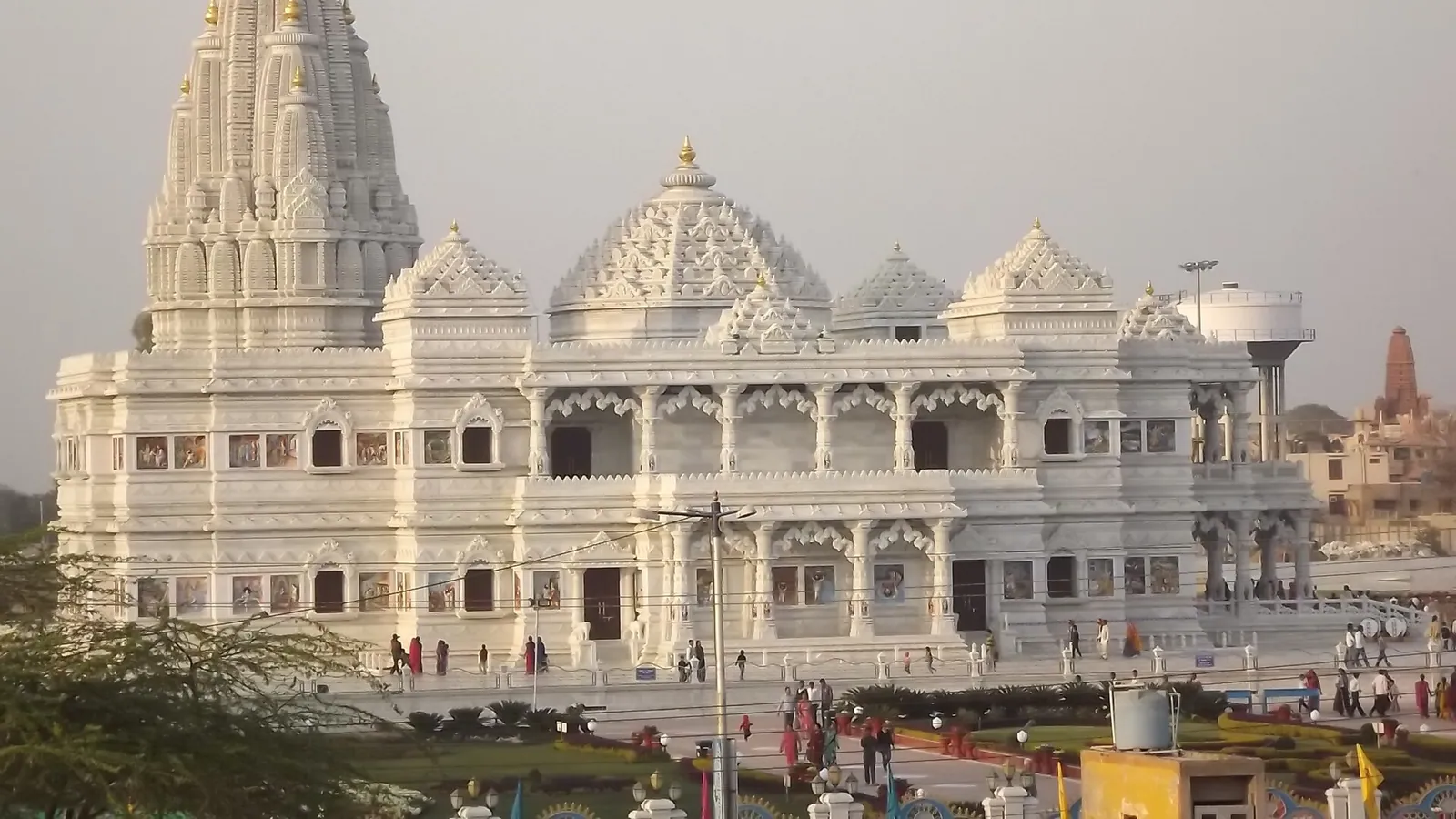
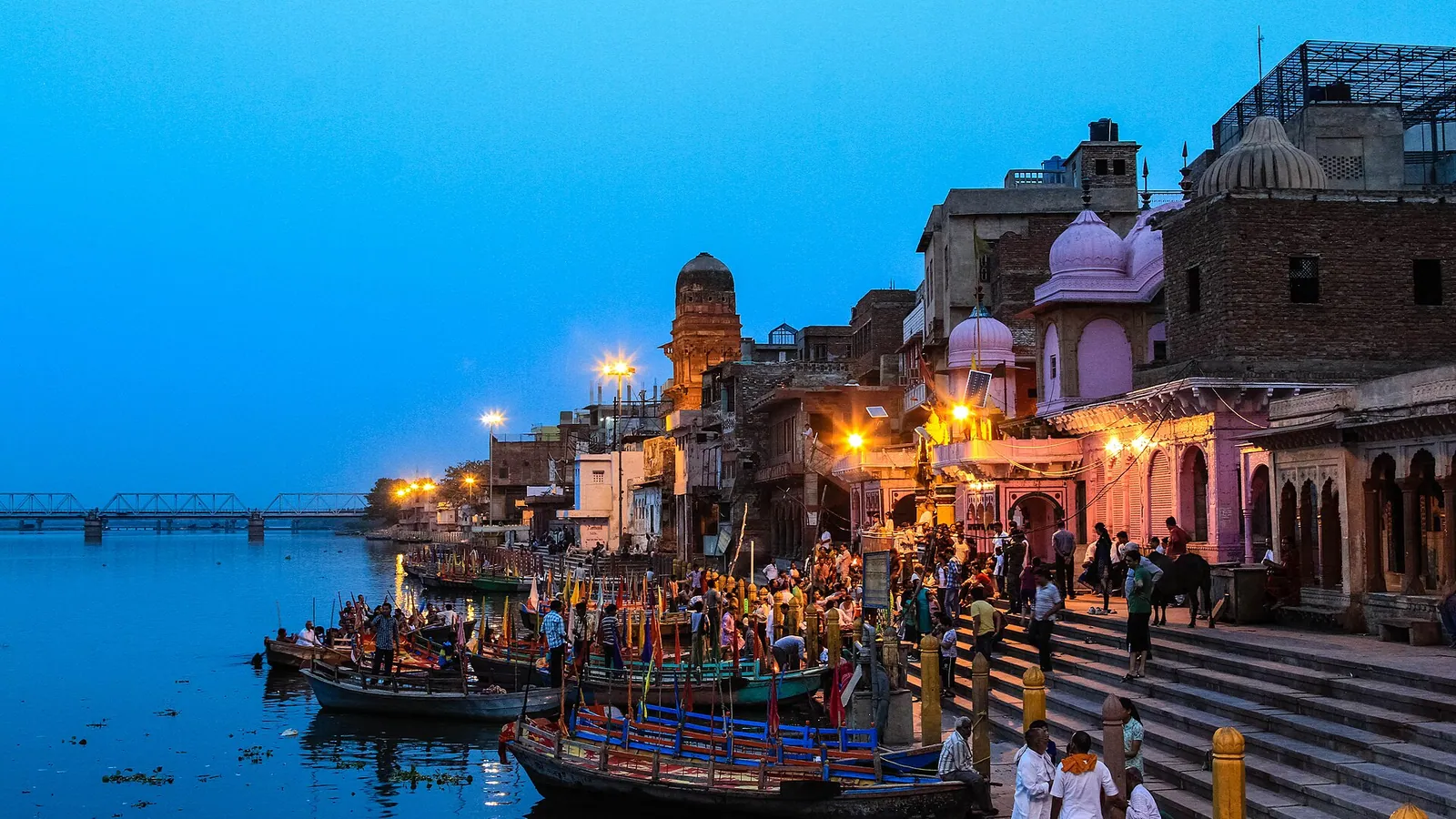
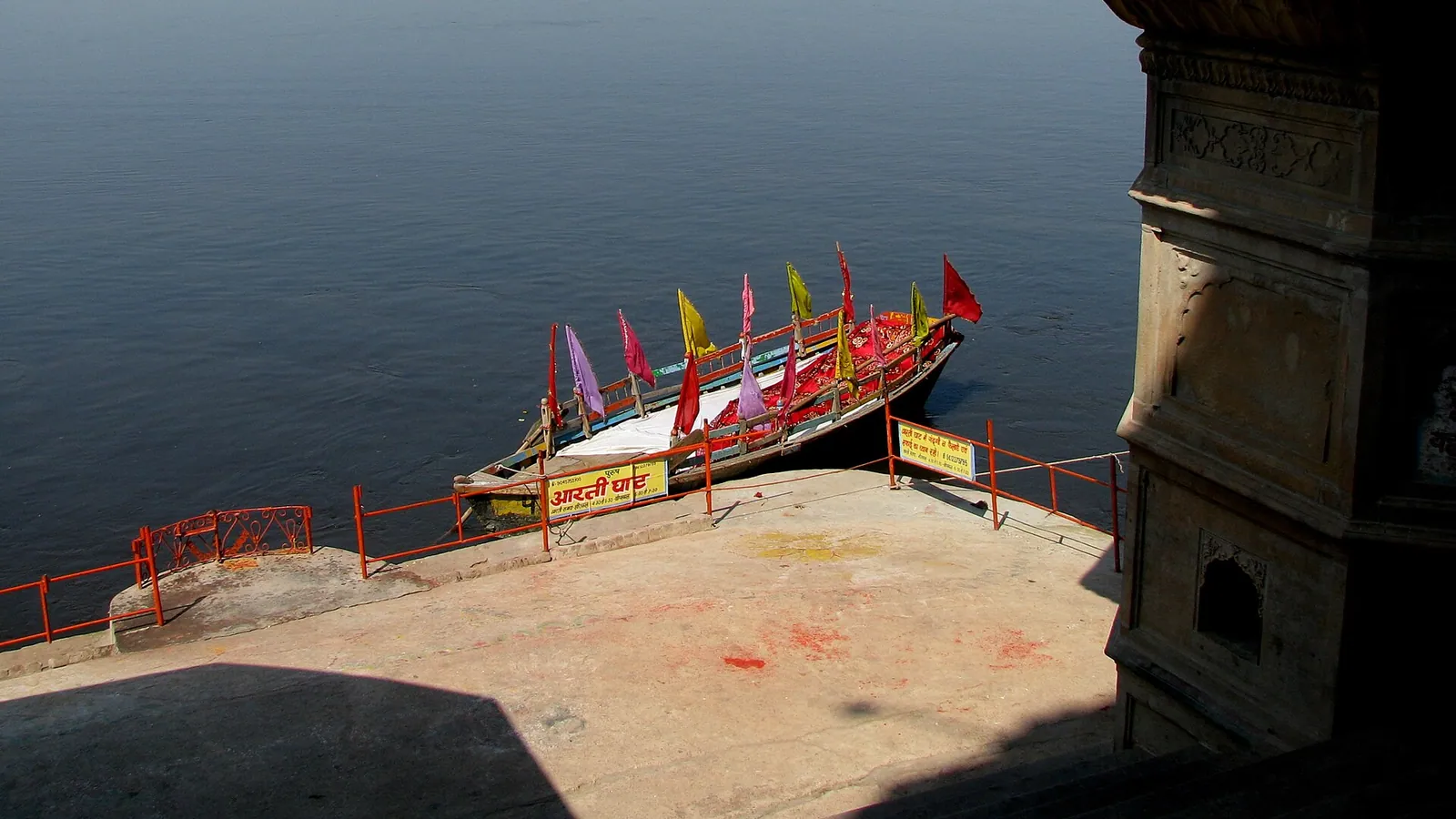
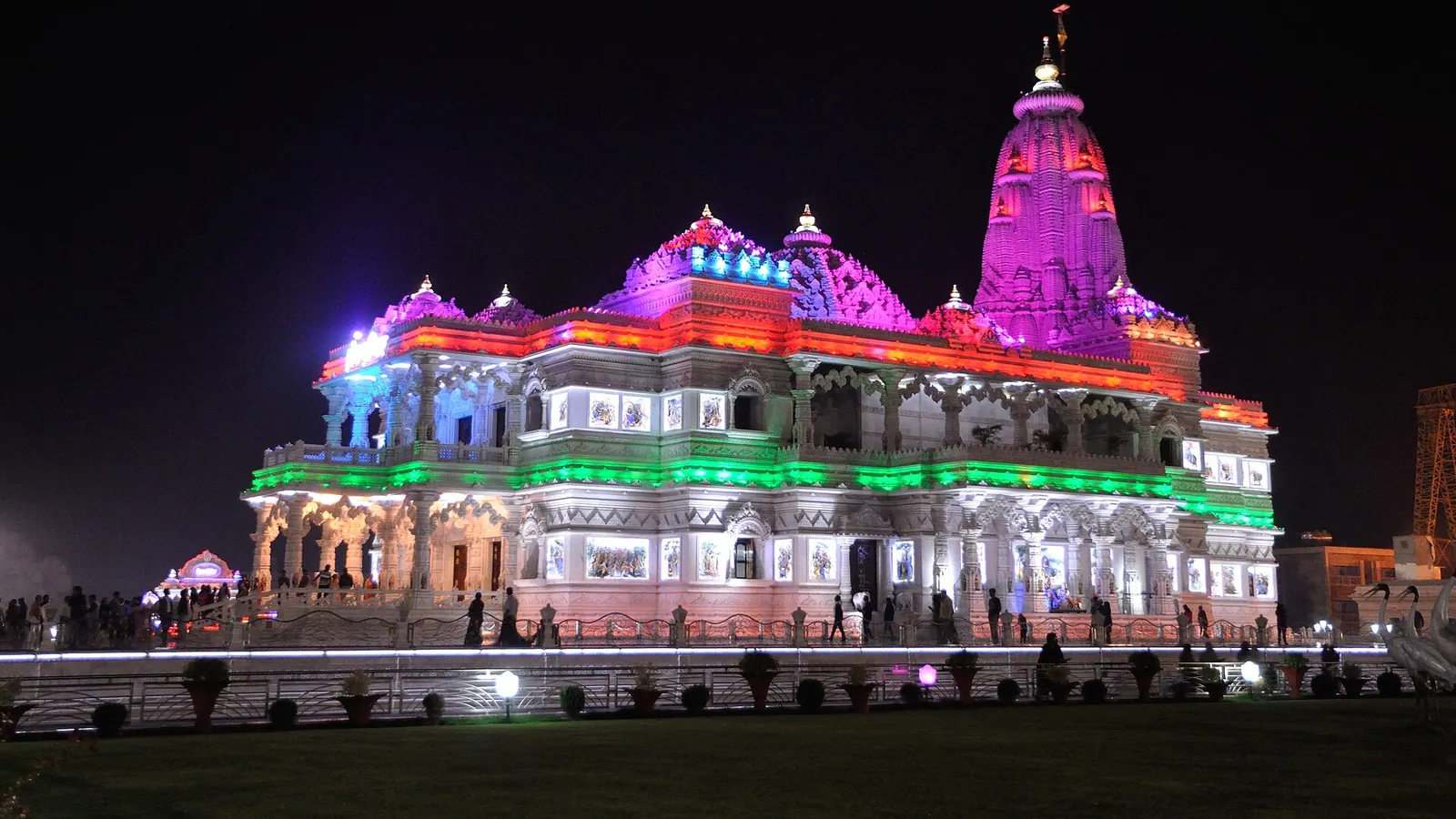
Mathura and Vrindavan, the land of Lord Krishna, add a whole new devotional colour to the journey - joyful, musical and tender where the rest is solemn. Mathura holds the Krishna Janmabhoomi, the very birthplace of the Lord, and Vrindavan, where he spent his childhood, overflows with temples - the beloved Banke Bihari, the radiant Prem Mandir, the ISKCON temple, and the ghats of the Yamuna where Krishna played. We arrange the darshans with care through the crowds and include the evening aarti and the living, singing devotion that fills these twin towns.
The land of Braj has a sweetness all its own, and for many families the Krishna darshan is as dear as any on the circuit. We give Mathura and Vrindavan unhurried time - the Janmabhoomi, the great temples, a Yamuna aarti, and the lanes loud with the names of Radha and Krishna - so the Braj chapter is fully felt and not rushed. To join the land of Krishna to the cities of Ram and Shiva is to hold the three great devotional streams of the north in a single pilgrimage. Radhe Radhe.
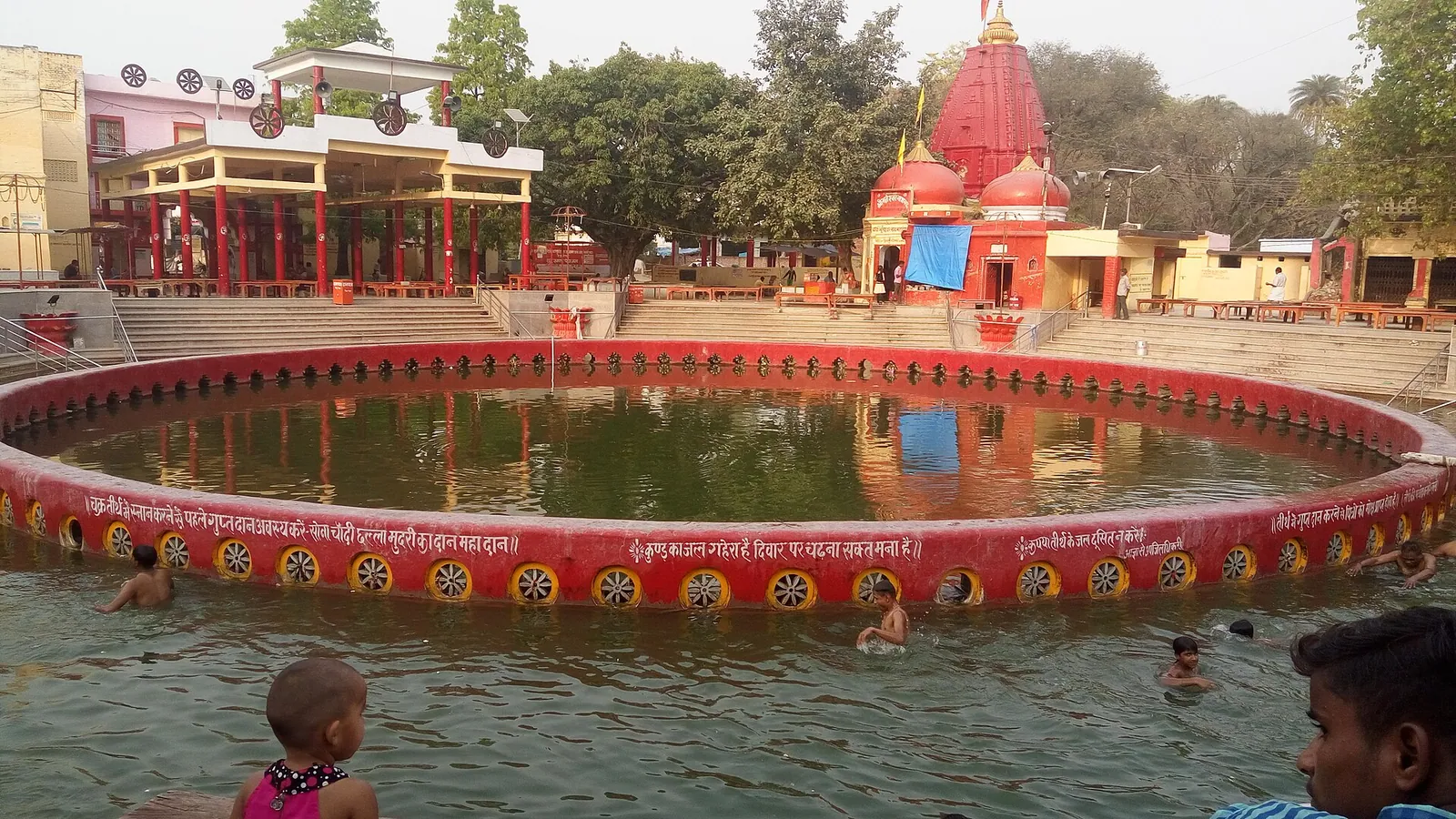
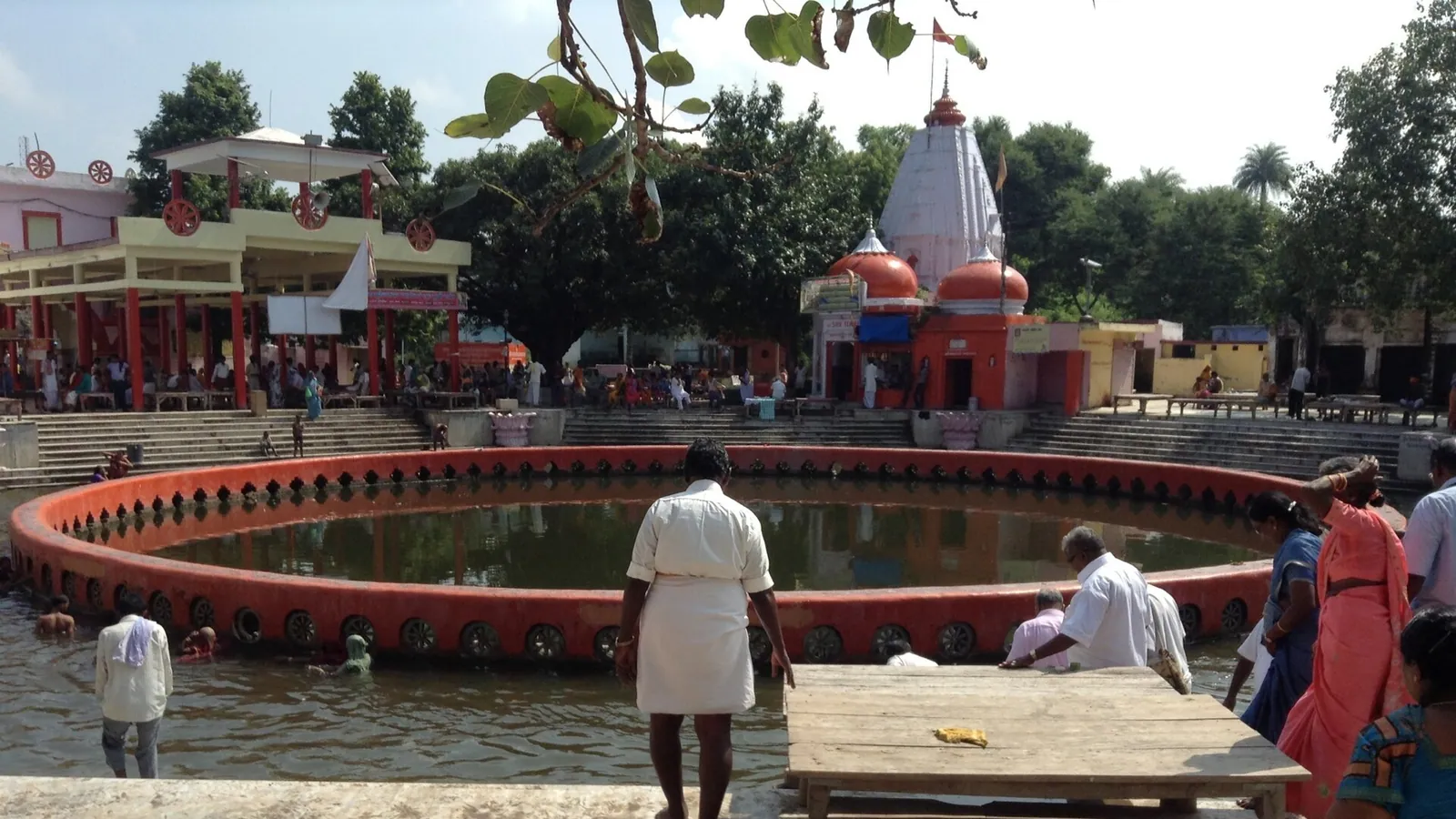
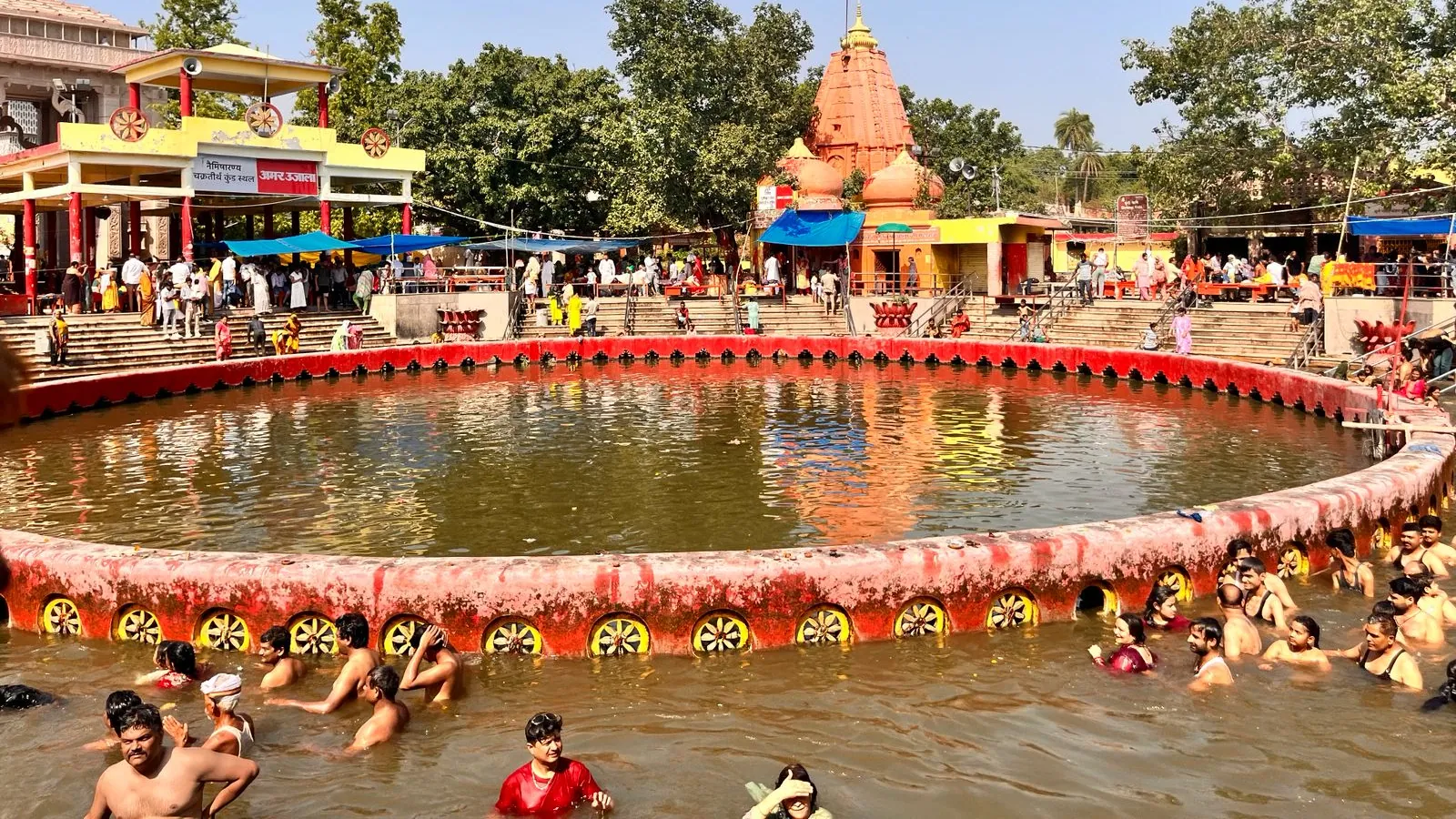
Naimisharanya, in the quiet countryside near Sitapur, is one of the most ancient and revered tirthas in all of Hinduism, yet one that few outside the devout ever reach - the forest where the sage Suta Goswami recited the Puranas to the eighty-eight thousand rishis, and where the discus of Vishnu is said to have fallen to mark the holiest spot on earth. We include the Chakra Tirtha, the sacred tank at the centre of it all, the Vyas Gaddi where the scriptures were composed, and the Lalita Devi and Hanuman shrines around.
To add Naimisharanya is to reach the very root of the sacred tradition, the place where the stories that the rest of the circuit worships were first told and written down. It is peaceful, rural and deeply atmospheric, a world away from the crowds, and we include it as the contemplative close to the fullest version of the journey. For the pilgrim who wishes to leave nothing out, Naimisharanya is the hidden jewel that completes the whole.
Ayodhya, the birthplace of Lord Ram, is the spiritual heart of this journey and, since the consecration of the grand Ram Janmabhoomi Mandir, among the most sought-after darshans in all of India. Standing before Ram Lalla in the magnificent new temple is, for countless pilgrims, the fulfilment of a devotion carried for a lifetime, and we arrange the darshan with assistance through the queues and security so the moment is calm and complete. Around it we include Hanuman Garhi, the hilltop fort-temple of Hanuman that guards the city, and the Kanak Bhawan and other shrines of the old town.
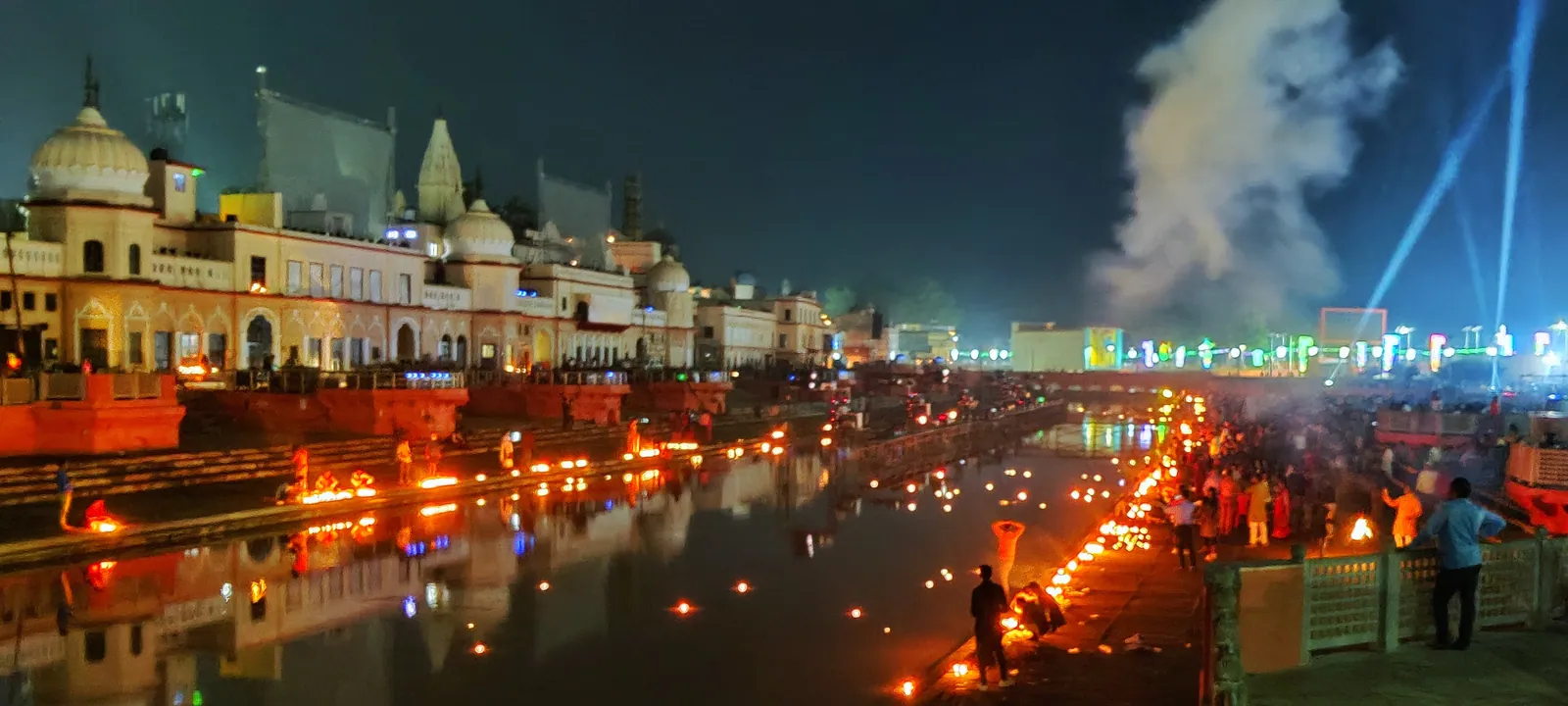
The Saryu river gives Ayodhya its gentler soul, and the evening aarti at Ram ki Paidi, with its lamps and chanting along the ghats, is a moving counterpart to the darshan. We time your visit so the temple and the river are both unhurried, and our guide tells the Ramayana as it lives in these streets - the places of Ram's birth, childhood and return. To walk Ayodhya with its story in your ears is to understand why it has drawn the devout for millennia. Jai Shri Ram.
Ayodhya has changed greatly since the new temple rose, with wide approaches, managed queues and a city reshaped for the pilgrims who now come in their millions. We keep abreast of the darshan arrangements as they evolve, advise you on what to expect, and handle the practicalities - the timings, the security, the cloakrooms - so that your family meets the city at its calmest and gives its full attention to the darshan rather than to the logistics around it.
Chitrakoot is where Lord Ram, Sita and Lakshman spent the greater part of their forest exile, and it is among the most serene and beautiful places in the whole circuit - gentle hills, the quiet Mandakini river, and a deep stillness that the great cities do not have. We include the parikrama of Kamadgiri, the sacred hill held to be Ram himself, Ramghat on the Mandakini where the family bathed, and the cave shrines of Gupt Godavari and Hanuman Dhara. Pilgrims often say Chitrakoot moves them most of all, for here the Ramayana feels close and tender.
Chitrakoot is a place to slow down and breathe after the intensity of the cities, and we build it in so that the journey has a gentle, reflective heart. The evening aarti on the Mandakini, the forest shrines, the unhurried parikrama - all carry the atmosphere of Ram's exile, of devotion lived simply in the wilderness. For a circuit built around the life of Ram, Chitrakoot is the chapter that completes Ayodhya, the forest years between the birth and the return. Jai Shri Ram.
Prayagraj, called Tirtharaj, the king of pilgrimage places, is where the Ganga, the Yamuna and the unseen Saraswati meet at the Triveni Sangam, and a single bath at the confluence is held to wash away the sins of lifetimes. We take you by boat to the meeting of the waters, where the clear green Yamuna and the pale Ganga flow together, for a dip or a quiet offering, and include the Akshayavat, the undying banyan, and the riverside temples. It is one of the holiest spots in Hinduism, and it sits naturally on the road between Ayodhya and Kashi.
The city carries the memory of the great Kumbh and Magh melas, when millions gather at the Sangam, and even on an ordinary day the confluence has a charged and peaceful power. We arrange the boat and the rites with a reputable priest, explain the meaning of the sacred geography, and give you unhurried time at the water. For a pilgrim moving between the city of Ram and the city of Shiva, the confluence of the holy rivers completes the sacred triangle of the plain.
Varanasi, the eternal city of Shiva on the Ganga, is the other great pole of the journey - the oldest living city on earth, where devotion has flowed unbroken for thousands of years. At its heart is the darshan of the Kashi Vishwanath Jyotirlinga through the grand Dham corridor, which we arrange with assistance through the queues; and around it the darshans of Kaal Bhairav and Sankat Mochan, and the lanes of the old city with their silk and sweets and shrines. Kashi is intense and overwhelming, and our guidance turns that intensity into meaning rather than confusion.
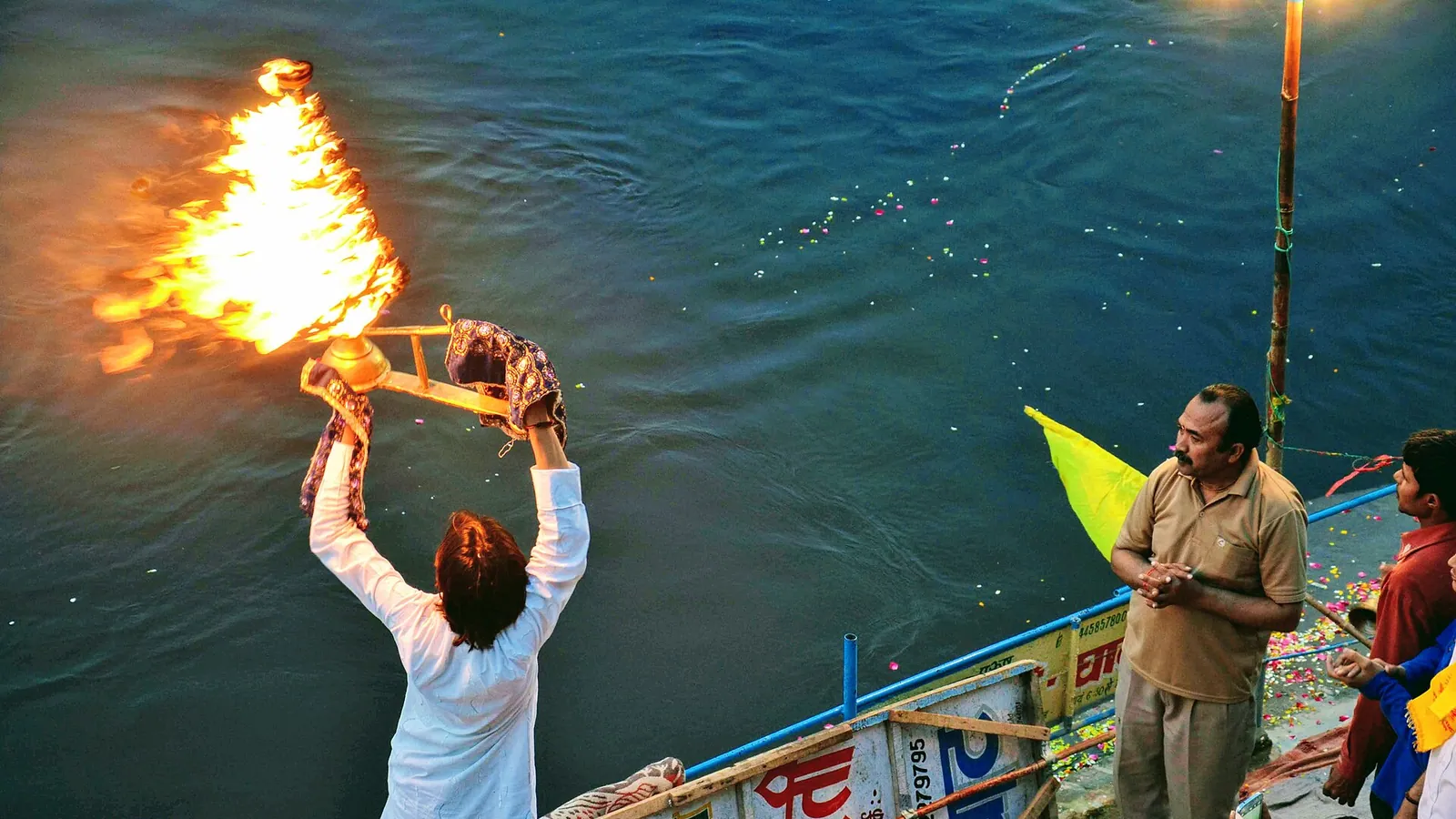
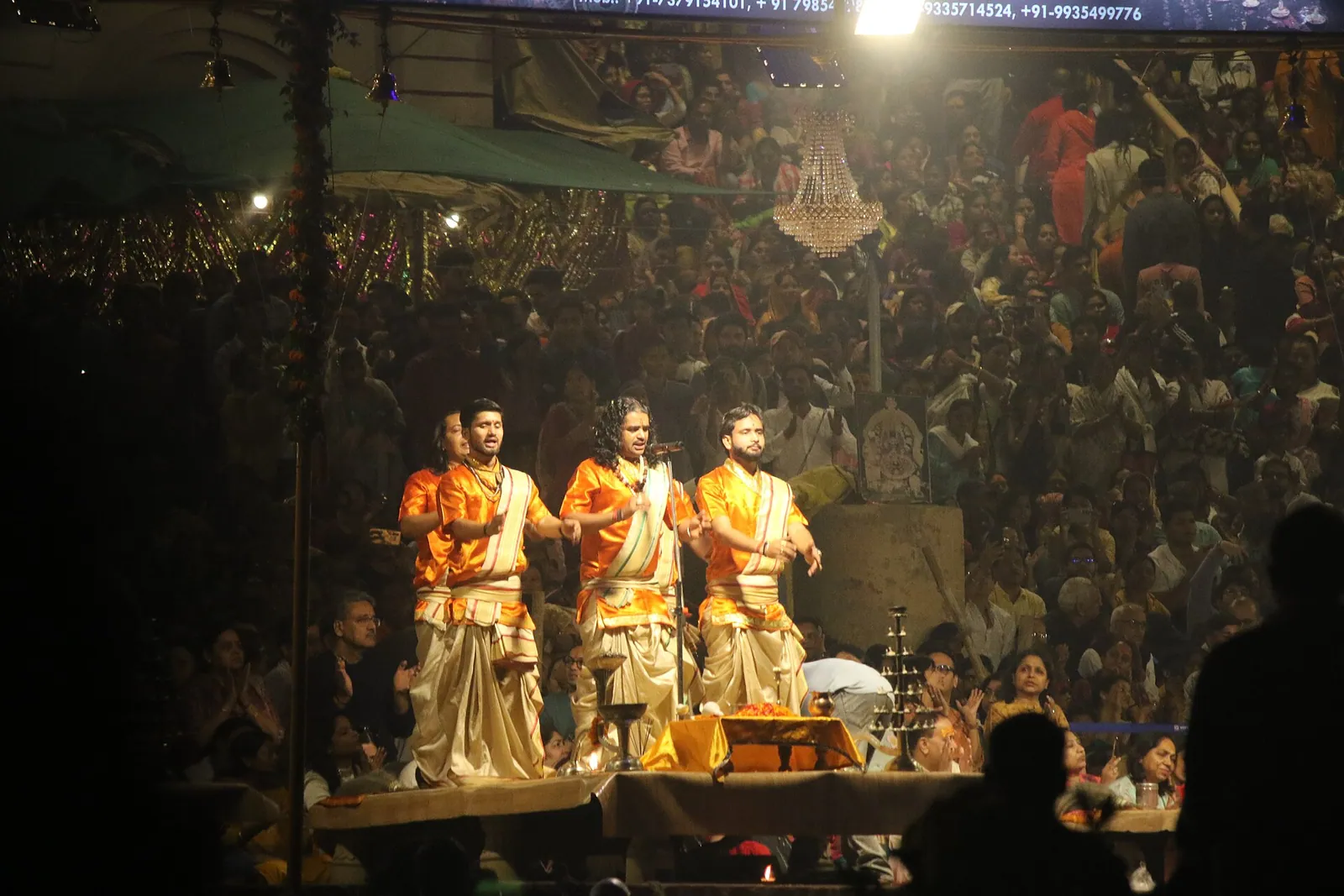
The river is the soul of Kashi. The grand evening Ganga aarti at Dashashwamedh Ghat, with its lamps and conches and chanting, is among the most stirring sights in India, and the sunrise boat at dawn - the ghats waking, the bathers, the rituals, the sun rising over the water - is the image of Varanasi the world knows. We arrange both, from a good vantage and at the right hour, and include the serene Buddhist site of Sarnath nearby where the Buddha gave his first sermon. Har Har Mahadev.
We keep your base near the ghats so that the aarti and the dawn boat are a short walk or a short ride away, and your days in Kashi flow without long transfers through the crowded old city. Our guide carries you through the maze of lanes, the etiquette and the darshan arrangements, so that a city which can overwhelm the first-time visitor becomes, instead, a profound and ordered encounter with the oldest living faith on earth. That guidance is the heart of what we add at Kashi.